 |
|
MILEAGE-BASED USER FEES DISCUSSED AT KEY COMMITTEE HEARINGS ON TRANSPORTATION
|
|
|
|
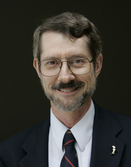
Robert Poole, Transportation Director, Reason Foundation
|
|
|
|
|
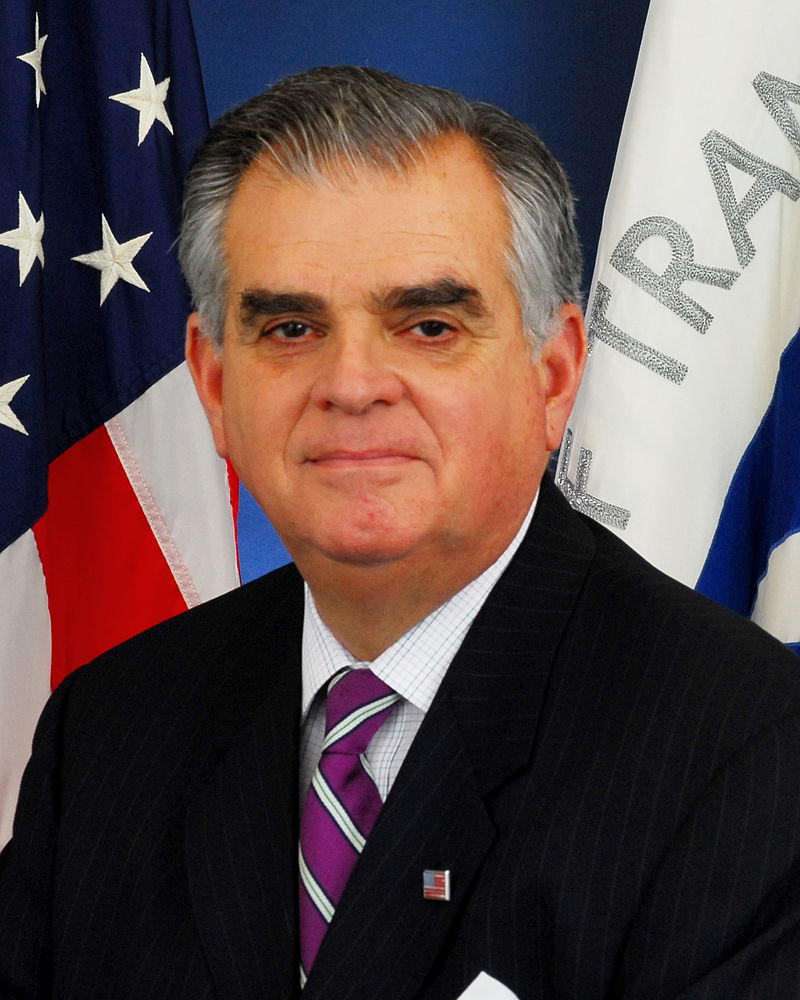
Ray LaHood, Former United States Secretary of Transportation
Co-Chair, Building America's Future
|
|
Mileage-based user fees were discussed on Capitol Hill several weeks ago at hearings by the House Ways and Means Committee and the Senate Finance Committee on highway funding.
Robert Poole, Director of Transportation Policy at Reason Foundation, testified in front of the House committee on June 17 and spoke at length of the merits of a maintaining a "user pays/users benefit" system of transportation funding through mileage-based user fees. Below is an excerpt of his testimony and the full testimony can be found here.
Ray LaHood, former United States Secretary of Transportation and Co-Chair of Building America's Future, spoke on June 18 in front of the Senate Finance Committee's hearing on transportation funding. LaHood described the actions states were taking to make up for dwindling revenue from the gas tax and highlighted Oregon's recent launch of the nation's first mileage-based user fee system. Below is an excerpt from his testimony and his
full testimony can be found here.
Robert Poole Testimony (excerpt):
Given ongoing trends toward (a) ever-higher miles per gallon ratings of new cars and trucks and (b) the likely increasing market penetration of alternatives to petroleum-fueled internal combustion engines, we need a funding mechanism that will be independent of propulsion sources on an ongoing, sustainable basis.
[...]
It is also clear that the prime movers in working on this transition are state DOTs, with help from various transportation research institutes. A decade ago many people assumed that if this transition were to come about, it would be imposed top-down by the federal government. Today, it seems far more likely that state DOTs, with support from their legislators, will pioneer
MBUFs.
[...]
A recent trend is the formation of MBUF coalitions among adjacent states with significant cross-border travel (e.g., Washington, Oregon, California, and Nevada) to compare notes and learn from one another's pilot projects.
Ray LaHood Testimony (excerpt):
We must also look at a variety of other options such as establishing a National Infrastructure Bank, raising the cap on Private Activity Bonds, creating a new kind of tax-exempt municipal bond called Qualified Public Infrastructure Bonds, consider other user based funding mechanisms such as road user charges, and lift federal restrictions on tolling so that states may take greater advantage of partnering with the private sector.
|
|
|
SENATE LOOKS TO POSSIBLY PASS LONG-TERM HIGHWAY BILL THIS WEEK
With current federal transportation funding set to expire on July 31 and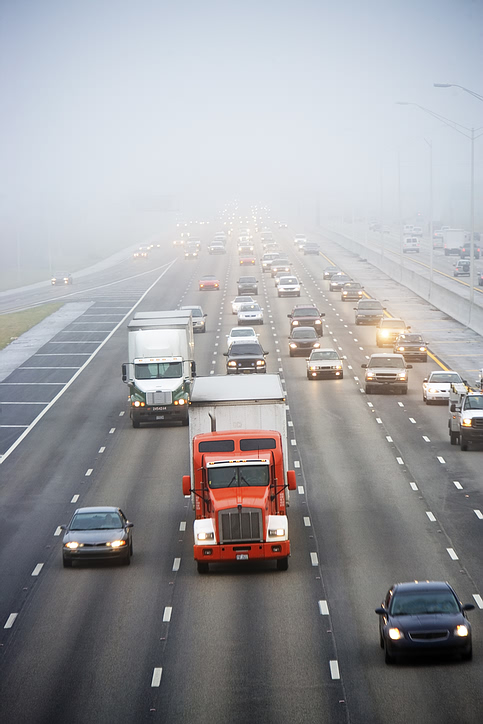 Congress's August recess approaching, the Senate this week is working to pass a long-term transportation bill.
The six-year, $275 billion Developing a Reliable and Innovative Vision for the Economy Act (DRIVE Act, S.1647) contains provisions for the research of alternative funding sources for surface transportation. The objective of the research would be to study aspects of an alternative user-fee system such as interoperability, equity, implementation, and public acceptance. Text of the bill relating to the research can be found here.
The Senate's Environment and Public Works Committee unanimously passed the transportation authorization on June 24 in a full committee, bipartisan vote.
Passing the DRIVE Act may be a heavy lift as senators supporting the Export-Import Bank may attach an amendment to the highway bill reauthorizing the Bank's charter, which expired June 30.
On July 15, the House of Representatives passed an $8 billion short-term extension of the current MAP-21 legislation to keep the Highway Trust Fund solvent through December 2015.
|
|
STATE NEWS
|
MEMBERSHIP
New Member
- Indiana, Illinois, Iowa Foundation for Fair Contracting
Renewing Member
- CH2MHILL
- Humphrey School of Public Affairs
University of Minnesota
- Verdeva, Inc.
|
This month saw the deployment of the
Oregon Department of Transportation's ORe
Go program where up to 5,000 Oregon resident volunteers will pay 1.5 cents per mile driven and receive credit for any state gas taxes paid at the gas pump.
The nation's first mileage-based user fee system will be closely watched by transportation officials and governments as feedback and suggestions for improvement are provided by participants. Many other states are considering adopting a pay-by-the-mile structure to help fund state transportation and infrastructure projects as state's gas taxes across the nation have failed to keep up with funding needs.
California
This month, the California Road Charge Technical Advisory Committee will hold their seventh monthly meeting in a continuing series of discussions being held throughout the state on the design of a Road Charge Pilot Program. At the July 24 meeting, the TAC will consider the number and type of participants to include in the pilot, determine system data security requirements to use in the pilot program, adopt privacy principles, and undertake a comprehensive review of TAC policy and design decisions made to date.
The
California Department of Transportation
has launched a website for the program that allows interested parties to provide comments, volunteer to participate in the pilot, and view live-streaming webcasts of the meetings. The website also includes meeting agendas, materials, and archived webcast videos of previously held meetings. All Road Charge Technical Advisory Committee meetings are open to the general public.
Vermont
Vermont Transportation Secretary Sue Minter stated in June that she will be watching the progress of pilot programs in Oregon and Washington that tax drivers on miles driven instead of gasoline consumption as the state looks for alternative transportation funding sources.
Vermont's current transportation bill calls on the Vermont Agency of Transportation to identify and evaluate transportation funding sources besides the gas tax and to review the actions of other states that have already replaced their gas tax with other funding sources.
|
|
NEW MEMBER INFO
The Indiana, Illinois, Iowa Foundation for Fair Contracting (III FFC) is a labor-management organization, funded solely through participating contractors, established to support, promote and encourage fair contracting. The III FFC is leading the effort in Illinois for the adoption of mileage-based user fees as an alternative source of transportation funding.
|
|
|
JULY
|
July 29 11:00am: Legislative Update Call Discussion on the state of transportation funding legislation in Congress |
|
AUGUST
|
August 12:
Legislative Update Call
|
|
SEPTEMBER
|
September 1: MBUFA Member Breakfast IBTTA Conference Doubletree Hilton Dublin, Ireland |
|
OCTOBER
|
MBUFA State Workshop
Denver, Colorado
|
|
 |
|
AECOM
|
I-95 Corridor Coalition |
Reason Foundation |
| Azuga |
Indiana, Illinois, Iowa Foundation for Fair Contracting |
sanef its technologies |
| Calrans |
International Bridge, Tunnel, and Turnpike Association |
Southern California Association of Governments |
| Cambridge Systematics |
International Telematics |
TransCore |
| CDM Smith |
Minnesota Department of Transportation |
Verdeva, Inc. |
| Colorado Contractors Association |
Nevada Department of Transportation |
Verizon Telematics |
| Cubic Transportation Systems, Inc. |
New York City Department of Transportation |
Washington Department of Transportation |
| Delaware Department of Transportation |
North Carolina Department of Transportation |
Xerox |
| HNTB |
Oregon Department of Transportation |
|
|
Humphrey School of Public Affairs
University of Minnesota
|
Parsons Brinckerhoff
|
|
|
|