These are long newsletters, always look at the bottom left corner to see if you have a (Message Clipped: View Entire message click here sign) Click on that for the full newsletter.
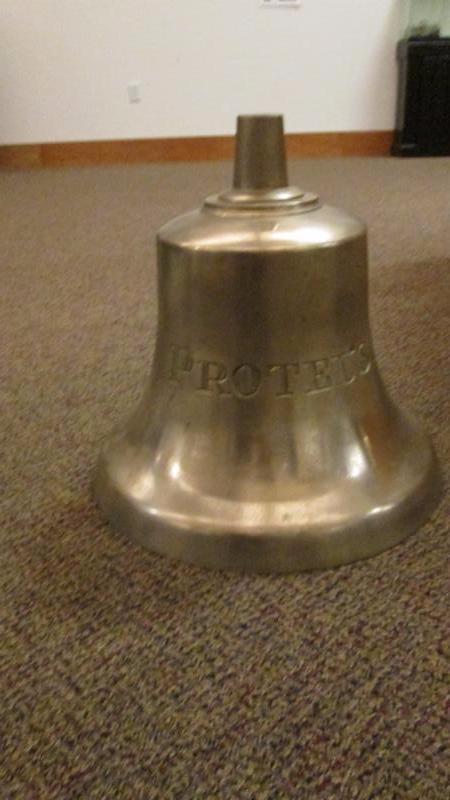
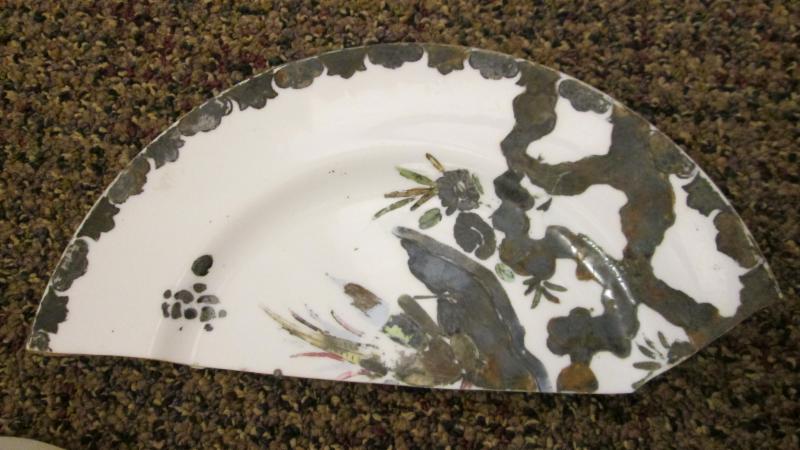
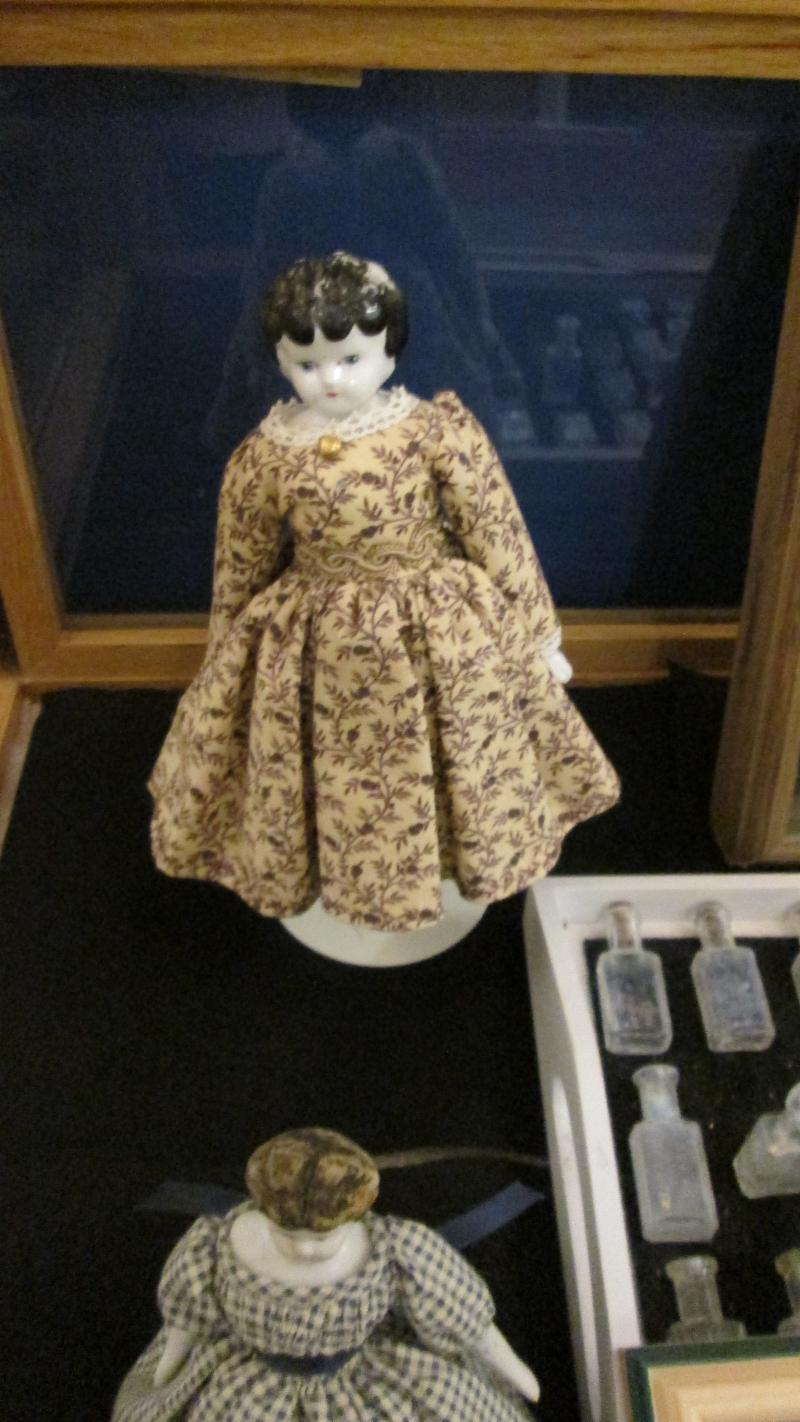
Thanks to divers, JT Barker, Dave Sommers, and Charlie Bulloss, the Graveyard of the Atlantic Museum has unveiled a new exhibit of shipwreck artifacts to be on display through May 23. The dive boat captains loaned a wide variety of objects from their personal collections including the bronze bell from the luxury liner Proteus that sank as result of collision on August 19, 1918 about 25 miles south of Hatteras Inlet. Also on display are a variety of household items and toys including a collection of china doll heads and appendages from Eureka, china marbles, glass medicinal and perfume bottles, cutlery, china tableware, a bronze builder's plaque from British Splendour, a tanker that sank in April of 1942, brass nameplate letters from Keshena, and a bronze and glass porthole from Papoose that sank off the coast in March of 1942. The artifacts are on display as part of an agreement to show them during April's Underwater Heritage Symposium that occurred April 7. Divers, historians and underwater archaeologists teamed up to present eight talks on shipwreck diving experiences and research. The Symposium is held annually on the first Saturday in April. Visit the Graveyard of the Atlantic to view rarely seen shipwreck artifacts from private collections.
MAY 8, 1862
THE
ORIENTAL
(PHOTO COURTESY WAYMARKING.COM)
Oriental, a federal transport, is lost off Bodie Island. She has been grounded in her present position since 1862.
Travel through every room at the Museum in search of artifacts. You can pick up a scavenger hunt form at the front desk and join in the fun. Your reward? A surprise gift and exciting knowledge about lifesaving, piracy, shipwrecks, and unusual objects that wash ashore! Free and enjoyed by all!
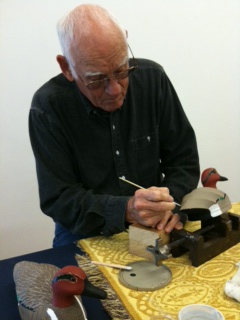
CRAFTING CANVAS BACKED DECOYS
FRIDAYS 12 PM - 4 PM
BEGINNING MAY 18
Artist, Sam Green, demonstrates the art of building and painting decoys. View his authentic decoy constructions and chat with this knowledgeable waterman about his art.
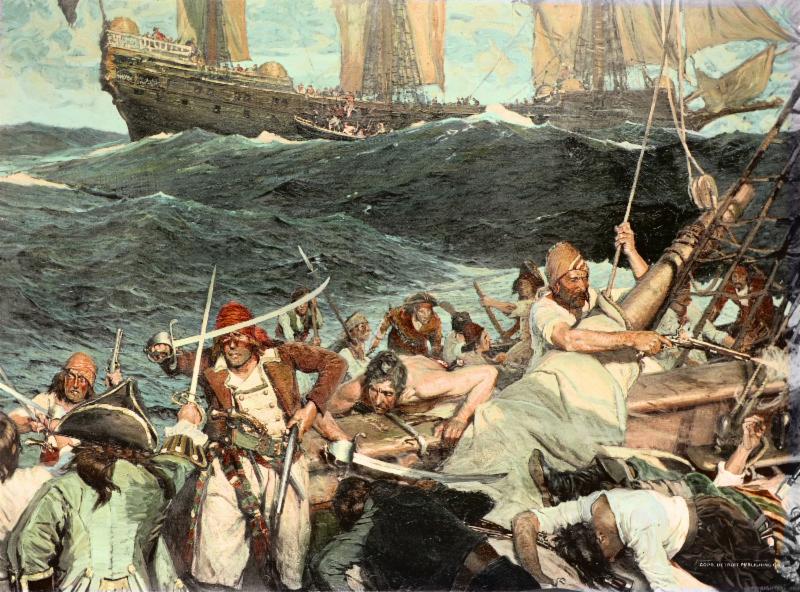
NORTH CAROLINA PIRACY
New Mini Exhibit
April 2, 2018 - February 28, 2019
The Museum is showcasing a mini exhibit on North Carolina Piracy. The exhibit gives an historic overview of pirates that sailed Outer Banks waters and is located in the Education wing of the Museum.
MINI VIDEOS
Witness underwater shipwreck imagery and take in Eastern North Carolina heritage viewing our daily mini videos created by the University of North Carolina Coastal Studies Institute.
The videos run continuously in our Film Room except when we are hosting special presentations or preparing for special events.
EXHIBITS
View amazing artifacts, including the original Cape Hatteras Lighthouse Fresnel lens and a discussion of Billy Mitchell's connection to Hatteras
Immerse yourself in shipwreck and maritime history:
Lighthouse Lens
The Enigma Machine from the U-85
Billy Mitchell
The Carroll A. Deering Ghost Ship
The Civil War on Hatteras
Restored Flag from the USS Monticello
Ship to Shore
Artifacts from the USS Monitor
The Submarine, Alligator
The War of 1812
Vintage Diving Equipment
Sport Fishing on Hatteras
Blackbeard's Queen Anne's Revenge
Discover Hatteras Island's fascinating connection to the Titanic
Restored Monomoy Surfboat
"NORTH CAROLINA PIRACY"
and much more...
BLACKBEARD 300 TRAVELING EXHIBIT OPENS JUNE 2
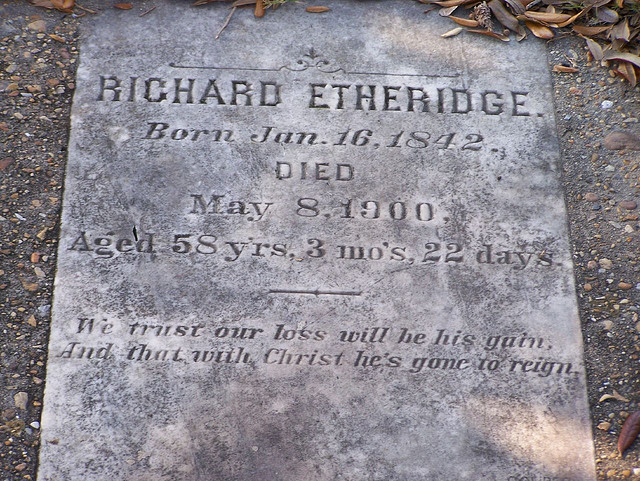
MAY 8, 1900 THE DEATH OF RICHARD ETHERIDGE
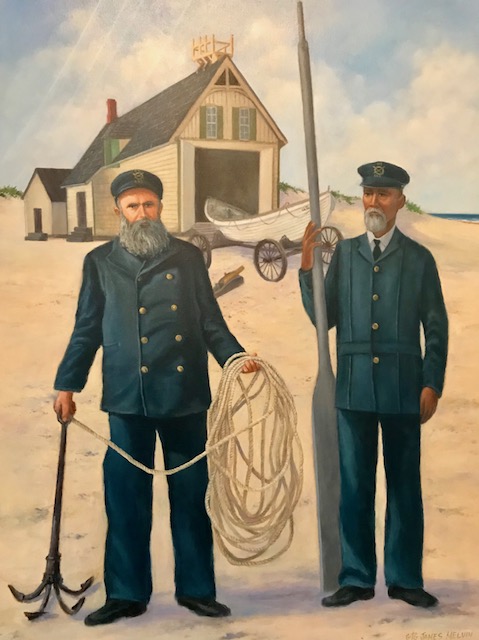
The first African-American to command a Life-Saving station, Captain Richard Etheridge, died on this date. Captain Etheridge was the keeper of the Pea Island Life-Saving Station, and was the first African-American to command a Life-Saving station when he was appointed on January 24, 1880. He continued to serve for more than twenty years until his death on May 8, 1900.
Prior to becoming captain, Etheridge was an enslaved individual, and a Civil War veteran. During his tenure as captain, he was the nation's only black man to lead a life-saving crew.
Etheridge recruited and trained a crew of African-Americans to man Station 17, and its members performed many daring rescues from 1880 to the closing of the station in 1947.
The valiant efforts of these men and others like them in the U.S. Life-Saving Service led to what is now the U.S. Coast Guard.
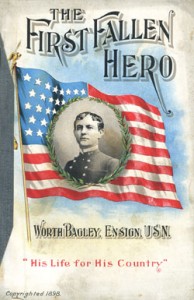
The sinking of USS Maine in Havana, Cuba, on the night of February 15, 1898, accelerated the deterioration of relations between Spain and the United States which had resulted from Spain's attempt to crush a long-simmering rebellion on the island. On the 19th of April, well in advance of the declaration of war on the 25th, the United States Navy began a blockade of Cuba. U. S. warships patrolled the approaches to every significant Cuban port and began probing coastal defenses.
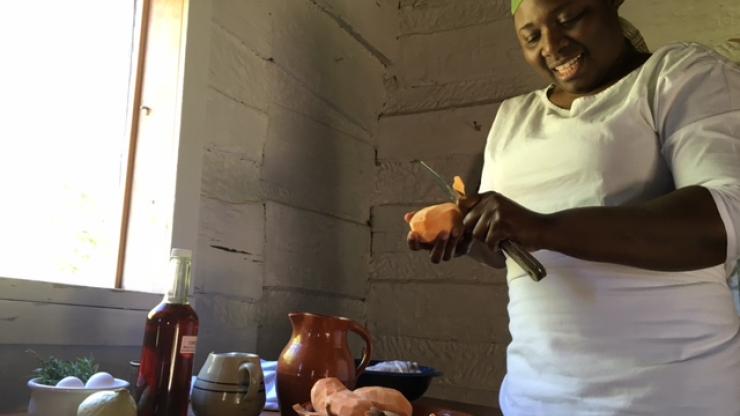
THE HISTORIC KITCHEN: A CLASS ON THE SOUTHERN WAY OF COOKING
Saturday, May 5, 2018 9:00 AM to 2:00 PM
Learn the traditions and techniques of the Historic Southern Kitchen from trained chef and historic cook Cheryl Henry during this half-day class. Students will prepare a three-course meal from scratch in the rustic environs of the log kitchen house at the President James K. Polk State Historic Site. The labor of preparing ingredients and cooking over the open hearth will make the fruits of your labor taste that much sweeter as you enjoy your prepared dishes at the conclusion of the class. Each participant will also receive recipes and tips from Cheryl to take home and use to create new traditions of your own.
Enjoy creating crafts with a maritime twist. All supplies provided. All ages welcome. Free.
TODAY IN OUTER BANKS HISTORY
May 31, 1953 Stranded on Hatteras
Several vacationers and day trippers to Hatteras Island over Memorial Day weekend were left on the south side of Oregon Inlet when the final ferry departed for the evening, and they were unable to reach the northern beaches. Seventeen or so cars did not make it onto the last run of the day and their occupants were forced to spend the night in their vehicles. The unfortunate incident drew attention to the ever-growing problem of bottlenecks at coastal ferry points, Officials urged that additional routes be added at Oregon Inlet.
(courtesy Sarah Downing "On This Day In Outer Banks History")
DOZENS OF COAST GUARD PERSONNEL COME TOGETHER TO
UNCOVER THE HEROES OF THE PAST
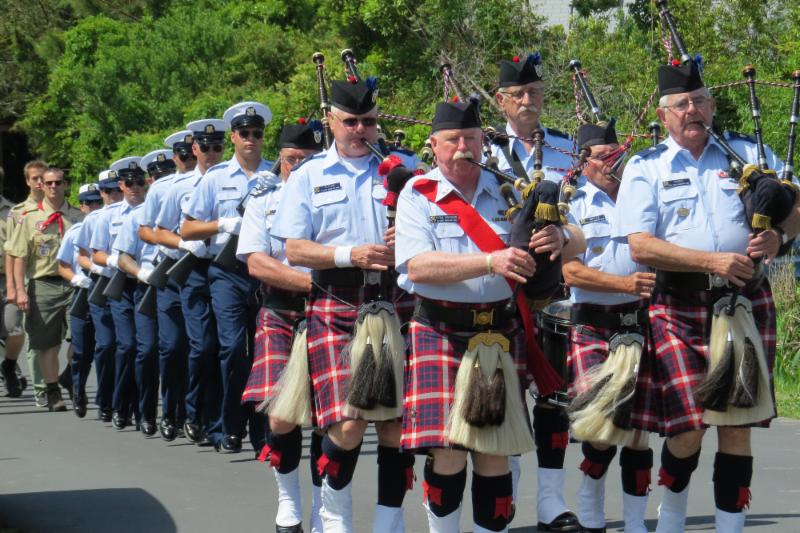
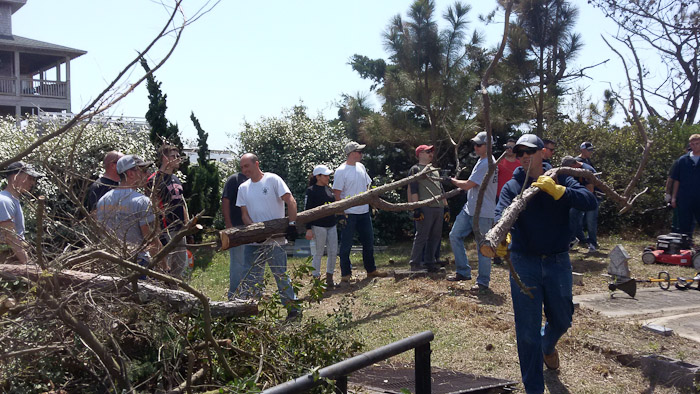
U.S. Coast Guard (USCG) personnel from Elizabeth City to Hatteras Inlet came together in the tri-villages on Thursday to clean and uncover the gravesites of generations of lifesaving heroes.
The crew of roughly 65 personnel represented all ranks and a total of seven units, and their goal was to clear out and honor a collection of sites in Rodanthe where former Coast Guard and Life-Saving Service Station members - the predecessor of the USCG - were laid to rest.
The idea initiated about a month ago, when Engineering Petty Officer Chief Jamison Smith and Chief Warrant Officer Ryan Gentry, (who has familial ties to the area), got together to discuss a number of gravesites that needed to be cleaned up. Tucked away behind rental homes and businesses, the graves of these past heroes were veritably hidden in plain sight, but had been covered by years of tree and brush growth.
Honoring the past, celebrating the present, building for the future...you can help us achieve these goals by donating to the Museum, volunteering and working a few hours in our gift shop. WE NEED YOU!
CHURCHILL'S PIRATES
ROB REEDY MAY 9 2 PM
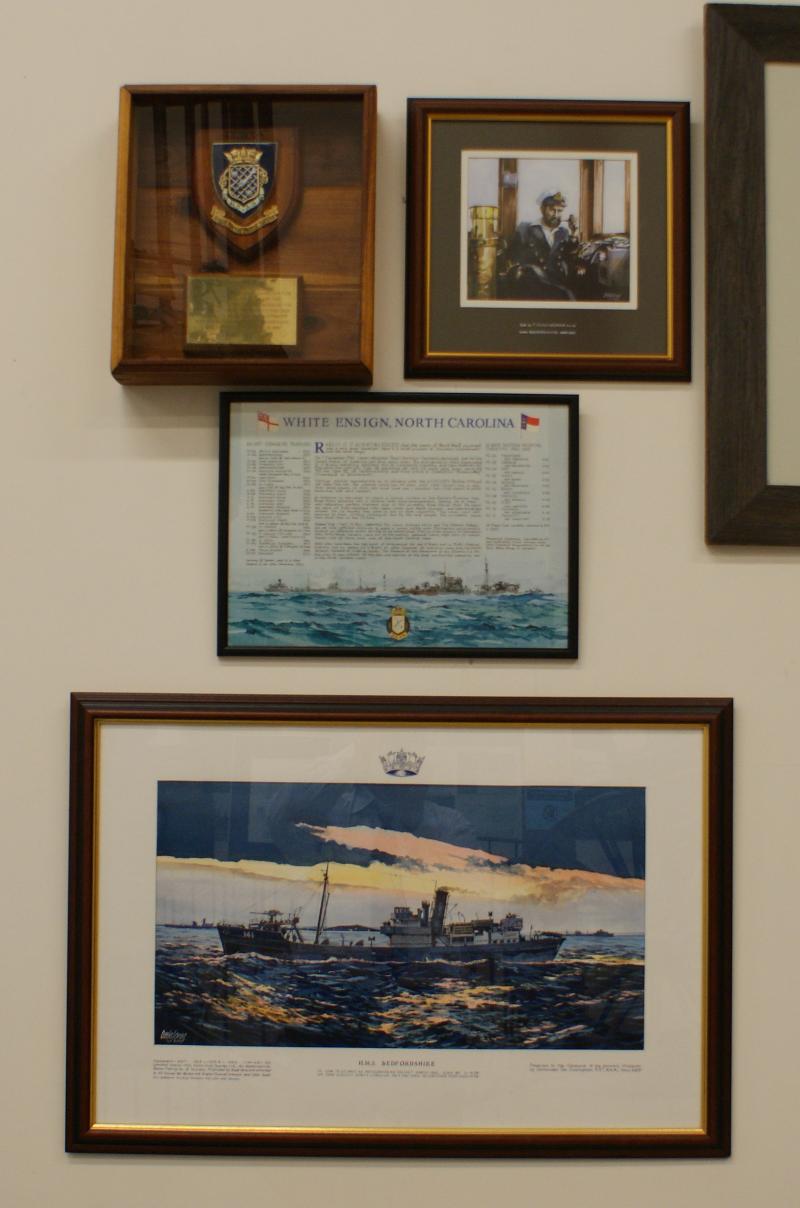
HMS BEDFORDSHIRE (COURTESY NICKNINJACLARK)
"Churchill's Pirates" is about the 22nd British Anti-Submarine Strike Force in America from February-October 1942. This squadron of converted ocean fishing trawlers was sent to the United States, during the first months of 1942 to aid our Navy in the fight against Hitler's submarines, which were sinking enormous numbers of merchant ships off our East Coast. HMS Bedfordshire and HMS Senateur Duchamel which sank off our coast were units of this squadron.
James R. Reedy, Jr., is a nautical archaeologist and maritime historian.
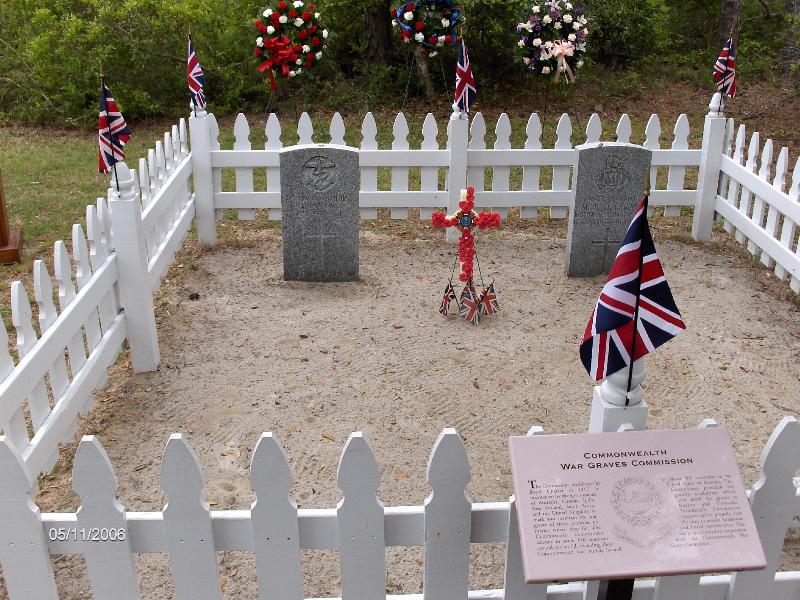
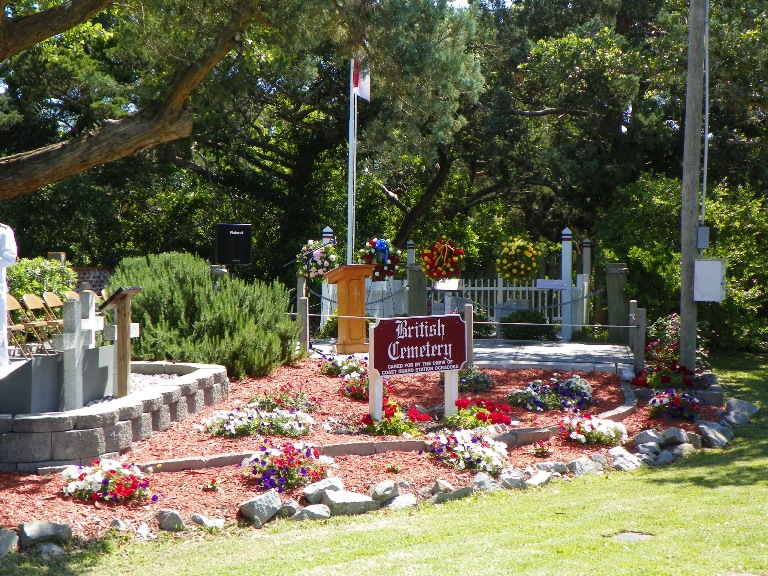
On the anniversary of the sinking of two allied ships, two ceremonies are held to honor the sixty-three foreign sailors who gave their lives during World War II, while protecting the coast of the United States. In remembrance, representatives of the U.S. Coast Guard, Coast Guard Auxiliary, Navy, Canadian Navy, British Royal Navy and National Park Service, join visitors and residents at the British gravesites on Hatteras and Ocracoke islands.
The Buxton ceremony on May 10 honors the service of the men who lost their lives in April 1942 when the British armed tanker San Delfino was sunk by the U-203 just off Pea Island. Two of the men from San Delfino are buried at the British Cemetery in Buxton - Fourth Engineer Officer Michael Cairns of the Royal Merchant Navy and an unknown sailor.
A second ceremony is held the following day, May 11, at the British Cemetery on Ocracoke Island to pay tribute to the sailors from HMS Bedfordshire sunk in May 1942 by German submarine
U-558 near the island. The bodies of Sub-Lieutenant Cunningham and Ordinary Telegraphist Second Class Craig are buried at the Ocracoke site. Two bodies also were found in the ocean north of Ocracoke, and although never identified, they were assumed to have come from Bedfordshire, and were interred alongside their shipmates in what would become the Ocracoke British Cemetery
The ceremonies are organized by the Friends of the Graveyard of the Atlantic Museum, the Ocracoke community, the U.S. Coast Guard, Coast Guard Auxiliary 16-04, the National Park Service, the Commonwealth War Graves Commission, students from the Cape Hatteras Secondary School of Coastal Studies, students from the Ocracoke School and the Ocracoke Boy and Girl Scout troops and the Hatteras Girl Scouts.
The ceremonies are free and open to the public.
ARTIFACT OF THE MONTH
May Artifact of the Month
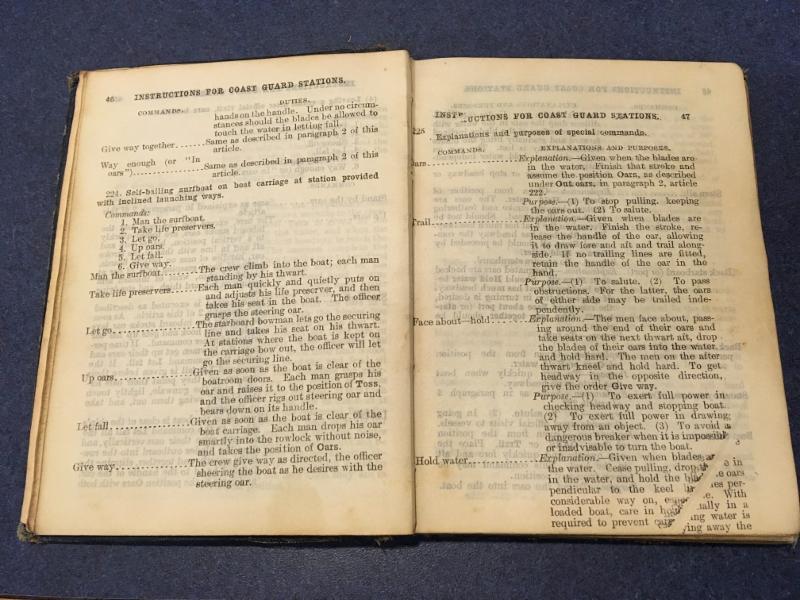
1922 US Coast Guard Instruction Booklet
Each month the Museum reveals an artifact from its collection that's not usually on display. Enjoy the opportunity to "view" authentic history, and discover its special story in the Collections Storage Window in the Burrus Couch Midgett Gallery.
FROM THE GALLEY
For almost a decade, the Coast Guard has donated their time and culinary efforts at our reception at the Museum after the British War Graves ceremony in Buxton. This year CS1 Erin Walters is planning a special menu and we look forward to a wonderful event.
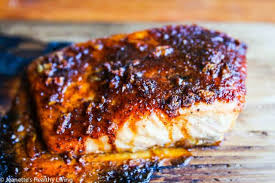
Salmon With Brazilian Rub
Serves 8
This recipe was created by Coast Guard Food Service culinary instructors. The rub is on the sweet side if you use the full 3 tablespoons of brown sugar, so add it to taste. The marinade and rub are also good sea bass and on other fish.
2 1/2 tablespoons fresh lemon juice, about 2 lemons
2 1/2 tablespoons fresh orange juice, about 1 large orange
1 1/2 teaspoons black pepper
2 to 2 1/2 pounds skinless salmon, in 8 (4- to 5-ounce) fillets
Spice rub
2 tablespoons orange zest
1 1/2 to 3 packed tablespoons brown sugar
2 1/2 teaspoons chile powder
2 1/2 teaspoons minced garlic
3 tablespoons finely minced cilantro
1 teaspoon finely minced jalapeno, seeded if desired
-- Salt and pepper, to taste
-- Vegetable oil or pan spray
2 1/2 tablespoons unsalted butter, melted
Instructions: Preheat the oven to 450° (conventional) or 425° (convection).
Mix the lemon juice, orange juice and pepper in small bowl. Place the salmon in a non-aluminum baking dish and brush with the citrus; let stand 30 minutes at room temperature. Meanwhile make the spice rub.
Thoroughly mix the orange zest, brown sugar, chile powder, garlic, cilantro and jalapeno in a small bowl.
Season both sides of the fillets with salt and pepper. Thinly coat a rimmed baking sheet with oil or pan spray. Place the fillets on the sheet, rub some of the spice mixture onto the top of each one, then drizzle with butter.
Bake to desired doneness, about 10-15 minutes for medium, depending on the thickness of the fillets.
CHILDREN'S CORNER
We are fortunate at the Museum to have the Coast Guard as our closest neighbors. What a privilege for us! We hope you will learn more about these heroes from the following videos. Be sure to click on the link to learn even more.
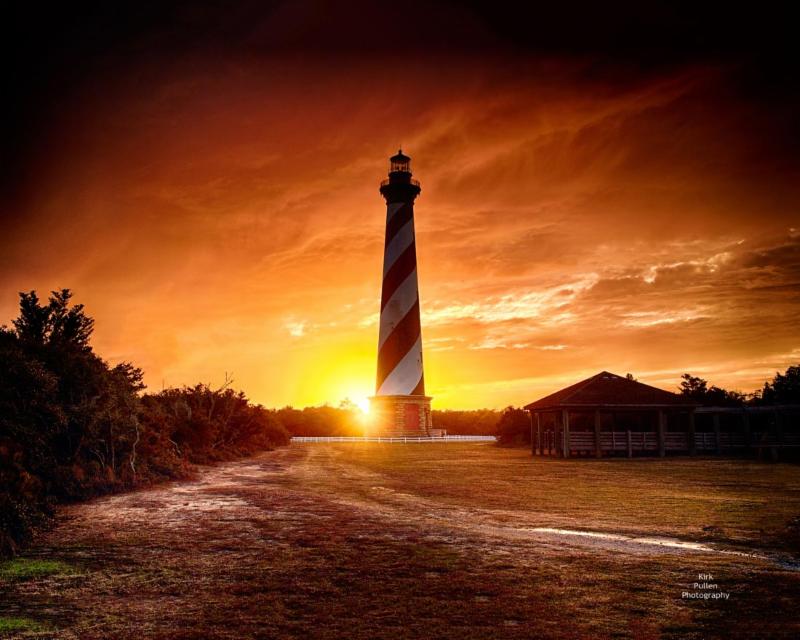
As a descendant of seven Cape Hatteras Lighthouse keepers, Kirk Pullen has a deep love of the lighthouse and Hatteras Island. Some of his best memories of growing up in Buxton include going up the lighthouse as a child and his dad standing him on the rail, scaring him to death, and jogging up the lighthouse as a teenager to check the surf. While he currently resides in Mount Olive, NC with his wife, Crystal and two children, Max and Isabelle, they travel to Hatteras Island as often as possible to visit their family who still live on the island. In addition to spending quality time with their parents, one of Kirk's goals each trip is to visit the lighthouse to capture it in new and interesting ways and to find wildlife in exceptional poses and landscapes.
When setting up a shot, you can place the sun anywhere in the frame by walking around the lighthouse. He likes the sun just peaking around the lighthouse. It's almost like the sun is saying, "Hello" when it has little sprites like this. A sun flare can make a photo more interesting and without seeing the sun, the viewer wonders from where the sun is coming.
Lighthouse and Hatteras Island wildlife photographs are available in the Graveyard of the Atlantic Museum and at Kirk Pullen Photography.
demonstrates cooking crabs Outer Banks style in this delicious program. Ms. Kennedy is the author of the popular cookbook What's for Supper? She is a local chef who frequently is heard on Outer Banks airwaves talking about her craft.
"HOW TO PICK A CRAB" WITH SHARON'S BROTHER, MICHAEL PEELE
FREEDMEN, SURFMEN, HEROES MAY 8 JOAN COLLINS 2 PM
(COURTESY JAMES MELVIN)
Joan Collins presents the unique story of Richard Etheridge and the Pea Island Lifesavers, known for their exemplary lifesaving skills, especially during the infamous wreck and rescue of E. S. Newman. Learn about the amazing courage of these lifesavers guided by Etheridge, the first black lifesaving Keeper in America.
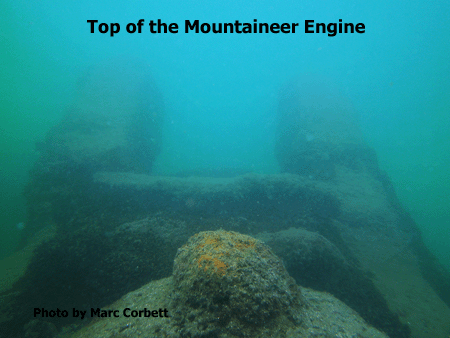
THE WRECK OF MOUNTAINEER MAY 15 MARC CORBETT 2 PM
(COURTESY MARC CORBETT)
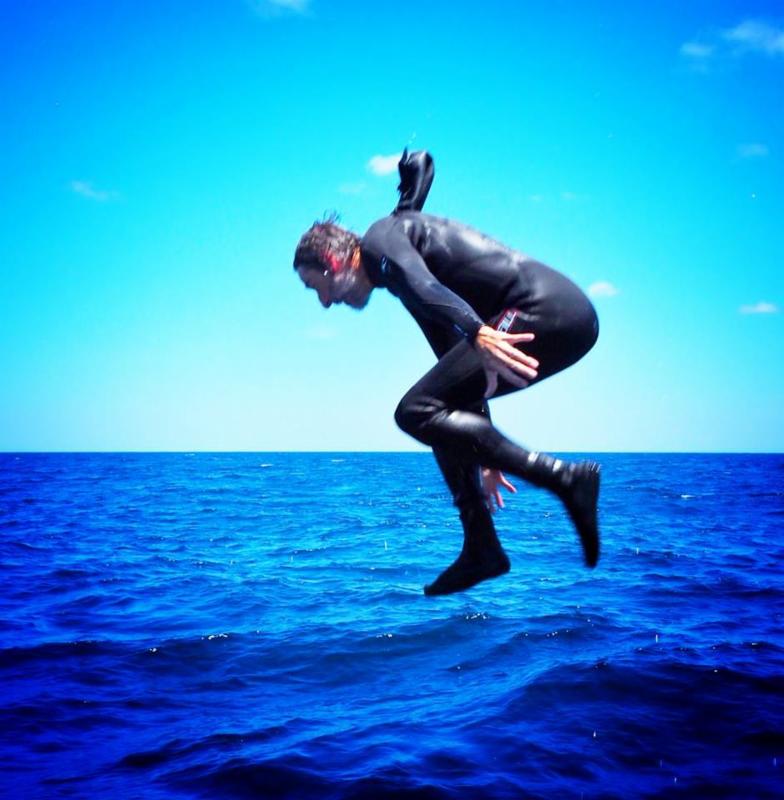
The British steamer Mountaineer came ashore on Christmas day of 1852, known as the "Winks Wreck" lies close to the beach in the water off Kitty Hawk, North Carolina. Mountaineer provides underwater explorers with a rare chance to look firsthand at early British steamship technology. Presenter Marc Corbett has lived on the Outer Banks of North Carolina since 1994, and is an avid scuba diver, surfer, and skateboarder. Combining a love for history and diving Corbett has become an avid shipwreck hunter, researching and exploring wrecks in shallow and deep water.
AN ABUNDANCE OF VISION: W. O. SAUNDERS AND THE OUTER BANKS BRIAN EDWARDS MAY 22
2 PM
W.O. Saunders
Brian Edwards' talk focuses on W. O. Saunders and his involvement in the development of the Outer Banks in the first half of the 20th century. Saunders was instrumental in the promotion of the idea of the Cape Hatteras National Seashore from its inception, as well as the creation of a number of our current historic parks and attractions. Edwards discusses Saunders' role in this, as well as his vision for the region. Dr.Edwards is the Chair of the Social Sciences Department and Assciate Professor of History at the Elizabeth City Campus of College of the Albemarle.
The steamer Andrew Johnson came ashore in Currituck, NC on October 12, 1866 and lies in the Atlantic just off the beach in southern Currituck county. The history that the old steamer wreck has to tell is an amazing story of the Blockade of the southern ports during the United States Civil War, with a twist involving the sinking of USS Monitor. Presenter Marc Corbett has lived on the Outer Banks of North Carolina since 1994, he is an avid scuba diver, surfer, and skateboarder. Combining a love for history and diving Corbett has become an avid shipwreck hunter, researching and exploring wrecks in shallow and deep water.
BULL SHARKS EXPANDING NURSING AREAS IN THE PAMLICO SOUND
by Sam Walker (Outer Banks Voice)
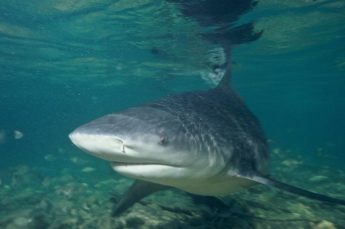
Experts say there has been a dramatic rise in the number of bull sharks using the Pamlico Sound as nursing habitat, and they warn of the possible impact on humans.
The findings from combined studies by the N.C. Division of Marine Fisheries, East Carolina University and Simon Fraser University were published Monday at Nature.com.
"Previous assessments have shown little to no use of estuarine North Carolina waters as nursery habitat by bull sharks from 1965-2011," said the report.
While juvenile sharks were rarely captured in a fishery-independent gillnet survey of the sound conducted by the Division of Marine Fisheries from 2003 to 2011, they were present every year afterward through 2016.
"Juvenile bull shark presence in the sound was strongly related to early summer temperatures and late summer salinities, which have increased in the estuary over the thirteen survey years," according to the findings.
Evidence from data collected during a 45-year period also found increasing Pamlico Sound water temperatures for the trawl survey, and combined with the salinity increases, that has allowed bull sharks to expand their nursery habitat.
"This shift will have unknown, but potentially strong, impacts on both the local ecosystem and interactions with humans," says the report.
Bull sharks can grow to more than 10 feet long and are known to attack large prey, including humans.