|
7 Great Ideas for Teaching Weather Vocabulary
Weather vocabulary serves important communication purposes for students. They can use it to quickly break the ice when speaking with someone new because it is such an innocuous part of small talk. Our region experiences extreme weather. Knowing the terms associated with extreme weather could be a matter of safety or even life or death situations.
Because adults are often responsible for the safety of others, as well as for themselves, they must understand weather vocabulary. Here are several suggestions of ways to teach this to students. Variety is key in vocabulary activities.
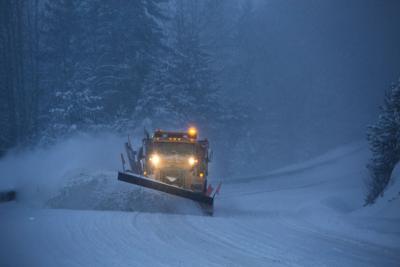
Introduce the weather vocabulary with images.
Clipart is good for a worksheet, but using eye-catching photos to introduce the terms will grab your student’s attention. These visuals will likely make it easier for them to remember the words, and they may prompt discussion.
Add it to your clothing vocabulary unit.
What kind of clothing a person wears often depends on what is going on outside of our windows. Adding weather vocabulary to lessons on clothing is easy to incorporate instructionally.
- Have your students group articles of clothing and footwear according to weather conditions.
- Ask students to compare and contrast appropriate footwear for rainy, snowy, or icy weather. What might they wear when it is windy? What about when it is freezing versus when it is sweltering?
Weather vocabulary meshes well with any unit on the seasons.
Is it spring? Talk about tornadoes. Summer? Water conservation is important to understand during hot months. Fall? Severe thunderstorms could prompt a discussion on unplugging expensive devices during an electrical storm or why it is better to stay inside when there is lightning. Winter? Ice storm and blizzard are words that come to mind.
Review weather vocabulary with a bingo game.
Whether bingo consists of images or words, students enjoy a break in the routine when weather vocabulary is reviewed in a game form. Tutors can call out the term or a definition for the word. Students can say the word. Higher-level students can say the word and then give a sentence with it in context. A challenging version is to give a clue in a riddle format such as “What flashes in the sky without making a sound?”
If bingo cards display text, hold up pictures to represent the term or display them on a screen. Students then have to match the image to the word on their bingo card.
Make it local.
Start recording local weather forecasts to have clips to use for any type of weather. Try to get footage of average, everyday forecasts, as well as some that involve extreme weather. Use them as listening exercises with students heeding specific words or design some listening comprehension questions.
I recommend recorded local forecasts. Forecasters will use weather vocabulary pertinent to our area and will likely use an accent that students are accustomed to hearing outside of tutoring sessions.
Make it personal.
Have students share photos of weather phenomena common to the region from which they came. Encourage them to describe the images using the weather vocabulary from the lesson and incorporate any other relevant terms.
Toss in some weather-related idioms.
Students love learning idioms! Introduce expressions that go beyond the ever-popular “It’s raining cats and dogs.” Here are some suggestions to get started:
- a dry spell
- on cloud nine
- chasing rainbows
- raining on someone’s parade
- shooting the breeze
- lightning fast
|