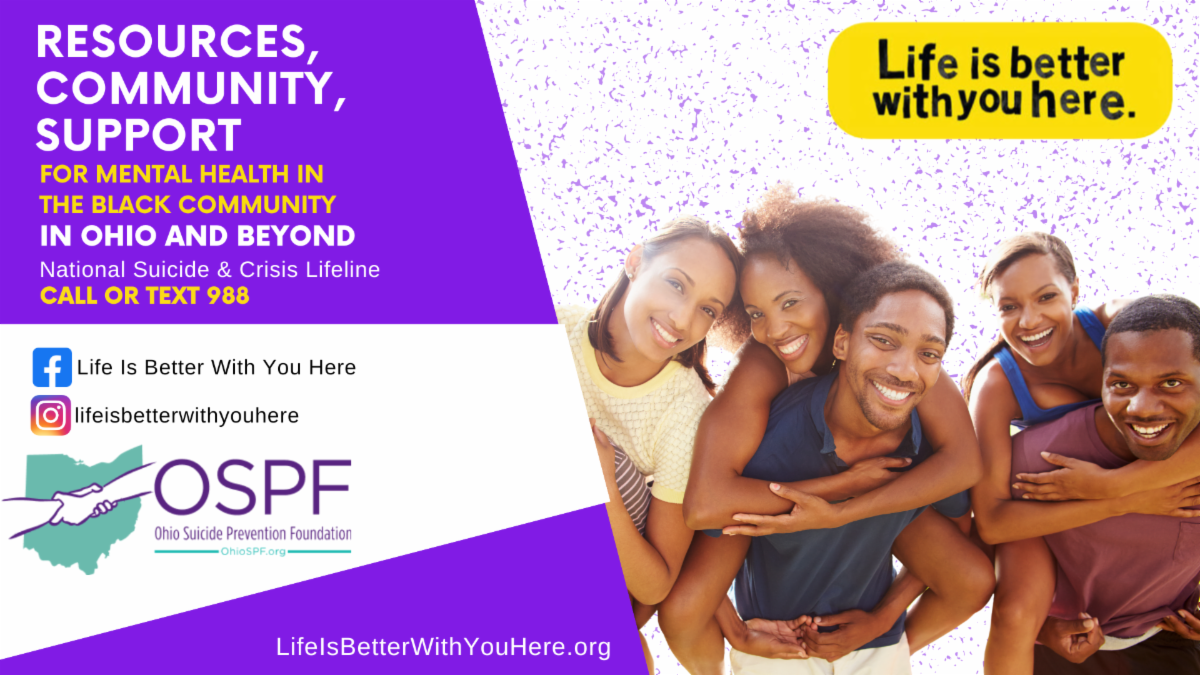
Hello! Welcome to the July edition of the "Life Is Better with You Here" newsletter! As we transition from the vibrant days of early summer to the heart of the season, we're excited to bring you a wealth of information, resources, and inspiration dedicated to enhancing mental health and wellness.


Here’s what’s in store for this month:

BIPOC Mental Health Awareness Month


BIPOC Mental Health Awareness Month is dedicated to highlighting the unique mental health challenges faced by Black, Indigenous, and People of Color communities. Throughout July, organizations and individuals work to raise awareness, provide resources, and advocate for culturally competent care. This month emphasizes the importance of recognizing the intersectionality of mental health and encourages open conversations to reduce stigma and improve access to support.

National Minority Mental Health Awareness Month


National Minority Mental Health Awareness Month focuses on raising awareness about mental health issues that disproportionately affect minority groups. It aims to promote health equity and access to mental health services, fostering an environment where all individuals can thrive. This month advocates for inclusive mental health care and emphasizes the need for tailored resources to address the specific needs of diverse communities.

International Self-Care Day


On July 24th, International Self-Care Day celebrates the importance of taking time for oneself and the profound impact it has on overall well-being. It encourages individuals to engage in activities that nurture their mental, emotional, and physical health. By fostering a culture of self-care, this day highlights the importance of routine self-maintenance and its role in preventing burnout and promoting long-term wellness.

Debt, Student Loans, and Mental Health in the Black Community


Financial stress is a pervasive issue that can exacerbate feelings of anxiety, depression, and overall mental well-being. Understanding the unique challenges faced by Black individuals regarding debt and student loans is crucial in addressing and supporting mental health.


The Impact of Debt

For many in the Black community, historical and systemic inequalities contribute to higher levels of debt. Limited access to generational wealth and financial resources often means relying more heavily on loans to finance education and other major life expenses. This disproportionate burden can lead to chronic stress, affecting mental health and quality of life.


Student Loans and Financial Strain

Student loans are a significant component of debt for many Black individuals. The high cost of higher education, combined with the racial wealth gap, results in Black students borrowing more and facing greater difficulties in repayment. The pressure to manage these loans can lead to feelings of hopelessness and anxiety, hindering mental and emotional well-being. Moreover, the long-term financial strain can delay important life milestones, such as homeownership and financial independence, further contributing to stress.


Addressing the Issue

To effectively support mental health in the Black community, it is essential to address the root causes of financial stress and provide comprehensive resources. This includes:

  • Financial Education and Support: Offering financial literacy programs and resources to help individuals manage debt and plan for the future.
  • Access to Mental Health Services: Ensuring affordable and culturally competent mental health care is accessible to those in need.
  • Advocacy for Policy Change: Supporting policies that address the racial wealth gap and provide relief for student loan debt, such as loan forgiveness programs and affordable education initiatives.


By acknowledging and addressing the unique challenges of debt and student loans in the Black community, we can create a supportive environment that promotes both financial stability and mental health.


NAACP SAVE Program

As of today, millions of Americans are faced with the reality that their loans have begun accruing interest they cannot afford. The Saving on A Valuable Education (SAVE) Plan, a national campaign aimed at alleviating the crisis that millions of borrowers are facing, has now doubled its enrollment to 6.9 million borrowers. The SAVE plan will:

  • Protect more of a borrower's income for basic needs.
  • Ensure that borrowers never see their balance grow due to unpaid interest as long as they keep up with their required payments.
  • Halve the share of income that goes to payments on undergraduate loans.
Learn More

GET INVOLVED

Want to contribute to "Life Is Better with You Here"? We're always looking for contributors, volunteers, and partners passionate about mental health advocacy and support. Contact us to learn more about how you can get involved and make a difference in our community.

Contact Us

How and When Is It Okay to Be Vulnerable in Society for Black Men

In this two part conversation, we delve into the crucial topic of vulnerability within the Black Male community. Our hosts explore the societal pressures and cultural nuances that influence when and how Black men can safely express their vulnerabilities. We discuss personal experiences, expert insights, and provide actionable advice on fostering a supportive environment.


Join Dr. Childs and Dr. Rayshawn for an important conversation that encourages understanding, empathy, and change.


Watch Part 1 Now
Watch Part 2 Now

Two Educators Talk Pride Month and What Young People Aren't Telling Their Parents

LISTEN NOW

Episode Description From Podcast Host:

Just about every city, town and county in Ohio is celebrating June and Pride Month. Columbus hosts one of the largest Pride celebrations in the entire country! At the Ohio Suicide Prevention Foundation, we're committed to helping everyone find their true voice and the resources they need for mental health and suicide prevention. We enthusiastically join the celebration of Pride Month and also realize with any movement, there are still stigmas and stereotypes to break and more coalitions to build. Our guests this month, Ali Alkhalifa and Brianna Rhodes are many things: activists, educators, artists, and youth leaders. So let's talk Pride Month, building coalitions, breaking stereotypes, the good and not-so-good of social media, and what young people share with their teachers that they don't share with their parents.

RESOURCES
Instagram        YouTube        Facebook
MAKE A DONATION