|
One Hundred Years Ago today
-
July 1, 1916
-
New York
was in the midst of a devastating polio epidemic. More than 2,000 people would die in
New York City
alone during the 1916 epidemic. Thousands of New Yorkers fled the city to seeking safety at the
New Jersey
shore.
1916 was an unusual 'sharky' year - sharks had been seen up the
Hudson River
as far as
Tarrytown
,
New York
. But scientists of the day believed sharks were harmless and reports of shark attacks were often dismissed as fishermen's tales. A day earlier a boy was bitten on his heel by a shark at
Atlantic City
,
New Jersey
, but the news didn't make it as far north as Beach Haven.
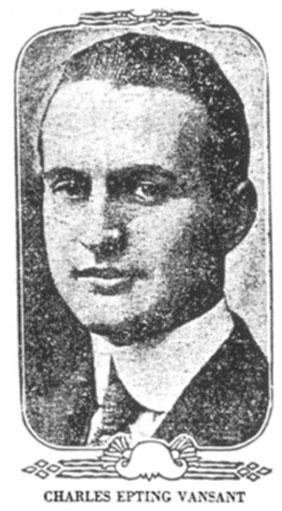
It was late afternoon on July 1st when 23-year-old Charles Vansant went for a swim at Beach Haven. He had
playing with a dog in the surf opposite
Centre Street
when he heard warning shouts from beachgoers who saw a shark closing in on him. He was only able to advance a short way when the shark grabbed his left thigh.
Alexander Ott, a former US Olympic swimmer, raced to his aid and eventually brought the injured man to shore with the help of a quickly organized human chain. Another account tells of Vansant being dragged to shore with the shark grasping his leg until both Vansant and the shark were in only 18 inches of water. Vansant died at 90 minutes later in a Toms River hospital, and was buried in South Laurel Hill Cemetary.
Vansant's death was a tragedy, but it was regarded as a freak event ... so people thought.
But it wasn't; it was the first of a series of shark attacks known as The 12 Days of Terror that forever changed the public perception of sharks.
|