Key Factors Affecting the Thermal Conductivity of Low-Temperature Co-Fired Ceramic (LTCC)

Low-Temperature Co-Fired Ceramic (LTCC) technology, based on glass-ceramic composite materials, has become a leading microelectronic packaging method due to its excellent electrical, thermal, mechanical, and interconnection properties. It is widely used in high-precision components, integrated passive devices, and microelectronic modules. The rise of technologies like 5G/6G, virtual reality, and artificial intelligence presents new opportunities for LTCC materials.

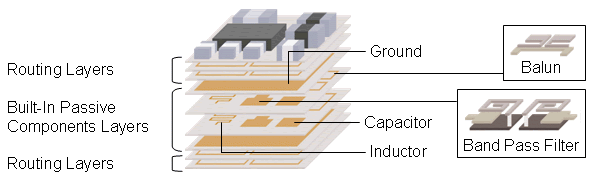
ltcc_03 image

Source:kyocera.com

LTCC Technology Characteristics


1. Dielectric Tunability: LTCC materials can adjust dielectric constants to meet various design needs, enhancing circuit flexibility.

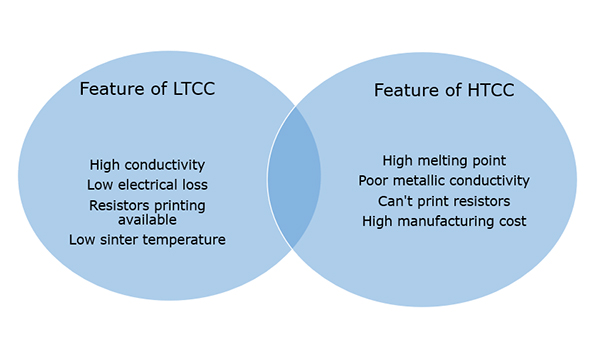
2. Low Sintering Temperature: LTCC allows sintering below 900°C, reducing energy consumption and minimizing damage to electronic components.

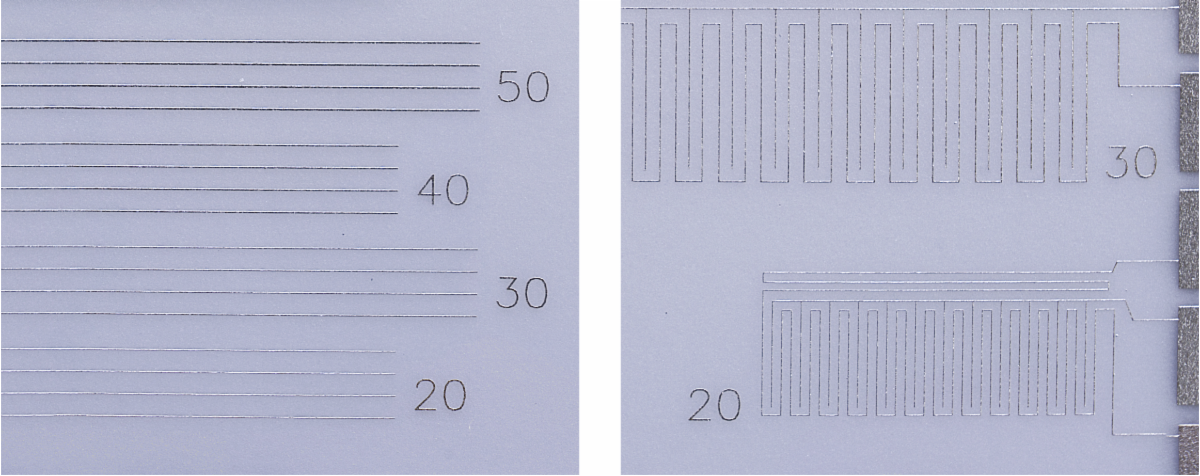
3. High-Density Wiring: Optimized for fine-line spacing, LTCC provides better conductivity and signal transmission.

4. Passive Component Integration: Embedding components like inductors and filters increases packaging density and reliability.

5. Process Compatibility: LTCC is compatible with various materials and multilayer wiring, enabling efficient design and production.

202310061117313J8zQ7 image

Source: https://www.bstceramicpcb.com/

Factors Affecting LTCC Thermal Conductivity


1. Material Composition: The composition and proportion of materials significantly influence thermal conductivity. Commonly, additives are used to improve crystallization, slow ion migration, and build high-conductivity networks within the material.

2. Porosity: The size and distribution of pores formed during sintering impact thermal transfer efficiency. Larger, well-distributed pores facilitate faster heat transfer.

3. Internal Defects: Defects and microstructural inconsistencies scatter phonons, reducing thermal conductivity. Extending sintering time and adding aids can minimize defects.

4. Thermal Processing: Heat treatment, including temperature, heating rate, and holding time, affects microstructure and thermal properties. Proper conditions enhance crystallinity, grain size, and overall thermal conductivity.

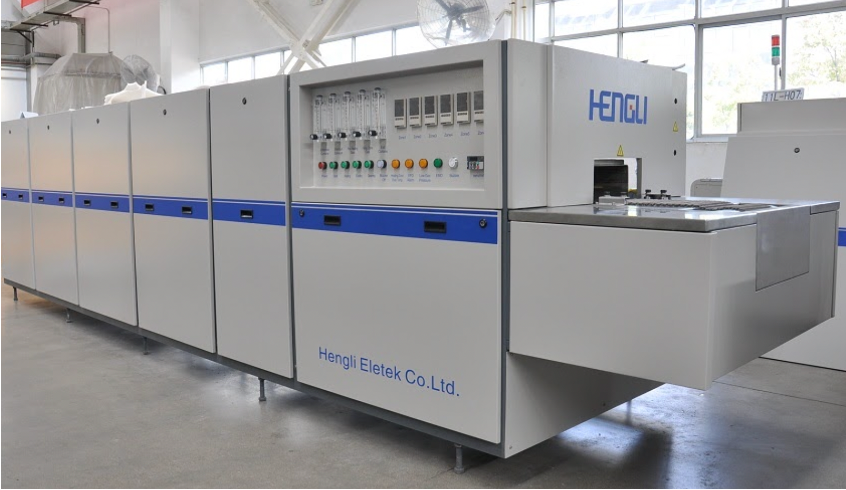
LTCC materials face challenges in meeting the high thermal demands of modern integrated circuits, but ongoing advancements in material composition, processing, and design are addressing these issues. Our European sales partner has recently added TDK to their list of LTCC customers. Explore our furnaces below:


Screen Printer/ Screen Printing line


  • Up to 20 μm with 100 μm standard
  • 400*400 available
  • Manual, auto, semi-auto available
For more information about our belt furnace offerings, please see us at https://www.beltfurnaces.com/furnaces.html


If you want to learn more about our belt furnace, thick film product line, GTMS, LTCC and more,

please leave a message and click here.

Please forward this email to your friends or anyone who you think they might need or like it.


Was this email forwarded to youSign up for our newsletter at our main page!


Looking for HeatsinksClick here - Standard Sizes and more

Looking for MaterialsClick Here - Tungsten, Moly & CuW


Facebook  Twitter  Linkedin  Youtube