Dear UN-REDD,


In the lead up to the Oslo Tropical Forum (25-26 June), where the UN-REDD Programme will help organize a session on key lessons and learnings for the implementation of REDD+, our monthly newsletter covers a range of topics, from enhancing national forest pledges, to real-time forest monitoring and the importance of gender equality in conservation. 


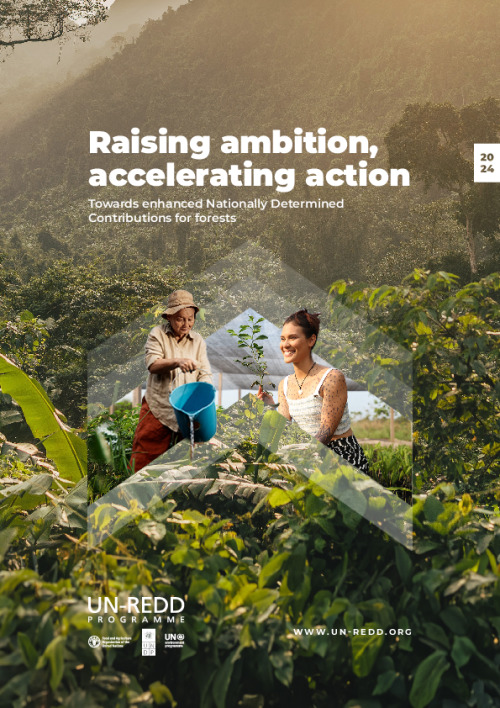
This month saw the launch of a new UN-REDD report ‘Raising Ambition, Accelerating Action: Towards Enhanced Nationally Determined Contributions’, which highlighted that the pledges made to reduce deforestation and to financially support this transition are insufficient. Commitments within the national climate action plans or NDCs of the 20 countries with the highest emissions from tropical deforestation fall short to meet the global goal to halt deforestation by 2030, and the report provided recommendations on how to strengthen and enhance forest-based targets.


The involvement of women is vital for effective and long-term forest protection but social, political, cultural and financial barriers still remain in many developing countries. We organized an online event for West African countries to identify challenges and solutions on accessing finance.


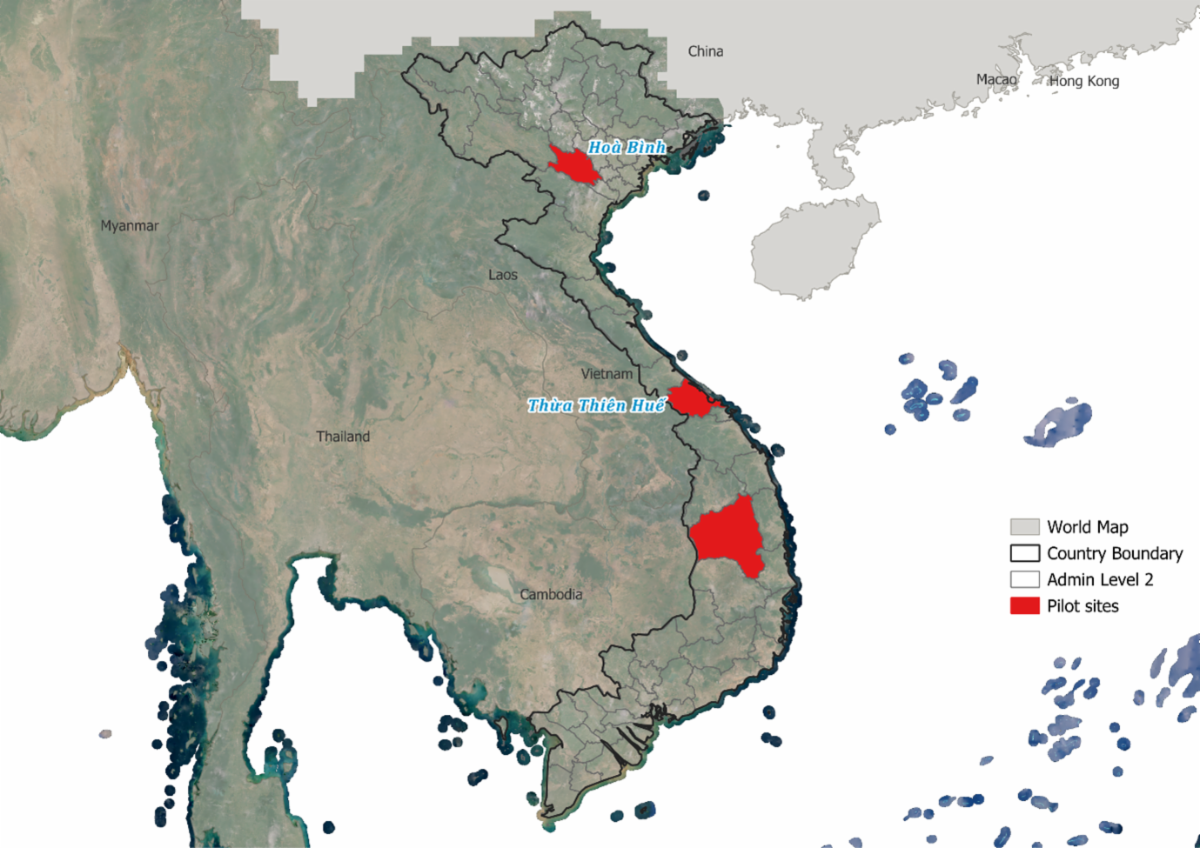
In addition to women’s empowerment, technology is also key for successful conservation. In Viet Nam, the UN-REDD Programme and the Food and Agriculture Organization of the United Nations (FAO) are working with local stakeholders in the Southeast Asian nation to better monitor forests in real time. We have a deep-dive into the innovate SEPAL system, which uses cloud-based super computers and satellite data to literally cut through the clouds on forest disturbance alerts.


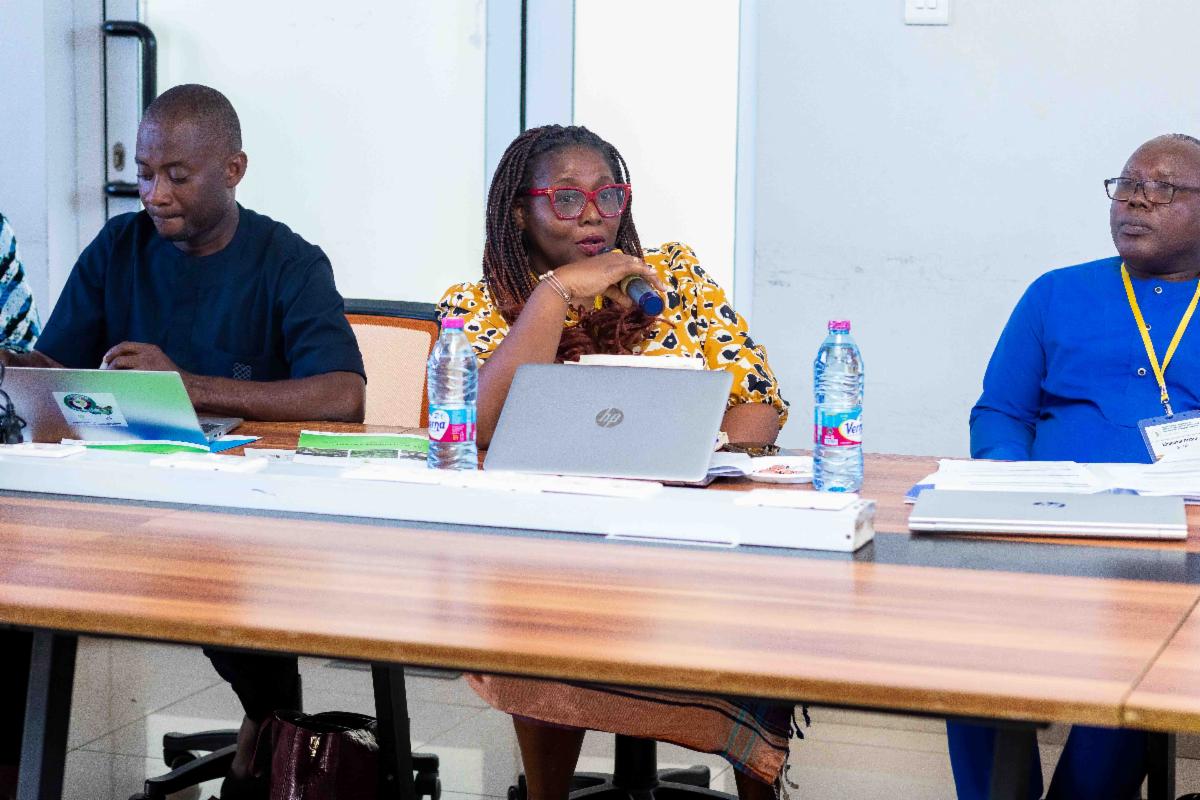
In Africa, Ghana is leading the way in use of REDD+ to reduce deforestation and meet the climate crisis head on. To support this drive, the African Forest Forum (AFF) in partnership with UN-REDD Programme and the Forestry Commission of Ghana, organized an important dialogue in Accra. Taking in delegates from government, industry and NGOs, the event helped find ways to break down silos and ensure all stakeholders work together on REDD+ coordination and integration.


Also in Africa, many countries gathered in Côte d'Ivoire this month to discuss the untapped financial and environmental benefits of REDD+, helping them on their journey towards accessing results-based payments.    


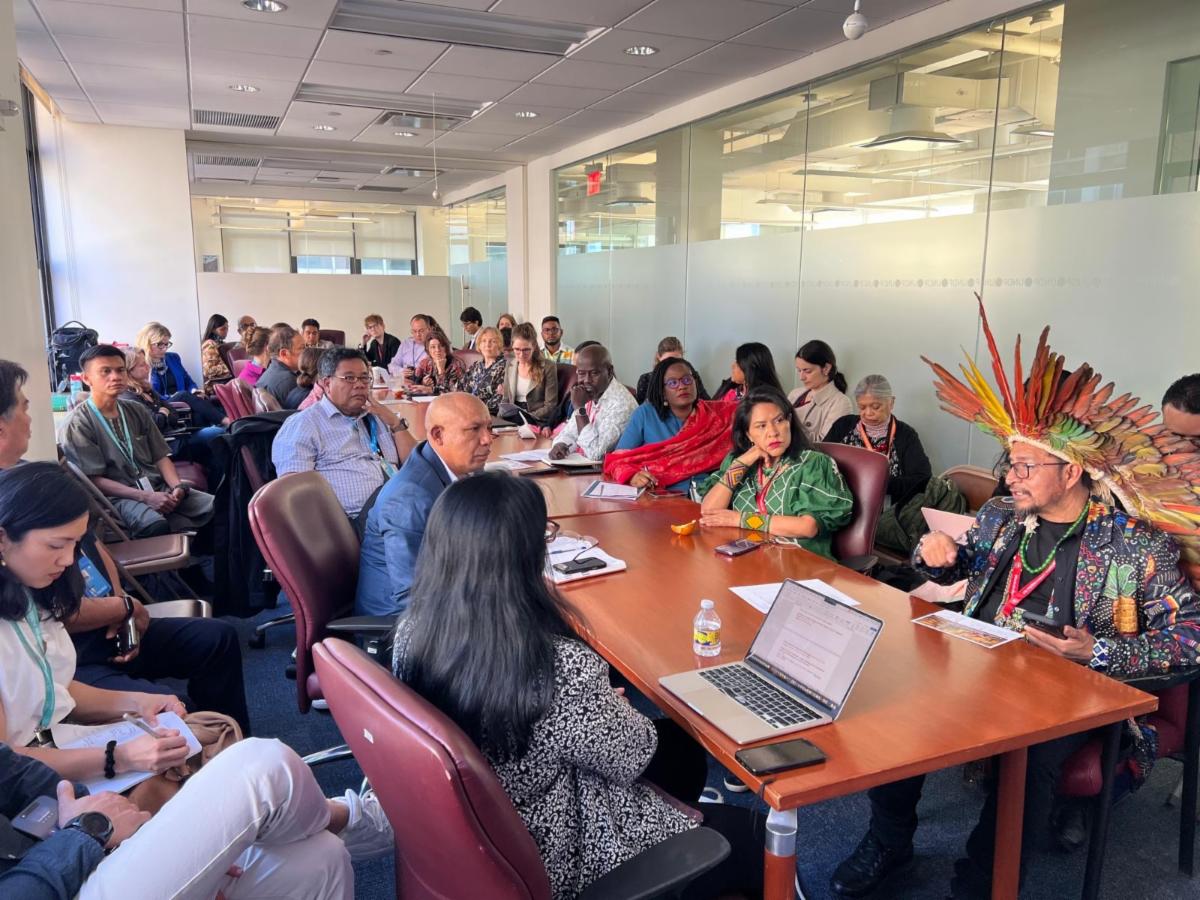
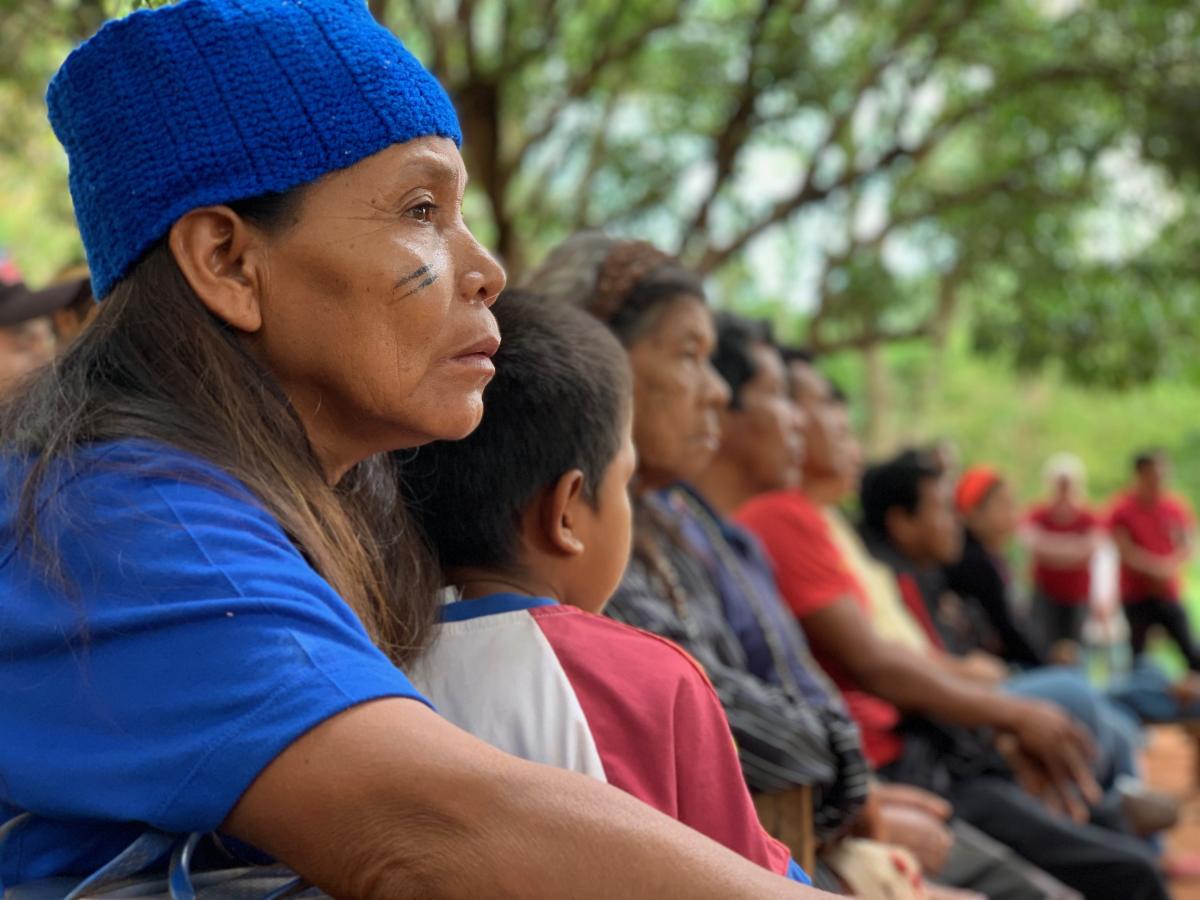
It’s no secret that as carbon markets have grown in recent years, the delivery of promises made has come under greater security. Therefore, improving integrity will be crucial. One way to do this is to ensure Indigenous People are part of the process and truly benefit from carbon projects. Our recent event discussed new tools and policies to ensure those who often rely on forests – be it culturally or for their livelihoods – are not forgotten. 


Have fun reading!

IN THIS ISSUE


FEATURE

OTHER STORIES

PUBLICATIONS

VIDEOS

FOREST PARTNER

JOBS


Countries must ramp up Nationally Determined Contributions (NDCs) ambition to meet forest goals

Now is the time!


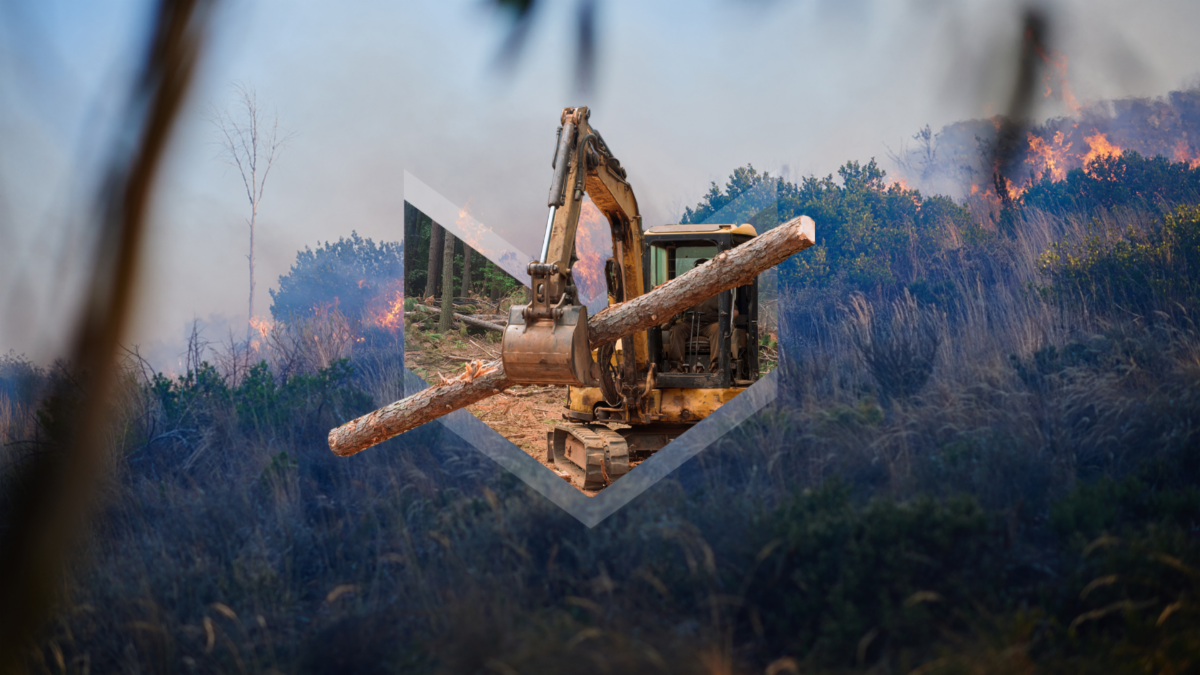
While preparing to submit the next round of NDCs for COP30, countries - especially those with extensive forest cover - are strongly encouraged to include concrete, measurable forest targets in their revised goals. It goes without saying that increased ambitions must be accompanied by strong and immediate action. The urgency of the situation cannot be overstated – countries must break the cycle of broken promises and take concrete action.


The time is now to deliver coordinated action to conserve forests and turn commitments into reality. Read more on this from our new NDC Report.

Respecting Indigenous Peoples’ rights in carbon markets: A path towards social integrity


As carbon markets have grown in recent years - heightening concerns over projects failing to deliver on promises - new initiatives and revised standards have emerged that seek to address any significant shortcomings in environmental integrity. But social integrity, including respect for Indigenous Peoples’ rights, has been largely left behind in the drive to improve standards.


Read more


African countries eye greater economic, forest rewards through REDD+ implementation


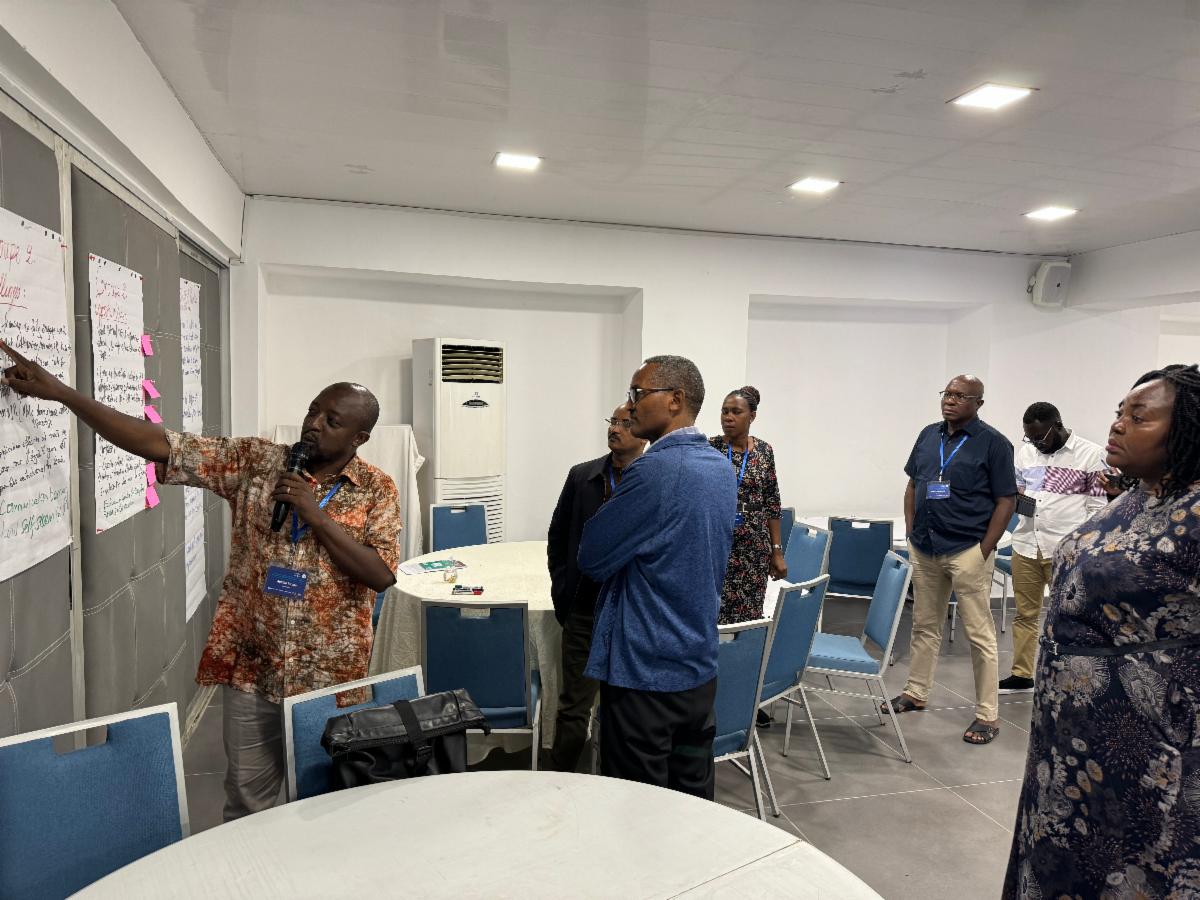
Many African countries have embraced Reducing of Emissions from Deforestation and Forest Degradation (REDD+) but there are still many untapped economic and environmental rewards to be accessed, according to delegates at an Abidjan meet this month. To better achieve these rewards and ensure countries receive results-based payments, UN-REDD Programme in partnership with African Forest Forum held a Knowledge Exchange on REDD+ implementation and Learning Lab on social inclusion in Côte d'Ivoire’s commercial capital from 3-7 June 2024.


Read more


Filling the gap for financing work on gender and forestry


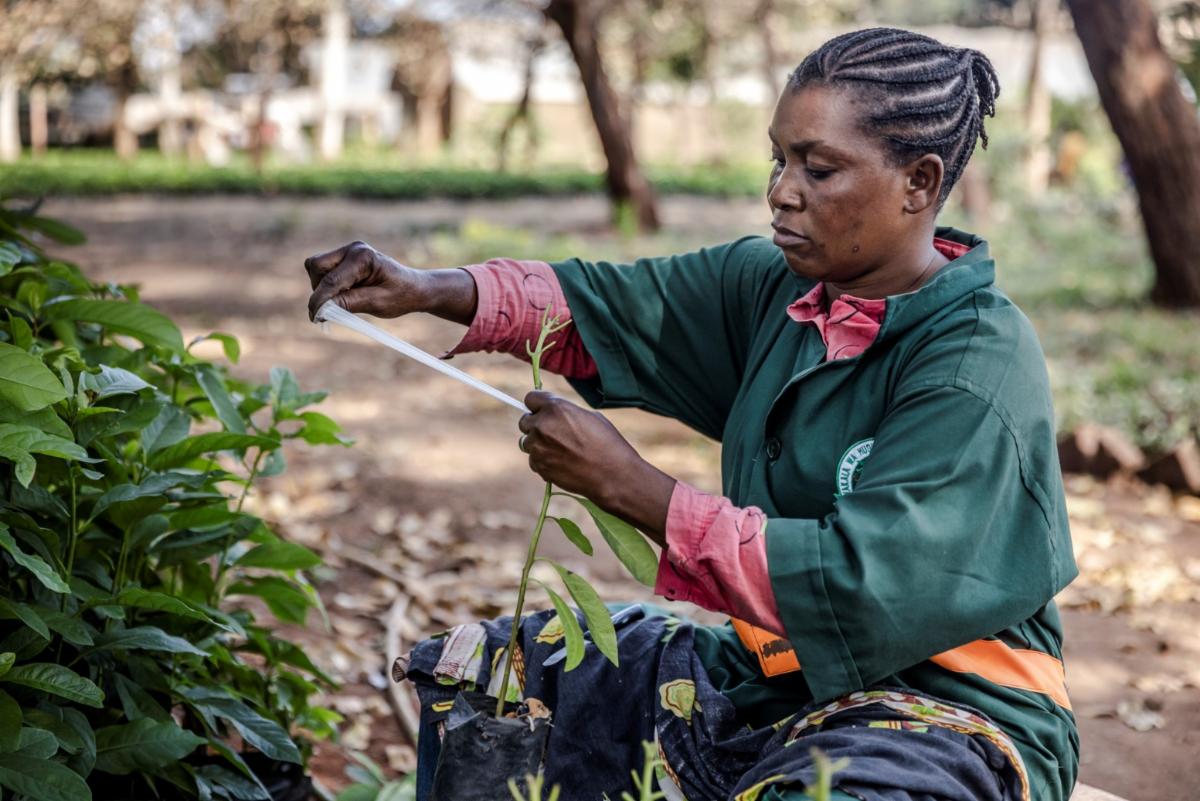
Many stakeholders recognize the need to address concerns related to gender and forestry to ensure sustainable forest management and equitable benefit sharing. Such concerns may include the need to involve women in forest-related governance and decision-making, the need to address gender-based violence in forest settings, and the need to promote women’s forest-based entrepreneurship, to name a few.


Read more


Ghana looks to further embrace REDD+ in sustainable development push


Ghana’s regional leadership in embracing Reducing Emissions from Deforestation and Forest Degradation (REDD+) to help reduce deforestation and combat climate change is set to push ahead, policymakers told a high-level meeting this month, as they discussed ways to improve implementation across the country’s economy.


Read more


Near Real-Time Forest Monitoring: Lessons from Viet Nam


Within the UN-REDD Programme, the Food and Agriculture Organization of the United Nations (FAO) is working with various stakeholders and institutions in the Lower Mekong Region to enhance forest governance, sustainability and legality of forest trade as well as data monitoring. In this context, FAO has worked with Viet Nam and other Lower Mekong Region countries to enhance capacities on an innovative forest monitoring system, making use of the recently added near-real-time monitoring capabilities.


Read more


Safeguards Summaries of Information: challenges and recommendations for Latin America and the Caribbean


During the fourth virtual session of the Safeguards Working Group where more than 30 safeguards’ specialists from different countries in Latin America and the Caribbean participated, the current progress in Safeguards Information Systems (SIS) was reviewed. The analysis, provided by UNEP’s safeguards specialists and inputs from the countries, focused on the countries that have submitted these reports at different stages and showed that the advances in safeguards development in the region varied.


Read more


Surveillance de l’égalité des sexes et de l’inclusion sociale dans les programmes de restauration des paysages forestiers


L’ambition mondiale de restaurer les terres déboisées et dégradées a augmenté au cours de la dernière décennie, car les gens ont reconnu le rôle important que jouent les terres saines dans l’élimination du dioxyde de carbone de l’atmosphère et la mitigation du changement climatique. Cette augmentation de l’ambition mondiale peut être observée dans le Défi de Bonn, qui a porté son objectif mondial de restauration à 350 millions d’hectares d’ici 2030.


Read more


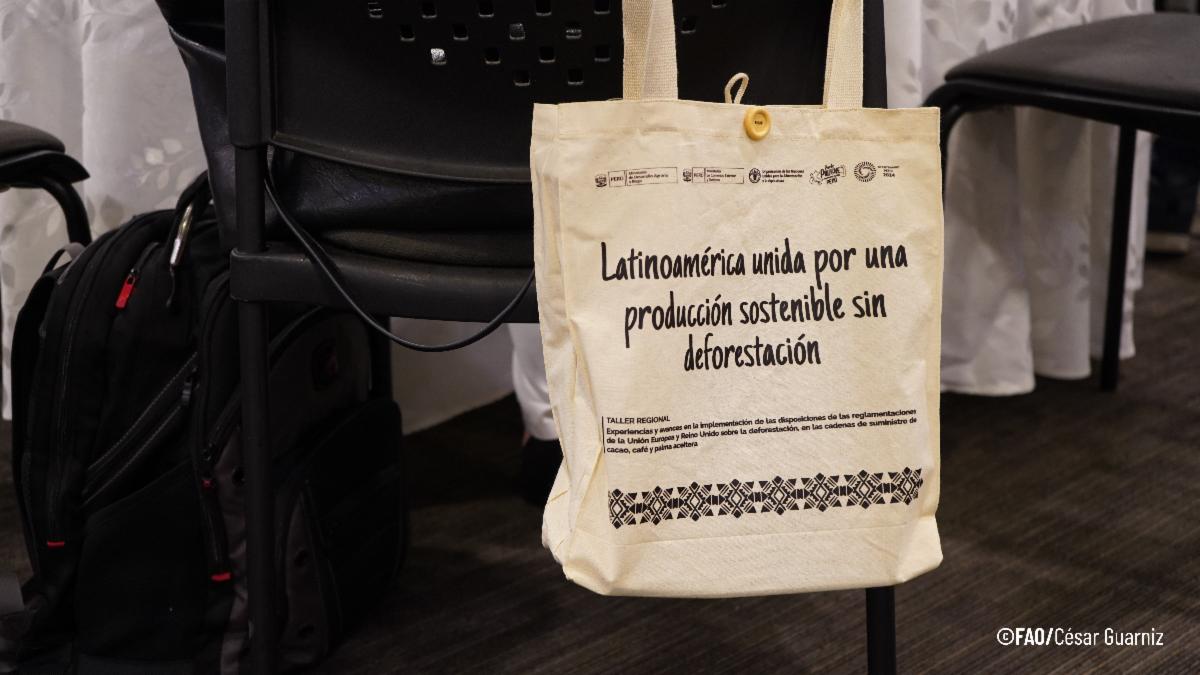
América Latina se prepara para nuevas reglamentaciones comerciales sobre deforestación


Del 24 al 25 de abril en Lima, Perú, tuvo lugar el taller regional “Experiencias y avances frente a la implementación de las reglamentaciones de mercado sobre deforestación”. Este evento fue liderado por los Ministerios de Desarrollo Agrario y Riego (MIDAGRI) y de Comercio Exterior y Turismo (MICETUR) del Perú, con el apoyo técnico de la Organización de las Naciones Unidas para la Alimentación y la Agricultura (FAO).


Read more


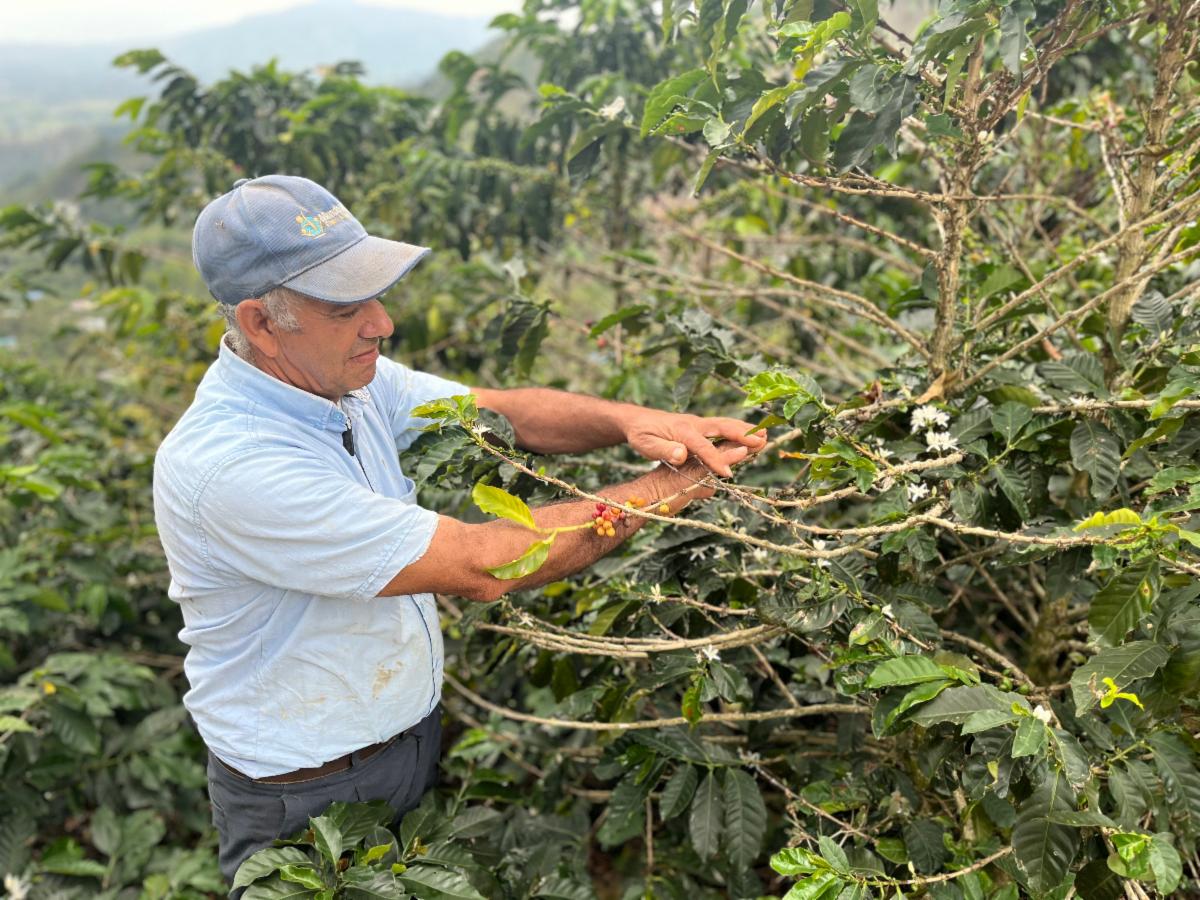
Aroma de café sostenible: Colombia avanza en su compromiso con la conservación de bosques


Para Colombia, el café es algo más que un producto de consumo y exportación. Es parte de su identidad, su cultura y paisaje en las tres cordilleras. Es motivo de orgullo y marca de país ante el mundo. Es un elemento presente cada día en hogares, lugares de trabajo y ocio, sustento de vida para cerca de 500.000 productores y productoras, y sus familias. Según datos del Gobierno de Colombia en 2022, el sector cafetero representa el 15 % del PIB agropecuario y su demanda genera alrededor de 2,5 millones de empleos directos e indirectos).


Read more


Raising ambition, accelerating action: Towards enhanced Nationally Determined Contributions for forests


The report provides recommendations to strengthen and enhance forest-based targets in NDCs and other policies and scale up immediate and substantive financial and technical support for forest-rich countries.


Read more

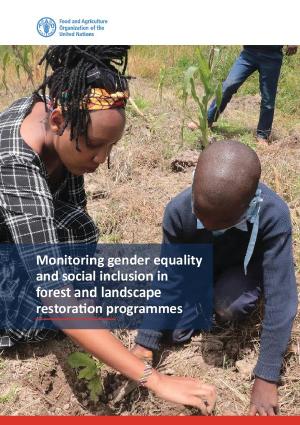
Monitoring gender equality and social inclusion in forest and landscape restoration programs


This brochure is a tool to guide monitoring of the Gender Equality and Social Inclusion (GESI) strategy in forest and landscape restoration projects and programmes, relevant for both national and subnational efforts.


Read more


Raising ambition, accelerating action: Towards enhanced NDCs for forests

How social forestry is protecting Indonesia's forests, a #ClimateAction Story

How young people are becoming climate leaders

How social forestry is protecting Indonesia's forests, a #ClimateAction Story


1.The time for action is now

2.Integration of Indigenous Peoples, local communities in REDD+ projects will uphold sustainability

3.Brazil engages rural settlers as key allies in fighting deforestation in the Amazon

Forestry Officer (UN Decade on Ecosystem Restoration)


LEARN


Access and share valuable

REDD+ knowledge


Facebook  Twitter  Instagram  Linkedin  Youtube  

CONNECT


Stay connected with the UN-REDD Programme

ABOUT


Learn more about the UN-REDD Programme

This resource is made possible through support from Denmark, Japan, Luxembourg, Norway, Spain, Switzerland and the European Union.

Content provided by UN-REDD Programme staff, partner countries and guests. 

All images used courtesy of license holder or through Creative Commons license.