|
Employment bridges the gap to economic stability and lowers gun violence risk for intervention participants. However, criminal justice involvement often blocks access to a safer, healthier and more stable future for individuals, their families and communities.
"Unemployment perpetuates high-risk instabilities—food, housing, family, social, emotional, and psychological—which, among very high risk individuals, can contribute to gun violence," said Estelle Richman, executive director of the Civic Coalition to Save Lives. "As coordinators of intervention programs, we must support sustainable employment opportunities and access careers."
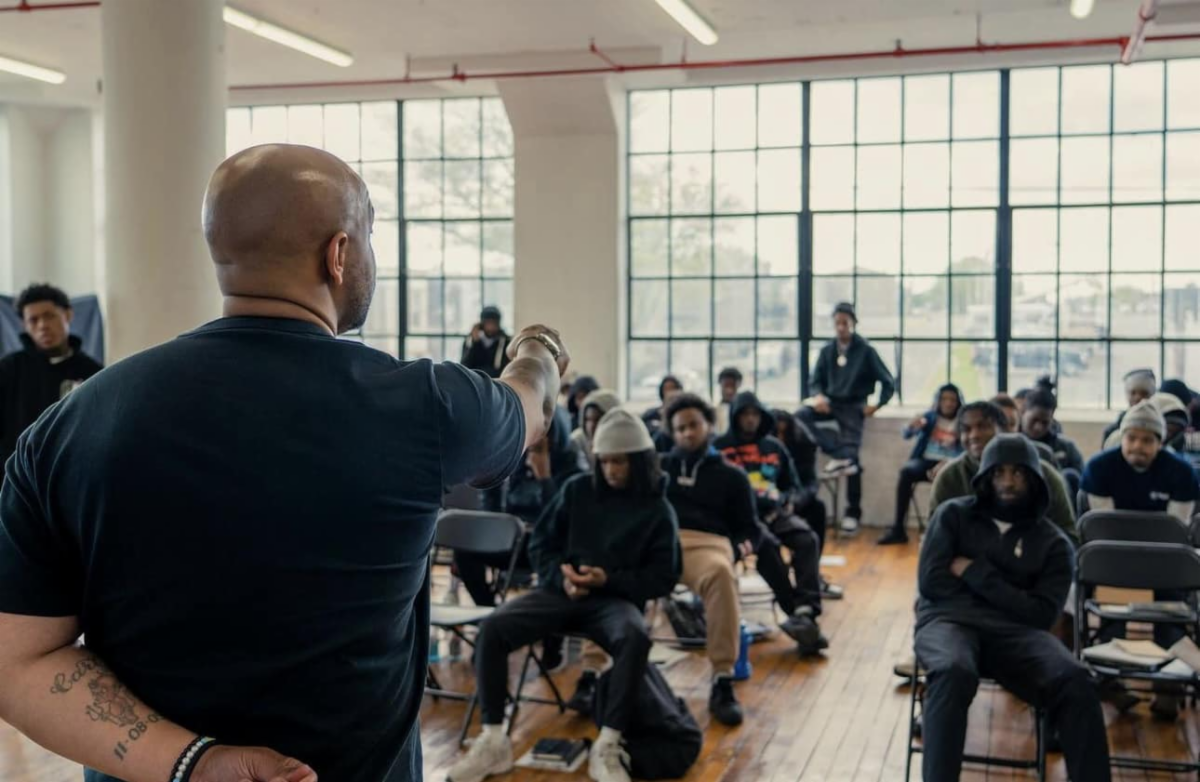
Participants from P3 (Pushing Progress Philly) and Beat the Block recently shared their employment challenges with the Coalition. Discussions focused on work, skills, education, and employment needs. Eight men from P3, mostly in their mid to late twenties, candidly discussed their job experiences before and after incarceration. They were high school graduates with some college or vocational training, motivated to gain skills and work experience.
Because most high-risk participants engaged in intervention programs have criminal justice backgrounds, fair hiring practices like the Philadelphia ordinance that prohibits employers from asking job applicants about any criminal histories, can sometimes hurt more than help. All the participants in P3 and many in Beat the Block described the discouragement of being hired and even going through the on-boarding process, only to be let go when their federal background checks revealed criminal convictions or incarceration.
"You feel hopeless when you try, and doors slam shut," said one P3 participant. "I didn't realize how hard it was to find a job."
Men at both sessions noted the lack of positive employment role models and exposure to diverse jobs while growing up. One mentioned drug dealers as the only successful entrepreneurs he knew.
The Coalition is exploring collaborations with corporate and non-profit organizations for workforce development reentry programs. Plans include a listening session with employers who hire returning citizens and hiring a staff member to help coordinate employment opportunities for very high risk individual participants in intervention programs.
Here’s more of what we heard from P3 and Beat the Block Participants:
“Just the fact that this person has applied for this job says they’re not the same person as they are on paper. They are looking for space and a chance to turn things around. But we keep getting turned down. Seeing a person get a job, can positively affect 10 down the line.”
“I am hard working, determined and eager to learn. If you stick me in a box before I get there, it’s already over. That 90-day probation puts you in a choker.”
“I am the youngest of five children. I have four sisters, we have no fathers. When I met drug dealers, I did look up to them as a father figure, but they led me astray. Selling drugs doesn’t come with a 401K.”
“I applied at a large retail store. Friends pulled strings; I still can’t get in.”
“I got accepted at one job; on the day of orientation, they told me not to come back because of my criminal background.”
|