SGHT Newsletter June 2024 |
|
South Georgia's story extends beyond its stunning landscapes. From the arrival of sealers in 1788 to the ongoing work of scientists today, the island boasts a rich social history alongside its natural wonders.
In this month’s newsletter, we celebrate the discovery of Quest, get to know our Director of Development better, and share the next episode in our podcast from Commensalis artist Michael Visocchi.
|
|
Quest Found in the Labrador Sea
|
|
|
|
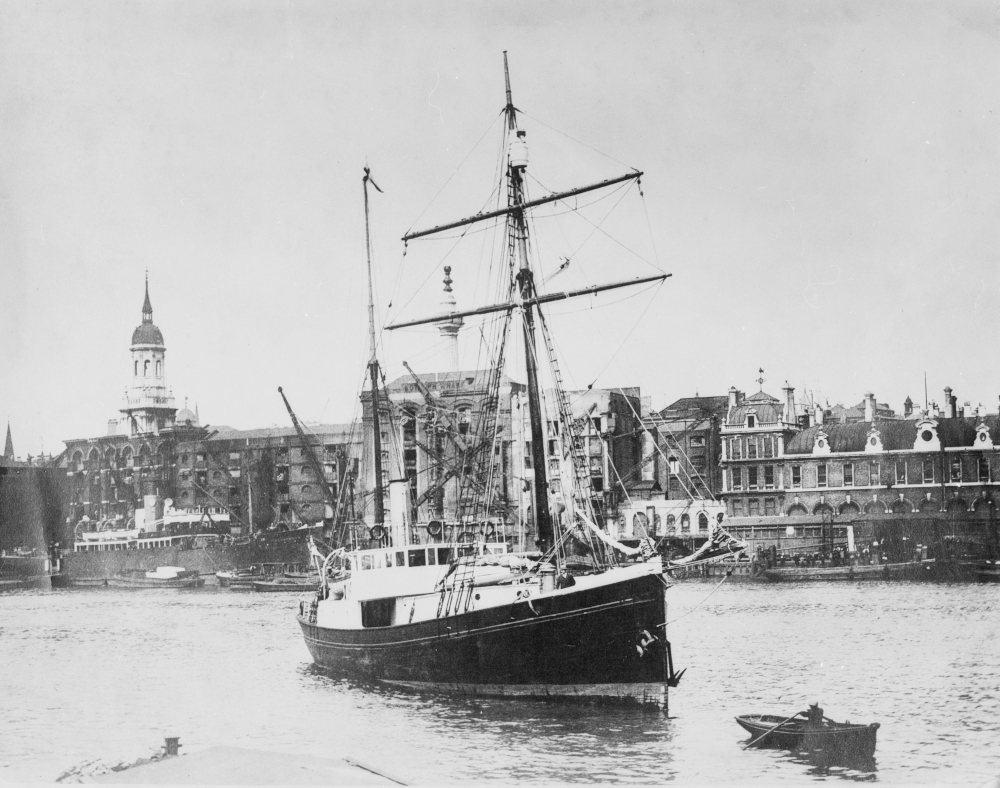
A team led by the Royal Canadian Geographical Society found the wreck of Sir Ernest Shackleton's famed ship, Quest, in the Labrador Sea on 9th June. Shackleton himself passed away onboard Quest in 1922, while the ship was at South Georgia. The wreck rests upright on the seabed, 390 meters deep, northwest of St. John's and east of Battle Harbour, Labrador.
|
|
On 1 April 1962, Quest became stuck in the ice of the Labrador Sea. The force was enough to break deck screws in the engine room and warp cabin doors. A leak that had been present for months grew worse. On the morning of 5 May, while on a seal-hunting expedition, water overwhelmed Quest’s engines. Captain Olav Johannessen was forced to make the call to abandon ship. Thankfully, the crew, some cargo and valuables were evacuated to nearby ships. At 5:40pm, Quest slipped beneath the waves.
In a telegram to the ship’s owners in Norway, Johannessen noted Quest’s final position: 53’10 N, 54’27 W. The shipwreck suffered the same damage as Shackleton's Endurance - the ship he used on his 1914-1917 Imperial Trans-Antarctic Expedition.
Following Shackleton’s death in 1922, Quest was returned to London in 1922 where she was acquired by a Norwegian company. During a refit, the Shackleton-Rowett deckhouse was salvaged for shore use – the cabin is at the Shackleton Museum in Athy, Co. Kildare which reopens in summer of 2025.
After that, Quest was hired for expeditions such as the British Arctic Air Route Expedition led by explorer Gino Watkins in 1930. The expedition's goal was to establish a commercial air route from England to Canada via Greenland and to more thoroughly survey the eastern coast of Greenland. After a series of expeditions, the ship then returned to sealing expeditions.
However, in 1940 while sealing off the coast of Newfoundland, Quest was requisitioned by the Royal Canadian Navy for war efforts. Initially, the ship began ferrying coal from Sydney in Nova Scotia to Halifax. Later that year, she was refitted as a minesweeper but was never saw action as one. Instead, Quest spent the rest of the war working as a water supply boat in England.
In 1946, Quest was returned to her civilian owners to resume the familiar work as a sealing vessel. The following year, Quest was completely rebuilt. Her length was increased from 111 to 120 feet, new radio and navigation equipment were installed, and the engine was upgraded. Quest continued to work as a sealing ship from then until the sinking in 1962.
You can learn more about Quest and Shackleton through our online exhibition here.
|
|
From Fundraising to Fieldwork: Life at SGHT |
|
Have you ever wondered who the amazing people are behind the scenes at SGHT? Well, wonder no more! In our new series, we're bringing you the people who make a difference every day. In this edition, we're thrilled to introduce Luke Smith, our Director of Development. |
|
Can you tell us a little about yourself and your background?
I’m Luke, the Director of Development at SGHT. I’ve been with the Trust for
two years and I’ve enjoyed every minute. I first came across SGHT a decade ago when working for the Royal Geographical Society and raising money for The Enduring Eye exhibition. As everyone is when they discover SGHT, I was taken aback by the Trust’s leading role in the Habitat Restoration Project and through its eradication of rats and mice, the fledgling ecological recovery underway on island. Ever since 2014 I kept an eye on the Trust from afar.
After working for the Society and being inspired by the many well-travelled
people I met whilst there, I travelled round the world with my wife and ended up landing in Italy where we lived and worked for almost three years. During this time, I started an online business focused on walking travel, which began with a hike across Europe from Canterbury to Rome – along the entire 2,000km Via Francigena – and continued through to Covid with many walks all over the continent.
Returning to the UK in 2019 after writing a walking guidebook, I lived and worked in the Highlands & Islands of Scotland. It was then that LinkedIn presented what is now my wonderful job at SGHT.
What are some exciting new fundraising initiatives you're working on?
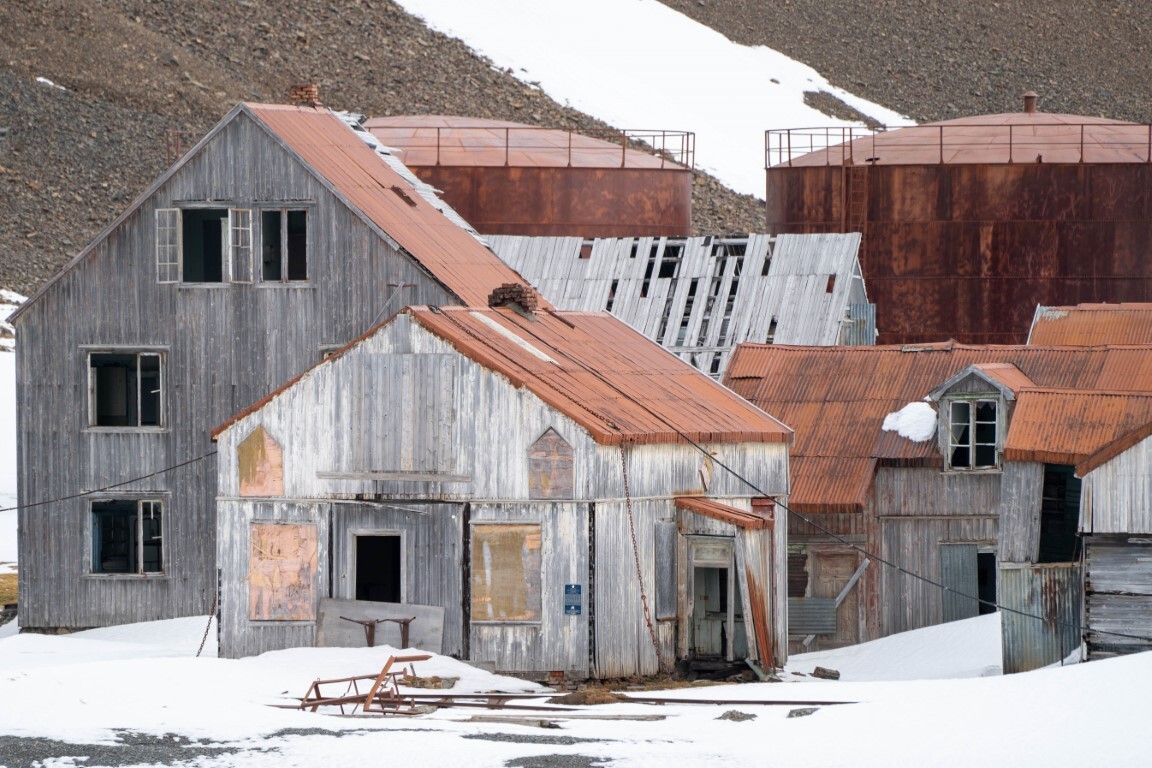
These are exciting times for SGHT. We’re busy fundraising for the Whaling
Station Initiative, a new collection of major projects at the former whaling
stations of South Georgia. As part of the Initiative, we’ll be saving Shackleton heritage, installing a whale memorial at Grytviken, establishing an interactive, digital digital catalogue called the Whalers’ Memory Bank, and working towards a future environmental clean-up of the former whaling stations.
With my history of working at the RGS and my passion for walking long
distances, I’m thrilled to be working on a Shackleton project associated with
arguably the greatest hike in history – we’re saving the Stromness Manager’s Villa from falling down and being lost forever, the place which Shackleton, Worsley and Crean reached after crossing the uncharted interior of South Georgia on 20 May 1916.
We’ve already raised almost £3 million for the Whaling Station Initiative, but
we need more to reach our fundraising target (just over £500K to be clear).
As well as the opportunity to be a part of some truly unique projects as a
donor, there’s a range of very special rewards for financial support of SGHT
and these Initiative projects. If you would like to know more, I’d be happy to
tell you about the projects, our plans and what pledges of support will achieve and mean for donors. Email me at luke.smith@sght.org and we can arrange a call.
|
|
Stromness Villa by GSGSSI
|
|
What motivates you to work in fundraising for South Georgia?
The Trust is an amazing charity to work for and I’m so pleased to have the opportunity to do so. There are many motivations for working at SGHT, however I’ll share two here in an attempt to be concise:
|
|
1) I’m very motivated to help the Trust tell as many people as possible
about the amazing ecological recovery underway on island. Particularly I want to help share the whale’s tale at South Georgia – a story charting their journey from the brink of extinction to astonishing return to the island’s waters, all in such a short period of time. The return of these great whales shows so powerfully and clearly that ecological restoration is possible and that nature heals when given the chance. It’s a message I want the world to know and luckily one of our Whaling Station Initiative projects is focused on creatively broadcasting it – we’re installing a whale memorial and artwork at Grytviken which will simultaneously commemorate and celebrate the island’s whales’ return so we can shine a light on their recovery to inspire hope for conservation worldwide. It also supports research to ensure the best management of South Georgia’s waters to support the whales’ recovery.
2) I’ve always been fascinated by Shackleton and particularly the journey from Elephant Island to Stromness in 1916 to raise alarm for rescue of the entire expedition party. As a keen walker, I’m very interested in the hike Shackleton, Worsley and Crean completed right at the end of the mission to reach Stromness. I’m therefore thrilled to be part of the project to save the Stromness Manager’s Villa, where the three men reached to trigger the rescue. The project motivates me every day as we attempt to complete the
fundraising in advance of deploying to the island. I’m sure many of you reading this are equally as enthralled by the Shackleton story and the unbelievable crossing of the Southern Ocean and South Georgia in 1916.
If you’d like to know more about either projects, please send me an email at luke.smith@sght.org.
|
|
What's your favourite thing about working at SGHT?
I think I can keep this answer short (unlike those above!). My favourite thing about working at SGHT, beyond getting to know all the amazing people associated with the charity, has been and continues to be the content I get to work with and on every day. It’s genuinely interesting to me and I love learning about all things South Georgia.
My favourite way to learn about South Georgia is by talking to SGHT’s supporters. So, I urge you to get in touch if you’re interested in our current projects, because frankly it’s a great opportunity for me to hear all about your experiences, memories, and stories of South Georgia. And if you have photos to share of the island and its wildlife – even better! Email me at
|
|
When you donate to us, you know that every penny will be used to bring benefit to South Georgia. We are a small charity, but we are making a big difference to the future of South Georgia’s wildlife and heritage. We appreciate every donation. |
|
If you want to help us achieve more for South Georgia, its wildlife, environment and heritage, please donate right now. |
|
Whale Songs: A Sculptor's Journey to South Georgia |
|
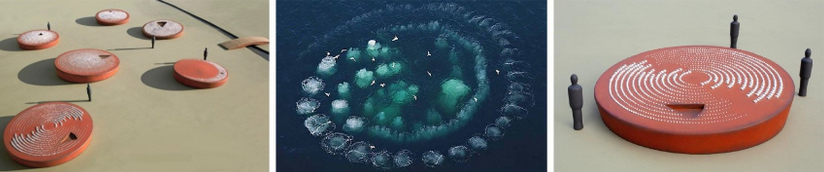
Accompany artist Michael Visocchi during his first journey to South Georgia and share his insights to the island on our podcast. The series follows how Michael was inspired to create a Whale Memorial - Commensalis: The Spirit Tables of South Georgia.
|
|
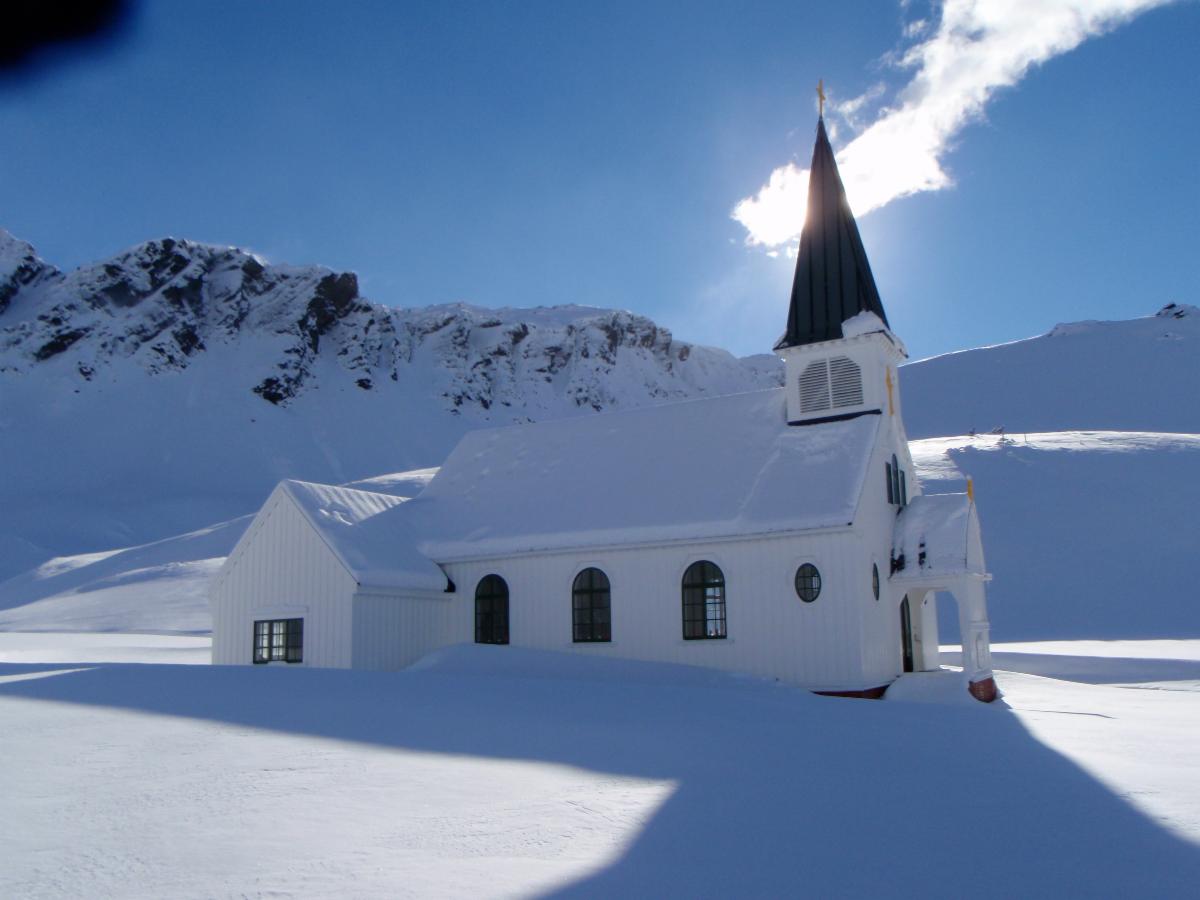
In this episode, Michael explores the Norwegian church in Grytviken on the island of South Georgia and gives a unique performance. |
|
Photo of the church by George Lemann |
|
The Whale Memorial will commemorate the loss and celebrate the recovery of whales at South Georgia. It will be a reminder for everyone who cares about nature of how close we were to losing South Georgia’s whales, and will help to raise funds for vital research to protect the future of whales in the Southern Ocean. |
|
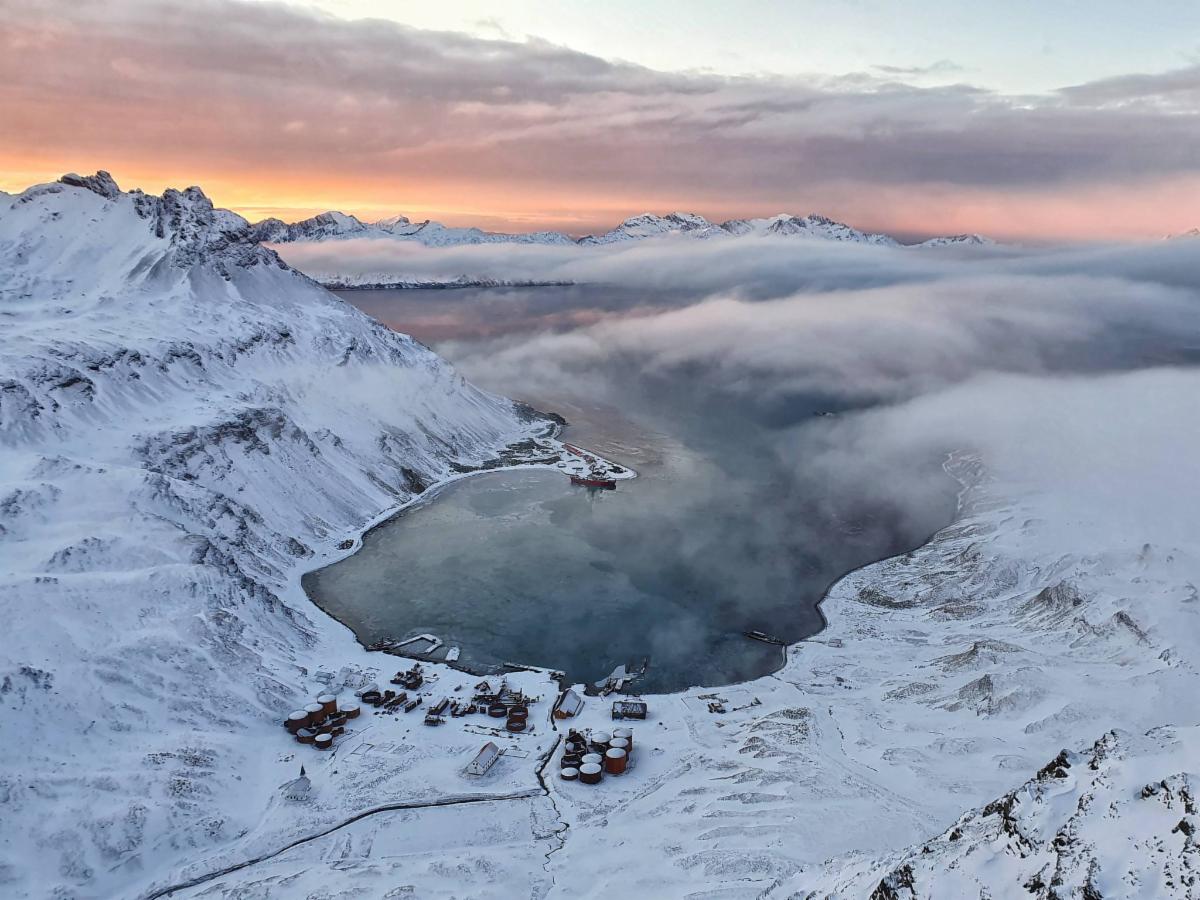
Photo by Deirdre Mitchell |
|
Midwinter was celebrated on 20 June this year, so to celebrate, we wanted to share a memory from our SGHT Director South Georgia, Deirdre Mitchell: "While we celebrate Midsummer here in the UK, 8000 miles away the overwintering team on South Georgia will be marking Midwinter. The shortest day of the year on island means that the team can finally look forward to sunshine returning to station in a few weeks’ time.
Midwinter is a cause for huge celebration on research stations on South Georgia and in Antarctica, even rivalling Christmas! In the week beforehand, the team will enjoy some well-earned time off and take part in events like the Midwinter Olympics.
On Midwinters Day itself, the team exchange home-made gifts, enjoy a three-course meal and listen to the BBC Mid-Winter Broadcast. On my own Midwinters Day in 2020, when I worked for the British Antarctic Survey, a colleague and I got up early so we could hike into the hills to watch the sunrise.
The initial walk through fog was far from promising but, as we neared the summit, we were treated to an inversion, and the most spectacular sunrise I’ve ever seen! It’s a moment I’ll never forget, and I hope all those currently celebrating down South have similarly special days."
|
|
|
|
Follow us on your favourite platform to find out so much more about South Georgia and the activities of SGHT
|
|
|
|
|
|
|