The Wyoming Health Council works to ensure that all people can access equitable, inclusive, high-quality, and affordable reproductive and sexual health care. | |
|
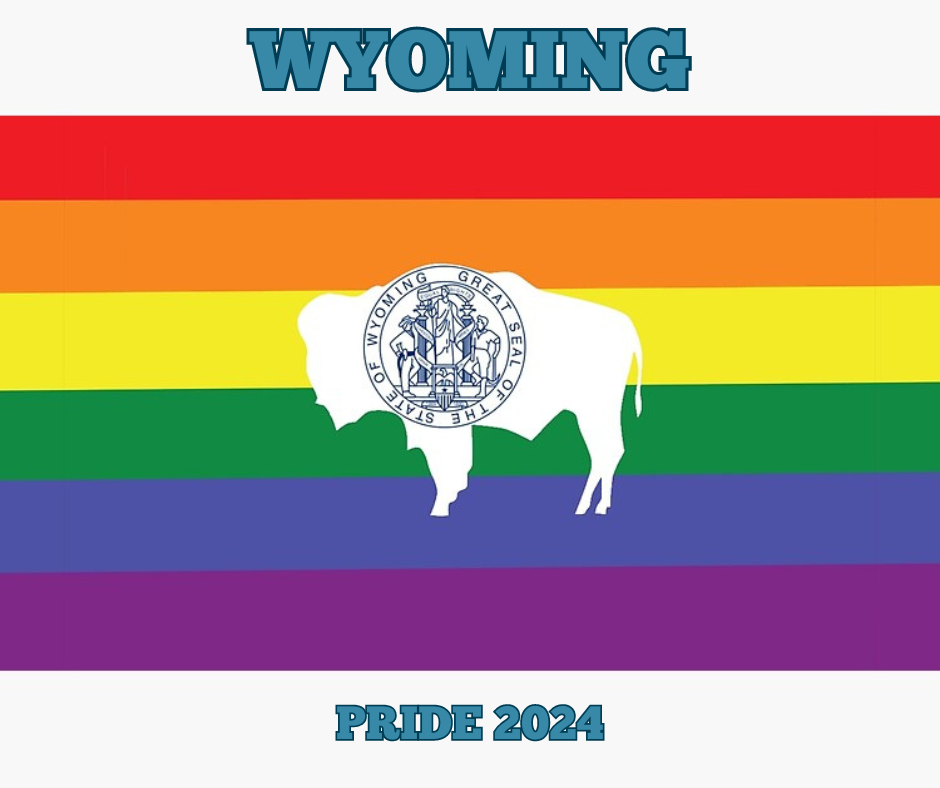
As we embark on the vibrant festivities of PRIDE, the Wyoming Health Council and our Title X Family Planning Clinics come together to honor the journey of the LGBTQ+ community, recognizing its resilience, activism, and ongoing fight for equality.
PRIDE is more than a celebration; it's a powerful affirmation of identity, a commemoration of hard-won rights, and a reminder of the importance of sexual health care that is accessible, affirming, and respectful to all individuals, regardless of their sexual orientation or gender identity.
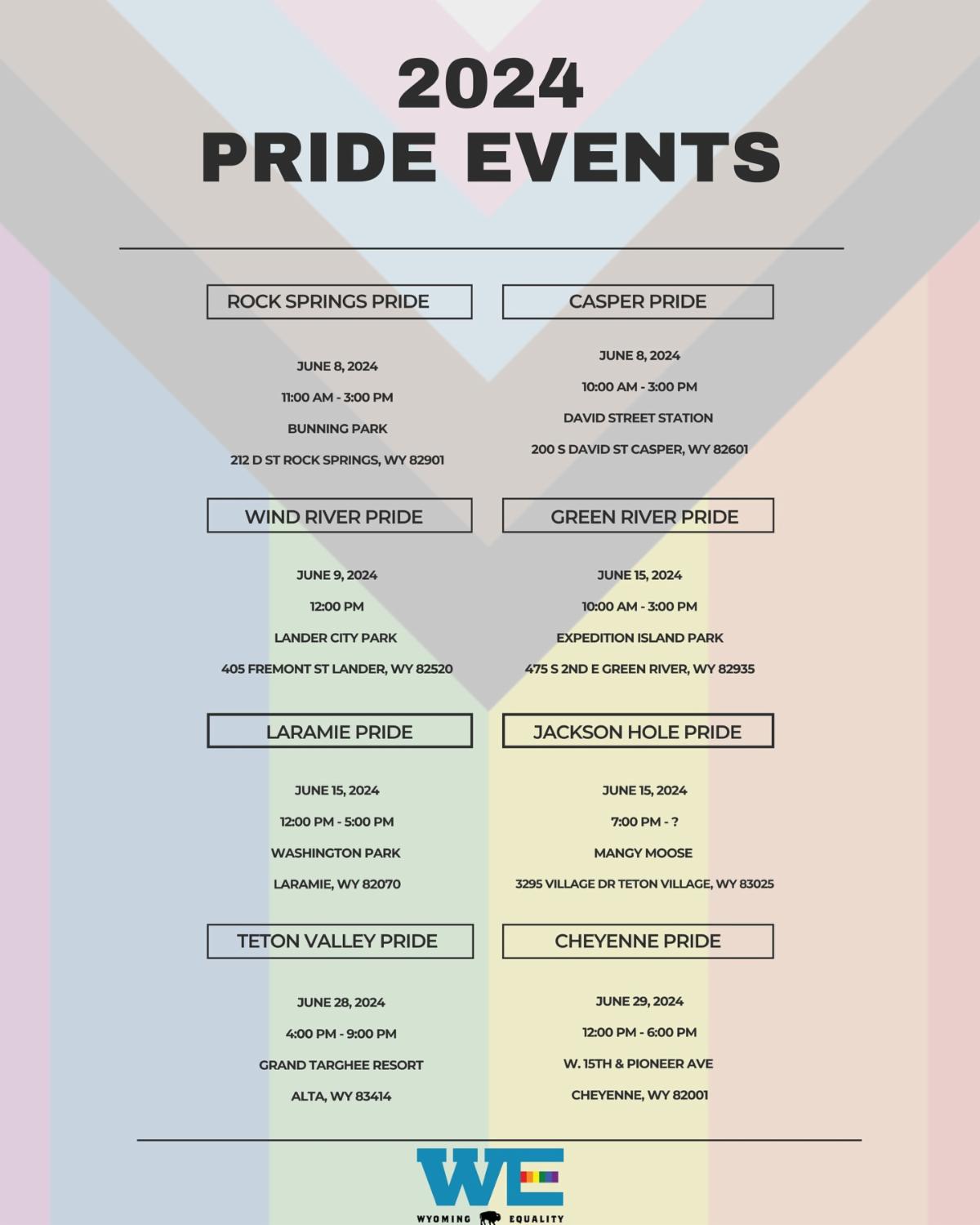
Join us and others throughout Wyoming as we celebrate PRIDE and advocate for the sexual health care that plays a crucial role in supporting and empowering LGBTQ+ individuals.
| |
Why Safe Spaces In Health Care Matter For LGBTQ+ Patients
Andrew, a 39-year-old New Yorker who identifies as queer, says he got lucky with his first primary care provider, who was very queer friendly.
"He was straight, but raised by two dads and created a very welcoming environment," Andrew told ABC News of his former doctor.
When his doctor moved, Andrew says he realized how much it mattered for his health. He says his new doctor was less comfortable around queer issues. "There was always a barrier and a sense of awkwardness," he said.
Andrew says the lack of good communication left him feeling he could not tell his doctor everything. "Having experienced queer friendly doctors and not queer friendly doctors you see the importance of nonjudgment," he said.
"Some of the barriers are about access and some are about willingness to engage with the health care system," says Dr. Renee Crichlow, vice chair of health equity for the Department of Family Medicine at Boston University Medical School.
Dr. Crichlow notes a big issue is that LGBTQ+ individuals are less likely to have a consistent source of primary care. This is why women in the LGBTQ+ community are significantly less likely to access preventative health care than other women, according to a study in the Journal of Urban Health. After adjusting for other factors, these women were ten times less likely to have received a timely pap test and four times less likely to have received a timely mammogram, the study said. This likely contributes to higher rates of various cancers in that community, as another study indicated.
Health providers can take steps to address disparities and lessen these barriers, and many are. Providers can implement intentional strategies to recognize and overcome implicit biases. This includes asking patients open-ended questions without assumptions or judgment...
| |
If you have an RHNTC (Reproductive Health National Training Center) account...
The Need for Accepting and Affirming Care in title X Settings Video Series
The purpose of these videos is to provide information and language for Title X agencies to put into place policies and practices that support LGBTQ+ clients by means of sharing knowledge, experiences, and best practices.
| | | |
|
National LGBTQIA+ Health Education Center
The National LGBTQIA+ Health Education Center provides educational programs, resources, and consultation to health care organizations with the goal of optimizing quality, cost-effective health care for lesbian, gay, bisexual, transgender, queer, intersex, asexual, and all sexual and gender minority people.
| | |
How To Be An LGBTQ+ Ally At Work
June is Lesbian, Gay, Bisexual, Transgender and Queer Pride Month. Many leaders and corporations use this time to reflect on diversity, equity, inclusion and belonging in their workplace from the perspective of LGBTQ+ employees. With this in mind, here are five ways to be an LGBTQ+ ally at work and in life
| | | |
|
NBC OUT
NBC Out showcases feature stories, original videos and other unique content about, and of interest to, the lesbian, gay, bisexual, transgender and queer community.
| | |
|
‘No planet, no Pride’
Pattie Gonia lives at the intersection of environmentalism and drag with the goal of making the outdoors a more welcoming space for underrepresented groups.
| |
|
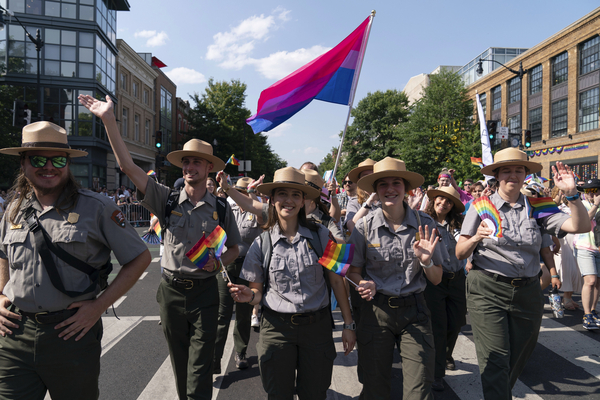
National Park Service Clarifies Employees Will Be Allowed To Join Pride Events In Uniform
Previous memos to staff caused confusion over the uniform policy weeks before the start of LGBTQ Pride Month.
NPS (National Park Service) affirmed in a social media post last week that “National parks are for everyone” alongside an image of the Stonewall Inn, the site of a historic 1969 uprising in New York City that sparked the modern LGBTQ rights movement. The park service oversees the Stonewall National Monument, across the street from the bar.
The park service said in the caption that it celebrates “the contributions of LGBTQ+ Americans past and present, including our team of employees, partners and volunteers.”
| | |
CDC says vaccination could protect the U.S. from more dangerous mpox virus
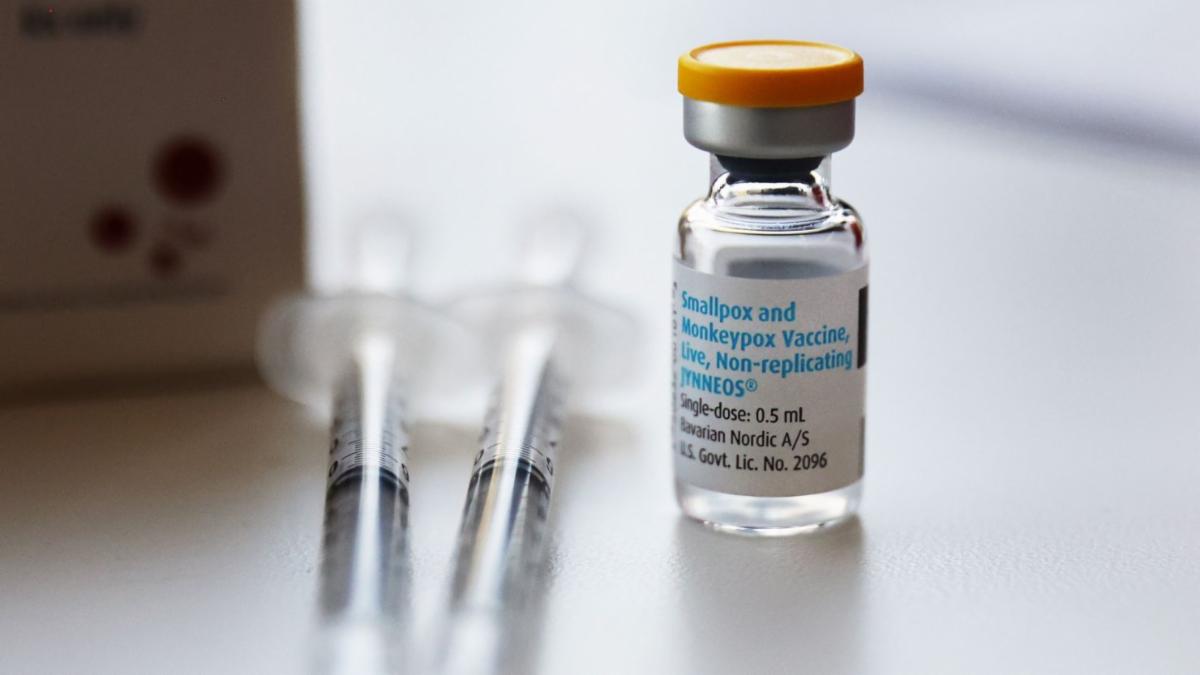
As concerns mount about a large outbreak of an especially virulent form of mpox in central Africa and an uptick in U.S. cases since early last year, the mpox vaccine appears to give long-term protection, the Centers for Disease Control and Prevention reported Thursday.
Public health experts are concerned that the launch of the summer travel season and the upcoming LGBTQ Pride festivals in cities across the country will drive greater sexual connectivity among gay and bi men and potentially hasten mpox transmission.
“Vaccination is a critical way to help protect yourself and others,” Hutson said. “It’s important that people at risk for mpox exposure who have not previously recovered from mpox — including certain gay, bisexual, and other men who have sex with men — complete the two-dose Jynneos vaccination series.”
| | |
|
LGBTQ+ Inclusive Sex Ed Week of Action
June 22-26
| |
QUEER. SEX. ED! 👀 You know all that important stuff you're probably not learning in school? We've got you covered with 5 episodes of IRL friends having those conversations about queer sex, sex in the media, consent and pleasure, and more - while 2 professional sex educators listen in to educate and bust some myths! 👊 | |
 |
Real Stories: LGBTQ folks talk birth control
People with a range of identities and orientations can benefit from birth control.
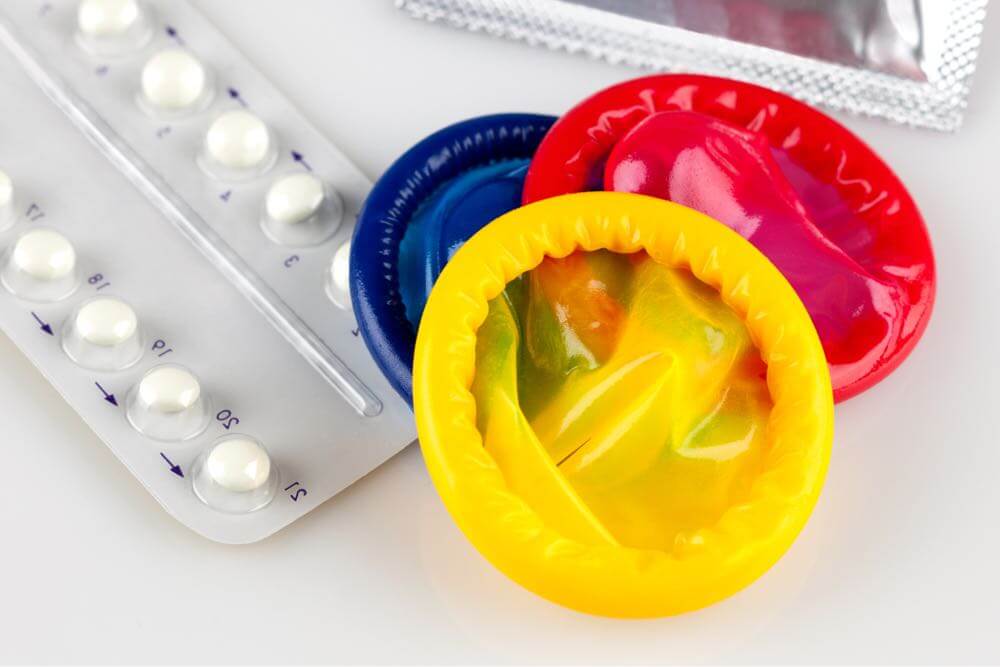
Depending on your reproductive system and the reproductive systems of the people you sleep with, there’s a good chance you may need birth control at one point or another. Pregnancy can happen anytime someone with a uterus has vaginal sex with someone with a penis, no matter their gender identity or sexual orientation.
Even if pregnancy isn’t a concern for you and your partner(s), you can still be at risk for sexually transmitted infections (STIs, a.k.a. STDs). Luckily, there are ways to protect against those, too—like barrier methods (e.g. condoms and dental dams), getting tested on the regular, and communicating openly with partners about STI status.
So what are the options for LGBTQ folks? Short answer: Lots. Long answer: There are many important—and super personal—factors that go into people’s decisions about how to stay on top of their sexual health. Some folks use birth control for positive side effects like having lighter or no periods, clearing up acne, or stabilizing hormones. Others might just like knowing they’re covered against accidental pregnancy no matter what—or who—comes their way.
Whatever your reason for considering birth control, it’s a great idea to talk to your health care provider, use our method explorer, and watch real people talk about how they stay on top of their sexual and reproductive health. Here are a few of our favorite real stories to get you started.
| |
How to Have Sex if You're Queer: What to Know About Protection, Consent, and What Queer Sex Means
Rarely does traditional sex education tackle pleasure for pleasure’s sake, how to have sex for non-reproductive purposes, or the wide spectrums of sexualities, bodies, and genders that exist. Instead it tends to cover penis-in-vagina penetration only, pregnancy risks, and STI/STD transmission, leaning heavily on scare tactics that may not even work.
The good, and even possibly great news is that not being boxed in by the narrow definitions of sex provided to us via traditional sex ed means that we are free (and perhaps even empowered!) to build our own sex lives that work uniquely for us, our partners, and our relationships. But we still need some info in order to do so.
Let’s talk about what classic sex education might’ve missed about how to have sex if you're queer, from what sex between queer people means to how to keep it safe and consensual between the rainbow sheets.
| |
|
Juneteenth (also known as Freedom Day or Emancipation Day) occurs annually on June 19th and is the most popular celebration of emancipation from slavery in the United States. It commemorates the day on June 19, 1865 (two and a half years after the Emancipation Proclamation) when Union General Gordon Granger informed enslaved Texans that they had been freed. You can learn more about the history of Juneteenth in this article by historian Henry Louis Gates, Jr.
Juneteenth’s position in the middle of Pride Month should serve as a reminder of the interconnectedness of our struggle for liberation. We would not have Pride as we know it today if it were not for the histories of Black and Brown revolutionary activism, and we must commit to anti-racism in all of our celebrations.
This guide includes a list of ways you can celebrate Juneteenth in your community, as well as a list of resources where you can learn more about Juneteenth and the continued legacy of white supremacy.
| | |
Coretta Scott Kings
Little-Known History as an LGBTQ Advocate
(watch video)
While Coretta Scott King has been celebrated as a civil rights icon, her vision of “the beloved community” was bolder and more revolutionary than her husband Martin’s.
Deeply committed to racial and economic justice, as well as nonviolent social change, she was also an outspoken advocate for women’s rights, gay and lesbian rights, trade unions, affirmative action, world peace, universal health care, gun control, nuclear disarmament, the enfranchisement of convicted felons, HIV/AIDS education/prevention/treatment and a broad range of other social issues that situated her outside the mainstream of American politics and the civil rights establishment.
| |
|
Different fight, 'same goal:' How The Black Freedom Movement Inspired Early Gay Activist
"Every single element of what we know of as Pride and gay rights and, especially, the pre-Stonewall homophile movement, was borrowed from the Black Freedom Movement."
Early LGBTQ activists (though they didn’t use that acronym at the time) adopted many of the civil rights movement’s strategies, Stein said, and they relied on much of the foundation laid by Black civil rights activists.
But the two movements weren’t necessarily separate — they often overlapped — and so influence happened in a few ways, Stein said.
“Influence can be the influence of ideas, and specifically, ideologies, influence of strategies,” he said. “Influence can also come in the form of people who move between movements, or who are engaged in multiple movements, and we do have examples of that in the early LGBT movement.”
| |
 | |
Marsha P Johnson
(watch video)
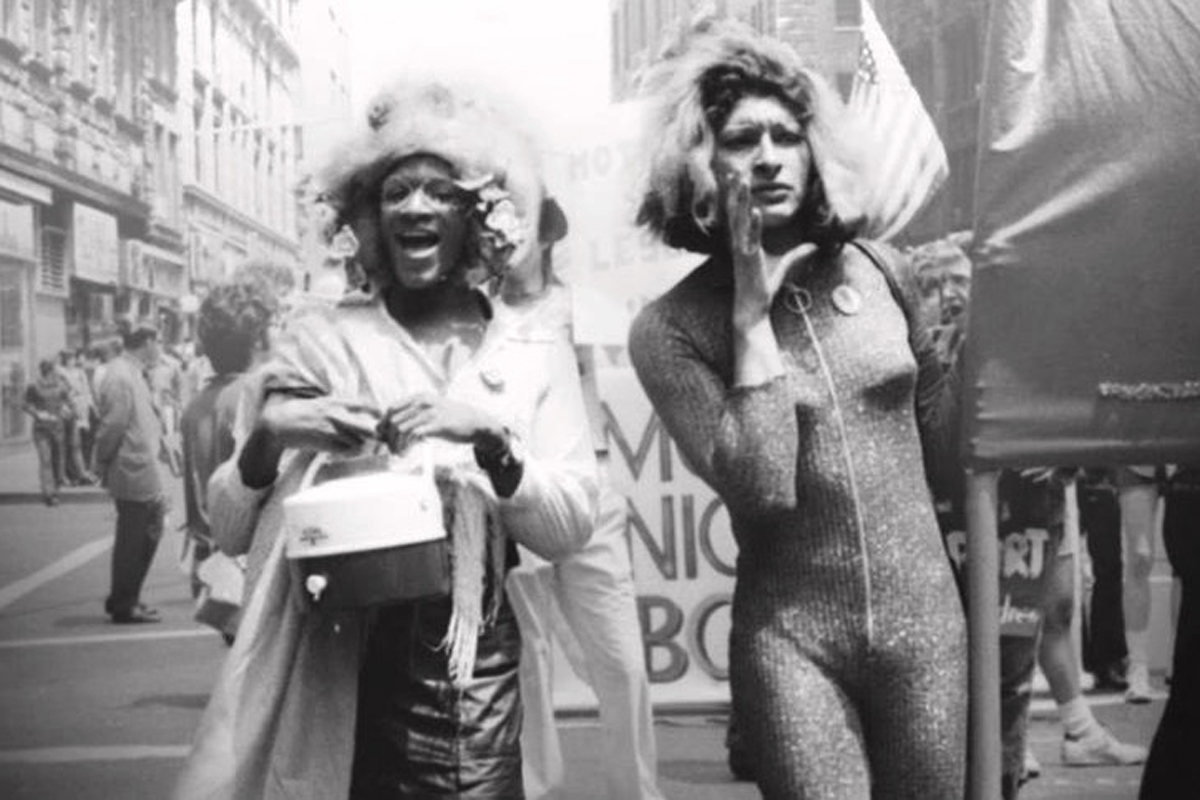
Johnson’s life changed when she found herself engaging with the resistance at The Stonewall Inn on June 28, 1969. In the early morning hours, police raided the bar and began arresting the patrons, most of whom were gay men. Johnson and Rivera arrived at Stonewall around 2am where, Johnson said in a later interview, “the place was already on fire, and there was a raid already. The riots had already started.”
There are many competing stories about what Johnson did during the raid on the Stonewall Inn, but it is clear she was on the front lines. Johnson, like many other transgender women, felt they had nothing to lose. They were not only angered by the police raid but also the oppression and fear they experienced every day. In the wake of the raid, Johnson and Rivera led a series of protests.
The raid on Stonewall galvanized the gay rights movement. The first Gay Pride Parade took place in 1970 and a series of gay rights groups—including the Gay Liberation Front, a more radical organization, and the Gay Activist Alliance, a more moderate and focused spin-off group—emerged. Johnson was involved in the early days of both but grew frustrated by the exclusion of transgender and LGBTQ+ people of color from the movement.
| |
|
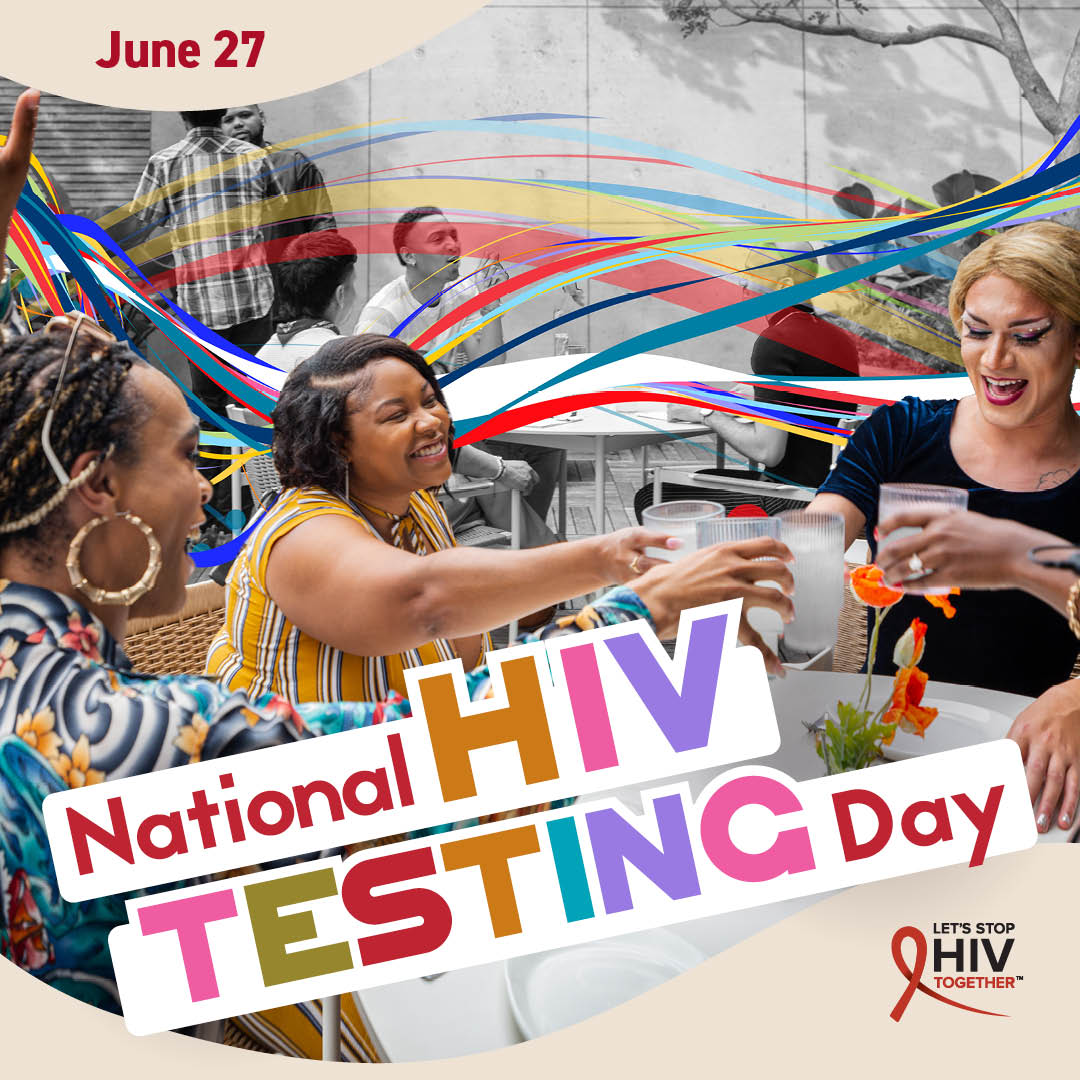
The only way to know your HIV status is to get tested. Knowing your status gives you powerful information to keep you and your partner healthy.
CDC recommends that everyone between the ages of 13 and 64 get tested for HIV at least once as part of routine health care, and more often if you do things that might increase your risk for getting HIV.
Even if both you and your partner are having sex only with each other, you should both find out your HIV status.
| | |
 | |
Moms With HIV Can Breastfeed if Taking Treatment and Virus is Undetectable
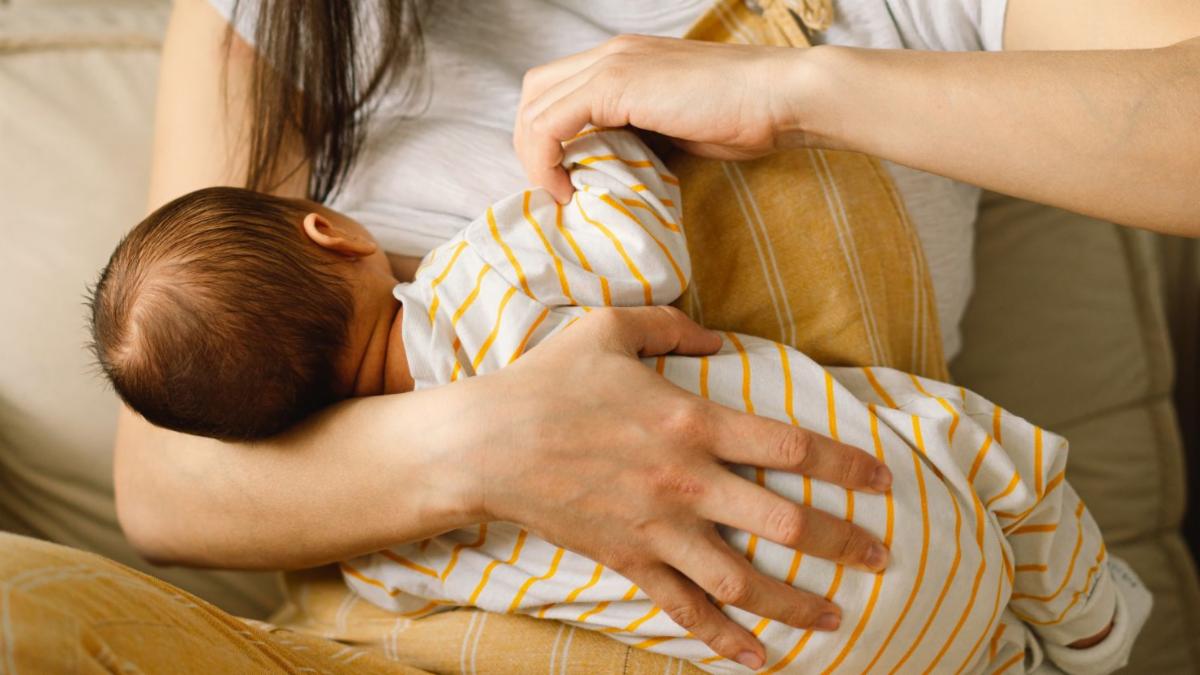
Each time LaTonya looks at framed photos of herself breastfeeding her baby son for the first time, she swells with emotion.
As a mother living with HIV in Colorado, it was a moment she wanted to commemorate.
“That’s how important it was to me to be able to breastfeed,” LaTonya said about the photos. “So, I wanted to make sure we had that forever.”
For the first time, the American Academy of Pediatrics has changed its position to say people with HIV, the human immunodeficiency virus, can breastfeed their infants with “very low” risk if they follow certain guidelines with support from their medical care team.
Avoiding breastfeeding is the only option with zero risk for HIV transmission, but going forward, pediatricians should offer support and counseling for women who wish to breastfeed, who are receiving antiretroviral treatment, known as ART, as prescribed and who are maintaining an undetectable amount of virus in the body, according to a new clinical report from AAP that was published Monday in the journal Pediatrics.
| |  |
|
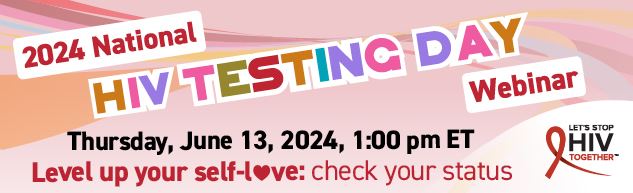
CDC's National HIV Testing Day Webinar
Register for the annual National HIV Testing Day webinar hosted by CDC’s Let’s Stop HIV Together campaign!
The webinar will focus on this year’s National HIV Testing Day theme, Level-up your self-love: check your status. This theme emphasizes valuing yourself, showing yourself compassion and respect, and honoring your health needs with self-love. Knowing your HIV status helps you choose options to stay healthy.
Featuring a panel discussion moderated by Ian L. Haddock (The Normal Anomaly Initiative) and panelists Dr. Tatyana Moaton (San Francisco Community Health Center), Cora Trelles Cartagena (NMAC), and Dr. Elizabeth DiNenno (CDC), the webinar will include a dynamic discussion on HIV testing as an act of self-love. You will also learn about the latest materials from the Let’s Stop HIV Together campaign to help enhance your work.
| | |
|
June is Men’s Health Month!
This month is all about encouraging the men in your life (including you, men out there!) to take care of their bodies by eating right, exercising, and working to prevent disease. The official symbol for the month is a blue ribbon and the purpose of Men’s Health Month is to heighten the awareness of preventable health problems and encourage early detection and treatment of diseases including cancer, heart disease, and depression.
| |
 | |
Male Birth Control Gel is Safe and Effective, New Trial Findings Show
After decades of attempts to develop new birth control medications for men, scientists are more hopeful than ever. With new abortion restrictions, demand is growing, experts say.
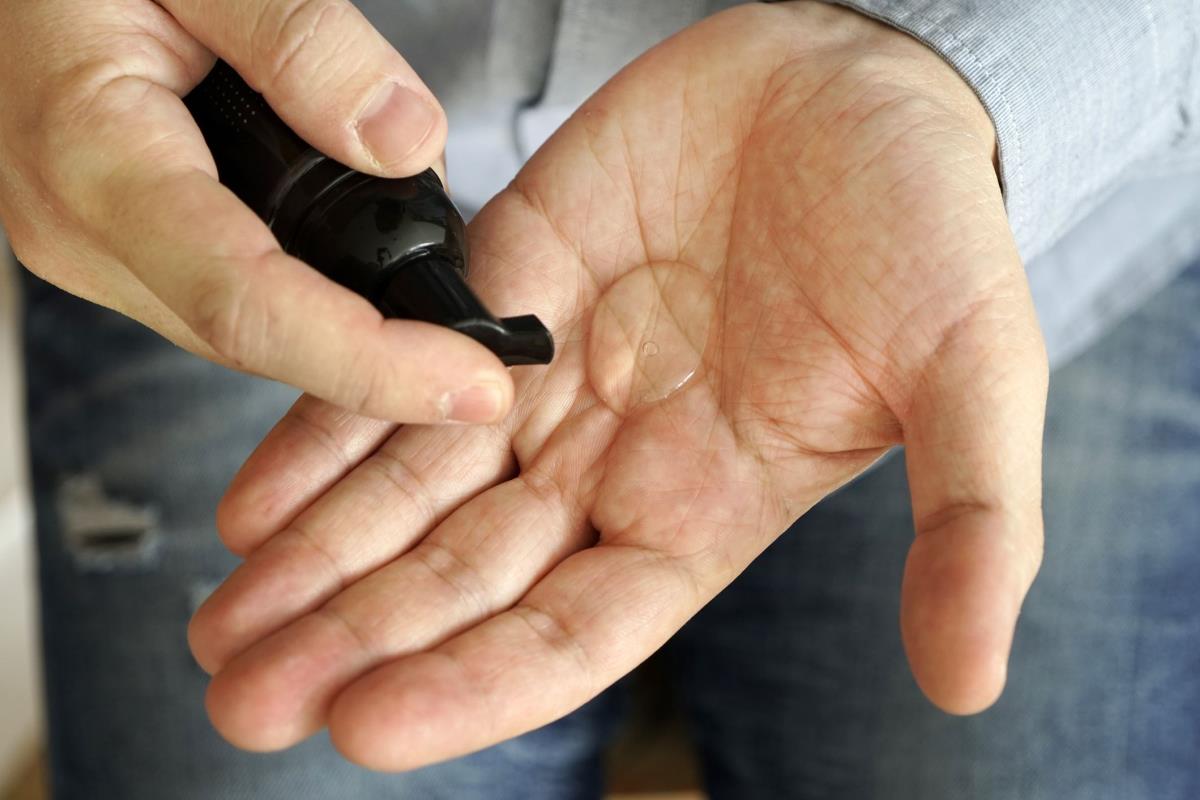
Every morning for a year and a half, Logan Whitehead, 24, rubbed a clear gel on his shoulders, waited for it to dry, then went about his day as usual.
“It was basically like a hand sanitizer solution,” said Whitehead, who lives in Torrance, California. “Smelled like hand sanitizer, looked like hand sanitizer.”
The gel wasn’t hand sanitizer, though. It was a hormonal solution meant to block Whitehead’s sperm production. The gel was male birth control.
If the Food and Drug Administration approves the gel, Whitehead said he would definitely keep using it, especially after watching his partner struggle with available female birth control options.
Nestorone is a type of synthetic hormone called a progestin that’s already used in the vaginal ring contraceptive. Combining Nestorone and testosterone in the new gel is meant to keep men from producing sperm without affecting their sex drive or causing other side effects.
So far, the men in the gel clinical trial have shown low enough blood levels of testosterone to maintain their normal sexual function.
| |
|
Microplastics in Testicles May Play a Role in Male Infertility, Study Suggests
Male infertility continues to be a worldwide problem, but it is not always clear what factors contribute to it.
Due to increasing evidence that microplastics have found their way into different biological systems, from blood to lungs, researchers have become interested in identifying and understanding the potential impact of microplastics on reproductive systems, as well.
A study recently published in Toxicological Sciences has examined microplastics and their presence in male reproductive organs.
Researchers identified 12 different microplastic types in dog and human testis samples. In dogs, researchers found that higher amounts of certain microplastics were associated with reduced sperm counts and testis weight.
As research moves forward, experts hope to better understand how the presence of microplastics may contribute to declines in male fertility.
| |
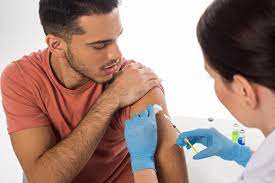 | |
The HPV Vaccine Prevents Head and Neck Cancers in Men, Study Suggests
The HPV vaccine is linked to a drastic reduction in head and neck cancers in adolescent boys and men, new research finds.
HPV, or human papillomavirus, is a sexually transmitted infection responsible for virtually all cases of cervical cancer. But the virus is also linked to a number of other cancers, including penile, anal and vaginal cancers.
It also accounts for the majority — up to 70% — of head and neck cancers, which affect the throat and mouth. Men are about twice as likely to develop these cancers than women, according to the National Cancer Institute.
The HPV vaccine, initially approved for adolescent girls, protects against strains of the virus linked to cervical cancer and has been found to significantly reduce rates of the cancer. But there’s growing evidence that the vaccine also protects against other HPV-related cancers.
“We want males to be thinking about HPV vaccination not just as something that protects female patients, but also male patients,” said Jefferson DeKloe.
| |
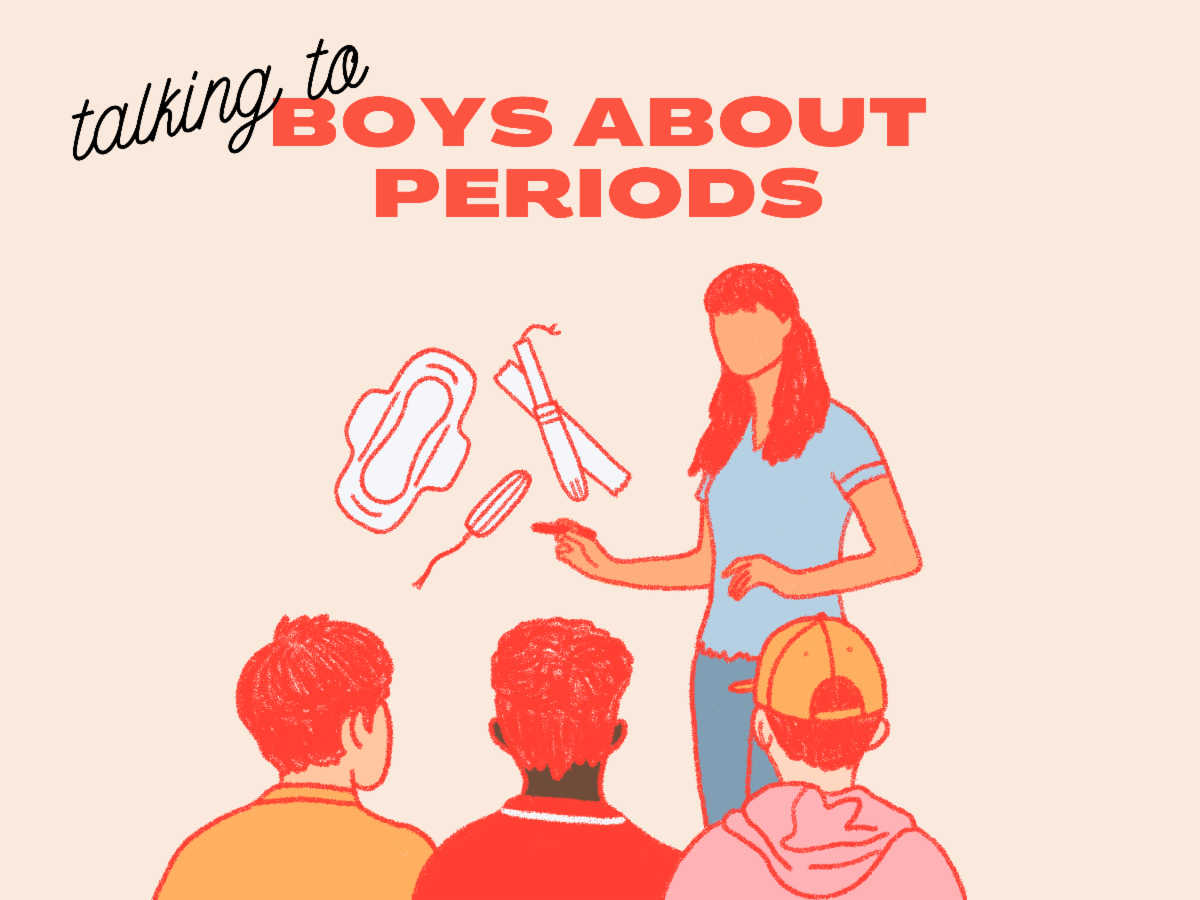 | |
We Need To Talk to Our Sons About Women's Periods and How To Do It
Half the population has periods, so why not make sure the half that doesn’t is also informed? I want to make the invisible visible for my boys, and I hope they will grow up to be allies and empathizers.
Using medically accurate online resources or those requested from doctor’s offices can have a positive impact without unnecessarily scary words.
A thoughtful discussion can adapt to a theme of support. For example, a girlfriend shared that her then-11-year-old came home aghast at what his female peers experienced monthly. Health class made a period sound terrifying to her son, and she had to help him realize that it was natural, not scary. School health class can only go so far: I believe fervently that a conversation at home would help children create healthier relationships with women. The more boys fully understand the experiences of their girl peers, the more we can help erase the stigma, shame or even teasing that has been associated with periods.
| |
|
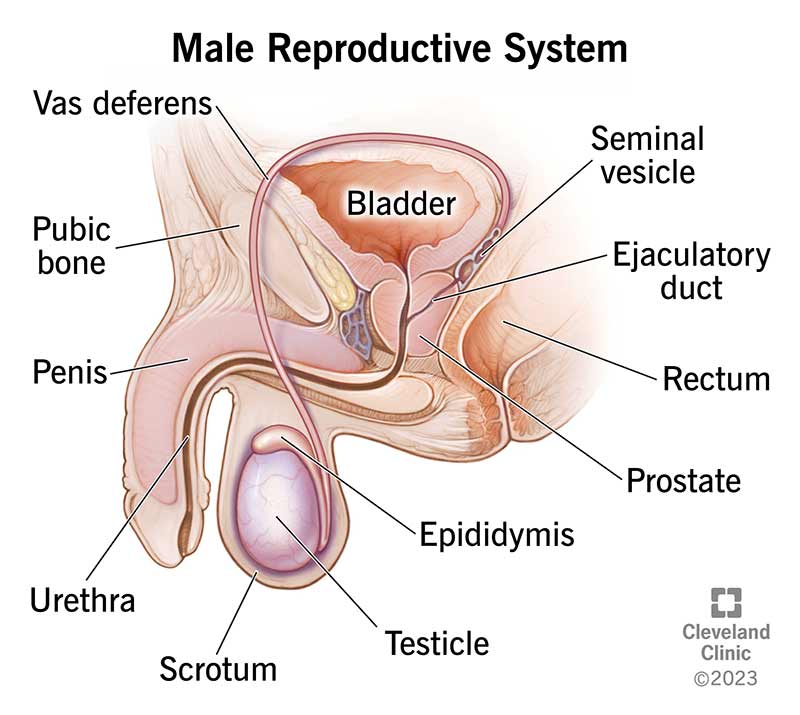
Everything To Know About Male Genitalia
The male reproductive system includes both internal and external parts. Its primary functions are to:
- produce and transport semen, which contains sperm
- release sperm into the female reproductive tract during sex
- make male sex hormones, such as testosterone
Have you ever wondered what the different parts of the male genitalia are and what they do?
Continue reading to learn more about the individual parts of the male genitalia, their function, and more.
You will examine some of the common conditions that can affect this area of the body.
| |
Guys Guide
"I love my penis. And that's why naturally I believe in the power of condoms."
Guy Nottadadi is the star of "Guy's Guide To Birth Control," featured on the website of online birth control support network Bedsider.org.
The series of short videos is not only hilarious, but also informative, as Nottadadi candidly addresses the fact that many men know nothing about birth control. While engaging in typical bro-friendly activities, Nottadadi gives them an education. Who says you can't grill a steak while talking about cervical mucus?
| | |
|
National Call Your Doctor Day
June 11
| |
|
National Call Your Doctor Day is observed on the second Tuesday of June, on June 11 this year, to remind and encourage women to schedule their yearly Well-Woman Exam, also known as an Annual Exam!
An annual exam is an essential yearly check-up to make sure that your body is in good health. If you have a vulva, breasts, or a uterus, this annual exam is an important part of taking care of your health, no matter what your gender identity is.
Call your local Title X Family Planning Clinic and schedule your Annual Exam today!
| |
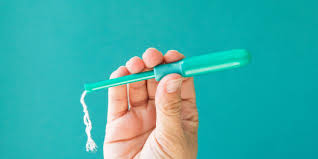
U.K. Startup Launches HPV Testing Tampons To Fight Cervical Cancer
Pap smears are an uncomfortable, awkward and even painful process for many women. But they’re an essential tool in the fight against cervical cancer.
One London-based startup thinks tampons could help make testing far more tolerable.
Cervical cancer is a devastating disease that affects hundreds of thousands of women every year. It’s thought to have taken around 350,000 lives globally in 2022, according to the World Health Organization.
But it can be prevented with vaccines and cured when caught early.
Pap smears (known simply as “cervical smears” in the U.K.) are typically performed by a clinician and usually require the use of a speculum. Tampons, on the other hand, are familiar to many women and can be self-administered at home.
Users then mail their sample to a lab for testing, before receiving their results digitally.
A 2017 survey by U.K. charity Jo’s Cervical Cancer Trust found that more than a third of young women were embarrassed to go for their test because of body image issues. In fact, 35% said they would delay their appointments out of embarrassment.
Researchers who published a small study using Daye’s tampons last year suggested self-testing options may help women who are embarrassed to attend in-person screening appointments.
| | |
|
How American Women Could Lose the Right To Birth Control
As the anti-abortion movement extends its activism into anti-contraception advocacy, it is relying on a playbook it spent nearly 50 post-Roe years honing, which largely involved chipping away at a supposedly guaranteed right until it was so weakened that a Supreme Court case could finally kill it off for good. For now, Griswold will almost surely remain the law, even if the most reliable forms of contraception become, in practice, difficult or impossible to access. But eventually, it could fall, too.
| |
Senate to vote on ‘right to contraception’ bill
“There’s no question in the American people’s minds that Republicans have brought our country to this point. And as Donald Trump reminded us recently, he is ‘proudly the person responsible’ for the annihilation of Roe v. Wade and the grotesque reversal of women’s personal freedoms,” Schumer wrote, referring to the reversal of the landmark decision in 1973 that established a national right to abortion.
“Democrats have been clear we will not stand for these attacks and we will fight to preserve reproductive freedoms. That is why as we return from the Memorial Day state work period, Senate Democrats will be putting reproductive freedoms front and center,” he wrote.
| |
 |
‘I Don’t Have Faith in Doctors Anymore.’ Women Say They Were Pressured Into Long-Term Birth Control
As she lay on the operating table, just moments after her son was pulled from her belly, a doctor entered the delivery room. “We can go ahead and put an IUD in right now, since you’re already open,” the doctor said, according to both Frison and her husband.
Frison was woozy from her epidural, but had experienced a traumatic birth, and at that moment, she didn’t think she wanted more children. So she allowed the doctor to insert the Mirena, an intrauterine device (IUD) that would prevent pregnancies for up to eight years.
In the months that followed, she didn’t like the way the IUD was making her feel. But Frison says she couldn’t persuade her gynecologist to take it out. The doctor told her she needed to lose weight first, Frison recalls, and that there were medicines to offset the side effects she was experiencing, such as nausea.
It would be three years before Frison could get the device removed. Even then, she had to undergo three procedures, one lasting seven hours, she says, because the device had migrated to the lining of her uterus. It left her with four thumb-sized scars on her belly from where a doctor inserted an instrument to try to find the IUD. The experience caused Frison, a 32-year-old hairdresser, to have a profound mistrust of the medical system. “I don’t have faith in doctors anymore,” she says. “I can’t trust any of them.”
| |
Trump says he won’t ‘ban’ birth control. Here’s what he may do instead.
The “Project 2025” blueprint includes proposals to require coverage of natural family planning methods and remove requirements that insurance cover certain emergency contraception.
Donald Trump says he won’t ban birth control if he returns to the White House. But he could make it a lot harder to get.
As president, Trump enacted several policies that made it more difficult for people, particularly the working class and the poor, to obtain contraception — from allowing more employers to opt out of birth control coverage in their workers’ health insurance to imposing restrictions on the Title X family planning program that triggered a mass exodus of clinics.
The administration’s biggest impact on contraception access came from its overhaul of the federal Title X program, which provides free and subsidized birth control, STD screenings and other services to millions of low-income people.
Trump’s health officials first cut the length of grants to clinics in that program from three years to eight months, creating more uncertainty and paperwork burdens for already strapped clinics. They then issued rules that banned providers from referring patients for an abortion or discussing it as an option and required clinics to construct fully separate facilities for the procedure and other services. Proponents argued the policies would ensure taxpayer dollars didn’t inadvertently support abortion, but many critics considered it a “gag rule” that prevented open communication between doctor and patient.
The Trump administration also changed Title X program rules to allow funding to flow to faith-based centers that don’t offer condoms or hormonal birth control.
The Project 2025 blueprint urges Trump to reinstate restrictions on Title X “quickly” and require participating clinics “provide information to customers about the importance of marriage” and “focus on better education around fertility awareness.”
Claire Coleman, president and CEO of the National Family Planning and Reproductive Health Association, also pointed to Trump allies who have sought to define life as starting when a sperm fertilizes an egg rather than when an embryo implants in the uterus, and who argue that contraception methods that prevent implantation are akin to abortion.
“When candidate Trump says — and, first of all, who can believe anything he says? — but when he says, ‘I’m not going to ban it.’ The question is, what is ‘it’?” Coleman asked.
| | |
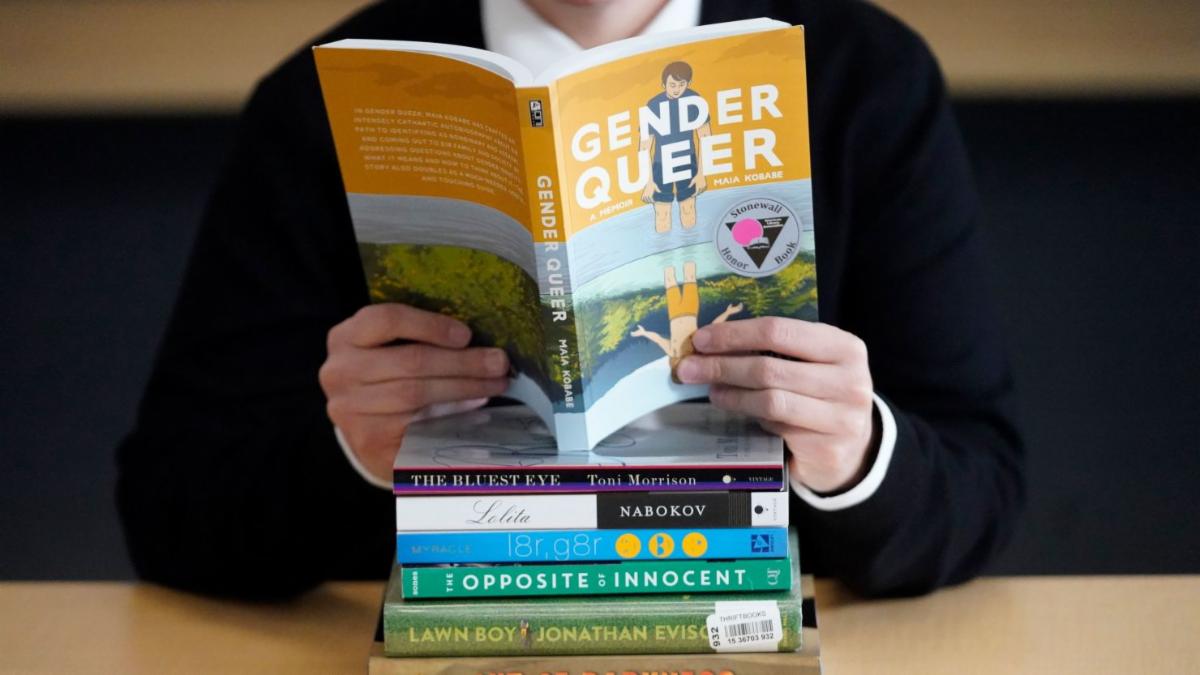
Minnesota Just Passed a Law Making It Illegal for Libraries to Ban LGBTQ+ Books
“We need to remember our history, not erase it.”
As states across the country attempt to prevent students from accessing LGBTQ+ literature, a new law in Minnesota will keep queer books on the shelves.
Last week, Minnesota Gov. Tim Walz signed a new law banning K-12 schools, colleges, and public libraries from complying with removal requests “based solely on the viewpoint, content, message, idea, or opinion conveyed,” per its text. State File 3567, requires that all decisions regarding what materials to stock be overseen by “a licensed library media specialist, an individual with a master’s degree in library sciences or library and information sciences, or a professional librarian or person with extensive library collection management experience,” according to the state House website.
Upon approving SF 3567, Walz affirmed that “censorship has no place in our libraries.” “As a former teacher, I’m clear: We need to remember our history, not erase it,” the Democrat said in a May 17 post on X.
| | |
Wyoming School board introduces 45-day review for new ‘selection/procurement of library materials’ rules; policy draws ire, praise from public
The proposed policy, which will be decided upon on June 3, aims to keep books that contain "sexually explicit content" from entering LCSD1 elementary, junior and high school libraries.
Fifteen members of the public — including parents, educators and a Wyoming State House representative — stepped up to the microphone on Monday to express their approval or disapproval of the new procurement policy.
| | |
University of Wyoming to close DEI office, reassign staff in response to legislative mandate
The University of Wyoming is closing its Office of Diversity, Equity and Inclusion, and its staff will be reassigned and many of its programs will continue.
The school’s Board of Trustees backed President Ed Seidel’s recommendation Friday to close the office, with Trustee Michelle Sullivan saying they were put in “an impossible situation.” Earlier this year, the Wyoming Legislature — UW’s largest funder — cut the university’s block grant and forbade it from spending that appropriation on the DEI office.
In addition to closing the office and reassigning staff, Seidel said the university will create “a vice provost for faculty, staff and student access, opportunity and well being.” That position will help transition programs previously under the DEI office into new university units.
| | |
|
National Kissing Day, on June 22, is all about showing your love and improving your health. That’s right, kissing is actually good for you — #wellness.
Kissing relieves stress, burns calories, and benefits your immunity. With so many perks, we can’t imagine why anyone wouldn’t want to celebrate, so pucker up!
| |
WYOMING HEALTH COUNCIL
111 S. Durbin, Suite 200
Casper, WY 82601
Call Us: (307) 439-2033
| | | | | |