July 2023 • Issue 69 • California Association for Bilingual Education | |
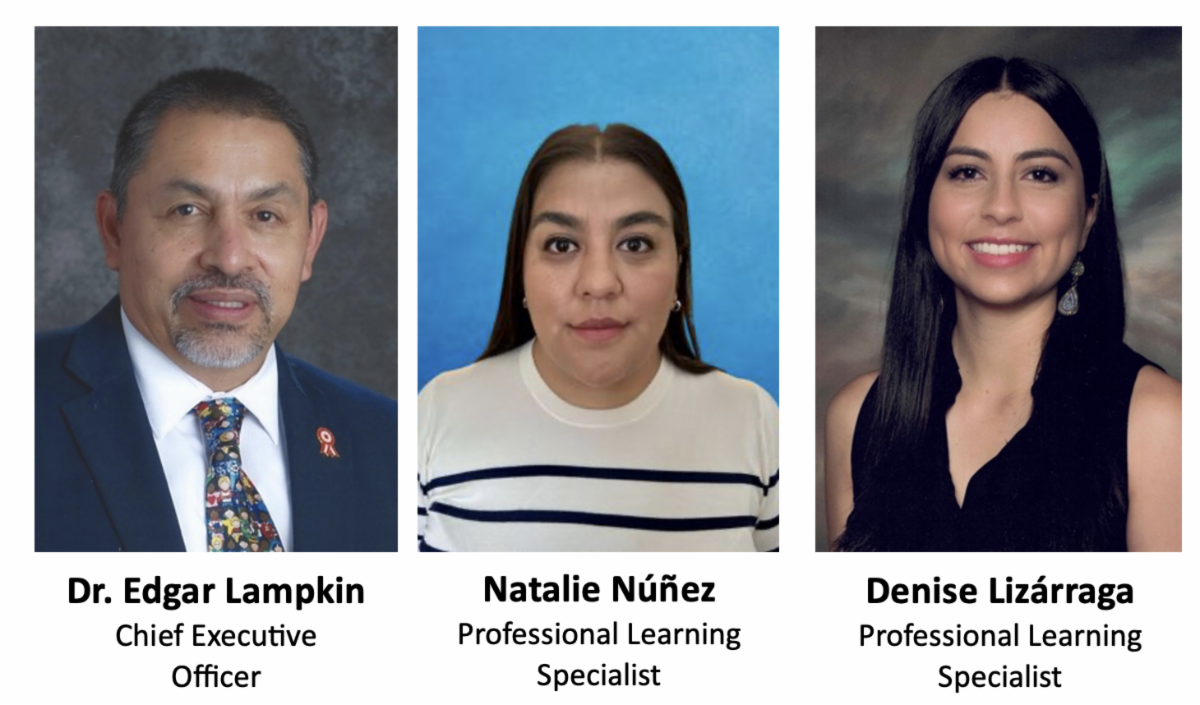
CABE welcomes three new team members... | |
What's new in Sacramento that impacts education? Find out here... | | |
|
|
CABE Legislative Advocate Report
by Jennifer Baker
- CABE/Californians Together 2023 Co-Sponsored Legislation Update
- Final Budget Passed—Read the Summary
- Assembly Welcomes New Speaker
- California—World's 5th Largest Economy
- CABE-Supported Legislation Moving Forward
| |
CABE 2024 Call for Proposals—Deadline July 28th | |
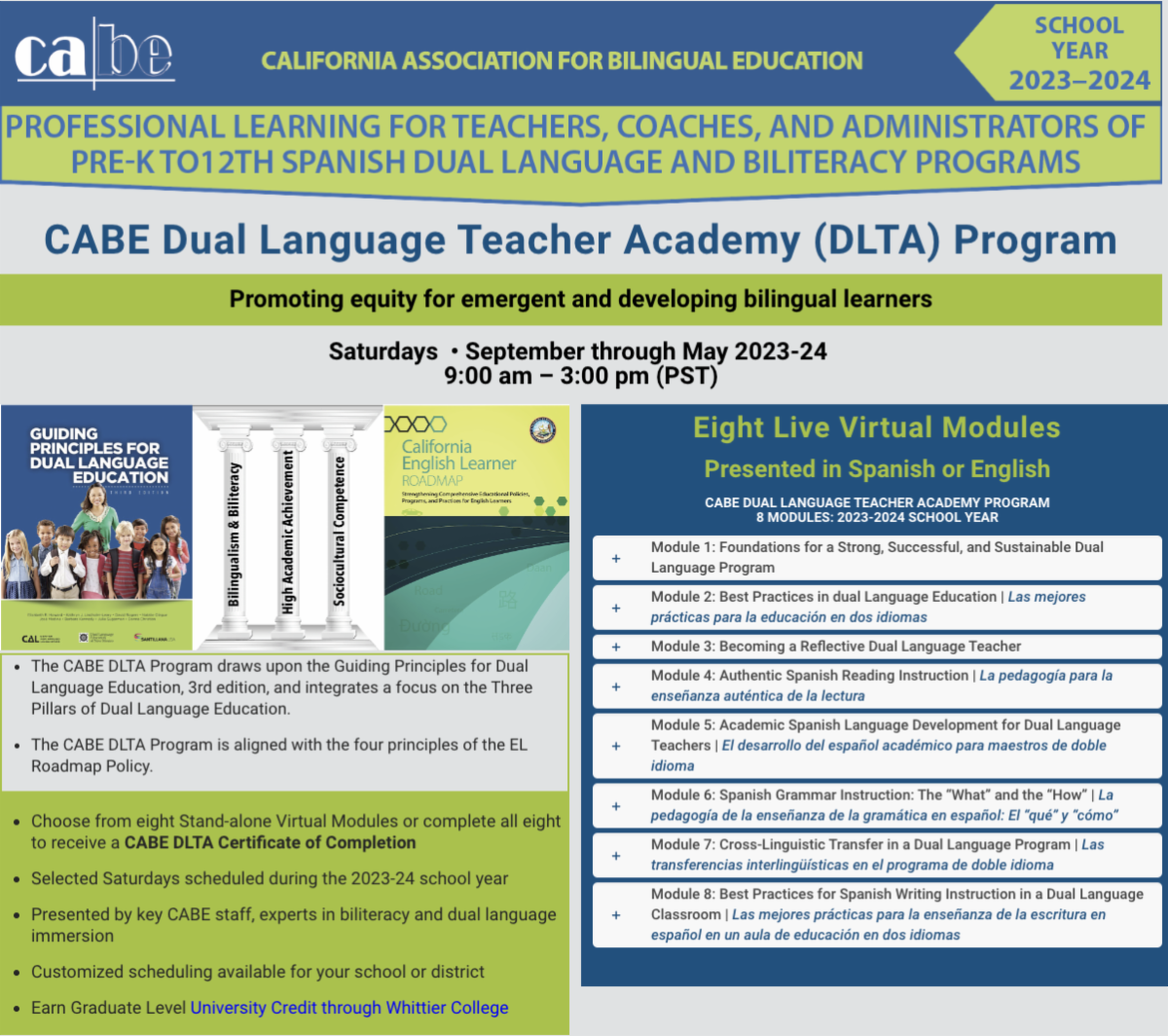
Registration now open for DLTA... | |
Deadline for magazine ads is September 7th... | |
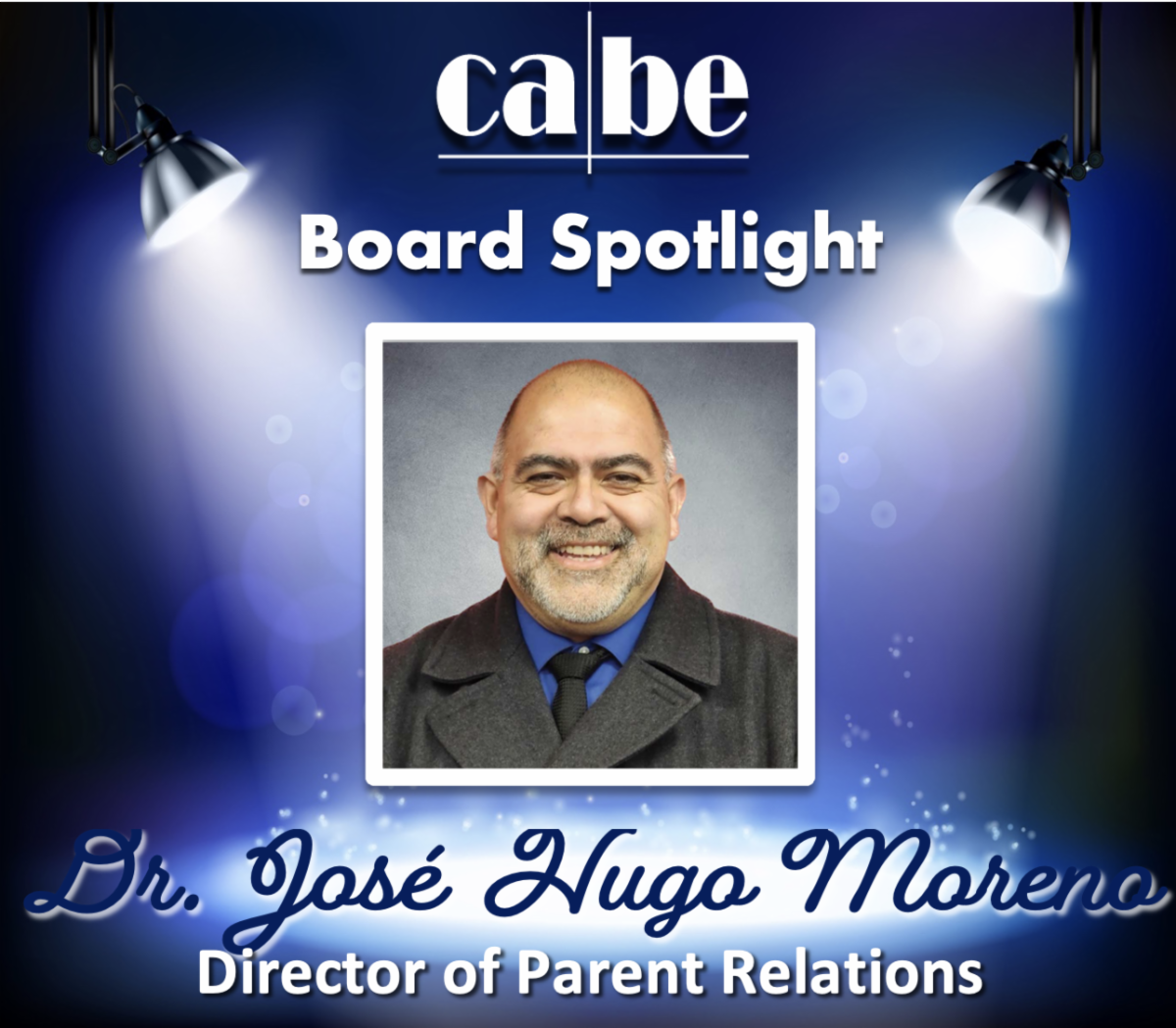
Meet Dr. José Hugo Moreno... | |
|
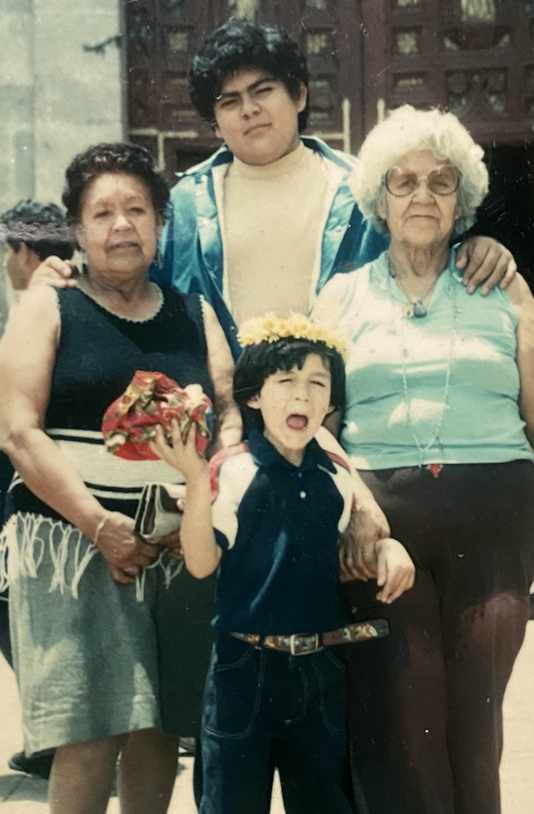
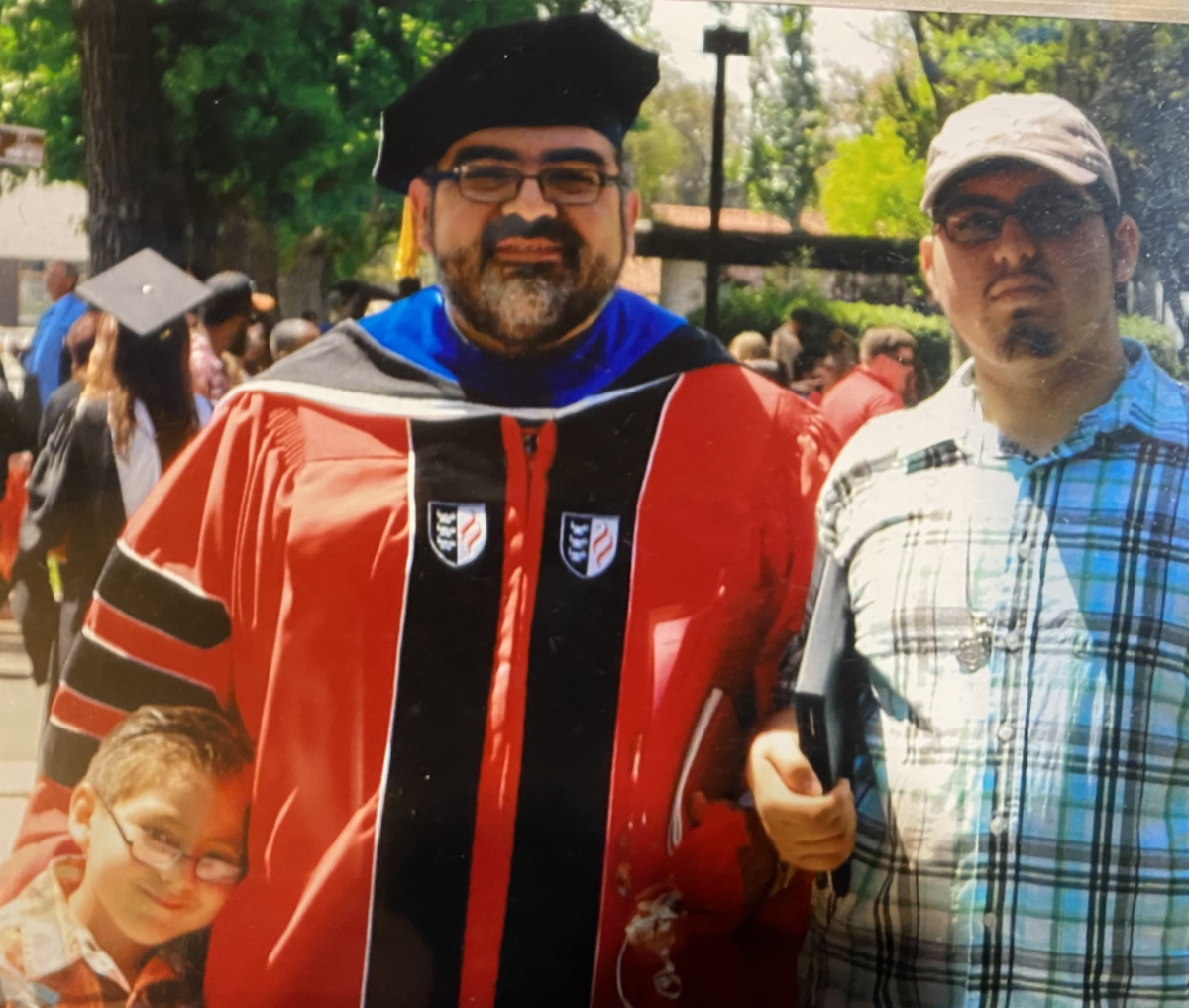
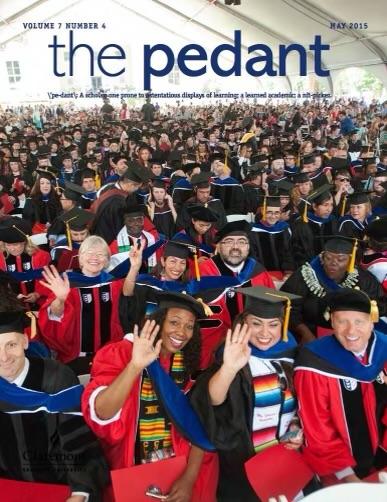
In May of 2014, at Claremont Graduate University graduation, a promise to María Palomares was kept when her grandson, José Hugo Moreno, earned his fifth degree, a Ph.D., in her honor. Back in 1992, at the Second Annual Raza graduation, Hugo had made a promise to her, “Abuelita este es el primer título de cinco que le dedico.” She raised him and inculcated in him a love of learning since she only had a second-grade education. María once told him, “They can take your wealth, your dignity, your wife, your home, but no one can take away your education!”, words became engrained in Hugo’s alma/soul.
| |
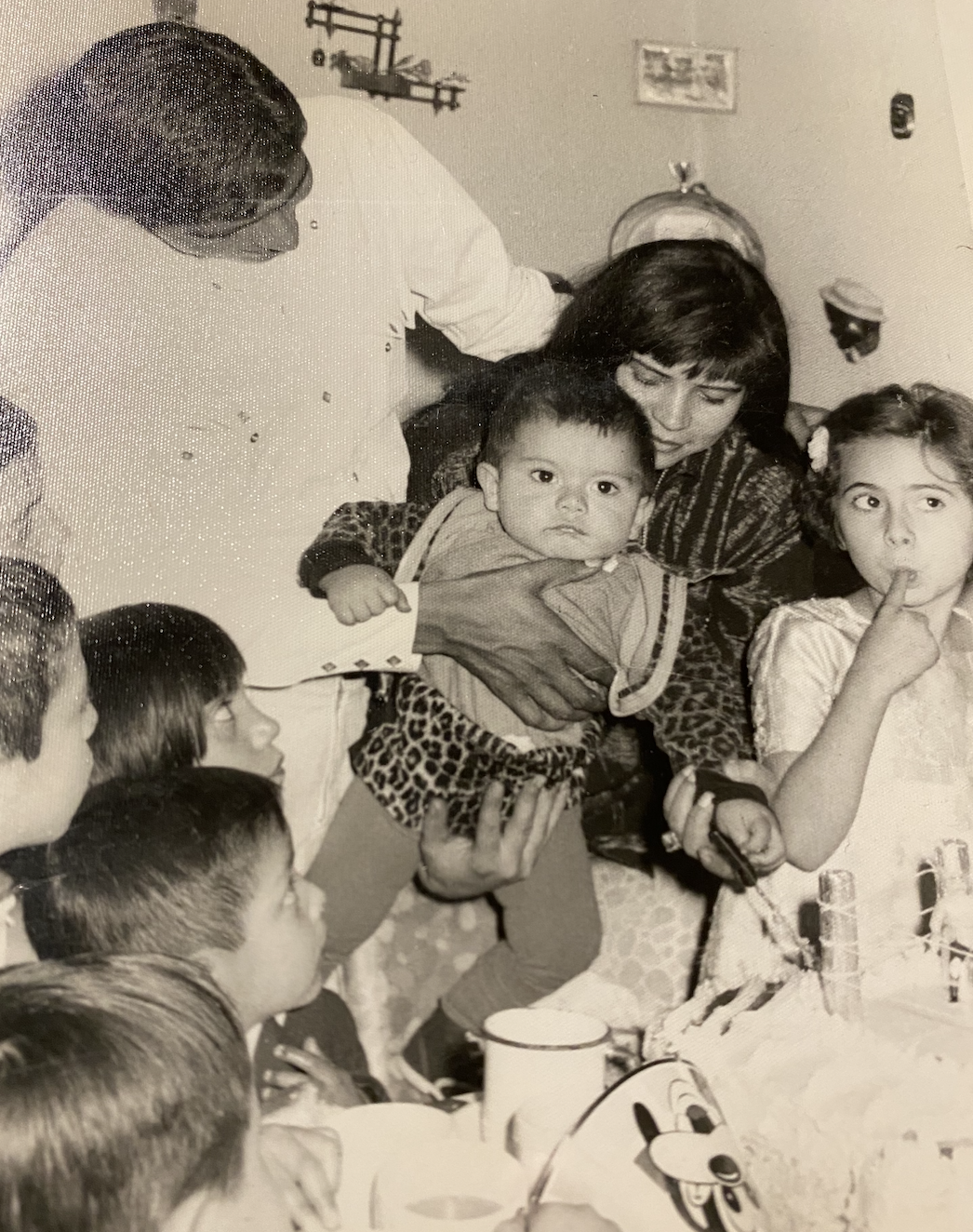
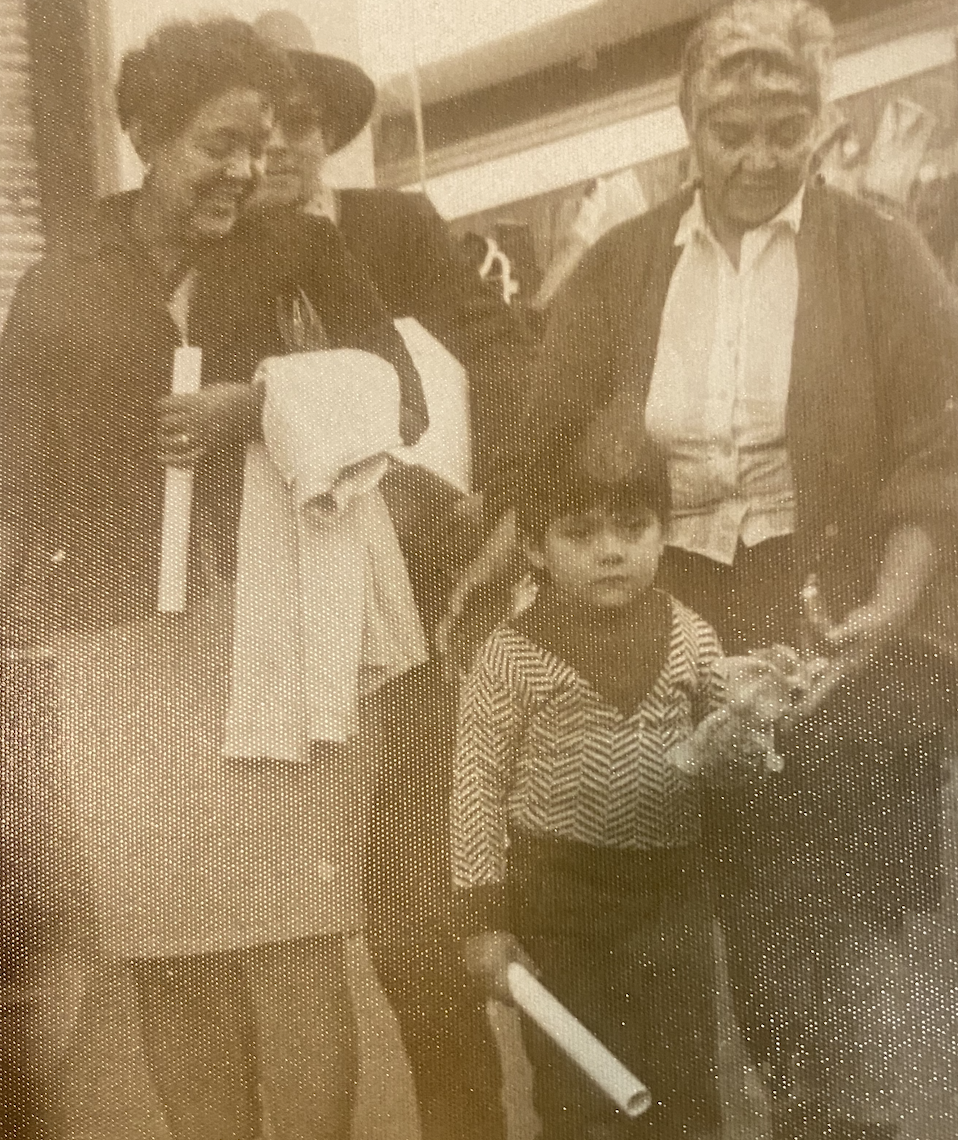
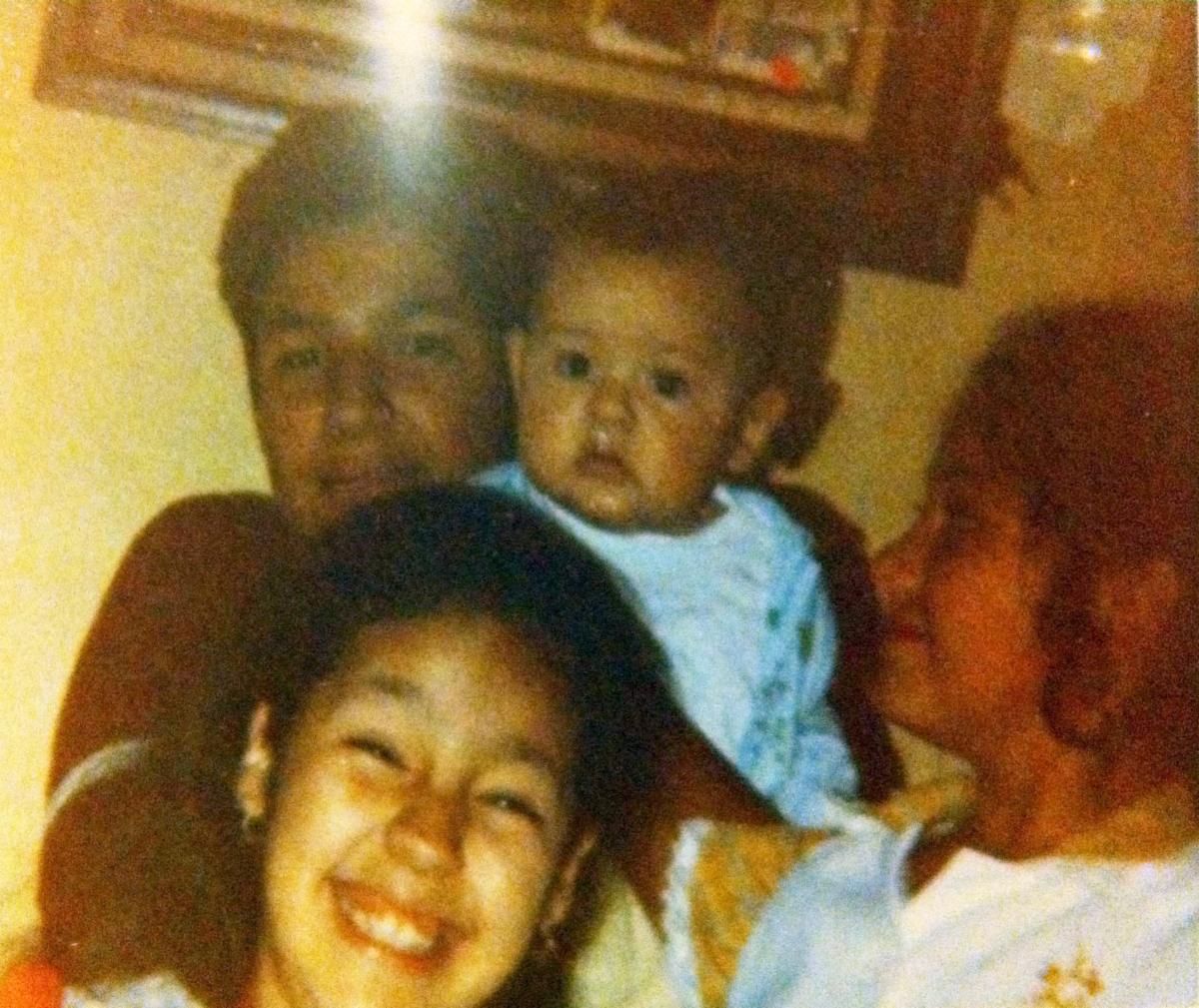
Hugo was born in Mexico City on a cool February day. Son of Laura Jaubett and Jorge Hugo Moreno. who met at a party in Mexico City. She was supposed to be a nun, and he was engaged, but love-at-first-sight led to an eloped wedding. Lauras’ mother-in-law Luz Aguilar disliked her. However, Don José Moreno Bautista, her father-in-law, and Uruapan’s Cacique, was enamored with his first male grandson. Hugo smiles as he remembers him playing "Horsey" with him in secret. His family had ranches and fields as far as the eyes could see. When Hugo was a toddler, there was a devastating drought. Local landowners combined their assets to survive, and when his father and grandfather went to collect their share, they were ambushed and assassinated. After their death, Doña Luz Aguilar would not allow them to leave, but they later escaped to live with his maternal great-uncle in California.
| |
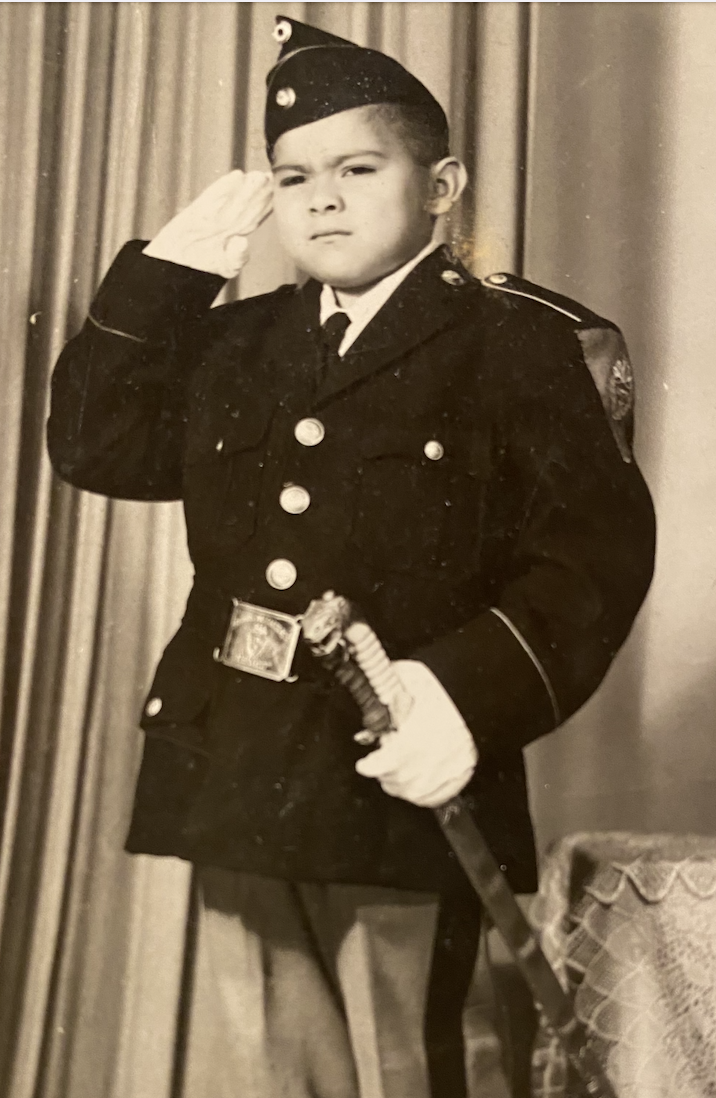
Spanish was the home language, but English came by way of school. However, their documented status would change their lives, as on one occasion when Laura had to hide in a freezer when the INS raided the establishment. She realized that she had to send Hugo back to Mexico to be cared for by her mother. In Mexico City, he attended 1st-2nd grades in military school and 3rd-5th grades in public school. From 6th grade through high school, he attended California schools. Upon his arrival back in California, Hugo learned that his mother had remarried a Vietnam vet who struggled with PTSD and occasionally became violent during blackouts. After his half-brother Michael was born, they divorced, and his stepfather entered a treatment program.
| |
Classified as an EL, he took ESL classes and reclassified. Upon high school graduation, he attended Pasadena City College (PCC). He didn't know anything about financial aid and worked his way through college at Sears and Roebuck Automotive Center Division, where he was soon recruited to assist with their new national Hispanic marketing campaign targeting Spanish-speaking customers. As a result, he says, "I cultivated a strong desire to empower communities and families and help them understand the dynamics of language and its effects on their lives." At PCC, he became involved in Movimiento Estudiantil Chicano De Aztlán and MEChA and served as chapter president. He transferred to CSU-LA as a business major but soon switched to Chicano Studies and Education. He felt a calling to help other students so they wouldn't struggle as he did. While a student there, he was a high school counselor intern/college recruiter for Educational Talent Search, doing outreach in low SES communities.
| |
He became the Natural and Social Sciences Rep in student government, advocating for student rights. This advocacy would carry forward to graduate school as he became a member of the Four Winds Student Movement, which advocated for Immigrant and Student Rights. He was an instrumental part of the Report Card Project showcased by the LA Times, which conducted some of the first school climate surveys in schools. He was a DJ for the organization’s Radio Station, Radio Clandestina, showcasing local talent and student voices. The organization was born as a response to Propositions 187, 209, and 227. He has written over 60 Op/Ed pieces for the Spanish language newspaper, La Opinión.
| |
|
Hugo first learned about CABE as an undergraduate student and immediately became a member. As an activist who tirelessly advocated for student rights, CABE's vision and mission resonated with him. As a teacher seeking resources, he commuted four hours each day to attend the 1996 CABE conference in San Diego. He left completely revitalized and has attended many conferences since. Hugo was accepted as a fellow in the Teachers Asian Summer Studies Institute at Cal-Poly Pomona, where he met Dr. Annie BichLoan Duong, now also a CABE Board Member, and joined CAFABE (California Association for Asian Bilingual Education), which pre-dated CABE's Asian Languages Roundtable. When asked why he joined the Board as CABE's Director of Parent Relations, he replied, "I knew I had more to offer and wanted to lead the work with parents on a greater scale."
| |
Hugo was hired to teach second grade in the Mountain View School District and remembers, "That first day of teaching was the most nerve-wracking experience of my life. I had an emergency credential with no teacher preparation, 28 students, one Bilingual group and two English groups of students, and no books! I had to go to Pic-n-Save to buy resources and relied on my old student textbooks for teaching ideas. My approach to teaching elementary was the only one I knew based on my military school experience." He laughs, recalling that "It did not go well, and today reminds me of scenes from the movie, Kindergarten Cop." | |
|
As a first-year teacher, he did home visits on his own initiative in order to connect with families and offered after-school tutoring classes. Hugo soon began taking night courses to get his teaching credential and, over the next 13 years, taught various grades, middle school GATE academies, and summer school. He was recruited for School Site Council and DELAC and conducted parent workshops. He later became a K-8 migrant education teacher, visiting three sites each week for two years, and says that it was exhausting work but highly rewarding. After encouragement from his colleagues, he served as a site administrator at elementary, middle, and alternative education schools, and was also a middle school AVID counselor. In 2014, he became a principal, and thanks to Prop 58, he was able to start a new dual language program at Payne Elementary, where he still serves as principal today. The program is now in its fifth year.
| |
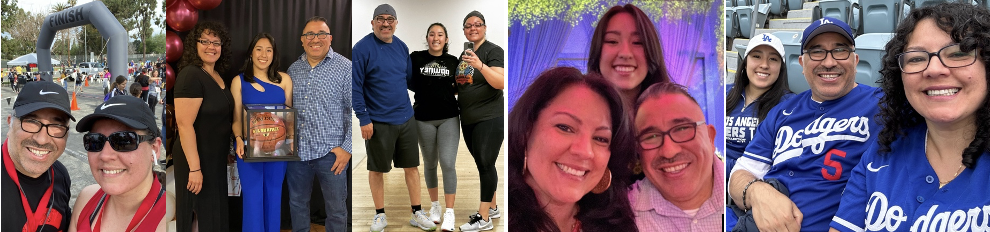
 | 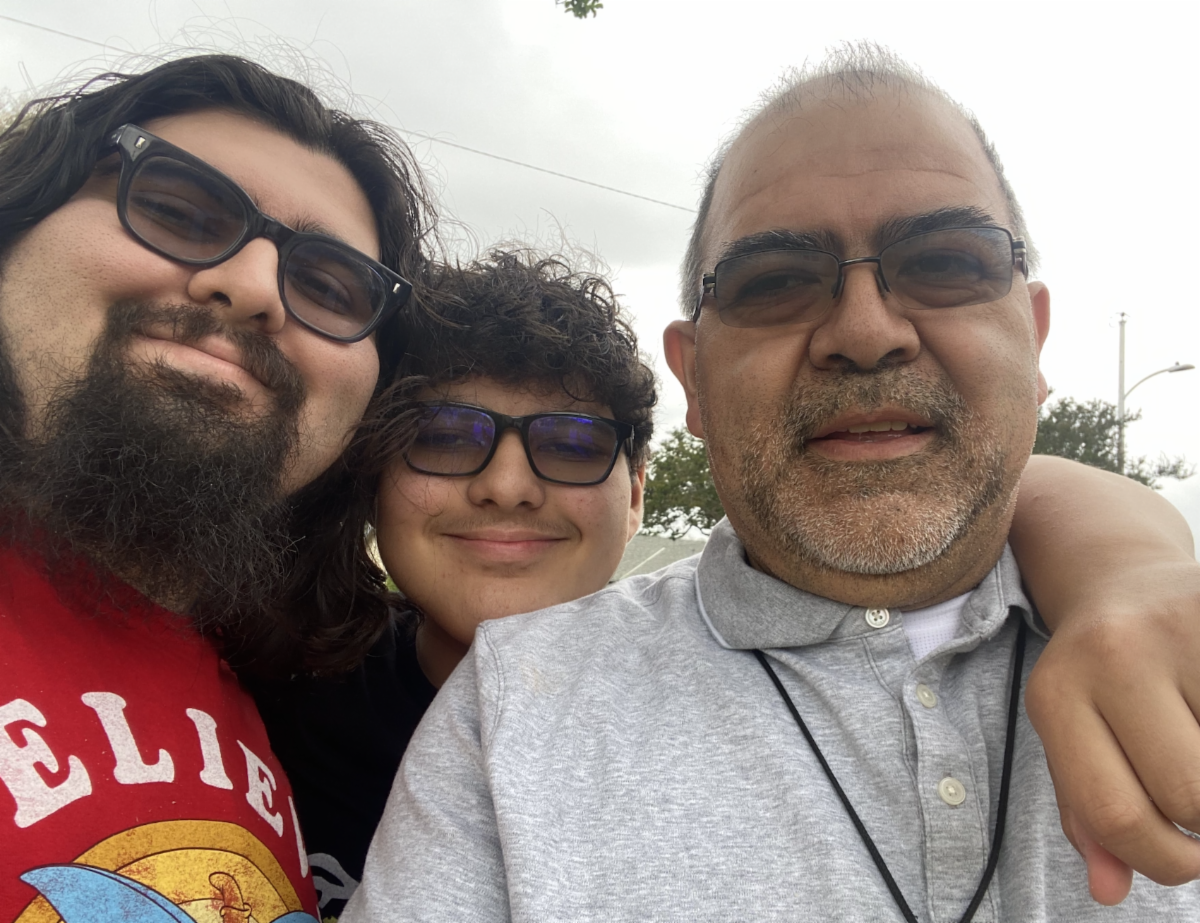 | In his free time, Hugo enjoys doing FACE and MCAP presentations for CABE and loves giving back to the community. He has been a Scout Master, Assistant Scoutmaster, and Merit Badge Counselor, as well as a mentor for the Partnership Scholars Program. He is also a writer and poet. His poem, "43" was published in the 2023 Multilingual Educator and he's written a historical romance novel en español that is currently being translated because he wants to publish it bilingually. He says, "I am a historian at heart. We have to be always vigilant because when we aren't, history repeats itself." Hugo is most proud of his two children, José (25), an Eagle Scout and an instructional aide specializing in first- and second-grade interventions who aspires to be a science teacher, and Octavio (15), a student at International Polytechnic HS at Cal-Poly Pomona who wants to become a doctor. Hugo shared that he always thinks of his Abuelita who taught him, “ Haz el bien y no mires a quien.” "Abuela, ¡promesa cumplida!"
| |
|
The second of four children, Martha was born in LA to immigrant parents, José and Virginia, and grew up in South Central LA with her older brother Joe, and younger siblings Elsa and Tony. Spanish was the only language spoken at home, and Martha became the family's interpreter and translator. She remembers interpreting the TV series, "Mutual of Omaha's Wild Kingdom," and the horrors of having to explain the episode on the mating season to her parents in Spanish! Assimilated into US culture, she learned about her cultural heritage by watching old Mexican movies on TV with her father.
| |
When they entered school as English learners, she and her older brother were placed in a "sink or swim" environment, and her younger siblings were placed in ESL programs where they struggled with comprehension and had difficulty maintaining conversations in one language. When Martha first learned of CABE, she thought it was advocating for the types of programs that had failed her and her siblings. She was happy to later understand that CABE supports and advocates for programs that promote balanced biliteracy.
| |
Martha grew up in a conservative family with few resources and did not have the opportunity to participate in many extracurricular activities, except for playing the clarinet in school band for a few years. She struggled in school, especially with reading comprehension, until a friend in eighth grade introduced her to romance novels. She quickly became a highly motivated and much more proficient reader—even though she had to hide the book covers from her parents! As her reading improved, so did her grades. After HS graduation, she started at Mount St. Mary College but later decided to quit school, get a job, and leave home in order to gain some independence.
| |
|
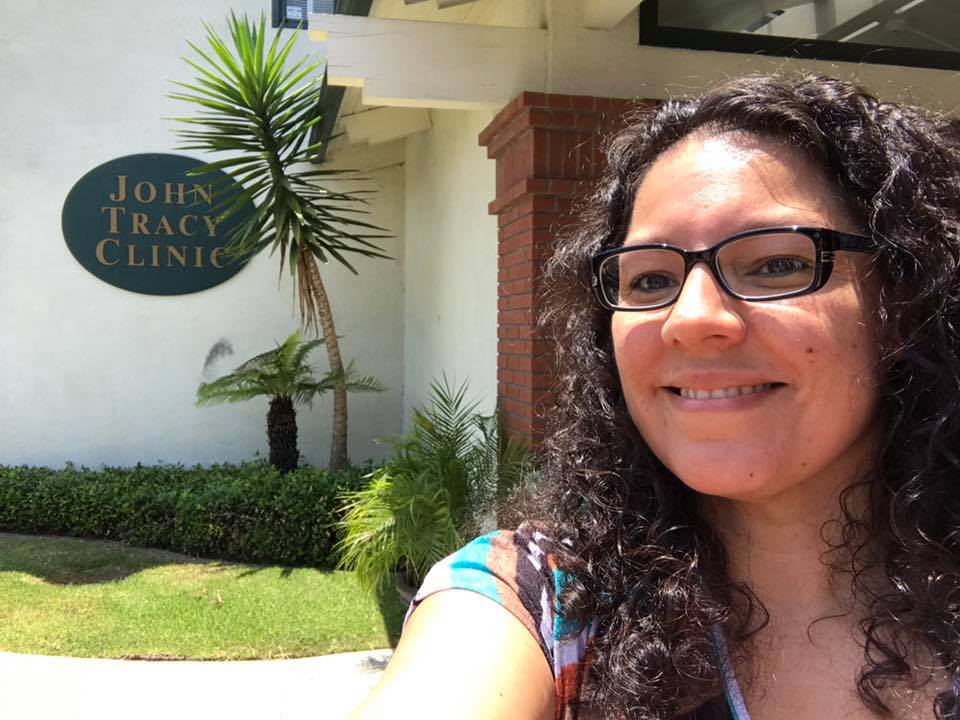
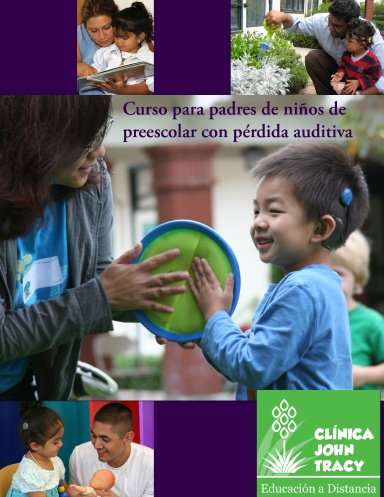
She was hired at the John Tracy Clinic (now called John Tracy Center) as an interpreter and translator for the parents of deaf students. Martha loved the clinic's vision and mission, and she enjoyed helping people behind the scenes, especially parents of children dealing with hearing loss. During her 25 years at the clinic, she also managed their database, redesigned their correspondence courses for global clients, and later worked with their IT team on graphic design and social media. While the clinic paid for her to learn InDesign, Illustrator, Photoshop, and other applications, she also learned a lot online. Martha has no formal training in IT or graphic design but is self-taught and has always been curious to learn new things, sharpen her skills, and acquire new ones on her own.
| |
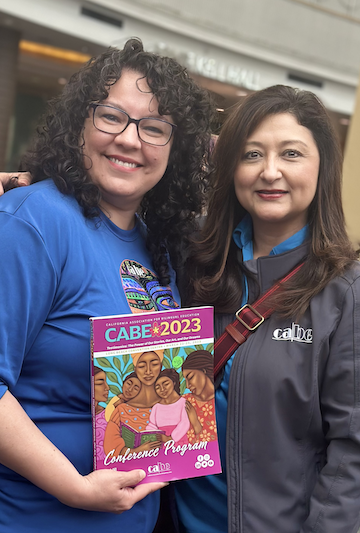 | | While at JTC, she worked with Norma Rocha, who is now CABE's Director of IT and Creative Design. When Norma came to CABE and needed a graphic designer, she invited Martha to apply in 2019. As a Senior Creative Design and Support Specialist, Martha supports CABE staff with technology, updates the CABE website, and designs many of its publications, programs, and other content. When asked why she works for CABE, she replied, "I see another side of teachers than what I experienced in school....people who are committed to improving the lives of children who look like me." Martha loves graphic design and admits that creating CABE's Multilingual Educator for the first time was a fascinating challenge, particularly learning to design for the aesthetics of others. She worked on the 2021, 2022, and 2023 issues of the magazine and will soon begin creating the 2024 issue. Martha enjoys making technology accessible to everyone and says that when the work behind a product is invisible ( i.e., it flows smoothly and seamlessly), it means she's done her job. "I'm amazed that I get to do graphic design while helping people through the work of a non-profit and thereby, in some small way, help my community. I have never felt so embraced as a Latina as I do at CABE, where I am encouraged to be me."
| |
In her free time, Martha enjoys spending time with her husband, Daniel, a cost accountant for Earnest Packaging Solutions, and daughter Daniela (18), who graduated from high school and will be majoring in accounting at CSU Long Beach in the fall. Martha is very proud of her, saying, "She has gone further than I did in school, and she understands the world better than I did at her age." Her family enjoys working out together, lifting weights, and running the 5K sponsored by TLC in Downey for the last six years. | |
Find out what's happening in our statewide chapters... | |
|
CABE Pepperdine brings home Honorable Mention Award from CABE 2023 Conference:
| | |
|
|
CABE Pepperdine was selected as Chapter of the Year with Honorable Mention for 2023!
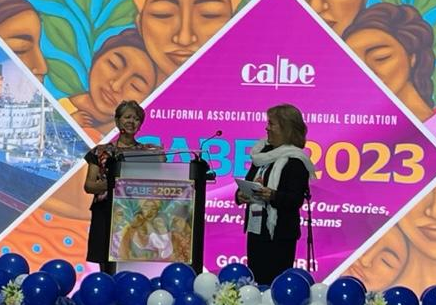
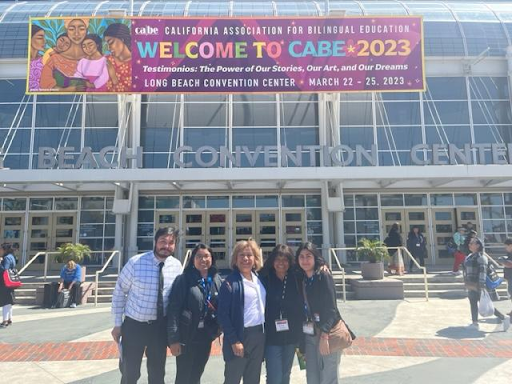
The chapter was recognized at this year’s annual conference in March in Long Beach.
| |
Presentations at CABE 2023 Annual and Regional Conference: | |
|
CABE Pepperdine, including graduate students and faculty from Pepperdine University’s Graduate School of Education and Psychology (GSEP) presented at this year’s CABE 2023 annual conference and at the CABE Riverside Parent and Paraeducator Regional Conference 2023. Congratulations to Tianshi Hao and Ana Guzman for presenting at the Regional Conference in May.
| |
|
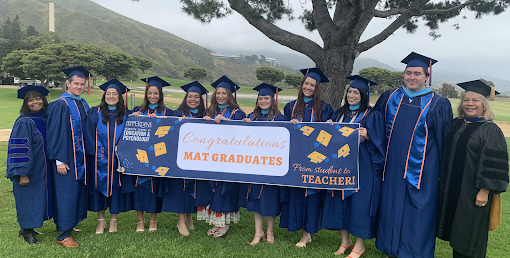
Commencements are always great celebrations particularly when we can celebrate CABistas that complete their academic programs. Congratulations to all the GSEP CABistas that graduated in May!
| | |
|
|
Check out our June newsletter...
| |
Other items of interest to the CABE Community... | |
Images from CartoonStock.com | | | | |