Continuing Education for the Practical Structural Engineer: |
|
Passive House Design Essentials
for Structural Engineers
ONE HOUR, MULTI-PRESENTER WEBINAR
JULY 28, 2022 | 11 a.m. - Noon (ET)
1.0 SEAMASS or NCSEA Diamond-Certified PDHs Available
|
|
Moderator:
Mark D. Webster, PE, LEED AP BD+C, Sr. Consulting Engineer | Simpson, Gumpertz & Heger
Presenters:
Rob Haley, Founder & President | Thermal Bridging Solutions
Jim D’Aloisio, Principal | Klepper, Hahn & Hyattt
Paul Kuehnel, PE, Project Director | Odeh Engineers, Inc.
Sponsor: Mass Save
Hank Keating, President | Passive House MA
Aaron Gunderson, Executive Director | Passive House MA
|
|
Can't make the LIVE presentation? Register to receive the webinar recording.
Only "live" attendees will earn a 1.0 PDH certificate.
|
|
This Passive House design webinar will feature informative presentations by a moderated panel of structural engineers and passive house experts who will review the challenges of building envelope design and thermal bridging, as well as practical solutions that structural engineers are successfully using for current projects.
This information is timely and valuable considering that passive house design requirements may soon be encoded in the IBC through ASHRAE envelope standards, which will challenge the structural design community to thermally break support conditions at balconies, parapets, facade supports, and other key connections.
|
|
About Passive House Design
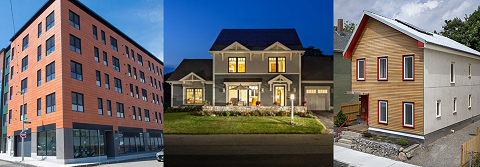
Passive House refers to the ultimate goal in high efficiency design: buildings that minimize energy consumption and have added indoor air quality, comfort, and durability features. Passive House design focuses on robust insulation and air tightness, high-performing glazing, and simplified mechanical systems, to achieve significantly lower energy use, while creating a comfortable and durable space for inhabitants.
Passive House Design Standards
The Passive House Institute (PHI) and the Passive House Institute US (PHIUS) established two independent standards and provide certifications for such buildings: The PHIUS+ Passive Building standard and the International Passive House Standard. These standards can be applied to both commercial and residential buildings of all sizes.
Both standards will reduce annual heating loads by 80 to 90%. The essentials of each standard are the same – internal heat gains and solar gains are balanced against the overall R value of the building envelope, including windows and doors. The envelope is rigorously air sealed and all thermal bridges must be eliminated or minimized, which requires that architects and structural engineers reexamine their files of “typical” details.
A Passive House design team must coordinate from the project outset or run the risk of costly redesign and delays. For any Passive House project, constructability details must be carefully reviewed. Potential thermal bridges must be individually modeled and modified if their effectiveness cannot be confirmed.
|
|
EVENT TIMING & REGISTRATION |
|
WHEN: Thursday, July 28 | 11:00 a.m. - Noon (ET)
WHERE: Online/Zoom Webinar; Registrants receive access link upon registration
|
|
INVESTMENT:
1.0 SEAMASS-Certified PDHs: $20
1.0 NCSEA Diamond-Certified PDHs: $30
NO PDHs: No Cost to participate (Must register to receive access link)
|
|
|
Can't make the LIVE presentation? Register to receive the webinar recordings.
Only "live" attendees receive PDH credit.
|
|
DID YOU KNOW?
The Mass Save Passive House Incentive Program has enrolled over 8,500 units of multi-family passive house projects in Massachusetts. Local municipalities throughout the region are also encouraging Passive House design through zoning and other measures. Winthrop Square in Downtown Boston will soon be home to the largest certified Passive House office building in the world.
|
|
Mark D. Webster, PE, LEED AP BD+C (Moderator)
Senior Consulting Engineer | Simpson, Gumpertz & Heger
Mr. Webster is a structural engineer in the Boston-area office of Simpson Gumpertz & Heger Inc. (SGH). He has twenty-five years of experience in the design, analysis, and investigation of concrete, steel, masonry, and wood structures. His lifelong concern for the health of the natural environment has led him to investigate the intersection of sustainability and structural engineering practice. H
Mark has written and lectured on topics such as the practical measures structural engineers can take to improve the environmental performance of their designs and the life-cycle environmental impact of building structural systems.
|
|
|
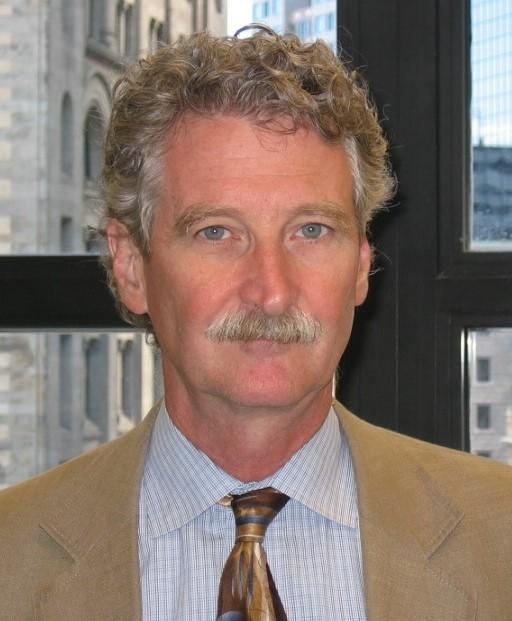
Jim D'Aloisio
Principal | Klepper, Hahn & Hyatt
Mr. D'Aloisio is a Principal with Klepper, Hahn & Hyatt, a structural engineering, landscape architecture, and building envelope services firm in East Syracuse, NY. He has over 30 years’ experience in structural building design, envelope consulting, condition reviews, and forensic engineering.
Jim was a principal investigator for the recently completed Pankow Foundation-sponsored research project "Thermal Break Strategies for Cladding Systems in Building Structures." He is a former Chair of the SEI Thermal Bridging Task Force. He has written several articles on the relationship between building structures and building envelopes, and has presented over 300 times, including over 15 day-long seminars on the NYS Energy Conservation Construction Code.
|
|
|
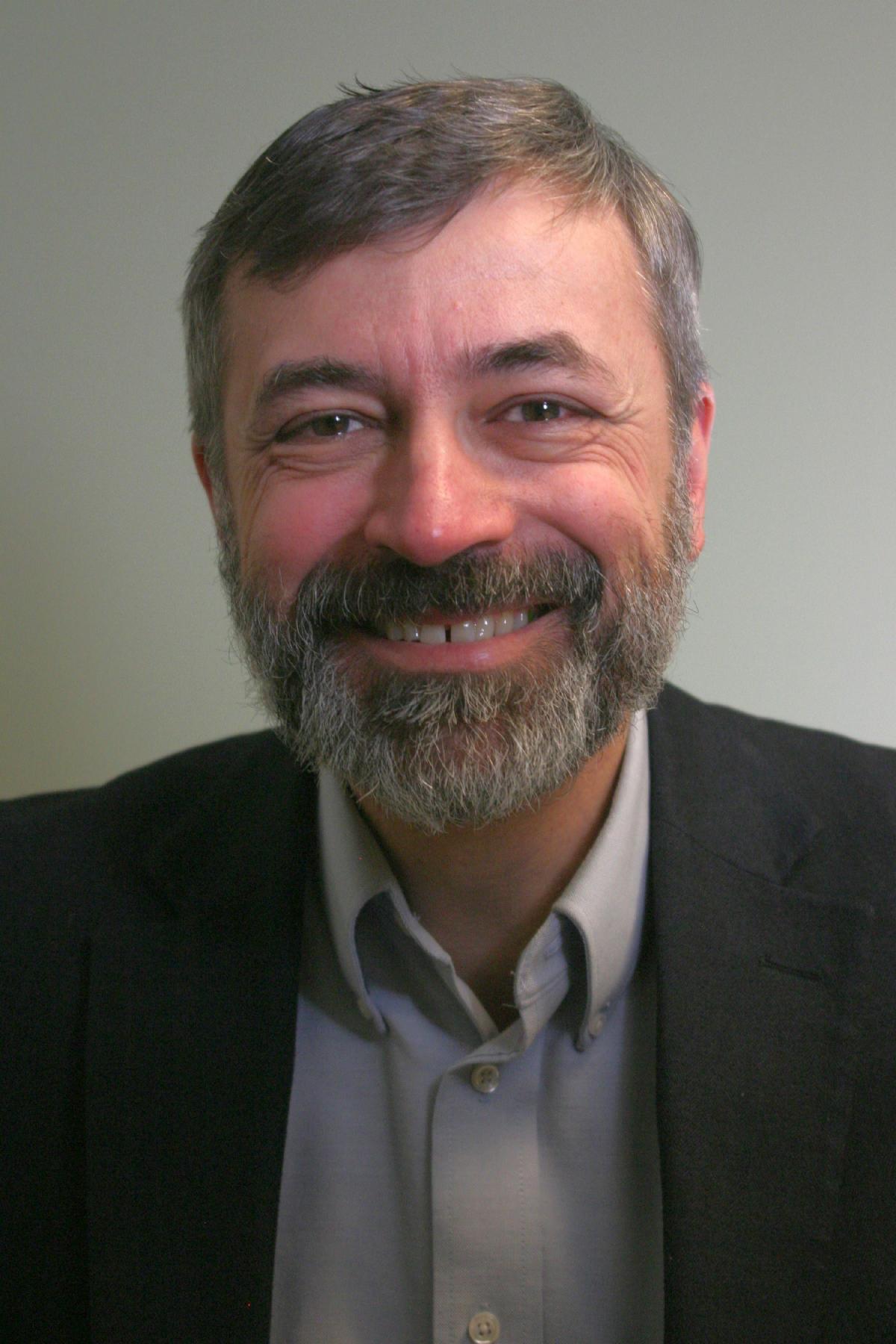
Rob Haley
Founder & President | Thermal Bridging Solutions
Mr. Haley has over 10 years’ experience solving thermal bridging problems and is founder and president of Thermal Bridging Solutions. Prior to starting Thermal Bridging Solutions, Rob was a partner at Armadillo NV where he was responsible for the research, development and marketing of Armatherm™ thermal break materials. During this time, he received a US patent for a thermally broken Z girt cladding attachment. He is a member of IIBEC (RCI), NIBS BETC and is a reviewer of the ASHRAE 90.1 addendum av, which is addressing thermal bridging not currently regulated by the standard.
Rob holds a degree in mechanical engineering from Northeastern University. His goal is to help keep the heat in and push the dew point out by developing thermal bridging solutions that create a more energy efficient thermal envelope.
|
|
|
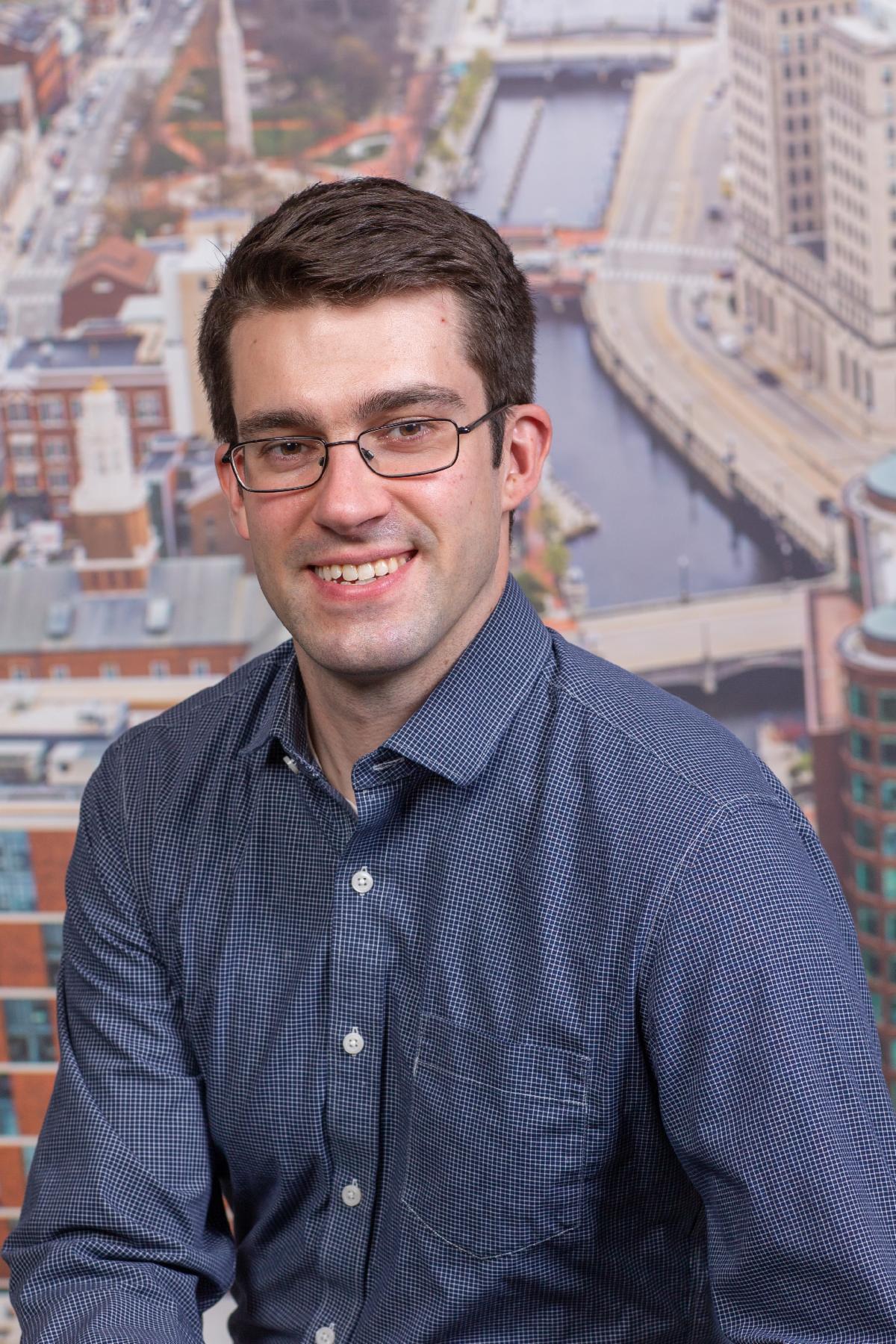
Paul Kuehnel, PE
Project Director | Odeh Engineers, Inc.
Mr. Kuehnel is a Project Director at Odeh Engineers, Inc., a structural engineering and consulting firm with offices in North Providence and Boston. Paul is a registered Professional Structural Engineer in the Commonwealth of Massachusetts. He has been with Odeh Engineers, Inc. since 2012, and has over ten years of experience in the design of building structures, including one of the region’s first cross laminated timber and steel hybrid building.
As an Architectural Engineer by training, Paul utilizes his knowledge of the building as a whole to more thoroughly and effectively coordinate the structural system with the other members of the design team. Paul leverages his sense of creativity with his practical nature to solve problems and find efficiencies in all of his projects.
|
|
|
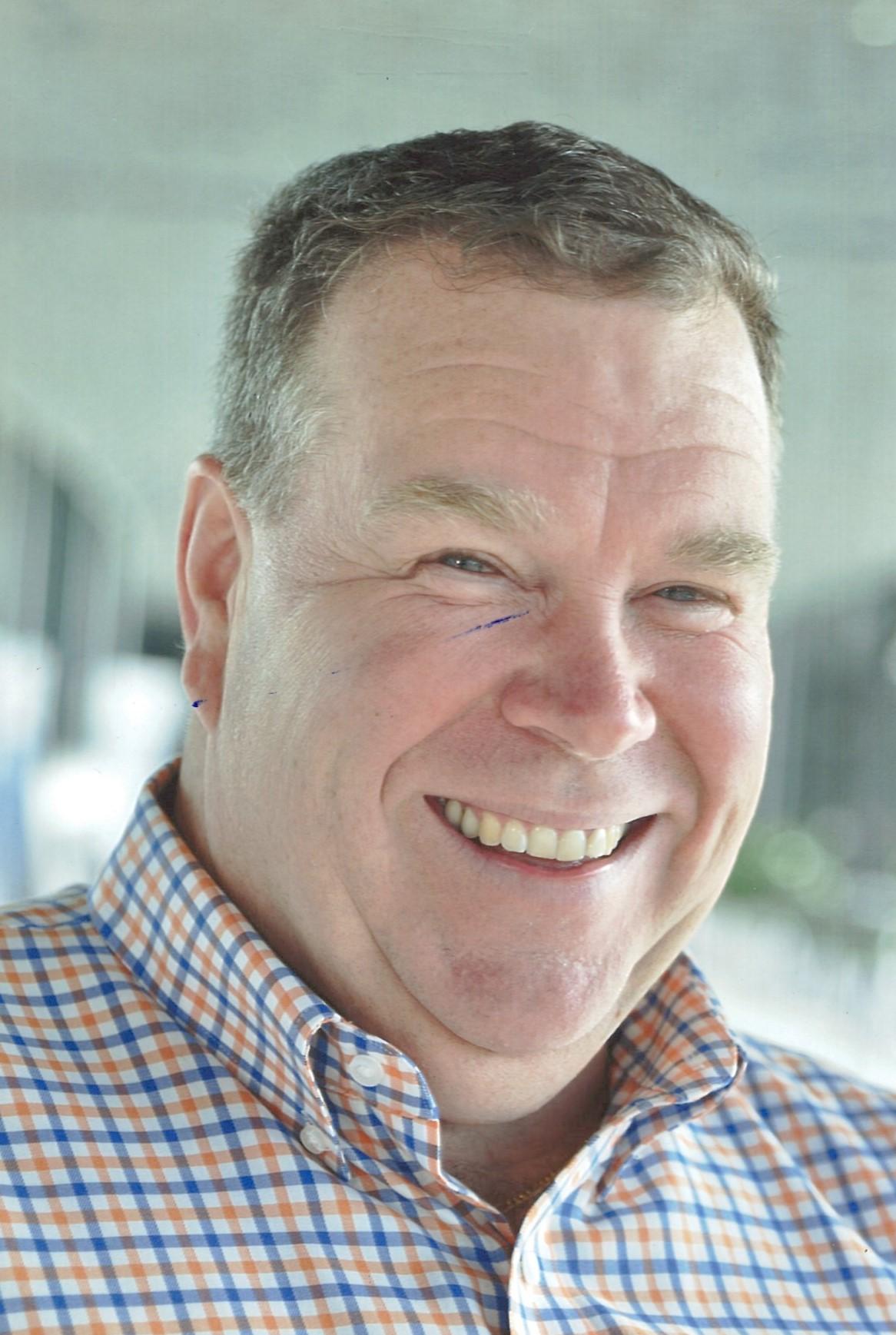
Hank Keating
President | Passive House Massachusetts
Mr. Keating is a registered architect with more than 30 years of experience in the design and construction of multifamily affordable housing projects with a focus on sustainable building systems.
He is currently the President of the Passive House Massachusetts and led its efforts to get the Passive House Incentives Plan included in the current Mass Save Three-Year Plan and bonus points for passive house projects added into the Massachusetts QAP. Additionally, Hank served on the MassCEC Passive House Challenge Selection Committee.
|
|
|
Aaron Gunderson
Executive Director | Passive House Massachusetts
Mr. Gunderson is the Executive Director of Passive House Massachusetts, overseeing member engagement, public outreach, educational programing, and organizational administration. He is a Certified Passive House Tradesperson and an accredited LEED professional with prior experience in community outreach & development for clean-tech companies and solar power installers. He holds a Master's in Sustainability from Harvard University where he focused on sustainable building design, embodied carbon and energy analysis, greenhouse gas reporting, and community-level climate adaptation.
Aaron lives with his wife and young son in an old (and not yet Passive) house in Dorchester and can frequently be found hiking, biking, or cross-country skiing across New England.
|
|
|
ANNUAL CORPORATE SPONSORS
SEAMASS is grateful to these Annual Corporate Sponsors
for their support and dedication to our organization
Click logos to view websites
|
|
|
|
|
|
|