Snow Creek Uncas Preserve Project Enters Riparian Planting Phase | |
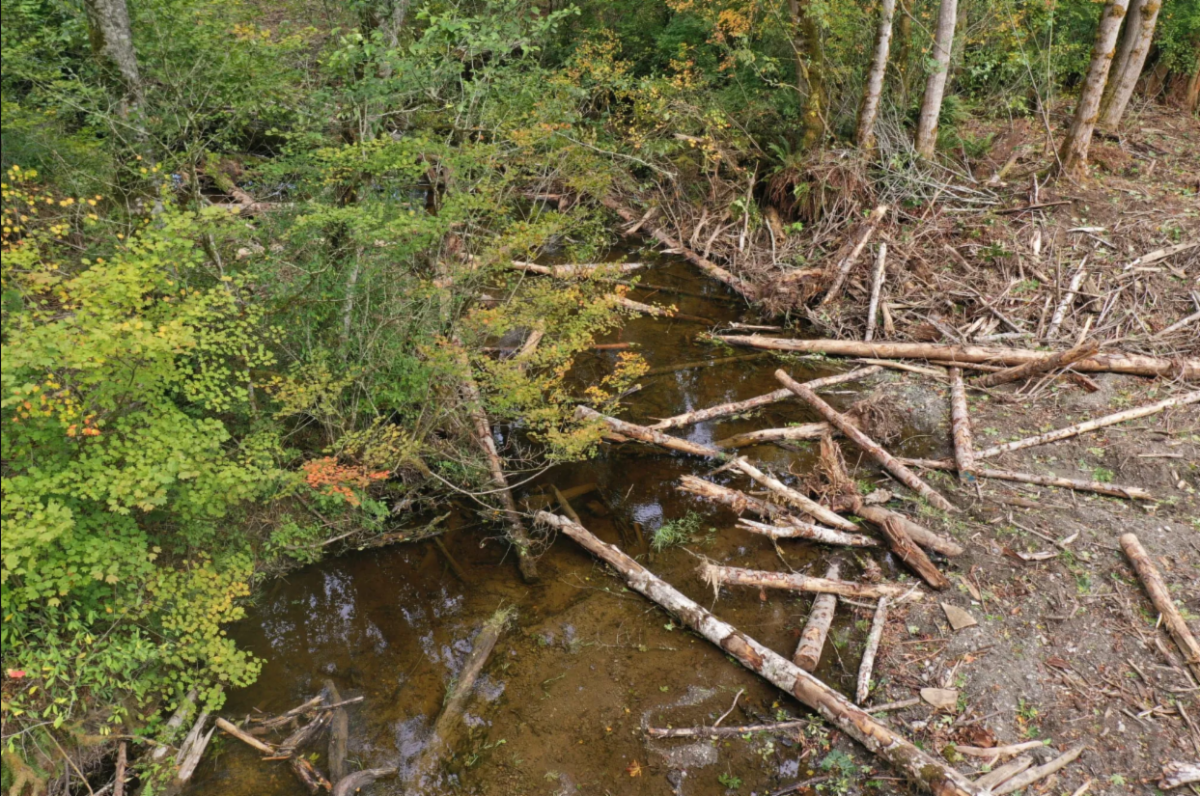
The Snow Creek Uncas Preserve restoration site. Image courtesy of Natural Systems Design. | |
|
During the summer of 2023, NOSC undertook a comprehensive habitat restoration project at the Jefferson Land Trust’s Snow Creek Uncas Preserve. The Land Trust acquired the property in 2015 to conserve the stream and riparian habitat to support salmon recovery.
Why was restoration necessary?
This reach of the stream was identified as a major source of bank erosion, contributing fine sediments that were being washed downstream. This erosion impacts downstream redds of endangered Hood Canal Summer Chum. As sediment settles into the gravels around salmon eggs, it limits the flow of water across the eggs and restricts their access to dissolved oxygen.
| *Click to play video* Project Manager, Kevin Long, explaining the impact of slowing down water, courtesy of NOSC staff. | |
|
What work did we do?
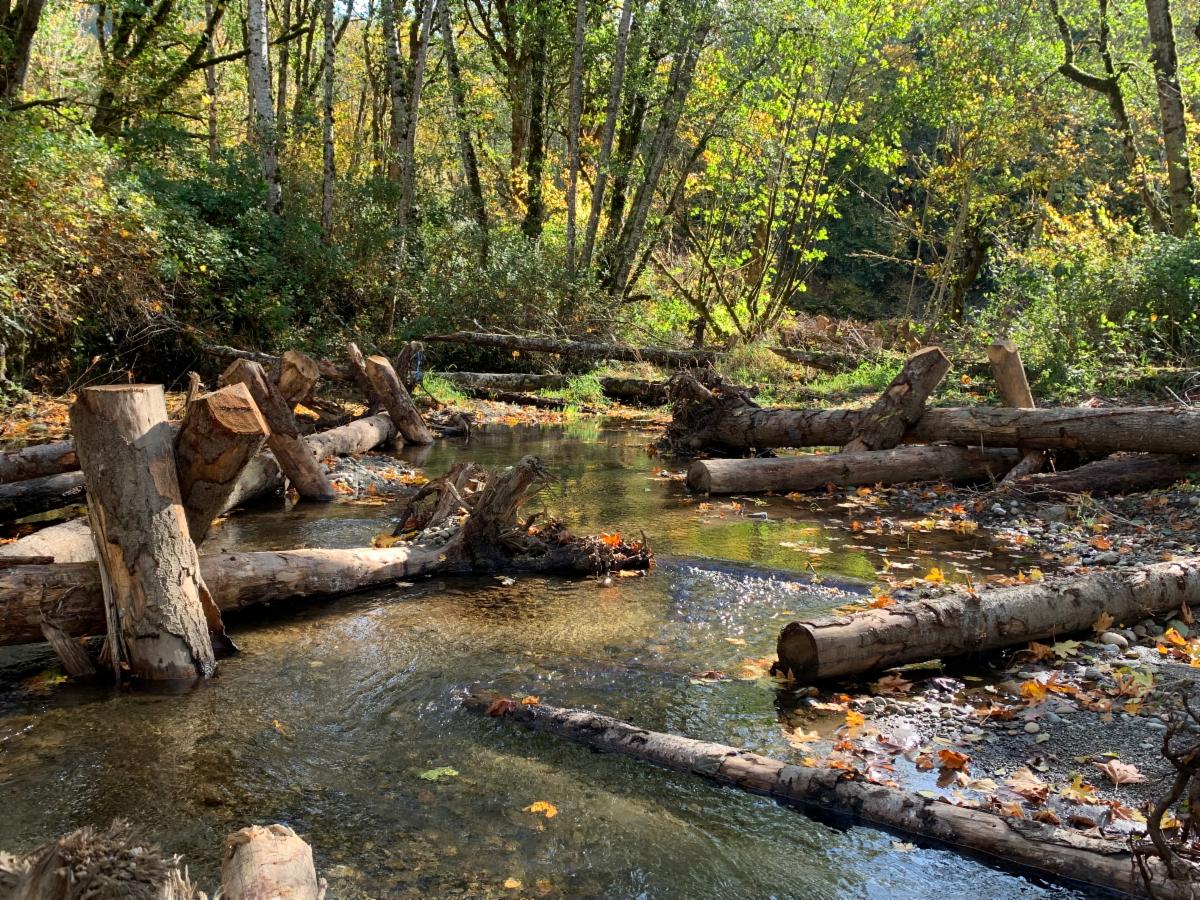
To minimize bank erosion in the project reach, water traveling through the stream needed to be slowed down. This was achieved by installing 39 engineered log jams in order to slow water flow and add stream complexity. Additionally, ¼ mile of side-channels and 1.4 acres of floodplain were created or reconnected, allowing water to spread out and slow down during moderate to high flows.
| |
Engineered log jams mimic natural log jams that are absent from the creek due to historic wood removal. These log jams help create pools and ripples that add to habitat complexity. Photo by NOSC Staff. | |
During the month of February, we invite you to be a part of this transformational project. | |
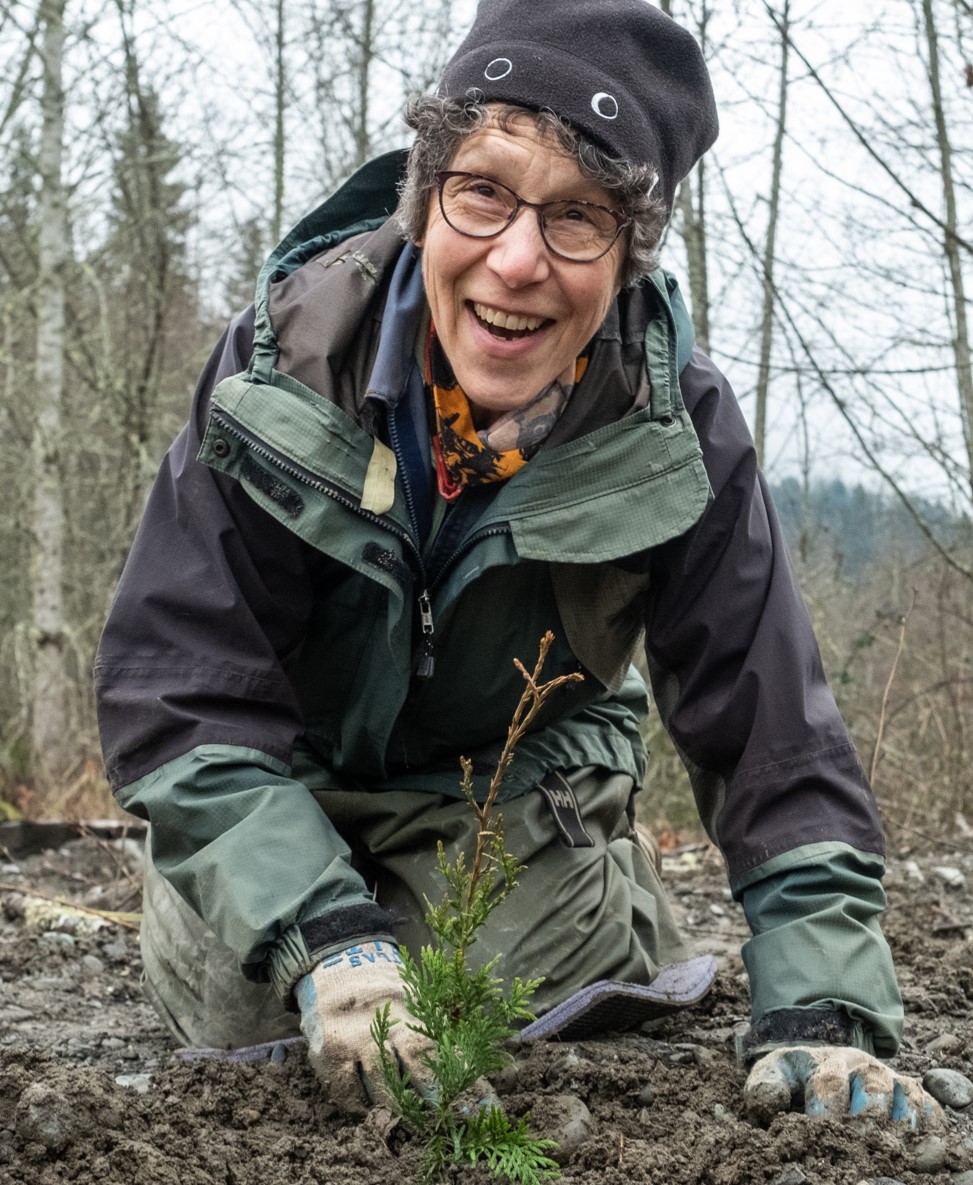
Volunteer planting events will be held on February 9th, 10th, 16th and 17th from 10am-2pm. Help NOSC plant a healthy and diverse riparian forest along the newly restored Snow Creek. At the conclusion of each volunteer planting, project tours will be offered to all volunteers! | |
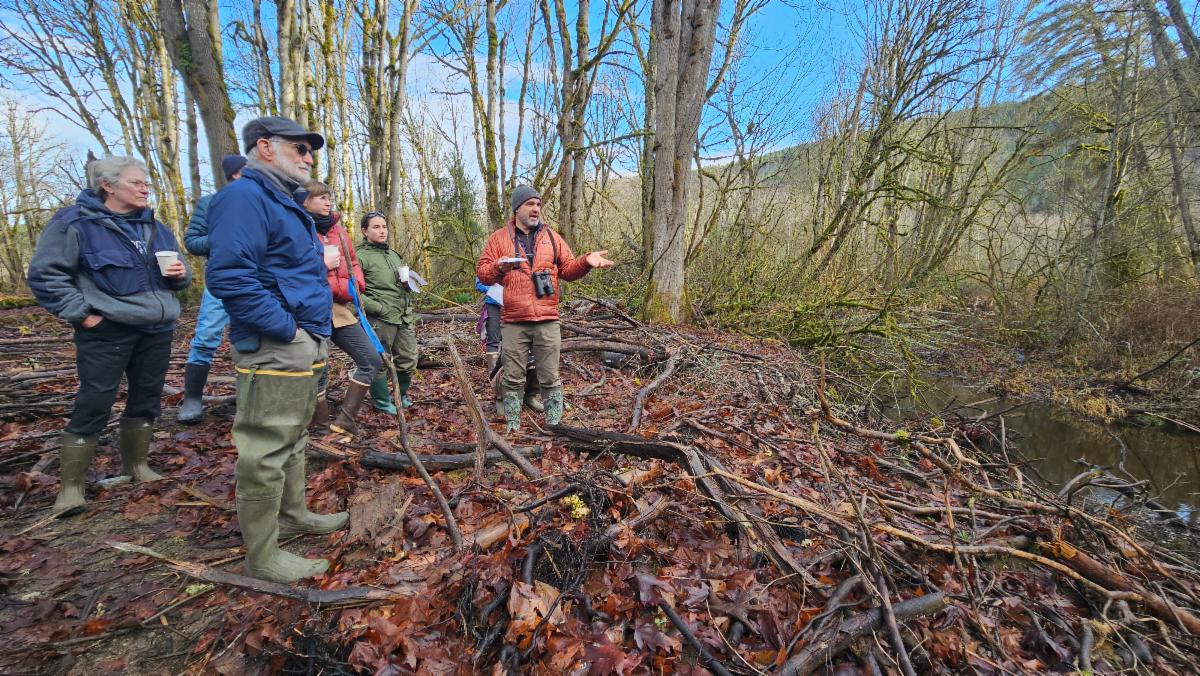
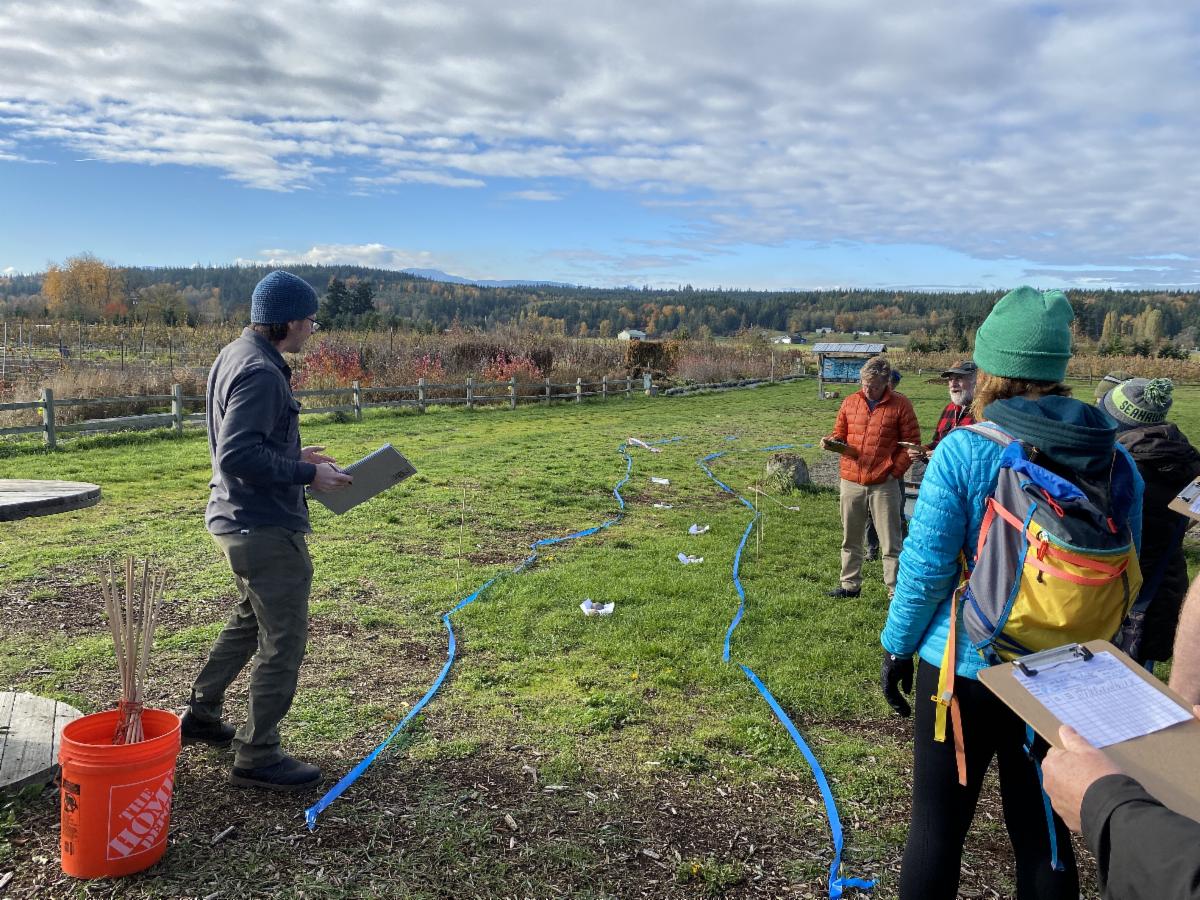
Project Manager, Kevin Long, gives a tour of the Snow Creek Uncas Preserve project. Photo by NOSC Staff. | |
Join Our Team: Seeking Development Manager | |
|
The North Olympic Salmon Coalition (NOSC) is looking for an experienced nonprofit Development Manager to join our team. We are anticipating growth in our business and need to increase our fundraising capacity and broaden our donor relations.
Are you an influential and engaging leader who is passionate about raising funds to support environmental restoration and education? Would you enjoy working with a small, dedicated, powerhouse team at a nonprofit organization which is a respected leader of salmon recovery projects and watershed education on the Olympic Peninsula of WA State? Are you a skilled team leader who enjoys inspiring others to get behind fundraising efforts? Can you work effectively with a diversity of people to think creatively and work effectively toward a goal? If so, please review our full job announcement and job description at Join Our Team | North Olympic Salmon Coalition (nosc.org)
| | |
|
|
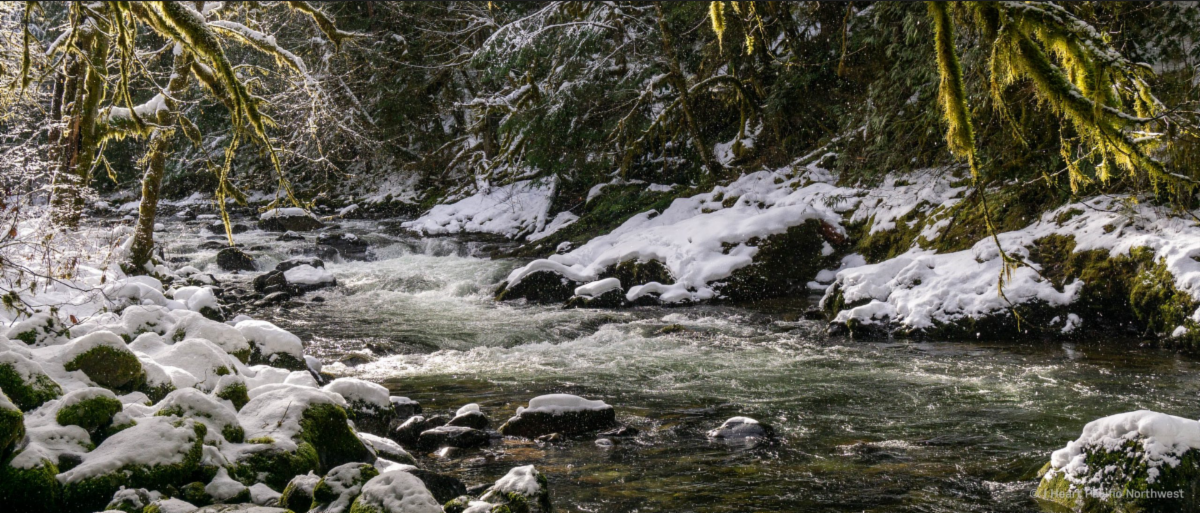
Our recent record cold temperatures had me re-reading a favorite book from my time in New England. Life in the Cold: An Introduction to Winter Ecology by Peter J. Marchand, now in its 4th edition, is still recognized as one of the best introductory primers on winter ecology. My appreciation of nature in winter has been forever enhanced by this book. With the following, I share a bit of what I find particularly fascinating, in hopes you, too, will see winter with fresh eyes.
When the temperatures drop we put on an extra layer of clothes, turn up the heat to keep pipes from freezing, and maybe head out to enjoy snow-dusted trees and trails.
| |
For plants, animals and insects, the options for enduring and surviving winter weather are very different. | |
|
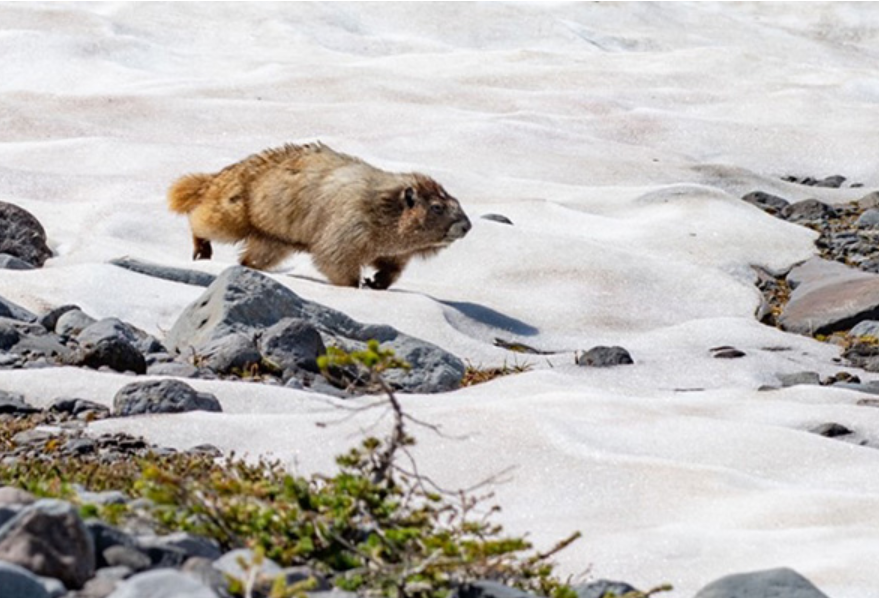
Hibernation
Hibernating is often the first adaptation that comes to mind. That strategy requires storing enough energy reserves to rewarm and arouse periodically for a somewhat unknown period of time. I knew that hibernating animals will arouse periodically, but didn’t know why. Arousal (variable, of course, based on the species being discussed) seems to be necessary for certain metabolic functions such as immune response, defecation or even sleep (since sleep is a resting state where unconscious functions continue) even if the hibernating animal is not eating from winter stashes of food.
Snow pack as shelter
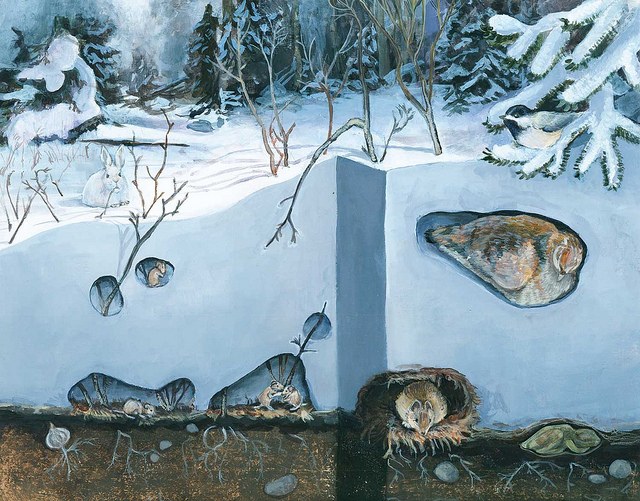
The structure and ‘behavior’ of snowpack is a critical component of survival for many species. We know that snow can be a blanket of insulation. Hidden from view, however, is the subnivean zone. As snow accumulates, the snowflake’s delicate water crystals fuse and merge, melt and metamorphose into denser snow that settles and holds together. When snow cover is at least six inches deep, the soil’s warmth melts the lowest layer of snow and creates a gap between soil and snow that gives mice, voles and other small mammals space to forage for insects and seeds.
| |
|
Plants in winter
In general, the above-ground parts of plants exposed to freezing temperatures survive by increasing their resistance at the cellular level to the damaging effects of freezing and ice formation. Water migrates out of individual cells through a cell membrane that gradually becomes more permeable as the plant acclimatizes and moves into the spaces between cells where ice crystals can form without damaging cell tissue.
Many people assume that winter damage such as crispy, brown leaves they see on their evergreen garden plants is caused by desiccation, but studies have shown that most of the water that these plants need in winter is supplied by internally stored water, not from frozen ground. It seems more likely that the damage is caused when sun-warmed leaves (where water has moved back into cells) experience rapidly dropping temperature at night, freezing the cells and injuring them.
| |
|
Fish (of course)
Cold-water fish tend to have thicker bodies and layers of fat for insulation, helping to retain body heat. Fish in colder environments also have slower metabolic rates, allowing them to conserve energy and cope with reduced food availability during colder seasons. They also have the ability to produce antifreeze proteins that lower the freezing point of their body’s fluids. These proteins adhere to ice crystals as they first form, preventing the continued growth of ice crystals that can damage their cells.
Amphibians
Reptiles and amphibians also hibernate (it’s called brumation in cold-blooded animals.) Depending on the species, they may seek shelter underground in rock crevices, decaying logs or even in the burrows of other animals in winter. Toads, frogs and salamanders may also head for the soft mud of pond bottoms, caves or seepage areas that do not freeze.
As temperatures drop, some salamanders and newts are also able to gradually adjust their metabolic rate so they maintain the same metabolic rate in colder temperatures. They do this by changing the types of enzymes used to control their metabolic processes.
Land-hibernating frogs such as the Pacific chorus frog are freeze tolerant. As their bodies freeze, their heart and breathing stops, but they are kept alive by the minimal anaerobic metabolism of their energy stores and the protective action of glucose. These frogs can slip in and out of a frozen state quickly.
| |
|
Insects
The incredible diversity of the insect world is reflected in the diversity of cold-tolerance strategies they use. One adaptive strategy for insects is supercooling**. This is accomplished by producing compounds such as glycerol, certain blood sugars, or antifreeze proteins that lower the freezing point or supercooling point of their body’s fluids, or by blocking ice formation in the first place, as described in the fish section above. Insects, like plants, can also move excess water out of their cells and into the intercellular spaces, where it is safer for ice crystals to form.
For many of us, winter is a time when plants ‘die back’ or ‘go dormant’ and the world is quiet. But now, when I put on my extra warm layers and venture out, I’m much more aware of what is happening underground, in burrows and under the snow. That cold, snowy trail is now an affirmation of the myriad adaptations that plants and animals are using to survive in winter.
Definitions and Resources
** Supercooling is the process of lowering the temperature of a liquid below its freezing point without it becoming a solid. It is achieved in the absence of a seed crystal or nucleus around which a crystal structure can form. Wikipedia
Life in the Cold: An Introduction to Winter Ecology, by Peter J. Marchand. 2014. University Press of New England.
Hibernation:
What We Can Learn from Hibernation: Q&A with Hannah Carey
Some Animals Don't Actually Sleep in Winter and Other Surprises About Hibernation
Fish:
What Adaptations Do Fish Have to Survive in Extremely Cold or Hot Environments
Subnivean zone:
Subnivean Climate
| |
Stream Stewards Registration - Open Now! | |
|
The Stream Stewards Program, hosted by WSU and the North Olympic Salmon Coalition, provides Jefferson and Clallam County residents with the opportunity to turn environmental knowledge into action. Through this 5-week course, participants learn about connections between our lands and waters. Through classroom sessions, field trips, and hands-on activities, this training connects participants with experts and opportunities to get involved in local efforts.
Topics include:
- Stream Ecology and Restoration
- Salmon Lifecycle and Habitats
- Upland Influence on Streams
- Water Supply and Stormwater Management
Upon completion, volunteers are asked to commit to 20 volunteer hours to an environmental organization of your choice over the following year. Volunteer hours can be applied to a wide range of opportunities that work toward the larger goal of improving local ecosystem health. From getting involved in a citizen science project to engaging in public outreach, volunteers can connect with opportunities that fit their skills and interests. Through this program, we hope to connect you to many of these organizations that host volunteer opportunities. Throughout the training, organizations will provide participants with information about local projects and offer exciting opportunities to plug in and make a difference on the Olympic Peninsula.
The 5-week course fee will be $100 and classes will take place every Wednesday from 9-12:30 PM from March 6th-April 3rd.
| |
January Caldero Plantings Recap | |
|
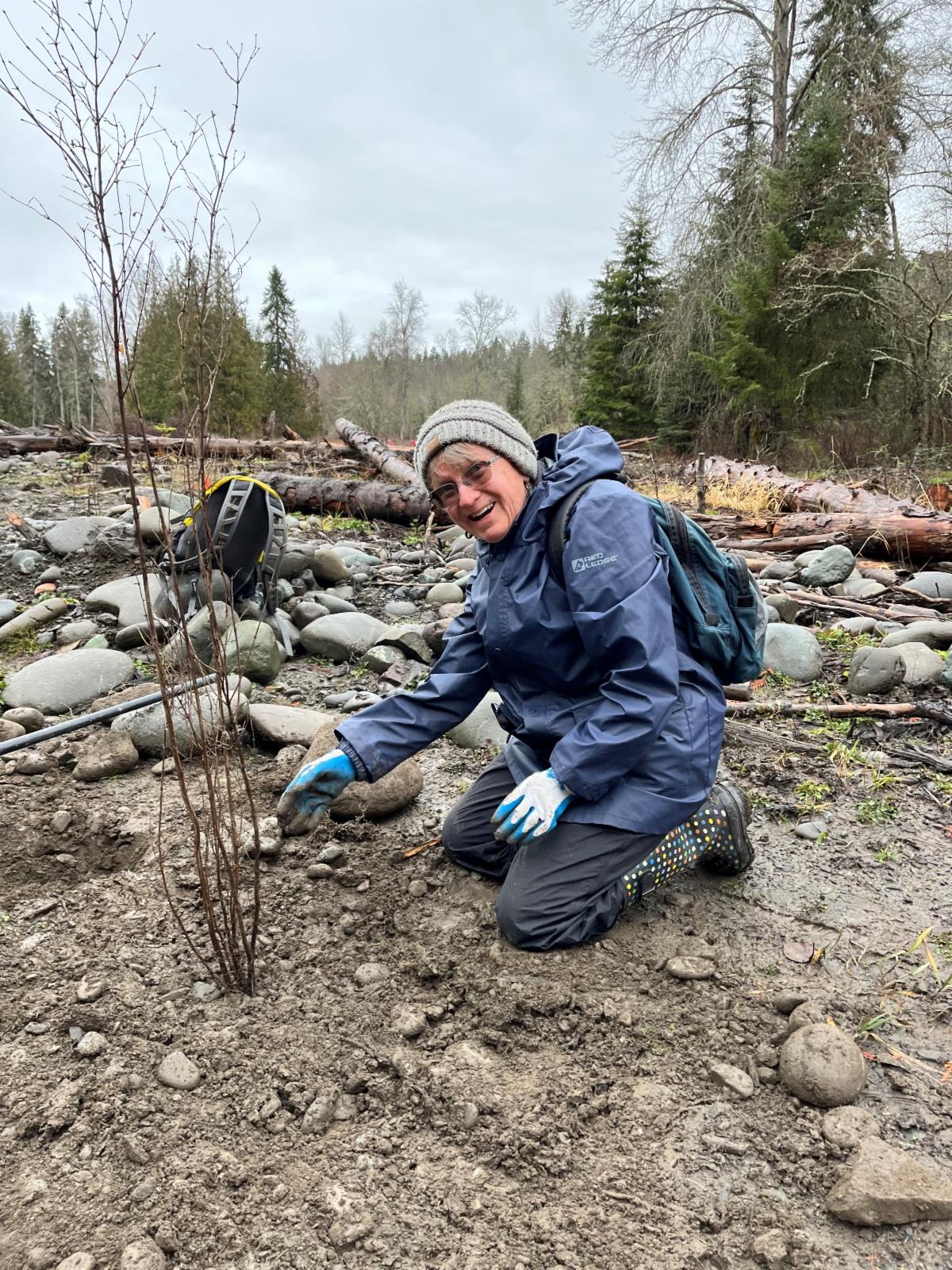
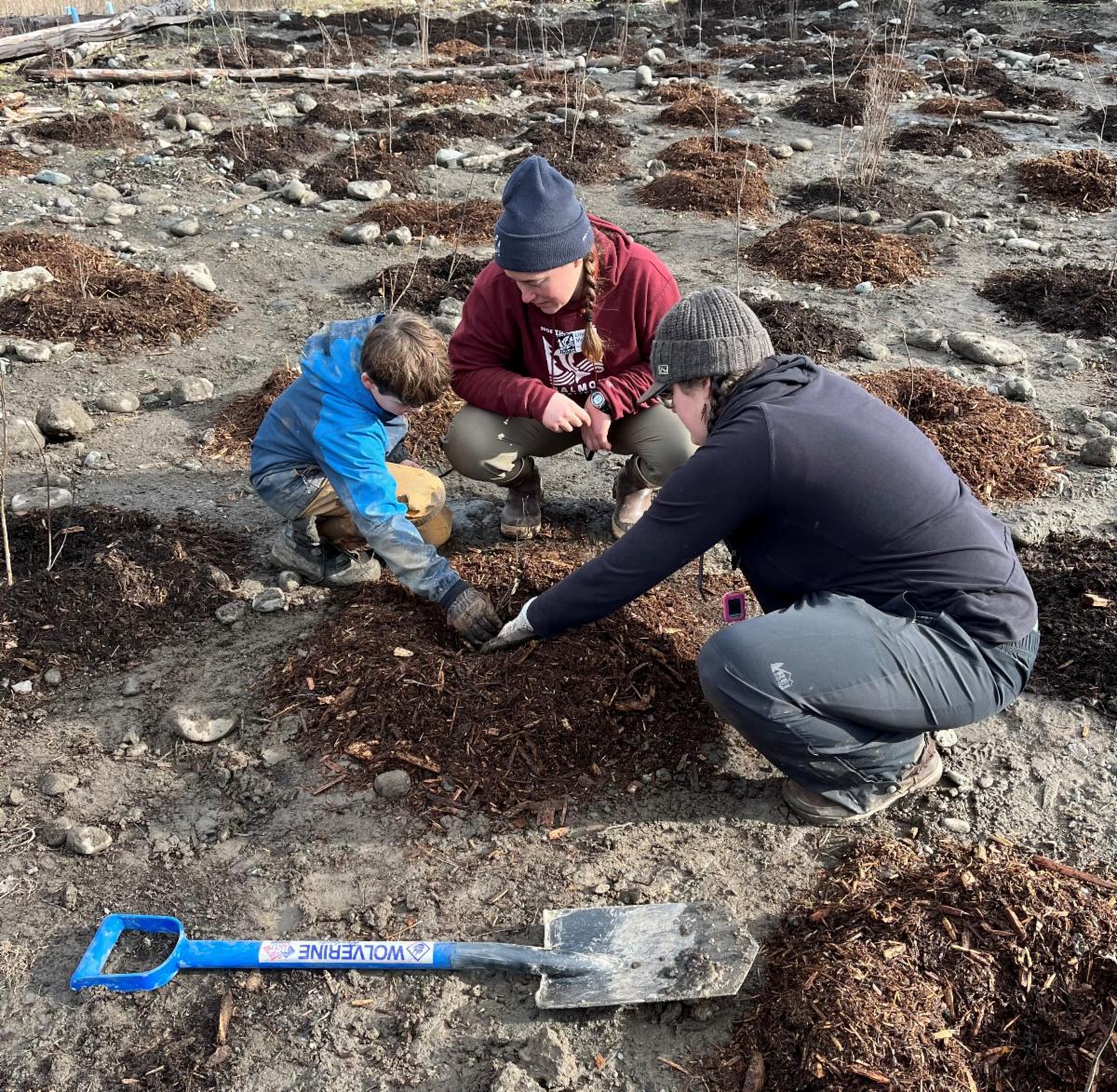
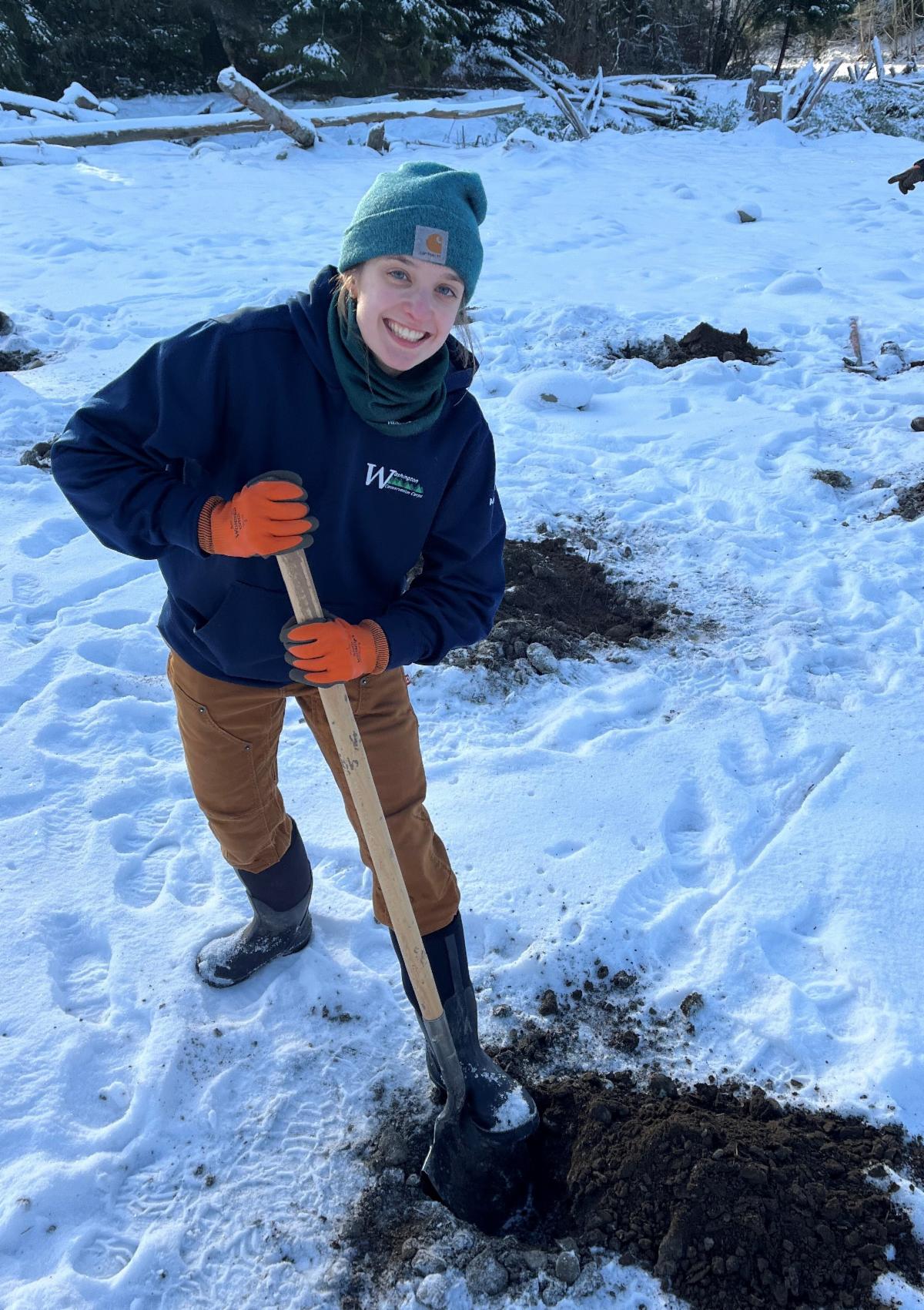
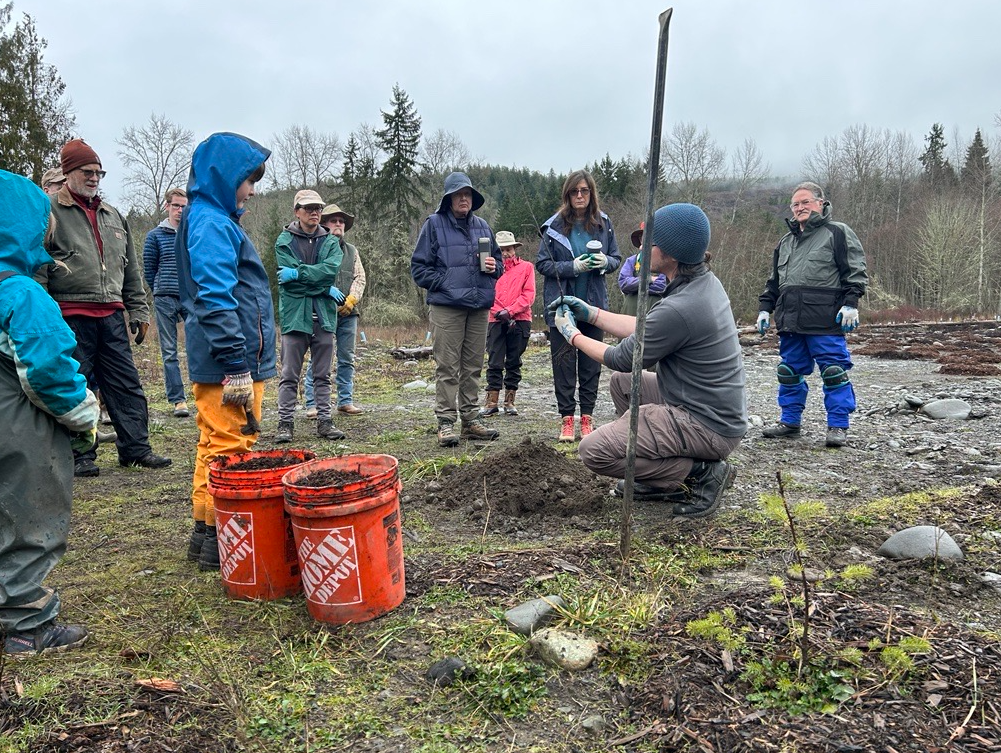
In 2023, over 200 community member volunteers, students and our Washington Conservation Corps crew dedicated their time to plant and mulch nearly 7,000 trees and shrubs at the Jamestown S’Klallam Tribe’s Caldero Side Channel Project.
This winter, despite inclement weather that caused cancelled planting events, dedicated community members and Washington Conservation Corps crews members braved the cold and planted trees and shrubs to complete NOSC's reforestation efforts near the side channel site that provides nearly 1,000 more feet of critical salmon habitat. Thank you!
| |
Top left: Community volunteer member helps plant snowberry and other native vegetation. Top middle: Volunteers and NOSC staff, create a mulch ring to help conserve moisture. Top right: Washington Conservation Corps member, Lena, shovels snow covered ground on MLK Jr Day of Service. Above: NOSC Staff demonstrates proper way to plant. | |
|
The 2023-24 Chimacum Creek coho survey season has come to a close.
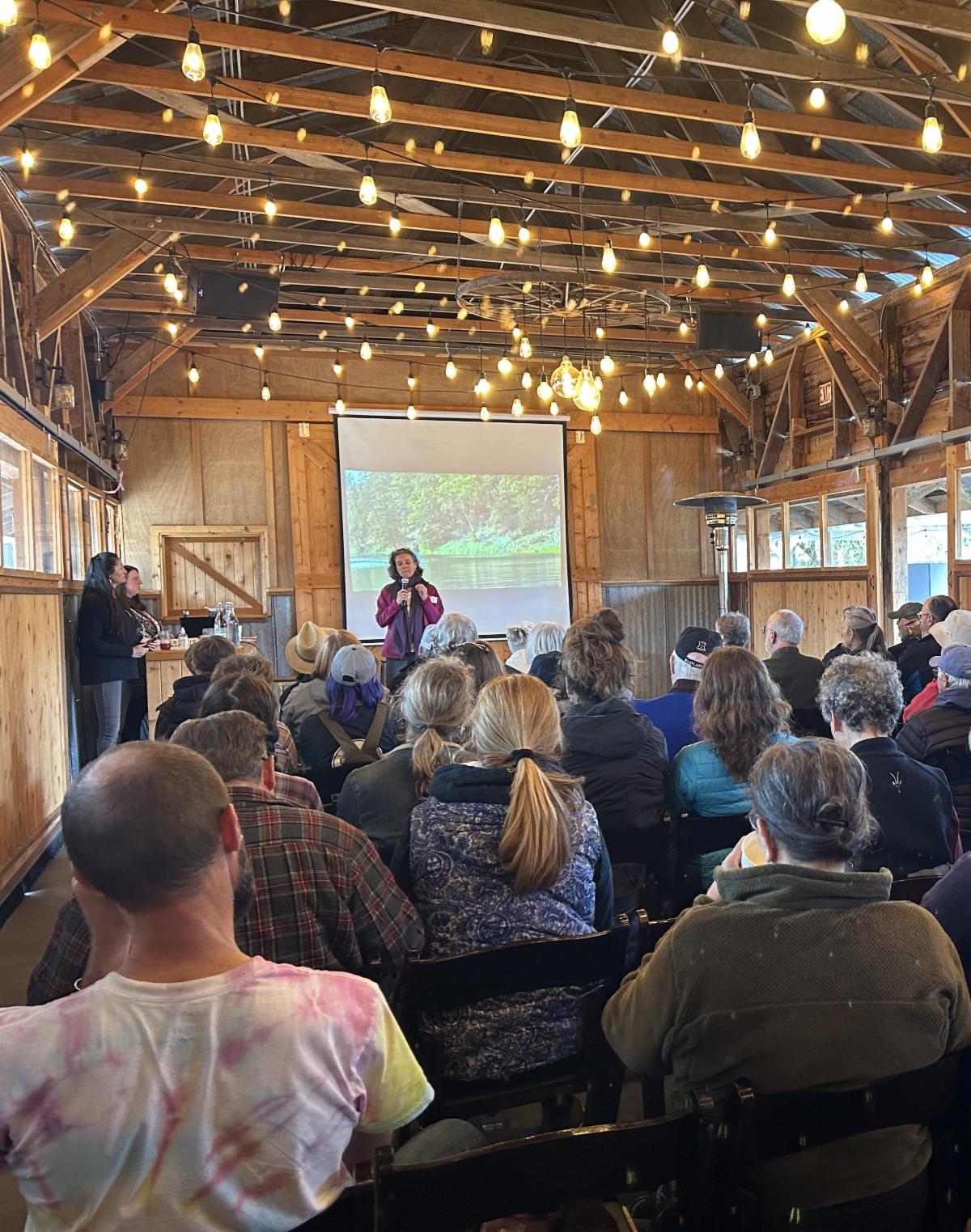
Back on November 8th, 24 eager volunteers convened at Finnriver Farm and Cidery for survey training. Volunteers were trained in survey protocol, including what to record when they encounter a redd (the nest in which the female salmon deposits her eggs) or a fish (live or dead).
Unlike chum salmon which tend to spawn in the lower 2-3 miles of the stream, coho head to the Chimacum Creek’s highest tributaries to spawn, oftentimes in tributaries that are narrower than the length of a fish. Indeed, I’ve seen photos in prior years of 24” fish spawning in channels only 14” wide! The 24 volunteers were broken up into 6 teams, each with a different stretch of the creek to monitor. Unfortunately, it was a low return year for coho in the creek and many other Puget Sound watersheds. As a result, only 3 of 6 teams recorded either fish or redds in their surveys. While a bit disappointing, data from slim years such as this one can be extremely important for informing future management decisions or determining whether restoration projects within the watershed are performing as hoped and leading to increased fish numbers.
A huge thanks to all of you volunteers who carved out personal time each over several chilly weeks to survey the creek and record this critical data. We could not continue this program without your support!
NOSC Stewardship Coordinator, Nate Roberts, trains volunteers on coho survey protocol on a beautiful fall day at Finnriver Farm and Cidery in Chimacum. Photo courtesy of Kylie Stoneburner.
| |
|
This January our elementary education program, Salmon in the Schools, has kicked off with 7 elementary schools across the North Olympic Peninsula! Anticipation has been building in elementary classrooms in Port Angeles, Port Townsend, Sequim, Chimacum, and Clallam Bay, as aquariums were set up in December and January to host the salmon the students will help to raise this winter and spring. During the program, students are immersed in experiential learning that ranges from science to art to writing to social studies as they watch their salmon develop from eggs to alevin to fry.
| |
|
Throughout the month of January, our Education Team has been traveling from classroom to classroom delivering the first of three NOSC lessons to almost 400 students. This last week, schools started to receive their coho salmon eggs from the Hurd Creek Hatchery. Between now and April, students will be helping to measure water quality, observing the salmon develop, and learning about their life cycle, adaptations, habitat, and role in our cultures. At the end of April, students will be releasing their salmon in local waterways on an activity-packed field trip!
This program is funded through the Office of the Superintendent of Public Instruction, the Jefferson Community Foundation, and the generous donations of our community.
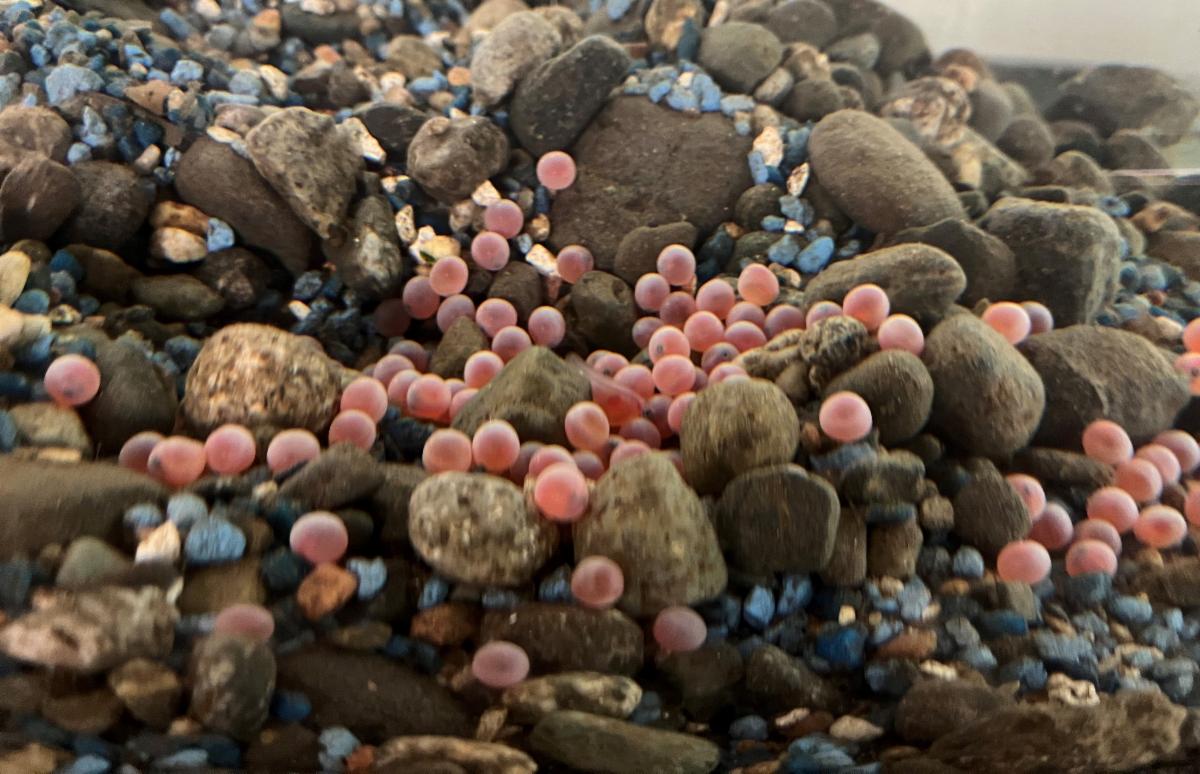
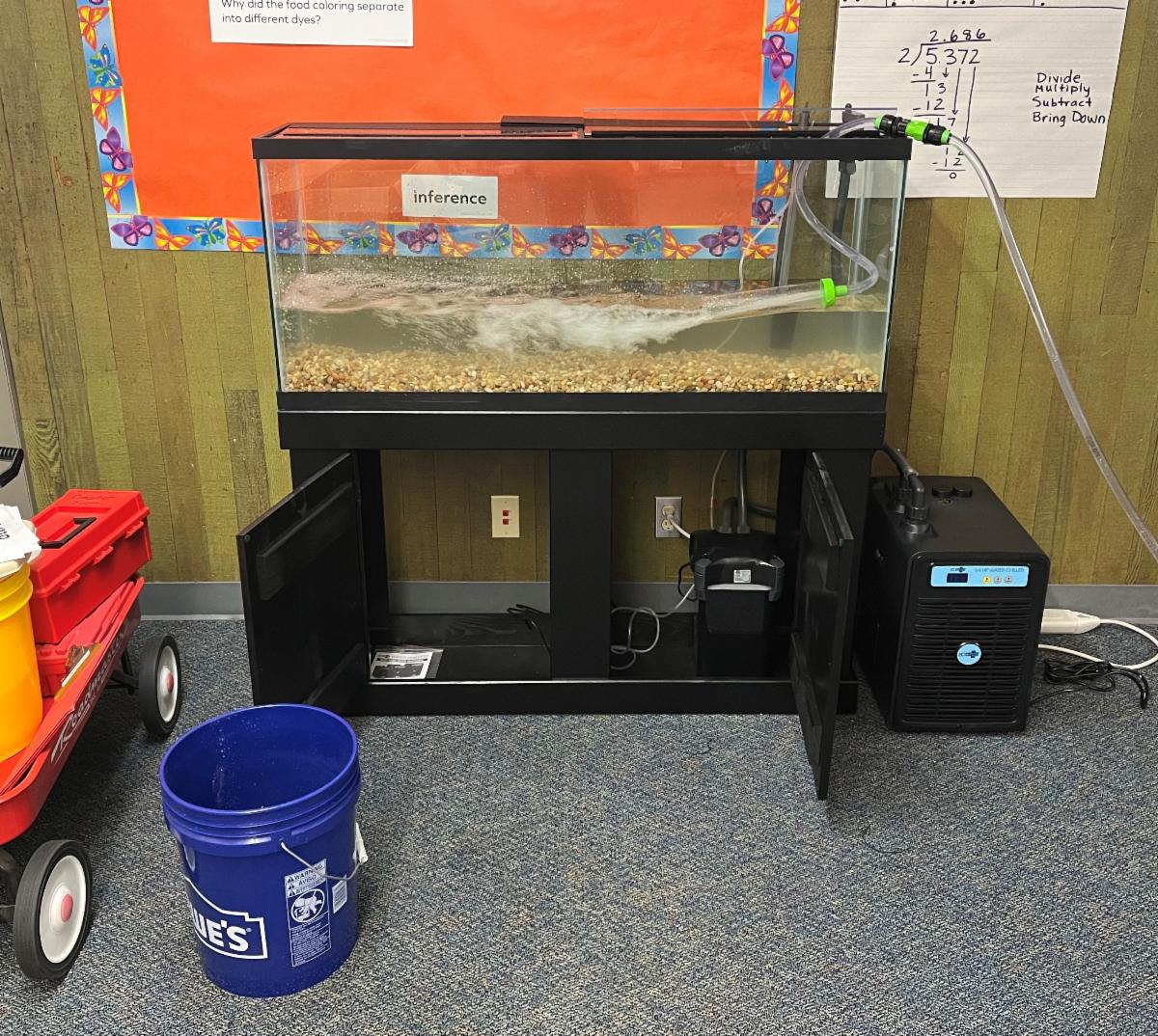
Top left: Photo of coho salmon eggs at Hamilton Elementary School. Above: Tank at Clallam Bay Elementary being filled with water in preparation for coho salmon eggs. Photos by NOSC staff.
| |
Thank You for Your Generosity! | |
|
Here at NOSC we are feeling very grateful to be a part of such a supportive community. This year end, your contributions went to support our growing Riparian Program that aims to plant and maintain healthy and diverse forests along our salmon bearing streams across the region. These forests provide many ecosystem benefits now and into the future, and your support helps make this possible.
If you’d still like to donate, please visit Donate | North Olympic Salmon Coalition (nosc.org)
| |
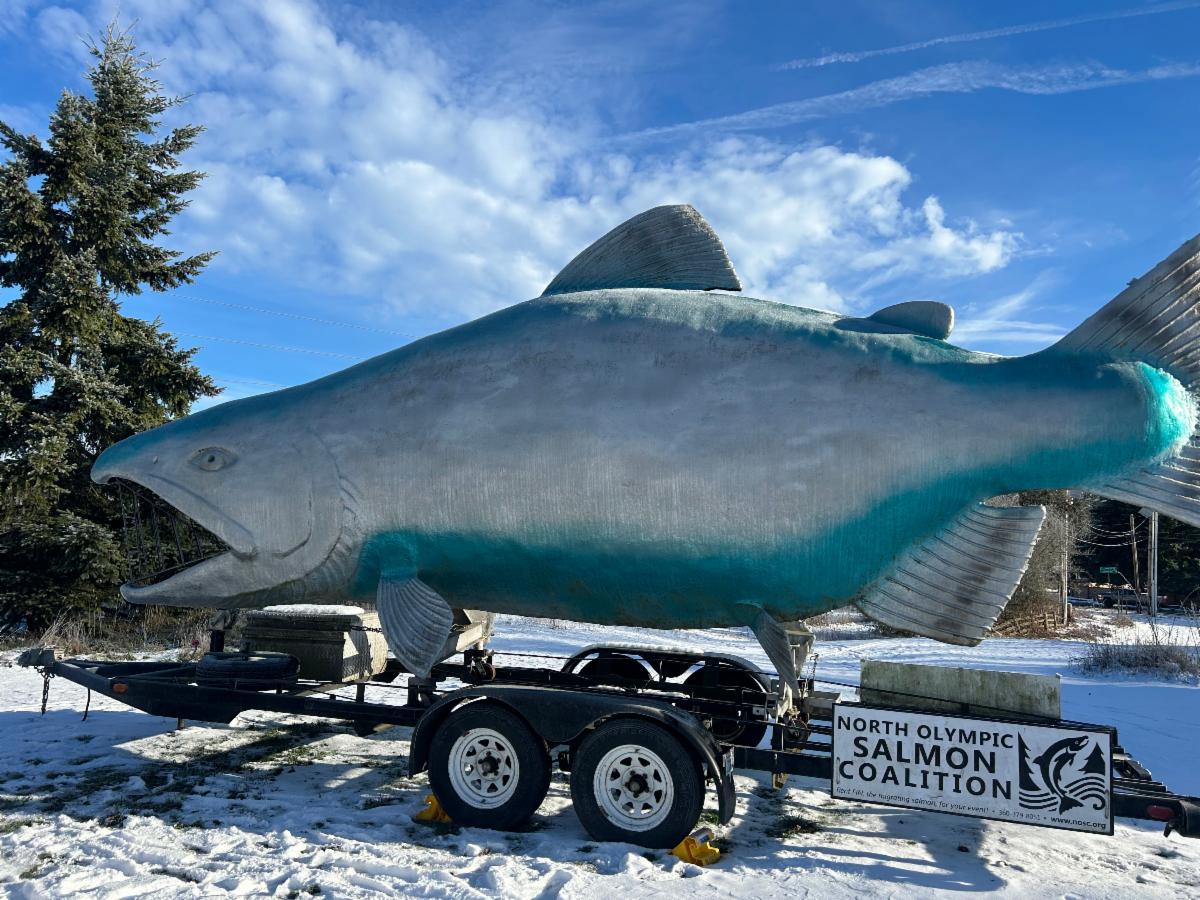
Photo of Fin the Salmon, courtesy of NOSC staff. | |
Header photo: John Gussman | |
Base funding for the RFEG program comes from a grant from the U.S. Fish & Wildlife Service's Partners for Fish and Wildlife Program, a portion of state commercial and recreational fishing license fees, and excess egg and carcass sales administered by the Washington Department of Fish & Wildlife. | |
Give Us Your Feedback
Questions or Comments? Let us know what you think!
outreach@nosc.org
360.379.8051
www.nosc.org
| | | | |