LABBB at Enchanted Village |
|
Sharing best practices and promoting inclusive opportunities for students with special needs
|
|
Executive Director's
Message
Dear LABBB Community,
Happy New Year to everyone! 2024 and I feel like 1999 was yesterday! Am I dating myself? The new year always brings a conversation about resolutions. I often find resolutions to be a struggle…they can be daunting. I was reading an email from Lucy MacGregor, a faculty member at Mindful Schools, as part of the Mindful Monday Memo, and she shared a quote, “This is how it is right now”; a powerful message. This reminds me to be present and accept whatever is happening, feelings that are occurring; they are already here and it is our own awareness and self observation that allows us to be present. She further shared “I encourage you to take a moment to pause right now, wherever you are (or are not), whomever you are with (or are not with), however you celebrate (or do not). Come home to yourself right now. See how it is for you right now, and respond to yourself with love. Pause… return to your body… breathe… and respond with love”.
As we turn the calendar to 2024, a reminder of the importance of a pause, the importance of a breath, and the importance of empathy, compassion and gratitude. May 2024 be a year of continued growth and progress, with a resolution towards being present.
A gentle reminder that sicknesses (colds, Covid, RSV, flu etc.) continue to infect! We support all health protocols and remind everyone to maintain healthy practices, covering your noses and catching your cough, washing your hands and if you are sick, please stay home and get better! I continue to be grateful to this community for putting the best interest of our students first. Thank you for your continued support.
LABBB Evening Parent Meetings~
We are continuing to hold LABBB Parent Meetings on the same evenings as monthly dances. This provides parents an opportunity to drop off their child at the Lexington Community Center (39 Marrett Road), then attend the meeting upstairs at the Center.
These informative meetings allow us to discuss various topics related to programming, special needs planning, recreation, transition, post-22 planning, supplemental security income (SSI), financial planning, and many other important issues.
Parent meetings for 2023-24 will take place from 7:00 to 8:15 pm on the following dates:
January 18, 2024 - Special Needs Planning with Leo Rotman and Karen Mariscal
February 1, 2024 _***** Work Incentives for Families and People Served ( TIME CHANGE - meeting 6:15 - 8:15 pm; Dance starts at 6:00pm)
March 7, 2024- Introduction to the newly revised IEP template with Atty Katie Meinelt
April 4, 2024 ***** NO Parent meeting
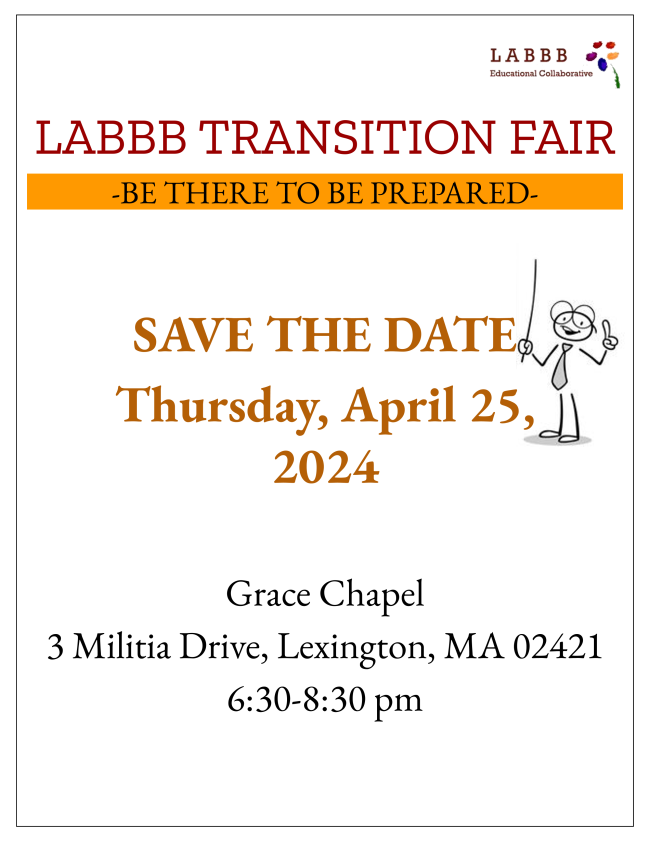
April 25, 2024 ****Transition Fair at Grace Chapel in Lexington
May 30, 2024
We look forward to seeing you!
With appreciation and gratitude,
Pam
|
|
Unwrapping Joy at Arlington High School
By: Keren Averback, Alaina Conte, Katelyn McCarthy
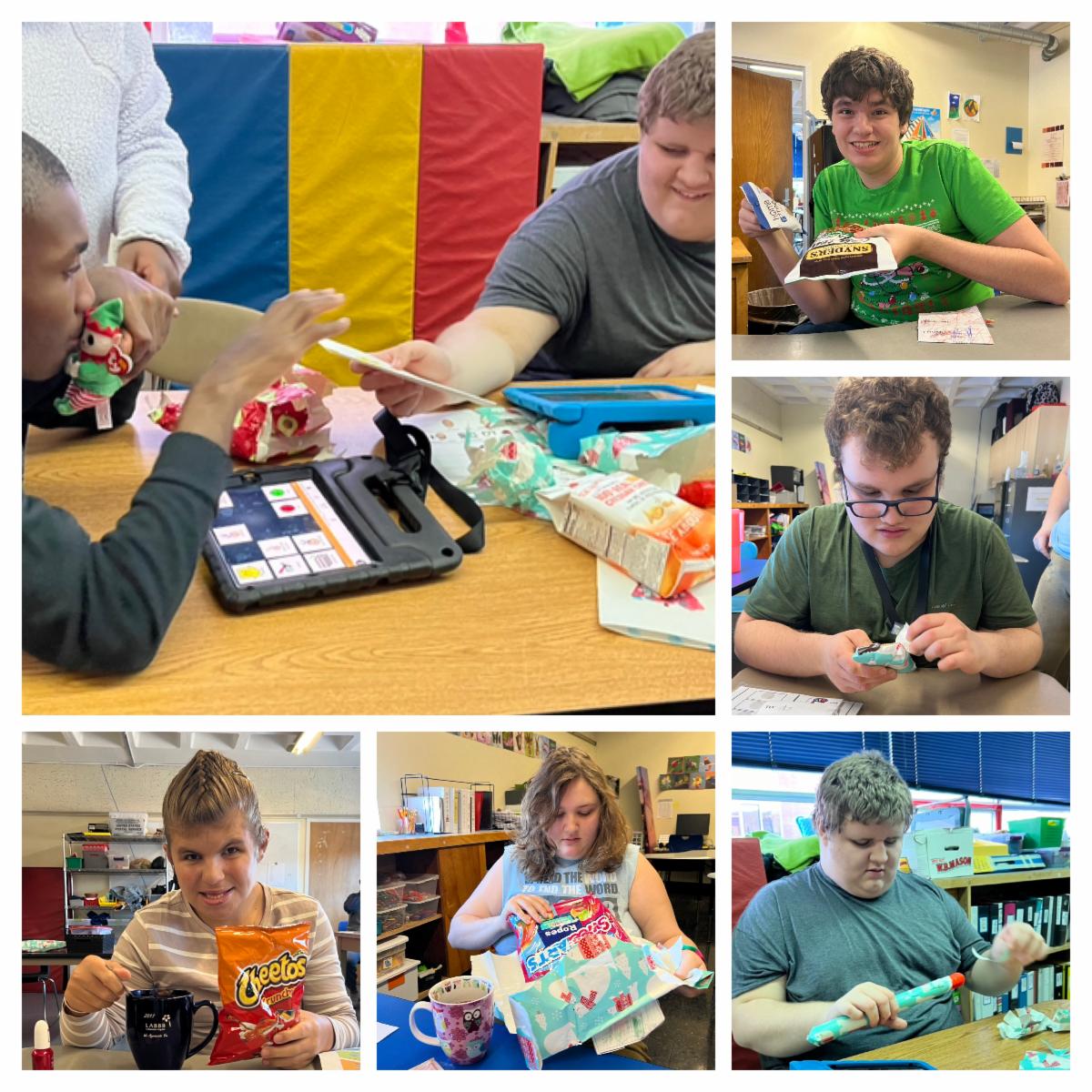
It is always an exciting and busy time of year at Arlington High leading up to December Break! Students in the AHS classrooms participated in their annual gift exchange during their SPOT (Speech/OT) groups.
In the weeks leading up to the exchange, students interviewed their classmates to find out about their likes, answered questions about their own preferences, and reviewed gift giving and receiving etiquette. In addition, students worked on community skills, including locating items in a store, managing money, purchasing an item, and interacting with a cashier. The skill building did not stop there as students followed a visual recipe and worked on increasing their independence using a microwave to make hot chocolate that they sipped on while exchanging their gifts. The most rewarding part of the exchange was not just seeing the students’ smiles as they received their gifts, but seeing their smiles as the “givers.”
|
|
The history of Disability Awareness
By: David Dooks
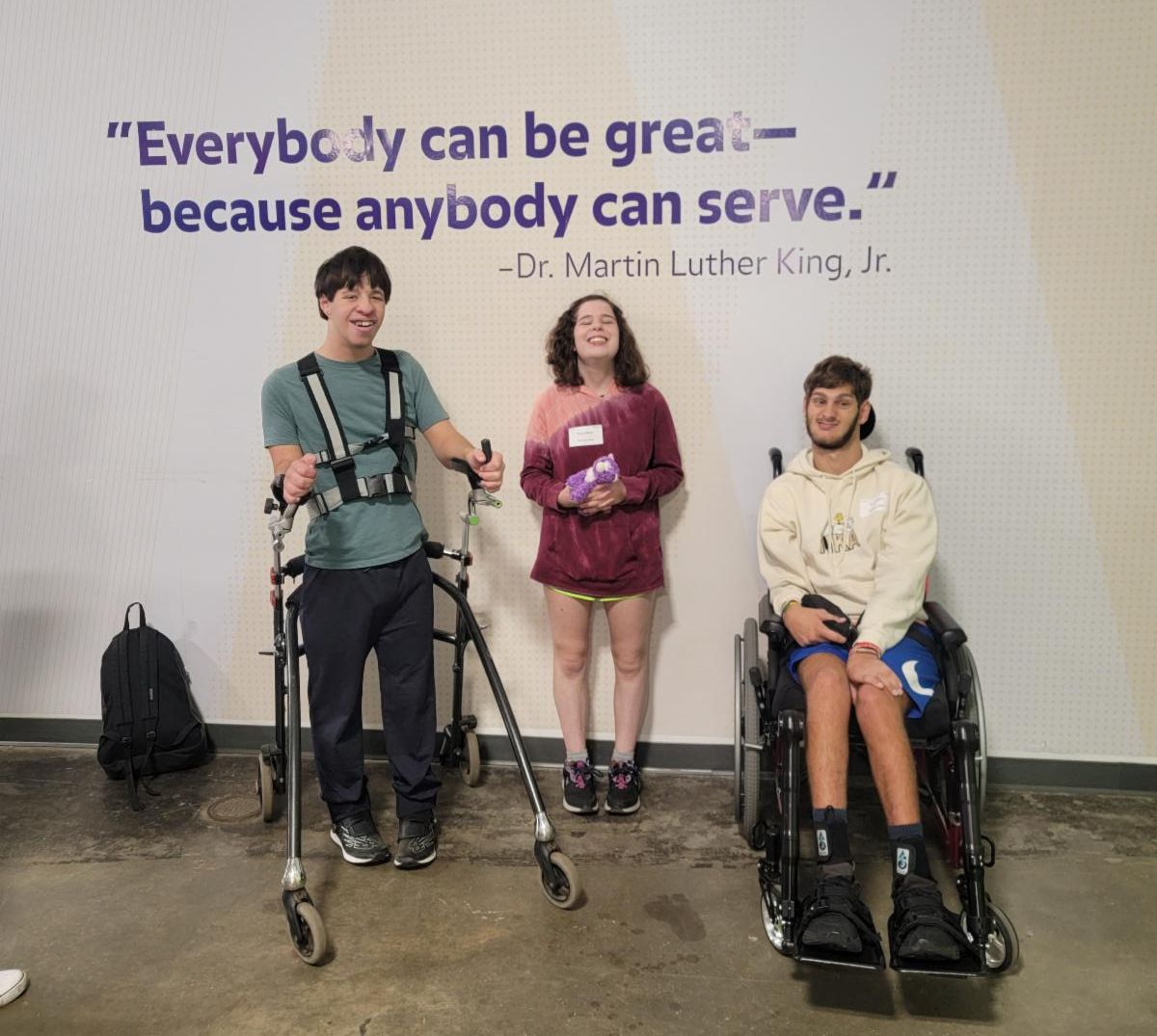
This semester, the younger cohort at Burlington High School has been investigating the history of disability awareness in the United States as part of our history curriculum. The website, EmergingAmerica.org, has been the primary source of curriculum for this study. We are fortunate to be living in the Boston area where education of students with disabilities has had a long and illustrious history.
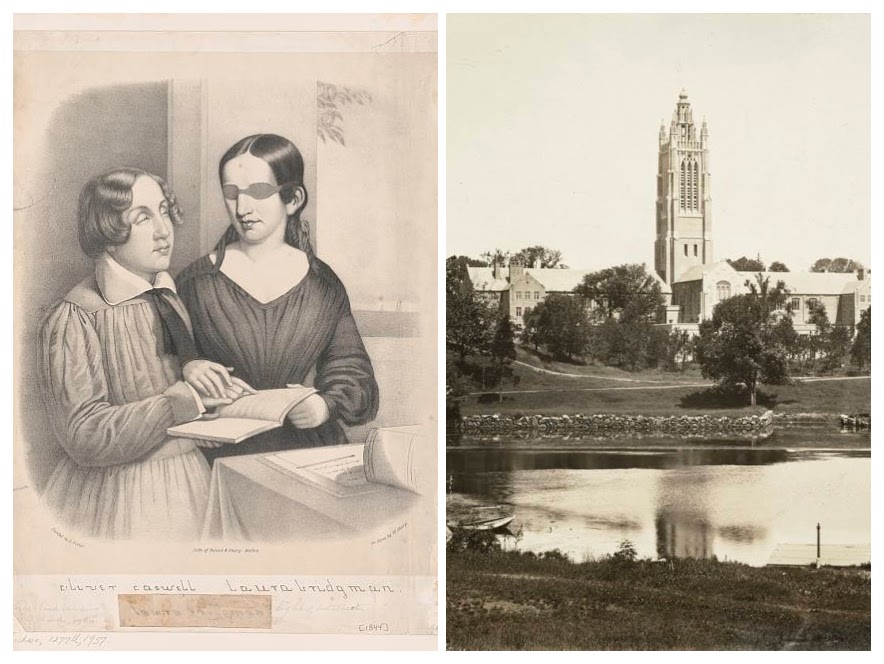
On the first two Tuesdays in December, rooms 309 and 319 took a field trip to Perkins School for the Blind to see firsthand how a different school that specializes in disability education looks and operates. While touring the facility that was first opened in Watertown in 1913, (the original school was opened in Boston in 1829), students learned about how they built certain buildings with subtle differences in tilts in the floor and how sounds are different in different locations to help those with vision issues know where they were on campus. For those students who haven’t yet learned Braille, there are 3-D symbols outside of rooms such as tiles for bathrooms, chip bags for snack rooms, and tiny globes to designate social studies rooms.
The classes learned a lot about the history of Perkins in their onsite museum that had exhibits about the history of the school, some of their famous students including Anne Sullivan and Helen Keller, along with the history of tactile reading, and the invention of the 6-keyed Perkins Brailler.
The students had a great time and learned a lot!
|
|
Clinical Corner: Co-regulation
By: Melanie Marzolf
One of the benefits of being in special education is that students get support in a variety of areas, more so than just pure academics. From a clinical perspective, one of the most important skills we work on with our students is their ability to regulate their emotions. To be regulated means to be in control of one’s body and mind, even when experiencing a tough emotion like anger or sadness. Being able to manage such tough emotions and stay in control allows our students to focus their energy on their learning. As a result, many of our students have self-regulation as a goal area in their IEPs. However, it is important to remember that most of us experience situations, thoughts, or feelings that cause us to struggle with staying regulated at times. Developing good self-regulation strategies is a lifelong process. As our students grow and build self-regulation strategies, one of the best ways we can support them is through co-regulation.
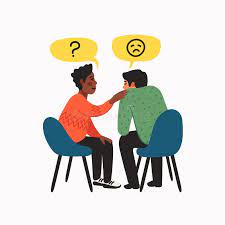
Co-regulation involves the use of one’s self to support someone who is struggling to self-regulate. This involves stepping in to support the student in a calm, safe, and supportive manner. The process that we engage in to prepare ourselves to deal with a tough situation with a student, such as taking a deep breath and/or some internal positive self-talk (“you can handle this!”) is an exercise in self-regulation. When we regulate ourselves first, we are then in a prime position to engage in co-regulation with another. With our students this may look like:
● sitting quietly together
● taking deep breaths together
● taking a walk together, or other physical activity like throwing a ball
● offering a snack or drink of water
● offering specific praise or encouragement
● listening to some calming music together
● reminding the youth of other strategies that have worked for them in the past
The most important part of co-regulation is remaining calm and supportive, and letting the student know that they are not alone and you are there to support them. Most of us can probably remember a time we were upset or angry, and the comfort someone provided us allowed us to slowly calm down. Our students are experiencing many of these feelings every day and taking the time co-regulate with them will enable them to continue to enhance their emotional regulation skills.
|
|
Creative Expression at LABBB AHS
By: Mike Harrington
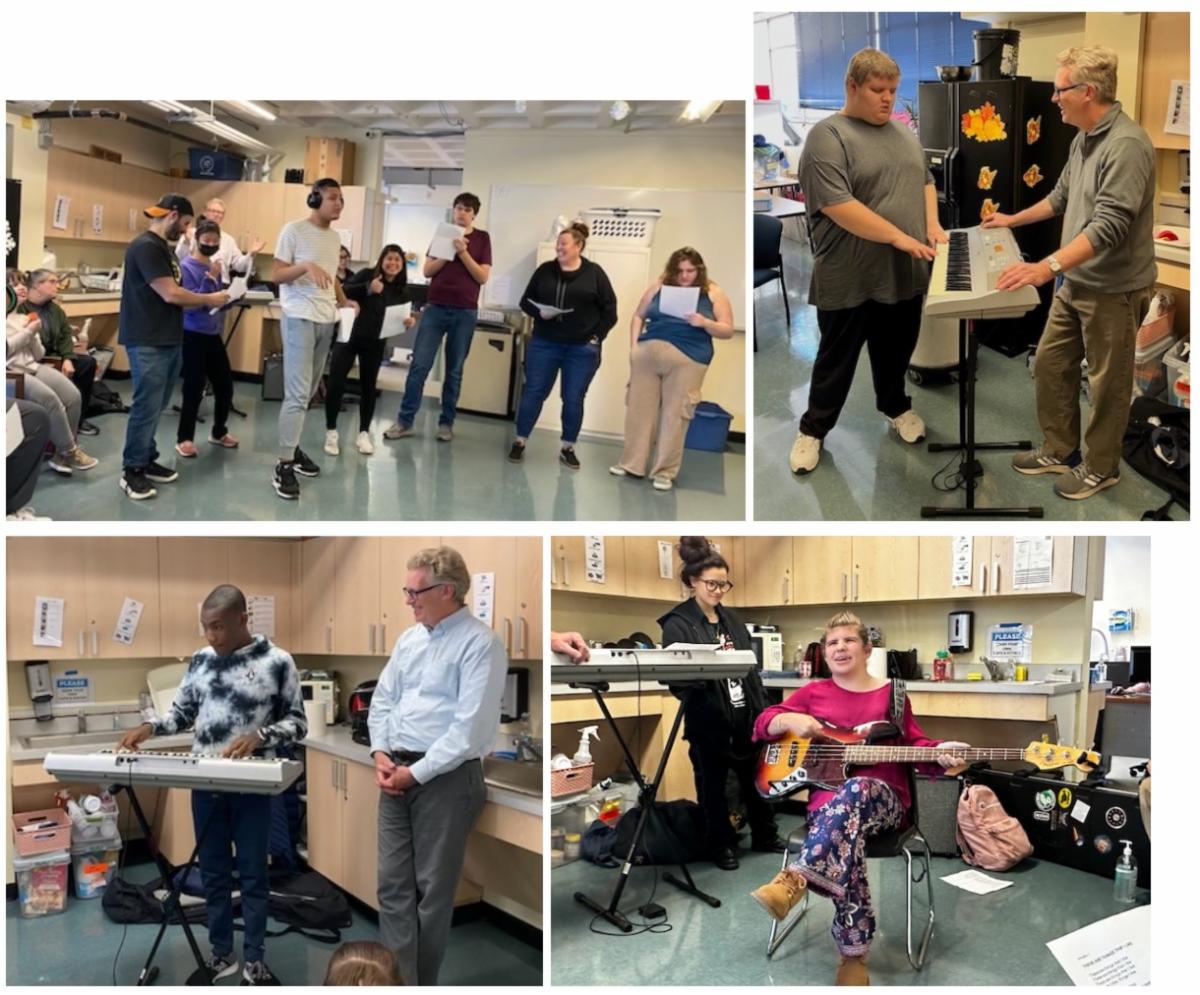
The classrooms at LABBB AHS enjoy a weekly Music class with their instructors from Amplifi, Mr. Terry and Ms. Vanessa. Along with participating in parts of class that focus on vocal/sound warm-ups, movement, and social-emotional awareness, our groups at AHS collaborated to create unique songs with the instructors. Ms. Erika’s class wrote a song titled “Mario’s Cardio” that featured a strong drumbeat. Ms. Heather’s and Mr. Mike’s classes combined to help write a song titled “These Are Things That I Like” that featured verses focusing on student interests and a chorus that reviewed the main theme of the song. In our last class before our December break, all three of our groups joined together to share our songs. Good work, group! Many thanks to Mr. Terry and Ms. Vanessa!
|
|
Transition Dept: Essential Skills are Key!
By: Amanda O’Leary
Often when families think of the Transition Department, they think that the primary goal of the department is to solely focus on the hard skills needed to be employed. As mentioned in a previous newsletter article this school year written by Tori Dennis: “Transition skills are far more than just building skills to work…transition skills are developing ways or plans to continue learning, be an active member of your community (either through recreation & leisure, vocation, volunteerism, or other) and learning to live as independently as possible.” Tori spoke of mindfulness and empowering our students with the ability to learn strategies that allow for them to self regulate, which in turn allows for them to access the community more freely.
The Transition Department also helps students and families recognize the importance of honing their “essential or transferable skills” (formerly known as “soft skills”). Essential skills are the traits that allow us to function in society as an individual, as well as be able to interact with others. These skills may include (but are certainly not limited to): communication, collaboration, problem solving, perspective taking, and flexible thinking. Essential skills are an important piece of the puzzle to ensuring successful access to the community for ALL of our students, no matter what level of support they need.
Focusing on essential skills does not mean that “hard skills” or more technical/academic skills are not being taught - they are. Exposure to a variety of settings allows for students to try different jobs, tasks, and activities, with the hope of finding something that they enjoy and feel good about. In order to experience continued success in that activity, though, there must be a good handle on those essential skills, with or without staff/family support. For example, a student may find a job they really enjoy but struggle with some tasks - if they are unable to effectively self advocate or problem solve, frustration may take the place of joy and that job will no longer feel meaningful.
It’s important to remember that the teaching of essential skills takes place every day, across all settings, with a variety of people. Teaching may take place in a classroom or work setting during role plays or structured activities. It also may take place in the community when a student is volunteering as part of a team with unfamiliar people or when ordering lunch in a restaurant or making a purchase in a store.
Working on essential skills consistently throughout a student’s day allows for the biggest chance at generalization across settings, which is a recipe for success in the community and beyond.
“What people get admired for in their community are their soft skills: their sense of humor and timing, their ability to listen, their courage and honesty, their capacity for empathy.” - M. Scott Peck
|
|
The Grinch
By: Kimberly Cabral
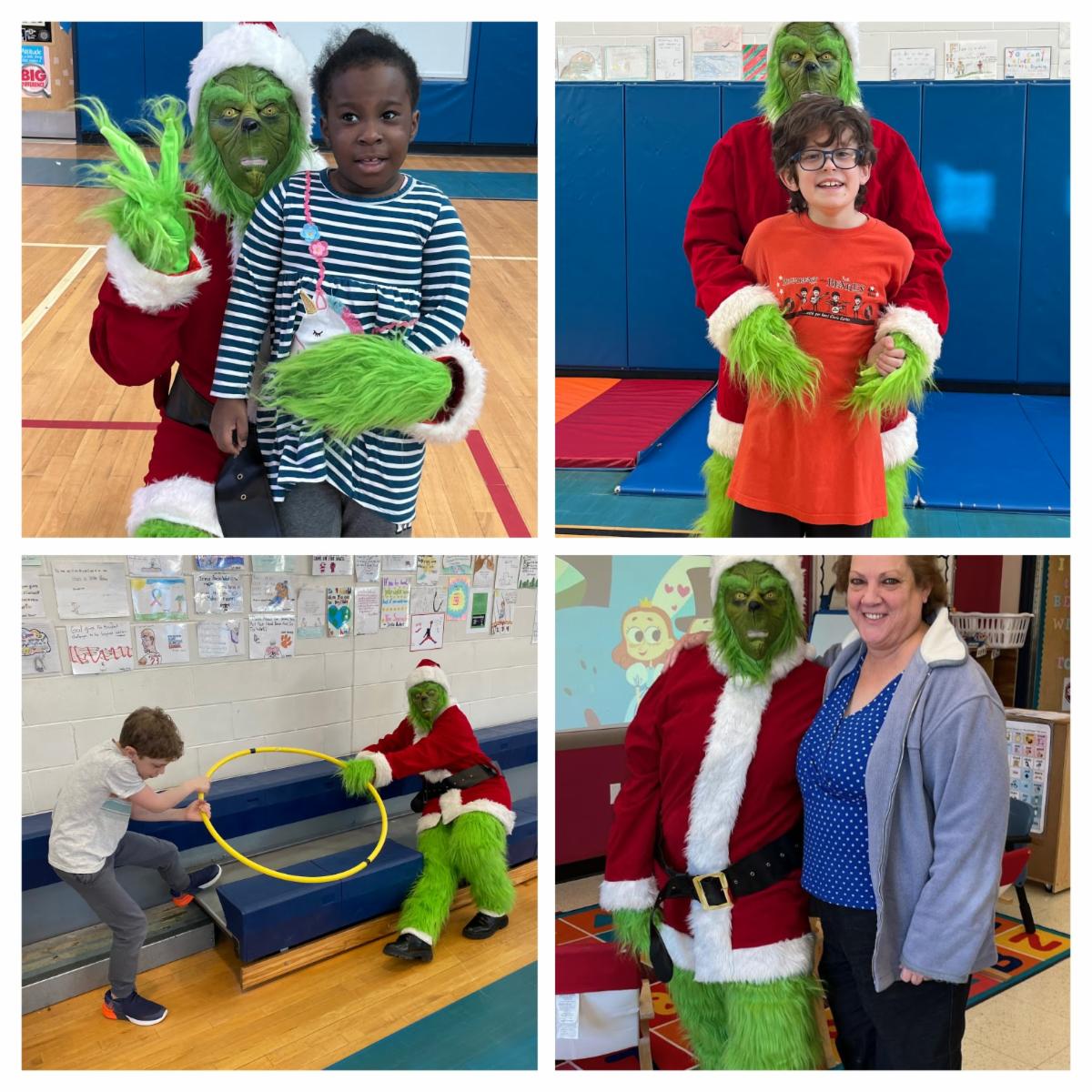
Twas the day before winter vacation, and all through LABBB, the Grinch came to visit with lots of gift bags. He crept through the gym and interrupted APE, pulling hula hoops and distorting their shape. He came in with us to play basketball, we all laughed when he took a fall. Finally it was time for him to go, hoping to leave before we got snow. He reminded us all to follow the rules, and yelled “happy holidays!’as he left the school!
We hope everyone had a great winter break and took some time for themselves…you deserve it! Let’s work together to make 2024 the best year yet!
|
|
Over At Ottoson (OAO)
By: Erik Annan
“To every action there is always opposed an equal reaction.”~ Isaac Newton
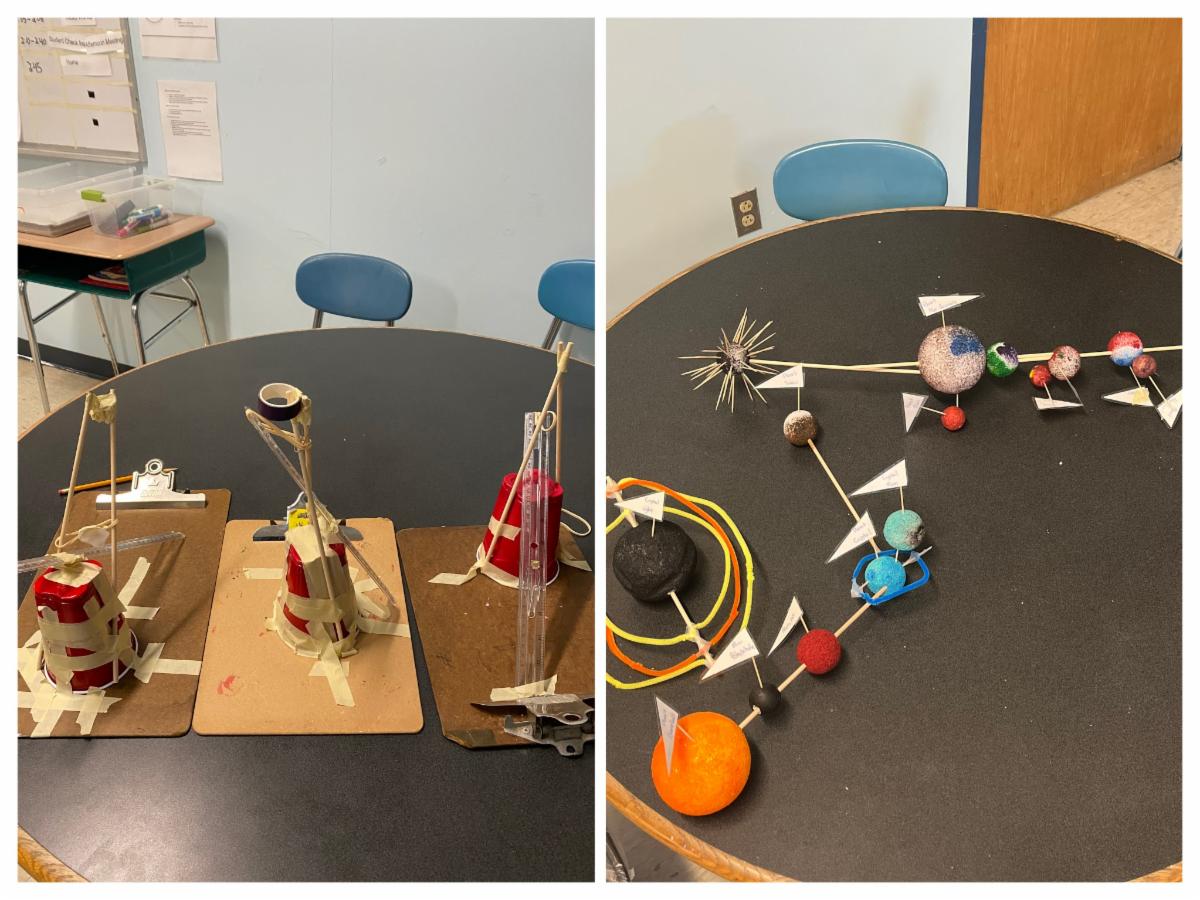
Hello everyone! OAO we finished up on a science unit involving gravity. The students learned about how gravity holds the planets in orbit around the sun and keeps the moon in orbit around Earth. They also learned how the gravitational pull of the moon pulls the seas towards it, causing the ocean tides. Lastly, gravity creates stars and planets by pulling together the material from which they are made.
Students had the opportunity to create their own solar systems. They were asked to show/explain how gravity affects the orbit of planets around their suns and what gravity does on their individual planets. In discussions of gravity on their planets they did come up with some interesting names (for their planets):
“Red Elephant”
“Donkey”
“President”
“Not Anymore”
“Present” and sister planet “Christmas”
“Cheese Ball”
“Mars 2.0”
Just to name a few.
“What goes up must come down!”~ Isaac Newton
OAO, students also created catapults to go along with our gravity unit. The students were asked to develop hypotheses on what they thought would travel further (heavy items, light items, small items, and large items). Students tested out their hypotheses by using their catapults and measuring how far their item traveled. At the end of each testing phase, students were able to come to the conclusion that smaller/heavier objects traveled the furthest."
|
|
LABBB Adapted Physical Education, Recreation and Social Opportunities
December, January, and February are somewhat slow months for the LABBB Recreation Department. Look for flyers and sign ups for the Spring Recreation, Tuesday Bowling and Wednesday Recreation to come out at the end of January/February.
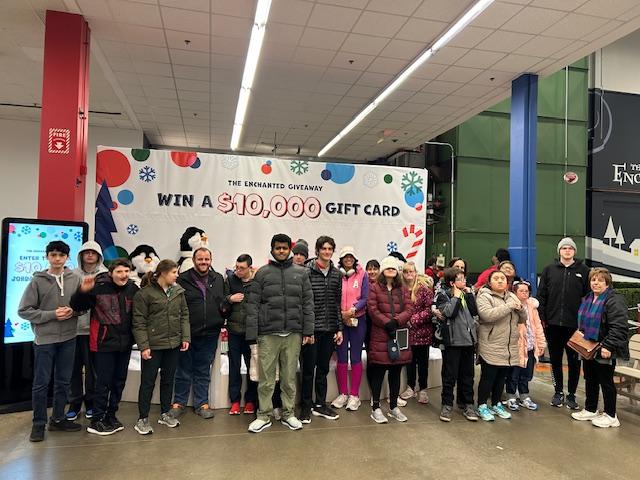
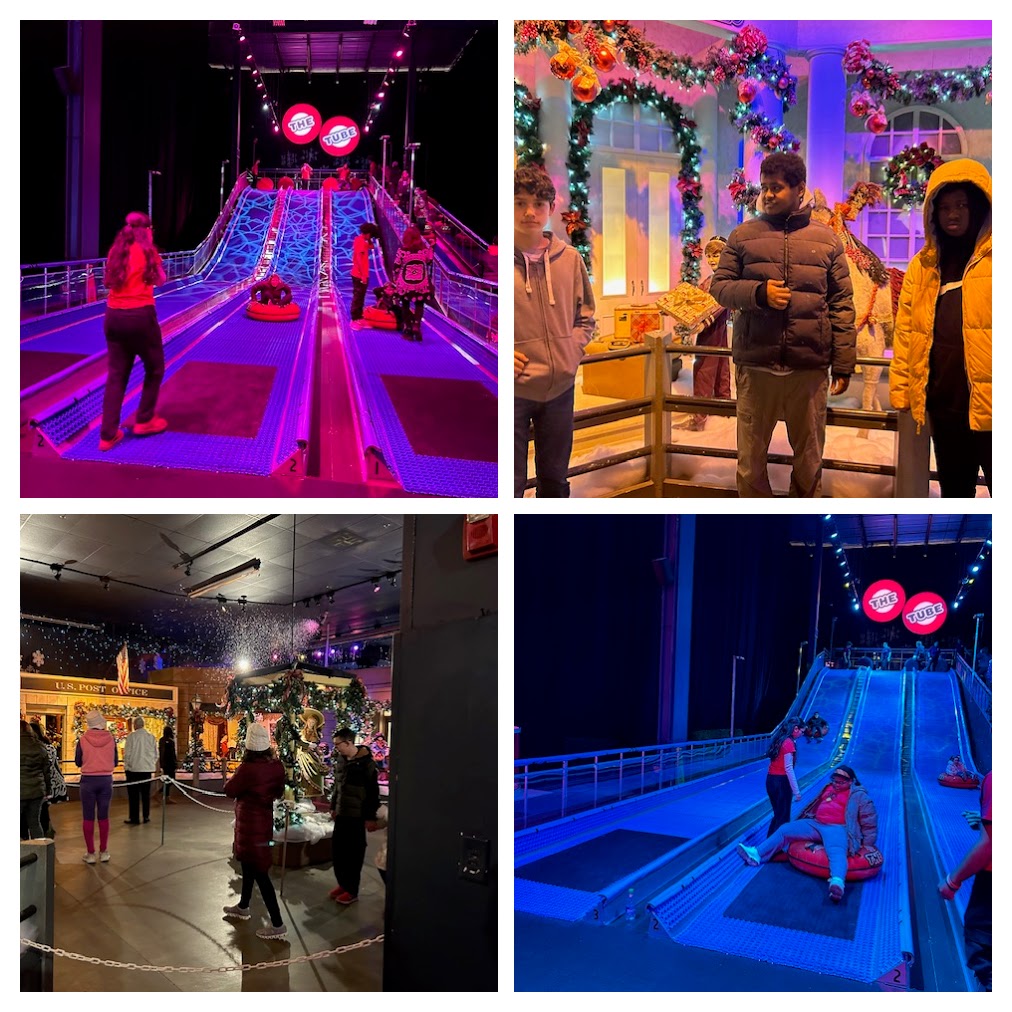
In December, we went on our annual trip to Enchanted Village. Everyone looks forward to the trip and the tradition that we have created year after year. Attendees especially enjoy getting some of the delicious Jordan’s blueberry muffins.
IMPORTANT DATE CHANGE for LABBB RECREATION:
Our April LABBB dance has been changed from
April 25, 2024 to April 4, 2024.
Please change this on your calendars!
Upcoming events:
January 17 GO Program trip to the movies and dinner
January 18 New Year Dance, Lexington Community Center for current students
January 19 Friday Mini Golf, Paradise Mini Golf, Middleton
January 24 Trip to Dave and Busters
January 29 Monday Bowling
January 29 Monday Movie Night
Happy New Year from @LABBBREC
Remember to follow @LABBBREC on Twitter
|
|
https://www.mass.gov/orgs/department-of-developmental-services
Interested in fitness or arts programs for your child? Check out these resources.
This information is offered as community resources that may be of interest to our families. LABBB does not have any specific affiliations to these programs.
Greater Massachusetts Special Needs Events
Family Support Center Directory by Town
Massachusetts Down Syndrome Congress
20 Burlington Mall Road, Suite 261
Burlington, MA 01803
781-221-0024
|
|
Merrimack Valley Disability Transition Fair: Virtual Event with the Lawrence Public Schools. https://bit.ly/3Mo8Lmq
Special Needs Art Programs Inc.
Riverside Family Support
Housing Navigator Massachusetts
|
|
LABBB Collaborative
123 Cambridge Street, Burlington MA. 01803| LABBB.com
|
|
|
|
|
|
|