Volume 33 | Jan. - Feb. 2023 | |
|
With classes underway, we are excited to welcome everyone to the spring 2023 semester.
Our mission is to help students master existing knowledge in their fields of study, to create new knowledge of the physical world and new understandings of the human condition through research and scholarship and to put those understandings to work to improve our communities and the human condition.
| |
|
I am proud of all we have accomplished together in pursuit of our mission during the first half of this academic year and I know we have much to look forward to this spring.
I am pleased to share some highlights from 2022:
-
We have made significant progress on our college Pathways to Excellence Strategic Plan. We are currently working to finalize our system for measuring performance and outcomes, and chairs and directors are aligning all four core pillars of the Pathways plan with their respective unit-level plans.
- In addition, as a result of the recently received college naming gift, we have created the new Dodge Family Scholars Program to expand need-based scholarship support to undergraduate students, created a series of graduate fellowships to boost recruitment, research, and degree completion and expanded funding to support faculty research and creative activity.
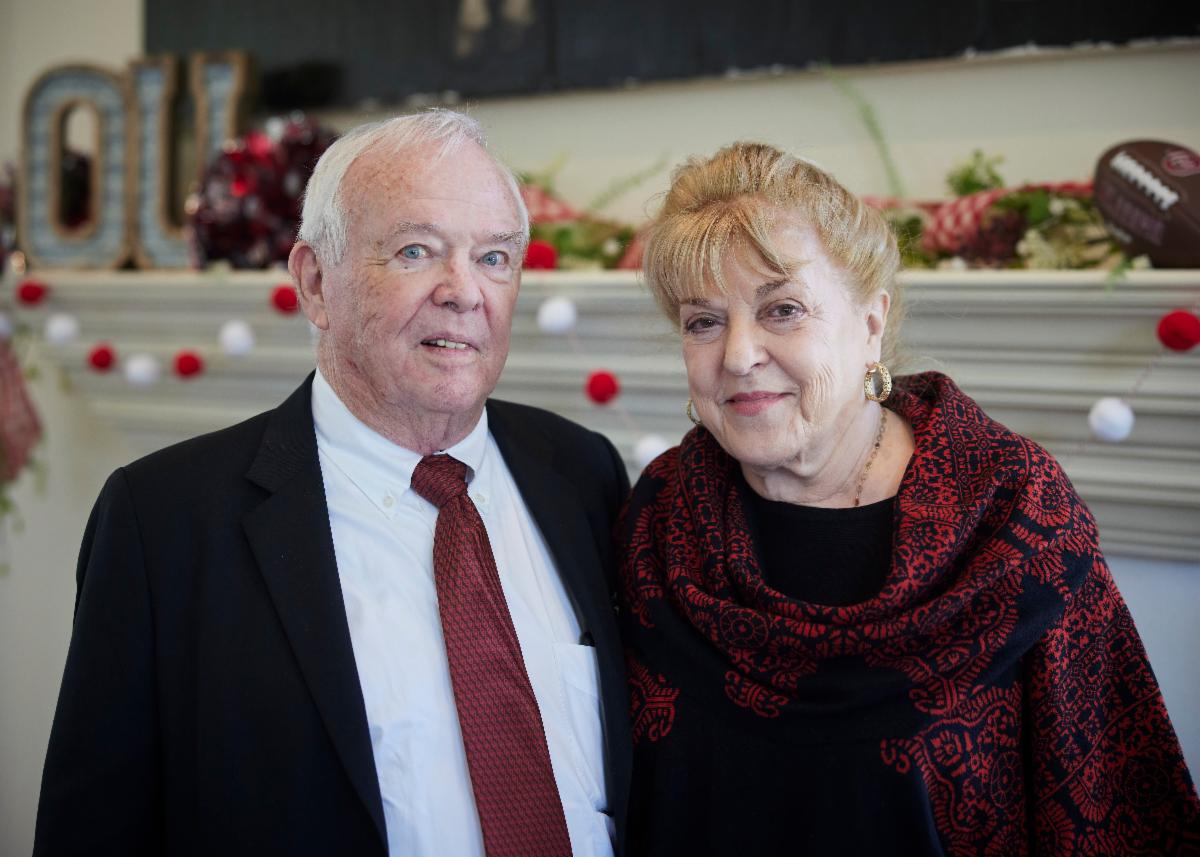
- Our Department of Mathematics was named through a transformative gift from David and Judi Proctor.
-
We founded a new School of Biological Sciences and we are working on a major restructuring of our undergraduate programs in that area.
- From our three graduation ceremonies in May and December 2022, plus summer graduates, we expect to confer 2,500 total degrees (1,800 bachelor’s, 620 master’s and 80 Ph.D.s).
-
Our faculty published an impressive total of 1,813 published articles and books in 2022. Furthermore, since the beginning of FY23 our college has participated in a remarkable $40 million in grant awards for single investigator research and collaborative efforts from various external sponsors including the federal government, foundations and industry. Our funding sources include the National Science Foundation, the National Institute of Health and the Department of Energy, the Carnegie Corporation and the Keck Foundation. This record-breaking level of funding is a result of our faculty’s innovative and wide-ranging efforts including the convergence research initiatives that our college pursues in collaboration with scholars within and outside our institution and with community partners.
I am honored to be a part of a college community that is so deeply committed to engaging, mentoring and supporting students. I look forward to a wonderful semester working together to advance student success and to faculty research and creative activity.
Sincerely,
| |
|
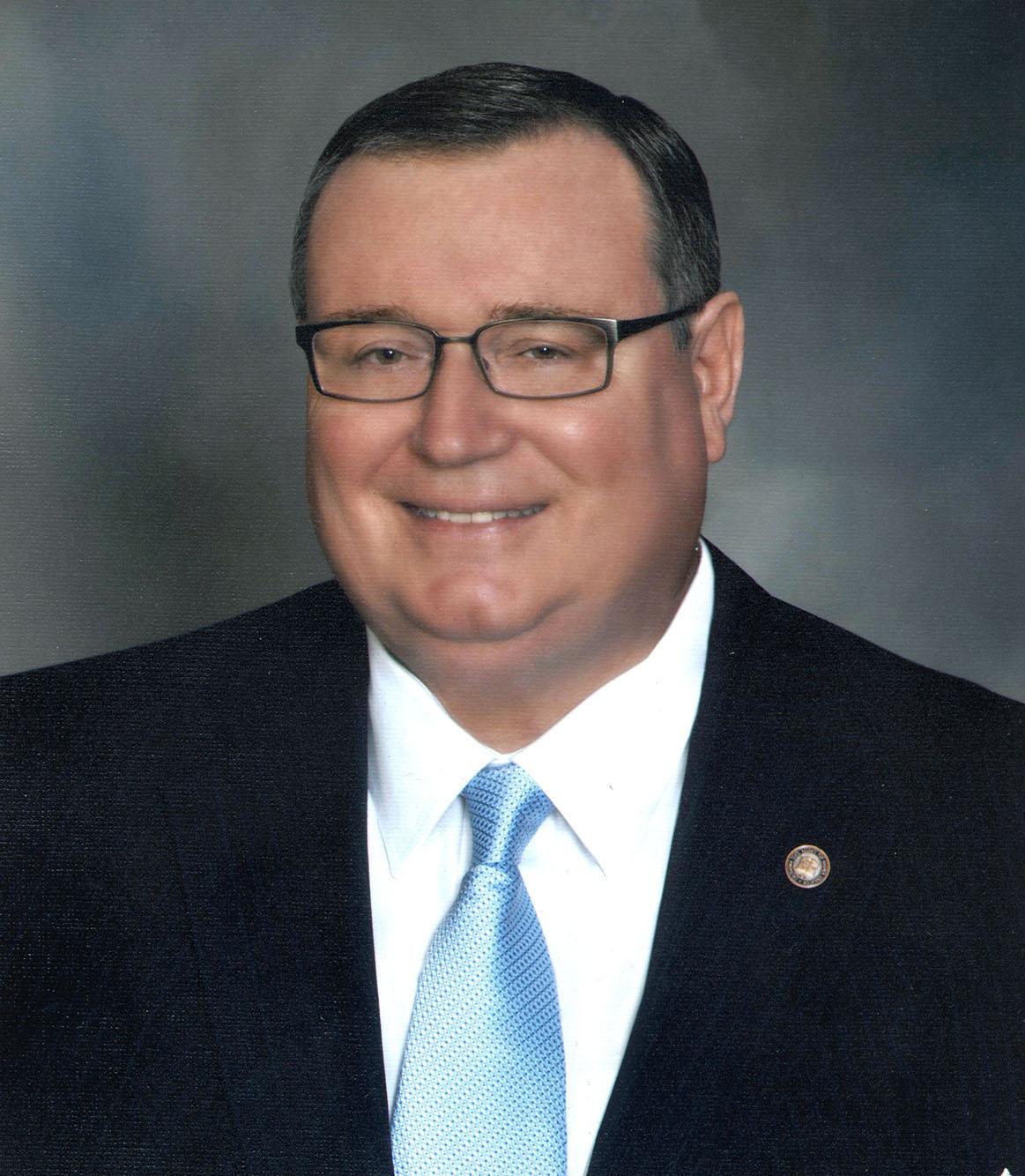
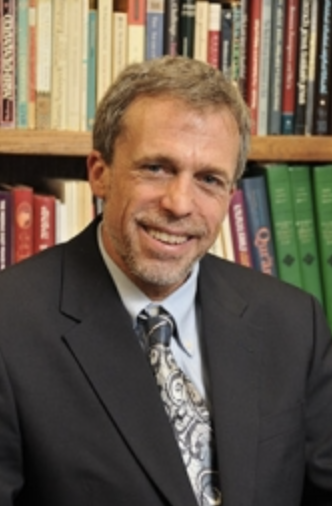
David Wrobel
Dean, Dodge Family College of Arts and Sciences
| |
|
OU'S LARGEST COLLEGE TO HONOR AWARD WINNERS
For their contributions on the local, state, national and international levels, Eyang Garrison, Glen D. Johnson and William Lipe will be recognized as the 2023 Distinguished Alumni of the Dodge Family College of Arts and Sciences. The college will also recognize David and Judi Proctor with the Distinguished Service Award for their leadership and generosity in support of areas that reflect the values of the college, and Jerod Coker and Lucy Mahaffey as the 2023 Young Alumni Award recipients for their exemplary leadership, service and character. Coker will be honored posthumously. Award recipients will be honored at Kaleidoscope Evening on April 20. Each year, the evening is designed to celebrate the college and honor its distinguished alumni. Information about the 2023 Kaleidoscope Evening will be announced at a later date. LEARN MORE ABOUT OUR AWARD RECIPIENTS
| |
|
The University of Oklahoma proudly honors Black History Month as a time of celebrating accomplishment, history, heritage and community. A number of faculty, staff, students, departments and organizations across campus are hosting events in February. Take a look at events happening at OU this month.
| |
|
SAVE THE DATE TO CELEBRATE AT CONVOCATION
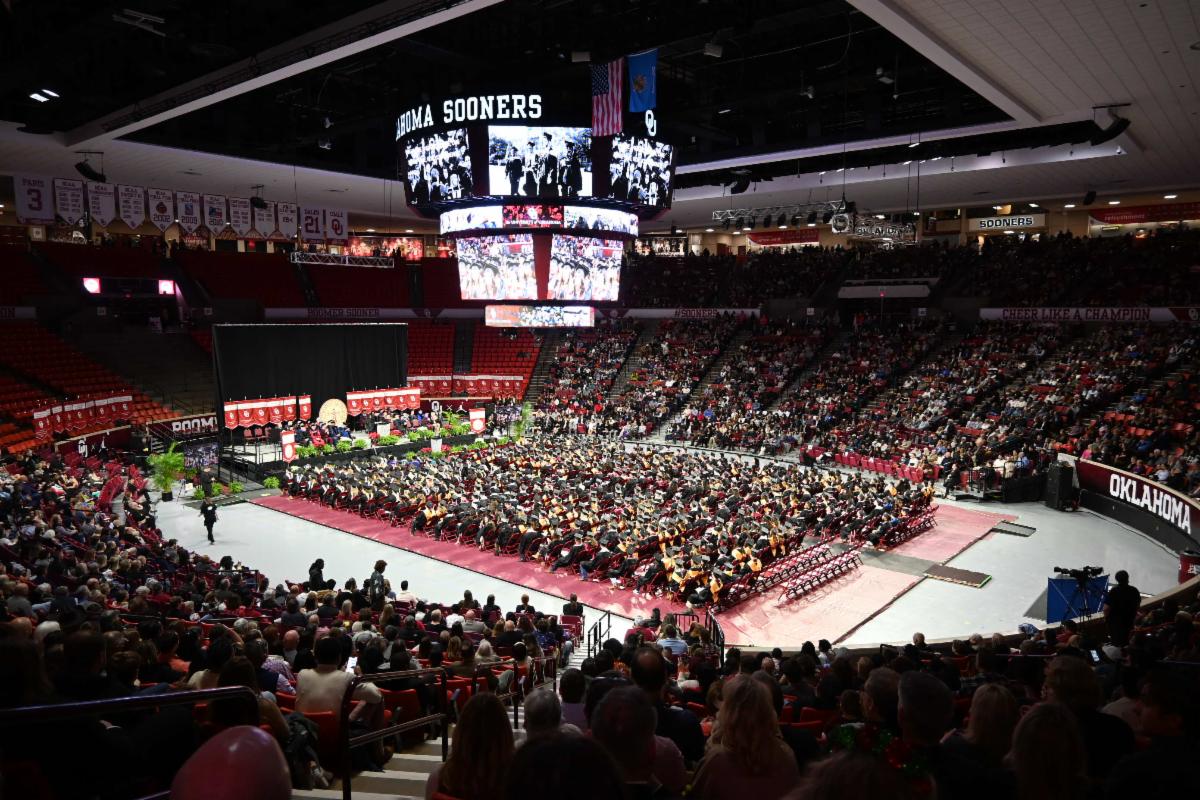
This year, the Dodge Family College of Arts and Sciences will celebrate the achievements of our graduating students on Saturday, May 13, at the Lloyd Noble Center. We will have two ceremonies, which will begin at 4 p.m. with the Humanities and Natural Sciences Convocation. The Dodge Family College of Arts and Sciences Convocation for Professional Programs and Social Sciences will begin at 7:30 p.m. For more information and a list of majors that fall within each group click here.
| |
FACULTY AND DEPARTMENT NEWS | |
|
The college congratulates Michael Snyder, assistant teaching professor in English, whose recently published book James Purdy: Life of a Contrarian Writer (Oxford University Press) was longlisted for the Best Books of 2022 by The New Yorker. Art Fuse also listed it among their best of 2022. This is the first full-length biography of the gay American novelist, story writer, playwright and poet, who was acclaimed by many famous writers, including Langston Hughes, Tennessee Williams and Jonathan Franzen. Snyder spent over a decade plumbing the mysteries of Purdy's career and personal life, including interviews with those who knew him. Conveying the potency and influence of Purdy's fierce artistic integrity, vision and self-definition as a truth-teller, this groundbreaking literary biography recovers the life of a highly talented writer with a persistent cult following. The book has been reviewed by Jon Michaud of The New Yorker and Matthew Sadler for The Los Angeles Review of Books, among others. This is the third book by Snyder, who also wrote Our Osage Hills, which includes lost early work by John Joseph Mathews (Lehigh University Press, 2020, paperback, 2022) and John Joseph Mathews: Life of an Osage Writer (University of Oklahoma Press, 2017, paperback 2018), which was a finalist for the Oklahoma Book Award in nonfiction.
| |
Jiqun Liu, Ph.D., assistant professor of data science in the School of Library and Information Studies and adjunct assistant professor in the Department of Psychology, has authored a research book titled “A Behavioral Economics Approach to Interactive Information Retrieval: Understanding and Supporting Boundedly Rational Users,” currently in production with Springer Nature. As part of his ongoing National Science Foundation project, Liu’s book brings together insights from information seeking and retrieval, cognitive psychology and behavioral economics and shows how this new interdisciplinary approach can advance knowledge about users interacting with diverse search systems, especially their seemingly irrational decisions and anomalies that could not be predicted by most normative computational models. READ MORE
| |
|
This semester, Alan Levenson (Schusterman Center for Judaic and Israel Studies director) and Yael Lavender-Smith (Price College of Business) were awarded a Presidential Dream Course for their class on The Artist’s Bible: From Mosaics to Graphic Novels. The Presidential Dream Course program, founded in 2004 by former OU President David L. Boren, enables faculty to bring scholars and world-renowned experts to campus to interact with OU students and give public lectures to the local community. This course will guide students in exploring major events, characters and themes presented in the Bible as expressed in the visual arts. Examples used in this course will be taken from a variety of mediums such as mosaics, painting, architecture, sculpture and graphic novels. This course will make its way through the books of the Bible and an overview of the artistic tradition, focusing primarily on western visual arts, with comparative examples drawn from the Middle East. A series of four public lectures on biblical art will be held during the spring semester at the Fred Jones Jr. Museum of Art.
Dates, Lectures and Speakers
· Feb. 2, 5 p.m. | “Biblical Narrative and Interiority in Early Netherlandish Carved Altarpieces,” with Lynn Jacobs (University of Arkansas)
· Feb. 21, 5 p.m. | “Rembrandt’s Empathy: A Personal Response to Biblical Narratives,” with Ann Jensen Adams (University of California, Santa Barbara)
· March 30, 5 p.m. | “Rembrandt and the Rabbi,” with Steven Nadler (University of Wisconsin-Madison)
· April 27, 5 p.m. | “Archie Rand: When Comics Meet the Bible,” with Samantha Baskind (Cleveland State University)
| |
|
The college congratulates Dustin Tahmahkera on his full-length play, which was one of four projects selected for commission by the theatres that comprise the Generation Now partnership, and the sole selection by Native Voices of the Autry. Generation Now brings together five theatres across the nation to develop new works by both established and emerging BIPOC artists for multigenerational audiences. All commissions will receive at least two developmental workshops at the co-commissioning theatres. The goal of the partnership is to expand the canon of work produced and create a model of transformative partnership for the theatre field. Tahmahkera’s Comanche Girl on the Moon was co-commissioned by Native Voices at the Autry and Children’s Theatre Company. The play follows an imaginative but insecure Comanche girl, Petu, who discovers her late grandmother’s rocket ship in Oklahoma. It will be available for licensing with Plays for New Audiences post-production. READ MORE
| |
|
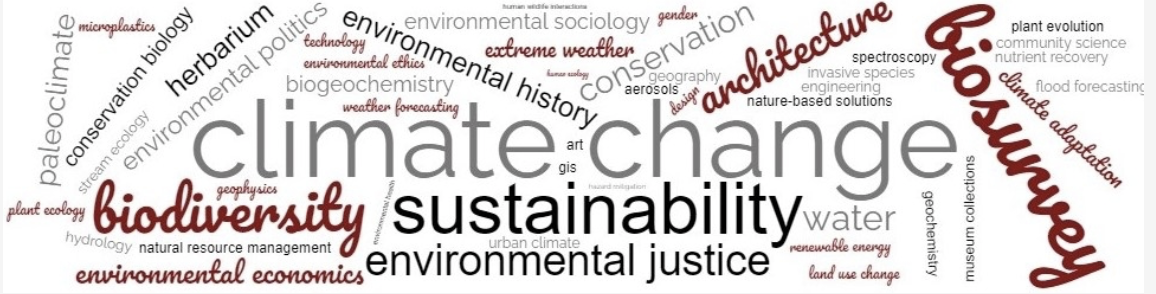
The college’s Environmental Studies program has assembled a directory of OU faculty and researchers who work on topics related to the environment. The directory is posted on the Environmental Studies website.
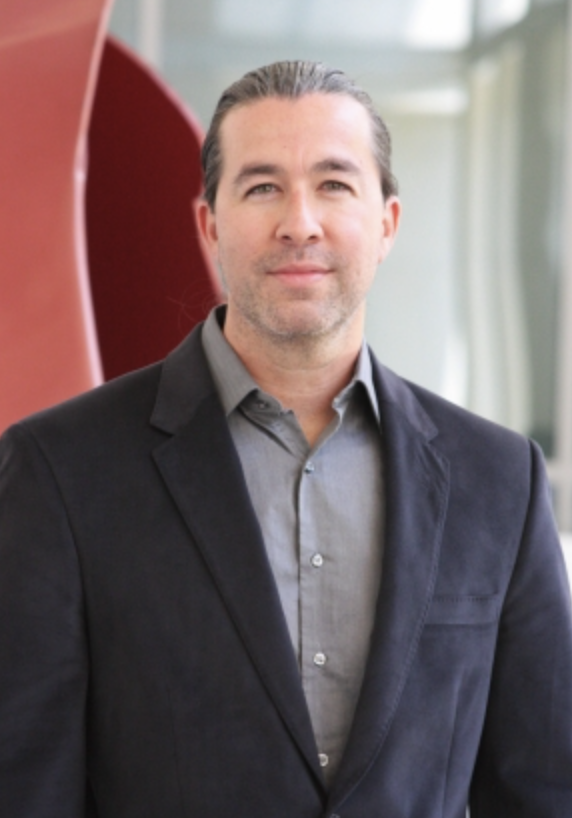
“There is amazing work being done on the environment in many programs at OU,” said David Wrobel, dean of the Dodge Family College of Arts and Sciences. “Environmental Studies’ interdisciplinary approach allows it to serve as a gateway to OU’s wealth of opportunities in this area, and the program’s new directory will help students find teachers, and researchers find collaborators.”
The directory includes people from across campus, not just in the college. It lists their department, college and research interests, and includes links to individual web pages. It is searchable by keyword, so users can find people working on a particular topic and learn more about them.
Environmental Studies program director Zev Trachtenberg noted OU’s environmental community is constantly growing and changing. The directory will be a work in progress, and corrections and additions to the directory can be sent to the Environmental Studies Program at environmentalstudies@ou.edu.
| |
|
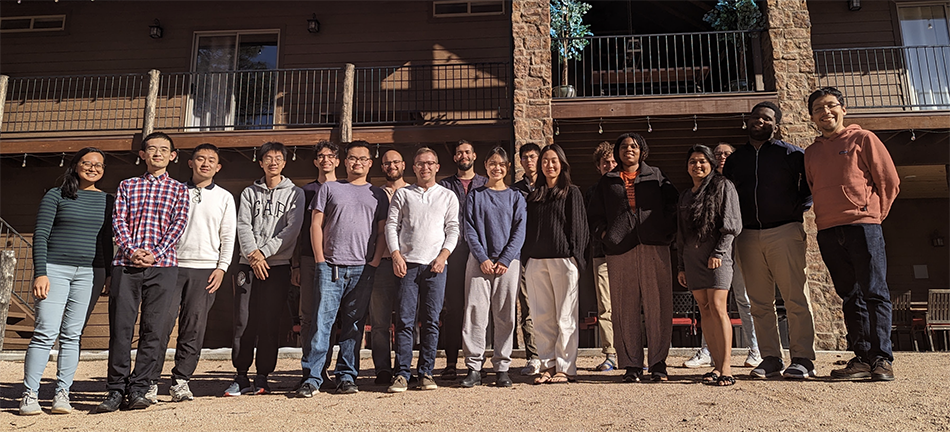
During the winter break, mathematicians Nicholas Miller (University of Oklahoma), Michelle Chu (University of Minnesota) and Franco Vargas-Pallete (Yale University) organized a Log Cabin Workshop titled “Surfaces in 3-manifolds,” which was held in early January on the outskirts of Tonto National Forest near Young, Arizona. This workshop was sponsored entirely by the National Science Foundation CAREER Grant of Anadarko Petroleum Corporation Presidential Professor Jing Tao in the DFCAS David and Judi Proctor Department of Mathematics. Historically, log cabin workshops originated with the NSF-sponsored GEAR (geometric structures and representation varieties) research network.
These workshops were typically organized by, and for the benefit of, early career mathematicians with the goal of creating an immersive experience for participants to learn about a topic at the cutting edge of research, while simultaneously fostering an atmosphere of camaraderie and inclusivity. Logistically, this meant attendees would meet in a remote location, typically a log cabin, for the weeklong workshop, which included learning lectures throughout the day and conversations and group activities at night.
The workshop run by Chu, Miller and Vargas-Pallete was modeled after this format. Several months before the workshop, participants were split into smaller groups tasked with the goal of explaining one of a handful of novel results about surfaces in 3-manifolds. In early January, the retreat's 19 attendees met in a large cabin for an intensive week of learning and professional development, as well as bonding and fun. Over the course of the week, each person gave one of a series of lectures their group had prepared, with breaks for discussion, coffee (a necessity) and lunch interspersed throughout the day. There were also career development panels run by the organizers mixed into the daytime activities. In the evening, rotating food groups prepared dinner for the group, and afterward, the participants conversed about various topics, both mathematical or otherwise, played games and even sang karaoke. In fact, one of the main reasons for having a retreat-style workshop like the Log Cabin Workshop was to foster the latter informal conversations throughout the day; this provides a relaxed venue for people to get to know each other as well as be able to bring new and interesting ideas to their peers in a low-stakes environment. Over the course of the week, it was evident to the organizers this kind of interaction helped build community, a central focus of the workshop, not just for the week of the retreat, but a lasting support system that will be usable by the participants going forward in their careers.
The workshop organizers are hopeful that the activities of the week will propagate and result in future workshops, and that the new connections between the participants will lead to productive collaborations among this next generation of young mathematicians.
Special thanks to Nicholas Miller, assistant professor mathematics, for submitting this story.
| |
|
University Libraries’ Alternative Textbook Grant applications are open Tuesday, January 17 through March 6. Successful applicants can receive up to $2,500 to help reduce the cost of course materials for students by adopting, remixing, or creating openly licensed course materials. DFCAS instructors are eligible for supplemental funds provided by the DFCAS dean. All OU-Norman instructors are eligible to apply. The grants are designed to encourage instructors to adopt open educational resources and other no-cost course materials to ease students’ financial burden. By using OER, instructors have the power to customize content specifically for their courses. Now in its ninth grant cycle, ATG grants have helped save OU students millions of dollars in textbook costs in DFCAS courses in chemistry, modern languages, math, political science, biology, economics, social work, physics, health and exercise sciences, English, sociology, history and communication. Learn more and apply at the Alternative Textbook Grant guide or email Morgan Briles, open educational resources librarian, with questions.
| |
|
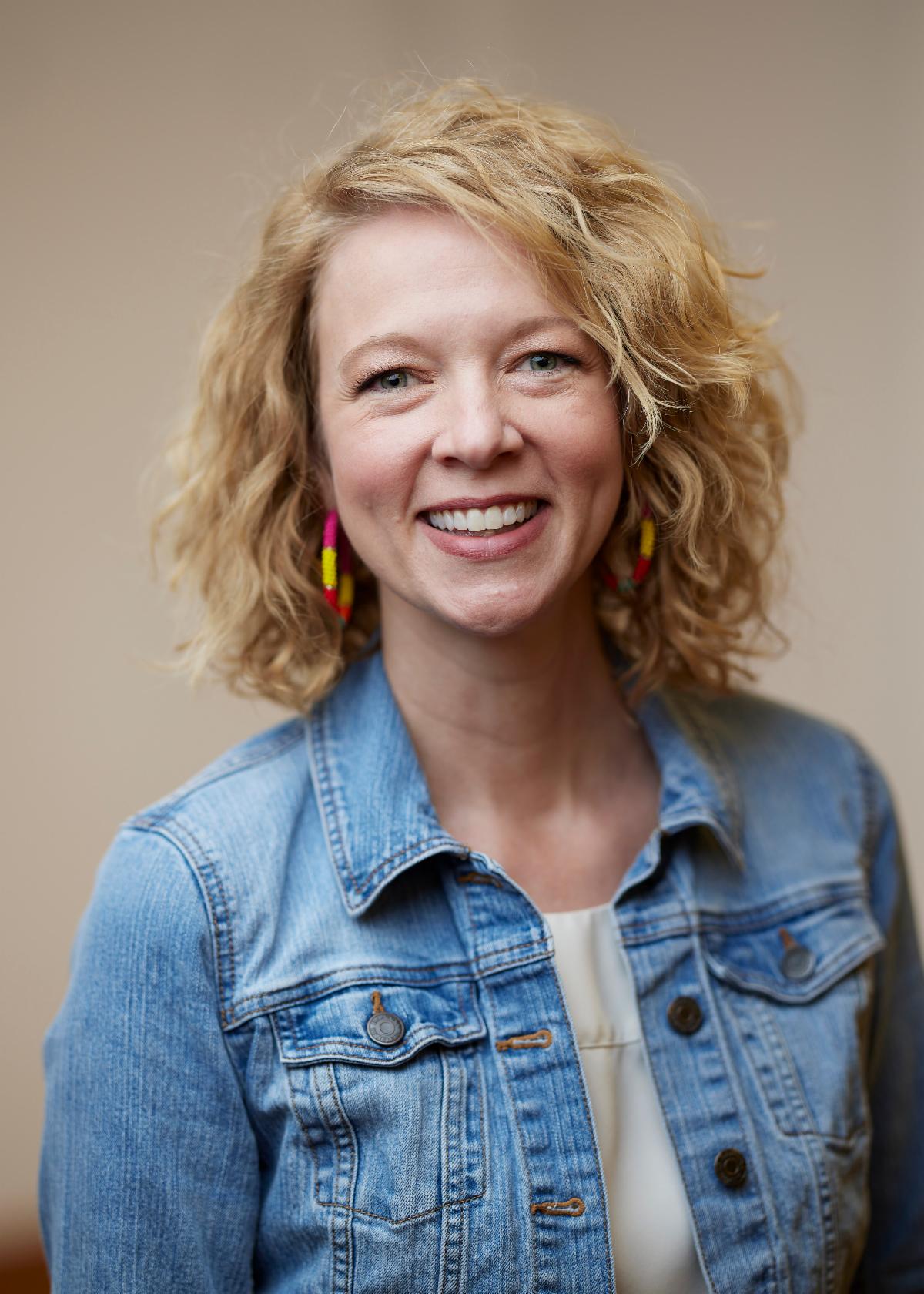
MEET ALISON BAKER
Alison Baker has been a part of the University of Oklahoma community for nearly 20 years. Recently, she made the transition to the Dodge Family College of Arts and Sciences, where she is now the endowed funds manager for the college. The intent of her role is to manage and administer the college-wide use of foundation funds. In doing so, she develops and manages the short-range, long-range and strategic goals for the financial administration of donor funding and provides oversight of departmental expenditures and advising on proper stewardship. Additionally, she plans and coordinates annual programs funded by the college endowment focused on research and student scholarships.
Baker joined the university in 2006 as a development officer for the Sam Noble Museum of Natural History. She then transitioned to the scholarship office, where she spent nine years as a director responsible for the need-based scholarship operations at OU. Most recently, she served as the director of bursar operations, where she oversaw student billing, charges, payments and departmental deposits.
Why did you choose to work for the Dodge Family College of Arts and Sciences?
“I’ve worked at the university for 20 years and have never worked on the college side of things; I have always been on the central area side. This job just sounded so fun, and I wanted a new challenge. The leadership in the college is also fantastic and I wanted the opportunity to work with Dean (David) Wrobel and Heather Todd (executive director of operations).
What is something that students and colleagues should know about you?
“I love to learn how things work; that’s probably why I’ve been at the university for so long. I enjoy being hands-on with my work and love learning new processes.”
What do you hope to accomplish during your time working at OU?
“I really want to make people’s lives easier. I think that is why a lot of people love to work at the university. I want to help students by making processes more efficient, and when I leave the university, I want to have made a difference.”
What do you enjoy most about working at OU?
“I love working on different teams and being able to connect with all different people across campus. There are so many different projects to work on, and I enjoy working with people to propel their success.”
What hobbies do you enjoy outside of work?
“I love spending time with my husband, who also works on campus, and our two children. We enjoy camping and traveling, and I also love gardening.”
| |
|
BRENDA D. SMITH – OKLAHOMA BIOLOGICAL SURVEY
$63,974.02 STATE OF OKLAHOMA, WILDLIFE CONSERVATION DEPARTMENT
INVESTIGATIONS INTO THE LIFE HISTORY AND ECOLOGY OF THE FROSTED ELFIN SUBSPECIES (CALLOPHRYS IRUS HADROS)
Funding was obtained to continue research with the Frosted Elfin (Callophrys irus), a butterfly being considered for listing under the Endangered Species Act. This species is of conservation concern in North America due to recent precipitous population decline. Its geographic range includes the eastern half of the United States, but it has been considered rare or at best locally uncommon where found. The hadros subspecies is regionally endemic, living only in southeastern Oklahoma and adjacent areas in Texas, Louisiana and Arkansas. A team of researchers from OU, East Central University and Hendrix College will continue to investigate the distribution, conservation status, life history, and ecology of this butterfly during the spring of 2023. For further information, see the Oklahoma Frosted Elfin Project website.
MANAGEMENT AND CAVE PROTECTION FOR FEDERALLY-LISTED BATS AND CO-OCCURRING STYGOBITIC FAUNA IN OKLAHOMA
Human disturbance of caves is highly problematic for obligate cave-dwelling bats and other species. This 20-year project has investigated, monitored and protected bats of conservation concern, such as the regionally endemic Ozark Big-eared Bat (Corynorhinus townsendii ingens) and two federally listed endangered species, the Gray Bat (Myotis grisescens) and Northern Long-eared Bat (Myotis septentrionalis). Other project activities include surveying stygobitic (subterranean groundwater obligate) species and delineating biologically important subterranean systems, including historical localities of the Ozark Cavefish (Amblyopsis rosae) and crayfish species endemic to Oklahoma. This project was led, until recently, by Jeremy Ross and includes teams from Rogers State University and the Center for Conservation and Research at the San Antonio Zoo.
| |
|
OU-LED GROUP IMPROVES ABILITY TO IDENTIFY AND STUDY ALGAE SPECIES
Every summer, blue-green algae like Microcystis bloom in Oklahoma’s nutrient-rich reservoirs, lakes and ponds. These blooms create challenges for water quality and health risk management for humans, wildlife and pets. A team of researchers from the University of Oklahoma is leading an effort toward better management of Microcystis blooms and toxins through a new genome-based taxonomy. OU Regents’ Professor of Biology Dave Hambright and members of his Plankton Ecology and Limnology Lab, in conjunction with OU microbiology professor Lee Krumholz, collaborated on this project with faculty members at the University of North Carolina, James Madison University and Auburn University. The results of their work were published in Science Advances. Through the development of a new genome-based taxonomy, researchers for the first time will be able to characterize ecological niches of Microcystis, including nutrient requirements and seasonality, and ultimately, control harmful Microcystis blooms. The team has developed genetic markers that will allow researchers to identify Microcystis species present in water systems. In their paper, the researchers have identified 16 unique species, with as many as 30 or more likely, that are genetically distinct, but that do not correspond to current morphologically defined species. READ MORE
| |
 | Deven E. Carlson, Ph.D., associate professor of political science at the University of Oklahoma and associate director for education at the Institute for Public Policy Research and Analysis, has been listed among the nation’s top 200 most influential education scholars. The 2023 RHSU Edu-Scholar Public Influence Rankings list, released by Education Week, scores each scholar on nine criteria, including Google Scholar ranking, book publications, Amazon rankings, text inclusions in academic syllabi, mentions in newspaper, web, and education-focused articles, Congressional Record mentions and Twitter scores to determine each researcher’s social authority. With more than 20,000 university-based faculty currently researching education in the United States, inclusion is a major achievement. “Being recognized as a high-impact education scholar is important because it shows that it’s not something relegated to the Ivy League,” Carlson said. “We all set out to improve lives and communities, so it’s nice to have your work recognized as having an impact on your discipline, your field and your community.” Carlson’s research explores the operations of public policies and analyzes their effects on political, social and economic outcomes of interest. Projects he is currently working on include desegregation efforts in North Carolina, the impact of extreme weather on student learning, and school choice policies in Oklahoma and throughout the country. READ MORE | |
|
OU assistant professor of biology Daniel Becker has received a second year of funding through the Scialog: Mitigating Zoonotic Threats initiative sponsored by the Research Corporation for Science Advancement and the U.S. Department of Agriculture. Becker’s team, which includes collaborators with Tulane University and the U.S. Department of Agriculture, is one of seven multidisciplinary teams of early career scientists working on research to address the global threat to human health from animal-borne infectious diseases. “This funding will allow us to expand our studies of zoonotic pathogens in migratory bats and songbirds here in Oklahoma and to test some important hypotheses,” Becker said. Their project is titled “Metagenomic-guided Tests of Zoonotic Pathogen Diversity in Migratory Wildlife.”
| |
|
Feb. 8
Joan Roughgarden, Professor Emerita, Stanford University, will present the Weese Lecture: “Variation in Gender Expression and Sexuality: Implications for Evolutionary Theory” at 7 p.m. at the Sam Noble Museum Kerr Auditorium. Roughgarden earned a Ph.D. in biology from Harvard University in 1971, and taught at Stanford University beginning in 1972, attaining the rank of professor of biology and geophysics. She has published more than 190 papers and eight books, including Evolution’s Rainbow in 2004, which won the 2005 Stonewall Prize for nonfiction from the American Library Association.
Feb. 13
Deadline to enter new course changes not associated with program modifications, certificates or minors into Courseleaf.
Feb. 15
Sabbatical leave reports for Spring 2022 and Fall 2022 (two-semester sabbatical) or Fall 2022 only are due to the Dean’s office.
February 28
Chairs and Directors meeting 10 a.m.
March 1
CASFAM Staff meeting, 9 a.m.
March 1
Deadline to submit Dodge Family College of Arts and Sciences Outstanding Staff Award nominations to Darla Madden.
March 10
Deadline for faculty to email Junior Faculty Summer Fellowship proposals to Terri Smith at terrismith@ou.edu.
March 11
Deadline for faculty to submit Senior Faculty Summer Fellowship proposals to Terri Smith at terrismith@ou.edu.
March 15
Deadline for academic units to submit staff performance evaluations to Darla Madden.
March 28
Chair and Directors meeting, 10 a.m.
March 29
CASFAM Staff meeting, 9 a.m.
March 31
Deadline for academic units to submit to the Dean’s office recommendations for reappointment or non-reappointment to a fourth or subsequent year for tenure-track and ranked-renewable term faculty.
March 31
Deadline for academic units to submit to the Dean’s office recommendations for contract renewal or non-contract renewal for renewable term faculty.
March 31
Deadline for academic unit Committees A to submit chair/director reappointment or CY’21 chair/director evaluations to the Dean’s office.
March 31
Deadline for chairs/directors to submit reappointment or CY’21 evaluation self-assessments to the Dean’s office.
| |
If you have information or announcements for News & Updates, please submit to the College communication office.
| | | | |