September 2022

Visit our Website

HRI Dogs:

Teddy's Story

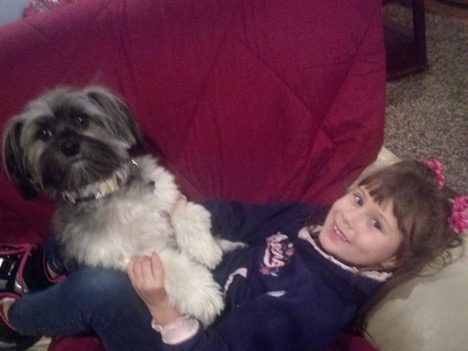
Teddy, a five year old Havanese came into HRI in 2012. He lived in a household with two large dogs and a teenager and was very fearful and anxious. A new baby entered the scene, and the owners dumped Teddy. HRI volunteer Sharisse Medvar-Hulick was chosen to foster him as she did not have other dogs who could frighten him. Teddy was food aggressive, possibly he worried the larger dogs would take his dinner. A professional trainer was hired and she showed Sharisse and her family how to help Teddy overcome his fears and relax in their calm, supportive environment. The family loved him and ultimately Sharisse adopted him. She says he turned into the most perfect dog. He is 15 now.


HRI Volunteer

It's a pleasure to introduce

Sharisse Medvar-Hulick 

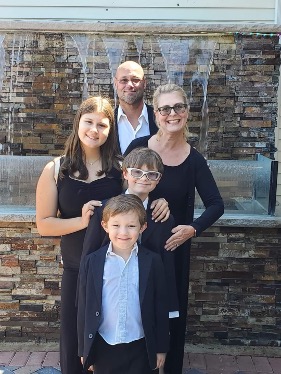
I joined Havanese Rescue in 2012. My sister Stacy was working with the rescue and she fostered and adopted Dash. My husband and I were interested in having a dog, but we were concerned because we had young children. Marissa was six and Christopher was three.


We figured we would try fostering to see if it would work for our family. Teddy was our 1st foster. It was love at first sight. My husband Jay came home from work and took one look at Teddy. He looked at me and said: he's staying. Teddy has overcome his fear and food aggression issues and is just an all-around wonderful dog.


Then in 2019, we adopted our youngest son, then age 5. He knows he is adopted. He knows Teddy was also adopted. Then when we adopted another foster dog, Benji, we had an actual adoption ceremony and a celebration.  ❤️

We think we now have the perfect family.


We follow several recommendations when we introduce the dogs to our children.

· Children get excited so we told them that the rescue dogs are sometimes skittish. We asked them to keep calm and told them not to pick up the dogs.


·We ask that they always allow the dogs to come to them, never chase them!


·We also set up a plan as to who would walk, feed, and brush the dogs.


·I always stress to the kids to promote good dog behavior with love and treats.


·We provide lots of positive reinforcement.


·I don't allow the kids to over-excite the dogs or allow them to let the dog mouth or jump. We offer toys as a substitute, or we give them a treat, another activity, or a puzzle. 


In addition to fostering and adopting Teddy and Benji, we have fostered and found forever homes for Amber & Onyx, Bentley, Tibby & Sybil, Jojo & Liberty, and Ariel.


We have loved them all and feel lucky to be part of HRI, it is an amazing organization.


HRI Information

Kids and Dogs


From Mary Richling HRI Intake Committee: For the months of April, May, and June of 2022, we had a total of 53 inquiries to Intake of people wanting to re-home their dogs. Of those, 21 were refused due to aggression so that's an alarming fact! Many times, families indicated the dog was purchased as a young couple and issues began as they had children, or another typical scenario was when older couples started having grandchildren visit and their dogs weren't used to dealing with children.


It is recommended families prepare their dogs for dealing with kids by seeking out a Family Paws trainer Family Paws Website. They provide tips and resources for helping dogs adjust to young children and ways to teach kids how to safely interact with dogs.


According to a study from the Center For Disease Control (CDC)1approximately 4.5 million dog bites occur in the United States each year, and 800,000 of those bites result in medical care.


Dog bites suffered by young children are often inflicted by the family dog. Such incidents frequently occur despite the presence of an adult. A survey of dog owners shows that people underestimate risky situations involving the family dog. University of Veterinary Medicine -- Vienna


Every year more companion animals are euthanized for behavioral reasons than for all medical reasons combined.

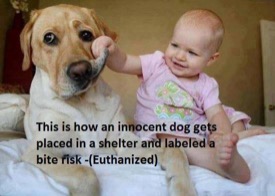
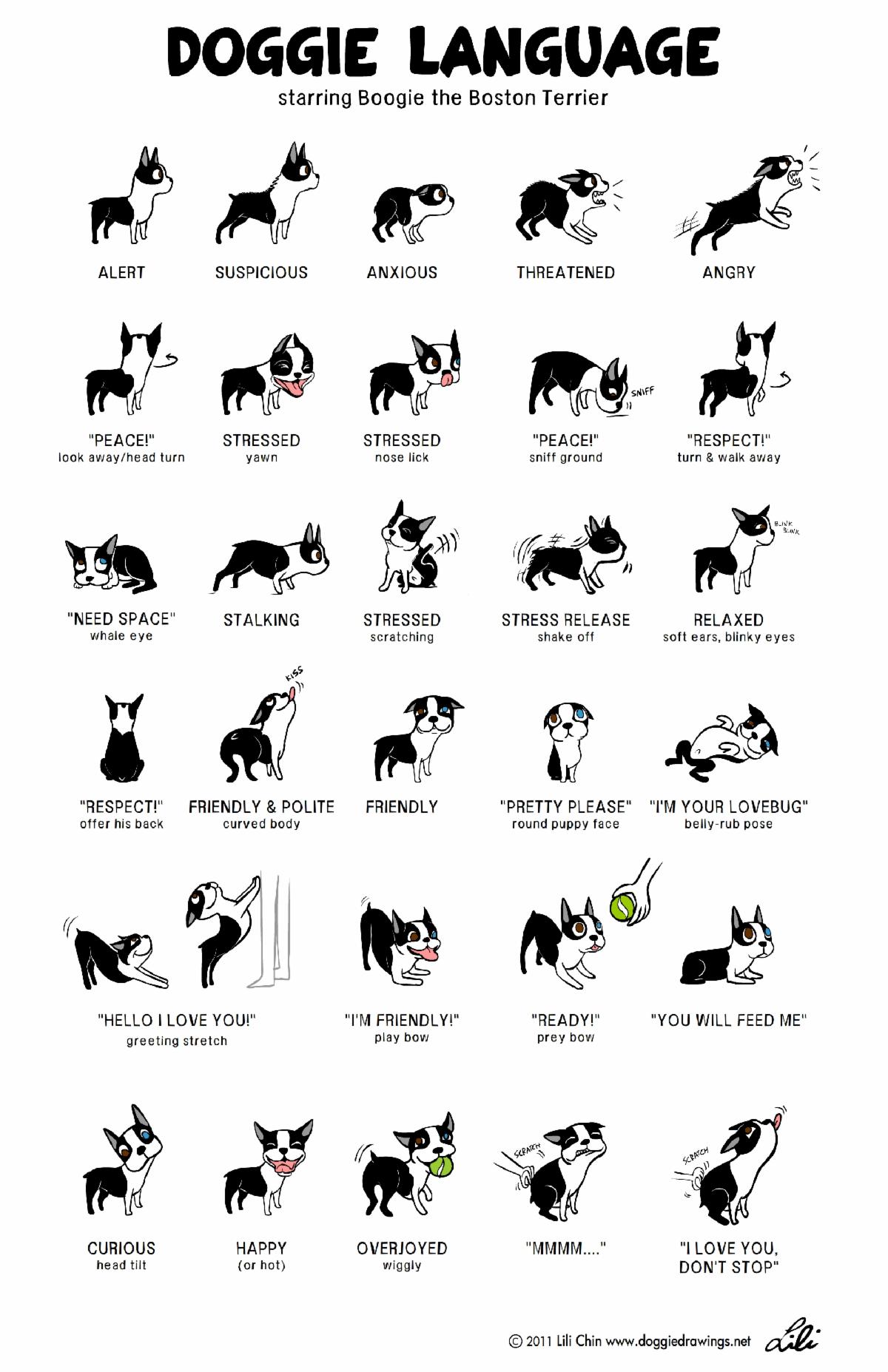
The picture above is not kind, cute, or safe and shows very poor supervision. Look at the dog’s eyes: (see ‘whale eye’), very uncomfortable.

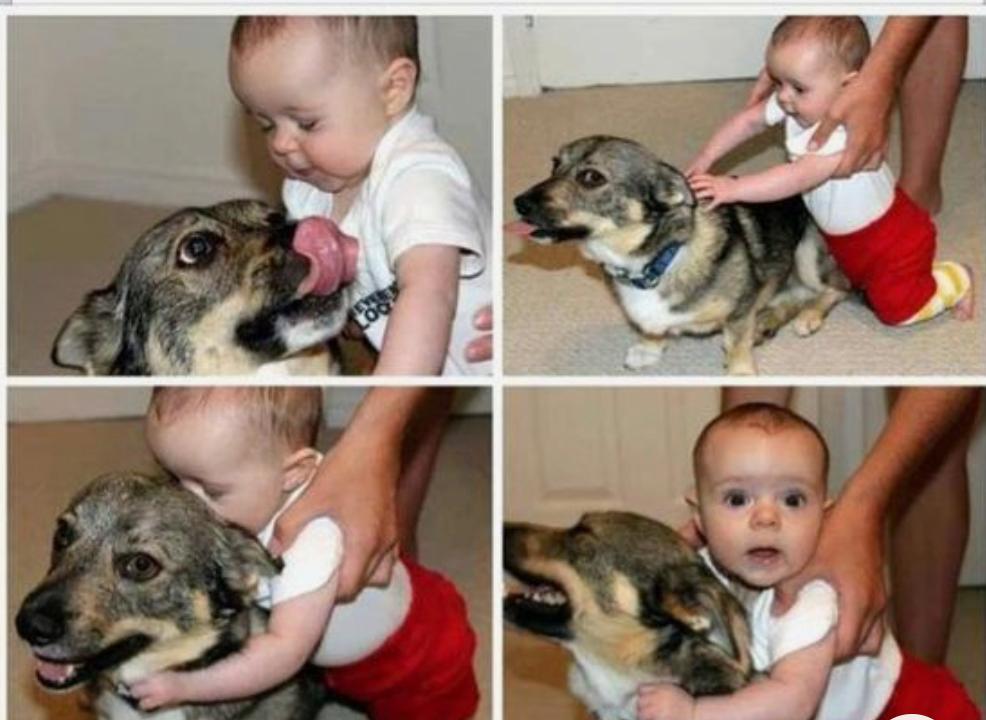
The dog above is not enjoying this situation.

1- Licking the lips.

2- Showing the whites of his eyes.

3- Panting when not overheated.

4- Turning his head away.


Psychologists investigating how children and parents perceive and interpret dogs' body language distress or anxiety, found that both groups significantly underestimate and misinterpret the way that dogs display distress.


Small children are not yet capable of understanding that a dog does not always want to be touched and followed everywhere it goes. If the dog feels harassed by the child or restricted in its freedom, it will communicate this through body language. Small children have difficulties interpreting this behavior. Even a growling dog or one baring its teeth is often described by children as smiling

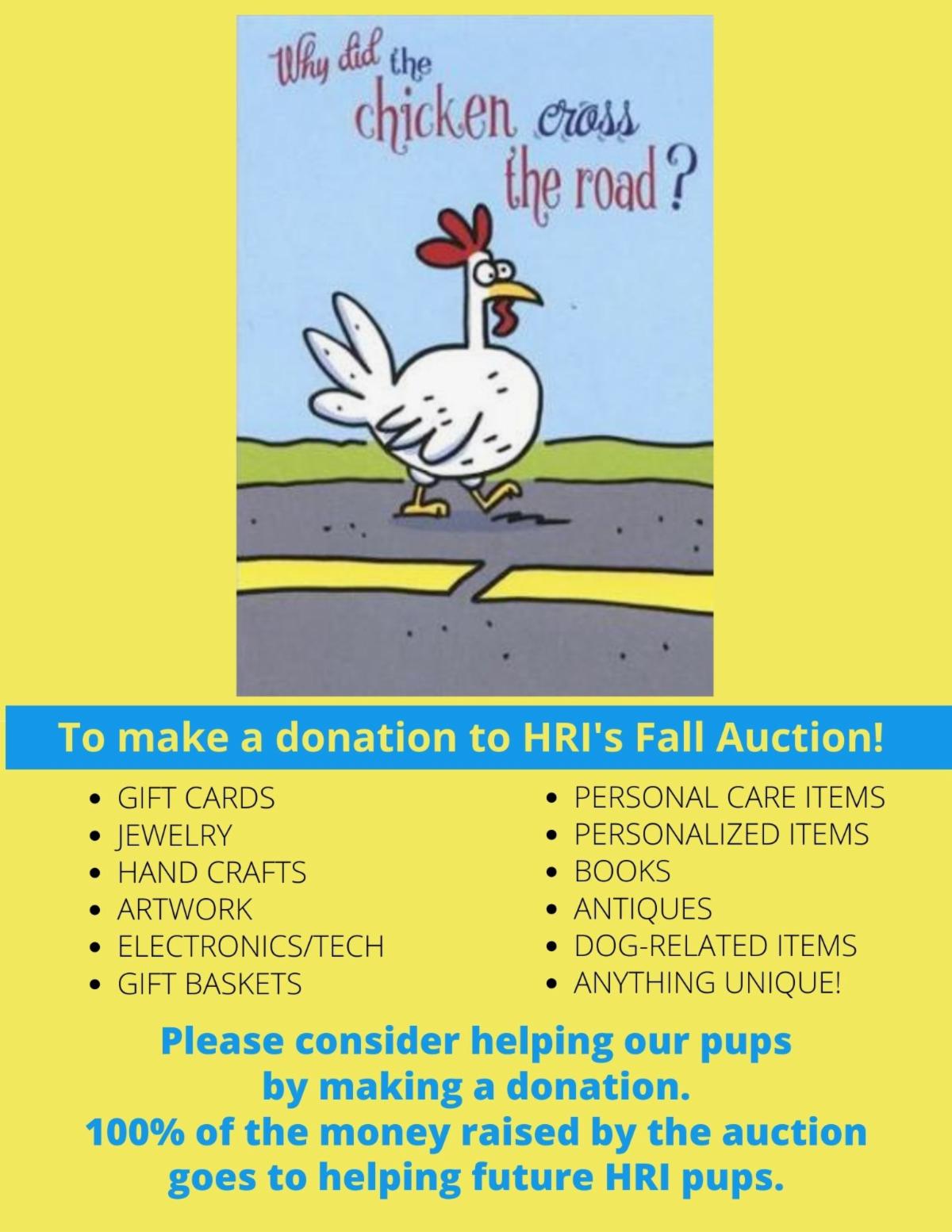
CLICK HERE TO SEND EMAIL ABOUT AUCTION DONATION!
CONTACT INFORMATION LINKS
Do not "reply" to this bulletin
Choose an appropriate contact below.
Click to request assistance for a dog needing rescue.
Click to complete adoption application
 Click to volunteer with Havanese Rescue.

Click if you have a question or suggestion for this newsletter.
Newsletter Staff
Editor - Joan Ambrose, Past President
Production - Jen Jablonski, President
STAY CONNECTED
Facebook  Twitter  Instagram