|
Isometric muscle actions play a pivotal role in sports conditioning and muscle training. Two common modalities for performing IMAs are pushing or pulling against a stable resistance, termed Pulling Isometric Muscle Action (PIMA) and reacting to an external load, known as Holding Isometric Muscle Action (HIMA). A recent study by Dech et al. (2022) explores the nuances between these two modalities.
Understanding HIMA vs. PIMA
1. PIMA: This involves applying force against an immovable object. The athlete initiates the action and tries to shorten the muscle, but the stable resistance keeps the muscle action isometric. It's often termed a "force task" or "restrained task".
2. HIMA: In contrast, HIMA involves holding a position against an external load. Here, the athlete reacts to prevent the muscle from lengthening due to the external load. It's also called a "position task" or "postural task".
Read the Study: Muscle oxygenation and time to task failure of submaximal holding and pulling isometric muscle actions and influence of intermittent voluntary muscle twitches
Research Insights
The primary goal of Dech et al.'s study was to determine whether muscle oxygenation and microvascular blood supply differed between HIMA and PIMA. The researchers also introduced an intermittent voluntary muscle twitch (Twitch) during the weight holding task to see if it changes the character of the isometric muscle action from HIMA to PIMA.
Key Findings:
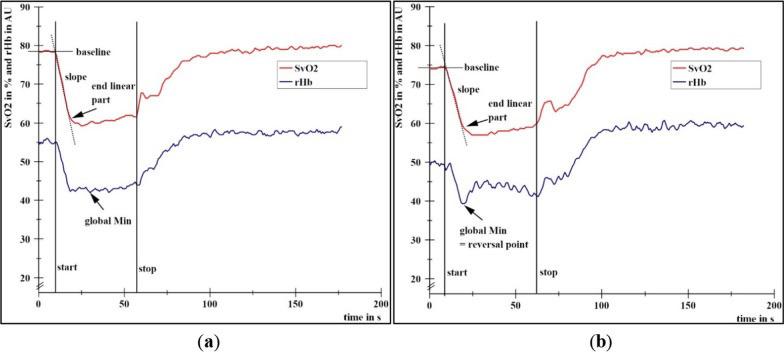
Muscle Oxygenation: Both HIMA and PIMA showed similar muscle oxygenation patterns, suggesting that the microvascular oxygen and blood supply remain consistent across the two modalities.
Time to Task Failure (TTF): TTF was significantly longer in PIMA and Twitch tasks compared to HIMA. This implies that athletes can maintain a pulling or intermittent twitching isometric action for a longer duration than a holding action.
Intermittent Twitching: Introducing voluntary twitches did not necessarily enhance oxygen or blood supply but did extend the TTF. This suggests that occasional muscle contractions during isometric tasks can positively affect endurance.
Broader Implications:
Muscle Behavior: While differentiating HIMA and PIMA, the muscle's behavior in terms of oxygen saturation and hemoglobin amount remains relatively consistent. This is crucial for athletes aiming for muscle endurance.
Twitching Benefit: Introducing short, rapid twitches during HIMA could change the task nature to PIMA, potentially increasing TTF. This can be especially beneficial for sports requiring sustained force application.
Neuromuscular Control: The extension in TTF when introducing twitches suggests that neuromuscular control might vary, indicating potential areas for further research and training enhancements.
Learn More: Are there two forms of isometric muscle action? Results of the experimental study support a distinction between a holding and a pushing isometric muscle function
For athletes and coaches focusing on isometric training, understanding the differences and similarities between HIMA and PIMA is essential. While both actions offer unique benefits, introducing intermittent twitches can improve endurance, potentially offering a competitive edge in sports conditioning. As always, personalized training regimens, based on individual athlete needs and specific sport demands, will yield the best results.
For more information on isometric strength training and its significant impact on functional health and performance, visit our website at www.Isophit.com or reach out to me at brad@isophit.com.
Yours in Isometric Strength,
Brad Thorpe
CEO / Inventor
Isophit
|