Starting 2024 with Safety Insight: Interscan's February Edition
|
|
Hello!
Still writing '2023' instead of '2024' on your documents? You're not alone! As we adjust our internal calendars, the world of gas detection isn't pausing to wait for us to catch up. But enough about dates; let's dive into what truly matters this February in our field.
This edition is loaded with crucial insights— and we're also excited to announce our upcoming webinar, "Advancements In Gas Detection: Strategies for Enhancing Safety and Efficiency in Wastewater Facility Operations," which promises to be a comprehensive session tailored for experts.
This edition focuses on actionable knowledge and safety tips, including a spotlight on hydrogen chloride and an in-depth look at toxic gas detection in semiconductor industries. Plus, there's an essential read on hydrazine gas detection for our aerospace aficionados. It's a compact month, but we're here to ensure you miss nothing vital.
Best regards,
Will Bowden
|
|
- Coming Soon! -
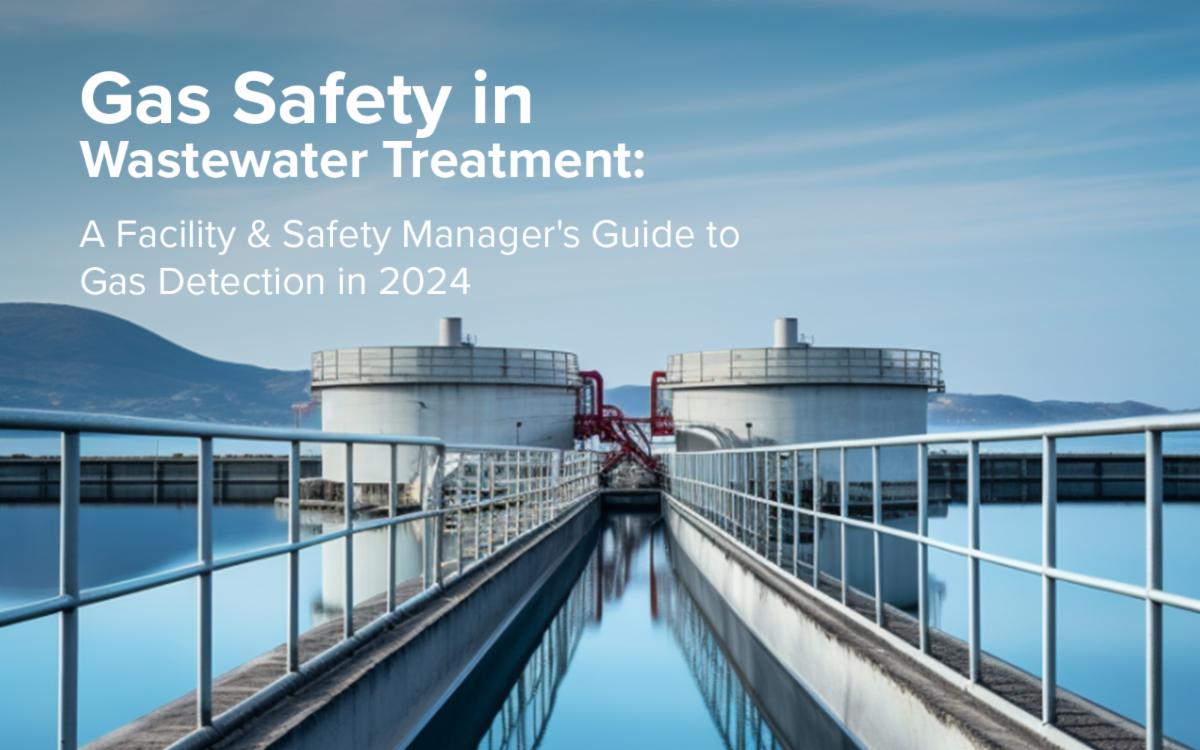
New Webinar: Gas Safety in
Wastewater Treatment
A Facility & Safety Manager's Guide to
Gas Detection in 2024
|
|
Navigating the complexities of safety through gas detection in wastewater treatment facilities is no small feat. That's why we're hosting the webinar Advancements In Gas Detection.
This isn't just another presentation; it's a comprehensive session tailored for the experts. We've simplified complex topics into actionable insights, discussing everything from selecting and maintaining gas detectors to the unique challenges and safety protocols specific to wastewater treatment environments.
Explore these essential topics that impact your facility's safety and compliance:
-
Case Study Overview: Highlighting the financial impact and safety risks for facilities lacking adequate gas detection.
-
Exposure Risks: Exploring dangers like methane explosions and health hazards from H2S.
-
OSHA Compliance: Updates on regulations to avoid fines and ensure worker safety.
-
Detection Technologies: Comparing portable and fixed detectors for every toxic gas.
Wednesday, March 13th
9:00 am PST
|
|
Industry News & Resources |
|
 |
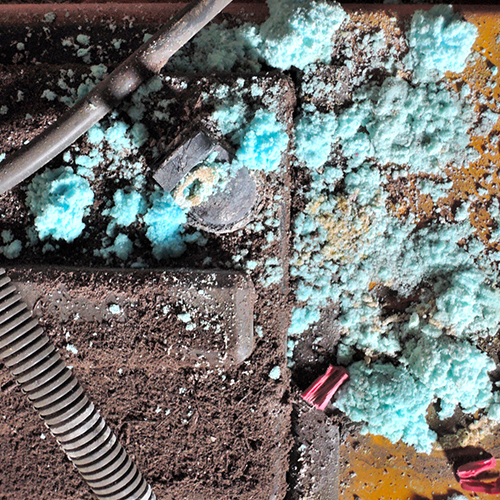
Why is Gas Analysis Important for Battery Systems?
Gas analysis is a critical tool for advancing battery technology, ensuring safety and efficiency by detecting faults early. This is a must-read for those interested in the future of energy storage, offering key insights into preventing battery failures and enhancing performance.
|
|
|
|
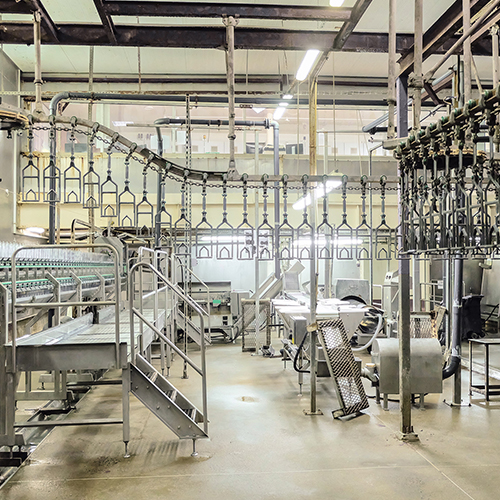
5 Safety Issues That Led to Fatal Liquid Nitrogen Release at Foundation Foods Poultry Plant
This article outlines five safety failures leading to a fatal liquid nitrogen leak at a poultry plant, serving as a crucial case study for industry professionals. Readers seeking to enhance workplace safety and prevent similar incidents will find valuable lessons and insights in the full text.
|
|
|
|
Tradeshow Schedule
Let me know if you plan on attending any of these. l want to meet!
|
|
Oregon Dental Conference
April 4-6
Portland, OR
|
|
HSPA- Healthcare Sterile Processing Association
April 21-23
Las Vegas, NV
|
|
AIHA Connect- American Industrial Hygiene Association
May 20-22
Columbus, OH
|
|
- Enhance Your Gas Knowledge: February Edition -
Gas Insight of the Month
Learn the basics of February's featured gas...
|
|
|
|
Quick Fact: Did you know that hydrogen chloride (HCl), a colorless gas at room temperature, plays a pivotal role in both industrial and laboratory settings? It's widely used in the production of hydrochloric acid, which is essential for various applications ranging from pH regulation to the processing of metals.
Safety Tip: When handling hydrogen chloride, it's critical to implement rigorous safety measures due to its highly corrosive and toxic nature. Ensuring the use of appropriate protective gear, such as gloves and goggles, and maintaining adequate ventilation can significantly reduce the risks of respiratory irritation and chemical burns. It's vital to avoid direct contact and inhalation to ensure a safe working environment.
Typical Industries:
-
Chemical Manufacturing: Used in the synthesis of chlorides, fertilizers, and dyes.
-
Pharmaceuticals: Involved in the production of various medications.
-
Food Industry: Employed in the refinement of food products.
-
Metal Processing: Utilized in pickling and cleaning of metals.
|
|
Latest Articles & Resources |
|
Detecting Common Semiconductor Gases |
|
What does the future hold for safety standards as demand for chips surges?
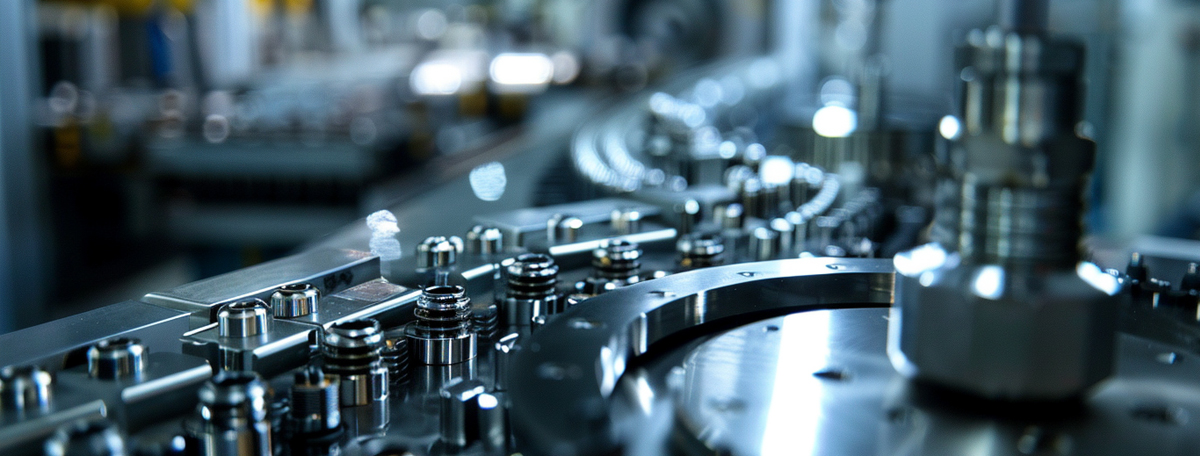
The manufacture of semiconductors relies on specialty gases, but accidental leakage of chemicals like hydrogen fluoride, phosphine, and ozone puts workers at risk. This article outlines safety protocols for handling these hazardous yet necessary substances.
Read on to discover monitoring techniques, training procedures, and protective gear that helps mitigate gas exposure. As semiconductors become integral to vehicles, medical devices, and more, learn how to equip your facility for an expanding industry dependent on delicate chemical processes. Don't let a gas leak catch you off guard - follow protocols that keep staff healthy amid intricate manufacturing. More below.
|
|
Importance of Hydrazine Gas Detection in the Aerospace Industry |
|
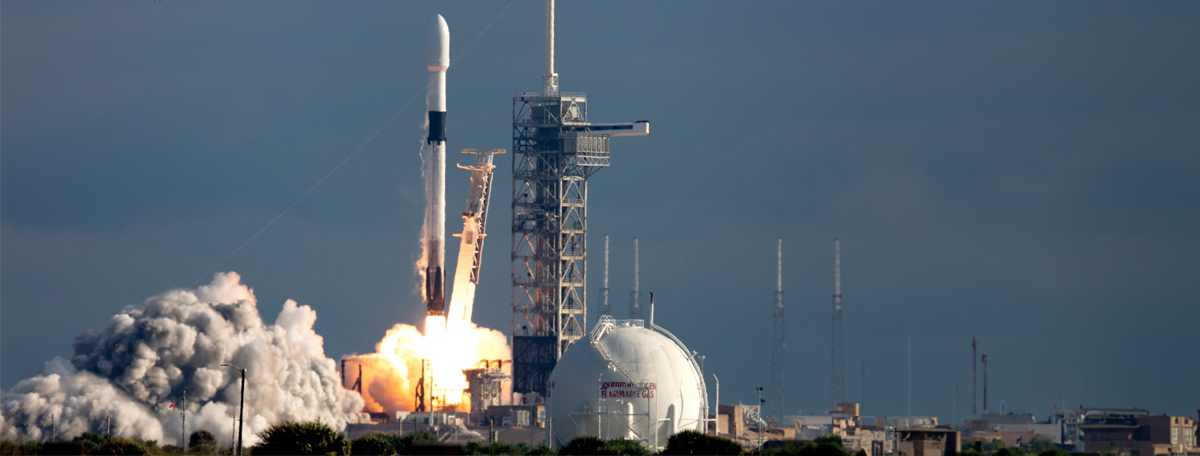
Hydrazine, essential for rocket propulsion and aircraft emergencies, poses a significant but often overlooked risk due to its toxicity and environmental footprint. The stark contrast between its critical role in aerospace and the stringent safety measures required to mitigate its dangers underscores the importance of advanced detection systems. These systems are pivotal in preventing disasters and are capable of swiftly identifying hydrazine leaks to safeguard lives, property, and the planet.
Despite its indispensable use, the quest for safer alternatives continues as the environmental impact of space exploration becomes more apparent. With rocket launches contributing to atmospheric CO2 levels and hydrazine exposure linked to severe health risks, the aerospace industry faces complex challenges. This article explores the vital balance between technological needs and safety protocols, offering insights into the crucial steps and innovations needed to navigate the hazardous yet essential world of hydrazine in aerospace.
|
|
Schedule a call to learn more about our instruments: |
|
Have questions about an instrument you'd like to ask our team? Use the link below to schedule a call with an expert!
Get an overview of functionality, see how the tool can be used in your application, and answer your questions in real time.
Thanks for reading Interscan's monthly newsletter.
|
|
|
|
|
|
|