... ice, at least AFTER the inflammatory phase has settled down. The same goes for immobilisation and anti-inflammatories. Why? Because ice (cold) slows down the healing rate, prolonged immobilisation causes joint degeneration and muscle wasting and anti-inflammatories have been shown to "delay healing in acute ligament, muscle and tendon injuries".
As mentioned in my last blog on "What to do if you get injured", immediately following injury a short period of Protection, Rest, Ice, Compression, Elevation, Referral (PRICER) IS the most effective means of reducing the complications of the bleeding and inflammatory phases of healing, namely those of excessive swelling, excessive tissue breakdown by the immune system and the release of free radicals as part of this process.
However, for soft tissue injuries, using ice and immobilisation should be limited to the first few days following injury. Early active protected (taping, bracing) movement into directions which are pain free and which don't stress the injured tissue has numerous benefits including improving circulation, reducing swelling, accelerating healing and stimulating a better, stronger tissue repair.
Likewise, applying heat (packs, etc.) for 15 minutes hourly (once the acute inflammatory process has settled) is one of the best ways to increase cellular activity and accelerate tissue repair. Heat brings oxygen and nutrient laden blood to an area, thereby optimising nutrient and waste product exchange. Heat also accelerates cellular activity, increasing the rate at which new tissue is laid down.
Heat can be both superficial (heat packs, ray lamps etc.) or deep (ultrasound, short wave therapy etc.) with generally, deeper heat applications being more beneficial with deeper tissue injuries. As with any application of heat, care must be taken to check your skin every 5 minutes to avoid burns.
One of the biggest barriers to healing is excessive swelling which can cause oxygen starvation (hypoxia) to the injured tissue. It follows therefore that reducing swelling and optimising circulation will accelerate tissue healing and repair.
There a number of ways of reducing swelling and improving circulation.
- Not aggravating the injured tissue;
- Keeping the body part elevated above heart level will promote fluid drainage;
- Moving the body part within pain limits enhances the effect of elevation as the contraction of muscles promotes fluid movement;
- Compression garments with pressures ranging from 30 mm Hg to 60 mm Hg;
- Lymphodema massage, a gentle stroking massage that moves fluid back towards the heart;
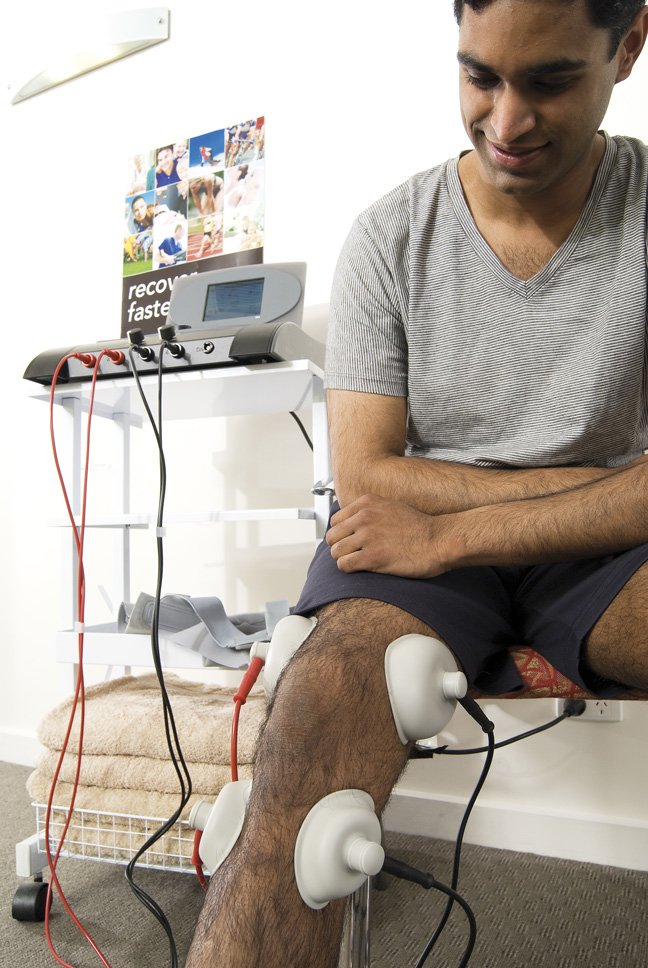
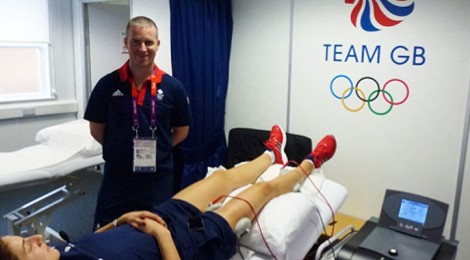
- Bodyflow, a muscle stimulating technology that has been proven to accelerate healing and speed recovery from injury and intense exercise, by reducing swelling and enhancing circulation. It has been used by the English Olympic team as well as many AFL clubs to promote a faster recovery and enable earlier preparation for the next event.
The beauty of this technology is that it is portable, meaning that you are able to apply it to yourself anytime, anywhere.
At Bodywise Health, we have found that by using Bodyflow in the first couple of weeks following an injury, this has translated into faster recovery times from injury, often cutting days and sometimes weeks off normal recovery times.
There is no doubt that there are many things that you can do to assist in your own recovery from injury. And, if performed correctly, they will save you time and money as well as the disappointment of not being able to participate in the activities that you want to do.
Treating an injury earlier and correctly, really does give you "the biggest bang for your buck" in terms of outcomes for effort. You have only one life. Don't spend it on the sidelines any longer than you have to.
I hope that this article helps you achieve a faster recovery from your injury. For more a more in-depth article as well as references, please read
If you are injured and would like to know what is the best and fastest way to get better, please call 1 300 BODYWISE (263 994) for your FREE assessment and advice.
Yours sincerely,
Michael Hall
Director Bodywise Health