 |
Iron & Steel Preservation
|
|

.
|
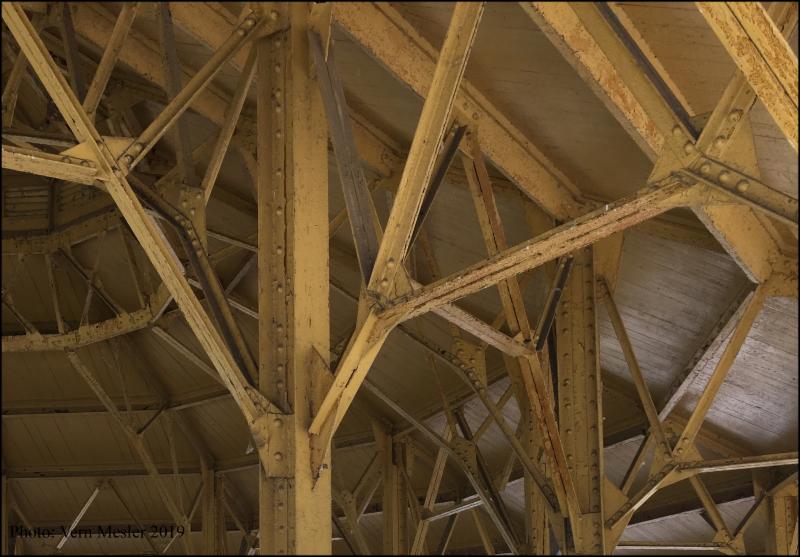
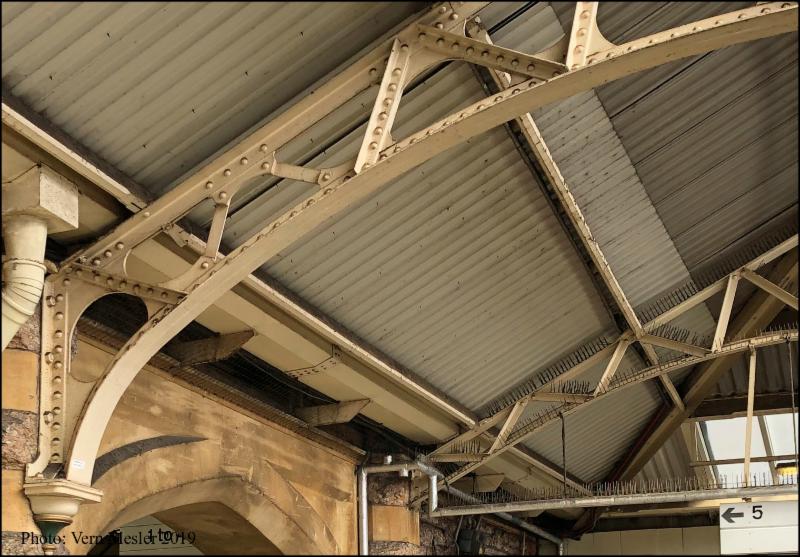
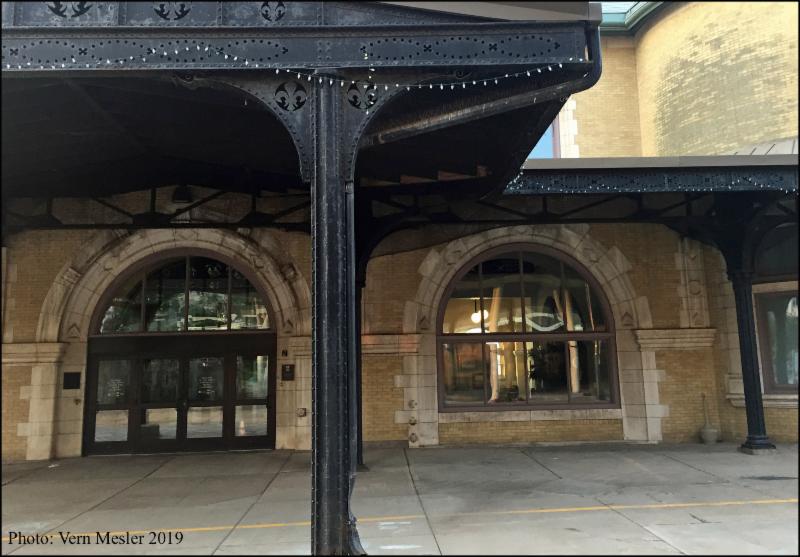
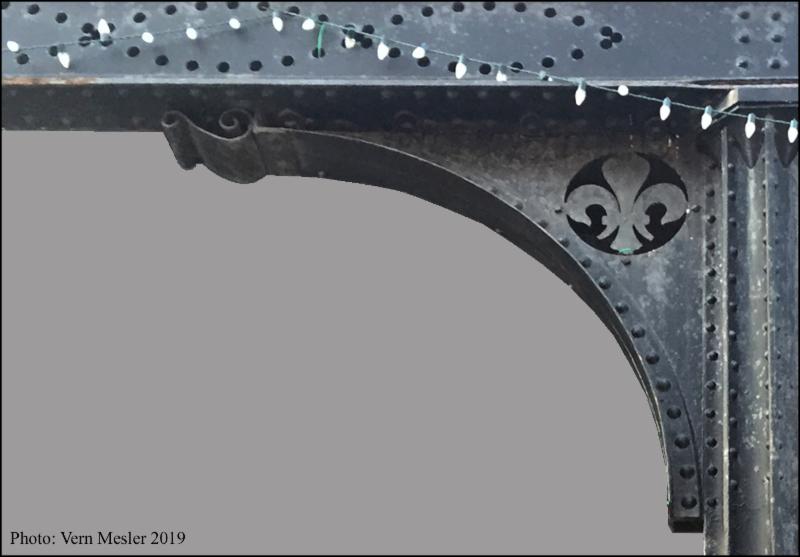
Our travels this spring and summer have taken my wife Nan Jackson and me to historic sites in England, Wales, Northern Michigan, Chicago, Wisconsin, Minnesota, and Pennsylvania to study and learn of craftsmen who fabricated cast iron and riveted structures that remain standing today. Preservation is an important element in maintaining these great structures, and the 2019 Iron & Steel Preservation Conference/Workshop listed below is designed to assist those in preservation to make informed decisions when work is required on historic metal structures. Opportunities also exist for using old techniques in new construction and design.
Vern Mesler
Iron & Steel Preservation Coordinator
Lansing Community College
|
Registration now open: Iron & Steel Preservation Conference, October 18&19, 2019
|
Lloyd Baldwin, Cultural and Historic Resource Coordinator (MDOT)
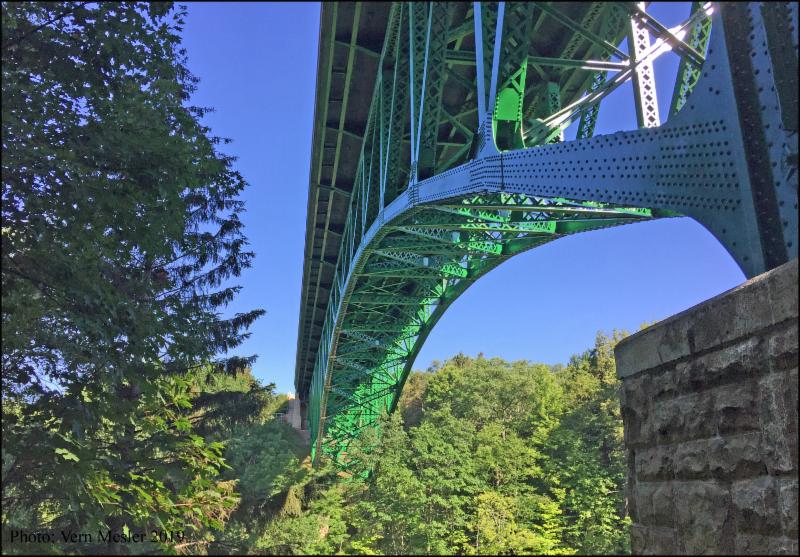
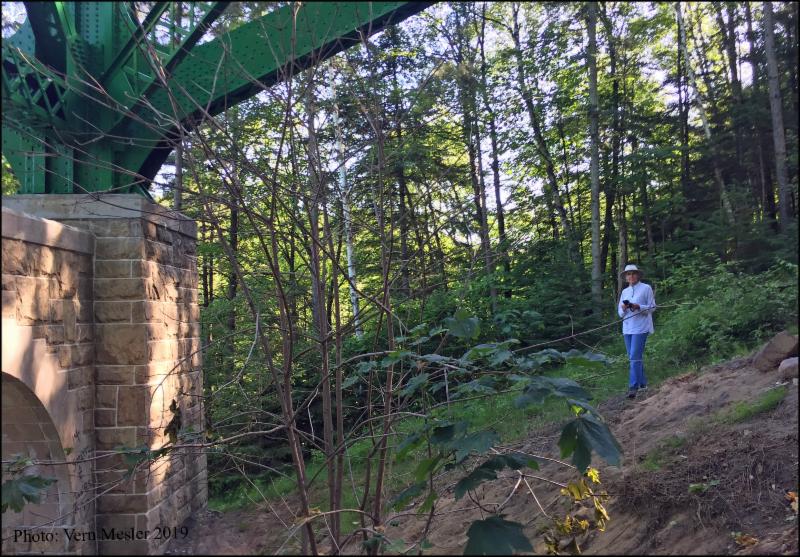
"Cut River Bridge Rehabilitation"
Andrew Zevchak & Mario Quagliata (MDOT)
"Bridge Rehabilitation Design Overview"
Christopher Garrell, PE (AISC)
"Exploiting the Resiliency of Built-up Steel Members"
Robert J. Connor, PhD (Purdue University)
"Research and Evaluation of Pack-out Corrosion in Steel Built-up Members at Purdue University"
Steve Howell, Ballard Forge
"Hydraulic riveting introduction"
Steve Howell and Lansing Community College Staff
"Hydraulic Rivet Demonstration"
Demonstrations and Hands-on Instruction: October 19, 2019
"Welding processes and hot riveting for historic preservation and new construction"
|
Fraser Shipyards, Superior Wisconsin
|
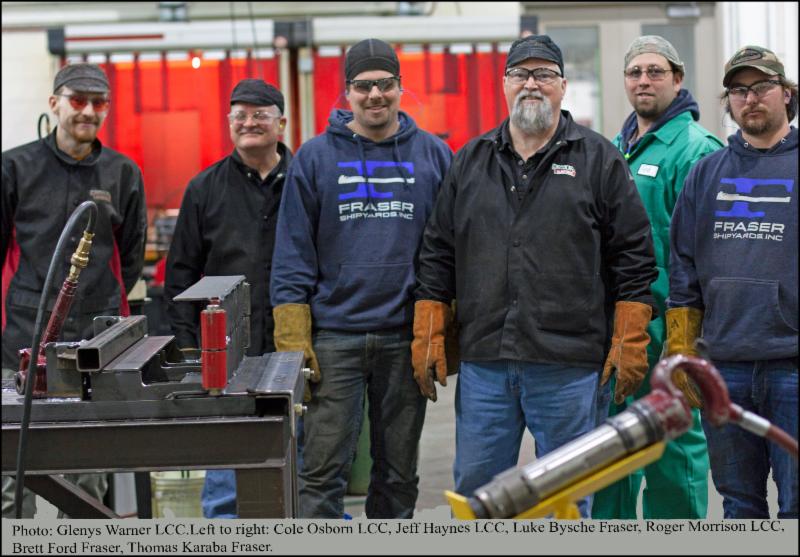
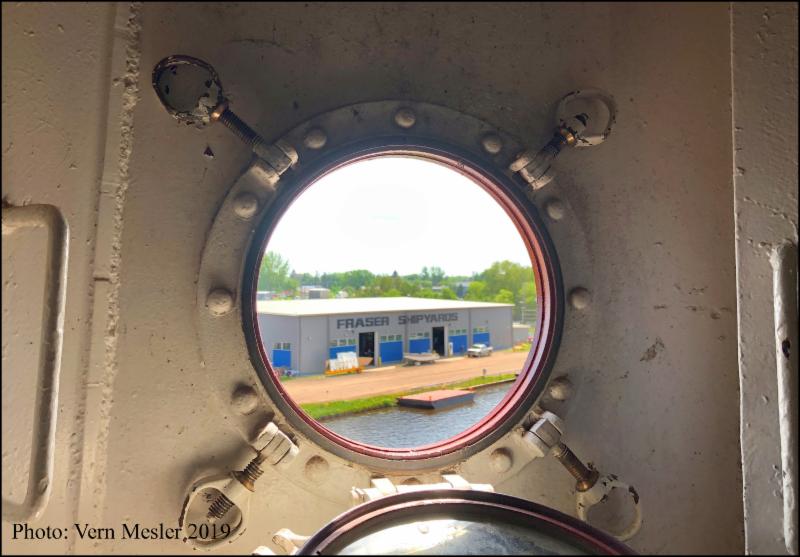
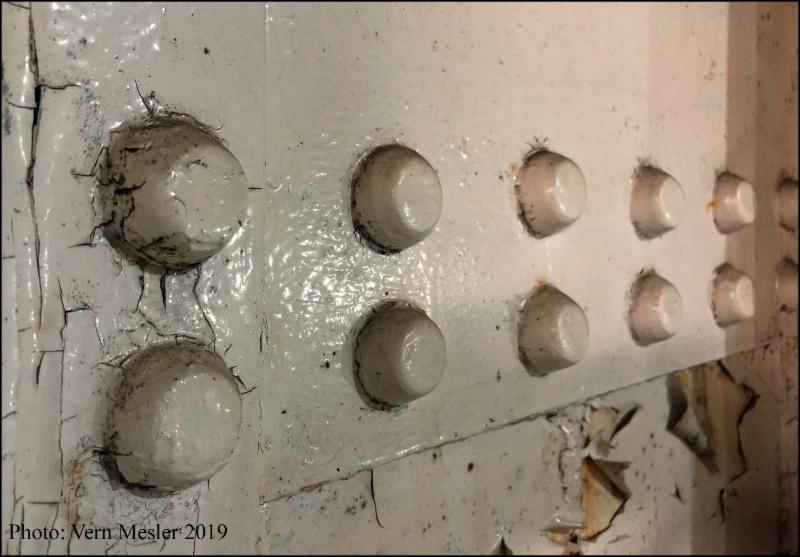
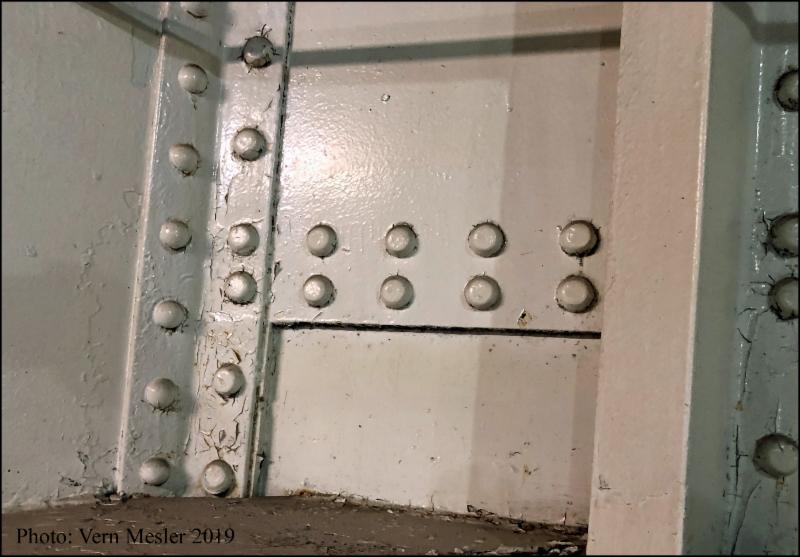
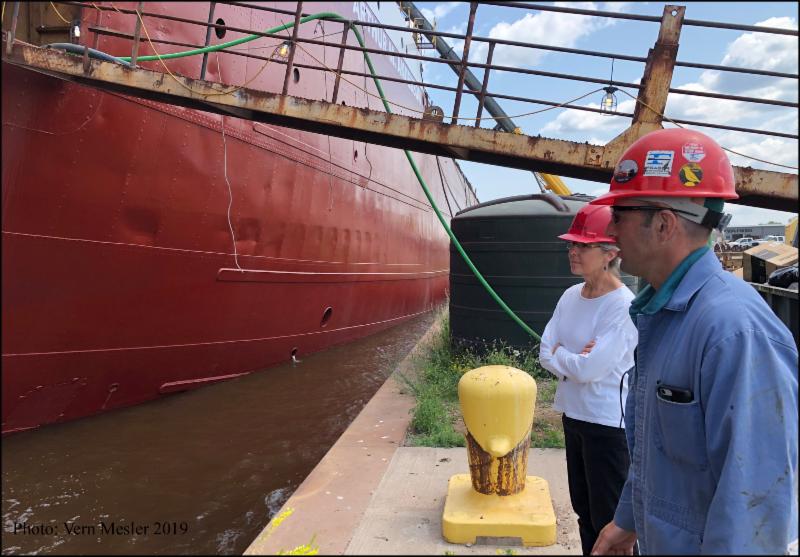
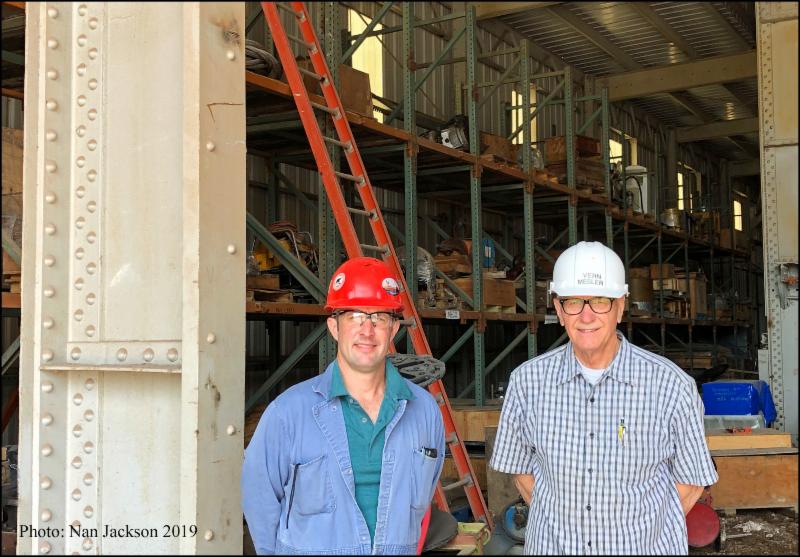
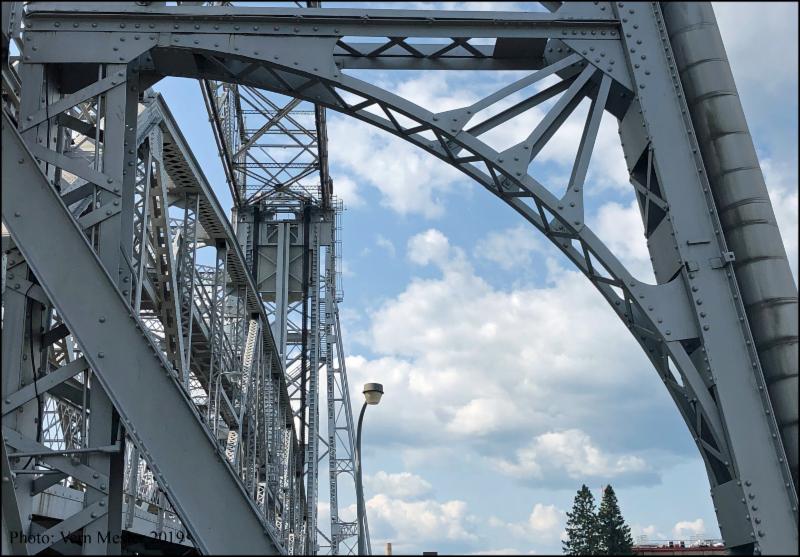
Superior, Wisconsin, and Duluth, Minnesota -- these two cities are separated by an invisible border somewhere in the middle of the St Louis River which flows into Lake Superior, but they are connected with a network of highway, rail, air, and seaway transportation. All this can be seen from the Richard I. Bong Memorial Bridge which spans high above the river, no crumbling industrial infrastructure here. Our purpose for traveling to the far northern reaches of Michigan and Wisconsin and crossing into Minnesota was to tour Fraser Shipyards in Superior and to make a photographic inventory of architectural ironwork in Duluth's Historic Union Depot. LeRoy Kolenda, Fraser Shipyards' General Foreman, extended us an invitation to visit the shipyards and tour the riveted lake boat the Arthur M. Anderson. LeRoy Kolenda has a long history of working on and around ships. Most recently, before joining Fraser Shipyards, he worked for nine years as Port Engineer with the USS Great Lakes Fleet. Earlier in the year Kolenda had arranged for three of Fraser Shipyards' crew members to attend an eight-hour rivet training course at Lansing Community College.
|
Iron Preservation in Carlisle, Pennsylvania
|
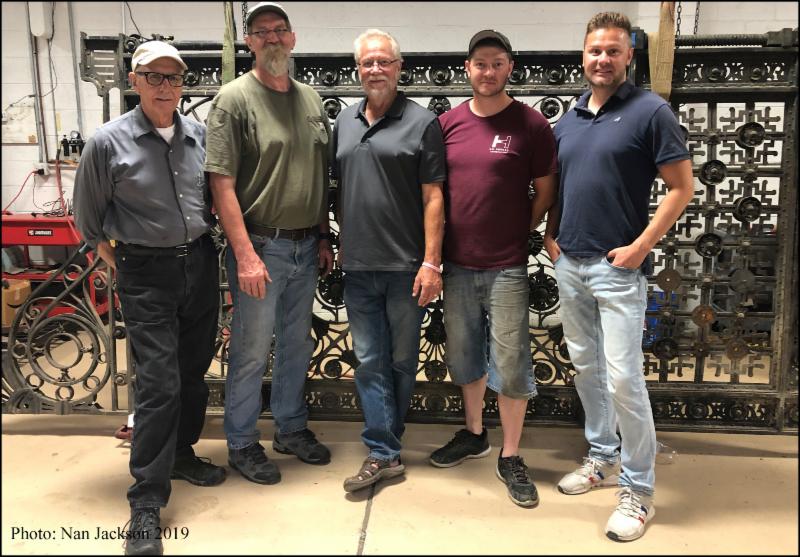
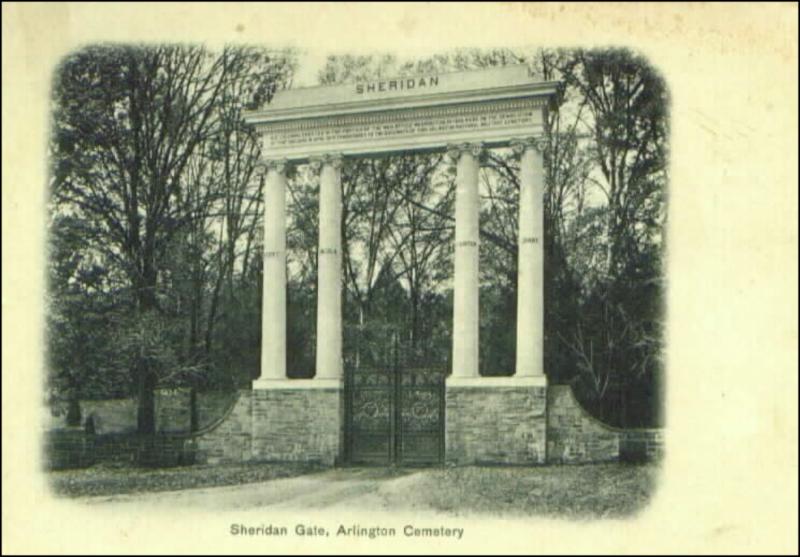
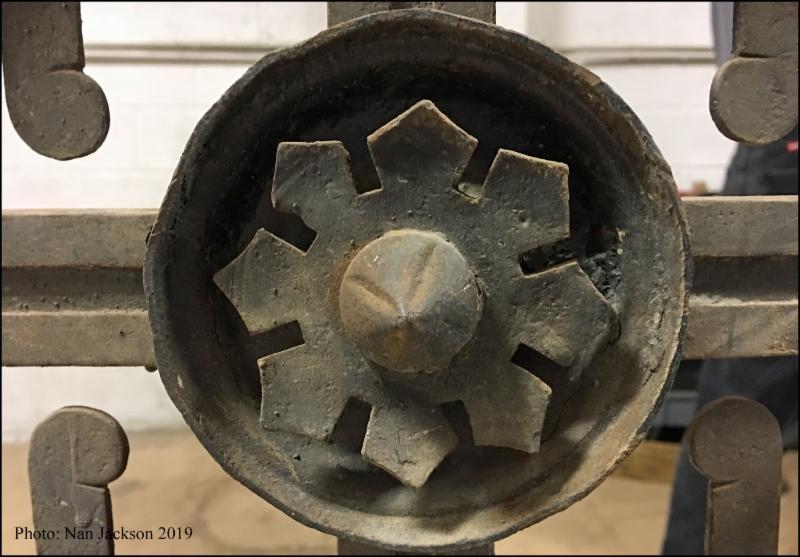
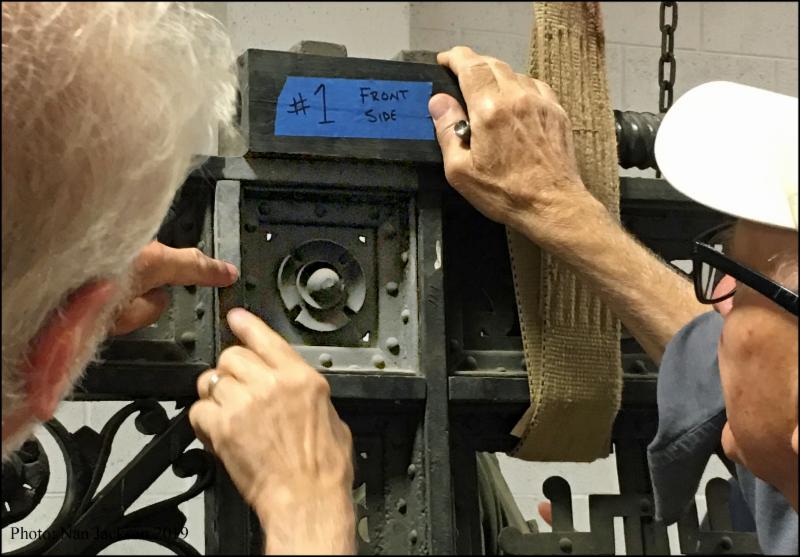
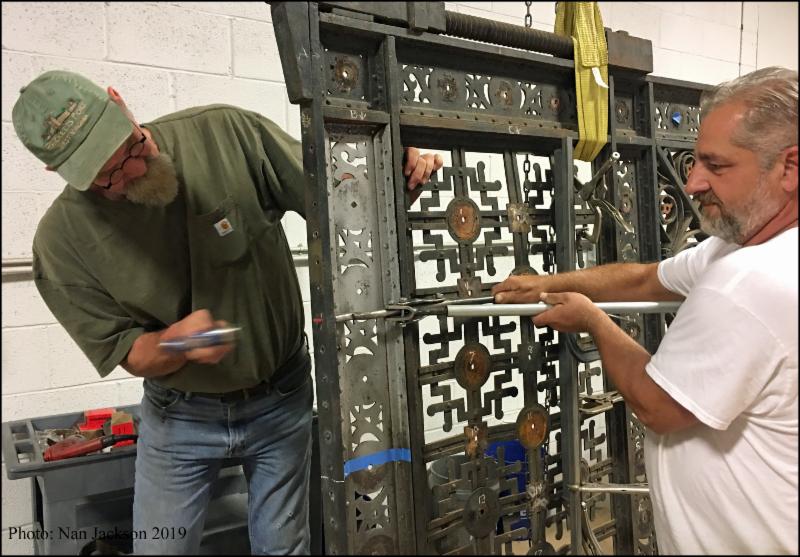
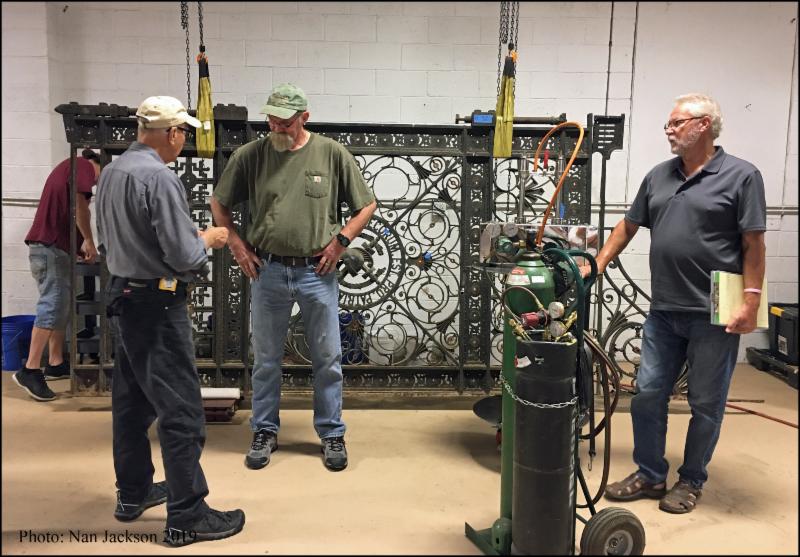
"George Washington walked down this street," my wife casually mentioned as we're walking down High Street in Carlisle, Pennsylvania. Carlisle is steeped in history; aged brick buildings extend close to the street, which has been widened to accommodate the modern four wheeled horse. There is a historic sense in these streets and buildings that no twenty-first century mall can replicate. We just finished eight hours of consultation for a skilled and talented family of preservationists who had at their shop in Carlisle an early twentieth century wrought iron gate from the Arlington National Cemetery. The gate is made from forged and hand riveted wrought iron, punch marked with symbols and numbers for assembly. There is an assembly mystery here, written in iron by the hands of craftsmen that must be accurately read for restoration.
I had been contacted by Braeden Howard of B. R. Howard & Associates, Inc. to assist in developing a procedure for riveting the wrought iron gate. As we worked through the day, it was discovered that the quarter-inch rivets were hand driven and that pneumatic-driven rivets would not be in character with the original construction of the gate. A local blacksmith,
Ty Zimmerman, who has worked with
B. R. Howard on past projects, demonstrated his technique for hand-driven rivets. These accurately match the original driven rivets, thus preserving the historic record of the craftsman's work.
Pack rust was another issue to be addressed. After demonstrating a pack rust removal procedure developed during my work at the Calhoun Country Historic Bridge Park and applying it to the pack rust on the gate, the procedure appeared to have some promise.
It was a fascinating day of discovery in preservation for my wife and me as we listened to the Howard family describe their work and their approach to preserving historic artifacts. These are historic pieces that can inspire a younger generation to see applications of old ideas that could lead to new discoveries.
|
Attention: Architects and Engineers
|
Exposed historic brick walls, riveted columns, trusses, early twentieth century warehouses, factories, and historic structures: today many are being re-purposed, some renovated for businesses that allow the public to enjoy historic spaces not found in the blight of sameness that urban sprawl has to offer.
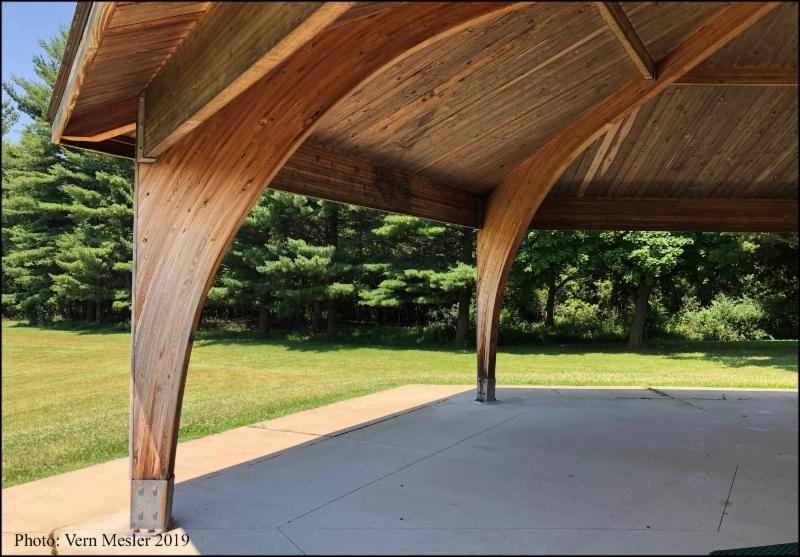
Many of these historic structures, valued for their industrial look, could be enhanced by incorporating new riveted elements in these renovated or re-purposed buildings: additional riveted columns and trusses in a craft beer brewery; riveted bar features in a hotel located in a restored historic building; riveted exterior structures that complement a park shelter or the entrance to a building; a new pavilion fabricated with riveted trusses. The only limitation for designing new riveted structures is the designer's imagination.
Riveting will never return to its historic prominence or compete with the bolted or welded connections used on bridges and buildings today, but riveted members can complement new construction or enhance a re-purposed/renovated building. There are steel fabricators and blacksmiths today proficient in the hot riveting process who are able to do this work, fabrication of metal structures with rivets.
Re-educating the industrial community to do riveting as part of new construction can have the additional benefit of providing those responsible for making the decision for saving a historic riveted structure (bridge or building) with the knowledge that the industrial community has the expertise to perform both the engineering and fabrication service required for riveting. For those engineers and architects who would like to explore design ideas for new riveted structures, I'm available to meet to review technical and fabrication questions.
|
Calhoun County Historic Bridge Park
Battle Creek, Michigan
|
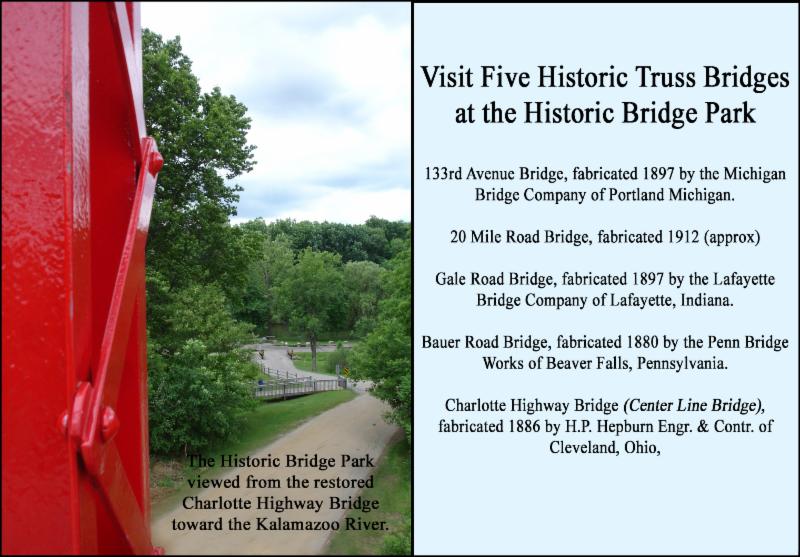
For a unique Michigan summer adventure, visit the Calhoun County Historic Bridge Park in Battle Creek and stroll across five restored riveted metal truss bridges from Michigan's transportation past. Restored to their original fabricated design for Michigan's early road system, they are a history book not written in words but in the metal fabricated by the hand of a craftsman.
Group tours can be arranged for those who want to learn more about the history of the five historic bridges, the wrought iron and steel they were fabricated with, and the manufacturing processes used to fabricate and erect the bridges.
For reservations for special events (weddings, reunions, etc.) contact
|
Lansing Community College Foundation
|
|
A fund has been established at Lansing Community College Foundation to support projects, research and conferences related to the rehabilitation of historic iron and steel. From this fund scholarships have been awarded to students in engineering, preservation, and industrial arts to attend previous Iron and Steel Preservation Conferences. Please consider donating to support ISP scholarships for the 2019 Iron & Steel Preservation Conference/Workshop.
The Lansing Community College Foundation is a nonprofit 501(c)(3) corporation. Your contributions make a big difference.
Thanks,
Vern Mesler
|
 |
|
|
Program Fund
Please consider contributing to the Iron and Steel Preservation Program Fund. This fund was established to support projects, research, conferences and scholarships related to the repair, rehabilitation, and restoration of metals. The Lansing Community College Foundation is a nonprofit 501(c)(3) corporation.
Donate Here
|
|
|
|
Past Iron & Steel Preservation Newsletters
|
March 2019 ISP Newsletter
Thank you to our 2019 donors!
We appreciate the many contributions to the Iron and Steel Preservation Program Fund during the past year.
|
|
|
|
Sponsor
|
Want to become a sponsor?
|
|
Lansing Community College
5708 Cornerstone Drive
PO Box 40010
, MC 4100W
Lansing, MI 48917
|
|
|
|
|
Copyright © 2019. All Rights Reserved.
|
|
|
|