Volume 8, Issue 22│May 31, 2024
|
|
|
SB3268 Passes – 35% Increase in Reimbursement Rates for Medicaid Optometric Services
The Illinois Optometric Association (IOA) is pleased to announce the Illinois General Assembly has passed SB3268, an omnibus Medicaid bill that includes a 35% increase in Medicaid reimbursement rates for the following CPT codes:
· 92015 (refraction)
· 92340 (spectacles; monofocal)
· 92341 (spectacles; biofocal)
****These new rates will take effect on January 1, 2025.
Leigh Ann Vanausdoll, CEO, shared her thoughts on this achievement: "This increase in reimbursement rates is a positive step forward for optometrists in Illinois. It ensures that our members can continue to provide quality care to their patients while maintaining the sustainability of their practices. We are grateful for the support from the Bipartisan Medicaid Working Group and to our Sponsor, Representative Anna Moeller."
Please note that the three CPT codes referenced are not included in the Governor's proposed Medicaid rate adjustments, which aim to cover 70% of Medicare expenses.
|
|
Now Accepting Student and Paraoptometric of the Year Nominations |
|
The IOA recognizes a student entering their 2nd, 3rd, or 4th year of Optometry School who shows leadership skills when serving their profession and their community, as well as earning academic achievements. Students may nominate themselves or another student.
The Student of the Year will be awarded a $2,000 grant to be used at the winner's discretion and will be recognized at the IOA Annual Meeting.
Nominations are due by August 30.
|
|
The IOA Paraoptometric of the Year Award recognizes a deserving individual paraoptometric who has made outstanding contributions to the profession of optometry, patients, and the public. This individual must be employed by an IOA member doctor.
A paraoptometric is one who works under the direct supervision of a licensed doctor of optometry, collects patient data, administers routine and technical tests of patient’s visual capabilities, and assists in office management. A paraoptometric may assist the doctor in providing patient care, examination and treatment services, including, but not limited to, contact lenses, low vision, vision therapy, ophthalmic dispensing, and office management.
The Para of the Year will be awarded free registration to the IOA Annual Meeting and will be recognized at the IOA Annual Meeting.
Nominations are due July 15.
|
|
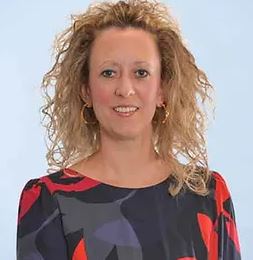
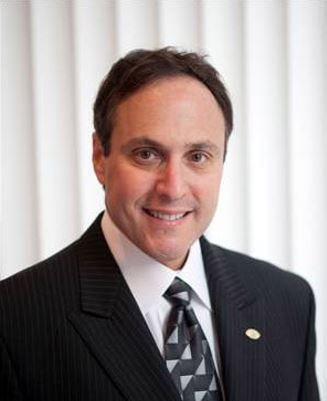
Now Accepting Nominations for 2024 OD & Young OD of the Year Awards
Do you know an outstanding optometrist who should be recognized for their efforts in the field of optometry? Consider nominating them for the 2024 Optometrist of the Year or Young Optometrist of the Year awards. The Optometrist of the Year award recognizes an individual for performance of outstanding services on behalf of the profession and to the visual welfare of the public. The Young Optometrist of the Year award recognizes an optometrist who, within their first decade of practice, has shown leadership skills when serving their profession, their patients, and their community.
A nomination may be made by a member in good standing or by a society. Nominees must be current members of the IOA. Nominations for each award should be submitted online via the links below. A head and shoulders photograph must be included with the nomination. Nominations must be submitted by July 31, 2024.
|
|
ELIGIBILITY FOR OPTOMETRIST OF THE YEAR
- Any member in good standing who has been practicing for 11 years or more.
- Cannot be a current member of the Board of Directors or a Past President of the Association that has served in the last 5 years.
|
|
ELIGIBILITY FOR YOUNG OPTOMETRIST OF THE YEAR
- The nominee must be a member in good standing and be in active optometric practice 10 years or less (including residency or fellowship).
- Cannot be a current member of the Board of Directors.
|
|
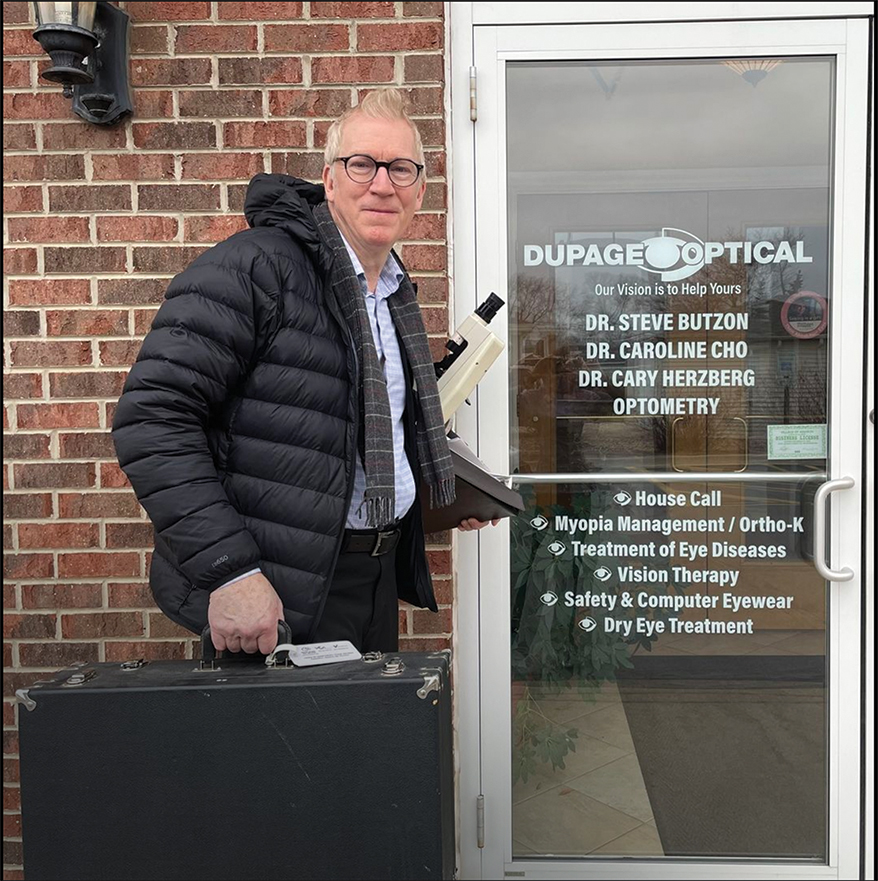
This Illinois Eye Doctor Makes Up to 10 House Calls in a Single Day
— Dr. Steve Butzon of DuPage Optical ensures accessible eyecare to his community
May 28, 2024
Bringing the gift of better vision directly to the doorsteps of those unable to visit your clinic requires dedication, compassion, and a little ingenuity. It may not be for everybody, but those optometrists that still make old-fashioned house calls find it both financially and professionally rewarding. We spoke to Dr. Steve Butzon, owner of DuPage Optical in Addison, IL, who carries on his father’s legacy by ensuring that quality eyecare is accessible to all in his community, regardless of their mobility.
THE IDEA
After completing his graduate training, Butzon returned to his home state of North Dakota, working briefly for his father, also an OD, and another practice. “I recall as a child accompanying my father on a rural house call to see an elderly patient who was confined to the home, which most likely provided my inspiration to show the same compassion,” says Butzon. Later, working for another doctor in Chicago, he was performing an exam when his elderly patient asked Butzon if he could make a home visit to examine his housebound wife. Butzon’s boss was supportive, and he made the trip. “That was the beginning of my journey to develop home visits in my current practice.”
THE EXECUTION
Butzon says an optometrist’s services can easily be performed in a patient’s home, from refraction to dilation. Most optometrists already have the equipment needed, he adds. “I travel with a lensometer, a trial lens case, an eye chart, a prism bar, Worth four-dot and red green glasses.
Also, a handheld ophthalmoscope, retinoscope, and penlight, an I-Care pen for IOP, an amsler grid, dilating drops and a 20-diopter lens to use as a suitable slit lamp and Bio.” Be prepared to assist in finding an ophthalmologist if needed for surgery, he advises, and make sure you can co-manage post-op eyecare in their home, since transporting patients for post-cataract care can be difficult and costly for the patient. Butzon also provides low vision services in the home if needed.
Typically, patients or their caregivers will request an appointment after finding DuPage online or being referred by other home care providers or from the practice’s existing patient base. Butzon consents to make house calls provided the patient is homebound for physical or psychological reasons such as agoraphobia. DuPage’s staff is trained to request all medical information and insurance on the patient, and ask whether glasses or contact lenses will be needed, as well as their eyewear preferences. A selection of frames is offered based on this questioning. Says Butzon, “We do limit the distance we travel to see a homebound patient. I’ve scheduled up to 10 visits in one day, logging well over 200 miles.” He adds that it took some time before he actively engaged in marketing his home visits. “I sent my information to home care providers and the local senior community centers. After a few years I was devoting one day a week to house calls, averaging about eight a day.”
THE REWARDS
Butzon says caregivers and patients are extremely grateful to have a doctor take the time to see them in their home. “As a doctor, if you feel so inclined, you will find it professionally challenging and financially rewarding,” he says, cautioning those interested to “expect the unexpected while traveling: a flat tire, weather conditions, traffic delays and patients that are not well or expire while en route. Enjoy the freedom, adventure, and experiences that this needed service offers and all my best to my colleagues that take on this rewarding specialty.”
Do It Yourself: Make Optometric House Calls
-
REACH OUT. Market your house calls to home health agencies and senior centers.
-
START SLOW. Set aside one day a month to begin this endeavor, Butzon advises.
-
BAG OF TRICKS. Find a suitable case to transport your equipment.
-
PLAN AHEAD. As you travel that day, call to confirm that the next patient on your list is still well enough … and living … for your visit.
-
WORTH YOUR WHILE. Limit the distance you travel from your office and charge a travel fee, insists Butzon.
|
|
IKA 2024: Importance of Early Diagnostics and Pediatric Screening of Keratoconus
— Dr. Jennifer Harthan, OD, FAAO, FSLS
May 20, 2024
Jennifer Harthan, OD, FAAO, FSLS, shared the importance of early diagnostics and pediatric screening of keratoconus at the IKA 2024 Symposium.
Video Transcript
Editor’s note - The following transcript has been lightly edited for clarity.
Jennifer Harthan, OD, FAAO, FSLS:
Hi, my name is Jen Harthan. I'm Chief of the Cornea and Contact Lens Clinic at the Illinois College of Optometry and I'm here at the IKA meeting. I was able to present our research on pediatric prevalence yesterday and key takeaways from the meeting are that pediatric prevalence of keratoconus is higher than we had previously thought. And it's in line with recent reports of the adult prevalence of keratoconus. So, what does that mean for us? What it means is that we should be looking for it. We need early diagnostics to screen for pediatric keratoconus in our offices and we also need to be treating at a time of diagnosis. So, as we know, when patients are diagnosed with keratoconus earlier, they tend to have worse prognosis and their disease tends to be much more complex, more complicated, and many of those patients often need a corneal transplant down the road. So if we can diagnose them earlier, we can actually treat them earlier with the new treatments maybe that we're hearing and then also they have better quality of life down the road which is think in our world that's ultimately our goal is to improve their quality of life and to prevent vision loss.
|
|
IKA 2024: Keratoconus Treatment and Diagnosis in the Pediatric Population
— Dr. Barry Eiden, OD, FAAO, FSLS, President & Co-founder of IKA
May 18, 2024
Barry Eiden, OD, FAAO, FSLS, President and Co-founder of IKA, talked about his session at the meeting centering around the pediatric prevalence of keratoconus, the importance of early diagnosis, and the impact this can have on practices.
Video Transcript:
Editor's note: The below transcript has been lightly edited for clarity.
Barry Eiden, OD, FAAO, FSLS:
Hi, I'm Dr. Barry Eiden. I'm one of the co-chairs at the IKA keratoconus symposium here in Bethesda, Maryland. It's unbelievably attended and I'm so excited to report to you about one of the sessions that I'll be moderating, which is on the importance of pediatric eye exams and keratoconus. Our session is going to emphasize the importance of early diagnosis because now we have effective treatments that can stop and halt progression of this disease and the outcome is to preserve vision. We have a number of phenomenal speakers on our panel, including Dr. Ann Ostrovsky, an ophthalmologist, who deals a lot with pediatric patients. Jennifer Harthan from the Illinois College of Optometry, who is our lead author on our pediatric prevalence paper. And Dr. Andrew Morgenstern, one of my co-chairs at the IKA meeting here.
Within our session on the importance of pediatric eye care in keratoconus diagnosis, we're going to have emphasis in a variety of areas. First, we're going to talk about new information on the prevalence of pediatric keratoconus. At the IKA and Illinois College of Optometry study group we did a study of over 2100 school-aged individuals from ages 3 to 18 looking at the prevalence of tomographic keratoconus utilizing Scheimpflug imaging, and we found amazingly high rates of prevalence–one in a bit over 300 in terms of definitive keratoconus. That will be our first session talking about how prevalent this disease is, then we're going to get into treatment elements. Dr. Ostrovsky is going to talk about cross-linking in kids and other forms of surgical intervention. We're going to have a session on diagnostic technologies and how important early diagnosis with sensitive instrumentation is. And then we're going to have a panel to end up our session, which will be talking about the implications of high prevalence and our ability to treat early and preserve vision. How that's going to impact pediatric eye exams, and screening for keratoconus.
There is a significant impact on what our practice pattern should be. If keratoconus is as prevalent as we're finding out it to be within the pediatric population, in essence, we need to change the way we look at kids in terms of what we do during our eye exams. We'll have to be thinking about all of the risk factors for keratoconus, whether it be family history or clinical findings that might suggest early keratoconus. But more importantly, we're going to have to incorporate sensitive technologies that can pick up early keratoconus before it affects vision to any significant degree. We have to develop instrumentation that's both sensitive, yet affordable so that we can get widespread adaptation of these kinds of technologies.
I think another thing that we have to consider is all right, we know the keratoconus in the pediatric population is quite high in terms of prevalence. We secondly, know that we have the ability through technology to detect keratoconus very early before vision is significantly affected. Now we have to talk about treatment. We know that we have treatments, corneal cross-linking, that can stop, halt progression of the disease. But we have to make sure that if we're going to treat patients at very early phases, that the risks associated with those treatments are minimized. So we have to develop technologies that have minimal risk, but high efficacy so that we can apply them early on, even in cases of what would be measured as normal vision.
|
|
Illinois House Passes Budget, Sends It to Gov. Pritzker’s Desk
May 29, 2024
SPRINGFIELD, Ill. (NEXSTAR) — The Illinois House of Representatives voted to approve a budget for the next fiscal year.
The budget continues a trend of increased spending in the state. The $53 billion spending plan is a 1.6% increase over last year’s budget, and republicans were quick to point out on the floor that the size of the budget has increased by over $13 billion since Governor Pritzker took office.
The budget lines up closely to Governor Pritzker’s proposed plan from February. There is an additional $350 million going to K-12 education and the Evidence Based Funding Model. The state is continuing to pay into early childhood education through Pritzker’s Smart Start Program. Budgeteers said the state will be making its full pension payment, too.
“We are not going to choose between a responsible budget, and a compassionate budget, because the FY2025 budget proves we can do both,” Rep. Jehan Gordon-Booth (D-Peoria) said.
The budget includes a number of Pritzker’s priorities, including $10 million for a new Early Childhood Agency for the state, and it includes $500 million dollars for a new quantum computing campus.
Added to all of that are the budget pressures that have been hanging around all spring. Revenue numbers have sat at lower levels than previous years, and the state has continued to spend money to help Chicago deal with the influx of migrants being bussed into the city from border states. This budget includes $182 million going to Chicago to help shelter and care for migrants. And the state is spending hundreds of millions on a program to give non-citizens access to healthcare.
Republicans in the House centered a lot of their attacks on the spending on migrants during the debate “This is my first budget,” Freshman lawmaker Brandun Schweizer said on the floor. “And in it is outlining spending almost four times the amount spent on non-citizens than on veterans.”
To help pay for all of the spending, the state is counting on a revenue package of tax hikes — mostly on businesses, including sports books –to balance it out. In order to create those new revenue streams though, the House needed to pass a bill, and that proved harder than one would think for a supermajority caucus.
When the vote was initially held, Democrats reached 60 votes — the bare minimum to pass with a majority in the chamber. But Republicans called for a role call vote, meaning they wanted to verify that every member that voted was actually in the chamber. One democrat, Representative Aaron Ortiz (D-Chicago), was not in the chamber, meaning the bill would fail.
Democrats avoided that catastrophic result by initially removing the bill from consideration, and then eventually making a motion to reconsider — or essentially a revote. It took multiple votes on different procedural rules before Democrats were able to pass the pivotal piece of the budget package just before 5 am.
“I think it should be clear to everyone In this state what this supermajority is willing to do to ram a tax increase down the throats of the people of Illinois at 4:30 in the morning,” Rep. Patrick Windhorst (R-Metropolis) said.
House Speaker Emanuel “Chris” Welch kept his usual end of session remarks much shorter after all of the chaos.
He led his abbreviated speech by saying “No one’s ever said the House is boring.”
The budget and all other parts of the legislative package now go to Governor Pritzker’s desk.
|
|
|
|
Report illegal and unsafe contact lens sales to the FDA & FTC
|
|
|
|
Check out the newest IOA classifieds here!
Equipment for sale in Barrington, IL including custom receptionist desk, dispensing tables, and optical displays! ( Read more)
Practice for sale in Northwest, IL Retiring optometrist wishes to sell a well-established practice of 45 years. Only private practice in immediate area. The patient base consists of a broad age range, with good retention (Read more)
ODs Wanted:
We are looking for a full time associate OD to join our very busy, medical based small town practice. We are located in Brighton IL (Read more)
Optometrist Needed for Independent Practice in Outer Suburbs with coverage needed for 2-4 days per week (Read more)
Great FT or PT opportunities to practice full scope optometry at North Suburban Vision Consultants (Deerfield, IL) and Primary Eyecare Centers (Crystal Lake, IL)! (Read more)
Great FT opportunity to practice full scope optometry at Eyecare Dimensions in Byron, IL! (Read more)
Amazing opportunity for Optometrist (FT) to join a highly distinguished and established group in Southern IL (Read more)
Optometrist Wanted - Black Optical
St. Louis / Clayton Missouri
Pay: $60-$75 an hour
|
|
AOA Sees Positives in Federal Children's Eye Health Legislation
May 30, 2024
The federal effort to promote early detection of pediatric vision impairments comes as the AOA works toward a multi-year, national eye health and vision mobilization for children.
A federal plan for supporting children’s access to eye health and vision care services gains AOA backing while the association champions a multi-year, cross-industry pediatric mobilization.
Introduced by U.S. Reps. Marc Veasey, D-Texas, and Gus Bilirakis, R-Fla., on May 14, H.R. 8400, the “Early Detection of Vision Impairments in Children (EDVI) Act,” would create new funding opportunities for state, community and tribal authorities to establish initiatives that promote early identification, intervention and referral for children with vision problems. EDVI is significant as there is no federally funded program that specifically addresses children’s vision, unlike public health programs targeting children’s hearing or oral health
“The disparity in access to children’s vision care is a crisis that can only be solved by unifying the industry,” noted AOA President Steven T. Reed, O.D. “With most learning, cognition and perception abilities mediated through vision, there is a clear and present need to activate solutions that will close the eye health and vision care gap before it adversely impacts more children’s literacy, visual efficiency and perceptual skills.”
What would EDVI do?
Specifically, EDVI would authorize the Health Resources and Services Administration to establish grant opportunities and cooperative agreements for states, communities and tribes to:
- Implement early detection practices and intervention initiatives for the purpose of identifying vision concerns in children to promote referrals for eye care and establish follow-up mechanisms to ensure care was received;
- Raise awareness to the public of the importance of vision and eye health in children;
- Reduce disparities in eye health; and/or,
- Develop state-based data collection, surveillance and performance improvement systems.
The EDVI would make resources available through the Centers for Disease Control and Prevention (CDC) to establish a national-level technical assistance center to provide guidance to any state or community implementing, updating or improving children’s vision programs, to promote surveillance and to advance population health research priorities in children’s vision. Additionally, EDVI encourages collaboration across agencies under the Department of Health and Human Services (HHS) and Department of Education.
“Children’s vision and eye health is a critical aspect of a child’s healthy development that has been overlooked for far too long,” said Rep. Veasey in a news release. “Healthy vision plays a key role in each child’s performance in school—when a child cannot see, their education suffers. Texas families and children across the country deserve equitable access to early detection and care for vision issues, whether at school, in the community, or across the health care spectrum. The Early Detection of Vision Impairments for Children Act will ensure children, their parents, and their caregivers can access the eye care they need to thrive and succeed.”
Adds Rep. Bilirakis: “As an American who has suffered from poor vision since childhood, I have firsthand understanding of how critical early detection and treatment is when it comes to ensuring that all children have the best possible start in life. Our landmark bill will ensure all children get the screening and care they need at the right age by creating the first-ever federally funded program to address children’s vision and eye health. This legislation will empower states and communities, like mine, to improve systems of care for our youngest citizens and their families.”
The AOA joins a broad range of public health organizations supporting the legislation, both in eye care and in children’s welfare.
|
|
Member Benefit: Classified Advertising
Looking to hire a new associate in our practice or sell a piece of equipment? IOA members can place an ad on the IOA Classified section for free. This is a $150 value. Members can post ads for ODs needed, equipment for sale, support staff roles and practices for sale.
Visit our website to view the current classifieds or place your own ad!
|
|
New Doctors of Optometry: Joining a Practice
New doctors joining an established practice as an associate, or a partner is one of the common ways to kickstart a career in optometry.
While joining a practice might seem less complicated than starting a new practice, this option involves a variety of important considerations. Recent graduates and young doctors of optometry need to learn a lot about joining a practice in order to evaluate its ability to support an associate.
The AOA supports those joining an optometric practice and assists with matters like negotiating basics for employment contracts, tackling legal issues, reviewing methods of income division and making a partnership work.
Tips for joining a practice for recent optometry school graduates and new doctors of optometry
-
Find the practice that is the best fit. There are hundreds of practices that are eager to help new doctors of optometry advance their careers. As you begin your career search, think about factors such as location, salary, benefits, and scope of practice and how those factors will help you decide whether you’d like to apply to join a practice. Get a head start and begin searching the open positions in the Career Center to get an idea of what opportunities are available to you and to help you identify which practices you might be interested in applying to. You can search open positions here.
-
Determine whether you will need to obtain malpractice insurance. In some instances, your employer may cover the cost of your malpractice insurance, but in many cases, it will be your responsibilty to obtain malpractice insurance on your own. If you ae a new doctor of optometry. you may qualify for a 50% discount on malpractice insurance in your first year of practice or a 25% discount in your second year of practice with AOAExcel's endorsed business and liability insurance provider, Lockton Affinity. Learn more about malpractice insurance.
-
Identify whether the practice you are planning to join offers retirement planning options. While many practices may offer a 401(k) or other retirement plan, you may need to look into your own retirement savings planning options. As you are starting out your career in optometry, retirement may seem a long way off, but now is an excellent time to plan for your financial future. Learn more about retirement savings planning.
- Get legal advice when drafting your employment contract. Once you have determined that the practice is right for you, a basic issue you’ll need to deal with is your employment contract. It would be unwise to enter into any arrangement without first working out a written contract. The importance of competent legal advice cannot be overemphasized. Accountants, financial advisers, bankers and estate planners also can help you. Under no circumstances should you attempt to write your own legal document.
- Find assistance with negotiating tactics. Negotiation will play a central role in your ability to form a successful relationship with a practicing doctor of optometry.Preliminary steps include looking at practices long before your graduation. It will help you to better understand yourself, others and the wide range of opportunities and differences within the profession.
-
Get help determining your negotiation goals. To discuss a contract seriously, you need to establish a minimum income level and a strong concept of the practice arrangement you would like to have. Remember, however, that negotiation also involves ompromise. Here is a great piece on how to negotiate a contract.
- Learn why it’s important to take the initiative. It’s to your advantage to take the initiative in presenting the first draft of the contract. By being proactive, you may be able to include provisions favorable to you that might not otherwise have been considered.
|
|
|
|
We want to hear from YOU!
Do you have a business question or a dilemma we can answer for you? Others may have the same inquiry. Ask away! We will answer your question in an upcoming issue.
(Don't worry, we won't include your name.)
|
|
Three Different Dry Eye Treatments Reduce Horizontal Epithelial Irregularity Factor
Healio | By Kate Young Fact checked by Christine Klimanskis, ELS
May 28, 2024
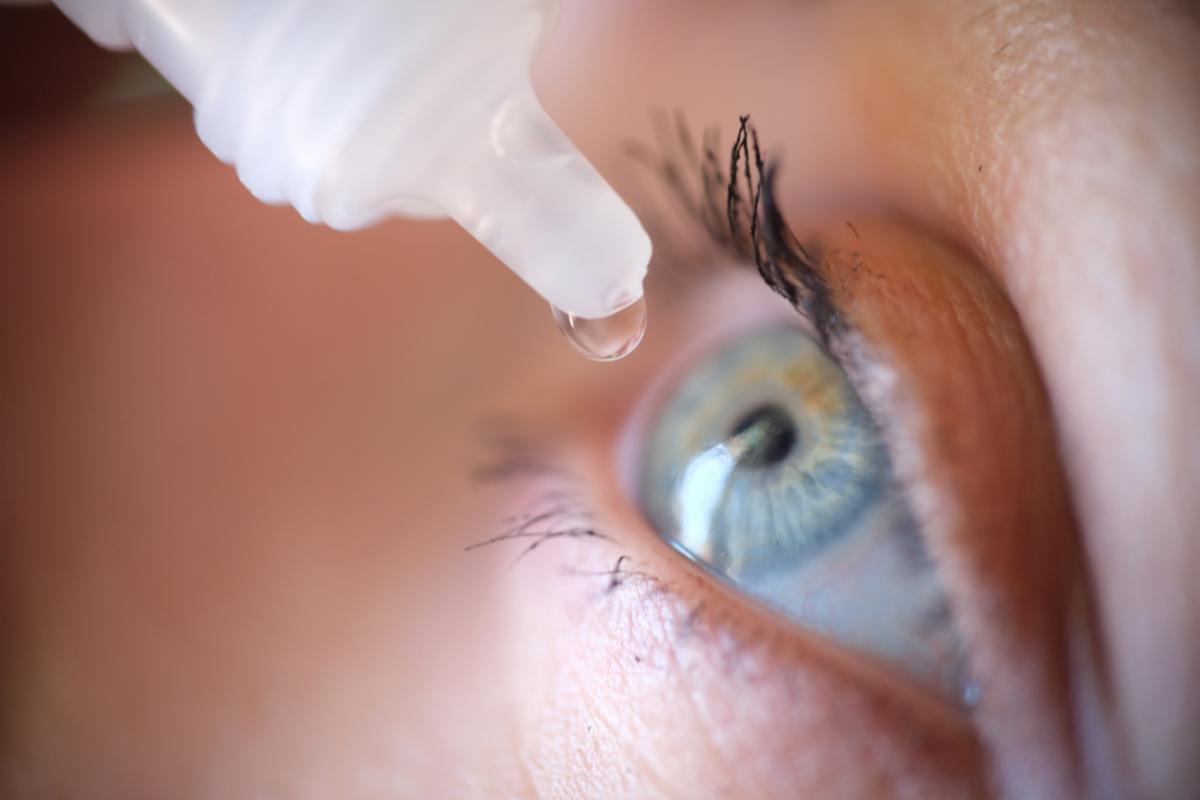
Lubricating eye drops with a single-polymer or dual-polymer formulation and saline were all effective in reducing epithelial surface irregularity along the horizontal meridian in a study published in Optometry and Vision Science.
“The purpose of this study was to compare changes in epithelial irregularity factor in a population with symptoms of dry eye before and up to 4 weeks after treatment with two commercially available eye drops, a dual-polymer formulation containing hydroxypropyl guar and hyaluronic acid, and a single-polymer formulation containing hyaluronic acid, versus nonpreserved unit dose saline,” Jacqueline Tan, PhD, BOptom, and colleagues from the University of New South Wales Sydney wrote.
In the prospective, single-center, randomized, parallel-group dispensing study, 48 participants (mean age, 38.8 years; 31 women) with moderate to severe dry eye symptoms were randomly assigned to receive 0.15% hyaluronic acid with hydroxypropyl guar, 0.2% hyaluronic acid or saline in a 1:1:1 ratio.
Horizontal epithelial thickness irregularity factor (EIF) was significantly lower in all groups at all follow-up visits compared with baseline, but there were no significant differences between the three treatments. There was no significant difference in vertical EIF over time or between the three treatments. All treatment groups experienced a reduction in ocular symptoms, with no significant difference between the drops. No adverse events were reported, and levels of corneal fluorescein staining were low for all treatments at all visits.
“Future studies could include evaluation of the effects of different treatments on evaporative versus aqueous-deficient or mixed dry eye disease, as well as other measures such as confocal microscopy to evaluate the corneal cellular structure,” Tan and colleagues wrote.
|
|
Visual Field Testing Undergoes Modern Transformation via Wearable Technology
— North Bay Eye Associates transitions from traditional bowl perimeter to portable vision diagnostic and patient engagement system.
May 28, 2024
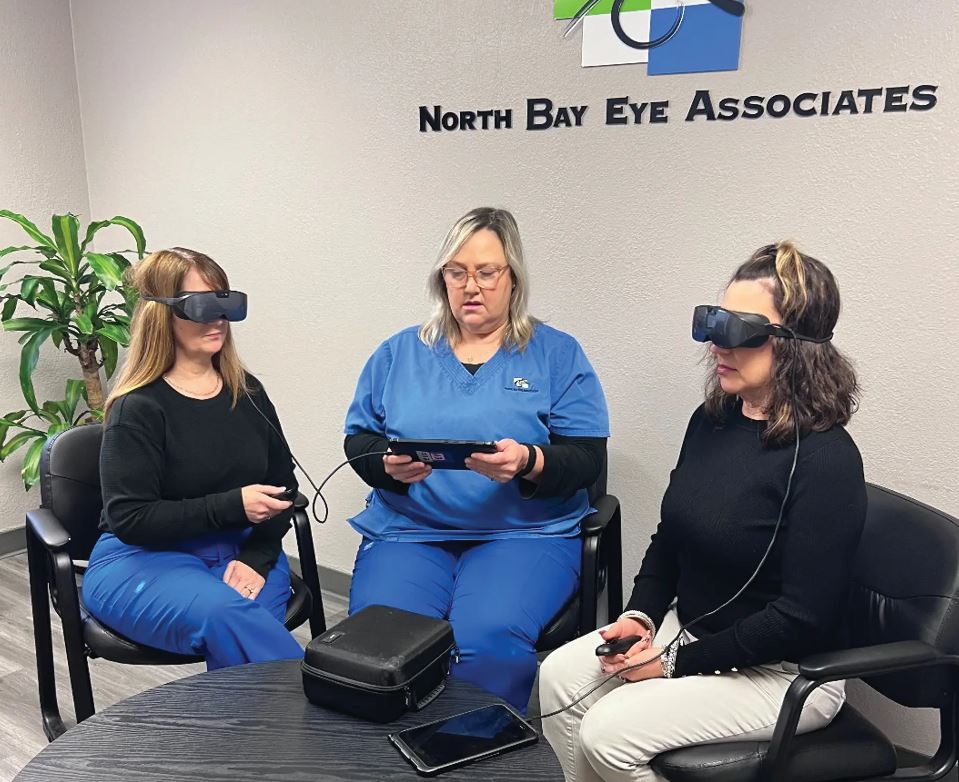
For the past 3 decades, visual field testing has remained relatively stagnant, with the bowl perimeter occupying a central role in the examination rooms of eye care providers worldwide. Despite advancements in various fields, this cornerstone technology has seen little innovation. However, recent breakthroughs in microdisplays, battery longevity, and wearable devices have sparked a revolution in visual diagnostics. Among these is Radius XR, which offers a wearable, mobile headset and a diagnostic platform that combines accuracy, efficiency, portability, and patient comfort.
Notably, Radius XR‘s recent achievement, which was featured in the Association for Research in Vision and Ophthalmology’s Translational Vision Science and Technology (TVST) journal,1 underscores its advantages compared with other headset-based virtual reality perimeters on the market. The study revealed statistical noninferiority to current clinical standards for sensitivities at individual test locations, statistical noninferiority in glaucoma staging using Medicare definitions, and a high correlation of 0.94 in mean deviation (MD). It is also important to note that, unlike with other perimeters, the background luminance of this platform measures vision within the photopic range, which is the standard within existing visual field platforms. This allows for consistent clinical training and comparison to patients’ prior examinations, as normative databases and MD/pattern standard deviation plots are based on the photopic range. (Complete details regarding the clinical study are found in the associated supplement.)
My journey to integrating this platform began similarly to that of many of my colleagues. Our practice’s older bowl perimeters started to break down, and we were confronted with costly repair quotes, travel, and downtime when contacting the manufacturer for repair. Furthermore, we learned that our units had been made obsolete, leaving us with the only option to buy a new tabletop device. Meanwhile, our patients continued to express angst and dissatisfaction with the repeated exams. Buy-in for a new platform came quickly from 2 key constituency groups: staff and patients. Both groups were on board quickly as we implemented Radius XR testing in our 4 centers throughout Sonoma County, California. What follows are a few pearls of what to expect when introducing this technology into your practice, with specific examples of how it can provide an enhanced experience for both staff and patients.
The portable vision diagnostic and patient engagement system combines medical-grade hardware and patient education tools in a wearable spatial computing device. It provides a patient-guided exam process through a comfortable, user-friendly, lightweight (6 oz), medical-grade headset (Figure 1). The system can be used for early detection as a screening device and as part of one’s glaucoma management strategy by monitoring progression using traditional threshold testing strategies, thereby effectively combining 2 legacy machines.
|
|
CDC Confirms Second Human H5 Bird Flu Case in Michigan; Third Case Tied to Dairy Outbreak
May 30, 2024
A second human case of highly pathogenic avian influenza (HPAI) A(H5) virus infection has been identified in the state of Michigan. This is the third human case associated with an ongoing multistate outbreak of A(H5N1) in U.S. dairy cows. None of the three cases are associated with the others. As with the previous two cases (one in Texas, one in Michigan), the person is a dairy farm worker with exposure to infected cows, making this another instance of probable cow-to-person spread. This is the first human case of H5 in the United States to report more typical symptoms of acute respiratory illness associated with influenza virus infection, including A(H5N1) viruses. CDC continues to closely monitor available data from influenza surveillance systems , particularly in affected states, and there has been no sign of unusual influenza activity in people, including no increase in emergency room visits for influenza and no increase in laboratory detection of human influenza cases.
Based on the information available at this time, this case does not change CDC’s current A(H5N1) bird flu human health risk assessment for the U.S. general public because all three sporadic cases had direct contact with infected cows. Risk depends on exposure, and in this case, the relevant exposure is to infected animals. The risk to members of the general public who do not have exposure to infected animals remains low. However, this development underscores the importance of recommended precautions in people with exposure to infected or potentially infected animals. People with close or prolonged, unprotected exposures to infected birds or other animals (including livestock), or to environments contaminated by infected birds or other infected animals, are at greater risk of infection and should take precautions.
Case Background
A dairy worker with exposure to H5N1-infected cows (at a different farm from the case last week) reported symptoms to local health officials. The patient reported upper respiratory tract symptoms including cough without fever, and eye discomfort with watery discharge. The patient was given antiviral treatment with oseltamivir, is isolating at home, and their symptoms are resolving. Household contacts of the patient have not developed symptoms, are being monitored for illness, and have been offered oseltamivir. No other workers at the same farm have reported symptoms, and all staff are being monitored. There is no indication of person-to-person spread of A(H5N1) viruses at this time.
Specimens were collected from the patient; one of which was positive for influenza A(H5) virus using the CDC test at the state health department laboratory. The specimens were forwarded to CDC for further testing. They were received on May 29, and testing results that night confirmed A(H5) virus infection. Michigan was then notified of the results.
The designation of the influenza virus neuraminidase (the N in the subtype) is pending genetic sequencing at CDC and results will be made available within 1-2 days, if successful. Additional genetic analysis will look for any changes to the virus that could change the agency’s risk assessment.
CDC Activities and Risk Assessment
This case was detected through Michigan’s active monitoring program for people exposed to infected livestock, in collaboration with CDC. The identification of an additional case of H5 is not surprising and shows the importance of a proactive public health response. Given the extent of the spread of this virus in dairy cows, additional human cases in people with higher risk exposures would not be surprising. A CDC priority right now is to prevent additional cases of A(H5N1) infections in dairy herd workers, who are at higher risk of exposure. CDC has previously provided updated interim recommendations for worker protection to include those who work with dairy cows and asked states to provide personal protective equipment to farmworkers. In addition, the agency is conducting ongoing outreach to groups representing farmworkers.
CDC Recommendations
-
People should wear recommended personal protective equipment when interacting with infected or potentially infected animals and monitor their health for 10 days after their most recent exposure. Learn more about CDC’s recommendations for worker protection and use of personal protective equipment (PPE).
- People should avoid close, long, or unprotected exposures to sick or dead animals, including wild birds, poultry, other domesticated birds, and other wild or domesticated animals (including cows).
- People should also avoid unprotected exposures to animal poop, bedding (litter), unpasteurized (“raw”) milk, or materials that have been touched by, or close to, birds or other animals with suspected or confirmed A(H5N1) virus.
|
|
They’re Here, Rare and Beautiful. Meet the Blue-eyed Cicadas.
— Insect lovers are abuzz over photos from an Illinois arboretum of cicadas with unusual and striking eyes.
May 30, 2024
A select group of cicadas have joined the likes of Paul Newman and Frank Sinatra as blue-eyed wonders that know how to attract America’s attention.
An Illinois arboretum is abuzz after a blue-eyed cicada was photographed there, sparking online excitement about the unusual and visually striking bug.
Blue-eyed cicadas are fairly uncommon, differing from the usual reddish-tan eyes of periodical cicadas that swarm swaths of the United States. It isn’t clear how rare the blue-eyed bugs are because little research has been done to count the population.
|
|
A blue-eyed cicada perches on a flower at the Morton Arboretum in Lisle, Ill., last week. (Erin Hooley/AP) |
|
THANK YOU TO OUR INDUSTRY PARTNERS! |
|
|
|
|
|
|