Innovation Lab for
Irrigation and Mechanization Systems (ILIMS)
| |
Welcome to the Quarterly Newsletter | |
ILIMS, funded by USAID, generates research-based evidence to support the growth of vibrant irrigation and mechanization markets in Rwanda, Ethiopia, Nepal, Guatemala and Honduras.
| | |
|
The lab begins...
Research for more than a decade has shown that small-scale irrigation can contribute to meeting food demands, achieving nutritional security, and increasing incomes for smallholder farmers and entire communities in sub-Saharan Africa. Irrigation is also one of the first forms of mechanization that smallholder farmers adopt, such as pumps to draw water from the ground or from rivers and ponds. Now, mechanization is being coupled with research on irrigation in the Innovation Lab for Irrigation and Mechanization systems. Integrated research on both topics at the systems level has the opportunity to enhance learning and address challenges to expand food security. As an Innovation Lab, that also means identifying ways to scale bundles of solutions that are equitable, economically viable, and environmentally sustainable.
We invite you to be a part of our journey and look forward to engaging with you in our research and scaling the results.
| | |
Partnership announcements
ILIMS announces partnerships with the International Food Policy Research Institute (IFPRI) and University of Missouri
| |
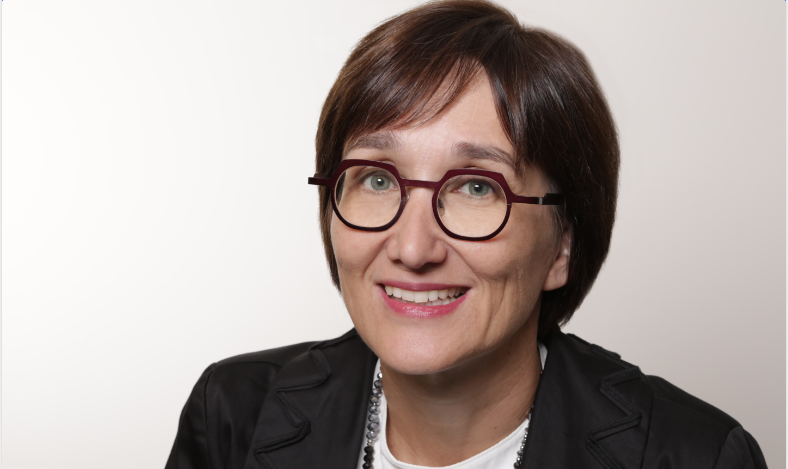
Dr. Claudia Ringler, Principal Investigator for IFPRI under ILIMS | |
IFPRI's Claudia Ringler drives advancement of foundational questions about irrigation and mechanization | |
“How can we make irrigation accessible, affordable, and inclusive? How do we incentivize irrigation and mechanization under current economic structures? For whom does it work? How does it work? Are technologies really increasing productivity?”
These are all questions Dr. Claudia Ringler, with nearly 30 years experience as a researcher, asks herself.
| |
Dr. Kerry Clark, Principal Investigator for University of Missouri under ILIMS | |
To scale irrigation and mechanization, Clark will leverage learnings from the Feed the Future Soy Bean Innovation Lab | Dr. Kerry Clark has worked in agricultural research and extension for thirty years in the United States. She enjoys the work, but says nothing has been as fulfilling or purposeful as her work with the Feed the Future Innovation Labs. “You can introduce a very small, very simple technology in Africa, and entire livelihoods are transformed,” she says. | |
Enabling Inclusive and Transformative Catalyzing of
Farmer-Led Irrigation Development in Africa - Agrilinks
| |
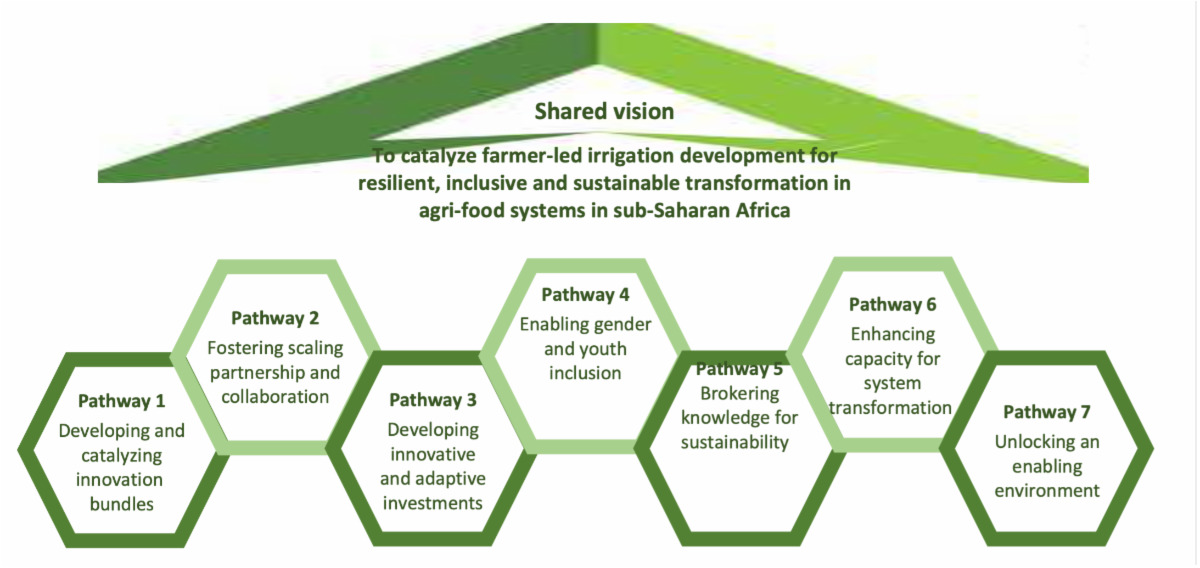
Farmer-led irrigation development (FLID) can help transform food systems by enhancing climate resilience, increasing and diversifying agricultural production, reducing poverty and supporting youth and women’s empowerment. However, it has been expanding slowly. How do we get past its barriers and catalyze growth?
Jan. 31 - Thai Thi Minh, International Water Management Institute (IWMI), Ghana
| |
Where Are the Women? Transformative Strategies Needed to Accelerate Gender Mainstreaming in Small-Scale Irrigation Projects in Ethiopia - Agrilinks
| |
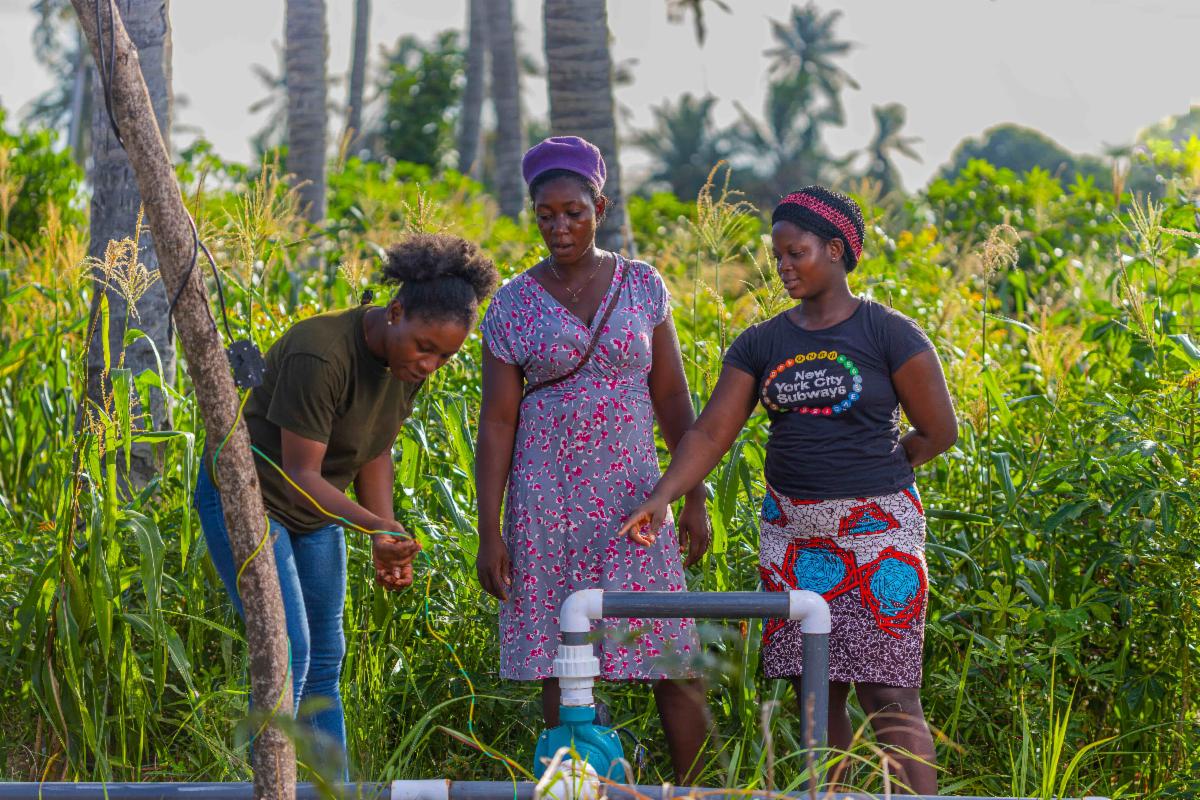
Achieving gender equality in irrigation can result in greater agricultural production, income and job opportunities for male and female smallholder farmers from diverse social groups, as well as greater climate resilience in sub-Saharan Africa. Read transformational strategies from Ethiopia.
Jan. 31 - Likimyelesh Nigussie, International Water Management Institute (IWMI), Ethiopia, Thai Thi Minh, IWMI, Ghana, and Petra Schmitter, IWMI, Sri Lanka
| | |
|
Webinar: Water in Agriculture: Agriculture Water Management in Rainfed and Irrigated Farming Systems | On Jan. 31, ILIMS Director Nicole Lefore was part of an Agrilinks panel discussion on Water in Agriculture. The webinar touched on policy, systems, and the future of development research in improving practices and systems for managing water for agriculture, whether in a rainfed system or under the many types of irrigation systems. | | |
|
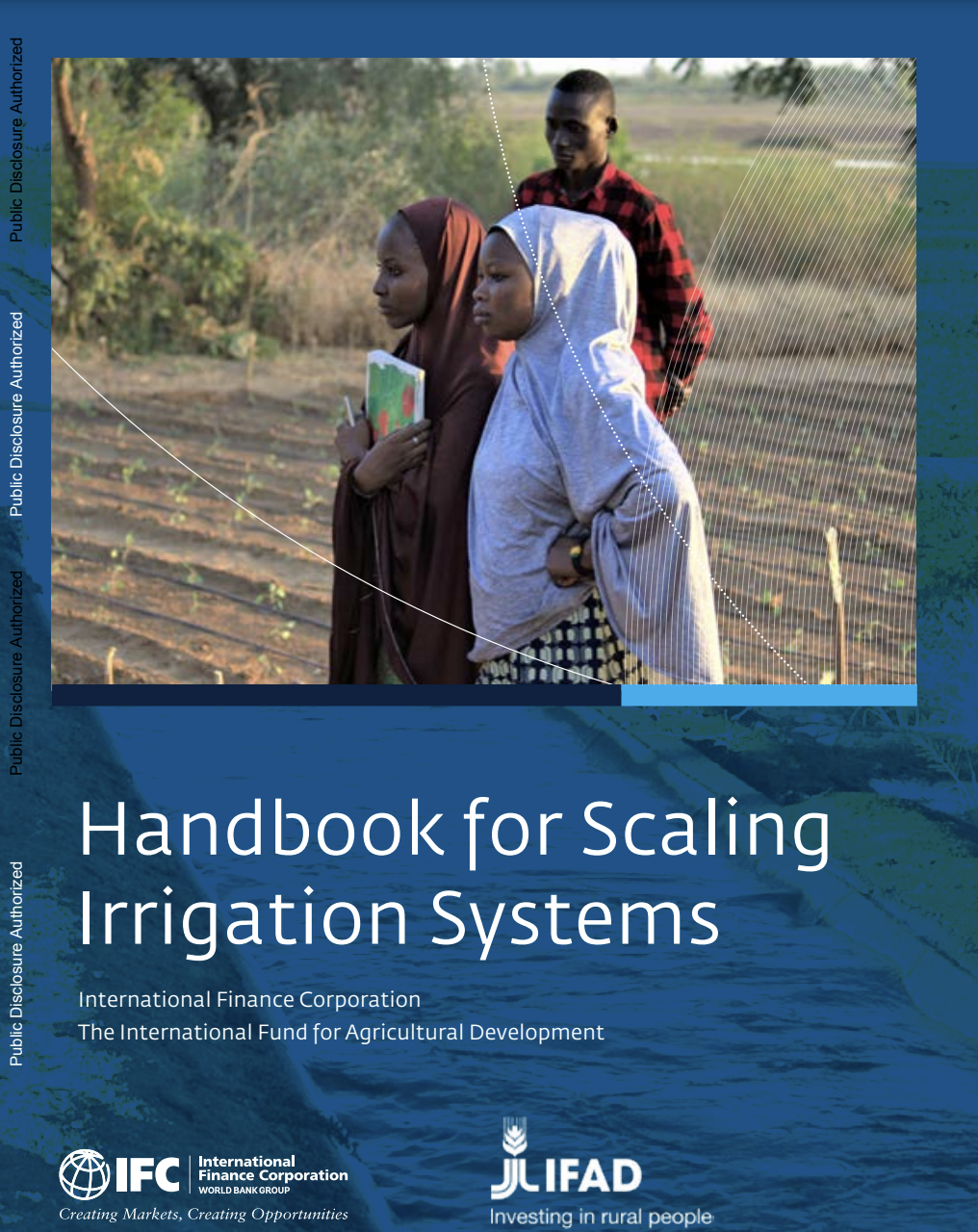
Webinar: Financing Irrigation: challenges, lessons from practice and emerging innovations | On Feb. 8, ILIMS Director Nicole Lefore joined a panel of experts as part of an Agrilinks webinar which unveiled the IFC-IFAD Handbook for Scaling Irrigation Systems, and offered practice-oriented guidance for financing diverse irrigation investments. | | |
|
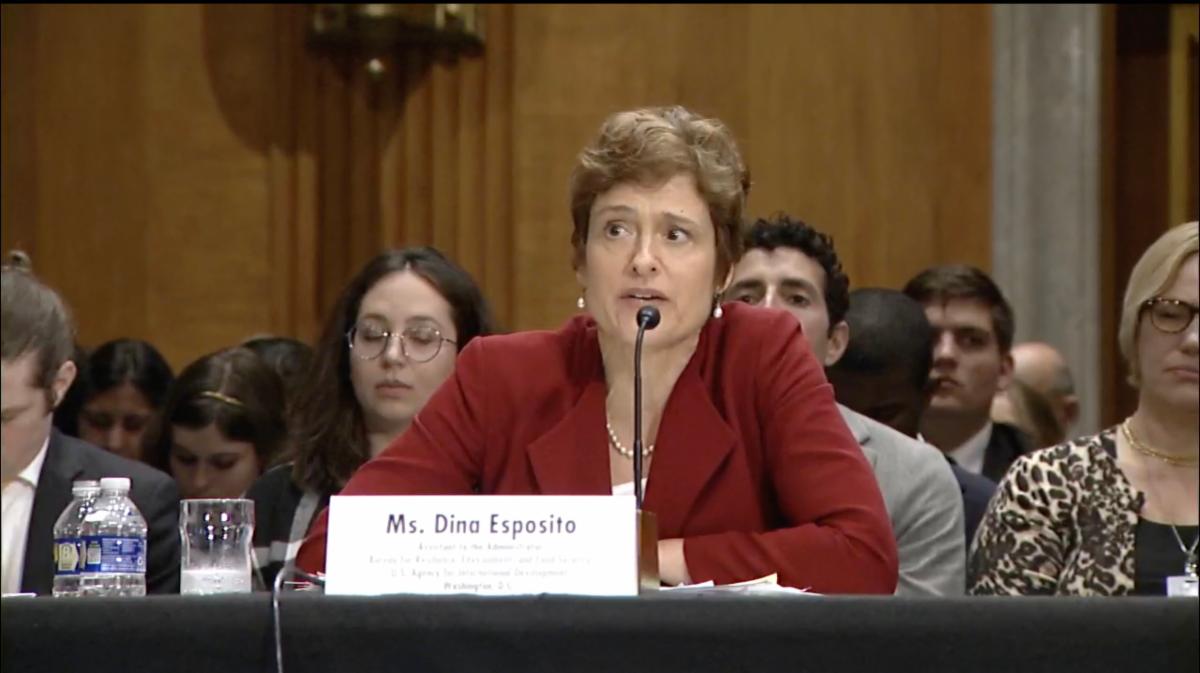
In a U.S. Senate Foreign Relations hearing on Global Food Security on March 6, U.S. Senator for Nebraska Pete Ricketts and Feed the Future Director Dina Esposito discussed how ILIMS is leveraging the Daugherty Water for Food Global Institute and the University of Nebraska System's expertise in irrigation and water management to expand global food security. Watch from 1:12:34 to 1:17:44. | |
|
MAY 18-24, 2024 - WORLD WATER FORUM
Bali, Indonesia
AUG 11-15, 2024 - IWA WORLD WATER CONGRESS
Toronto, Canada
SEPT. 2-6, 2024 - AFRICA FOOD SYSTEMS FORUM
Kigali, Rwanda
| |
|
Daugherty Water for Food Global Institute
2021 Transformation Dr, Ste 3220
Lincoln, NE 68508
| |
| | | |