Interview with ICRG Advisory Board Member Jacob Coin
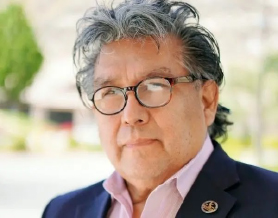
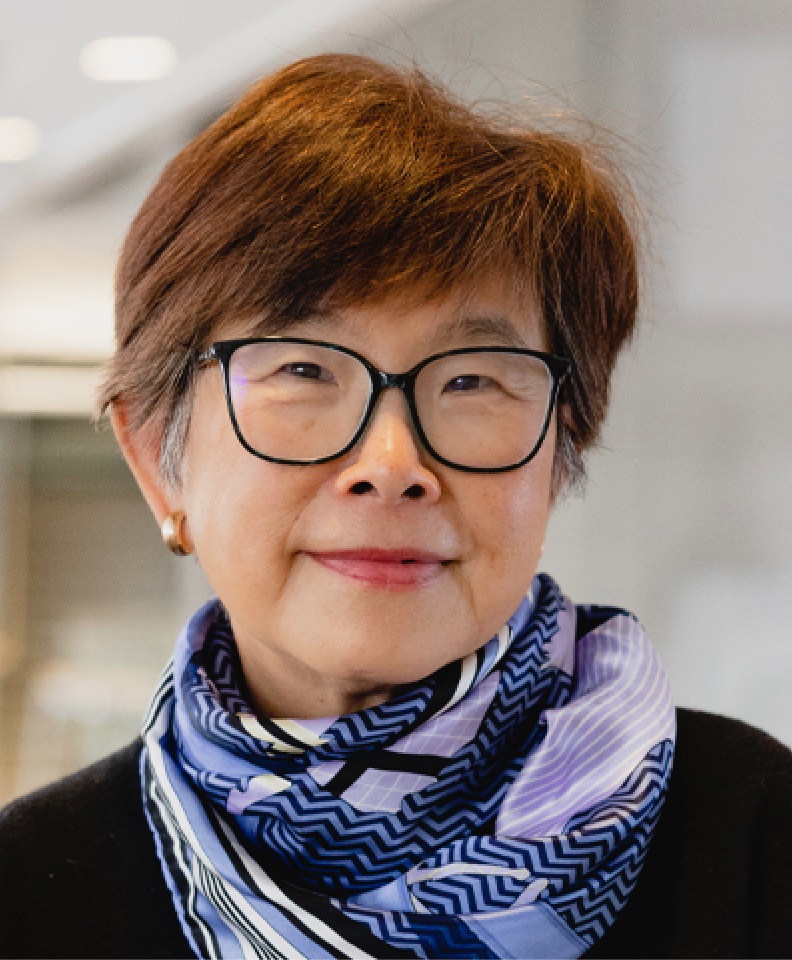
Jacob Coin, VP Speech Writer & Executive Advisor at the San Manuel Band of Mission Indians, brings decades of experience in working with tribes and tribal gaming operations.
Can you share your thoughts on the importance of San Manuel's partnership with the ICRG and how it impacts the community?
San Manuel has been an active participant in tribal government gaming for nearly 40 years, having opened San Manuel Indian Bingo in July 1986. It was 12 years following the enactment of the Indian Gaming Regulatory Act in 1988, that California finally completed compact negotiations with the tribes. Even with negotiations concluded, the matter had to be put before the voters as a constitutional amendment as the change in the state’s gaming policy requires the vote. The ballot initiative, Prop 1A, was adopted in March 2000 by 65% of the voters approving. Since then, tribes with gaming compacts have been paying into the state coffers to support responsible gaming programs as well as the state’s cost of regulating tribal government gaming. San Manuel has gone above and beyond the minimum with active support and engagement with the California Council on Problem Gambling (CCPG). In 2009, CCPG awarded the first designation to San Manuel Casino as a Responsible Gaming Establishment. The Tribe has invested in training and operational activities and programs to address gambling addictions in support of their guests since that time. I believe the Tribe’s commitment to Responsible Gaming benefits patrons, their families, San Manuel Casino, and the entire gaming industry.
As a new member of our Advisory Council, what are your aspirations and what do you hope to achieve in this role?
It is my goal to provide a Native American perspective on responsible gaming for the ICRG, including ways that tribal communities can benefit from educational initiatives and activities on responsible gaming. I am also very much interested in learning of opportunities for data collection initiatives targeting Native Americans regarding gambling addictions and treatment alternatives.
Reflecting on your journey, what inspired you to get involved with the ICRG and what has been the most rewarding aspect of your involvement so far?
My father returned from World War II with an addiction to alcohol. For more than 30 years, our family dealt with the challenges that addictive behaviors can inflict especially on family members. I have learned since that no one suffers more from addictions in the United States than Native Americans. If we can help tribes to properly and more effectively address gambling addictions, I would welcome an opportunity to help create efforts to address this issue.
|