Sasakawa USA Newsletter September Highlights | |
|
Included in this issue of the newsletter:
- Message from Sasakawa USA's Chairman Satohiro Akimoto
September Activities
- Presentation and Networking: Hon. Kenta Izumi and CDP Members Visit Sasakawa USA
- Washington Kenkyu Group (WKG): Discussion with Mr. John S. Gardner
- Washington Kenkyu Group (WKG): Discussion with Minister Tomoaki Ishigaki
- Rising Indo-Pacific Security Experts (RISE): RISE on Women, Peace and Security
- US-Japan NEXT Alliance Initiative: Allied on AI Workshop Planning
- Presentation and Networking: Research Institute for Peace and Security (RIPS) Young Policy Professionals Visit
- Presentation and Networking: Chuo/Reitaku University Students Visit
Recaps
- Policy Briefing: Forging a Path for U.S.-Japan Collaboration on Women, Peace and Security
External Engagements/Events
- United States Studies Centre at the University of Sydney: Mr. Jim Schoff Speaks on U.S.-Japan C2
- United States Japan Exchange & Teaching Programme Alumni Association (USJETAA): USJETAA National Conference for JET Alumni Chapters
- National Association of Japan-America Societies (NAJAS): NAJAS Annual Conference
Publications
- Japan Political Pulse (JPP): Snap Election or No Snap Election, That Is the Question (Dr. Akimoto)
- Japan Political Pulse (JPP): Opposition Infightings Continue to Help Kishida (Dr. Maeda)
- The Asan Institute for Policy Studies: The Impact of the Camp David Trilateral: A Perspective from Japan (Dr. Akimoto)
- US-Japan NEXT Alliance Initiative: The Case for Northeast Asia Command (Mr. Harding)
- Sasakawa USA Emerging Experts Delegation (SEED): 2023 SEED Delegate Publication on WPS (Ms. Dharmapuri)
Upcoming Activities
- Japan U.S. Military Program (JUMP): JUMP Honolulu
- US-Japan NEXT Alliance Initiative: NEXT Alliance Conference (NAC) in Annapolis
| |
Message from Sasakawa USA's Chairman Satohiro Akimoto | |
|
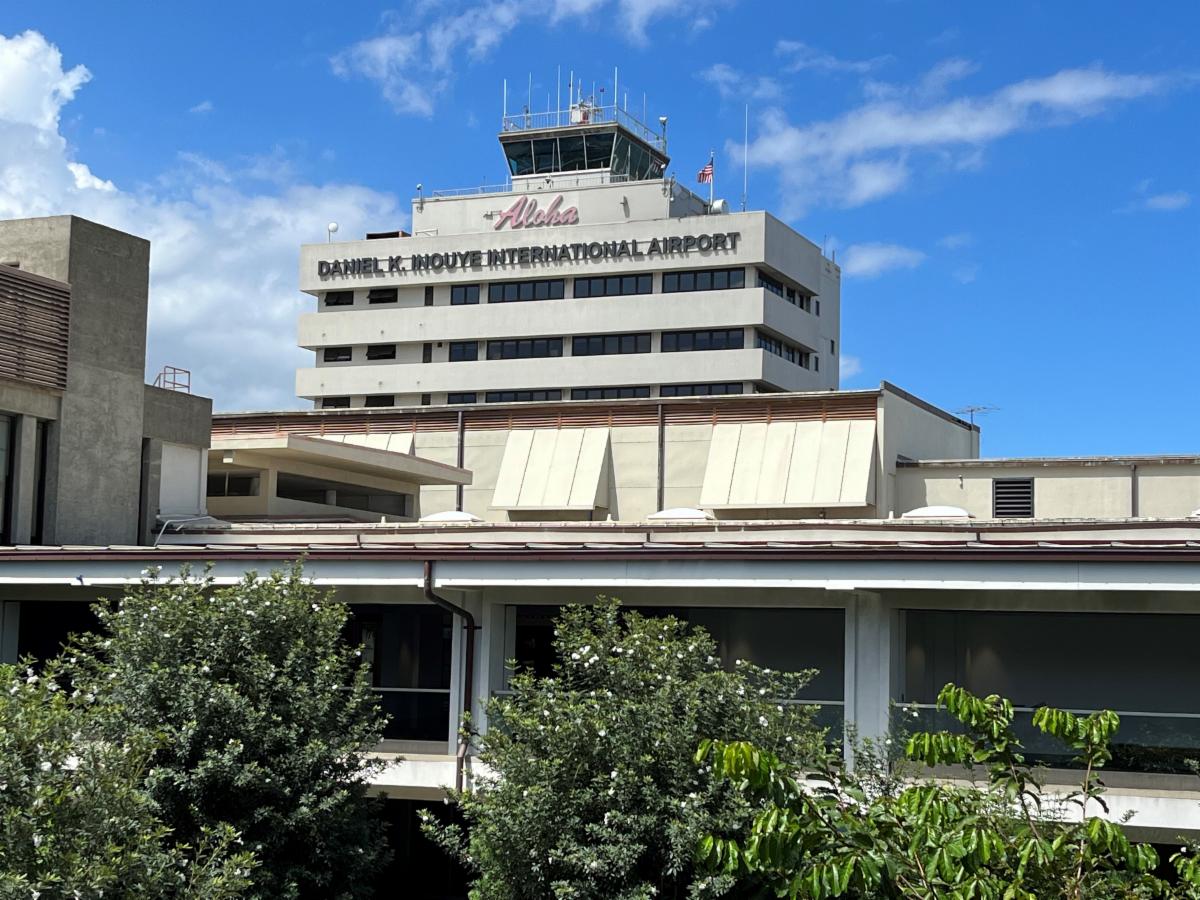
The international airport in Honolulu, Hawaii, was renamed Daniel K. Inouye International Airport in 2018 honoring the late U.S. Senator Daniel Inouye. Senator Inouye was born in Honolulu, Territory of Hawaii, in September 1924. Hyotaro Inouye, his father, immigrated to Hawaii as a child from Yame village in Fukuoka, famously known for its high quality Gyokuro green tea. Kame Inouye, his mother, was born on Maui to Japanese immigrant parents and grew up in Honolulu with adopted parents.
Senator Inouye was a complex person who had many aspects to his life. I only knew him for about fifteen years during the last chapter of his life. My mentors in Japanese business had mostly negative and lukewarm views of him at best, as he was a “Japan basher” during the bitter trade war between Japan and the U.S. in the 1980s. Senator Inouye harshly criticized Japan for its unfair trade practices and closed domestic market. He later reminisced that Japan did have self-centered trade policies, just as the U.S. also had self-centered trade policies, and he had to criticize Japan to prove he was an American politician on the Hill.
During the last chapter of his political life, Senator Inouye was a great supporter of U.S.-Japan relations. Despite his extremely busy schedule with many political roles, including president pro tempore of the U.S. Senate, he always tried to be available to meet with visiting Japanese political and business leaders, and connect leaders of the Senate to them. A Japanese business leader, who reconnected with him after many years, mentioned that Senator Inouye acted like a different person than his “Japan bashing years” toward the end of his life. I was surprised to hear Senator Inouye say to this gentleman in Japanese, “boku wa Fukuoka desu (I am from Fukuoka),” as I thought he did not speak Japanese. He even sang a song in Japanese at the Senate dining hall to this gentleman over lunch.
According to Senator Inouye, his middle initial “K” stands for Kenchiku, a Japanese word meaning “to build.” When his family was living in Yame, a fire burnt down the village. The Inouye family had to leave the village because they were blamed for the fire and decided to immigrate to Hawaii for a new life. His father gave him the middle initial “K” hoping that he would “re-build” honor for the Inouye family during his life. Senator Inouye told me that one of the most memorable experiences of his life was when he visited Yame village with his wife Irene Inouye Hirano, and was warmly welcomed by the village members. Subsequently, he thought his family mission was accomplished.
Senator Inouye was wounded grievously in the 442nd Regimental Combat Team’s assault on the Gothic Line in Italy. He was shot in the body and his right arm was amputated at a military field hospital. Senator Inouye began his rehabilitation at the Army’s rehabilitation center in Atlantic City, New Jersey and was later transferred to Percy Jones Army Hospital in Battle Creek, Michigan, to continue his rehabilitation. Senator Inouye said he lost hope for his life when he lost his right arm. However, he met a young, wounded soldier, who was energetic and hopeful about his life despite the fact he lost the function of his right arm. When Senator Inouye approached this young soldier, the young soldier told him that he plans to become a politician and he could do that without one arm. Senator Inouye said he was inspired by this young soldier named Bob Dole and decided to become a politician himself, too. The hospital has been renamed Hart-Dole-Inouye Federal Center in their honor.
It was very important for Senator Inouye to be a Japanese American. He said when Japanese are not regarded well in the U.S., it reflects on Japanese Americans in the U.S., too. This was one of the reasons, why Senator Inouye wanted to establish the U.S.-Japan Council to promote better understanding between Japanese Americans and Japanese nationals. I only knew limited aspects of Senator Inouye’s long and distinguished life, but I think of his personal and professional mission whenever I arrive at Daniel K. Inouye International Airport.
| |
Photo: Daniel K. Inouye International Airport in Honolulu, Hawaii (Sasakawa USA) | |
Presentation and Networking: Hon. Kenta Izumi and CDP Members Visit Sasakawa USA | |
|
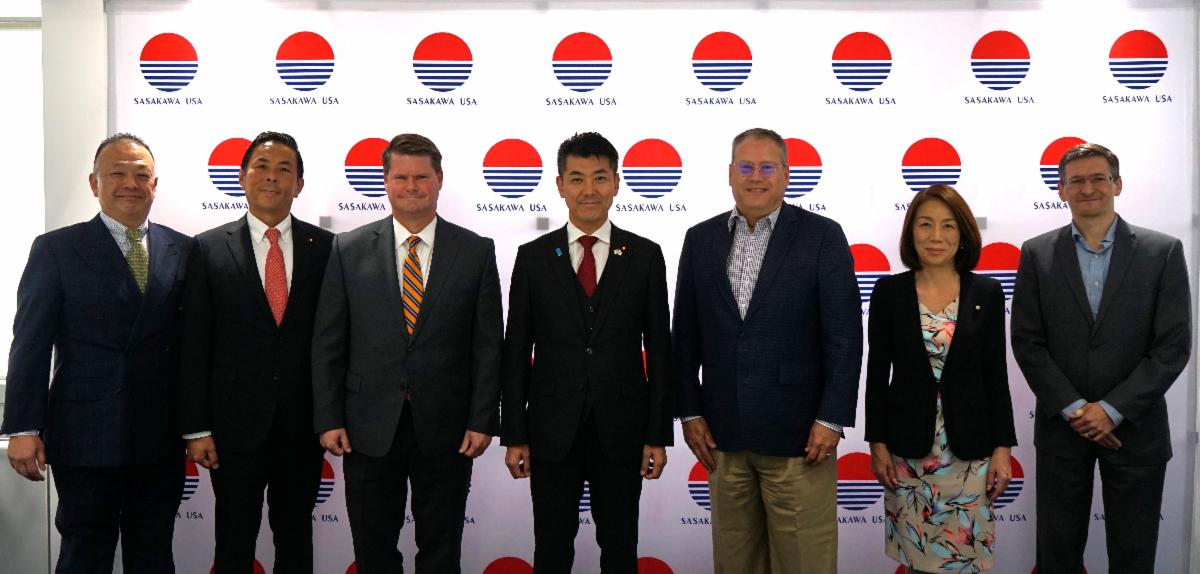
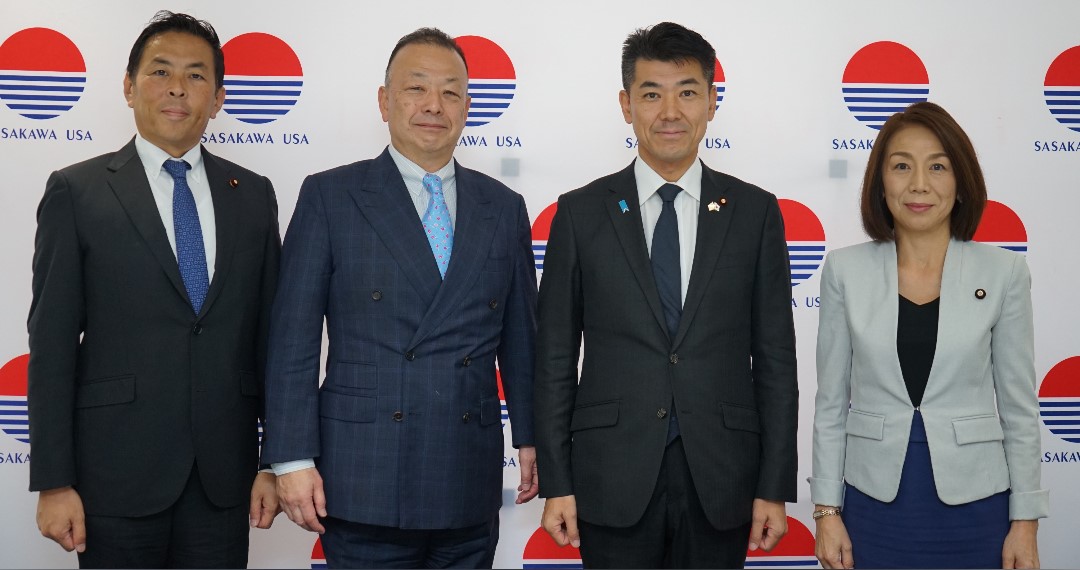
On September 11 and 12, Sasakawa USA welcomed the Hon. Kenta Izumi, president of the Constitutional Democratic Party (CDP) and member of Japan’s House of Representatives, and a delegation of senior party members to our office in Washington, DC. Hon. Izumi and his delegation, consisting of the Hon. Go Shinohara and the Hon. Eri Tokunaga, both members of Japan’s House of Representatives, participated in a private roundtable with senior American foreign policy and national security experts AMB Kurt Tong, Advisory Committee Member, Sasakawa USA; Hon. Randall Schriver, Advisory Committee Member, Sasakawa USA; and Dr. Zack Cooper, Senior Fellow, American Enterprise Institute; where they discussed the Constitutional Democratic Party’s strategies for dealing with security challenges facing Japan and the delegation’s perspective on the importance of the U.S.-Japan alliance.
Photo (left to right): Dr. Satohiro Akimoto, Chairman and President, Sasakawa USA; Hon. Go Shinohara, Member, House of Representatives of Japan; Hon. Randall Schriver, Advisory Committee Member, Sasakawa USA; Hon. Kenta Izumi, President, Constitutional Democratic Party of Japan; AMB Kurt Tong, Advisory Committee Member, Sasakawa USA; Hon. Eri Tokunaga, Member, House of Representatives of Japan; Dr. Zack Cooper, Senior Fellow, American Enterprise Institute
| |
Washington Kenkyu Group (WKG): Discussion with Mr. John S. Gardner | |
|
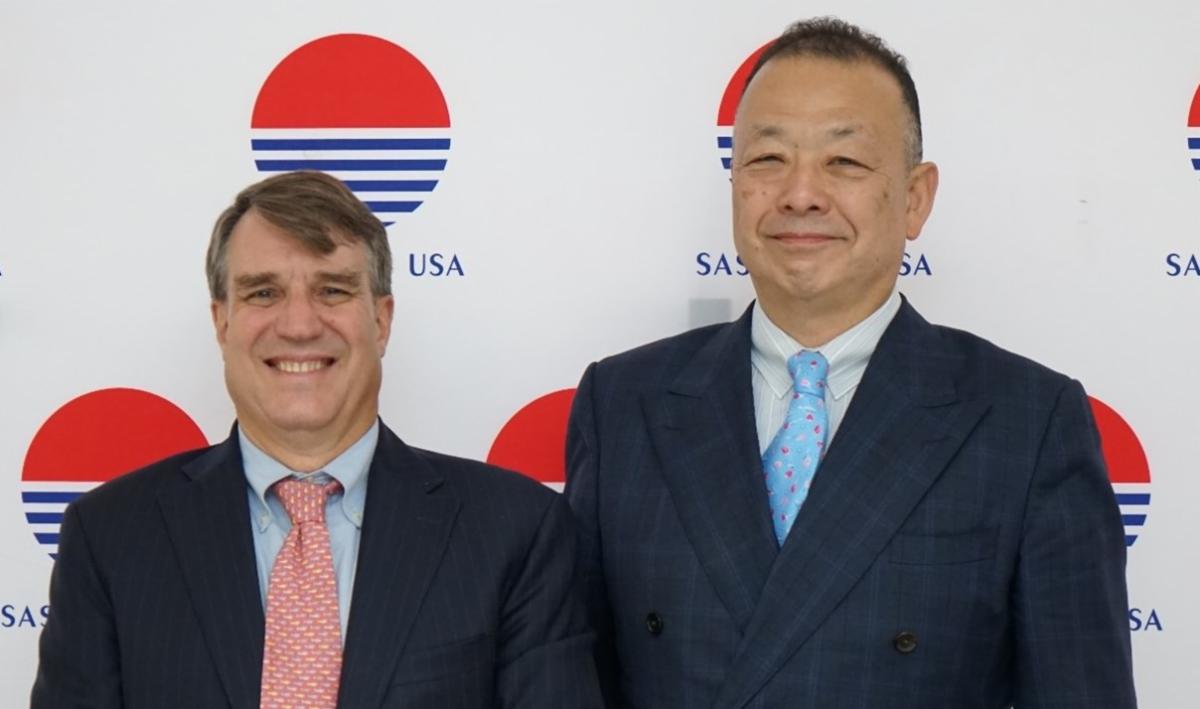
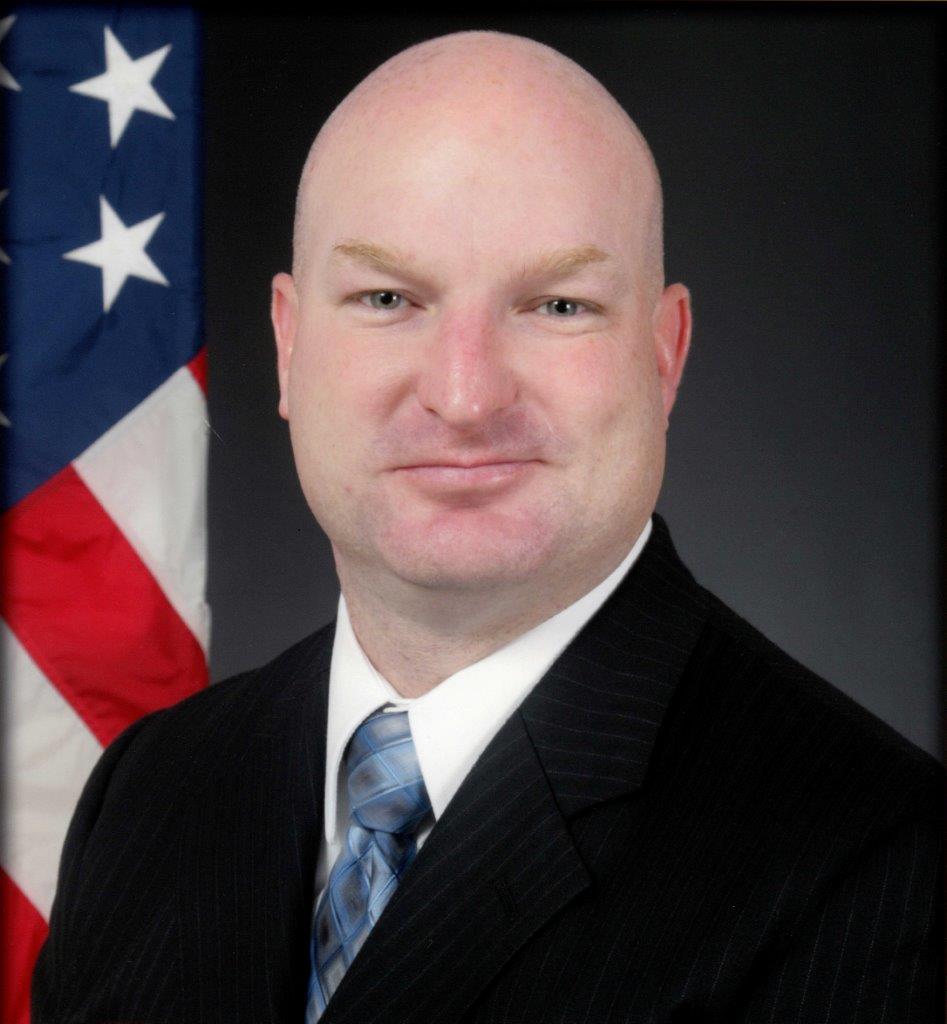
On September 11, Washington Kenkyu Group welcomed Mr. John. S. Gardner, former deputy assistant to the president and deputy staff secretary under President George W. Bush. Mr. Gardner’s remarks focused on the Biden administration’s recent restrictions on U.S. investments in Chinese advanced technology. His presentation was followed by a lively Q&A discussion with attending Japanese representatives from the private sector, media, and think tanks.
Photo: Mr. John S. Gardner and Dr. Satohiro Akimoto
| |
Washington Kenkyu Group (WKG): Discussion with Minister Tomoaki Ishigaki | |
|
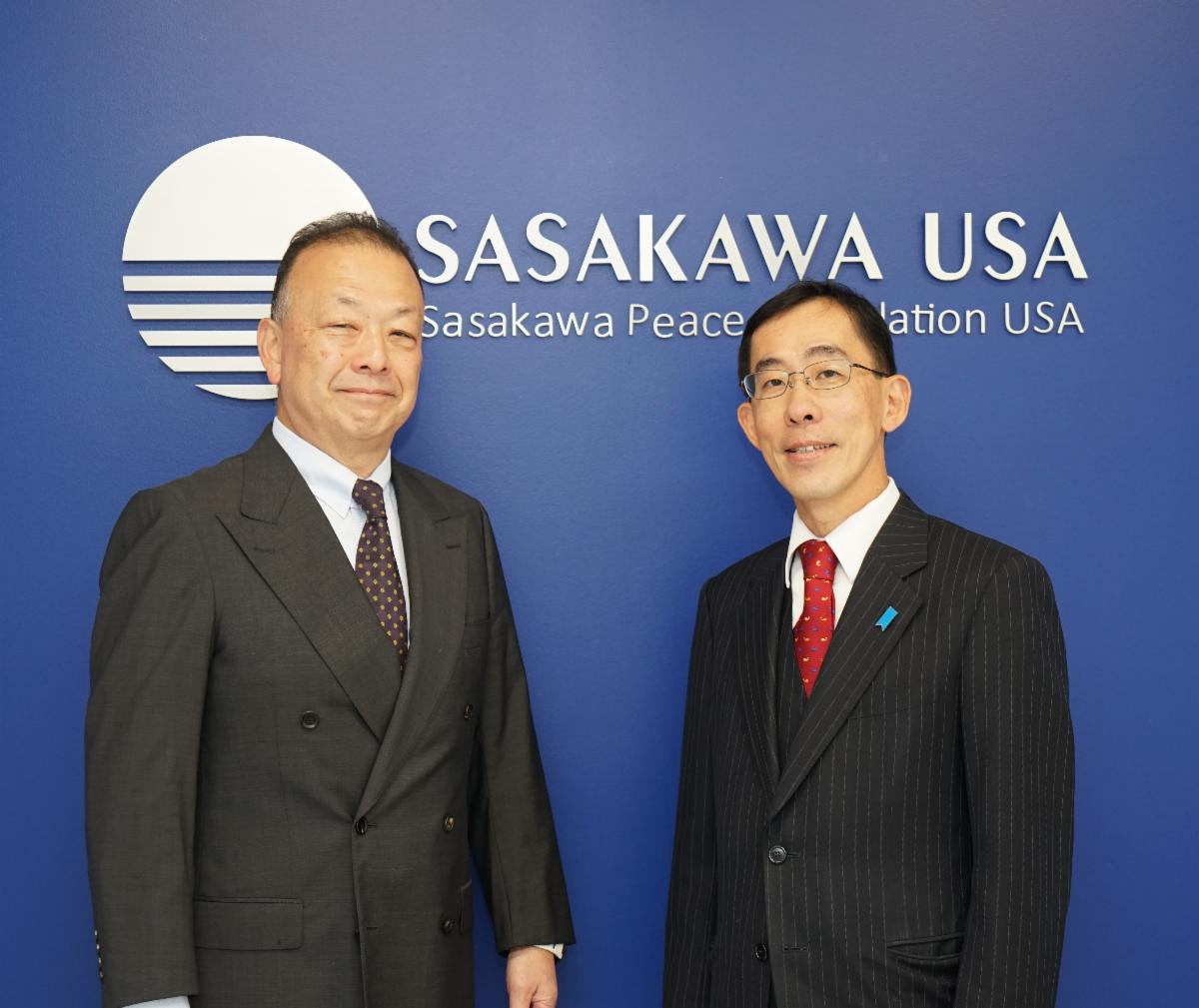
On September 25, Washington Kenkyu Group welcomed Mr. Tomoaki Ishigaki, minister of congressional affairs at the Embassy of Japan in the United States of America. Mr. Ishigaki discussed the main points of his newly published book, The United States Congress: Functions, Challenges, and Prospects (Amerika Renpo Gikai: Kinou, Kadai, Tenbo), (Tokyo: Yūhikaku, September 12, 2023). Following his remarks, the Kenkyu group engaged in a lively Q&A discussion with attending Japanese representatives from the private sector, media, and think tanks.
Photo: Dr. Satohiro Akimoto and Minister Tomoaki Ishigaki
| |
Rising Indo-Pacific Security Experts (RISE): RISE on Women, Peace and Security | |
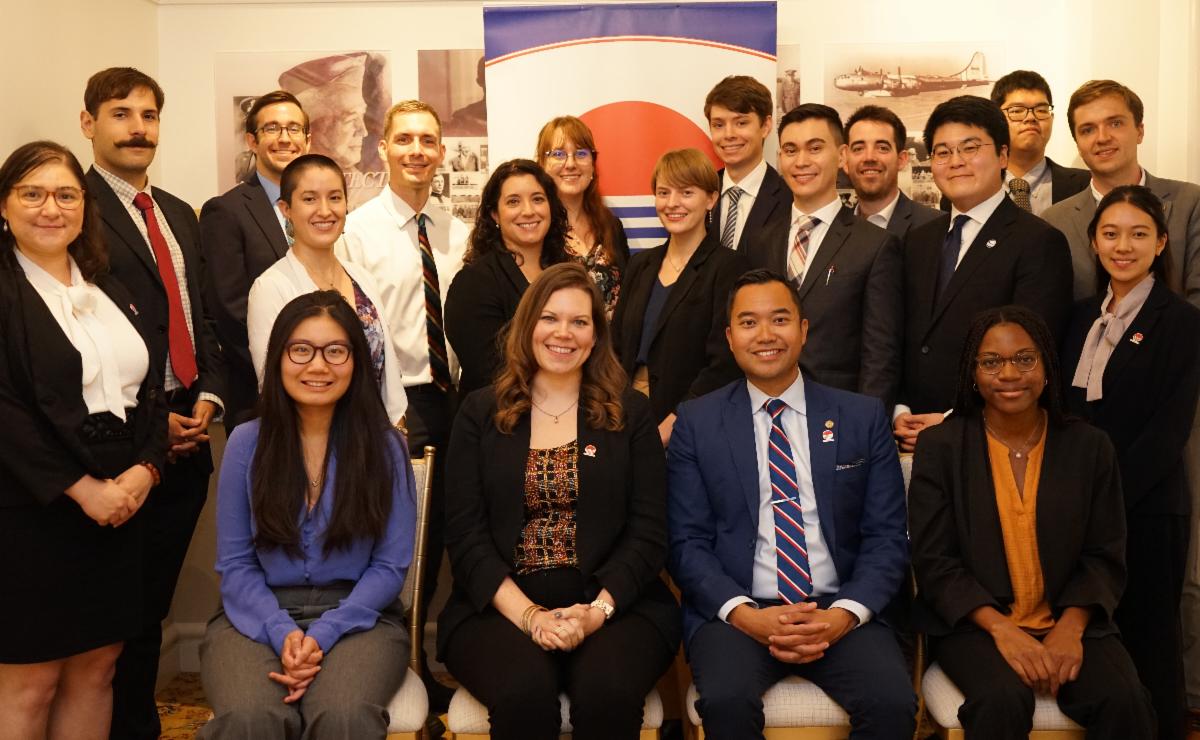
On September 12, Sasakawa USA welcomed CDR Andre Agraviador, senior military advisor in the Secretary’s Office of Global Women’s Issues at the Department of State, and Ms. Shanti Shoji, director of programs at Sasakawa USA to speak at the RISE event, "Women, Peace and Security in the U.S.-Japan Alliance."
In this iteration of RISE, CDR Agraviador and Ms. Shoji discussed their recent Women, Peace and Security (WPS) research trip to Japan, along with the critical role WPS plays in forging a more safe and secure Indo-Pacific, and how the U.S.-Japan alliance can be further strengthened through WPS collaboration. The RISE members engaged the speakers throughout the event in robust and productive dialogue on the topic, commenting on key issues that still need to be addressed in further promoting the WPS agenda within the bilateral relationship.
Sasakawa USA’s Rising Indo-Pacific Security Experts (RISE) group is a network of young and emerging Indo-Pacific security experts, whose research and professional development Sasakawa USA strives to support through networking and dialogue in the DC area. For additional information on these programs, please visit Sasakawa USA’s RISE and SEED program webpages.
Photo: Ms. Shanti Shoji and CDR Andre Agraviador (front row and center) with RISE participants
| |
US-Japan NEXT Alliance Initiative: Allied on AI Workshop Planning | |
|
The NEXT Alliance Initiative held a brainstorming session on September 6 with DC-based representatives from the Embassy of Japan, Japan Science & Technology Agency, New Energy and Industrial Technology Development Organization, and Japan’s National Institute of Information and Communications Technology. NEXT is assembling a future bilateral workshop related to Artificial Intelligence called “Allied on AI,” and this was one of several NEXT planning meetings with various U.S. and Japanese stakeholders so that the NEXT AI event can be as constructive and relevant as possible.
| |
Presentation and Networking: Research Institute for Peace and Security (RIPS) Young Policy Professionals Visit | |
|
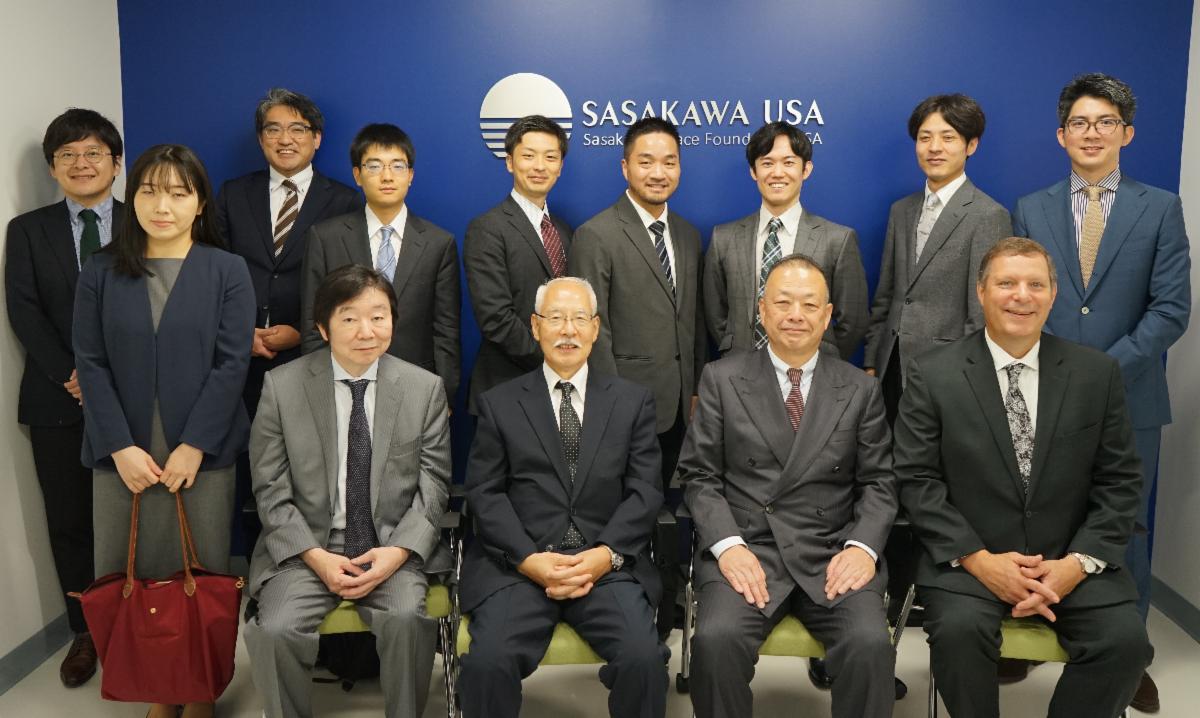
Sasakawa USA hosted 11 researchers from the Tokyo-based Research Institute for Peace and Security (RIPS) on September 7. The group, led by Matake Kamiya (professor of international relations at National Defense Academy of Japan) and Jitsuo Tsuchiyama (RIPS fellowship program director and emeritus professor of Aoyama Gakuin University), discussed U.S.-Japan bilateral relations, Indo-Pacific/global security challenges, and Sasakawa USA and NEXT Alliance Initiative projects with Senior Director Jim Schoff and Chairman and President Satohiro Akimoto.
Photo: Prof. Matake Kamiya, Mr. Jitsuo Tsuchiyama, Dr. Satohiro Akimoto, and Mr. Jim Schoff (front row, left to right) with RIPS researchers
| |
Presentation and Networking: Chuo/Reitaku University Students Visit | |
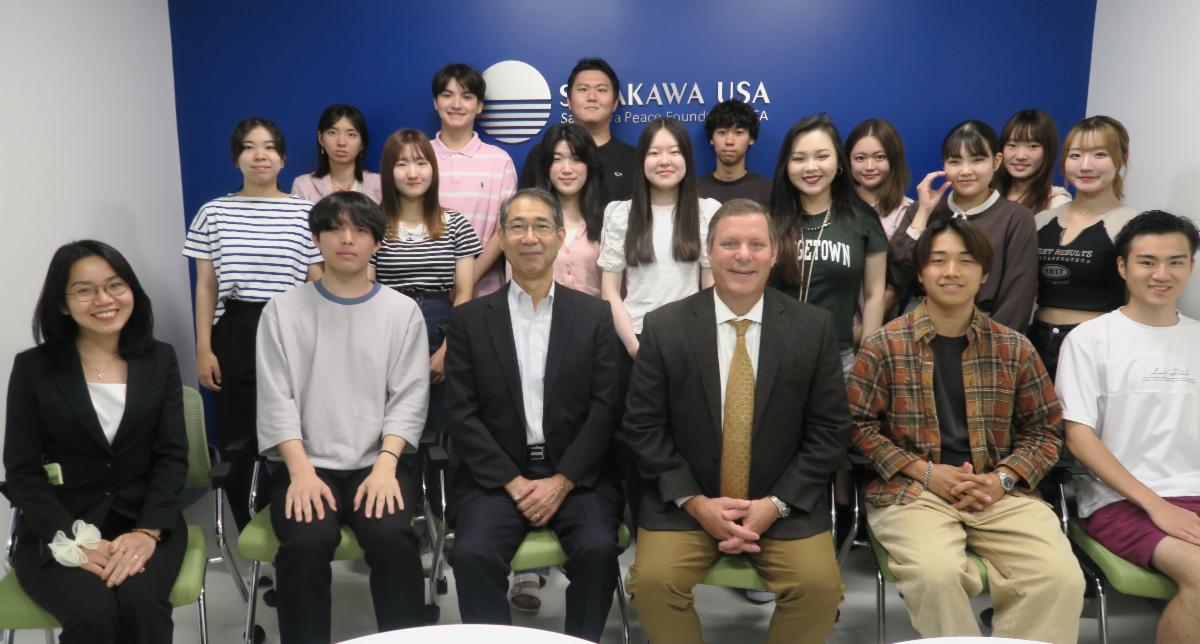
The NEXT Alliance Initiative hosted 17 international affairs-focused undergraduate students from Chuo University and Reitaku University on September 15. The event opened with presentations by Senior Director Jim Schoff on U.S.-Japan bilateral relations and Sasakawa USA initiatives. The students then engaged Mr. Schoff in a Q&A session on Indo-Pacific security challenges and American perspectives on Japan and Asia writ large.
Photo: Dr. Masakazu Watanuki, Japan Global Initiative President, and Mr. Jim Schoff (front row and center) with students from Chuo University and Reitaku University
| |
Policy Briefing: Forging a Path for U.S.-Japan Collaboration on Women, Peace and Security | |
|
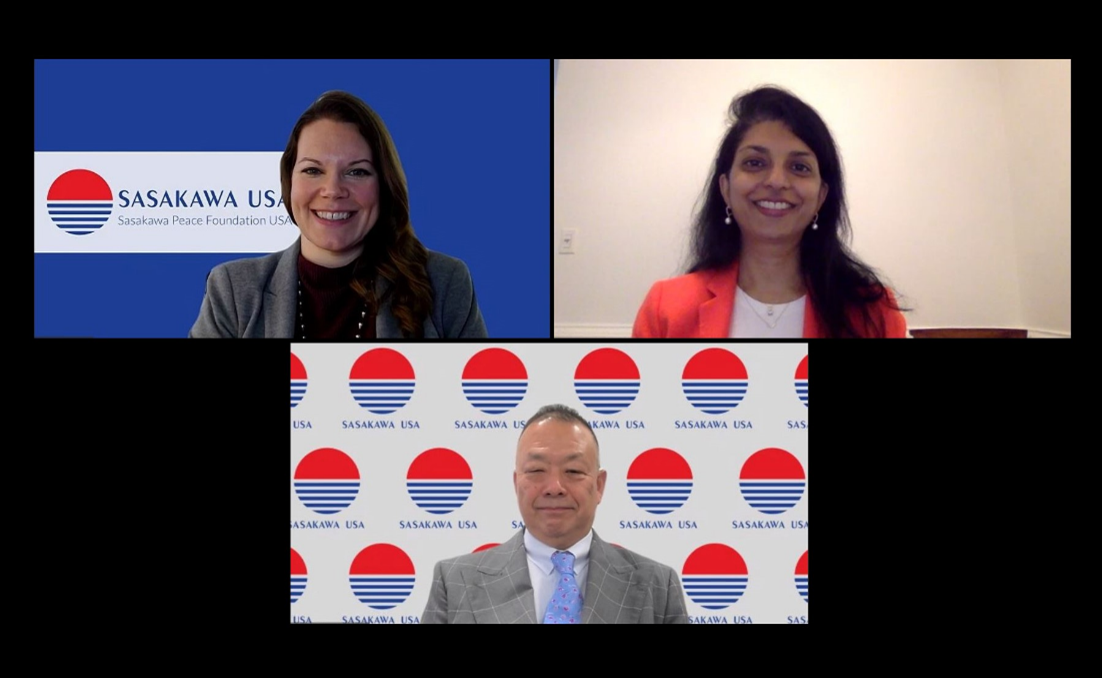
The written recap and video recording of Sasakawa USA’s virtual policy briefing, “Forging a Path for U.S.-Japan Collaboration on Women, Peace and Security,” are now available on Sasakawa USA's website. The event featured remarks by Ms. Sahana Dharmapuri, director at Our Secure Future, and Ms. Shanti Shoji, director of programs at Sasakawa USA.
In this event, Ms. Shoji and Ms. Dharmapuri provided updates on the current state of WPS in the U.S. and Japan and discussed current challenges to be addressed and opportunities to explore for U.S.-Japan collaboration on WPS. Following their remarks, Ms. Tomoko Matsuzawa, director for international cooperation on Women, Peace and Security, Indo-Pacific Regional Policy Division, Bureau of Defense Policy, Ministry of Defense Japan; and director for defense cooperation in the Indo-Pacific region, Ministry of Defense Japan, provided a brief update on Japan's defense ministry’s WPS programs. Dr. Satohiro Akimoto, chairman and president of Sasakawa USA, moderated the Q&A session following their remarks. More information on SEED can be found on Sasakawa USA’s website.
Photo (clockwise from top left): Ms. Shanti Shoji, Ms. Sahana Dharmapuri, and Dr. Satohiro Akimoto
| |
External Engagements/Events | |
|
United States Studies Centre at the University of Sydney:
Mr. Jim Schoff Speaks on U.S.-Japan C2 Modernization and Implications for Australia
| |
|
NEXT Alliance Initiative Senior Director Jim Schoff participated virtually as a panelist for a policy dialogue hosted by the University of Sydney’s United States Studies Centre to discuss U.S.-Japan Command-and-Control Arrangements (C2) on September 6. Mr. Schoff spoke to a group of 21 experts from the U.S., Japan, and Australia, alongside Mr. Hirohito Ogi, senior research fellow at the Asia Pacific Initiative and RADM Jaimie Hatcher, managing director at Heimdall Consulting. The discussion was part of Dr. Michael Green’s, United States Studies Centre CEO, project entitled "Assessing Implementation of Abe’s National Security Strategy."
Photo: Mr. Jim Schoff
| |
United States Japan Exchange & Teaching Programme Alumni Association (USJETAA): USJETAA National Conference for JET Alumni Chapters | |
|
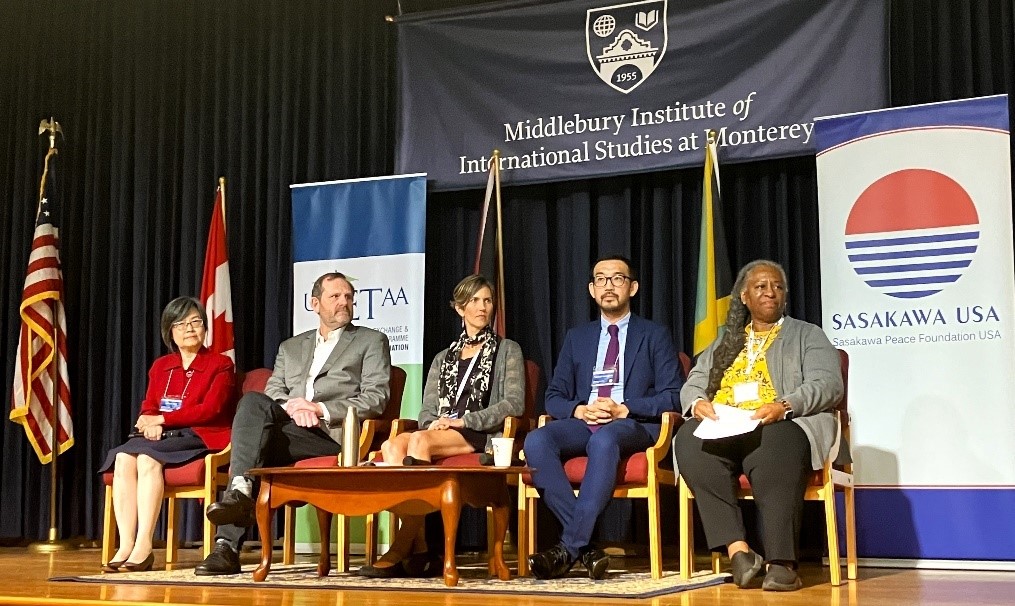
From September 8-10, Sasakawa USA representatives attended the 2023 JETAA USA National Conference (NatCon) which provides leadership training, capacity-development support, and networking opportunities for leaders of JET alumni chapters across the United States. This year’s conference was hosted by the JET Alumni Association of Northern California and Nevada, who partnered with the Middlebury Institute of International Studies in Monterey, CA, to hold a hybrid conference. As part of Sasakawa USA's partnership with USJETAA, funding was provided for the NatCon keynote address by Ms. Karen Kelley, former U.S. consul general in Osaka, and co-sponsored a career panel featuring JET alumni and friends of the JET Program who shared insights on how to leverage experience on the JET Program to achieve professional goals post-JET.
Photo (left to right): Ms. Winnie Heh, Mr. Scott Pulizzi, Ms. Jessyca Livingston, Mr. Takeshi Yamagishi, and Ms. Karen Kelley
| |
National Association of Japan-America Societies (NAJAS): NAJAS Annual Conference | |
|
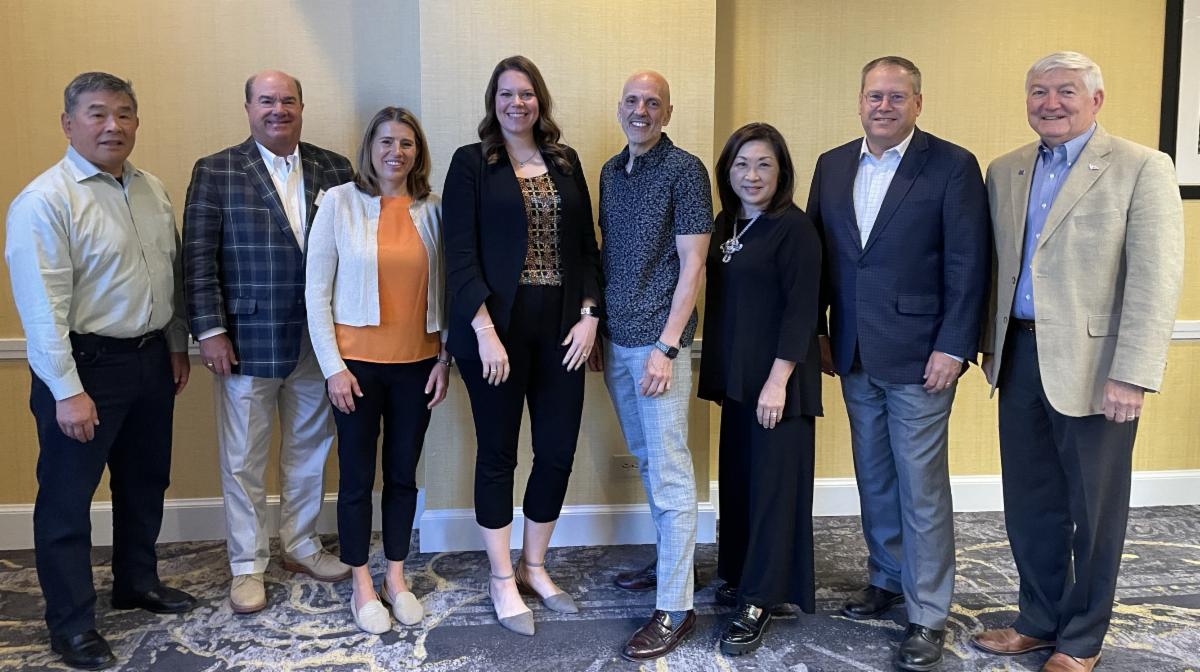
From September 21-22, Sasakawa USA Director of Programs Ms. Shanti Shoji participated in the National Association of Japan-America Societies (NAJAS) Annual Meeting in Columbus, Ohio. Ms. Shoji spoke on a funders panel about Sasakawa USA’s Japan-U.S. Military Program (JUMP), which partners with NAJAS to hold several JUMP events each year with Japan-America Societies throughout the United States. She also met with JUMP partners from NAJAS and several Japan-America societies to discuss the preparations for upcoming JUMP events in Honolulu and Seattle, as well as the future outlook for JUMP as a whole.
Photo (left to right): Mr. Dale Watanabe, Executive Director, Japan-America Society of the State of Washington; Mr. Mike Turner, President, Japan Society of New Orleans; Ms. Emma Chanlett-Avery, Vice-Chair, National Association of Japan-America Societies; Ms. Shanti Shoji, Director of Programs, Sasakawa USA; Mr. Andrew Wylegala, President, National Association of Japan-America Societies; Ms. Reyna Kaneko, President, Japan-America Society of Hawaii; AMB Kurt Tong, Chair, National Association of Japan-America Societies; RADM James Kelly, former Commander, U.S. Naval Forces Japan
| |
Japan Political Pulse: Snap Election or No Snap Election, That Is the Question (Dr. Akimoto) | |
|
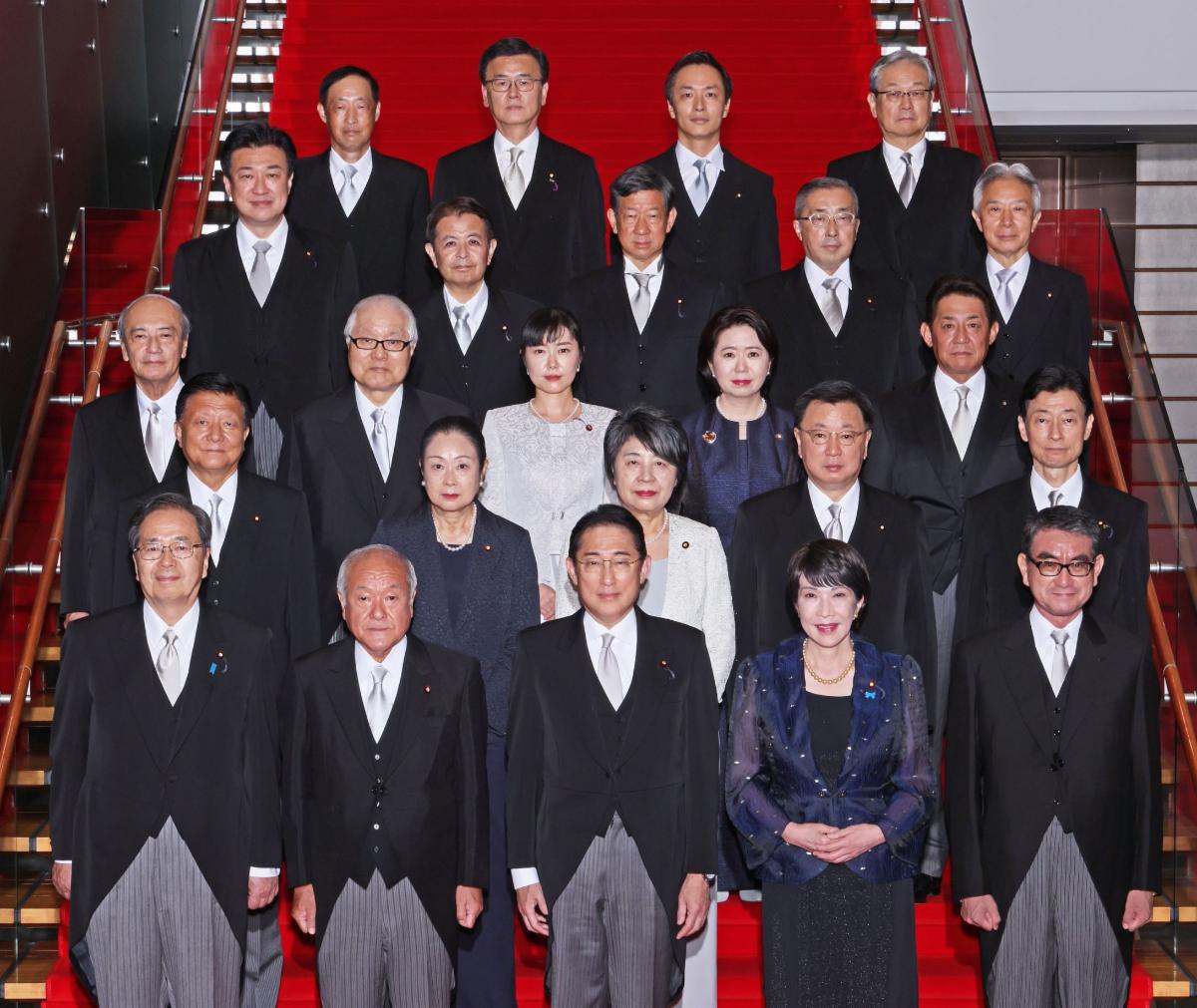
In his recent article, “Snap Election or No Snap Election, That Is the Question,” Sasakawa USA Chairman and President Dr. Satohiro Akimoto outlines what was supposed to be Prime Minister Fumio Kishida's snap election strategies of establishing himself as a leader on the world stage, reshuffling his Cabinet and Liberal Democratic Party (LDP) leadership positions, and unveiling an economic stimulus package. In addition, Dr. Akimoto notes five important factors that need to be in place for the prime minister to call a snap election. While carefully maintaining cooperation with leaders of the largest LDP factions, Dr. Akimoto predicts December is the best scenario for Prime Minister Kishida calling a snap election. You can read more of Dr. Akimoto’s article here.
Japan Political Pulse (JPP) is a resource for American media, policymakers, academics, and the public with regular and reliable insight and analysis of the trends and state of Japanese politics.
Photo: On September 13, 2023, Prime Minister Kishida inaugurated the second Kishida Cabinet after a reshuffle. (Official Website of the Prime Minister of Japan and His Cabinet)
| |
Japan Political Pulse: Opposition Infightings Continue to Help Kishida (Dr. Maeda) | |
|
In this new analysis, “Opposition Infightings Continue to Help Kishida,” Dr. Ko Maeda, associate professor of political science at the University of North Texas, appraises Japan’s four main opposition parties—the Constitutional Democratic Party (CDP), Japanese Communist Party (JCP), Democratic Party for the People (DPP), and Nippon Ishin no Kai (Ishin)—and how divisions amongst these parties pose a weak threat for Prime Minister Fumio Kishida.
In this piece, Dr. Maeda underscores the significance of opposition party coordination—whether to run multiple opposition candidates versus a single opposition candidate—for single-member district (SMD) elections. For instance, Dr. Maeda points out that the CDP is torn over its strategy (compete by itself or coordinate candidate nominations in SMDs) with the JCP. On the other hand, the JCP wants to coordinate candidate nominations in SMDs and agree on policy matters with the CDP. Meanwhile, the DPP aims to become stronger on its own versus merge with CDP to create a more formidable opposition party. Whereas Ishin has the highest popularity among opposition parties, there’s discord within the party whether to join the ruling coalition if the Liberal Democratic Party (LDP) and Komeito lose a majority in the lower house. As a result, Dr. Maeda predicts Prime Minister Kishida will have more rivals within the LDP versus Japan’s opposition parties. You can read more of Dr. Maeda’s article here.
Japan Political Pulse (JPP) is a resource for American media, policymakers, academics, and the public with regular and reliable insight and analysis of the trends and state of Japanese politics.
Photo (left to right): Mr. Go Shinohara, Member of the House of Representatives, CDP; Dr. Satohiro Akimoto, Sasakawa USA Chairman and President; Mr. Kenta Izumi, Constitutional Democratic Party (CDP) President; and Ms. Eri Tokunaga, Member of the House of Councillors, CDP (Sasakawa USA)
| |
|
The Asan Institute for Policy Studies: The Impact of the Camp David Trilateral: A Perspective from Japan
(Dr. Akimoto)
| |
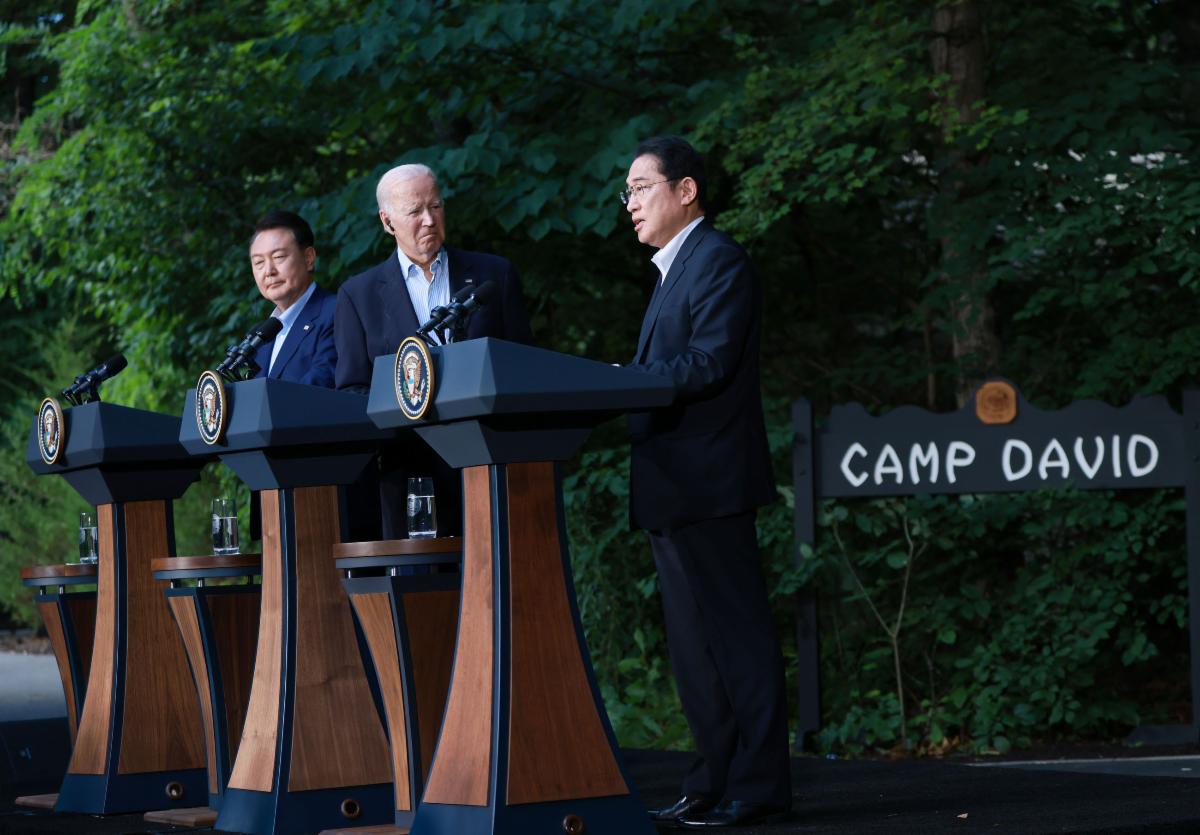 |  | In The Asan Forum by the Asan Institute for Policy Studies, Sasakawa USA Chairman and President Dr. Satohiro Akimoto analyzes the new era of trilateral partnership between the United States, Japan, and the Republic of Korea in “The Impact of the Camp David Trilateral: A Perspective from Japan.” Dr. Akimoto contends the key to moving forward with the U.S.-Japan-ROK trilateral is improved bilateral relations between Japan and the ROK. Dr. Akimoto notes Prime Minister Kishida has been actively transforming Japan’s relationship with the ROK and commends President Yoon Suk Yeol for taking a political risk and normalizing relations with Japan. The U.S, Japan, and ROK are natural allies with common national interests in democracy and the rule of law, and strategic cooperation is logical given shared geopolitical and national security threats in the Indo-Pacific. In that regard, Dr. Akimoto outlines four crucial areas for the trilateral relationship’s potential longevity. You can read more of Dr. Akimoto’s commentary here.
Photo (left to right): Republic of Korea President Yoon Suk Yeol, U.S. President Joe Biden, and Japan Prime Minister Fumio Kishida at a joint press conference for the historic Japan-U.S.-ROK trilateral summit at Camp David on August 18, 2023. (Official Website of the Prime Minister of Japan and His Cabinet)
| |
US-Japan NEXT Alliance Initiative: The Case for Northeast Asia Command (Mr. Harding) | |
|
The NEXT Alliance Initiative published a paper entitled, “The Case for Northeast Asia Command,” written by guest author Mr. Shawn Harding, international affairs PhD candidate at John Hopkins SAIS. Mr. Harding's paper is published alongside eight other works by the initiative on the topic of defense cooperation and modernizing U.S.-Japan C2 relations. For Mr. Harding’s paper, click here. To read all the works by the initiative on the topic, click here.
Photo: Mr. Shawn Harding
| |
|
Sasakawa USA Emerging Experts Delegation (SEED):
2023 SEED Delegate Publication on WPS (Ms. Dharmapuri)
| |
|
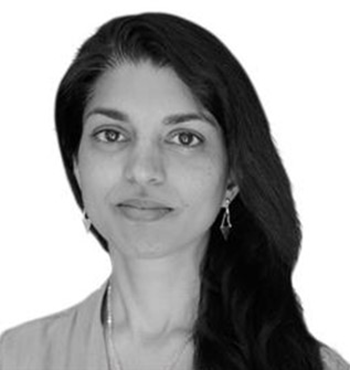
As part of her participation in the 2023 Sasakawa USA Emerging Experts Delegation on Women, Peace and Security, Sasakawa USA published Ms. Sahana Dharmapuri's paper on "Recommendations for the United States and Japan to Redefine Security: Applying a Bilateral Approach to Women, Peace and Security." In her piece, Ms. Dharmapuri, director of Our Secure Future, summarizes her findings from the one-week research trip to Tokyo earlier this summer. In her paper, Ms. Dharmapuri shares her recommendations for continuing the momentum to integrate gendered perspectives into national security planning and domestic policymaking in Japan to promote women’s full inclusion in society and promote peace and stability in the region. Her article is available to read on the Sasakawa USA website here; articles from the other SEED delegates will continue to be published on a rolling basis over the coming weeks.
Photo: Ms. Sahana Dharmapuri
| |
Japan U.S. Military Program (JUMP): JUMP Honolulu | |
|
On October 4, Sasakawa USA will hold a Japan-U.S. Military Program (JUMP) event during the port call of the Japan Maritime Self-Defense Force's training vessel JS Kashima in Honolulu, HI. JUMP Honolulu will feature high-level keynote speakers from the U.S. Indo-Pacific Command and the Japan Maritime Self-Defense Forces and will be attended by American and Japanese servicemembers, including crew members of the JS Kashima, as well as civilian officials and members of the local community. JUMP Honolulu will be held in partnership with the National Association of Japan-America Societies, Japan-America Society of Hawaii, and the Embassy of Japan in the United States.
| |
US-Japan NEXT Alliance Initiative: NEXT Alliance Conference (NAC) in Annapolis | |
|
The NEXT Alliance Initiative is proud to announce its third NEXT Alliance Conference (NAC), which will take place in DC and Annapolis from October 27-29. The NAC is convened twice per year by Sasakawa USA on an emerging priority issue area for the U.S.-Japan alliance. The Fall 2023 conference will be attended by around 30 American and Japanese specialists from government, academia, think tanks, and the private sector focused on “U.S.-Japan Command Relationships for New Challenges.” The group will convene workshop sessions on current command and control (C2) modernization, technology aspects of C2 modernization, Korea and other multilateral considerations, and sequencing next steps, in addition to briefings by U.S. government officials and other speakers. Upon its conclusion, NEXT will hold a public event with some of the NAC participants in Washington, DC, on October 30.
| |
|
Sasakawa Peace Foundation USA
1819 L Street, NW
Suite 300
Washington, DC 20036
202.296.6694
www.spfusa.org
| | | | |