|
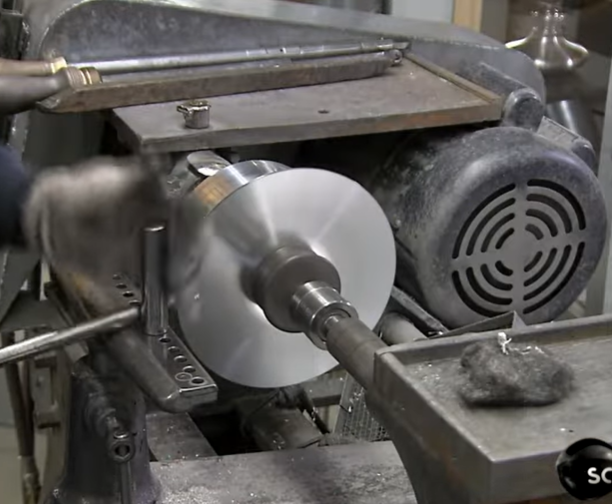
A Mr. James Vickers discovered, in 1769, that adding antimony to the pewter mix could turn the alloy into a sheet of pewter. Therefore, instead of pouring hot molten liquid pewter into bronze molds you could put a sheet of pewter either on a former and shape it by hand and or spinning it. Then the formed pieces could be soldered together making a pewter vessel that was lighter and less expensive. This is still a very popular skilled method of making pewter today.
Lead is not used in pewter today, by law it is not allowed in anything that will hold or come in contact with food or beverages. Many artisans don’t use pewter at all in any of their products.
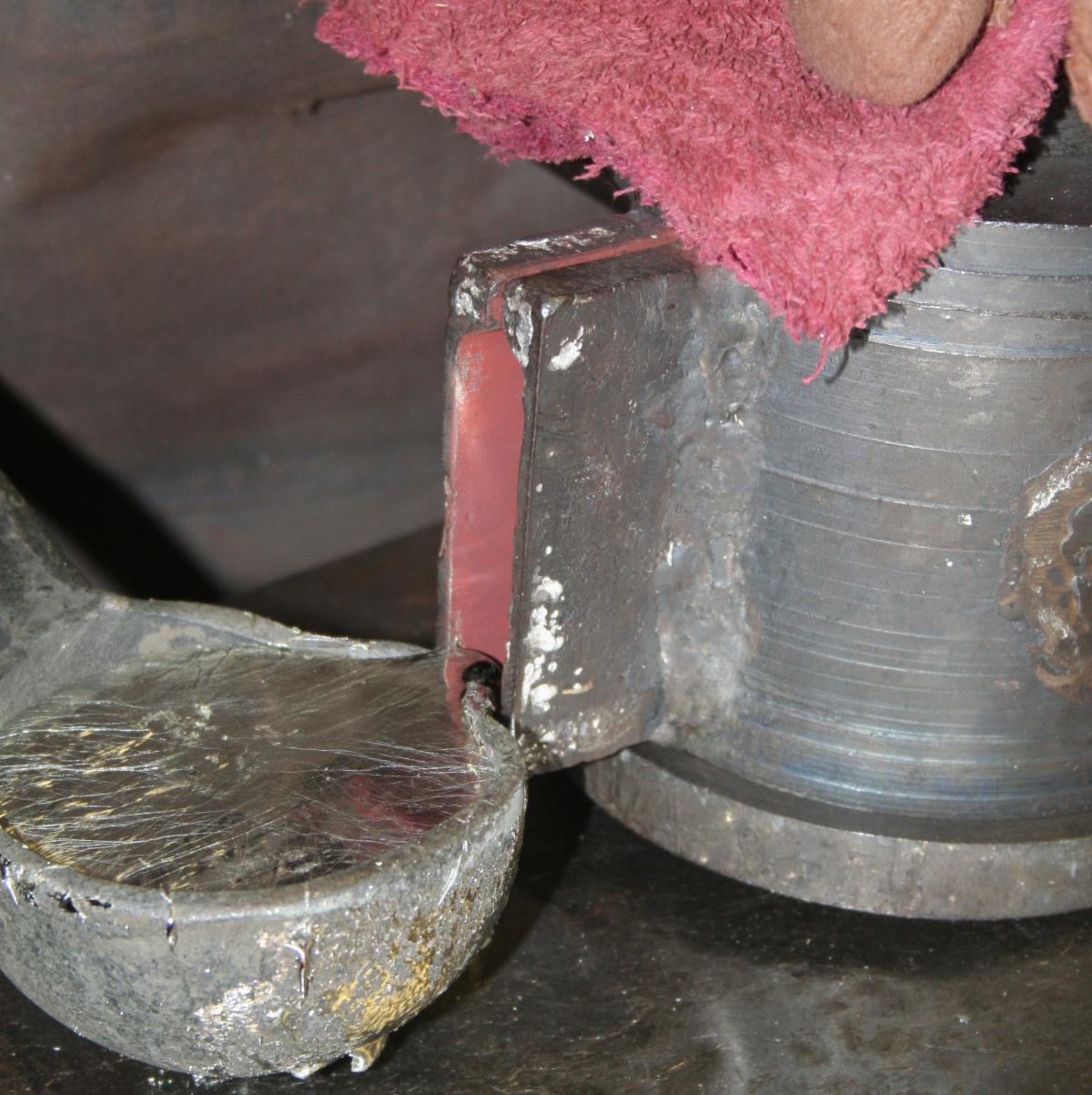
Hampshire Pewter uses a lead free formula called Queen’s metal™. This is a pewter alloy consisting of mostly tin, along with antimony, and bismuth. This grade of metal falls between the medium/high grade metal and Britannia metal. It is used in the molten liquid form and hand poured to create the items. This formula was developed by English pewtersmiths in the 16th century. It was originally a secret and used only for pieces made for the English royal family.
While we are unsure if this type of production is still in use overseas, and we suspect that it could be, Hampshire Pewter, except for possibly private individuals, is the only company in the United States to continue this tradition of hand-casting techniques.
The resulting holloware is so distinctive in its robust weight, its gentle texture, and its crystalline ring, that it justifies our continuing commitment to the time-honored skill of hand-casting.
|