April 2024

Visit our Website
A Message from the Director

Happy Easter!


As spring rolls across the campus, we look forward to the pregnant deer starting to have their babies and the return of the purple martins and eagles. Fall is still my favorite season, but spring is closing the gap.


I had a couple of aging experiences last Sunday. First I qualified for my first senior discount at the Olympic Game Farm in Sequim. Later in the day, I attended a celebration of life for Tom Tonge. He was a local legend for telling his Swen and Ole jokes over at Turie’s. During the presentation, Tom’s great-grandson ran across the proceedings followed closely by his father. It struck me that I used to chase after the father when he was that age and got loose in the Inn during community club meetings. Both grandkids worked here in high school and the boy reminded me that I was the guy that kicked him out of upstairs every month. I got to remind the flustered father that child karma is a real thing.


Our projects funded by the end of the year letter are progressing. The solar panels are in. We installed two heat pumps with the rebate money. Those heat pumps also have rebates so we are getting great value for the money spent. The new swim dock replacement parts started to arrive last week and work will start tomorrow. The old dock is coming out and the new one should be in place in the next ten days or so. After further research, I changed the design a little. I was struggling with what wood to use under the fifty-year decking. It seems that pressure treated lumber is susceptible to some sort of saltwater worm. Most said it would be lucky to last five to seven years over/in salt water. Harsher chemicals might slow that to 10-15 years. I decided to totally change to 100% recycled plastic float/dock in one. It should last for many years and is easier to install and maintain. The units will lock together so we can add more units or snap them apart to clean. You have no idea how tempting it is to put something in that is cheaper and will be the next director’s problem. Well, actually, it isn’t that hard if you are committed to doing the right thing.


We are remodeling a couple of rooms across the campus. We hope to start painting decks as soon as possible. It will be summer before we know it.


We are registered for the Kitsap Big Give once again. The event is on April 16th, but early online giving starts tomorrow. This is a convenient way to give to Seabeck and other area non-profits with one easy checkout. We are also participating in the Washington Gives (formerly Seattle Great Give) in early May. Thanks for thinking of us!


Enjoy the warmer weather.

We hope to see you here very soon!

Chuck

Kitsap Great Give 2024

Early Giving opens Monday, April 1!

Donate to Seabeck Today!

Founded in 2014, the Kitsap Great Give is a community movement of generosity that unites our community through this special online donation platform to support the many nonprofit organizations that make Kitsap a great place to live - for us all.


Donate to Seabeck and help us to continue improving your experience here!


The New Swim Dock is Here!

25 Fun Easter Trivia Facts

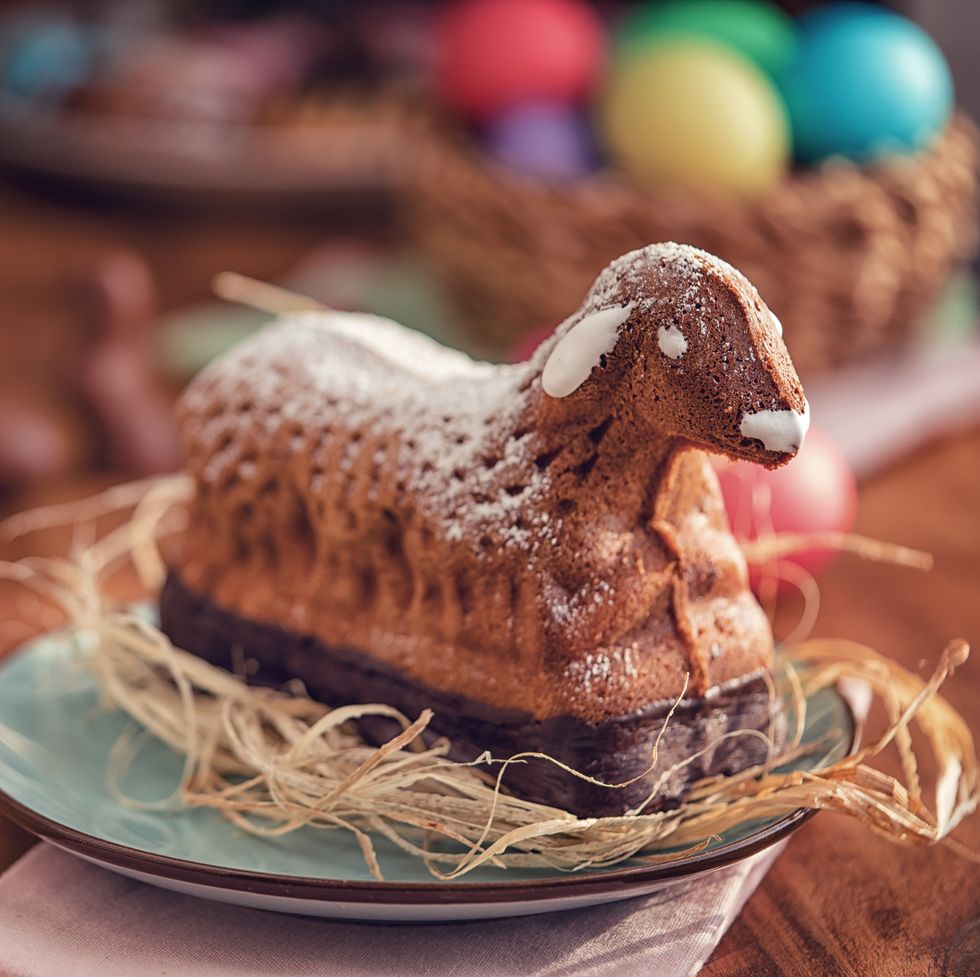
The lamb is an important Easter symbol.

The Easter bunny isn't the only holiday mascot around town! This more or less has to do with the Christian tradition of eating lamb to commemorate Christ's death and sacrifice all that time ago.

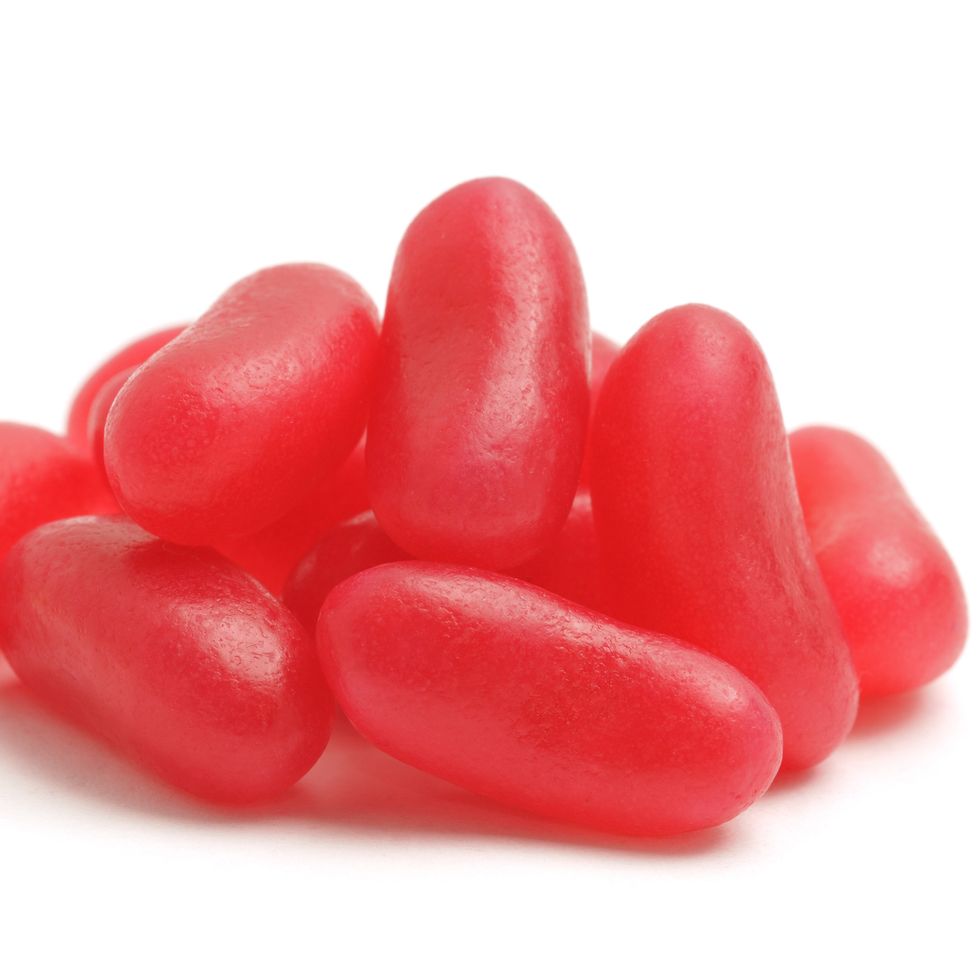
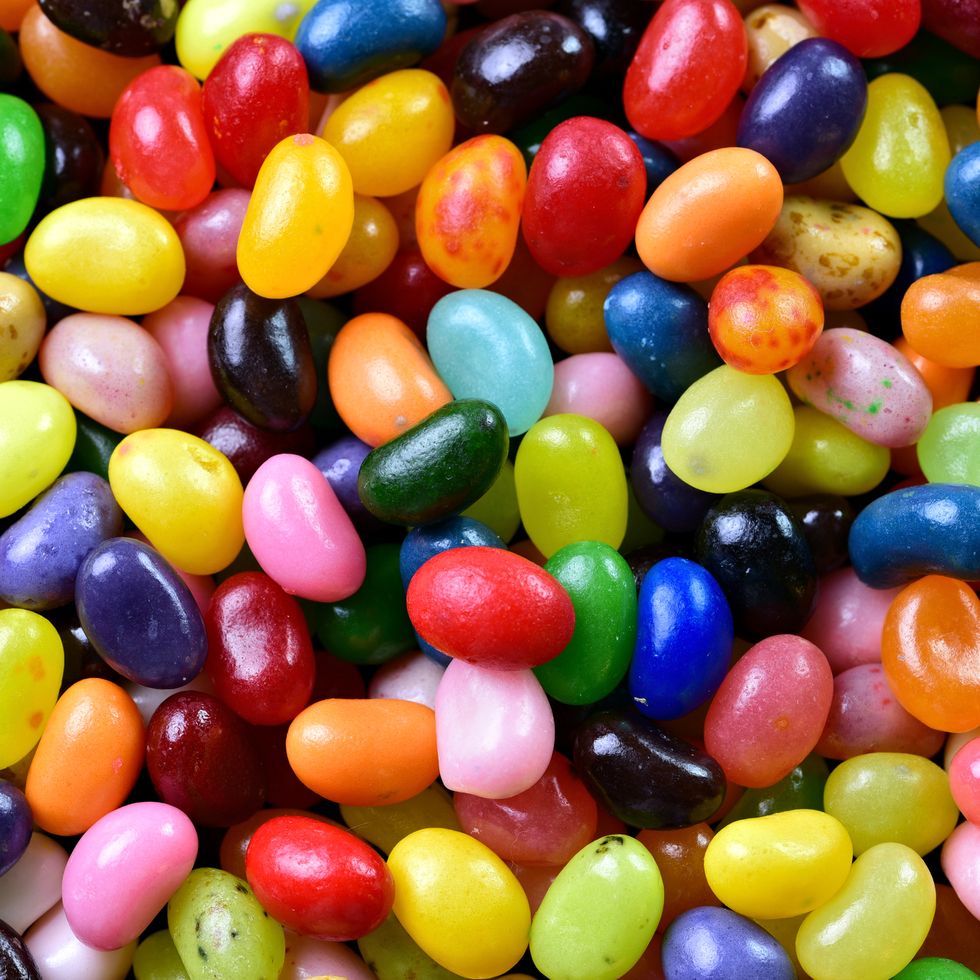
The red jelly bean is the most popular flavor.

Specifically the Very Cherry flavor! In fact, it remained the most popular flavor for over two decades, facing a brief hiatus from 1998 to 2003 when buttered popcorn took over. However, Very Cherry reclaimed its fame in 2003, and has been the most popular one ever since!

In Australia, Easter takes place in Autumn.

This technically goes for all Southern regions, since those in the Southern Hemisphere experience opposite seasons from those in the Northern Hemisphere! So, while the timeframe remains the same, some people experience a fall Easter.


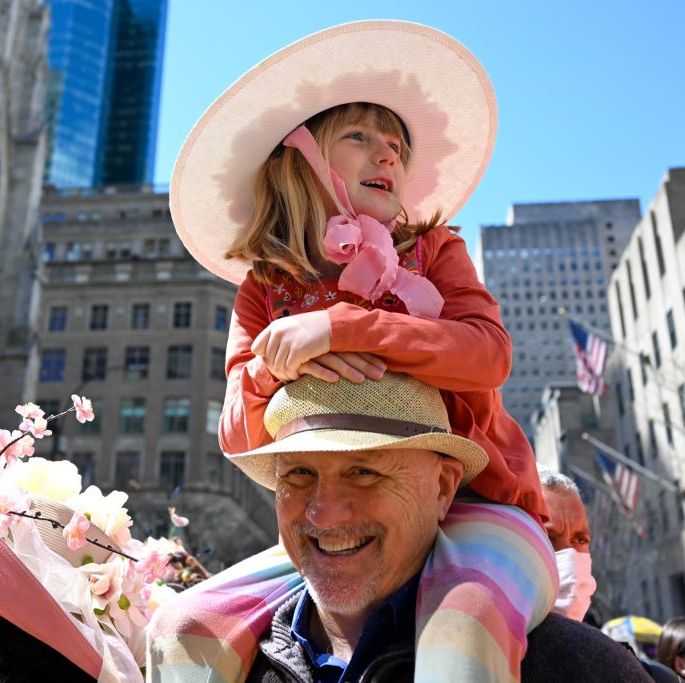
The largest Easter parade is held in New York.

Yep! It takes place right alongside the iconic 5th avenue, and people show up and show out in their fun Easter attire. Oh, we mean fun, because people show up in the most colorful bonnets!

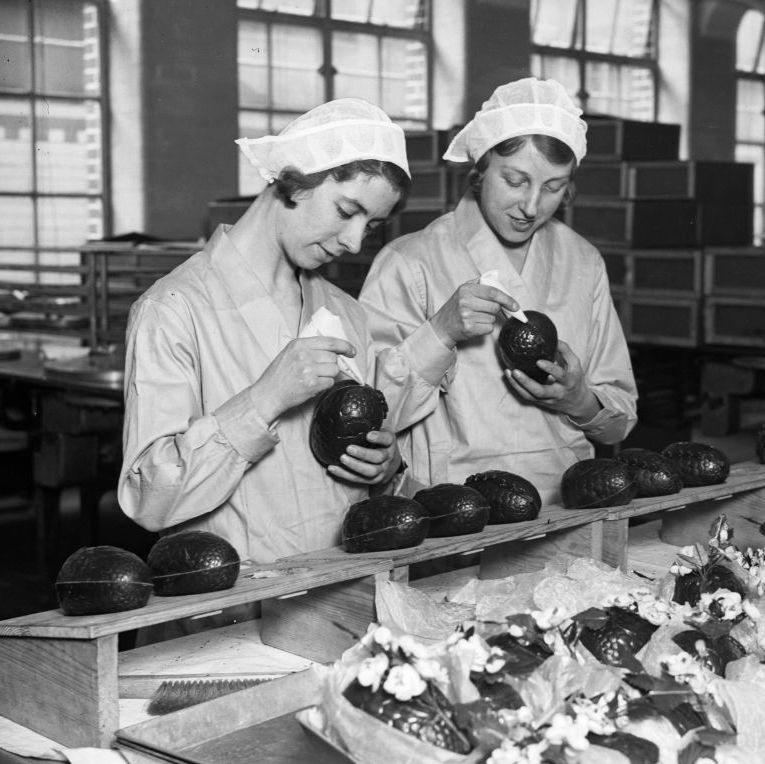
Cadbury Creme Eggs originally had a different name.

Some of us cannot imagine an Easter without Cadbury eggs, so to think they were almost called something else is crazy! The filled egg was first invented in 1923, but it wasn't until 1963 when they started to be sold under the name Fry's Creme Eggs. Then, the name changed again to Cadbury Creme Eggs in 1971.

The largest chocolate egg was over 34 feet tall.

A giant chocolate Easter egg is a must-have for anyone with a sweet tooth. But a chocolate egg that's 34 feet tall, weighing almost 16,000 pounds? Well, that's just a chocolate lover's dream come true! According to the Guinness World Records, this massive chocolate candy was produced in Italy in 2011. 

Easter lilies signify the true meaning of the holiday.

For one, the flower's white color can represent the purity and innocence of Jesus—with white usually representing such a message. There are also parallels between the lily's blooming process and Christ's resurrection. The bulb of the flower initially growing beneath Earth's surface is attributed to Jesus' death, while the actual sprout of the flower symbolizes his resurrection.

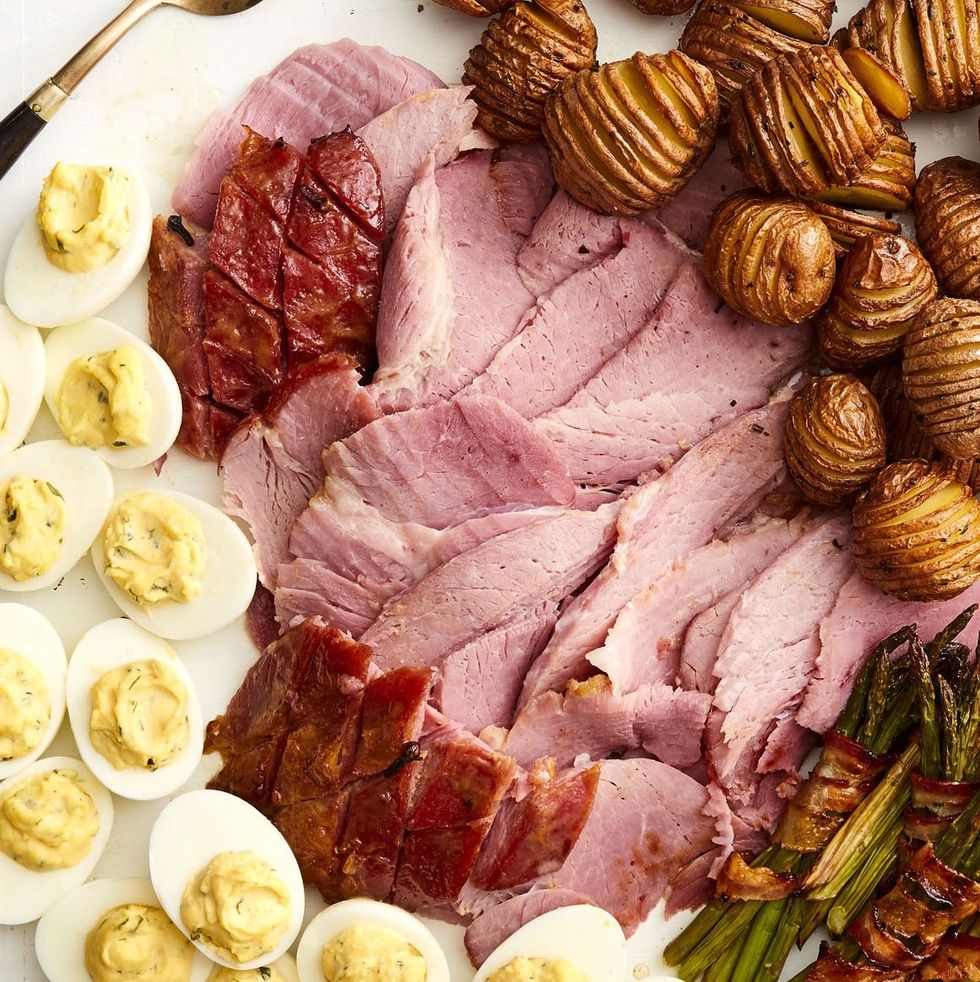
Ham is a staple Easter recipe for a reason.

A lot of you probably couldn't imagine an Easter without ham. It makes sense, considering it's a tradition that dates back years ago. Before we had refrigerators, people would cure ham during the winter months and when the ham thawed out by springtime, it made sense to use it as an Easter meal centerpiece.

The Easter Bunny made its way to America in the 18th century.

So, there's not an actual known origin story of how the Easter Bunny came to be the fictional symbol for the holiday, but we do know that in the 1700s, Germans who immigrated to America brought the tradition of the Osterhase with them. Basically, it's a bunny who magically lays eggs.

Easter eggs are somewhat medieval.

Yes, you read that right. And it's a little strange, but here it goes. There's an old medieval kids game where a priest would give his choir of kids a hard boiled egg. They were to pass it around to each other continuously, until the clock struck midnight. Once that sound of the clock commenced, the child holding the egg had to eat it.

Easter's date changes every year.

Yes, we know that it's on a Sunday every year, but that's about the only thing that remains constant. The actual date of the holiday all depends on the moon's cycles. More specifically, it always takes place the Sunday after the Paschal full moon.

Easter clothes were once deemed good luck.

The tale used to go: If you wear new clothes on Easter, then the rest of your year is sure to be filled with luck. Though not widely held up to people's beliefs today, it's still a good reason to buy a new spring outfit before Easter Sunday.

Milk chocolate prevails on Easter.

Not that this is a shock, or anything. But those chocolate bunnies, chocolate gifts, chocolate... anything on Easter will probably be made out of milk chocolate.

16 billion jelly beans are produced in the U.S. every year.

Yeah, that's a big number. And not only that... There were apparently enough Jelly Belly beans consumed throughout 2021 to circle the earth more than five times.

Good Friday isn't a recognized holiday in every state.

Those who celebrate know that Good Friday is a day for remembering the day Jesus was crucified. Taking place just two days before Easter Sunday, only a total of 12 states recognize it as an official holiday—since it's not federally declared.

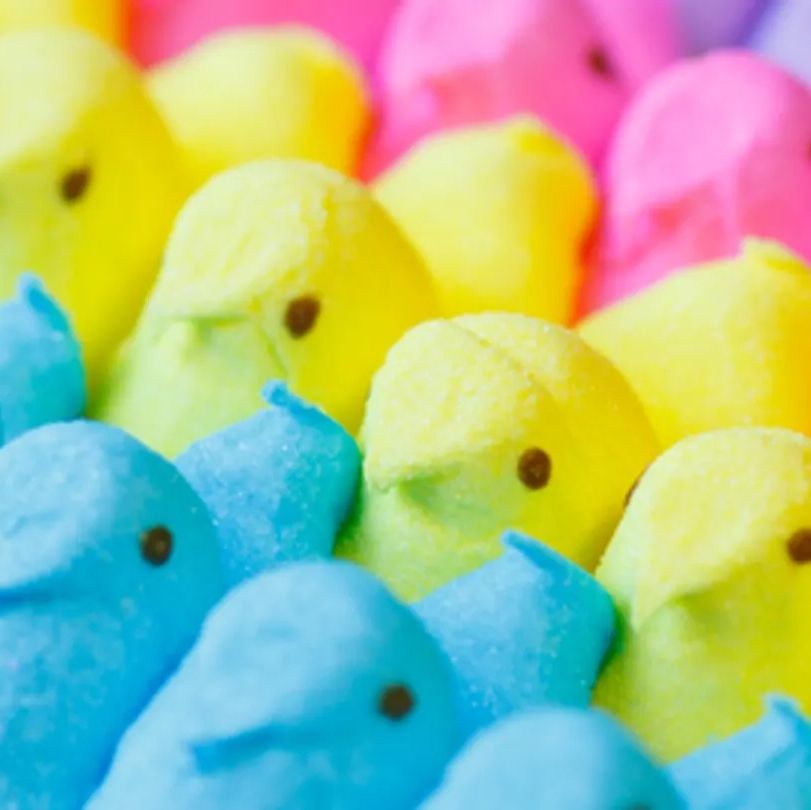
Making Peeps used to take more than a day.

In fact, it used to take a whopping 27 hours to make a singular peep! However, that was back in 1953 when all Peeps were handmade.

Some years, Easter beats out Halloween for most candy sold.

Halloween might seem like a holiday that's full of candy, but Easter gives it a run for its' money! There have even been years where people purchase lots more candy the week before Easter than the week preceding Halloween!

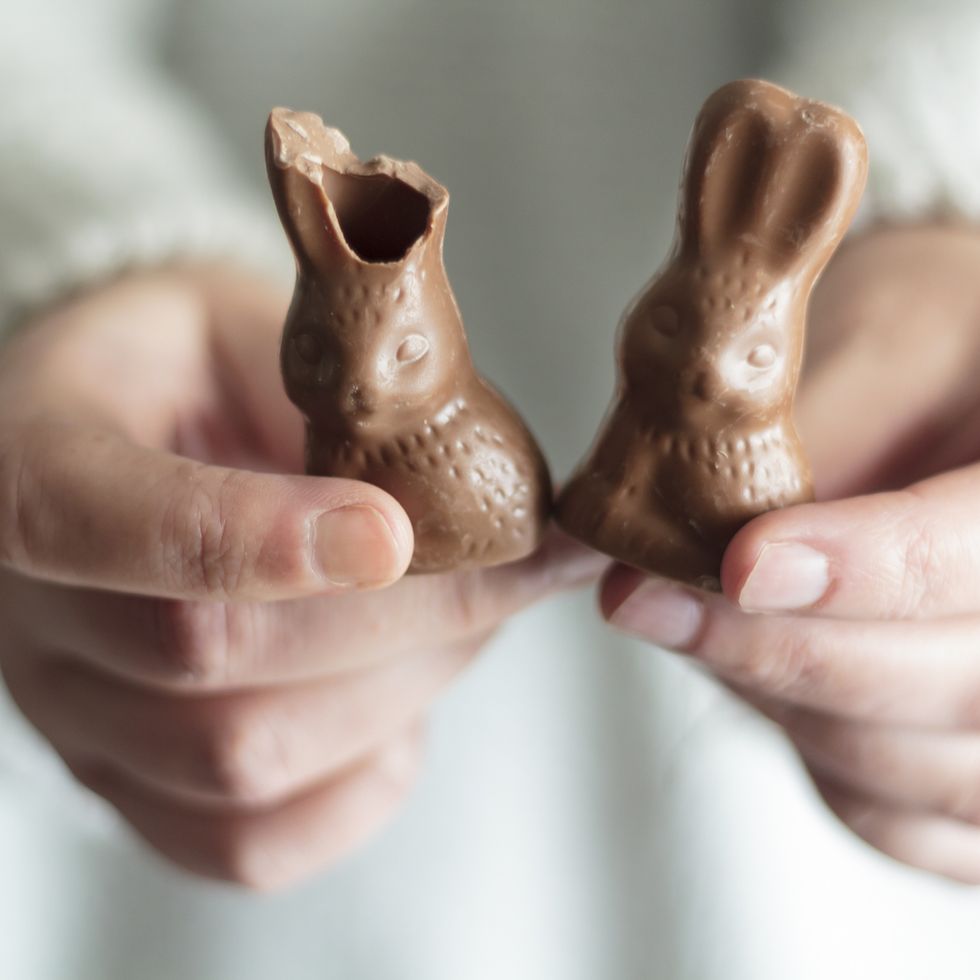
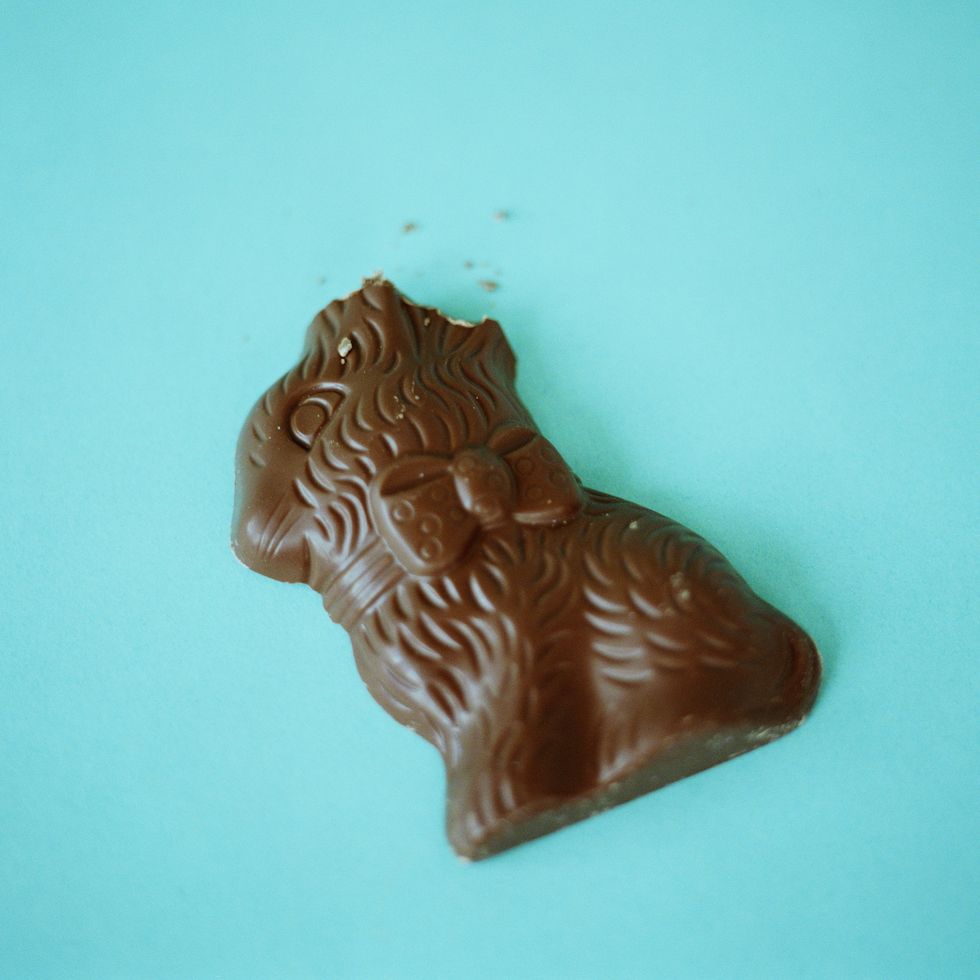
It's typical to eat the ears of a chocolate bunny first.

It's the hot ol' debate: What's the proper way to eat a chocolate bunny? While people may be split, a 2022 survey reveals that over 78% go for the ears first!

A lot of people celebrate Easter at church.

Over 51% of people who celebrate Easter attend a church service, according to a 2018 survey. This shouldn't come as a surprise, since Easter is a holiday rooted in religious beliefs!

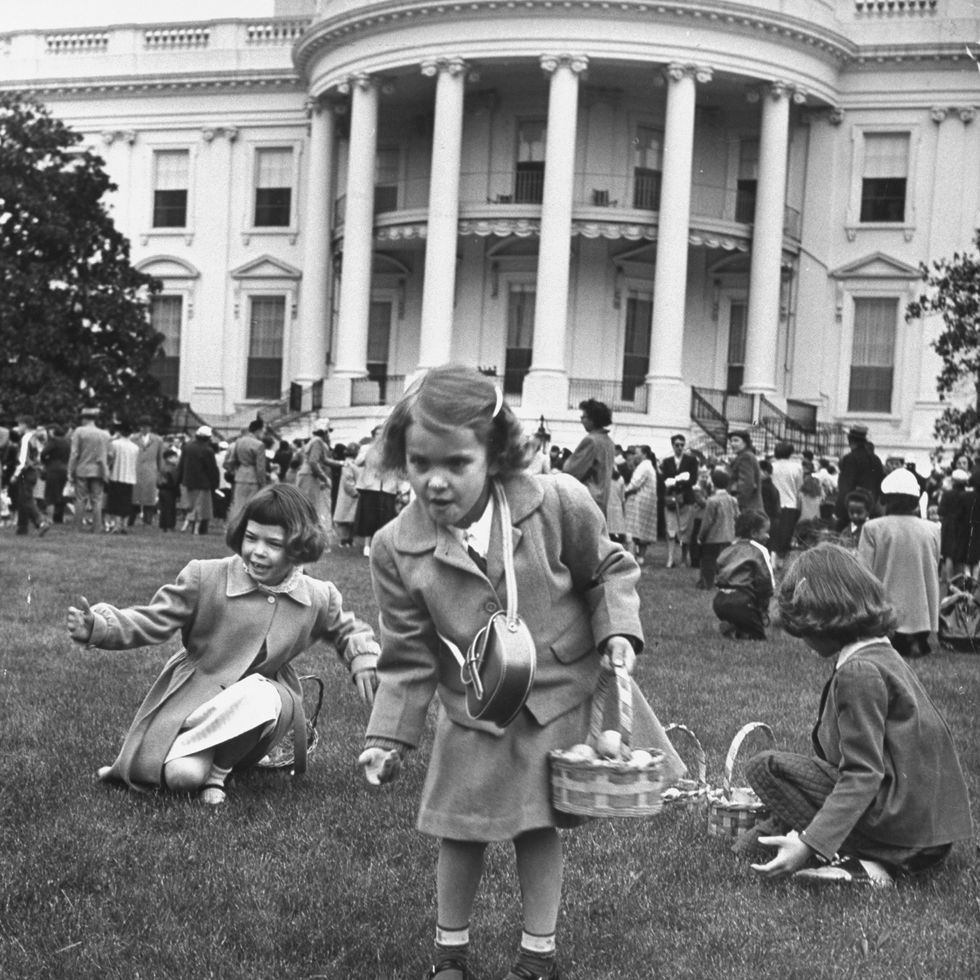
The first White House Easter Egg Roll was held in 1878.

The story of how it started is actually really cute. Apparently, President Rutherford B. Hayes was out for a stroll when he was stopped by children who gave him the idea of a Easter egg roll. It's safe to say he adored it, because it's been a tradition ever since.

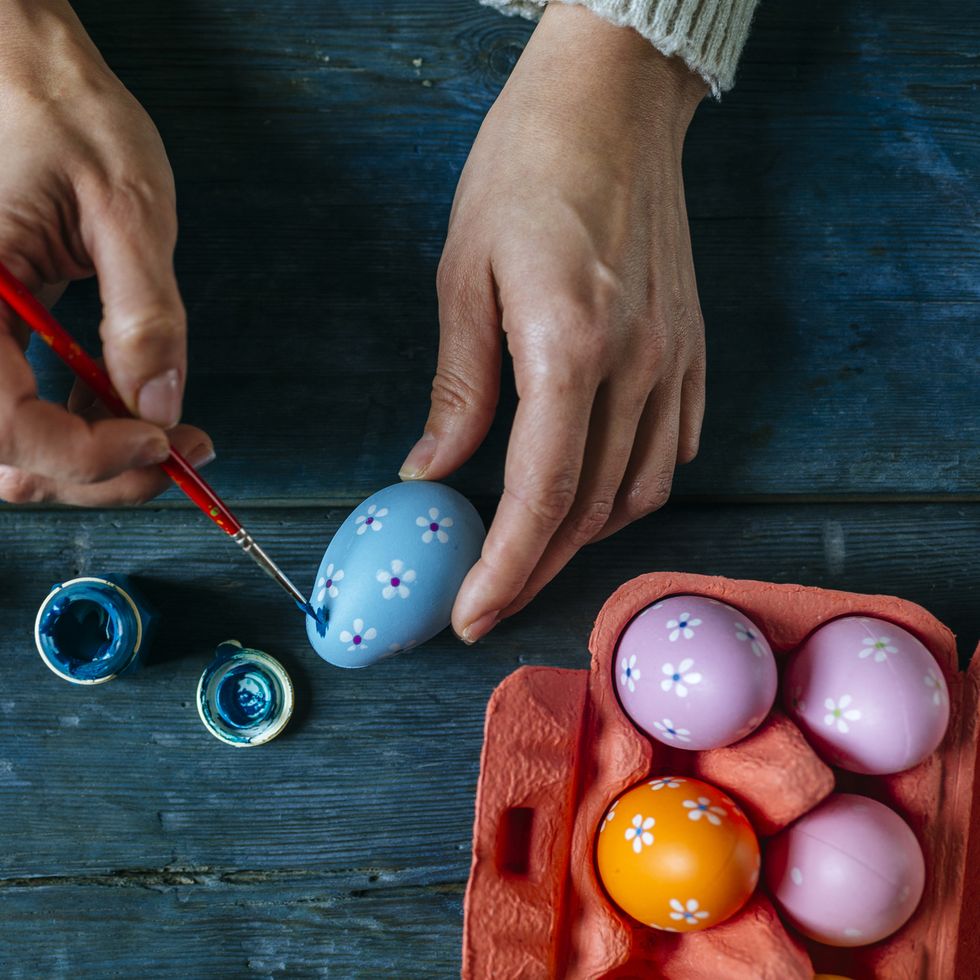
Egg decorating started in Ukraine.

Yes, it's a longstanding Easter practice to decorate eggs on the religious holiday. But we have Ukraine to thank for that, who's tradition of painting pysanky was brought to the U.S., and influenced the movement.

In Switzerland, there's an Easter bird instead of an Easter bunny.

In Switzerland, it's a tale as old as time that a cuckoo bird is the animal responsible for delivering Easter eggs on the religious holiday. And if you think about it, that makes a lot more sense than the Easter Bunny. 

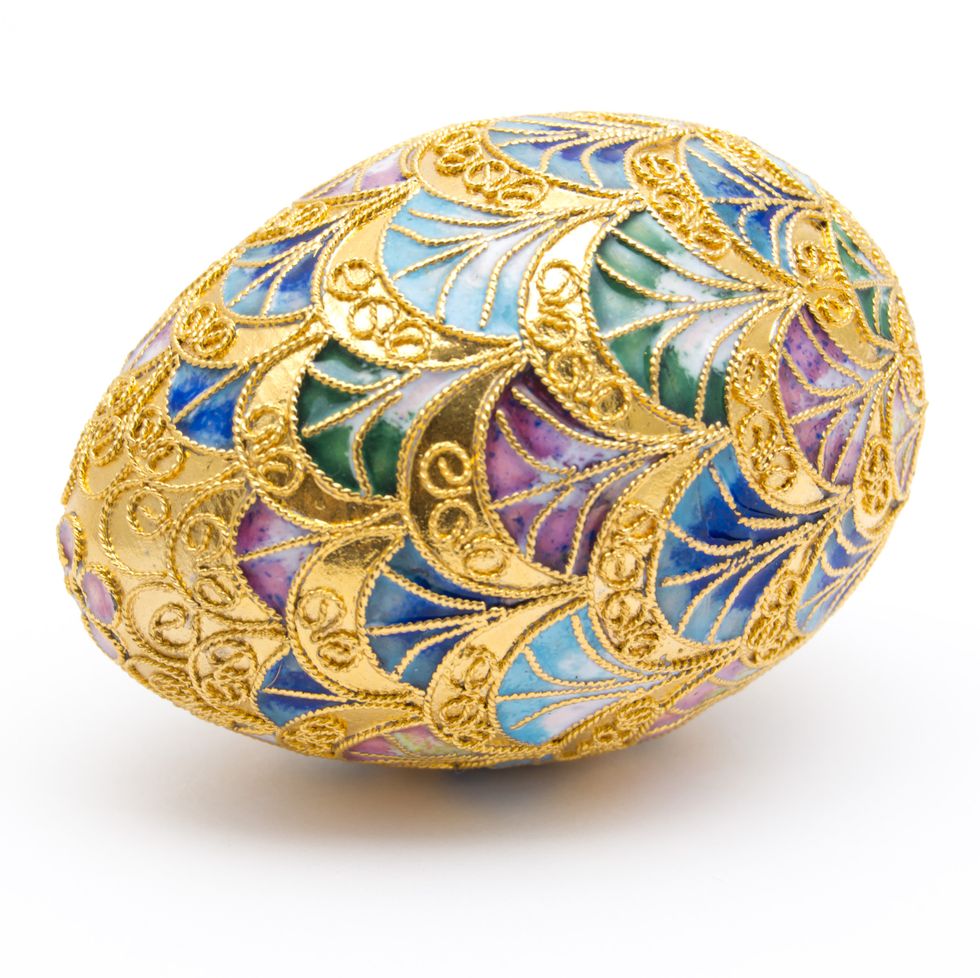
There was an Easter egg once sold at $18.5 million.

And just wait til you hear the story. A jeweled egg, colored pink and gold (and covered in diamonds) was assigned to be made by the Romanov family. A century and some change later (aka, the year 2007), that same egg sold for $18.5 million.

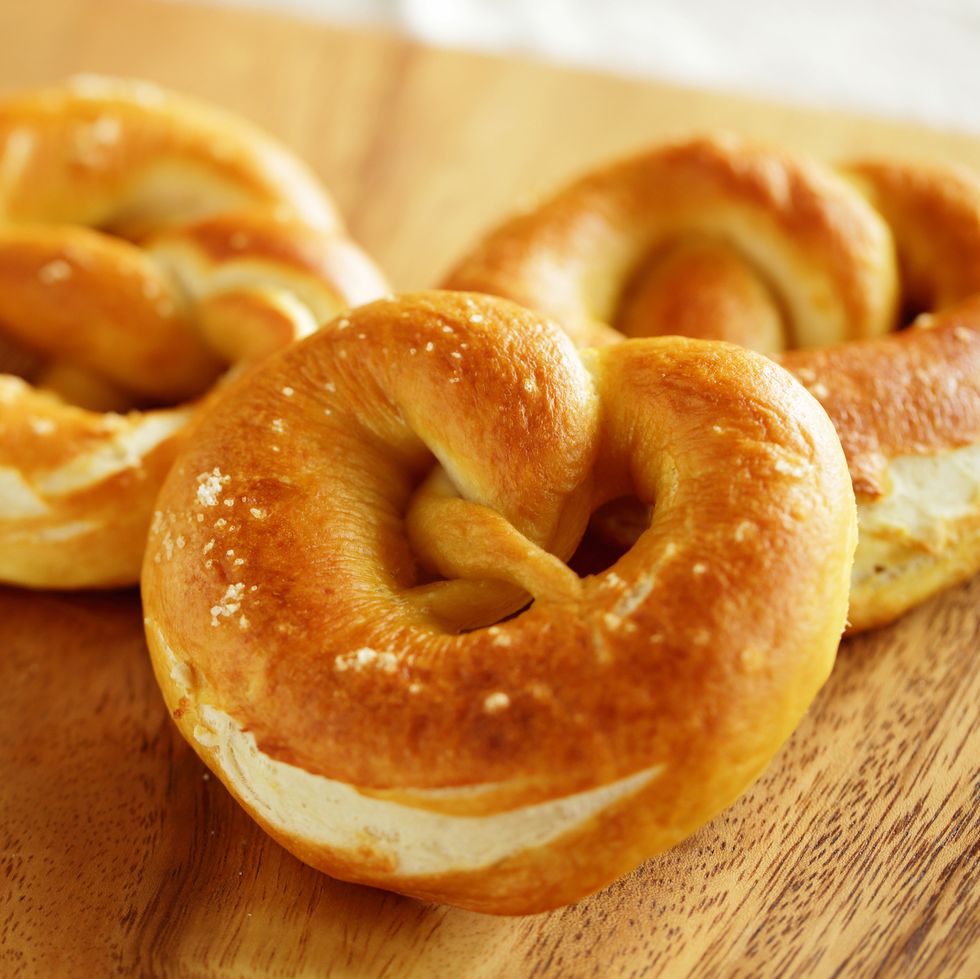
Pretzels used to be linked to Easter.

Say what? The connection between pretzels and Easter has to do with the way a pretzel is twisted—it symbolizes arms being crossed when in prayer.


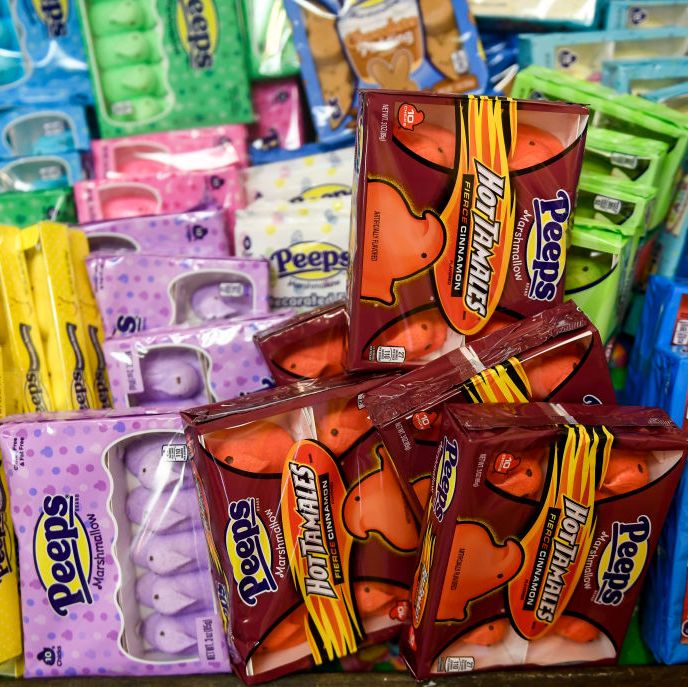
2 billion Peeps are made a year.

That's... a lot. And that's even more impressive when you find that the factory started in small town Bethlehem, Pennsylvania.

Snapshots from Seabeck

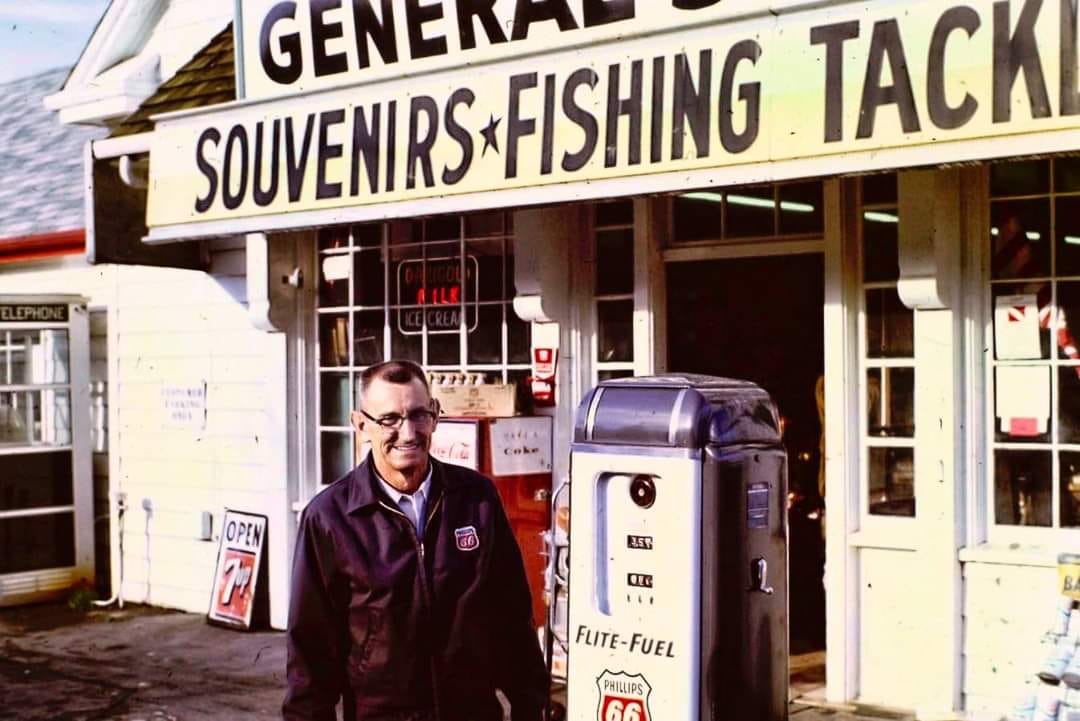
The Seabeck Store

Facebook Post by Randy Billick March 2024

The Seabeck Dock

Facebook Post by Robert Walker March 2024

The house right next to Salmon Bake Beach is no longer there.

They will be building a new house soon!

Facebook Post by Sherry Sullivan March 2024

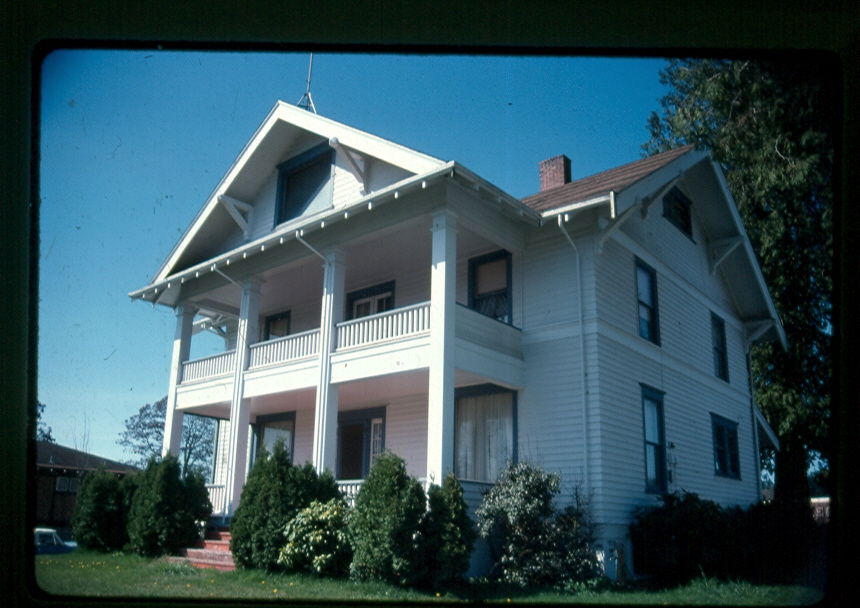
Did the Myhre family build Reeser House?

Facebook Post by the Seabeck Cemetery Restoration Project March 2024

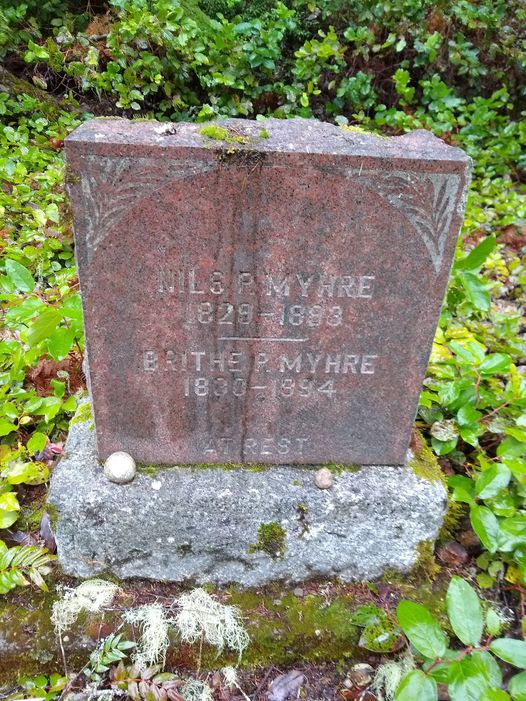
Niles Myhre, 1829-1893

Brithe P. (Pedersdatter Aasene) Myhre, 1831-1894


Brithe Pedersdatter Aasene was born January 8, 1831 in Davik Indre, Davik, Sogn og Fjordane, Norway, and baptized on January 16, 1831. Her parents were Peder Jorgensen Aasene and Lizbeth Lasesdatter Skord. Brithe was the eldest of their four children.


She was named for her two grandmothers, Brithe Josepsdotter Aasene and Brithe Johannesdatter Kirkejde. Her parents lived in this town their entire lives.

Niles Pederson Tejgen Myhre was born June 5, 1829 in Innvik, Sogn og Fjordane, Norway. He was baptized on June 14, 1829. His parents were Peder Michelsen (Mikkelsen) Teigen and Sara Andersdatter Scharsteen. Niles was the second of their eight children.


It is assumed that Niles married Johanne Davidsdotter Nelson, however no marriage record was found. Their son, Anders Nilson Muir was born in 1849 on the family farm in Innvik, Norway. Johanne Nelson was born in 1820, but no other information is known if Johanne died or her and Niles separated.


Records that do exist show Niles married Berte Marie Larsdotter on May 17, 1854 in Selie Parish, Nordfjord Prosti, Norway. Sadly, Berte died in childbirth along with their daughter, on July 6, 1855, at the Myhre farm in Selie Parish.


On June 21, 1856, Niles married his third wife, Brithe Malena Pedersdatter Aasene, in Davik Parish, Nordfjord Prosti, Norway. They continued to live on the Myhre farm in Selie Parish where they had seven children: Bertine Serene, Sise Patrine, Peder Martinus, Johan, Johanne Samuline, Paul Andreas and Lars Mikal. Only Peter, Johanne and Paul survived into adulthood.


On June 1, 1888, at age 58, Niles and Brithe left Bergen, Norway and emigrated to America with his son Anders Nelson and his family. (Cultural note: The predominant type of surname in Norway is patronymic. Such names are based on the father's given name. This surname changed with each generation. Anders surname “Nelson” means “the son of Niles.”) They arrived in America on June 7, 1888. By 1891, they were living in Crosby with the Qualheims family. Niles received two land grants from the Federal government, each for 160 acres just north of Dyes Inlet in what is now Silverdale.


Niles Myhre died in 1893 at the age of 64. His wife Brithe died the following year in 1894. They are buried at the Seabeck Cemetery, and their causes of death are unknown. The inscription on their tombstone reads: “Nils P. Myhre 1829-1893 ---- Brithe P. Myhre 1830-1894 At Rest”.


Their three surviving children all emigrated to Kitsap County as well. Their youngest son, Paul, continued to farm and breed chickens on his father’s land. In 1909, Paul and Peter opened a sawmill along Clear Creek. There is a major road in Silverdale named after the Myhre family.


Grace Lucille Myhre, 1905-2004

Grace was born January 21, 1905 in Marshall, Missouri to Harry Sylvester Wilson and Rachel Elizabeth Moffitt. She was the eldest of three children and has outlived both of her brothers, Ralph and John Wilson. Her father was a railroad man, constantly moving the family around the Midwest before finally settling down (for a time) in eastern Washington where Grace finished high school (and met her future husband while he was on a fishing trip).


She was married in Bremerton, Washington, February 16, 1926, to Philip Henry Myhre (deceased) and they lived in the Myhre family home in Silverdale for almost 60 years. The house had been built and occupied by her father-in-law, Paul Myhre, and his family. Just prior to Philip's death in 1985, Grace and Philip sold their property to the developers who incorporated it into what became the Silverdale Mall. They moved nearby to Erie Ave NW where from their hillside they enjoyed looking out over Silverdale, the Dyes Inlet, and Mt. Rainier.


Grace's whole focus in life was centered on family, friends, and her home. She was loved and respected by all who knew her. Grace enjoyed company and generously invited visitors to share her warm and gracious hospitality. There was always a bed and a place at the table for those who appeared at her door.


Grace leaves a legacy of love to her three children and their spouses, Philip (and Emma) Myhre, Ralph (and Jane) Myhre, and JoAnn (and Don) Bernritter. Her nine grandchildren adored her. And the life of Grace Myhre continues on in eighteen great-grandchildren.

Ways to Donate to Seabeck


Do you want to help us lay the foundation for the next decade of Seabeck Conference Center? There are many ways, not all of them involving huge disbursements of cash. Here are some creative ideas you

might not have thought about:


Cash Donation Today

Tax-deductible gifts via check, credit card, in person, or online. Please consider

upping your regular gift by another 10 percent.


Automatic Monthly Payments

Gifts can be deducted periodically from your bank account, making larger donations easier by spreading them over time.


Low-Cost Appreciated Stock

Avoid paying the capital gains by giving full-market value to Seabeck Conference Center.


In-Kind Donation

We are always in need of furniture, lighting, rugs, and much more - the market value is tax-deductible.


Multi-Year Pledges

A great way to ensure support will be there when we need it year after year.


Designated Gifts

Donate to a targeted project or capital campaign.


Commemorative Gifts

Donate a bench or rocking chair in honor of someone or something important to you.


A Bequest in Your Will

Your gift can be a specific sum or a percentage of an estate after other bequests. Just add an addendum to your existing will.


Life Insurance and Savings Accounts

Same as retirement plans, except those payments made to Seabeck Conference Center are exempt only from estate taxes.


IRA's and Retirement Plans

Your estate receives a charitable deduction for the full gift amount on estate and income taxes, while we receive full donation value. Non-charitable heirs receive only a part of the value (since inherited assets are subject to estate and income taxes).


Qualified Charitable Distribution (QCD)

A QCD is a direct transfer of funds from your IRA custodian, payable to a qualified charity. QCDs can be counted toward satisfying your required minimum distributions (RMDs) for the year, as long as certain rules are met. You must be 70-1/2 or older to be eligible to make a QCD.


All gifts are welcome. Seabeck Conference Center is a 501(c)(3) nonprofit organization and your contribution may be tax-deductible. If you have any questions, please contact our Executive Director, Chuck Kraining at

(360) 830-5010 or email him at chuck@seabeck.org.


Seabeck Conference Center
13395 Lagoon Dr NW
Seabeck, Washington 98380
360.830.5010 Email | Website
Facebook