Updates for Practicing Veterinary Professionals | |
|
DIRECT REFERRAL PHONE NUMBER
To contact the VMTH regarding referrals:
530-752-4050 (direct referral line)
or
| |
Updated with specific instructions for each service since last issue of Heartbeat. | |
Foundations of Veterinary Business
Online Program
**Only a Few Spots Remain for 2023 Course**
| |
|
Are you a veterinarian or hospital administrator seeking a time- and cost-efficient way to learn more about the business side of veterinary practice? If so, the UC Davis Foundations of Veterinary Business program is designed for you.
This innovative online program—created by experts from the No. 1-ranked UC Davis School of Veterinary Medicine and the UC Davis Graduate School of Management—provides a solid foundation of understanding in five key business areas: Managerial Accounting, Finance, Marketing, Strategy, and Human Resources.
The 2023 program will be in session May 15 - August 12 and includes:
- Self-paced online modules on business principles
-
Three live, interactive Saturday Zoom sessions covering practical, veterinary-specific business concepts taught by industry experts
- A small group capstone project analyzing the business performance of actual practices
Graduates receive a certificate from the UC Davis Graduate School of Management. Registration is nearly full for the course. Sign Up Now!
| |
Now Enrolling Cats in FIP Clinical Trials | |
|
The UC Davis Veterinary Center for Clinical Trials is currently enrolling cats in feline infectious peritonitis (FIP) clinical trials at the UC Davis veterinary hospital.
Up to 95% of cats diagnosed with FIP die without treatment. Cats can develop FIP at any age, but it is usually diagnosed in cats between 6 months and 2 years of age. It is one of the most common causes of death in young cats with infectious diseases. Currently, there is no successful treatment approved for veterinarians in the United States.
Previous research conducted by UC Davis Professor Emeritus Niels Pedersen uncovered several promising treatments for this disease, including an antiviral drug that is not available to veterinarians in the U.S. Associate Professor Amir Kol, Professor Brian Murphy, and Assistant Professor Krystle Reagan with the School of Veterinary Medicine are expanding on Pedersen’s research to further improve FIP treatment. They are seeking cats in the early to mid-stage of FIP disease for inclusion in clinical trials.
| |
|
UC Davis Veterinary Innovations Featured on Voice of America
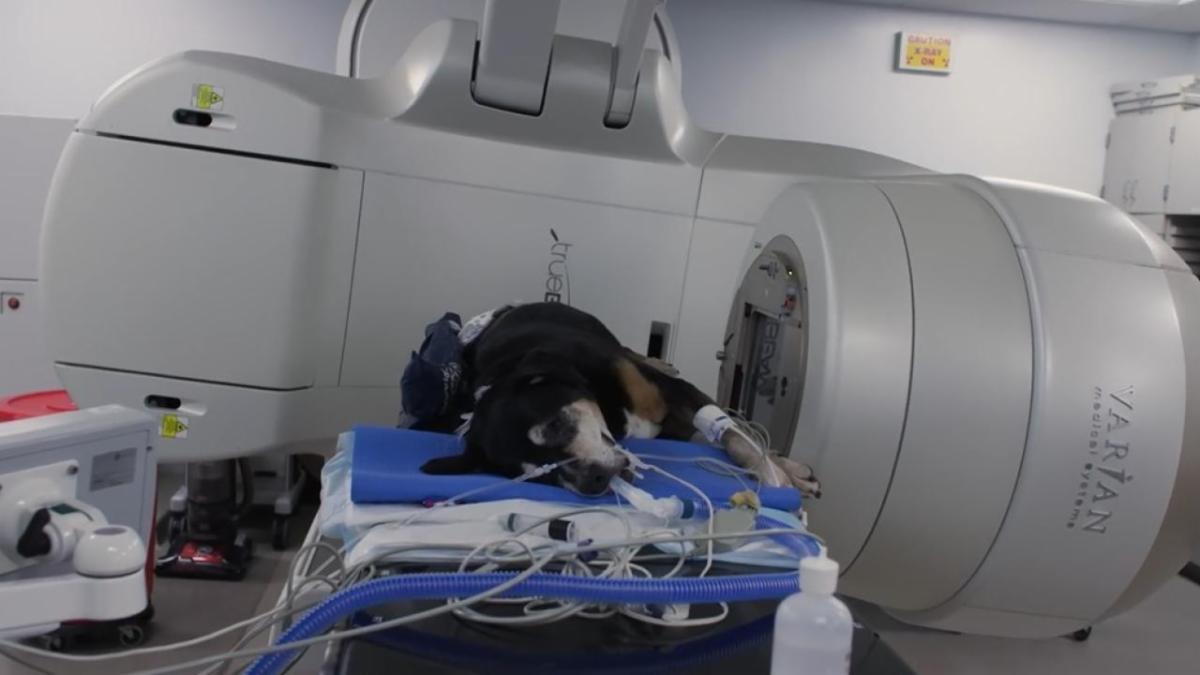
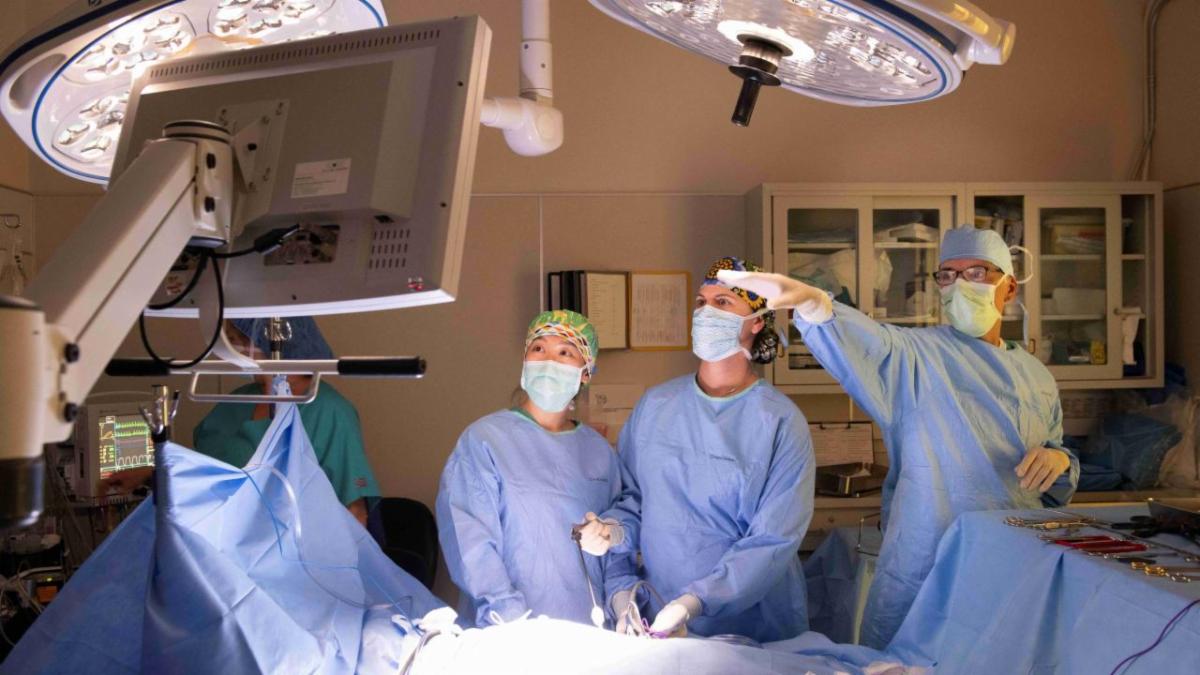
Breakthroughs in veterinary medicine treatments are the focus of a new 30-minute episode of an original series on the Voice of America (VOA) network. “Pet Innovations” is the latest episode of VOA TEK. The entire episode was filmed at the UC Davis veterinary hospital and features faculty and staff treating patients with some of the latest surgical techniques and clinical trials available.
| |
|
Dr. Boaz Arzi Becomes First Veterinarian Member of American Society of TMJ Surgeons
Dr. Boaz Arzi, chief of the Dentistry and Oral Surgery Service at the UC Davis veterinary hospital, has been accepted as an affiliate member to the American Society of Temporomandibular Joint Surgeons. He is the first veterinarian accepted into the society.
| |
|
UC Davis to Lead and Sponsor NAVRMA Annual Conference in Hawaii
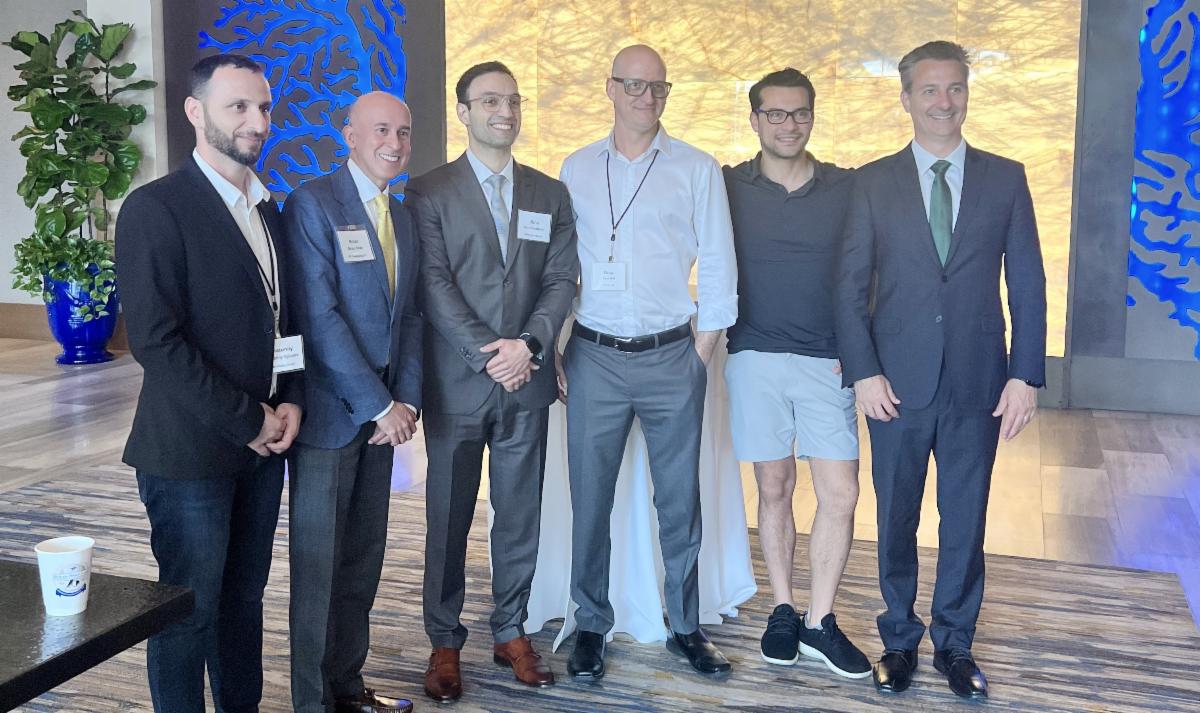
The directors of the North American Veterinary Regenerative Medicine Association (NAVRMA) are excited to announce the 2023 Conference to be held in Kona, Hawaii. As chair and vice chair of the association, respectively, Drs. Amir Kol and Boaz Arzi will lead the organization of the annual conference, and the school will be one of its sponsors.
The NAVRMA Conference will take place from September 21-24 and will feature keynote speakers, abstract presentations, and networking opportunities for regenerative medicine scientists and professionals from around the world.
This year's theme is "Advancing Veterinary Regenerative Medicine through Innovation and Collaboration." NAVRMA looks forward to exploring the latest advancements and best practices in the field. Attendees can expect to gain valuable insights, expand their knowledge and skills, and connect with like-minded professionals.
Registration for the conference is now open – take advantage of the early bird rate. The conference website has all the information needed, including the conference schedule, speaker bios, and hotel and travel information.
| |
|
Dr. Philipp Mayhew Wins British Veterinary Award
The British Small Animal Veterinary Association recently announced that UC Davis veterinary surgeon Dr. Philipp Mayhew is the 2023 recipient of The Simon Award, for contributions to the advancement of all small animal surgery in its widest context.
| |
|
Intensive Care for Foals Available at UC Davis
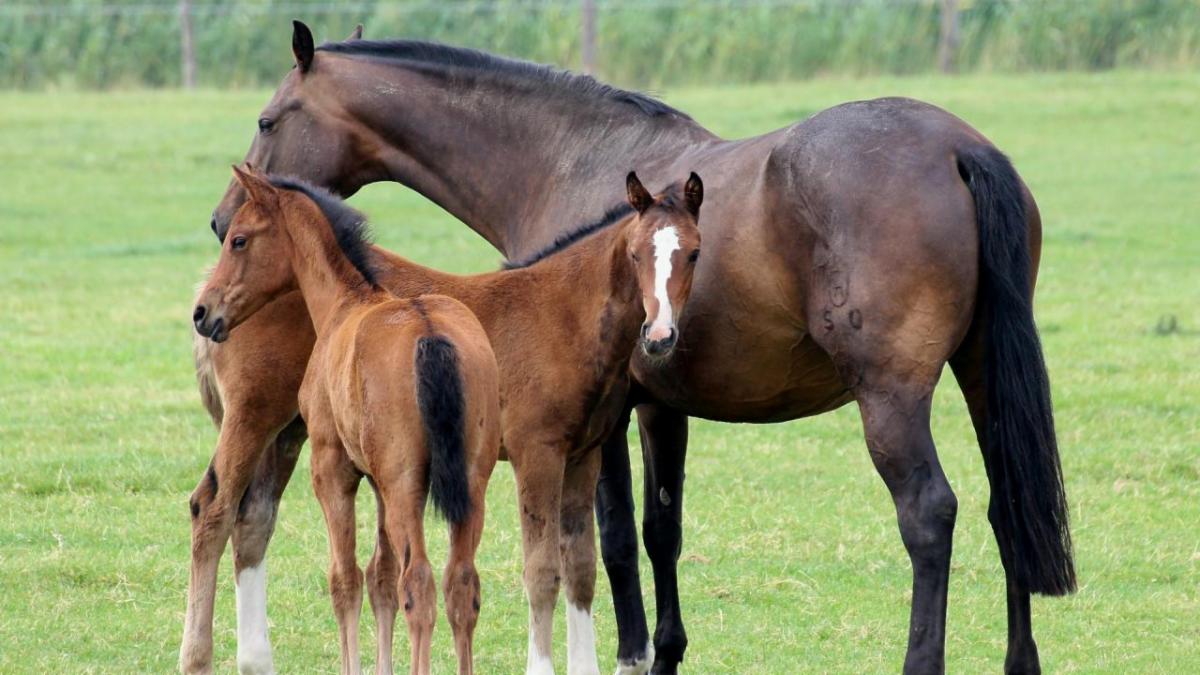
Foaling season is upon us. Should any complications arise, the Lucy G. Whittier Neonatal Intensive Care Unit (NICU) at the UC Davis veterinary hospital can assist. Our highly trained team, led by board-certified critical care and internal medicine specialists and specialty-trained clinicians, can handle the most complicated cases, providing 24/7 coverage. The NICU is equipped with customized stalls to support sick foals, allowing intensive management under the watchful eye of the mare in an adjoining stall.
| |
|
New Clinical Trials Leadership at UC Davis
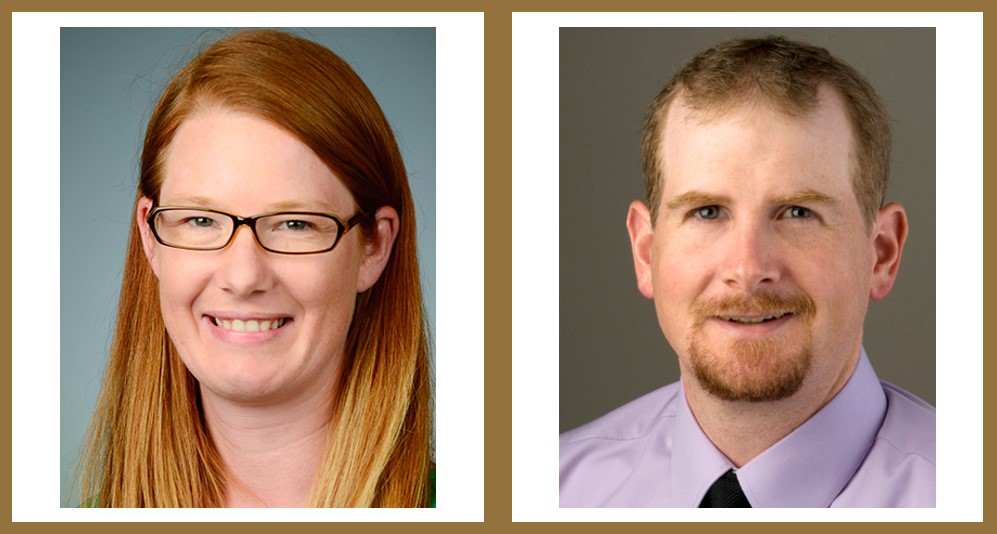
The Veterinary Center for Clinical Trials (VCCT) at the UC Davis School of Veterinary Medicine welcomes Drs. Krystle Reagan, DVM, PhD, DACVIM (SAIM) and Robert Rebhun, DVM, PhD, DACVIM (Oncology) as new co-directors of the center. Focused on support of evidenced-based treatment for diseases and injuries, the VCCT’s groundbreaking translational research is aimed to evaluate novel therapies and approaches in order to improve treatments for veterinary and human patients. Drs. Reagan and Rebhun, both veterinary clinician scientists, bring a wealth of experience in the field and are currently conducting clinical trials that may revolutionize treatments for some of the most challenging diseases.
| |
|
Understanding the Risk Factors for Nutritionally-Mediated Dilated Cardiomyopathy (DCM) in Healthy Dogs
Increasing numbers of dogs are being diagnosed with dilated cardiomyopathy (DCM) and it has been suggested that grain-free diets may be contributing to the increased frequency of this disease process. This study aims to evaluate the incidence of DCM in small and large breed dogs who are being fed commercial grain-free and grain inclusive diets and to assess for other echocardiographic or biochemical differences associated with dogs eating different diet types. Seeking dogs less than 15kg (33lb) or larger than 30kg (66lb) that have been eating a consistent commercial diet for 6 months or more. Both grain-free and grain inclusive diets are being investigated, however home prepared diets are not eligible for the study. Golden retrievers or dogs that have known congenital heart disease are not eligible to be included.
| |
|
Assessing A Novel Surgery Instrument for Laparoscopic Gastropexy
Gastric dilatation and volvulus (GDV) “bloat” is a life-threatening syndrome in dogs. This study will assess novel instrumentation for laparoscopic gastropexy. The instrumentation can be used to more easily pass a needle through tissues and may result in a quicker surgery. Qualified dogs will be over 6 months old and need a prophylactic gastropexy. Any dog breed and sex. As an incentive, the cost of the gastropexy will be reduced.
| |
|
Evaluating New Surgical Therapeutics for Canine Liver Tumors
Seeking dogs with diagnosed liver tumors that have been determined to be removable to join this clinical trial. The study will explore ways to improve options and outcomes associated with treatment in dogs with liver tumors by focusing on intravenous delivery of a substance (microbubbles/nanoparticles containing RNA) to a liver tumor using non-invasive ultrasound guidance. The study may cover the cost of some procedures and diagnostics at VMTH, depending on the patient's assigned study group.
| |
Upcoming Continuing Education Events | |
|
The UC Davis Center for Continuing Professional Education is pleased to announce that some continuing education seminars are beginning to return to in-person events. Please check registration carefully for which events are in-person and which remain as webinars.
We look forward to welcoming you to these upcoming CE events:
Please contact us with any suggestions or questions you might have regarding our programs.
| | |
Latest Research Achievements | |
Standing Equine PET Going Strong as a 3-Year-Old
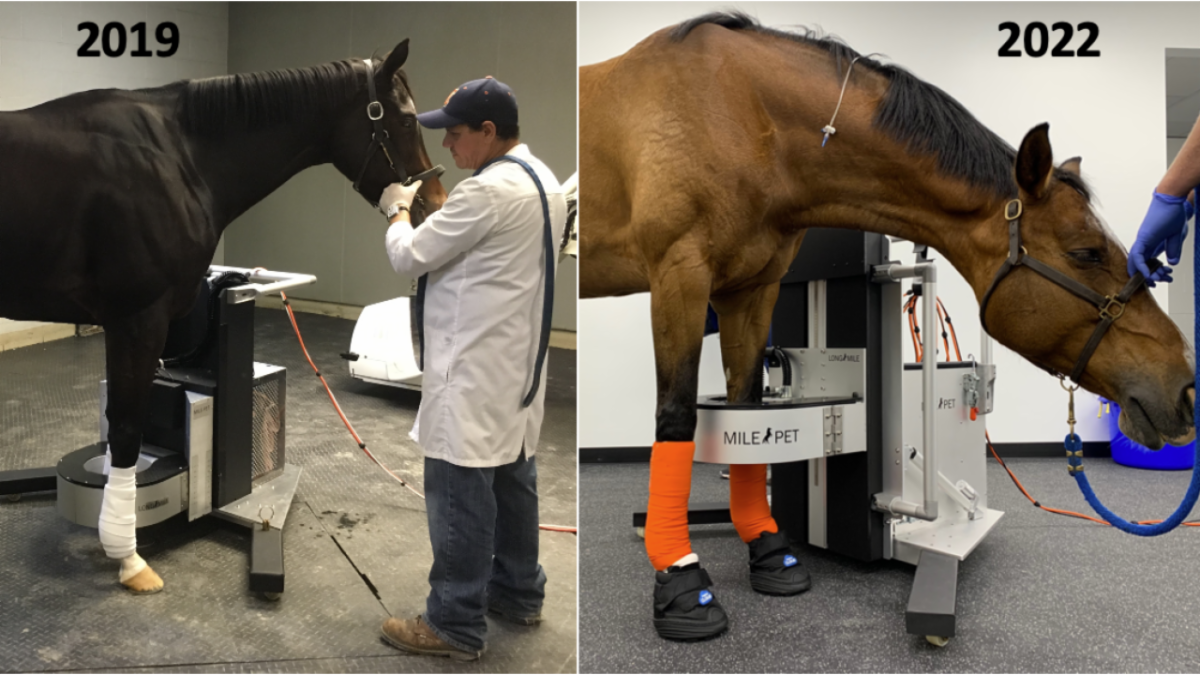
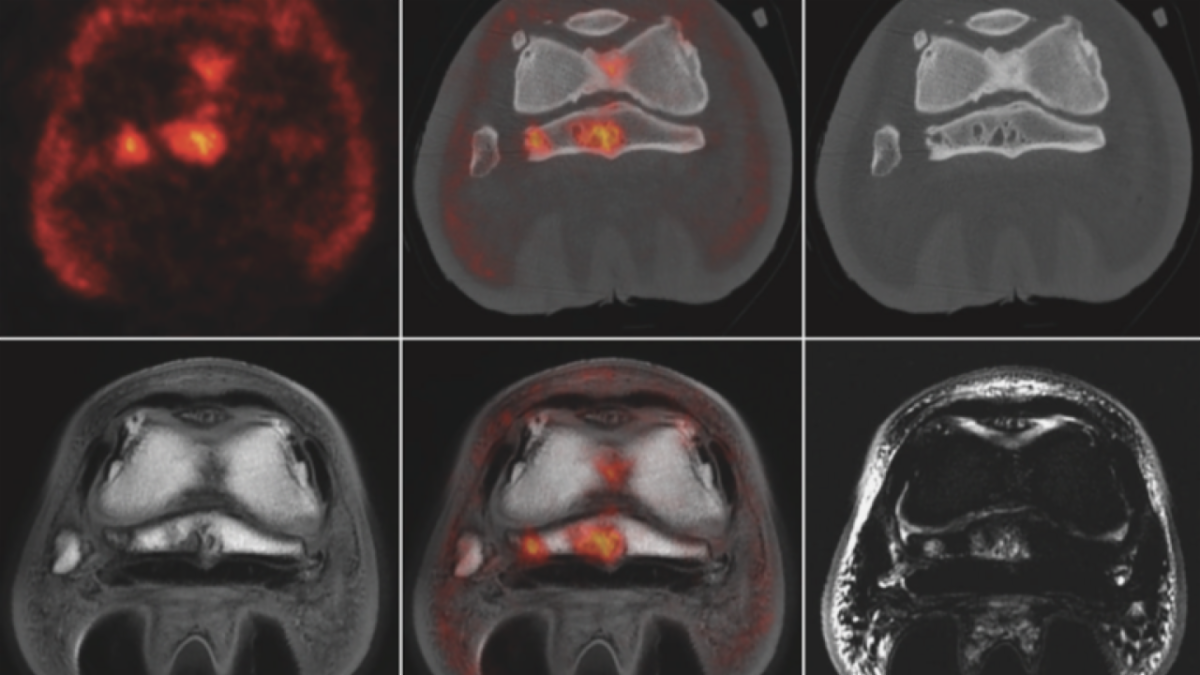
Now in its third year of application at Santa Anita Park, positron emission tomography (PET) scans have benefited more than 500 horses at the renowned racing facility. This novel imaging modality, pioneered at the UC Davis School of Veterinary Medicine, was initially focused on the racehorse fetlock, but has matured in the last year. The early equine PET studies performed on racehorses at Santa Anita have now been published and have confirmed the value of this new technique.
| |
|
Advances in Diagnostic Imaging Improve How Radiologists “See” Horses’ Legs
Scientific journals Veterinary Radiology & Ultrasound, Equine Veterinary Education, and the Equine Veterinary Journal are celebrating the publication of nearly 100 equine imaging papers in the last five years. In particular, the evolution of computed tomography (CT), the introduction of positron emission tomography (PET), and the continued growth of magnetic resonance imaging (MRI) have transformed how we image horses’ legs and have led to important clinical advances. UC Davis radiology professor Dr. Mathieu Spriet, who pioneered the use of PET in horses, was one of the guest editors for this special issue.
| |
|
Study Shows Complexity and Treatability of Eye Disease in Kittens
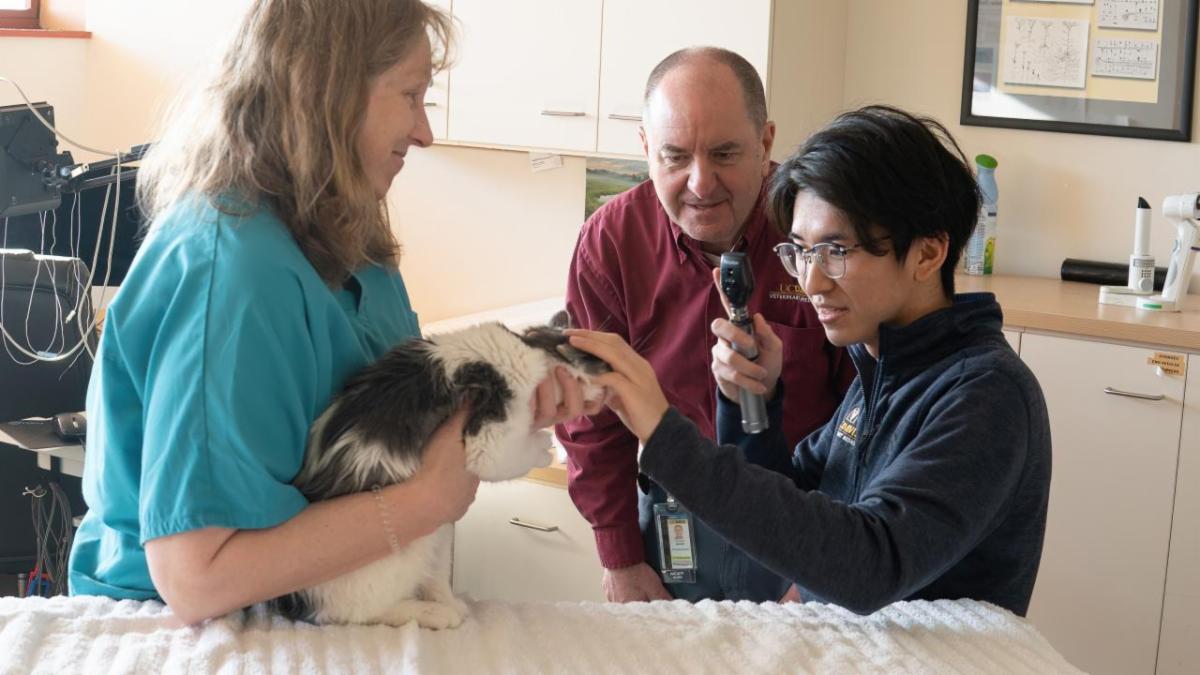
Gratitude, a 7-month-old kitten, was brought to the UC Davis veterinary hospital from the Fieldhaven Feline Rescue with symblepharon in her left eye. This blinding condition occurs when the conjunctiva—the pink tissue surrounding the eye—fuses with other nearby surface structures of the eye or eyelid soon after birth, likely secondary to a feline herpesvirus infection on the ocular surface. While the disease is seen commonly in feline practices, its clinical significance can vary widely, and outcomes are poorly documented in academic veterinary literature. Over the past 20 years, research on the condition has been described in only five published papers, covering just 20 kittens. To help better describe the disease and its potential treatments, UC Davis veterinary scientists recently reported on 54 eyes in 40 kittens seen with symblepharon at UC Davis.
| |
|
Donkey Saved After Oleander Poisoning
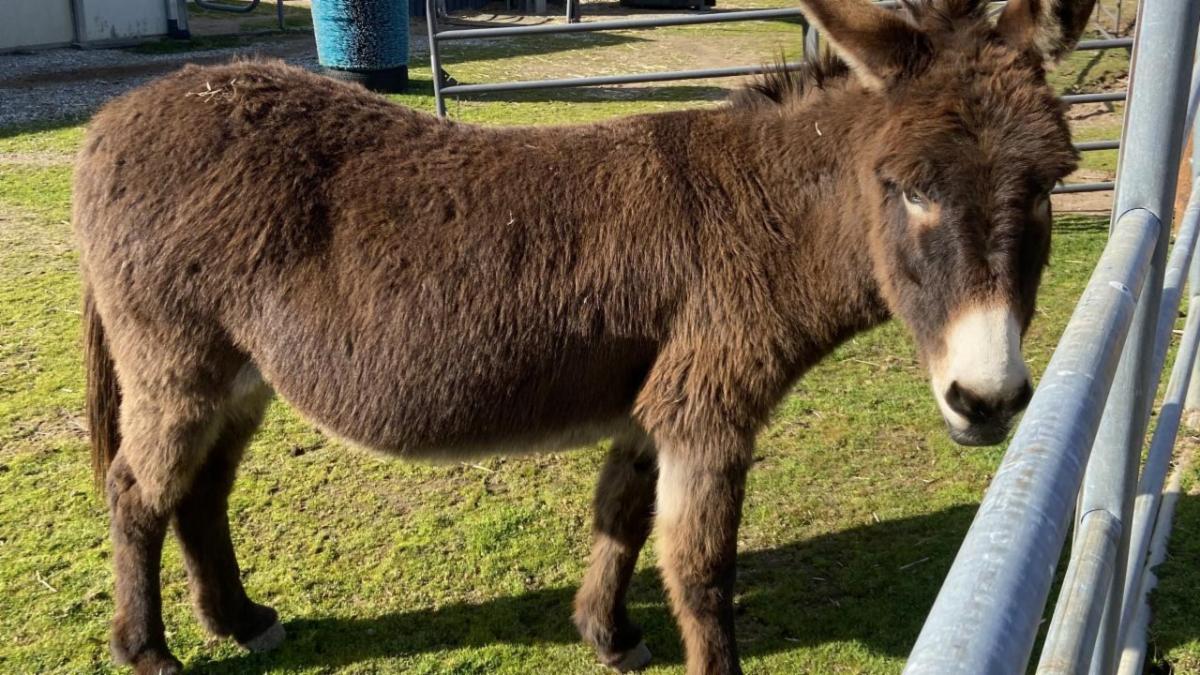
Tests showed that Lily had elevated kidney values consistent with acute kidney injury, a common side effect of poisoning. In addition, her triglycerides were mildly elevated, which is consistent with her not eating well prior to presentation. More troubling was her level of cardiac troponin, an indicator of heart muscle damage. Lily’s initial concentration of troponin was 41 ng/ml. Since a normal level in a horse is less than 0.07 ng/ml, her care team was quite concerned, and ordered a cardiac ultrasound, which showed a mild amount of fluid buildup around her heart and mildly thickened heart muscle walls.
| |
|
Interdisciplinary Teamwork and First Time Surgery at UC Davis Gives New Hope for Dog with Complicated Megaesophagus
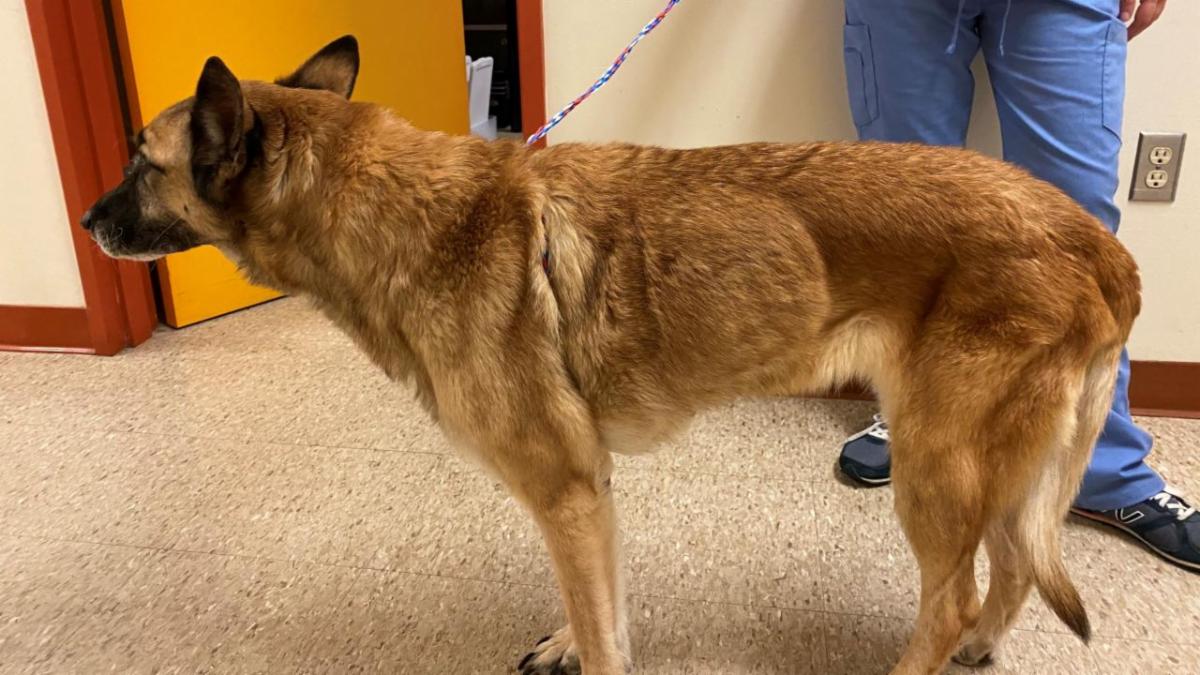
Megaesophagus, an abnormally dilated or giant esophagus, is one of the most devastating conditions a dog and its family can experience. It is a disorder in which the muscles of the esophagus lose tone and cannot move food and water normally from the throat to the stomach. This causes retention and regurgitation of ingesta, which can lead to inflammation to the lining of the esophagus, inhalation of food or water contents into the airways, and malnutrition. Megaesophagus is a challenging disorder to manage, and the journey can be long and arduous. Thankfully for Ginger, a 13-year-old Belgian Malinois, she has a dedicated family and a compassionate medical care team diligently working to improve her quality of life. Refusing to give up hope, her team trialed several innovative medical and therapeutic procedures before opting for a surgery never performed at the UC Davis veterinary hospital that ended up saving Ginger’s life.
| |
|
Clinical Trial Places Cat’s FIP in Remission
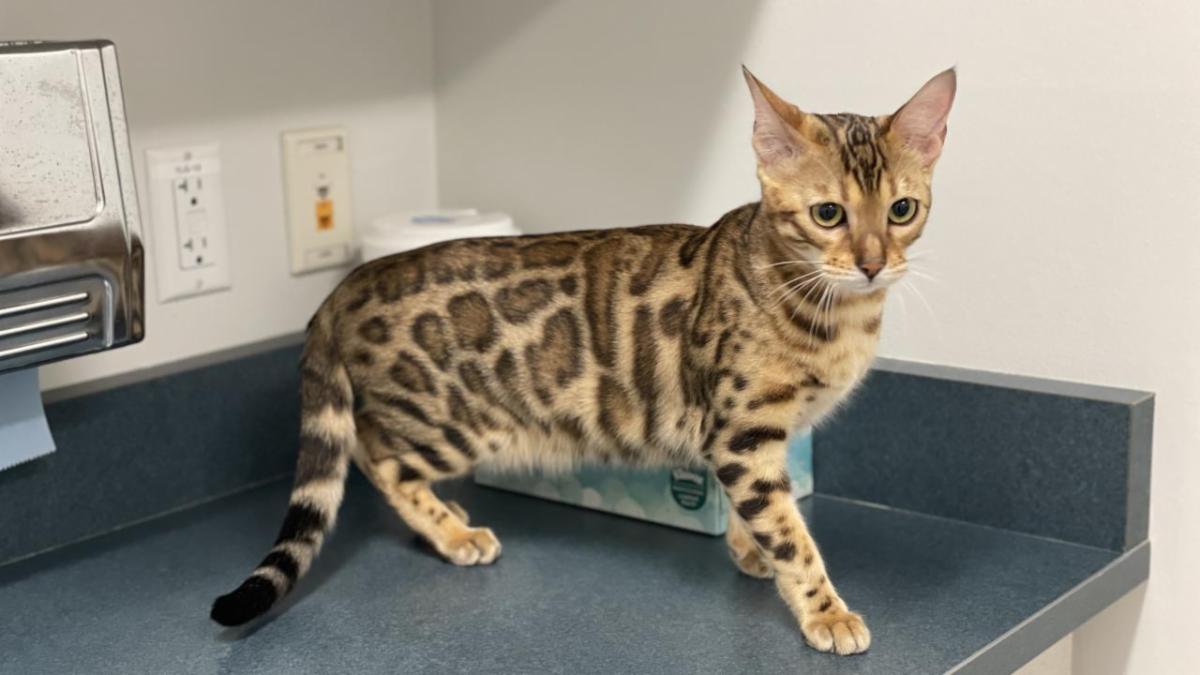
Lily, a 9-month-old female Bengal cat, is now in remission from feline infectious peritonitis (FIP) thanks to clinical trials at the UC Davis veterinary hospital. Currently enrolling cats, these new clinical trials are focused on improving treatments for FIP. Lily’s remission shows the great promise these new therapies hold for cats with FIP. All clinical signs related to her previously diagnosed FIP have resolved.
| |
Honor Your Patients and Make a Difference | |
The Center of Companion Animal Health and the Center for Equine Health are grateful to the veterinary clinics for their donations to the Companion Animal Memorial Fund and the Equine Tribute and Memorial Fund. Participating veterinary clinics and practitioners honor their patients and clients who have recently lost an animal. Each year, hundreds of clinics contribute through memorial gifts for clinical health research to improve treatment for diseases affecting their clients’ animals. If you’d like to learn how to become a participant, call our Office of Advancement at 530-752-7024. Thank you.
| | |
|
Is your clinic looking to hire? Our 4th year students and recent graduates would love to hear from you. We have resources on our Career, Leadership and Wellness Center website to will help you post jobs and connect with us about advancing your clinic. Please discover the website’s job board.
| |
|
Get Additional News from the School of Veterinary Medicine
Discover Synergy, the School of Veterinary Medicine's biannual magazine highlighting the latest clinical advances, research updates, and other school news.
| | | | |