DIRECT REFERRAL PHONE NUMBER
To contact the VMTH regarding referrals:
530-752-4050 (direct referral line)
or
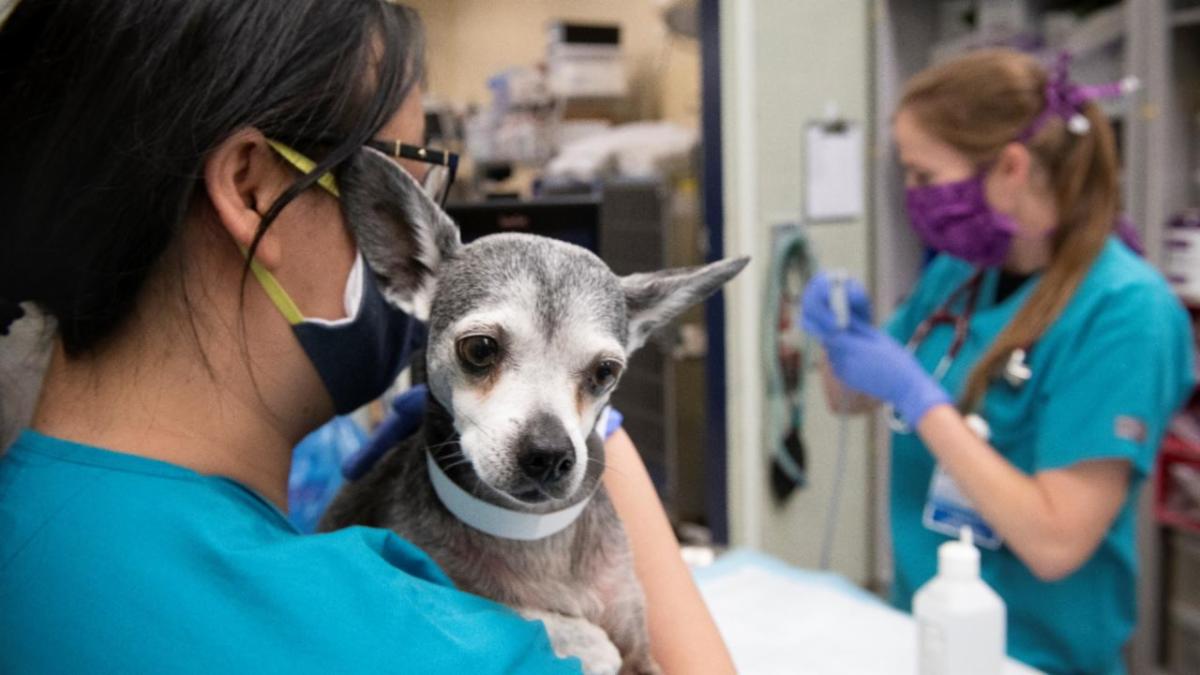
The VMTH now has several referral coordinators that you can reach directly, rather than using the main VMTH phone line. As valued referring veterinarians, you now have direct access to a team of dedicated client service representatives at the VMTH – rather than using the main telephone number that is used for the general public. We strongly recommend that you utilize these highly trained contacts to enable a faster and more efficient referral process. Our referral coordinators have intimate knowledge of their services and can facilitate your needs and also connect you with a veterinarian should you need consultation on a case.
|
|
UC Davis School of Veterinary Medicine Names Mark Stetter as New Dean
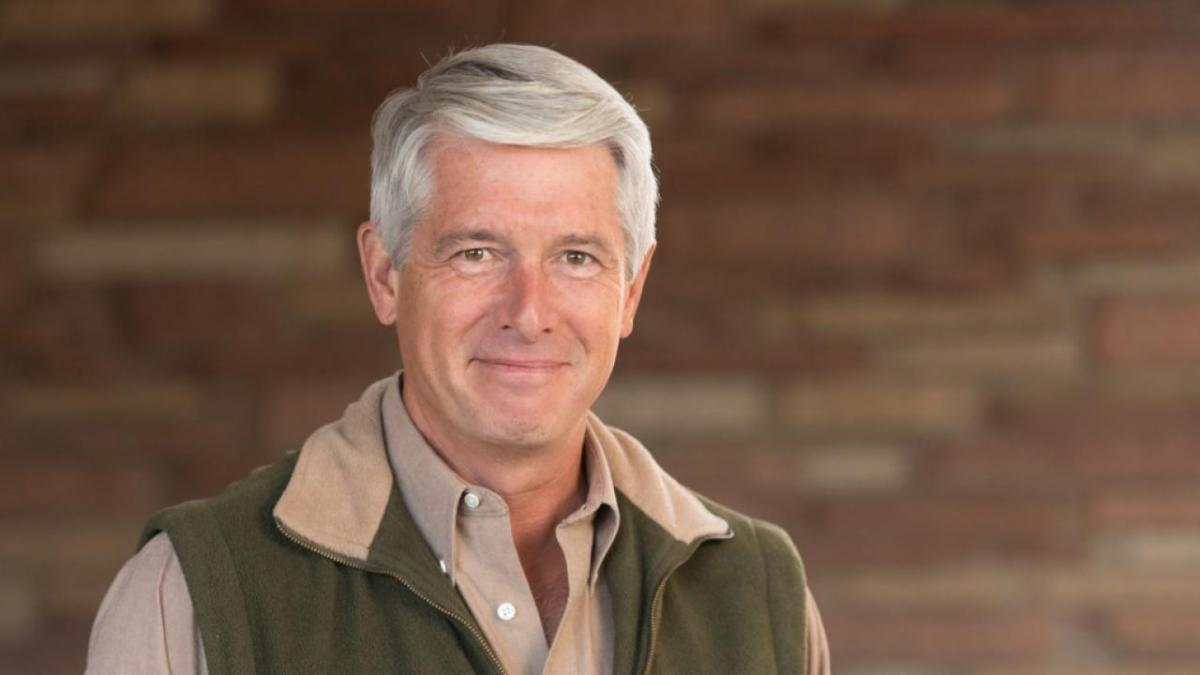
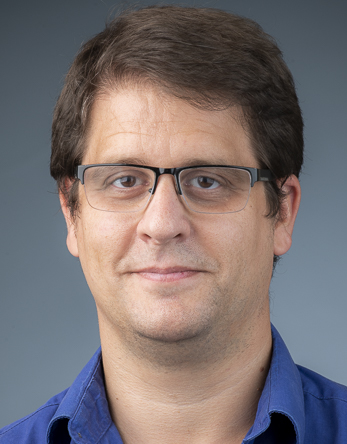
UC Davis has named Mark Stetter, outgoing dean and professor in the College of Veterinary Medicine and Biomedical Sciences at Colorado State University, as the new dean of the School of Veterinary Medicine. He will officially step into the position on October 18.
|
|
Joshua Stern Named New Associate Dean for Veterinary Medical Center Operations and Chief Veterinary Medical Officer
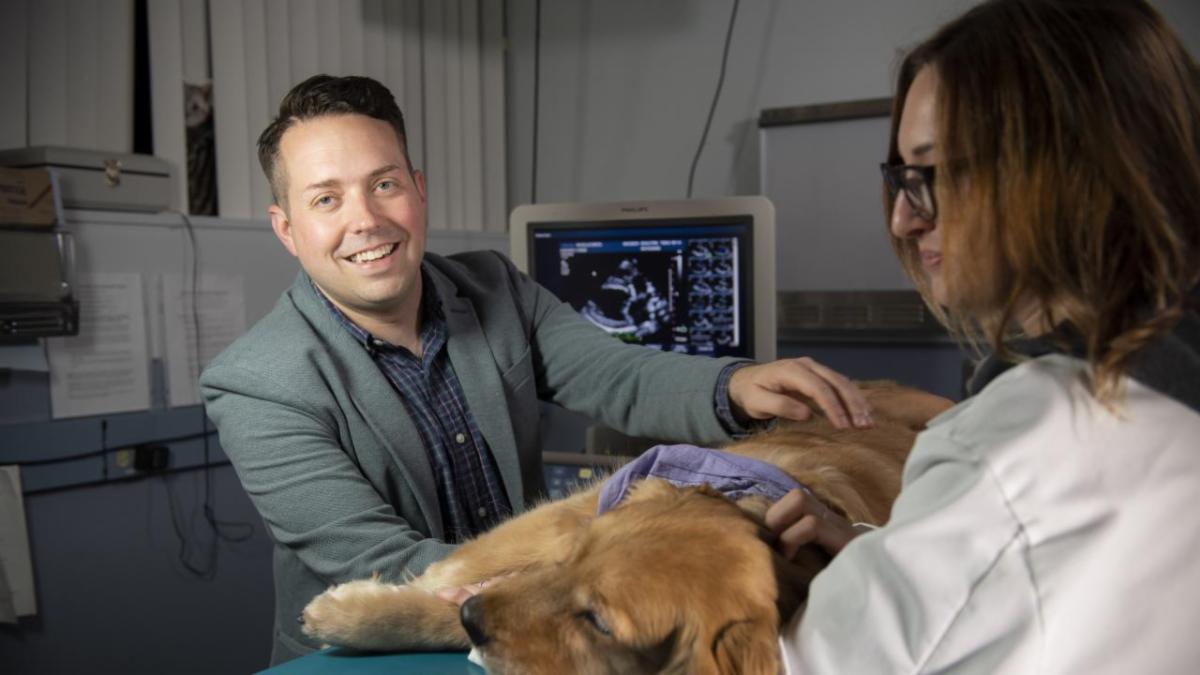
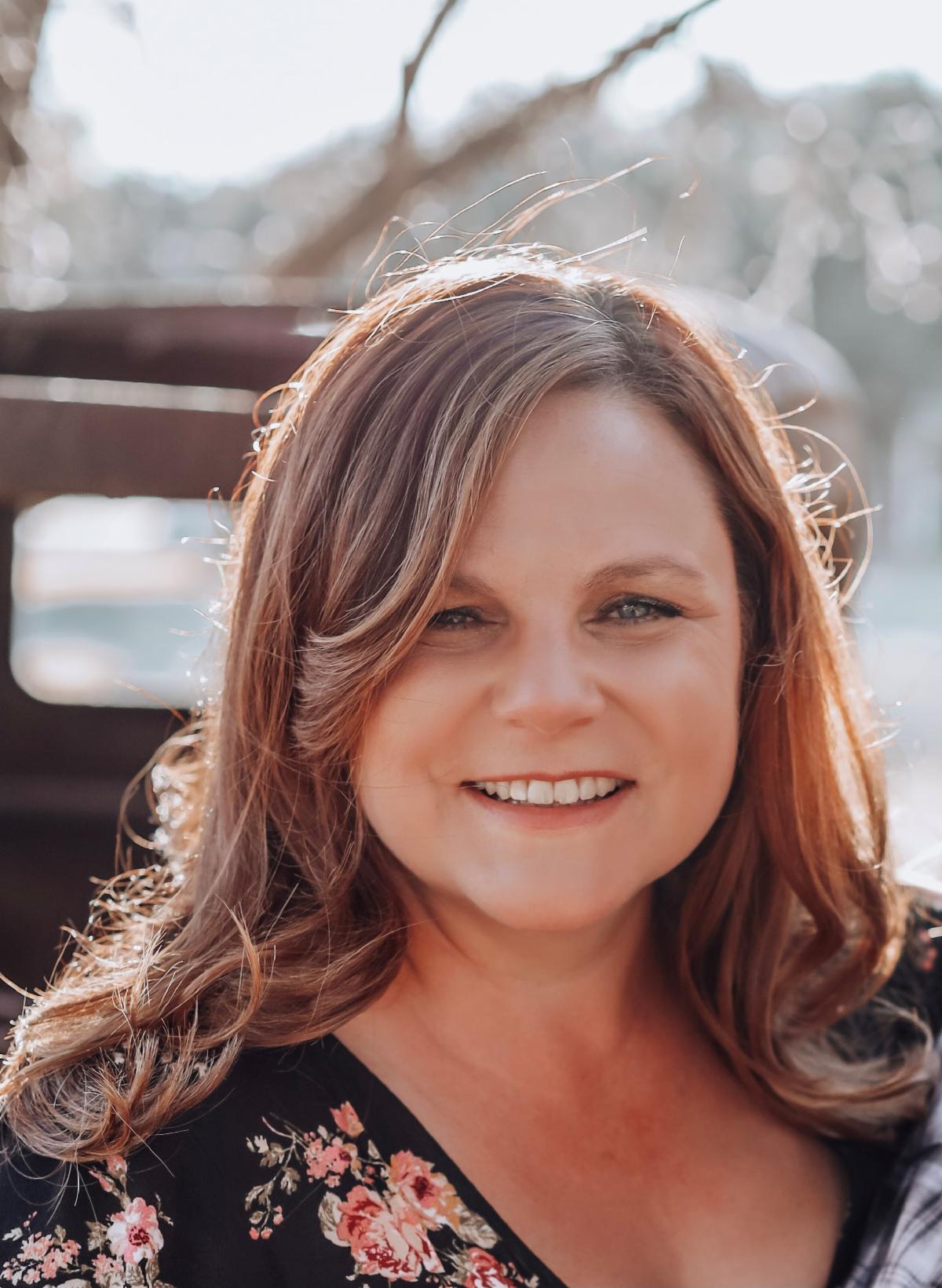
UC Davis has named cardiologist Joshua Stern as new hospital lead. Stern has previously served as Interim Small Animal Clinic Director, Cardiology Service Chief and Residency Program Director, and a member of the Veterinary Medical Staff Executive Committee. He has served on the Veterinary Medical Teaching Hospital Strategic Planning Committee and as Chair of the Graduate Clinical Education Committee.
|
|
UC Davis Helps Animals in Recent Wildfires
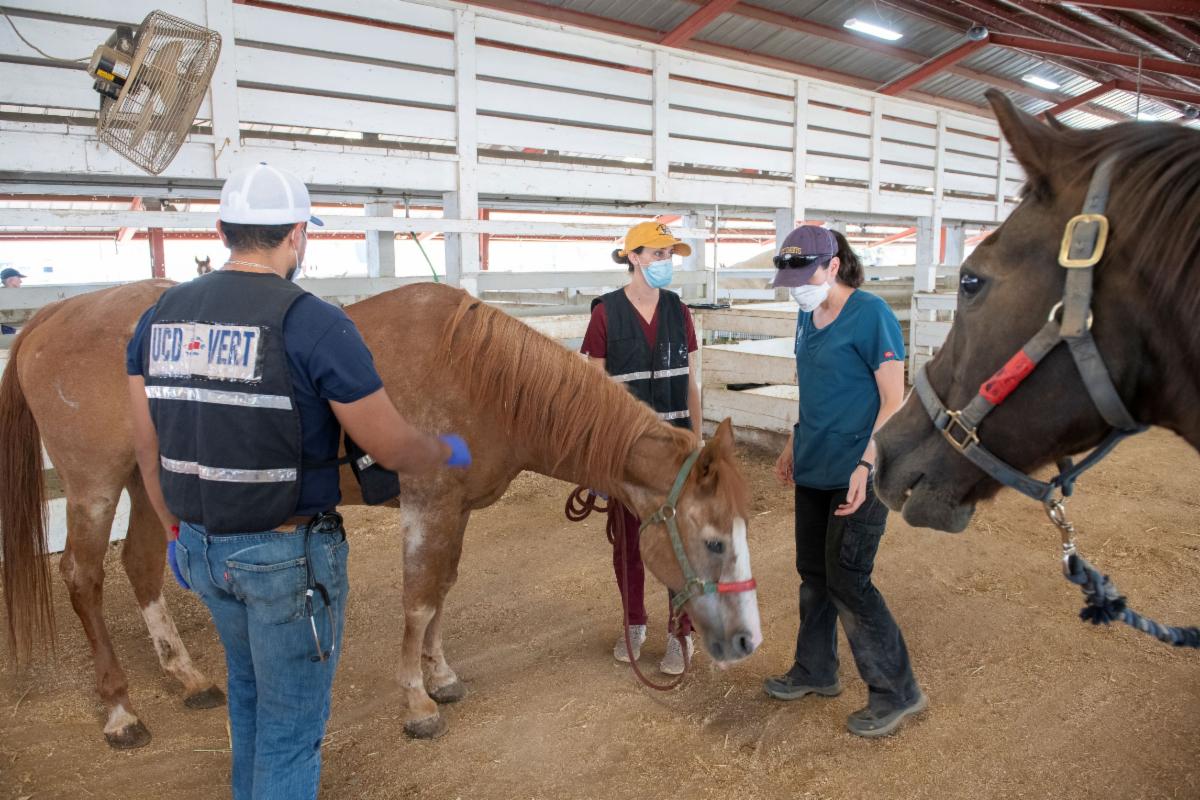
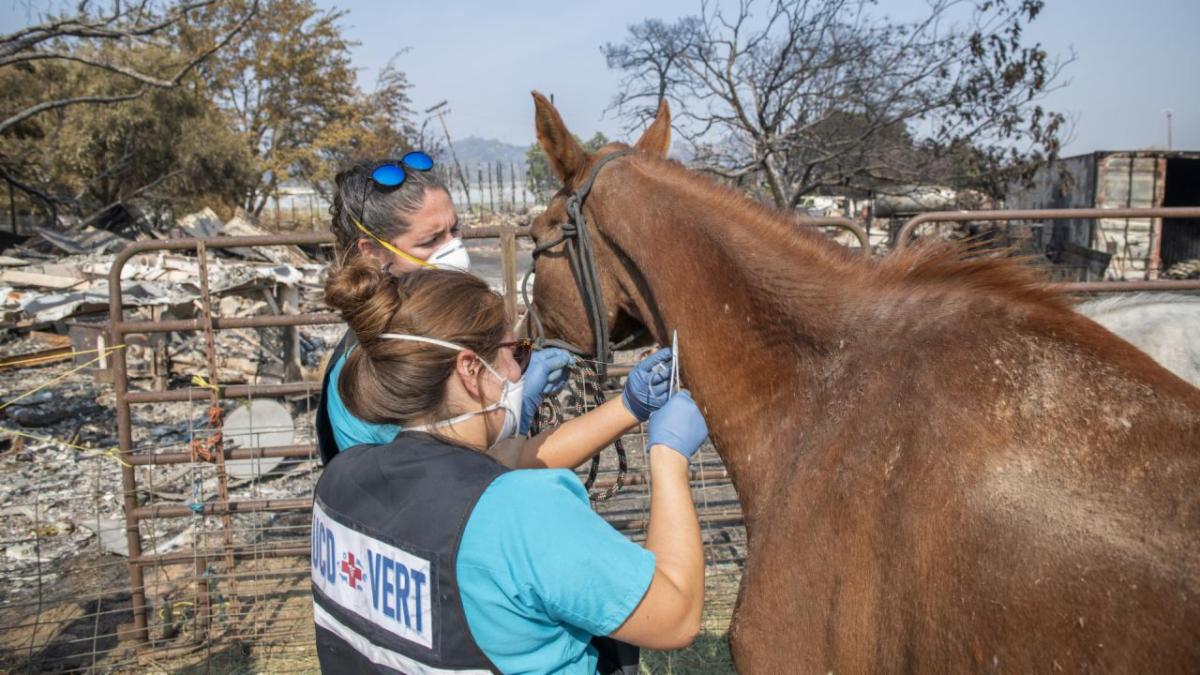
For the past month, UC Davis veterinary hospital clinicians and staff have been assisting animals from the Dixie, Caldor, and Cache Fires. In the field, teams from the Equine Field Service, Livestock Herd Health and Reproduction Service, Integrative Medicine Service, Diagnostic Imaging Service, and Companion Exotic Animal Medicine and Surgery Service have assessed and cared for hundreds of animals in the fire zones and at evacuation centers and rescue habitats, including livestock, poultry, waterfowl, parrots, cats, dogs, bears, and bobcats. By working together with the Veterinary Emergency Response Team, Student-VERT, the Rural Veterinary Experience Teaching Service, the California Veterinary Medical Reserve Corps, and the Wildlife Disaster Network, these dedicated veterinarians and technicians have provided exceptional care. This year, much fewer animals were referred back to the hospital due to the expert level of care they are receiving in the field. However, there have been 22 animals brought to the hospital to date. They include pigs, cattle, goats, cats, chickens and other birds, including a bald eagle evacuated from a refuge near Lake Tahoe. They were cared for by members of the Livestock Medicine and Surgery Service, Equine Internal Medicine Service, Equine Medical Emergency and Critical Care Service, Small Animal Emergency and Critical Care Service, Neurology/Neurosurgery Service, and Community Surgery Service, as well as many small animal ward technicians and large animal barn crews.
|
|
Protecting Animals When Disaster Strikes
UC Davis leaders, veterinarians, and California legislators unveiled a new emergency program to help rescue animals in disasters. Called the California Veterinary Emergency Team and administered by the UC Davis School of Veterinary Medicine, the program will support and train a network of government agencies, individuals, and organizations to aid domestic animals and livestock during emergencies. California is providing $3 million a year for the California Veterinary Emergency Team, under legislation authored by Sen. Steve Glazer and incorporated into the state budget recently signed by Gov. Gavin Newsom.
|
|
Dr. Mathieu Spriet Presents Equine PET Scan Webinar for Veterinarians
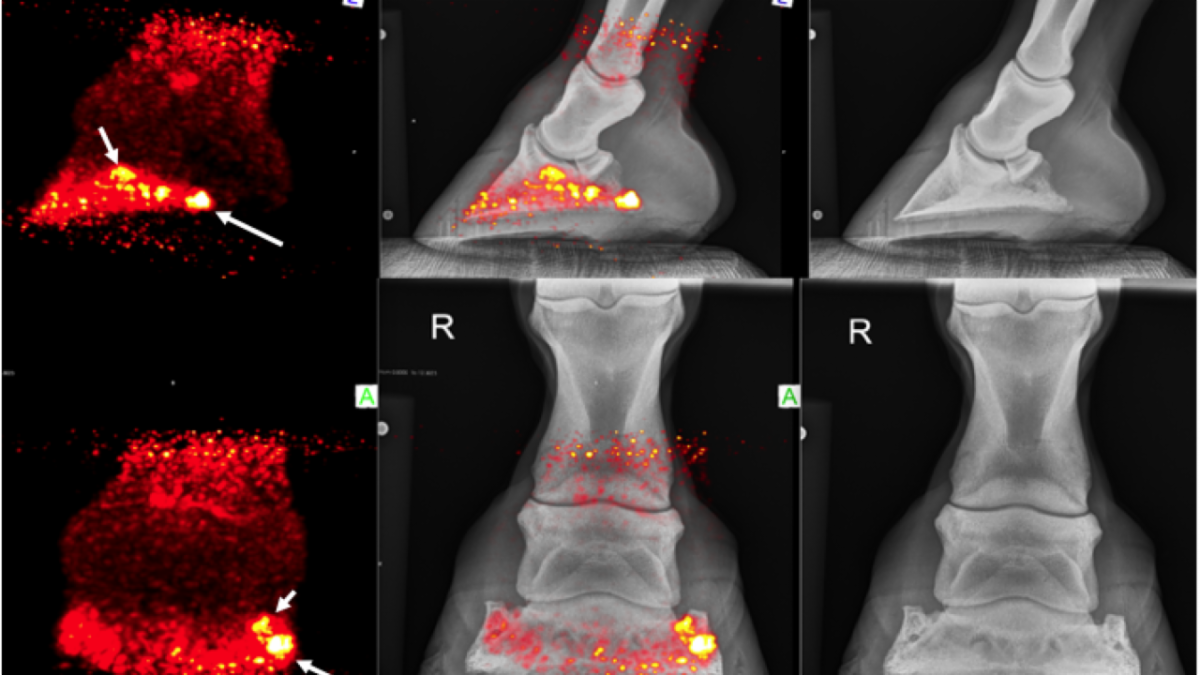
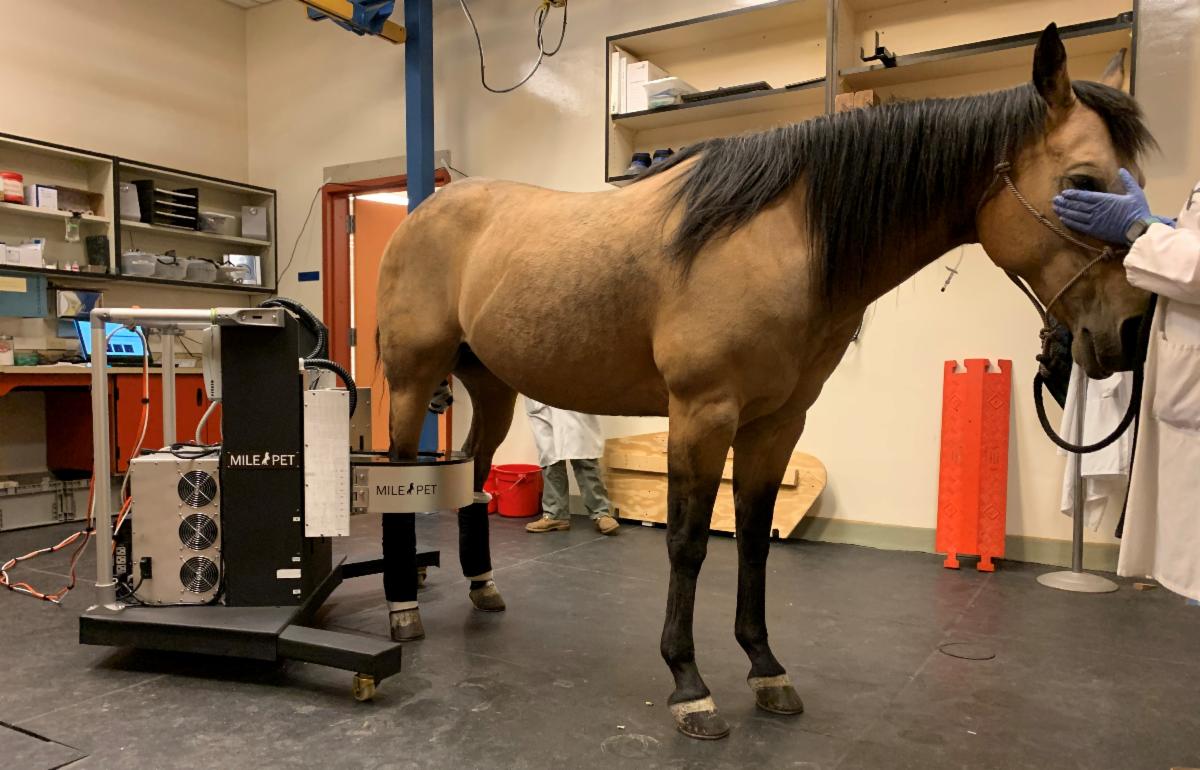
On August 5, UC Davis veterinary radiologist Dr. Mathieu Spriet presented "New Equine Imaging Options with Standing PET at UC Davis," an informative webinar to update veterinarians on the latest in positron emission tomography (PET) for horses. Full webinar available for viewing.
|
|
Don Low Fellowships Resume
Following a two-year absence due to the pandemic, the Don Low/CVMA Practitioner Fellowship will once again be offered at the UC Davis veterinary hospital. The advanced training program for veterinarians provides 20 days of in-depth continuing education (CE) in multiple specialty services. The fellowship can be completed on a flexible basis and earns the participant up to 100 hours of CE credits. Applications are now being accepted for the 2022-2023 academic year (deadline: January 7, 2022).
*Pictured: 2013 (ultrasound) and 2018 (cardiology) Don Low Fellow Dr. John Huebner of the Redwood Veterinary Hospital
|
|
Infectious Disease Telemedicine Consultations for Veterinarians
The VMTH now offers the availability of an infectious disease consulting service for veterinarians interested in obtaining the expertise of our internal medicine specialists in infectious diseases of dogs and cats. The service is led by Drs. Jane Sykes, Krystle Reagan, and Jonathan Dear. The consultations can be done by written communication with or without follow-up video consults. Interested veterinarians can request a consultation by emailing service coordinator Kaitlin Zuwala (krvaughn@ucdavis.edu). Consultation fees ranges from $100-200 depending on the extent of engagement and case complexity, with a turnaround time of 1-2 business days. Because of the need for a veterinarian-client-patient relationship, we cannot consult directly with pet owners, so interested pet owners should ask their veterinarians to request a consultation.
|
|
Dr. Hugues Beaufrère recently joined the VMTH as an associate professor with the Companion Exotic Animal Medicine and Surgery Service, effective September 1, 2021. Dr. Beaufrère received his DVM (2006) at the University of Lyon, France. After a private practice internship in Belgium and an internship at the Ontario Veterinary College (OVC), he completed a Zoological Medicine Residency (2011) and a PhD (2013) in Veterinary Clinical Sciences at Louisiana State University. From 2013-2017, Dr. Beaufrère was a staff veterinarian at the OVC – Health Sciences Centre, and from 2017-2021 he has been an assistant professor in the Department of Clinical Studies, OVC. Dr. Beaufrère is specialty board certified by the European College of Zoological Medicine (Avian; 2012), the American Board of Veterinary Practitioners (Avian; 2012), and the American College of Zoological Medicine (subspecialty: Zoological Companion Animals; 2014). Dr. Beaufrère’s research is focused on zoological medicine, defining and characterizing lipid disorders in birds and reptiles, and evaluating drug responses to statins used to control lipid-related diseases in animals. |
|
Dr. Allison Mattingly recently joined the VMTH as a staff veterinarian with the Small Animal Emergency and Critical Care Service. Dr. Mattingly is a graduate of UC Davis and has extensive experience in small animal ERs in the Bay Area and Sacramento regions. |
|
Evaluating a Diet to Stop Itching and Diarrhea or Vomiting in Dogs with Skin and/or Bowel Disease
Dr. Stanley Marks is exploring whether a new diet makes dogs less itchy and reduces vomiting and diarrhea. Dogs will be given a commercially available specialized diet exclusively for 8 weeks. At the 3-week visit, trial patients will be given a physical exam, blood sample collection, and questionnaire. At the 8-week visit, patients will have a physical exam and a questionnaire. Qualified dogs should be currently experiencing active dermatitis and chronic enteropathy.
|
|
Assessing a Nutritional Supplement for Dogs with Elbow Dysplasia
Elbow dysplasia is common in dogs, particularly large breed dogs. This condition leads to the development of elbow osteoarthritis which creates pain and a lameness in the front leg of affected dogs. Dr. Denis Marcellin-Little is studying whether dogs with elbow arthritis who receive a food supplement are using their affected legs better than when they receive a placebo. The study is recruiting dogs between the ages of 1 and 6 years weighing between 44 and 88 pounds with elbow dysplasia. Potential patients will undergo an orthopedic examination, including blood collection, and a CT scan. Once enrolled, dogs will attend clinic visits every 6-12 weeks to monitor progress.
|
|
Determining the Safety and Tolerability of a Novel Chemotherapy Prodrug
Dr. Jennifer Willcox and Dr. Luke Wittenburg are studying a prodrug of doxorubicin, a commonly used chemotherapy drug, to see if it can provide a therapeutic advantage because it allows for higher doses of doxorubicin to be delivered with lower toxicities. The purpose of this study is to look at the safety and tolerability of the doxorubicin prodrug. Eligible dogs must have a tumor for which doxorubicin has been deemed an appropriate drug choice by the study veterinarian. In addition, this tumor must be in a location that allows for multiple biopsies to occur as well as surgical removal.
|
|
Kitten Ringworm Study
Ringworm is a common superficial fungal skin infection that is typically self-limiting and not life-threatening. However, ringworm is contagious and can be spread to other animals and humans. Dr. Karen Vernau is conducting a new clinical trial evaluating the safety and efficacy of three treatment protocols for treating young kittens with ringworm, utilizing oral itraconazole and focal topical therapy. Kittens less than 12 weeks of age with a diagnosis of ringworm qualify for the study. They will be assessed every 7 days at UC Davis until the ringworm has been cleared.
|
|
Understanding the Risk Factors for Nutritionally-mediated Dilated Cardiomyopathy (DCM) in Healthy Dogs
Increasing numbers of dogs are being diagnosed with dilated cardiomyopathy (DCM), and it has been suggested that grain-free diets may be contributing to the increased frequency of this disease process. Dr. Joshua Stern is evaluating the incidence of DCM in small and large breed dogs to assess for echocardiographic or biochemical differences associated with dogs eating different commercial diet types. A single visit is required where a physical examination will be performed, a blood sample and urine sample obtained, and an echocardiogram performed. Dogs less than 15kg (33lb) or larger than 30kg (66lb) who have been eating a consistent commercial diet qualify for the study. Both grain-free and grain inclusive diets are being investigated, however, home prepared diets are not eligible for the study.
|
|
Upcoming Continuing Education Events |
|
 |
Due to developing circumstances surrounding the COVID-19 pandemic, including adhering to physical distancing and limiting public gatherings, the UC Davis Center for Continuing Professional Education is currently altering its course offerings to webinar only.
We look forward to welcoming you to these CE events moved online:
Please contact us with any suggestions or questions you might have regarding our programs.
|
|
|
|
Latest Research Achievements |
|
Research Translates to Product to Treat FCGS
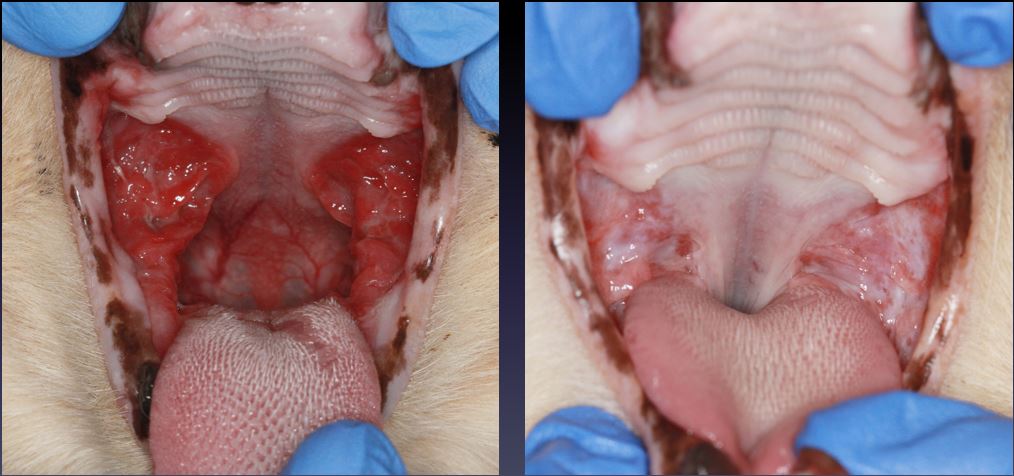
UC Davis research for the past 10 years on the use of adipose-derived stem cell therapy for the treatment of non-responsive feline chronic gingivostomatitis (FCGS) was recently licensed by Gallant, a commercial biotech company in Southern California. Gallant is now embarking on a nation-wide clinical trial for FDA approval of the cell therapy. The clinical trial is done at a selected specialty centers. UC Davis' Dr. Boaz Arzi remains the principal investigator of the study and also a scientific advisor to Gallant. The hope is that in the next two years, the FDA may grant a conditional approval.
|
|
Personalized Medicine for Cats With Heart Disease
Veterinarians at UC Davis have found that a cat’s DNA alters how it responds to a life-saving medication used to treat hypertrophic cardiomyopathy, a heart disease that affects 1 in 7 cats. The study was published in the Nature Portfolio journal, Scientific Reports.
|
|
Success of UC Davis Equine PET Scan Research on Racehorses Translates to Clinical Breakthroughs for Sport and Pleasure Horses
Standing equine positron emission tomography (PET) imaging is not just for racehorses anymore. In the first four months since the installation of the MILEPET scanner at the UC Davis veterinary hospital, 100 horses have been imaged; more than half were performance and pleasure horses.
|
|
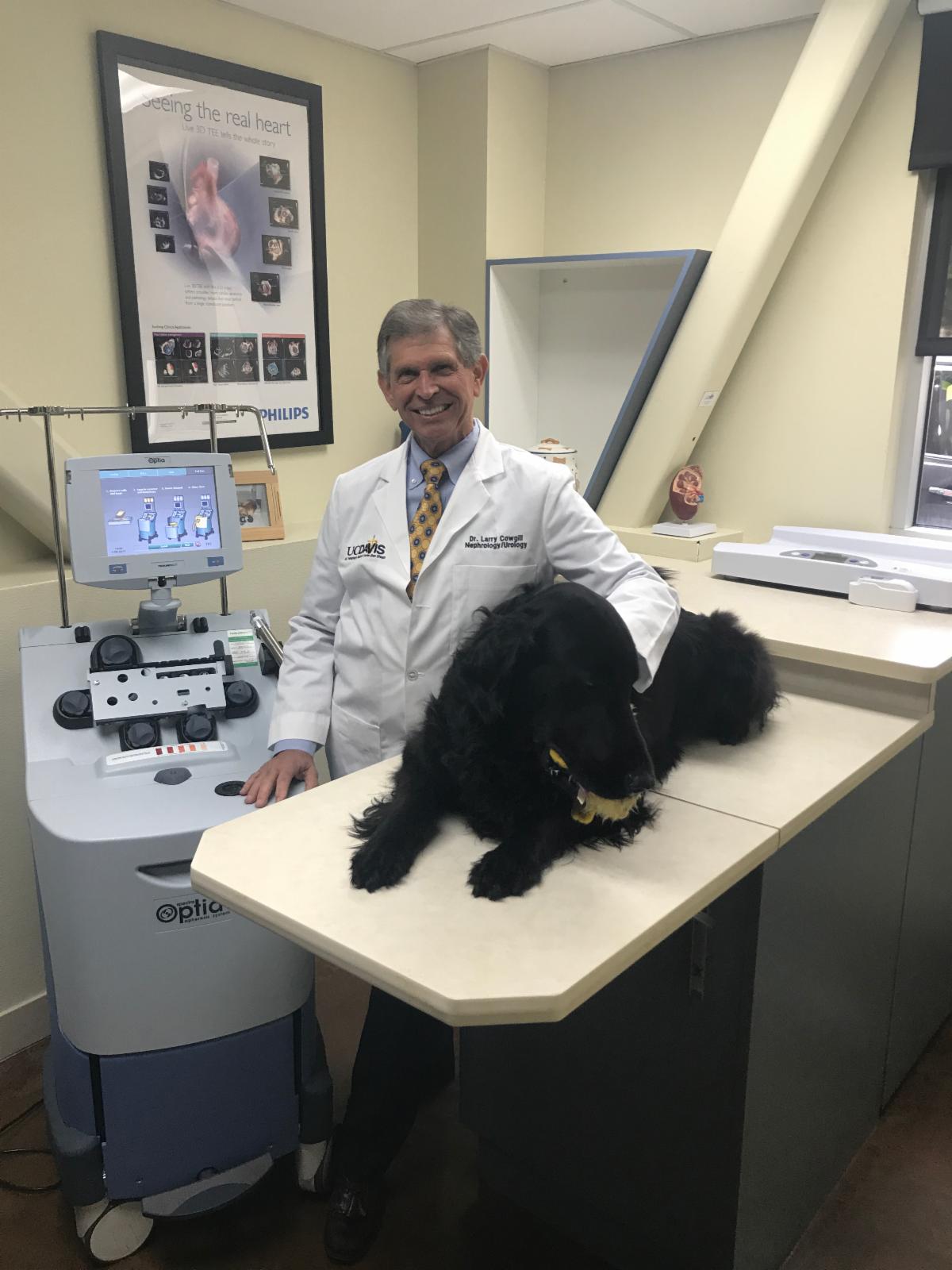
Dr. Larry Cowgill Receives 2021 AVMA Clinical Research Award
The American Veterinary Medical Association (AVMA) named Dr. Larry Cowgill as the winner of the 2021 AVMA Clinical Research Award. Established in 1955 by the AVMA Council on Research, the award is given annually to a veterinarian in recognition of achievements in patient-oriented research, including the study of mechanisms of disease, therapeutic interventions, clinical trials, development of new technologies and epidemiological studies.
|
|
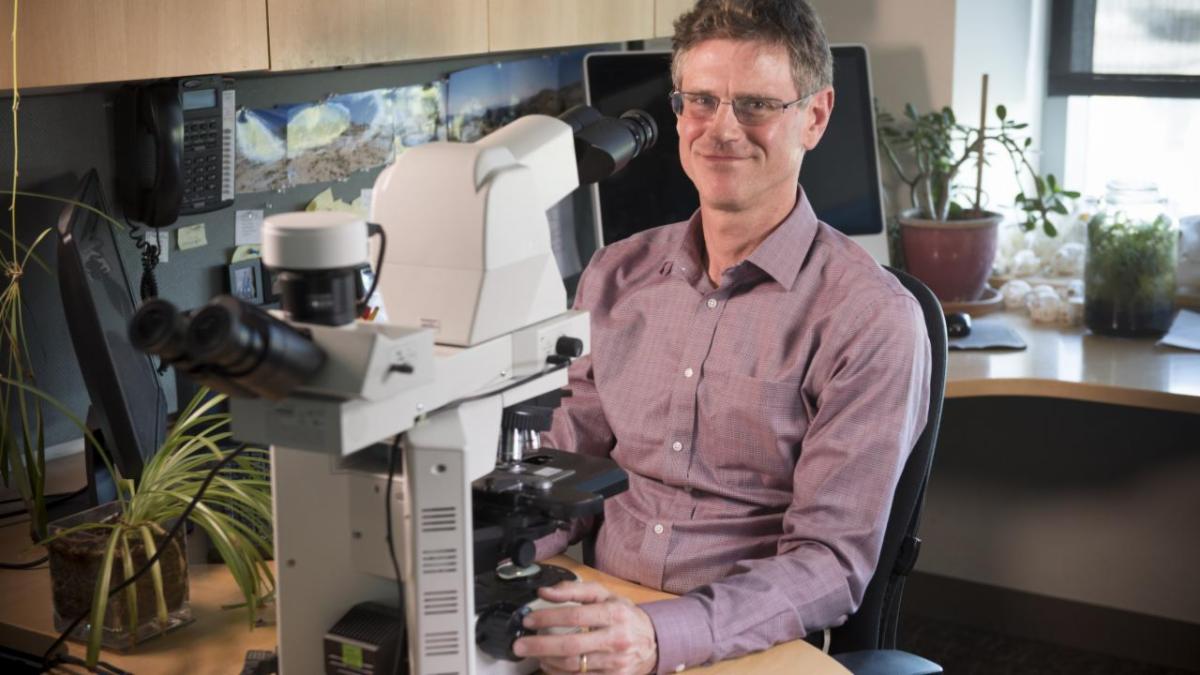
Dr. Brian Murphy Receives 2021 AVMF/EveryCat Health Foundation Research Award
The American Veterinary Medical Association honored Dr. Brian Murphy as the winner of the 2021 American Veterinary Medical Foundation (AVMF)/EveryCat Health Foundation Research Award. Established in 2009, the award honors a candidate's contribution to advancing feline health through their research.
|
|
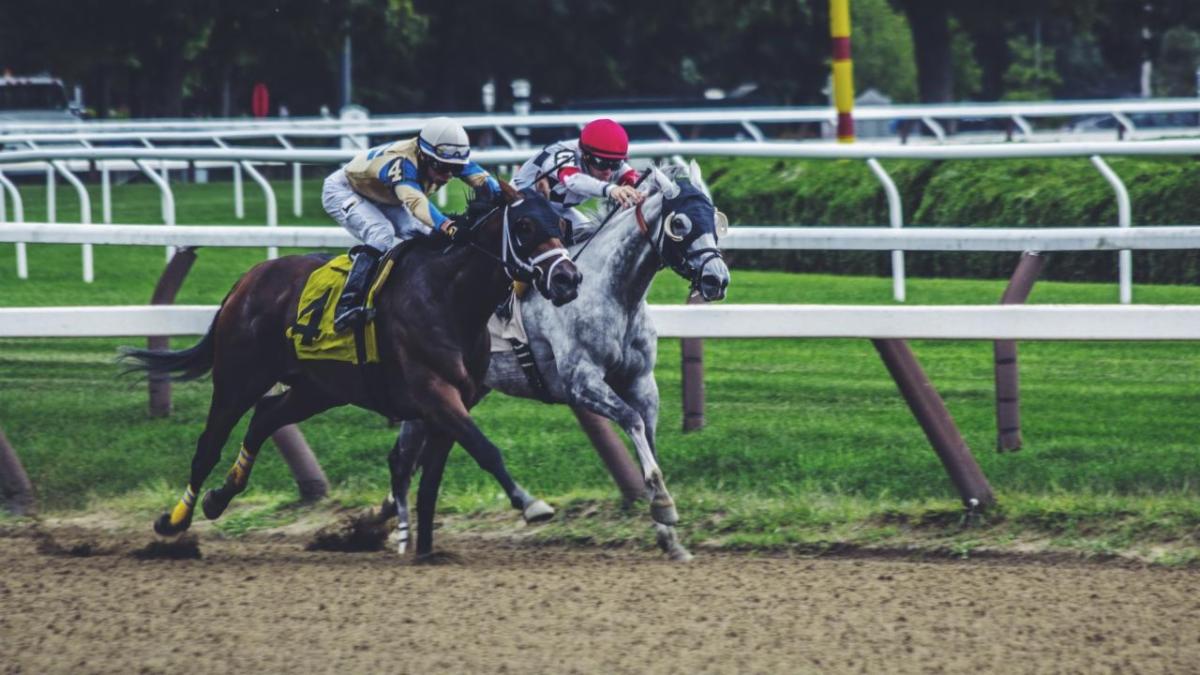
UC Davis Plays Significant Role in 50% Decline in California Racehorse Fatalities
The California Horse Racing Board recently reported a 50% decline in equine fatalities in California horse racing, dropping from 144 to 72 over the past two years. Trending downward since 2005, the number of equine fatalities declined by an impressive 40% over the last fiscal year alone. Decades-long efforts, many in partnership with the UC Davis School of Veterinary Medicine, contributed to this progress.
|
|
Residents Win National Research Awards
Two residents with the UC Davis veterinary hospital recently won national research awards at the 2021 American College of Veterinary Internal Medicine (ACVIM) Forum, held virtually this year. The residents—one each in large and small animal services—submitted abstracts that were reviewed by a panel of judges comprised of ACVIM Diplomates.
|
|
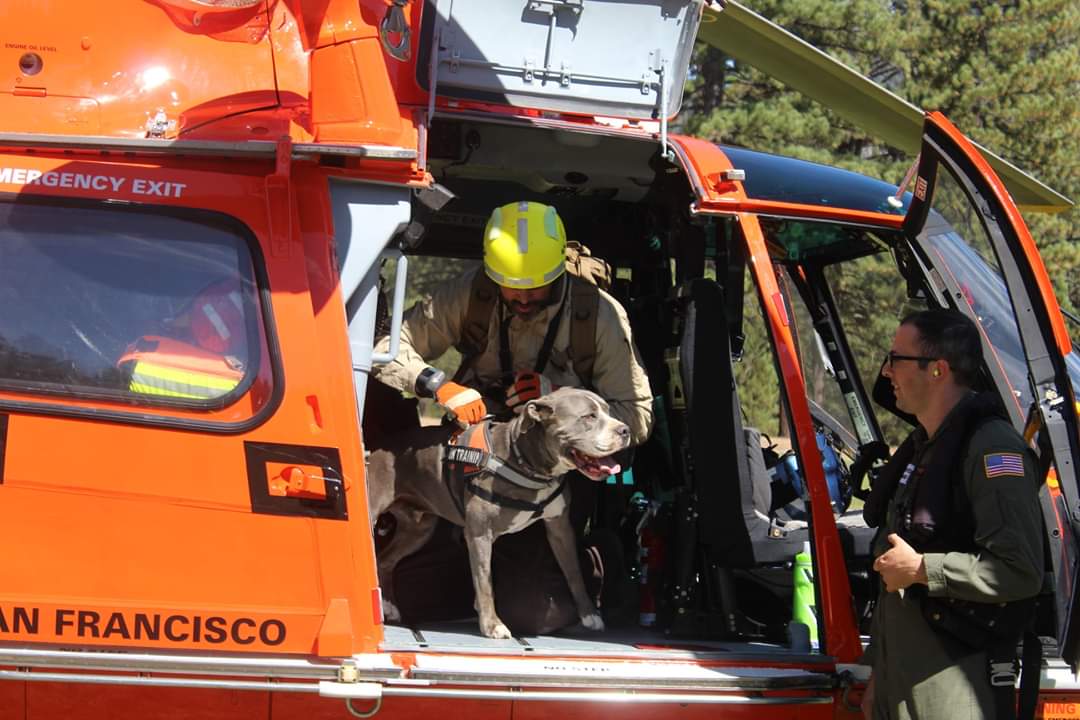
Knee Surgery Gets Rescue Dog Back on the Search
Clutch, an 8-year-old pit bull terrier, was training to become a certified search and rescue dog when he ruptured his cranial cruciate ligament. To fix the injury, Clutch was brought to the UC Davis veterinary hospital where the Orthopedic Surgery Service performed a tibial plateau levelling osteotomy after removing the ruptured ligament. Learn more about Clutch's surgery and the Faithful Partner Fund that helped pay for it.
|
|
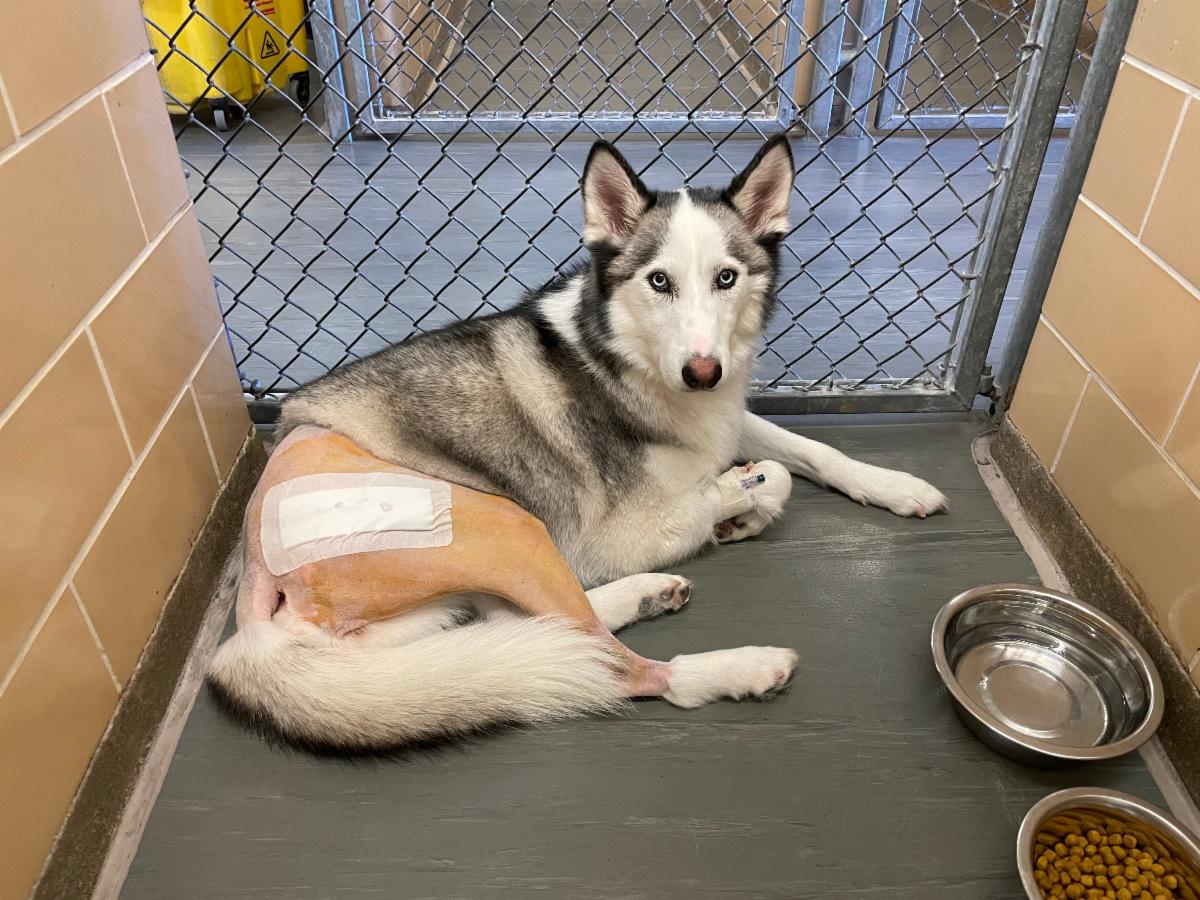
Total Hip Replacement Gives Young Husky Bright Future
Sky, a 2-year-old female Siberian husky mix, was rescued nearly a year ago. Her owners Renee Gee and Brian Estill of San Francisco noticed some stiffness in her back right leg when walking. While doing a good job of masking any pain, Sky did yelp when her primary veterinarian palpated and extended the leg. X-rays confirmed a luxated right hip, and her veterinarians suggested a hip replacement might be necessary. A second opinion resulted in the same diagnosis and surgery suggestion. Being a thorough and detail-oriented dog owner, Gee decided a third opinion at the UC Davis veterinary hospital was the right thing to do.
|
|
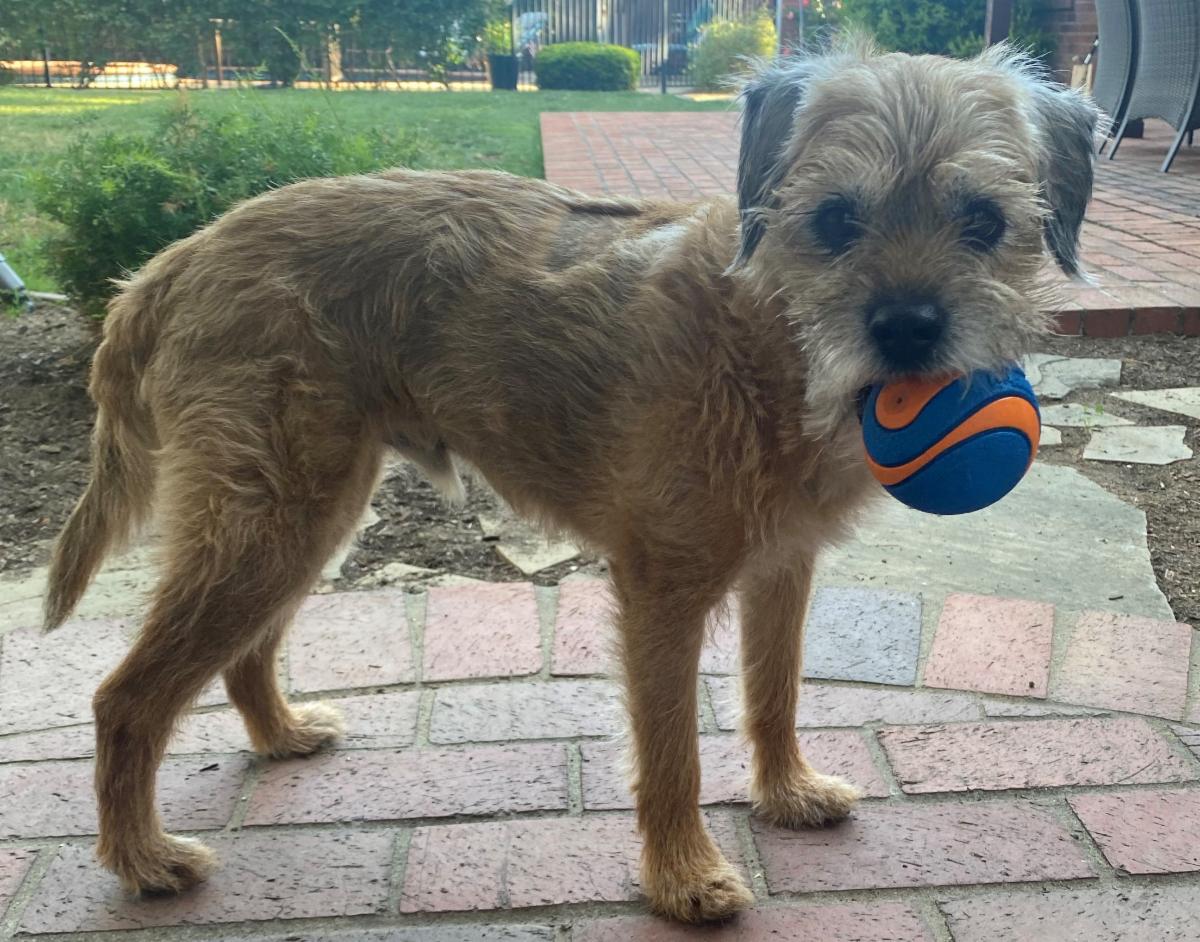
Diabetic Dog Has Sight Restored
When Teddy, a 12-year-old border terrier, was diagnosed with diabetes, his care team at the UC Davis veterinary hospital predicted he would eventually go blind. Within five months of the diagnosis, that prediction came true. Cataracts caused by the diabetes had formed in both of Teddy’s eyes completely clouding his vision. But UC Davis veterinary ophthalmologists offered hope, having performed many vision-restoring cataract surgeries over the years.
|
|
Honor Your Patients and Make a Difference |
|
The Center of Companion Animal Health and the Center for Equine Health are grateful to the veterinary clinics for their donations to the Companion Animal Memorial Fund and the Equine Tribute and Memorial Fund. Participating veterinary clinics and practitioners honor their patients and clients who have recently lost an animal. Each year, hundreds of clinics contribute through memorial gifts for clinical health research to improve treatment for diseases affecting their clients’ animals. If you’d like to learn how to become a participant, call our Office of Advancement at 530-752-7024. Thank you.
|
|
|
|
Is your clinic looking to hire? Our 4th year students and recent graduates would love to hear from you. We have resources on our Career, Leadership and Wellness Center website to will help you post jobs and connect with us about advancing your clinic. Please discover the website’s job board. Center Director Janel Lang can help you navigate it. Contact her at jalang@ucdavis.edu or 530-752-5130.
|
|
|
|
|
|
|