Updates for Practicing Veterinary Professionals | |
|
DIRECT REFERRAL PHONE NUMBER
To contact the VMTH regarding referrals:
530-752-4050 (direct referral line)
or
| |
|
Happy Holidays
'Tis the season of joy and heartwarming moments—in the spirit of spreading cheer, we've whipped up a festive episode of this month's "Mondays with Mark" video, putting a spin on a holiday classic and celebrating the human-animal bond.
Wishing you a season filled with a sleigh-load of laughter, warmth, and holiday magic!
Subscribe to our YouTube channel to receive the next episode of “Mondays with Mark.”
| |
The Future of Veterinary Medicine | |
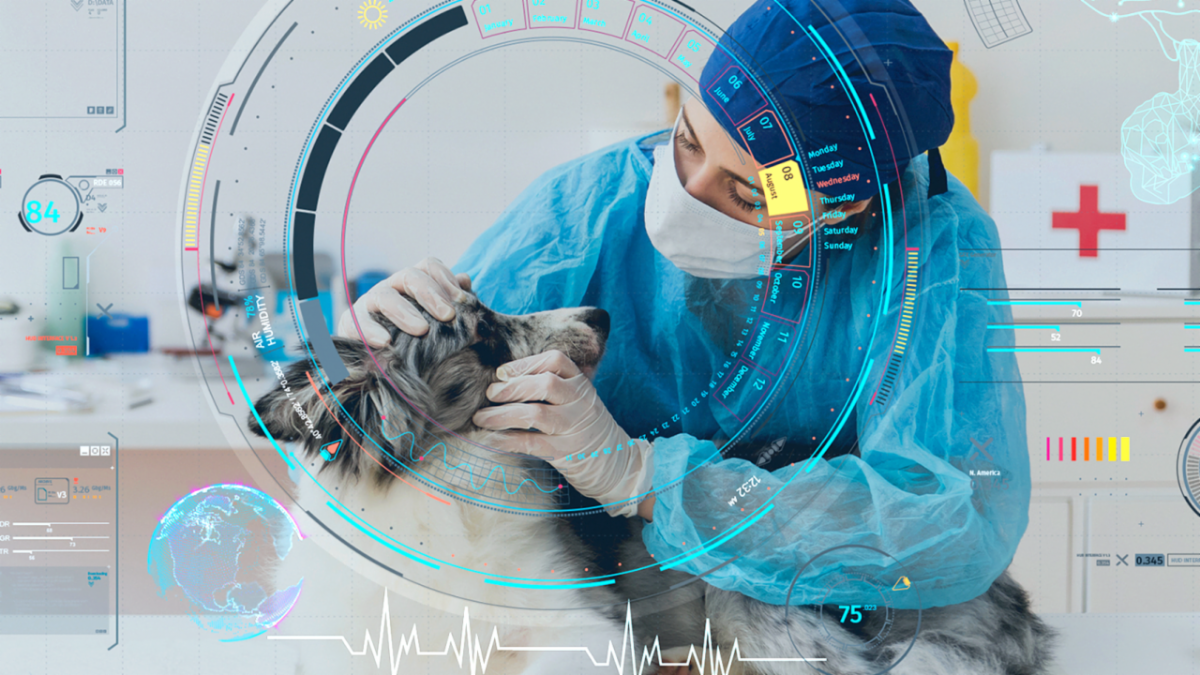
What are the most current and advanced technologies that will take veterinary medicine into the future? | |
From new discoveries in imaging modalities to artificial intelligence, innovation now drives the practice of healing animals. UC Davis has always been at the forefront of that progress and continues to forge new ground. As we are building the Veterinary Medical Center, we are setting the gold standard of care while defining translational research and clinical education.
Learn more about these Top 10 areas of focus at UC Davis as we look to the future:
Artificial Intelligence
Advancing Equine PET Scan Technology
Expanding Orthopedic Surgery
Revolutionizing Soft Tissue Surgeries
Collaborative Care
Advancing Equine Reproduction
Expanding Emergency Care
Breakthroughs in Cancer Treatments
Advanced Ophthalmic Treatments
Elite Level Cardiology Care
| |
|
Possible Increase in Upper Respiratory Illness in Dogs
A possible increase in upper respiratory illness in dogs (canine infectious respiratory disease complex [CIRDC]) has been reported from multiple locations across the United States in the second half of 2023. Clinical signs have been similar to those caused by a variety of common CIRDC pathogens such as parainfluenza virus and Bordetella, with cough and discharge from the eyes and nose. However, concerns have been raised about an unusually long duration of illness (3 to 8 weeks) in some affected dogs (the typical duration is 1 to 2 weeks). Although concerns have been raised about a potentially novel cause, such as a mycoplasma-like organism identified by researchers at the University of New Hampshire, it is also possible that no new pathogen is present, and instead illness is due to one or more known pathogens that are circulating and causing disease because of increased contact among dogs.
| |
|
New Emergency Service Established for Companion Exotic Pets
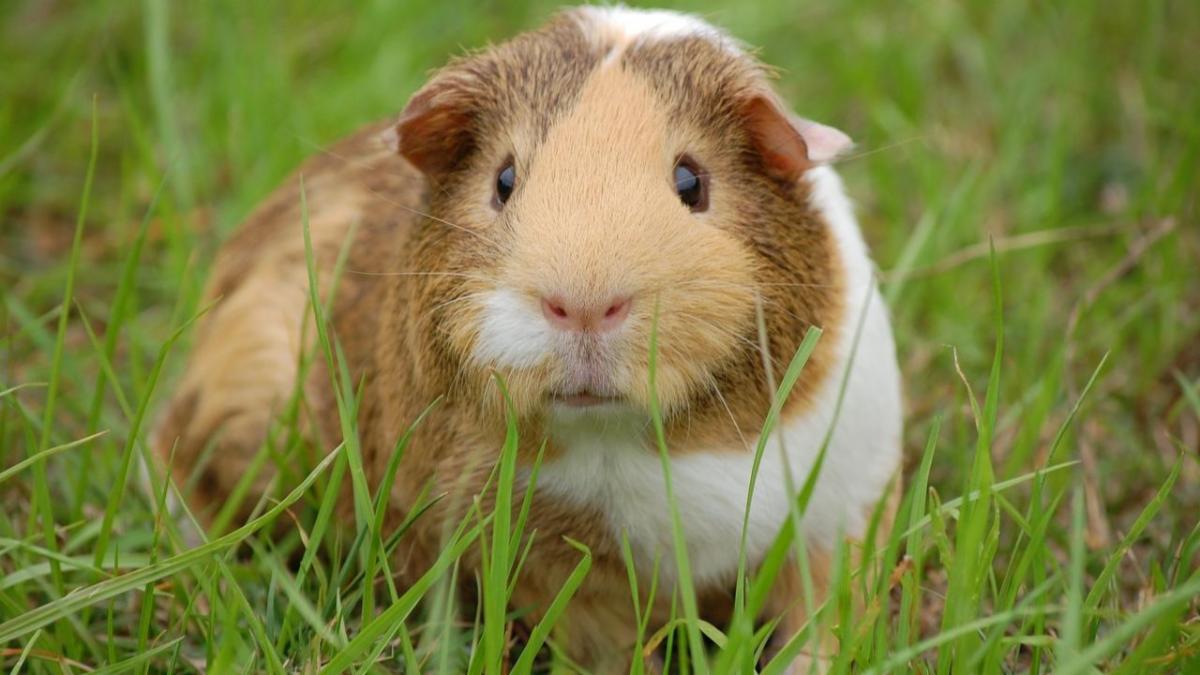
A dedicated emergency service has been established at the UC Davis veterinary hospital for companion exotic pets such as birds, hamsters, rabbits, guinea pigs, etc. The Companion Exotic Animal Medicine and Surgery Service aims to provide the highest quality care to emergency cases by having a dedicated team focused on patients requiring immediate care. Previously, emergency cases and regularly scheduled appointments were seen by the same team, sometimes causing delays. The new exotics dedicated emergency team includes a faculty veterinarian board-certified in an aspect of companion exotic pet care, a resident veterinarian training to become an exotics specialist, and a veterinary technician focused solely on the care of exotic species.
| |
|
Tales from the Tooth - Insights into Veterinary Dentistry
Ever wonder what it's like to navigate the fascinating world of veterinary dentistry? This compelling podcast with small animal dentist Dr. Stephanie Goldschmidt promises to enlighten you. Don't forget, UC Davis also offers a wide array of equine dentistry procedures with Dr. Nicola Pusterla. This podcast explores dentistry topics like common dental pathologies and exciting new treatment possibilities. This episode is your chance to gain a comprehensive understanding of veterinary dentistry and pick up some gold standard recommendations for your cherished patients.
| |
|
UC Davis Launches House Officer Professional Educational Series
The House Officer Affairs Board at the UC Davis School of Veterinary Medicine has launched the House Officer Professional Educational Series, with a goal to support house officer professional development, wellness, and academic success. The monthly lecture series launched in September with “Tips for Time Management,” presented by residency leadership with UC Davis Health Graduate Medical Education. Time constraints on residents in human medicine can be overwhelming at times, and the subject matter translated well for the veterinarians, whose residency training is nearly identical to that of a physician.
| |
|
UC Davis Veterinary Hospital Creates Technician Trainer Position
The VMTH announced the creation of a Technician Trainer position, and named Jody Nugent-Deal, RVT, VTS (Anesthesia/Analgesia; Clinical Practice – Exotic Companion Animal) to begin the new role October 1. Nugent-Deal has been with the VMTH for 24 years, most recently serving as supervisor of the Anesthesia Service. One of Nugent-Deal’s initial priorities in the position will be the creation of VMTH-sponsored, Registry of Approved Continuing Education (RACE)-approved continuation education (CE) courses available to all VMTH animal health technician teams, ultimately building a library of high-quality CE opportunities throughout the VMTH.
| |
|
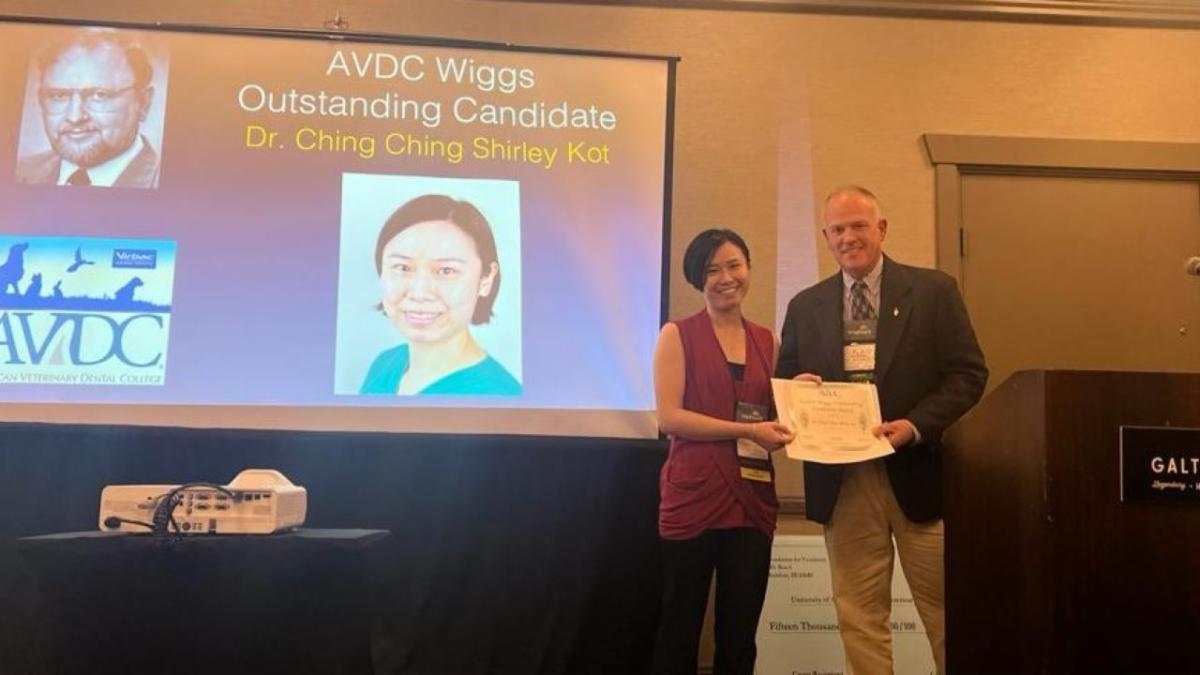
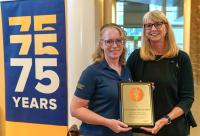
Dentistry Team Receives National Awards
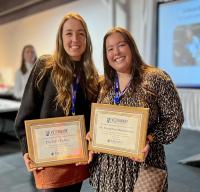
Faculty and residents from the Dentistry and Oral Surgery Service received several awards and certificates at the Veterinary Dental Forum (VDF) held recently in Louisville. Hosted by a combination of the Foundation for Veterinary Dentistry (FVD), the Academy of Veterinary Dentistry, and the American Veterinary Dental College (AVDC), VDF is the largest veterinary dental conference in the world.
| |
|
Companion Exotic Animal Resident Wins National Manuscript Award
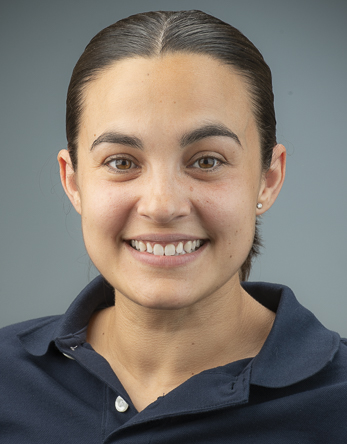
Dr. Mariana Sosa-Higareda was recently awarded the 2023 House Officer Manuscript Award from the Association of Avian Veterinarians. Her publication, “High bioavailability, short half-life, and metabolism into hydromorphone-3-glucuronide following single intramuscular and intravenous administration of hydromorphone hydrochloride to great horned owls (Bubo virginianus),” was published in the American Journal of Veterinary Research in May 2023.
| |
|
2023 Fall Faculty Awards and Reception
Dean Mark Stetter welcomed members of the school’s community during the annual Fall Faculty Reception on October 17 and acknowledged those in outgoing and incoming leadership roles. The school also honored faculty members with awards for excellence in teaching and research, along with others honored for their service.
| |
|
A Different Kind of Jaws Story
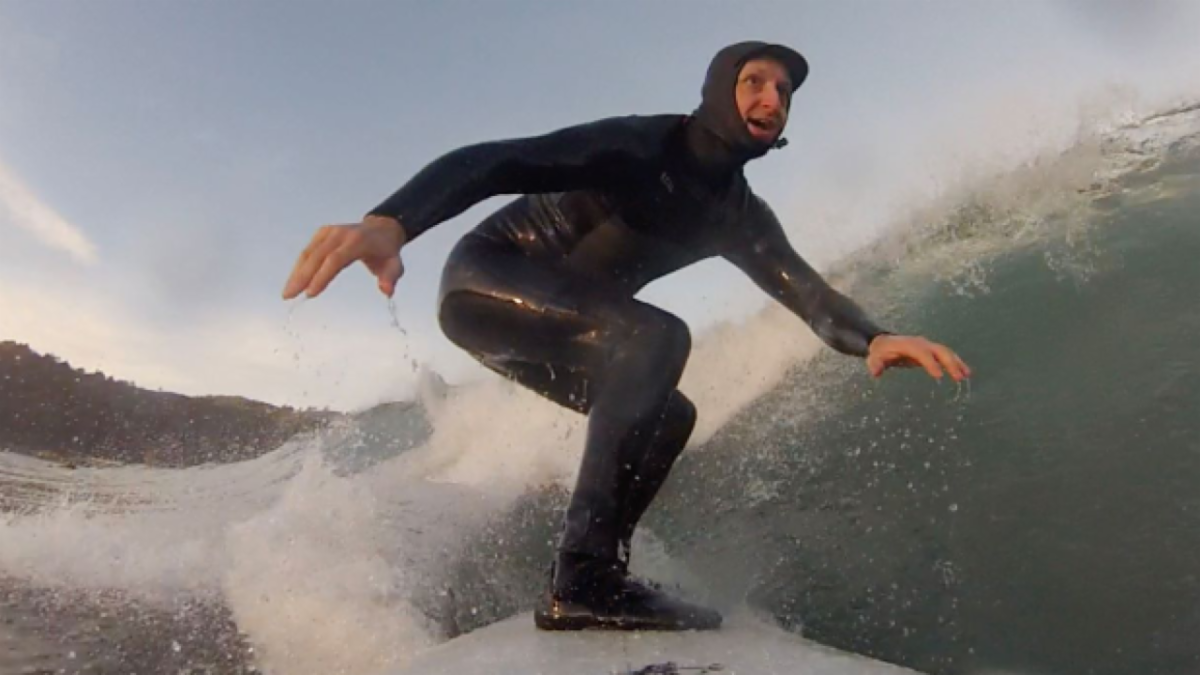
Whether surfing on the way to collecting specimens of arthritic sea lion jaws or being inducted into a professional society normally reserved for physicians, the veterinarian Dr. Boaz Arzi approaches his career and life with equal parts passion and creativity.
| |
|
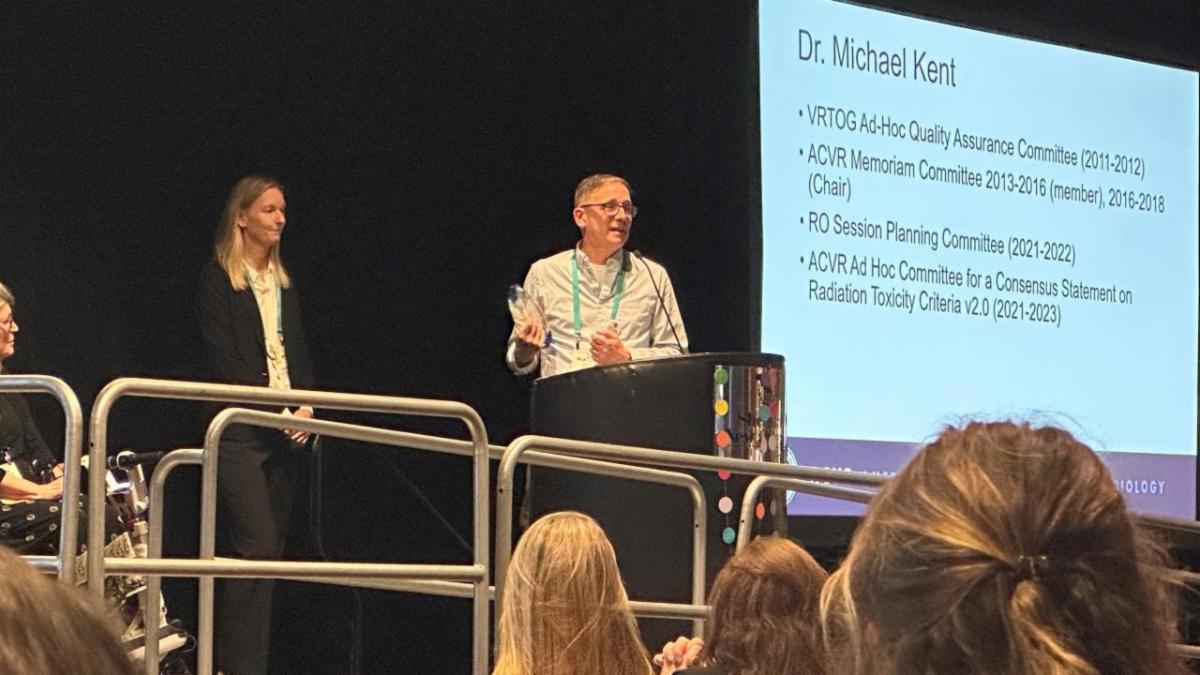
Dr. Michael Kent Wins National Radiology Award
Dr. Michael Kent received the American College of Veterinary Radiology (ACVR) 2023 Distinguished Service Award, presented recently at the annual ACVR conference held in New Orleans. Professor Kent is chief of the Radiation Oncology Service at the UC Davis veterinary hospital, as well as director of the School of Veterinary Medicine’s Center for Companion Animal Health. The award is presented to an ACVR member for appreciation of their altruistic service, dedication, commitment, and passion for the organization.
| |
|
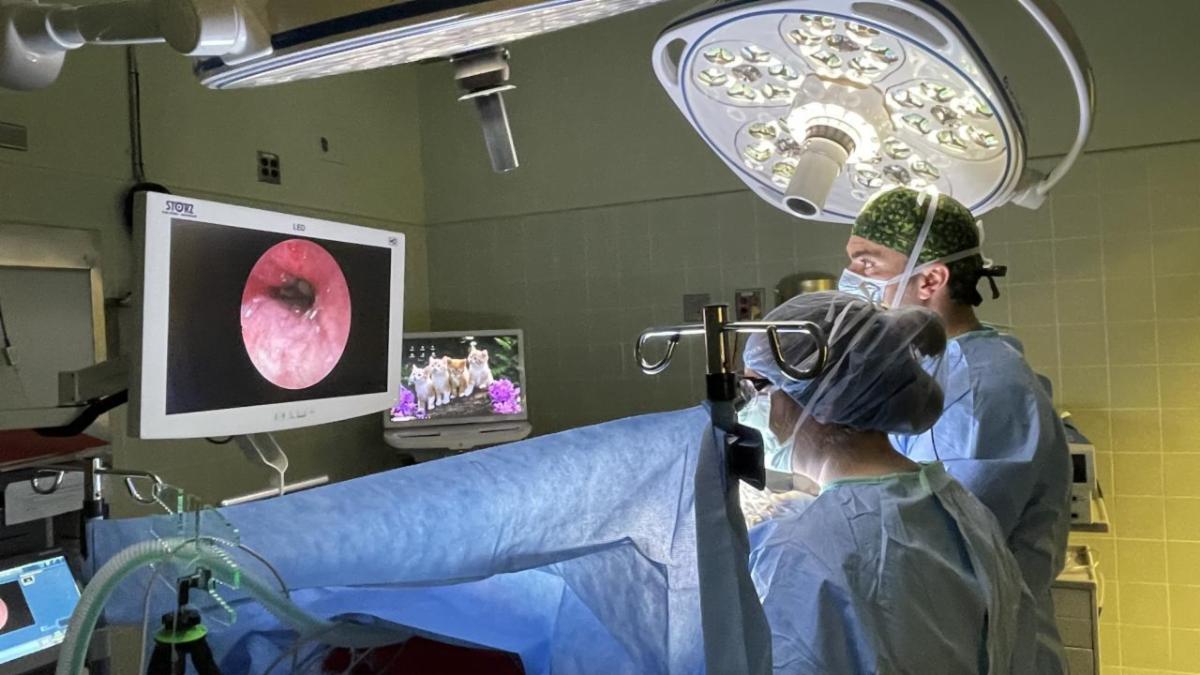
Laser Upgrade
Internal medicine specialists have a new laser technology to use in minimally invasive procedures to treat common problems of the urinary tract such as ectopic ureters, bladder stones, and some tumors. Without the laser, surgery would be needed which is more involved and invasive.
| |
|
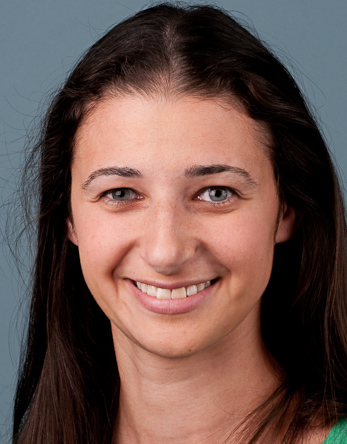
Dr. Terza Brostoff
Clinical Diagnostic Laboratory
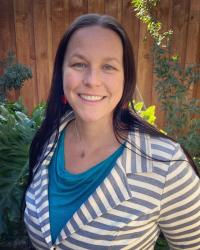
Welcome Dr. Terza Brostoff as an assistant professor in the Clinical Diagnostic Laboratory. Dr. Brostoff completed the Veterinary Scientist Training Program at UC Davis, with a DVM and a PhD in Integrative Pathobiology. After 3 years in clinical practice, she returned to academia where she completed a postdoctoral fellowship (UCD/UCSD collaboration) and became a Diplomate in the American College of Veterinary Microbiology.
| |
|
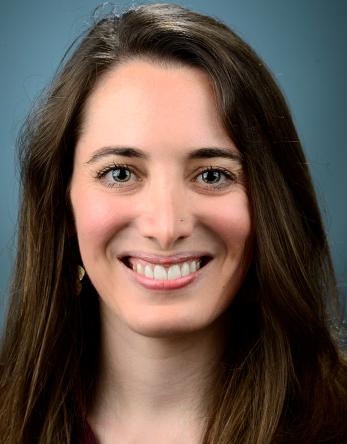
Dr. Joanna Kaplan
Cardiology Service
Welcome Dr. Joanna Kaplan as acting assistant professor in the Cardiology Service. Dr. Kaplan earned her DVM (2015) from UC Davis. Following a small animal internship (2016) at Iowa State University and a small animal emergency and critical care internship (2017) at the VMTH, she completed a residency in cardiology at UC Davis (2021) and is currently a PhD student completing degree requirements in the Graduate Group of Integrative Pathobiology. Dr. Kaplan became a Diplomate of the American College of Veterinary Internal Medicine (Cardiology) in 2021.
| |
|
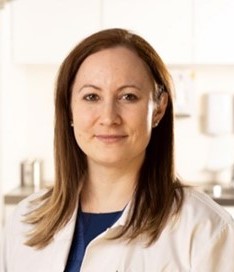
Dr. Sabrina Hoehne
Emergency and Critical Care Service
Welcome Dr. Sabrina Hoehne as an assistant professor in the Emergency and Critical Care Service. Dr. Hoehne earned her veterinary degree (2010) from the University of Zurich, Switzerland and a Dr. med. vet (2012) from Cornell University and University of Zurich. She completed an internship (2014) and a residency (2017) at UC Davis, as well as postdoctoral fellowship (2018) at the UCD School of Medicine. Dr. Hoehne is a Diplomate (2017) in the American College of Veterinary Emergency & Critical Care and (2019) in the European College of Veterinary Emergency & Critical Care. Prior to Joining UC Davis, she was a senior lecturer (2018-2020) at the University of Bern, Switzerland and an assistant professor (2021-2023) at Washington State University.
| |
|
Dr. Tessa LeCuyer
Clinical Microbiology
Welcome Dr. Tessa LeCuyer as an assistant professor of Clinical Microbiology. Dr. LeCuyer earned her DVM (2013) and combined clinical microbiology residency and PhD (2018) from Washington State University. She then completed a postdoctoral fellowship (2018-2019) with the HBNU Fogarty Global Health Training Program. In 2019, Dr. LeCuyer became a Diplomate in the American College of Veterinary Microbiologists with certification in bacteriology/mycology and virology. Prior to coming to UC Davis, Dr. LeCuyer was a clinical assistant professor (2019-2023) at the Virginia-Maryland College of Veterinary Medicine. Her research focuses on infectious disease diagnostics and antimicrobial resistance.
| |
|
Dr. Soledad Martin-Pelaez
Equine Reproduction Service
Welcome Dr. Soledad Martin-Pelaez as a staff veterinarian with the Equine Reproduction Service. Dr. Martin-Pelaez earned her veterinary degree (2012) from the Universidad Alfonso X El Sabio in Madrid. After working in private practice for several years, she completed an internship (2021) in equine reproduction at Utrecht University in The Netherlands and a residency (2023) in equine reproduction at UC Davis. She is also a PhD student working on oocyte maturation and developmental competence in the horse. Dr. Martin-Pelaez is a Diplomate of the American College of Theriogenology.
| |
|
Looking at a New Treatment and Assessing the Outcome Through Blood and Urine in Dogs with Prostate Cancer
Collection of blood and urine samples for research purposes may allow us to better understand the causes of cancer in pets and may lead to improvements in the detection, diagnosis, and treatment of canine tumors. Additionally, evaluation of blood and urine can help us to determine efficacy of novel procedures such as prostate embolization.
| |
|
Understanding the Genetics Causing Intervertebral Disc Disease in Poodles
Some breeds of dogs are at an increased risk of type 1 Intervertebral Disc Disease (IVDD), which is described by herniation of the calcified nucleus pulposus into the vertebral column. Type 1 IVDD causes severe pain and neurological dysfunction and requires prompt corrective surgery. While a genetic cause for chondrodystrophy (CDDY) has recently been identified, not all chondrodystrophic dogs suffer an intervertebral herniation event in their lifetime, suggesting that there may be additional factors that increase risk for type 1 IVDD.
| |
|
Assessing and Managing Megaesophagus in Dogs
Megaesophagus literally means large or giant esophagus and refers to a syndrome in which the muscles of the esophagus lose their tone and are no longer able to propel food and water from the mouth into the stomach. This disease is common in large-breed dogs in particular and can occur at any age. While some other diseases can cause megaesophagus, in over 50% of dogs no underlying or treatable cause is identified (known as idiopathic-acquired megaesophagus). As such, no targeted therapy can be implemented. Few advancements have been made in recommendations for disease management with current suggestions documented to be inadequate. We are assessing esophageal and lower esophageal sphincter (LES) function to optimize management of megaesophagus (ME) using novel medical therapies.
| |
|
Understanding the Genetics Causing Ocular Squamous Cell Carcinoma in Horses
Squamous cell carcinoma (SCC) is one of the most common forms of cancer to affect the eye in horses, frequently occurring at the limbus, where the clear cornea meets the white of the eye, or on the nictitating membrane, also known as the third eyelid. This type of eye cancer affects some breeds more than others (e.g., Haflingers) so the objective of this study is to determine the role genetics plays in ocular squamous cell carcinoma in multiple breeds. This study is designed to determine the incidence of SCC, to determine the modes of inheritance and identify DNA variants that put horses at risk for this cancer.
| |
Upcoming Continuing Education Events | |
|
The UC Davis Center for Continuing Professional Education is pleased to announce that many continuing education seminars are now offered both in-person and as webinars. Please check registration carefully for your best options.
We look forward to welcoming you to these upcoming CE events:
Please contact us with any suggestions or questions you might have regarding our programs.
| |
Latest Research Achievements | |
|
Dr. Hugues Beaufrere Wins National Research Award
Dr. Hugues Beaufrere, an associate professor in the Companion Exotic Animal Medicine & Surgery Service, recently won the 2023 Association of Avian Veterinarians (AAV)/Lafeber Manuscript Award in the Best Original Research category. His manuscript, “Comparison of Lipoprotein Analysis Using Gel-Permeation High-Performance Liquid Chromatography and a Biochemistry Analyzer in Normolipidemic and Dyslipidemic Quaker parrots (Myiopsitta monachus),” was published in the Journal of Avian Medicine and Surgery.
| |
|
Oncology Residents Win National Research Awards
Two oncology residents won research awards at the 2023 Veterinary Cancer Society (VCS) annual conference, held recently in Reno. Dr. Julia Colosi is a third-year resident in the Medical Oncology Service. Her oral abstract presentation titled “Outcomes of Dogs Treated with Sequential Half Body Radiotherapy and a Short CHOP Chemotherapy” won the E. Gregory MacEwen Memorial Award for outstanding oral research presentation. Dr. Evangelia Makrygiannis is a second-year resident in the Medical Oncology Service. Her poster presentation titled “Toxicity and Preliminary Efficacy of Fixed Dose Rate Gemcitabine in Dogs with Neoplasia” won the Amiya K. Patnaik Memorial Award for outstanding poster research presentation.
| |
|
Can Golden Retrievers Live Longer?
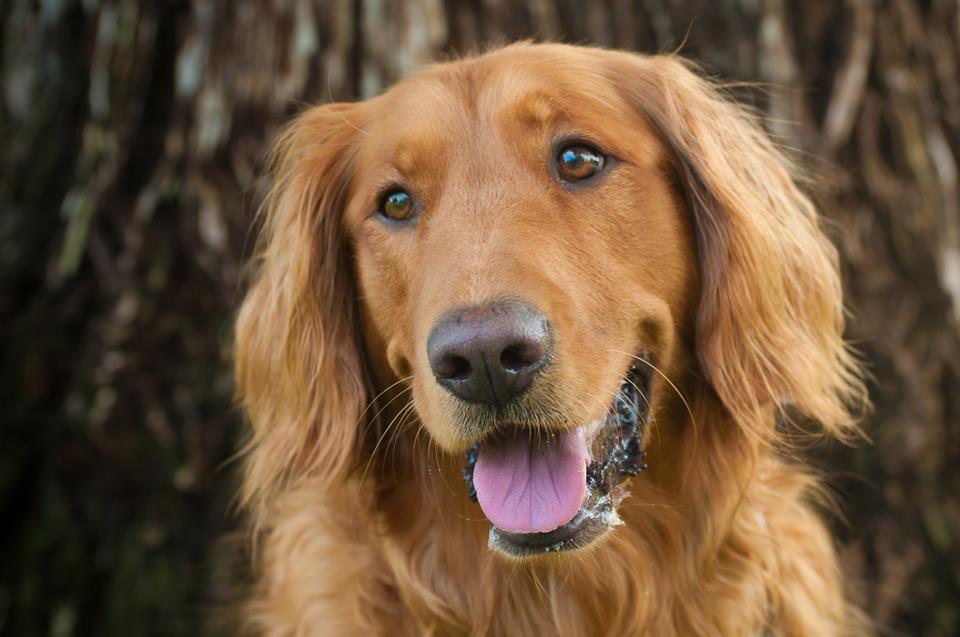
Golden retrievers are one of the most popular breeds of dogs. But research shows they have up to a 65% chance of dying from cancer. In a new study, UC Davis researchers set out to find if certain genetic factors could help their survival rate. But instead of searching for genes associated with a cancer diagnosis in the breed, they instead chose to look for genes associated with longer life.
| |
|
Disease Discovery in Kittens May Affect Treatment
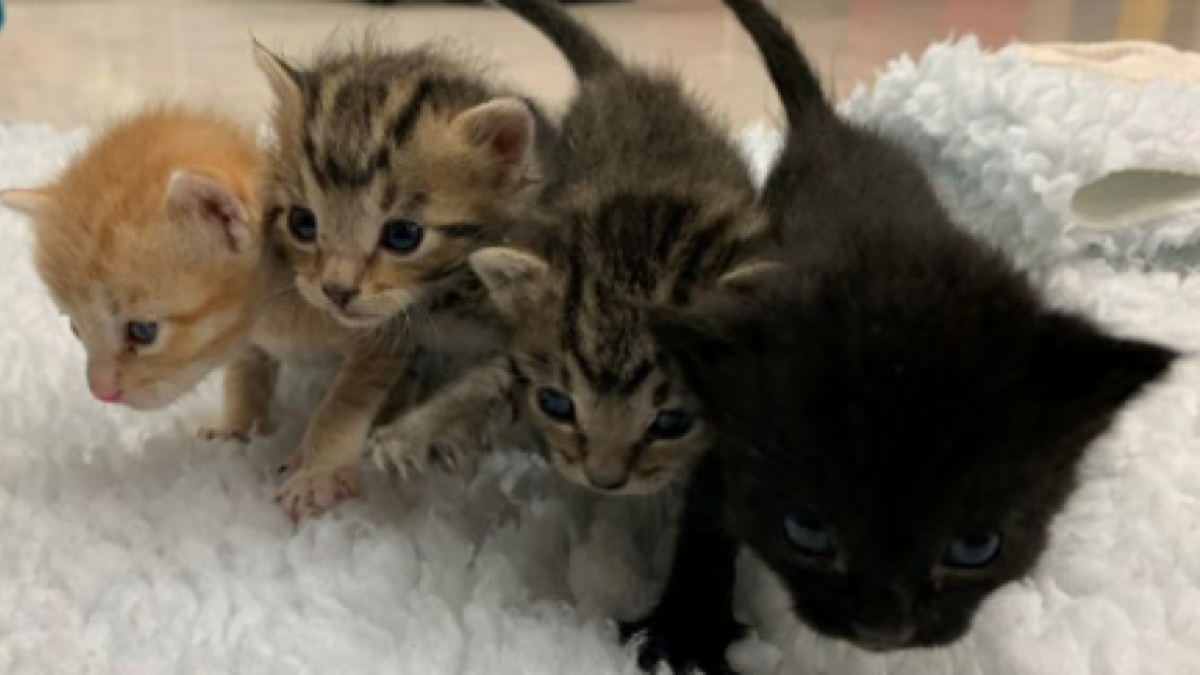
The two most common causes of death in kittens are diarrhea and severe upper respiratory tract infections. Thanks to a Center for Companion Animal Health grant, UC Davis veterinary scientists have made a small discovery that may give veterinarians a better understanding of one of those issues. “This is a little dent out of a big problem,” said Dr. Karen Vernau of the recently published research that found Tyzzer disease—which can affect the intestines and cause diarrhea—to be more common than previously believed in orphaned kittens. Often associated with rodents, Tyzzer disease is likely spread environmentally to orphaned kittens, since most are born to feral cats.
| |
|
Owner Revives Dog with CPR After Drowning
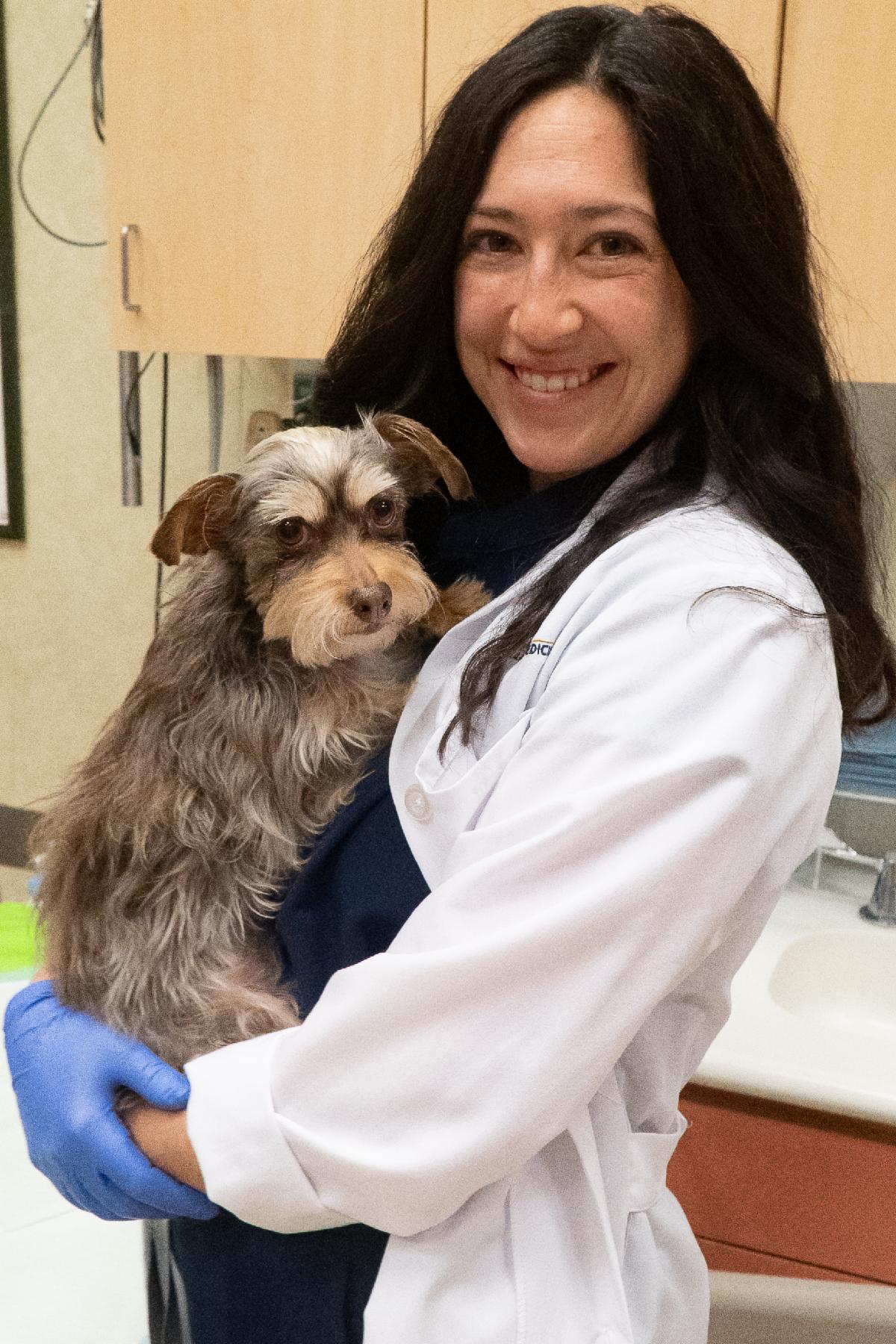
Andy and Kim Brocchini, along with their adult son Will, came across a scene no pet owner would ever want to find – their dog Whitney, a 3-year-old Yorkshire terrier/poodle mix, floating unresponsive in their swimming pool. Will had brought his dogs over to visit that day, so there were four other dogs in the yard, all much bigger than Whitney. In the commotion, they think she was accidentally knocked into the water. Normally a good swimmer who knows how to get out of the pool, Whitney was most likely caught under the bigger dogs.
| |
|
Hemodialysis Helps Dog Survive Antifreeze Poisoning
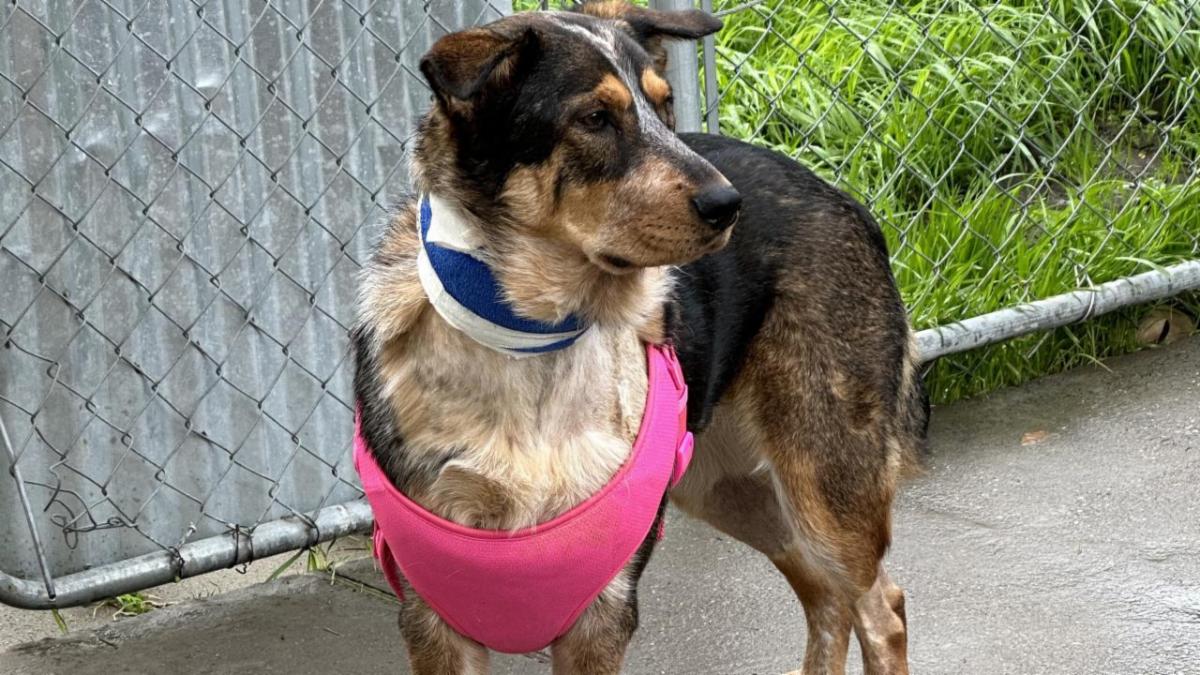
In the fall of 2022, Ana Alexander found Mija, a 2-year-old Australian cattle dog mix, abandoned near her workout gym. She took the pup home in hopes of delivering her to a shelter that could find her a forever home. After trying several shelters to no avail, Alexander changed course to re-homing Mija through her own efforts. During this time, Mija got adventurous in Alexander’s garage and chewed into a bottle of antifreeze. After Mija began vomiting, Alexander rushed her to a local veterinary emergency room where she was given discouraging news. The antifreeze (ethylene glycol) poisoning was causing her kidneys to fail, and she only had about a 10% chance of survival.
| |
|
Mushroom Poisoning Has Unreported Consequence for Dog
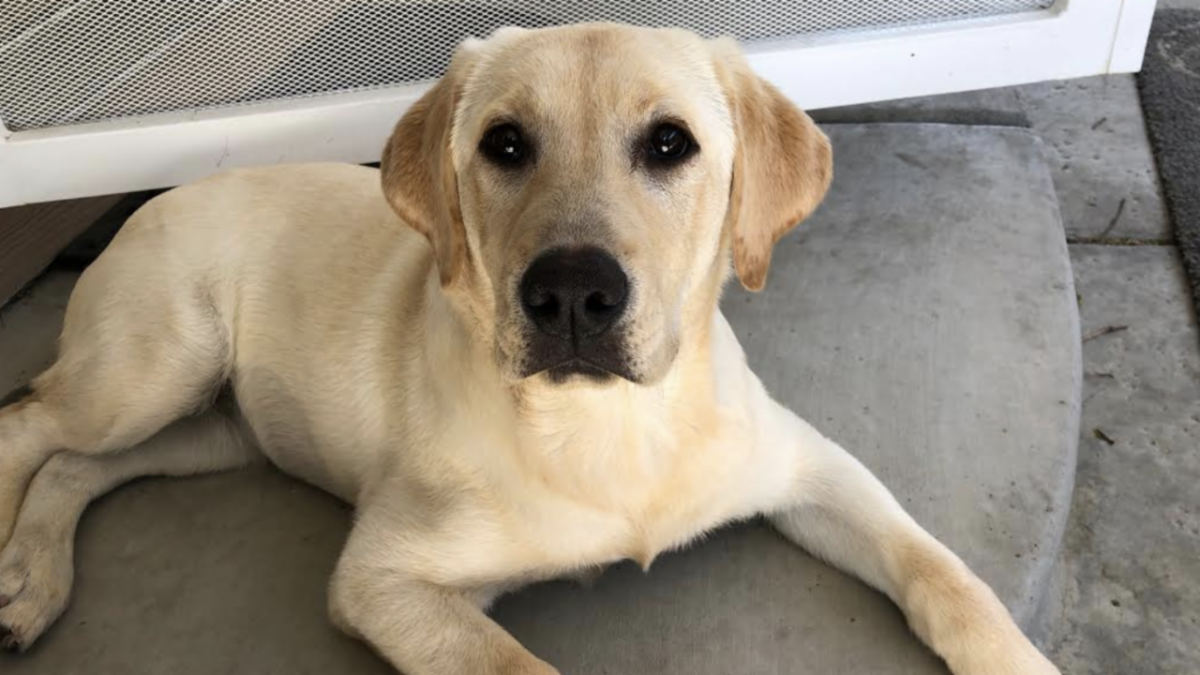
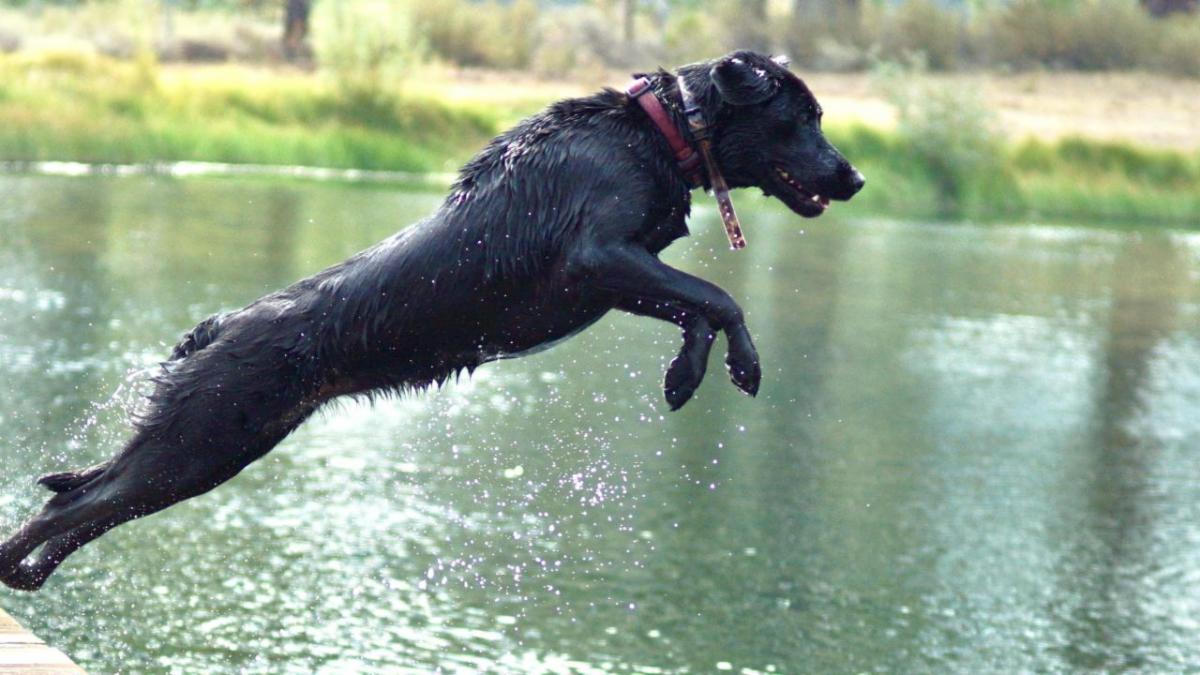
Following a health scare last fall, it was presumed that Sadie, a 10-year-old black Labrador retriever, had eaten Amanita phalloides fungus growing in her family’s yard. More commonly referred to as death cap mushrooms, they are extremely poisonous, causing liver and kidney damage almost immediately, and leading to death in 80% of dogs that eat them.
| |
|
Prompt Response Helps Dog Survive Rattlesnake Bite
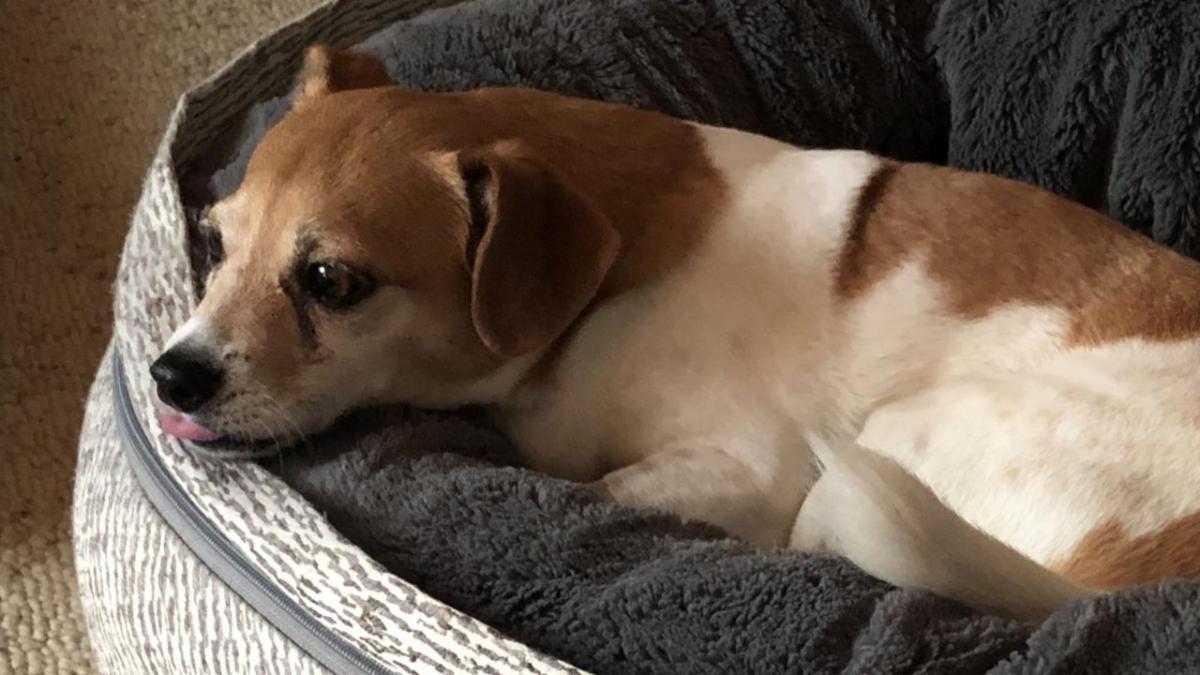
Jack, a 10-year-old Jack Russell terrier/Chihuahua mix, was enjoying his family’s rural property in the foothills of the Sierra Nevada mountains when he was bitten on the face by a rattlesnake. Thankfully, owner Andrea Colbert witnessed the attack and took immediate action.
| |
|
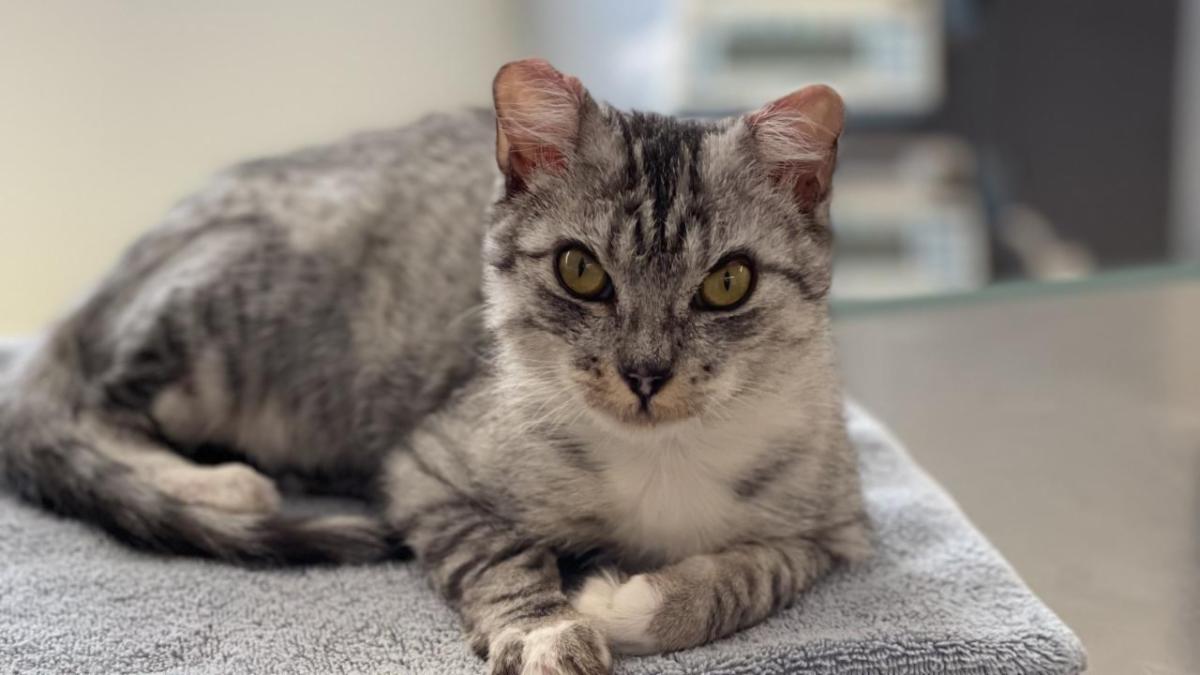
Burned Kitten Completes Month of Care to Make Full Recovery
Hundreds of animals throughout California have benefitted from the Access To Care (ATC) Program at UC Davis. Established to provide veterinary care through community partnerships for shelters and rescues, as well as underserved areas of Northern California, ATC provides a tremendous amount of hands-on training for veterinary students seeking extra-curricular projects. Such is the case with the care of Makenna, an approximate 6-month-old kitten brought to the FieldHaven Feline Center by a Good Samaritan after suffering severe burns of unknown origin.
| |
Honor Your Patients and Make a Difference | |
The Center of Companion Animal Health and the Center for Equine Health are grateful to the veterinary clinics for their donations to the Companion Animal Memorial Fund and the Equine Tribute and Memorial Fund. Participating veterinary clinics and practitioners honor their patients and clients who have recently lost an animal. Each year, hundreds of clinics contribute through memorial gifts for clinical health research to improve treatment for diseases affecting their clients’ animals. If you’d like to learn how to become a participant, call our Office of Advancement at 530-752-7024. Thank you.
| | |
|
Is your clinic looking to hire? Our 4th year students and recent graduates would love to hear from you. We have resources on our Career, Leadership and Wellness Center website to will help you post jobs and connect with us about advancing your clinic. Please discover the website’s job board.
| |
|
Get Additional News from the School of Veterinary Medicine
Discover Synergy, the School of Veterinary Medicine's biannual magazine highlighting the latest clinical advances, research updates, and other school news.
| | | | |