|
Progress Report: May 2018
|
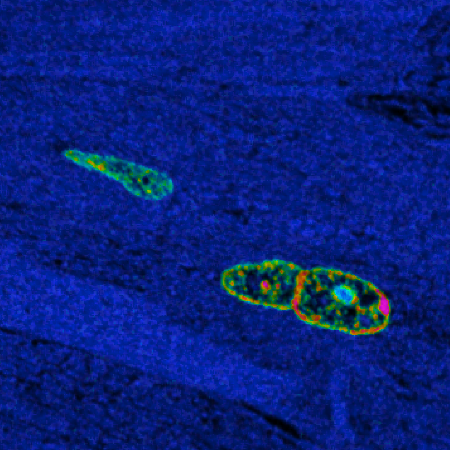
Exercise is good for the heart, but researchers still don't completely understand why. A new study, led by HSCI Principal Faculty members Richard Lee and Anthony Rosenzweig, has uncovered one potential reason: exercise stimulates heart regeneration.
- What they did: The researchers gave mice voluntary access to a running wheel, and administered a labeled chemical to measure the production of new heart muscle cells.
- What they found: Healthy mice that exercised made over four times as many new heart muscle cells as their sedentary counterparts. After experiencing a heart attack, mice that exercised showed a larger area of heart tissue where new muscle cells were made.
- Why it matters: Because heart attacks and aging lead to a loss of heart muscle cells, figuring out how to promote heart regeneration is key to maintaining a healthy heart.
|
In a recent Stat News editorial, HSCI Principal Faculty member Mark Fishman and colleagues provide evidence to resolve an important debate: should we prioritize research that focuses on 'translational' research over curiosity-driven, basic research?
- What they did: The researchers evaluated 28 drugs determined by doctors to be the most transformative medicines in the U.S. between 1985 and 2009.
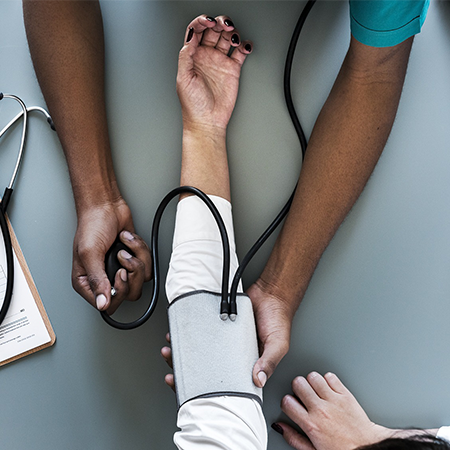
- What they found: The foundational discoveries that led to eight out of 10 transformative medicines were made by scientists trying to better understand nature. For most of the drugs--including medicine to treat hypertension--decades of research advances elapsed before scientists identified a specific target for drug development.
- Why it matters: It's important to support fundamental research into how the body and its diseases work, because it sets the stage for new therapies in the decades to come.
|
HSCI has launched a new research collaboration with the pharmaceutical company Bristol-Myers Squibb.
- The goal: Researchers will investigate the biological mechanisms of fibrotic diseases, where the buildup of excess fibrous connective tissue can lead to organ failure.
- HSCI's contribution: This collaboration leverages the diverse expertise of HSCI researchers, bringing them together to study a disease process that impacts many different organs, including the heart and liver.
|
|
|
|
|
|