Strengthening Maternal and Child Health in a Post-Pandemic World -- Register Now for Fall Care Coordination Training -- September Spotlight: The Critical Role of Early Cancer Screenings in Patient Care -- Enhancing Patient Care Through Social Determinants of Health -- Finding Light in the Darkness: Support for Survivors of Suicide Loss
| |
Strengthening Maternal and Child Health in a Post-Pandemic World
| 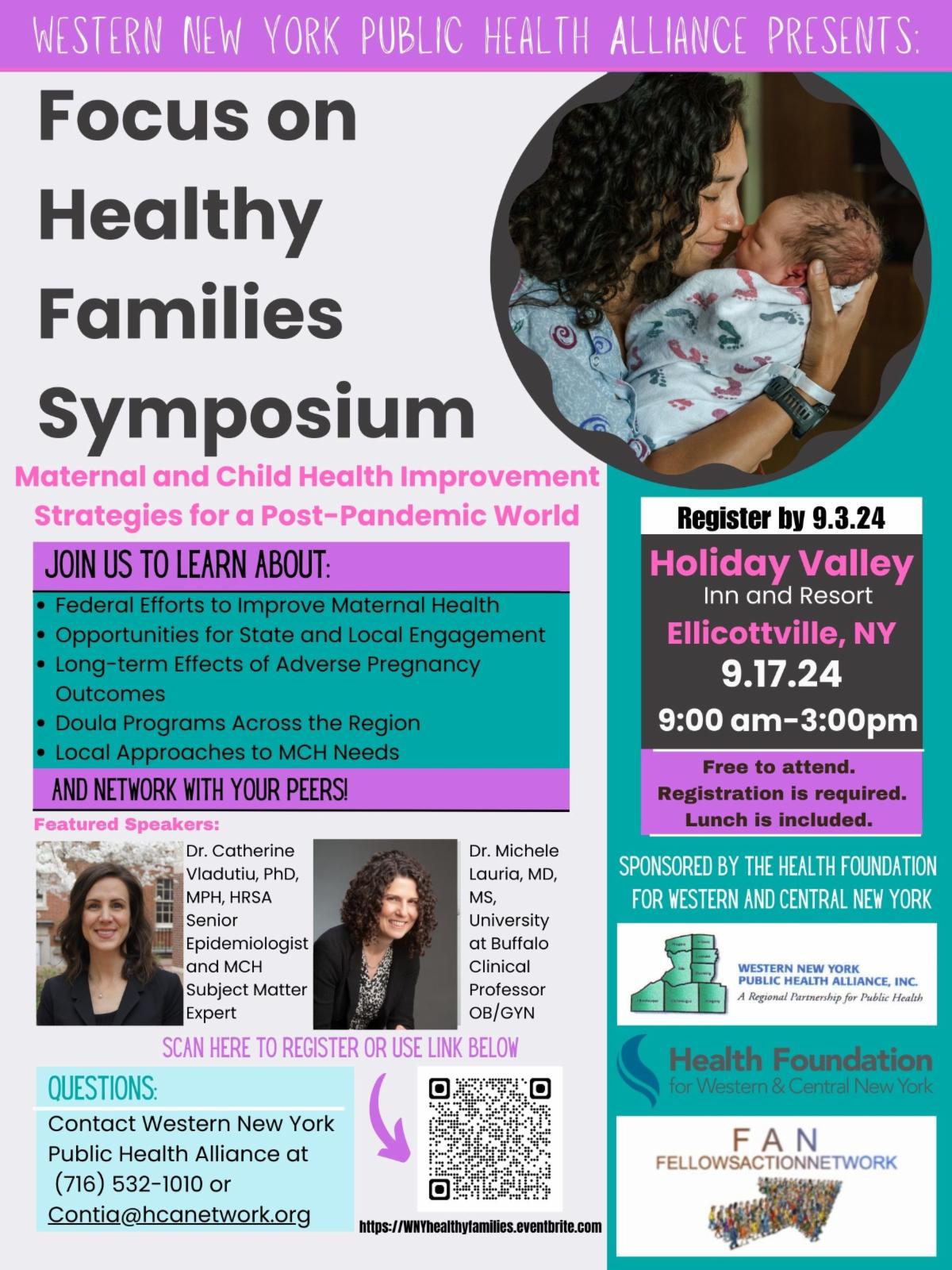 | |
The Western New York Public Health Alliance (WNYPHA) is hosting a significant symposium focused on improving maternal and child health in a post-pandemic world. This event, titled "Focus on Healthy Families Symposium," will be held on Sept. 17, 2024, at the Holiday Valley Inn and Resort in Ellicottville, NY. The event will run from 9:00 AM to 3:00 PM. The symposium is free to attend, but registration is required by Sept. 3, 2024. Lunch will be provided.
Attendees will have the opportunity to learn about federal efforts to improve maternal health, explore local and state engagement opportunities, and discuss the long-term effects of adverse pregnancy outcomes. The event will also highlight doula programs across the region and various local approaches to maternal and child health needs.
This symposium features expert speakers, including Dr. Catherine Vladutiu, a Senior Epidemiologist and Maternal and Child Health Subject Matter Expert from HRSA, and Dr. Michele Lauria, a Clinical Professor of OB/GYN at the University at Buffalo. Their insights will provide valuable knowledge and strategies for addressing maternal and child health challenges in the current landscape.
Healthcare professionals and stakeholders in the region are encouraged to attend this event to network with peers, share experiences, and gain practical tools to improve maternal and child health outcomes in their communities. For more information or to register, visit WNYhealthyfamilies.eventbrite.com.
| |
Register Now for Fall Care Coordination Training | |
|
Interested in receiving a Care Coordination training certificate?
The Southern Tier West Health Workforce Partnership is now looking for participants to enroll in fall Care Coordination training cohorts. The two available options can be seen below:
- Online asynchronous (self-paced) opportunity, offered by Western New York Rural Health Education Center (WNY R-AHEC).
- Online synchronous (live) opportunity, offered by CUNY/Lehman College, with the next cohort starting on September 16th.
To learn more about these opportunities, contact Kylea Andreano via email at kylea.andreano@chq.health.
| |
September Spotlight: The Critical Role of Early Cancer Screenings in Patient Care |  | |
September is a crucial month in the healthcare calendar, marking both Ovarian Cancer Awareness Month and Prostate Cancer Awareness Month. These observances are essential reminders for healthcare professionals to emphasize the importance of early detection and appropriate screening for these cancers. Ovarian cancer, often referred to as the "silent killer," is the fifth leading cause of cancer deaths among women, with approximately 21,000 women diagnosed annually in the United States. Prostate cancer is even more prevalent, being the most common non-skin cancer among men, with an estimated 248,530 new cases expected this year. For both cancers, early detection is key to improving survival rates, making awareness and education a vital part of our roles as healthcare providers.
For care coordinators, nurses, medical assistants, and other health professionals, ensuring patients receive the proper screenings is not just about fulfilling a checklist; it's about saving lives. Ovarian cancer often presents with nonspecific symptoms that can be mistaken for less serious conditions, leading to delays in diagnosis. By encouraging regular pelvic exams and being vigilant about symptoms, healthcare providers can help catch this disease at an earlier, more treatable stage. Similarly, prostate cancer, which may not show symptoms until it has advanced, can be detected early through routine PSA testing and digital rectal exams. These screenings are critical, especially for patients with risk factors such as family history or advanced age.
Your role in patient education and care coordination is indispensable. By advocating for regular screenings and fostering open communication about the risks and symptoms of ovarian and prostate cancers, you empower patients to take proactive steps in their health care. Moreover, your vigilance in monitoring patients' health records and history can ensure timely referrals and follow-ups, ultimately improving outcomes. This September, let's renew our commitment to early detection and cancer prevention, recognizing that our efforts can make a profound difference in the lives of those we serve.
| |
Enhancing Patient Care Through Social Determinants of Health | |
|
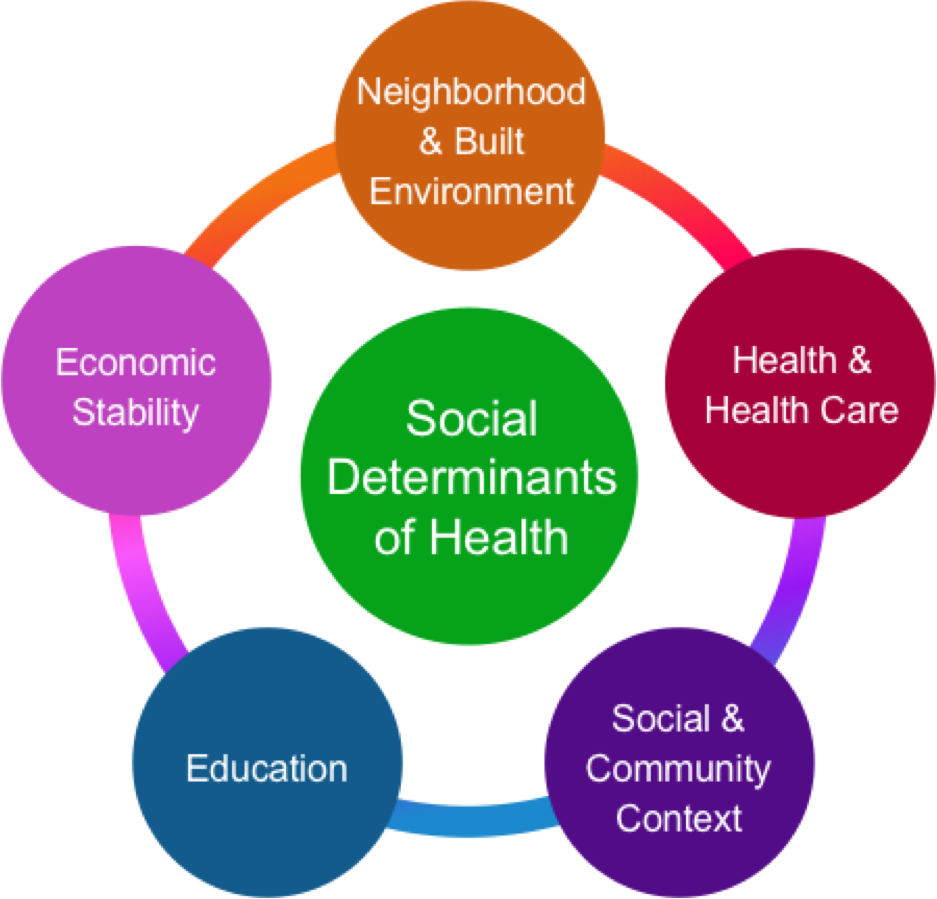
Social determinants of health (SDOH), such as housing, education, employment, and access to nutritious food, significantly influence patient outcomes. Recent data shows that addressing these factors can lead to improved health, reduced healthcare costs, and lower rates of hospital readmissions. Healthcare professionals, including care coordinators and community-based organizations (CBOs), are increasingly focusing on these determinants to provide holistic care. For example, integrating SDOH screenings into routine care can help identify patients' needs beyond medical conditions, such as financial difficulties or housing instability, which directly affect their health.
Innovative programs are making strides by connecting patients to resources that address their social needs. For instance, partnerships with local food banks and housing agencies can provide immediate support for patients struggling with food insecurity or homelessness, reducing stress and improving adherence to medical advice. Additionally, some healthcare systems are employing community health workers who work closely with patients to navigate these complex issues, ensuring they receive the support needed to thrive.
To effectively integrate SDOH into care plans, healthcare teams should utilize tools such as electronic health records (EHRs) that can capture social needs and track interventions. Collaboration across sectors, including social services, housing, and education, is key to creating a supportive network around patients. By taking a proactive approach and addressing these broader determinants of health, healthcare providers can reduce disparities, enhance patient engagement, and ultimately achieve better health outcomes for their communities.
| |
Finding Light in the Darkness: Support for Survivors of Suicide Loss | |
|
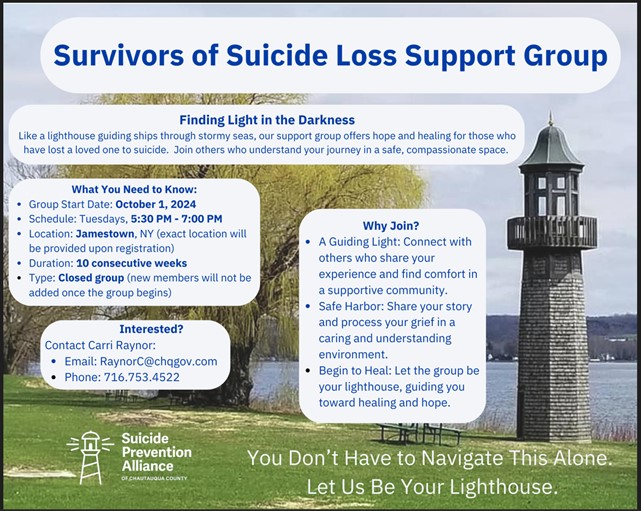
Navigating the loss of a loved one to suicide can feel overwhelming and isolating, but you don’t have to go through it alone. The Survivors of Suicide Loss Support Group, starting Oct. 1, 2024, offers a compassionate space for individuals who have experienced this unique type of grief. Meeting weekly on Tuesdays from 5:30 PM to 7:00 PM in Jamestown, NY, this closed group will run for 10 consecutive weeks, providing a consistent and supportive environment where members can connect, share their experiences, and begin their healing journey together.
The group is designed to be a guiding light for those struggling to find their way through the stormy seas of loss. It offers a safe harbor where you can process your grief in a caring and understanding environment, surrounded by others who truly understand your journey. By joining, you can find solace, share your story, and take the first steps towards healing with the guidance of the support group, which serves as a lighthouse, illuminating the path toward hope and peace.
For more information or to register, contact Carri Raynor at RaynorC@chqgov.com or call 716.753.4522. Remember, you don’t have to navigate this alone - let the support group be your lighthouse.
| |
|
This e-newsletter is for anyone in, and interested in, care coordination and accountable referral Chautauqua County. We'll look at resources and educational opportunities in the area with the goal of increasing care coordination, wellness and overall quality of life in the Southern Tier; please forward this email freely!
Your feedback is important. Drop us a line and let us know what you want to hear more about.
| | | | |