Mental Health Awareness Month -- Tips to Improve Mental Health -- Work Stress -- Does Sunscreen Block Vitamin D? -- Social Media and Depression
| |
May is Mental Health Awareness Month | 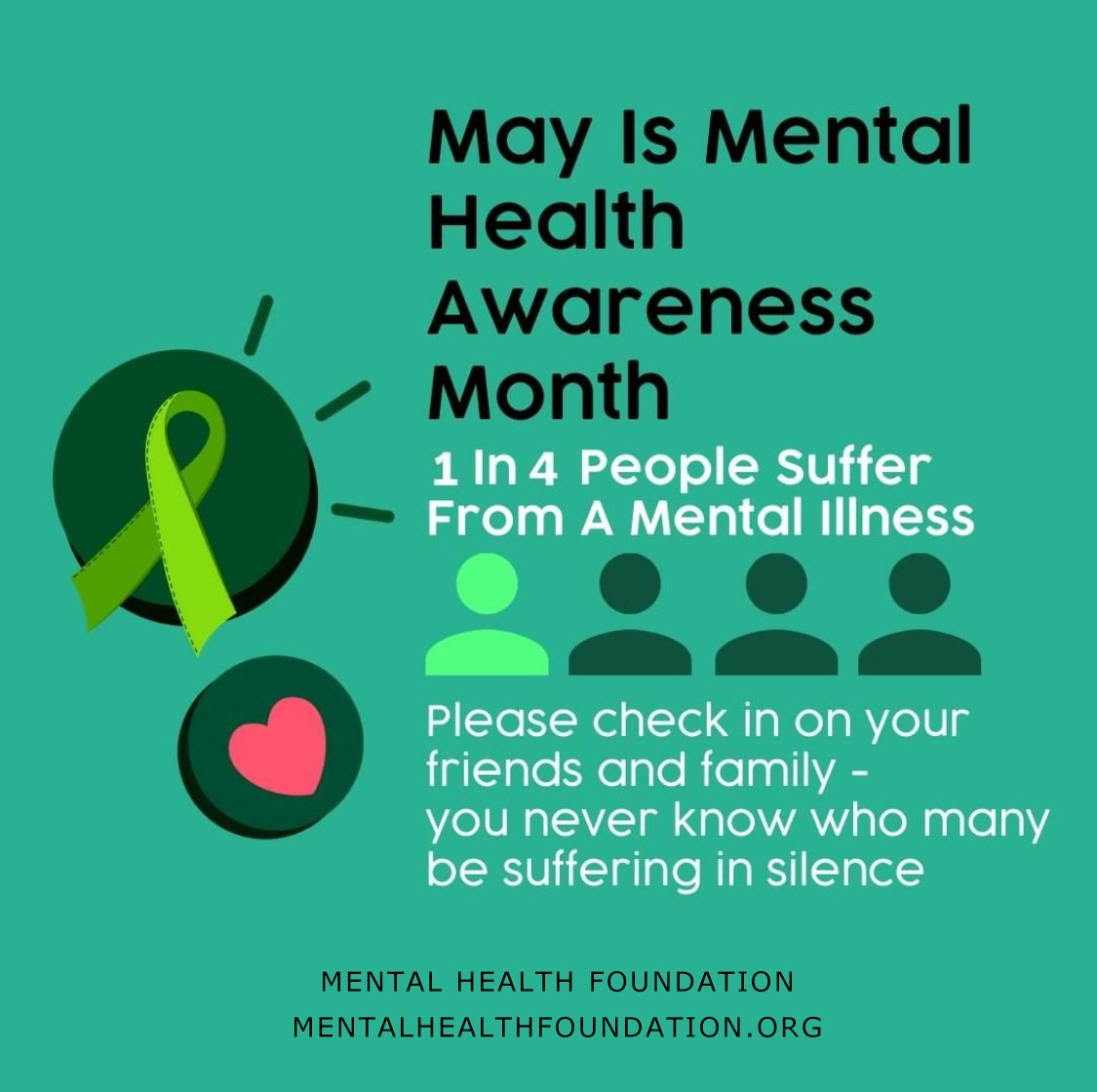 | |
This May, as we observe Mental Health Awareness Month, we are reminded of the essential role mental health plays in our lives. The theme this year, "Together for Mental Health," invites us all to advocate for better mental health care and strive toward a future where mental well-being is a priority for all. Throughout this month, various organizations across the country will host educational sessions, workshops, and support groups aimed at increasing awareness and reducing the stigma associated with mental health disorders. It's a perfect time to learn more about mental health, reach out for support if needed, and help spread the word on the importance of maintaining mental wellness.
We encourage everyone to participate in local events and initiatives that promote mental health awareness. Whether it's attending a webinar, sharing resources on social media, or simply starting a conversation about mental health with friends and family, every action counts. Our commitment to raising awareness doesn’t end in May; rather, it's a continuous effort to ensure that mental health is recognized as a vital part of overall health. Let's use this month to reinforce our dedication to building a supportive community that fosters mental well-being for everyone.
| |
Tips to Improve your Mental Health | |
What is mental health? Mental health includes our emotional, psychological, and social well-being. It affects how we think, feel, and act as we cope with life. It also helps determine how we handle stress, relate to others, and make choices. Mental health is important at every stage of life, from childhood and adolescence through adulthood and aging.
Why is mental health important? Mental health is important because it can help you to:
- Cope with the stresses of life.
- Be physically healthy.
- Have good relationships.
- Make meaningful contributions to your community.
- Work productively.
- Realize your full potential.
How can I improve my mental health? There are many different things you can do to improve your mental health, including:
- Staying positive. It's important to try to have a positive outlook; some ways to do that include:
- Finding a balance between positive and negative emotions. Staying positive doesn't mean that you never feel negative emotions, such as sadness or anger. You need to feel them so that you can move through difficult situations. They can help you to respond to a problem. But you don't want those emotions to take over. For example, it's not helpful to keep thinking about bad things that happened in the past or worry too much about the future.
- Trying to hold on to the positive emotions when you have them.
- Taking a break from negative information. Know when to stop watching or reading the news. Use social media to reach out for support and feel connected to others but be careful. Don't fall for rumors, get into arguments, or negatively compare your life to others.
- Practicing gratitude, which means being thankful for the good things in your life. It's helpful to do this every day, either by thinking about what you are grateful for or writing it down in a journal. These can be big things, such as the support you have from loved ones, or little things, such as enjoying a nice meal. It's important to allow yourself a moment to enjoy that you had a positive experience. Practicing gratitude can help you to see your life differently. For example, when you are stressed, you may not notice that there are also moments when you have some positive emotions. Gratitude can help you to recognize them.
- Taking care of your physical health, since your physical and mental health are connected. Some ways to take care of your physical health include:
-
Being physically active. Exercise can reduce feelings of stress and depression and improve your mood.
-
Getting enough sleep. Sleep affects your mood. If you don't get a good sleep, you may become more easily annoyed and angry. Over the long term, a lack of quality sleep can make you more likely to become depressed. So it's important to make sure that you have a regular sleep schedule and get enough quality sleep every night.
-
Healthy eating. Good nutrition will help you feel better physically but could also improve your mood and decrease anxiety and stress. Also, not having enough of certain nutrients may contribute to some mental illnesses. For example, there may be a link between low levels of vitamin B12 and depression. Eating a well-balanced diet can help you to get enough of the nutrients you need.
- Connecting with others. Humans are social creatures, and it's important to have strong, healthy relationships with others. Having good social support may help protect you against the harms of stress. It is also good to have different types of connections. Besides connecting with family and friends, you could find ways to get involved with your community or neighborhood. For example, you could volunteer for a local organization or join a group that is focused on a hobby you enjoy.
- Developing a sense of meaning and purpose in life. This could be through your job, volunteering, learning new skills, or exploring your spirituality.
- Developing coping skills, which are methods you use to deal with stressful situations. They may help you face a problem, take action, be flexible, and not easily give up on solving it.
- Meditation is a mind and body practice where you learn to focus your attention and awareness. There are many types, including mindfulness meditation and transcendental meditation. Meditation usually involves:
- A quiet location with as few distractions as possible
- A specific, comfortable posture. This could be sitting, lying down, walking, or another position.
- A focus of attention, such as a specially chosen word or set of words, an object, or your breathing
- An open attitude, where you try to let distractions come and go naturally without judging them
- Relaxation techniques are practices you do to produce your body's natural relaxation response. This slows down your breathing, lowers your blood pressure, and reduces muscle tension and stress. Types of relaxation techniques include:
- Progressive relaxation, where you tighten and relax different muscle groups, sometimes while using mental imagery or breathing exercises.
- Guided imagery, where you learn to focus on positive images in your mind, to help you feel more relaxed and focused.
- Biofeedback, where you use electronic devices to learn to control certain body functions, such as breathing, heart rate, and muscle tension.
- Self-hypnosis, where the goal is to get yourself into a relaxed, trance-like state when you hear a certain suggestion or see a specific cue.
- Deep breathing exercises, which involve focusing on taking slow, deep, even breaths.
It's also important to recognize when you need to get help. Talk therapy and/or medicines can treat mental disorders. If you don't know where to get treatment, start by contacting your primary care provider.
| |
How to Keep Work Stress from Taking Over Your Life | |
|
Emails, slack messages, phones ringing off the hook, your co-worker dropping by for an impromptu meeting, deadlines...work-related stress can be a lot to handle.
Some tension is expected, especially when facing a looming presentation or challenging assignment. But when work stress becomes chronic, it can affect your physical and emotional well-being.
Experiencing work strain is unavoidable — even if you love what you do. You can take actionable steps to keep job stress at a manageable level. Strategies when it comes to managing stress in the workplace include:
Being aware of how work stress affects you:
Sometimes, it’s easy to underestimate how much stress affects you. If you start becoming aware of how you feel, you may find yourself emotionally exhausted and pessimistic by the end of some days.
Long-term exposure to unmanaged stress can take a toll on your body and mental health, and recent research Source suggests a potential link between work-related burnout and depression and anxiety.
Signs of stress:
Here’s a look at some of the subtler signs of stress:
- low energy or fatigue
- headaches
- insomnia
- changes in appetite
- digestive issues
- rapid heart rate
- sweating
- low self-esteem
- loss of sex drive
- frequent illnesses
Mindfulness meditation:
Mindfulness meditation reduces anxiety and promotes overall mental well-being. By adding mindfulness into your routine, you can reduce anxiety and cultivate mental clarity. This practice involves focusing on breath, bodily sensations, and thoughts, ultimately promoting a sense of calm and balance amidst life’s challenges.
Writing down your stressors:
Identifying and recording stressful situations can help you understand what’s bothering you.
Some of these can be subtle sources of tension, such as an uncomfortable workspace, chatter in the back, or a long commute.
Keeping a journal to track your stress triggers and reactions may help. You can include people, places, and events that cause you a physical, mental, or emotional response.
As you write, you may ask yourself:
-
How did this make me feel? (Afraid, angry, hurt?)
- What was my reaction? (Did I visit the vending machine afterward or go for a walk?)
- What are some ways of resolving it? (How can I find solutions to this stressor?)
Taking time to recharge:
Taking even a few minutes of personal time during a busy day can help prevent burnout caused by chronic work stress.
Listening to an interesting podcast between meetings or watching a funny YouTube video can give you relaxing pauses throughout the day. The more relaxed you are, the more productive you can be.
It’s also important to take breaks from thinking about your job by not checking work-related emails on your time off or disconnecting from your phone in the evenings.
For the full article click here: Work Stress
| |
Does Sunscreen Block Vitamin D? | |
 | |
Vitamin D is called the sunshine vitamin for a reason. Unlike many of the vitamins and minerals we get through dietary sources, our body needs exposure to the sun to synthesize it. Spend a few minutes underneath those warm rays, and you’ll get vitamin D. Not only is that sunshine vitamin beneficial for your immunity and even your mental health, but it’s also vital for your body’s production of calcium and keeping your bones strong.
Yet, shouldn’t you be worried about skin cancer if you expose yourself to the sun? Dermatologists always recommend protecting your skin with sunscreen, but will it affect vitamin D synthesis? Are we really stuck between picking one or the other?
In this article, we dive into the research and ask medical experts whether they should be worried about a vitamin D deficiency when using sunscreen.
What Is Vitamin D?
Vitamin D is a fat-soluble vitamin naturally found in some foods, like eggs and sardines, which your body can also produce when the skin is exposed to ultraviolet (UV) rays of sunlight. Vitamin D has two different forms: D2 (ergocalciferol), which comes from plant sources and fortified foods, and D3 (cholecalciferol), found in animal sources and produced by your body. Both forms are absorbed in the gut and have the same purpose, but the most effective and bioavailable form is vitamin D3.
This vitamin is vital because it promotes calcium absorption in the gut, which is key for bone health. Because your body cannot produce calcium naturally, if you’re not getting enough calcium and vitamin D through dietary sources (or, in the case of vitamin D, sunlight), the body starts to pull calcium from the bones, weakening them. So, adequate vitamin D levels are needed to keep our bones and teeth strong.
“Vitamin D is an essential nutrient for calcium absorption promotion and secondary function in reducing inflammation and sustaining immune function,” explains dermatologist Alain Michon, MD, MSc, PG Dip Clinical Dermatology, medical director of Project Skin MD, Ottawa.
While getting a sufficient amount of vitamin D at any age is important, it is particularly vital for children and adults as they age. If a child is deficient in vitamin D, they are at risk of developing rickets, which creates weak bones and possible deformities. Because bone mass declines as you get older, having enough is also vital to avoid bone-related diseases such as osteomalacia.
For the full article click here: Sunscreen
| |
How Does Social Media Play a Role in Depression?
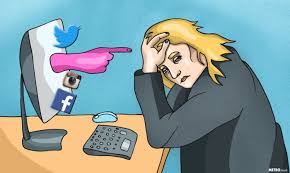
By some estimates, roughly 4 billion people across the world use networking websites such as Facebook, Twitter, and Instagram. This usage has prompted mental health experts to investigate whether the enormous popularity of social media plays a role in depression.
Research suggests that people who limit their time on social media tend to be happier than those who don’t. Studies also indicate that social media may trigger an array of negative emotions in users that contribute to or worsen their depression symptoms.
U.S. Surgeon General Warning:
In May 2023, U.S. Surgeon General Dr. Vivek Murthy released an advisory to call attention to the effects of social media on youth mental health. He notes that at crucial periods of adolescent brain development, social media use is predictive of decreases in life satisfaction, as well as additional concerns around body image, sleep issues, and much more.2
Given that essentially all adolescents are now using social media in some form, he stresses the importance of further research.
What to Know About Clinical Depression:
Clinical depression or major depressive disorder is a mood disorder characterized by ongoing feelings of sadness and loss of interest in activities that an individual once enjoyed.
Depression can be mild or severe and makes it difficult for those with the condition to concentrate, sleep or eat well, make decisions, or complete their normal routines.
People with depression may contemplate death or suicide, feel worthless, develop anxiety, or have physical symptoms such as fatigue or headaches. Psychotherapy and medication are some of the treatments for depression. Limiting time on social media and prioritizing real-world connections can be beneficial to mental health.
The Facts on Social Media and Depression:
- Social media has never been more popular, with more than half of the world's population active on these networking sites that roll out nonstop news, much of it negative.
- A Lancet study published in 2018 found that people who check Facebook late at night were more likely to feel depressed and unhappy.3
- Another 2018 study found that the less time people spend on social media, the fewer symptoms of depression and loneliness they feel.4
- A 2015 study found that Facebook users who felt envy while on the networking site were more likely to develop symptoms of depression.5
For the full article click here: Social media
| |
|
This e-newsletter is for anyone in, and interested in, care coordination and accountable referral Chautauqua County. We'll look at resources and educational opportunities in the area with the goal of increasing care coordination, wellness and overall quality of life in the Southern Tier; please forward this email freely!
Your feedback is important. Drop us a line and let us know what you want to hear more about.
| | | | |