Wound Care Summit -- CDC Issues Warning -- 18 Powerful Ways to Crush Anxiety and Live Stress-Free -- Lower Dementia Risk in Older Adults -- Teens and Social Media Use: What's the Impact?
| |
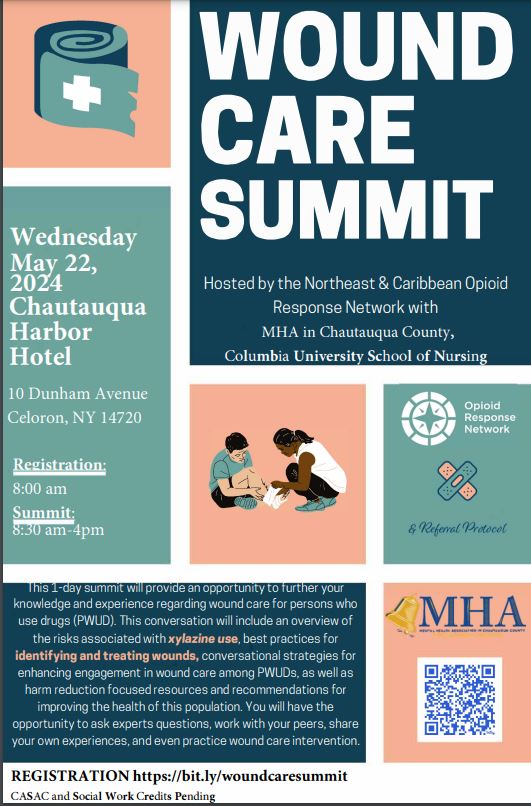
Wound Care Summit Hosted by Mental Health Association | |
|
This training is free. CEs for Nursing, PA, Pharmacy, Pharmacy Technician, Psychology, Social Work and CASAC are available.
Please contact Shannon at shannon.fisk@mhachautauqua.org with any questions.
| |
CDC Issues Warning About the Rise in Invasive Meningococcal Disease | |
The Centers for Disease Control issued a warning to alert the public of the rise in bacterial infections.
In an official health advisory sent out on March 28, the CDC announced there has been an increase in cases of the rare “invasive meningococcal disease.” According to the advisory, healthcare workers should be on alert, even if patients do not exhibit typical symptoms.
In 2023, 422 cases were reported in the United States, the highest annual number of cases reported since 2014," the CDC said. "As of March 25, 2024, 143 cases have been reported to CDC for the current calendar year, an increase of 62 cases over the 81 reported as of this date in 2023."
The CDC recommended healthcare providers “have a heightened suspicion” for meningitis among disproportionately affected individuals. They also advise everyone, including those with HIV, to be “up to date on their meningococcal vaccines.”
Of the current 143 known cases in 2024, 101 are the same variant of meningitis —
serogroup Y.
The CDC said “cases caused by this strain are disproportionately occurring in people ages 30–60 years (65%), Black or African American people (63%), and people with HIV (15%).” The strain has also presented as bacteremia and septic arthritis as seen in some of the 2023 cases.
| |
18 Powerful Ways to Crush Anxiety and Live Stress-Free | |
|
In today’s fast-paced world, you can easily feel overwhelmed by stress and anxiety. However, with the right tools and strategies, you can take control of your mental well-being and live a more stress-free life. Let’s explore 18 powerful ways to crush anxiety and create a sense of calm and balance.
Mindfulness Meditation
Mindfulness meditation reduces anxiety and promotes overall mental well-being. By adding mindfulness into your routine, you can reduce anxiety and cultivate mental clarity. This practice involves focusing on breath, bodily sensations, and thoughts, ultimately promoting a sense of calm and balance amidst life’s challenges.
Deep Breathing Exercises
Deep breathing exercises are an easy and effective tool for managing anxiety and stress. Techniques like diaphragmatic or box breathing can activate the body’s relaxation response, calming the nervous system and promoting tranquility. Schedule deep breathing into your daily routine to cultivate inner peace and resilience in facing challenges.
Regular Exercise
Regular exercise is advantageous for physical health and essential for managing stress and anxiety. Engaging in physical activity releases endorphins, natural mood lifters that can lighten tension and promote well-being. Regularly exercise to boost your mood and reduce stress levels effectively.
Healthy Diet
Nutrient-rich foods like fruits, vegetables, whole grains, and lean meats gives your body essential vitamins and minerals that support overall well-being. By feeding your body with nourishing foods, you can optimize your mental health, reduce inflammation, and better cope with the challenges of daily life.
For the full article click here:18 Powerful Ways to Crush Anxiety and Live Stress-Free (msn.com)
| |
Writing, Playing Cards, and Doing Crossword Puzzles Reduce Dementia Risk in Older Adults, Study Finds | |
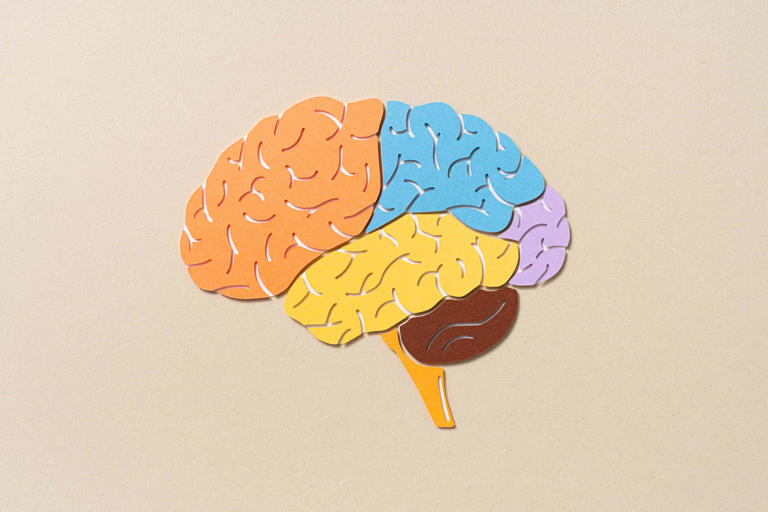 | |
A decline in cognitive health and functioning is a natural part of getting older, but dementia is a more serious illness categorized by cognitive deterioration “beyond what might be expected from the usual consequences of biological aging,” explains the World Health Organization (WHO). There’s no cure for dementia, but there are lots of things we can do to keep our brains fit and sharp and try to prevent more serious cognitive decline and disease later in life.
That's why prevention and risk reduction are a key focus for dementia researchers. A new study in JAMA Network Open found positive evidence that older adults who frequently engage in cognitively stimulating activities and learning tend to have a lower risk for developing dementia, regardless of economic status or education earlier in life.
The cohort study included over 10,000 relatively healthy men and women in Australia with a median age of 74. It found that frequently engaging in adult literacy activities—such as taking classes, using the computer, and writing—was associated with an 11 percent lower risk of dementia over 10 years. This could include learning a new language, enrolling in adult literacy courses, auditing classes, or taking up a new skill or hobby to promote brain neuroplasticity, boost memory, and strengthen cognitive reserve.
Meanwhile, the amount of time spent staring at electronic devices a few inches away from the face can lead to myopia.
“During a critical time of their lives, they are not getting natural sunlight, and that in turn is causing a very noticeable rise in myopia. It is alarming and what we are seeing is an epidemic,” Jorgensen told the Daily Mail.
“Going outside in the daylight to play football, sports of any kind or just to play with friends causes a chemical process which releases dopamine,” he said.
| |
Teens and social media use: What's the impact?
Social media is a term for internet sites and apps that you can use to share content you've created. Social media also lets you respond to content that others post. That can include pictures, text, reactions or comments on posts by others, and links to information.
Online sharing within social media sites helps many people stay in touch with friends or connect with new ones. And that may be more important for teenagers than other age groups. Friendships help teens feel supported and play a role in forming their identities. So, it's only natural to wonder how social media use might affect teens.
Social media is a big part of daily life for lots of teenagers.
How big? A 2022 survey of 13- to 17-year-olds offers a clue. Based on about 1,300 responses, the survey found that 35% of teens use at least one of five social media platforms more than several times a day. The five social media platforms are: YouTube, TikTok, Facebook, Instagram and Snapchat.
Social media doesn't affect all teens the same way. Use of social media is linked with healthy and unhealthy effects on mental health. These effects vary from one teenager to another. Social media effects on mental health depend on things such as:
- What a teen sees and does online.
- The amount of time spent online.
- Psychological factors, such as maturity level and any preexisting mental health conditions.
- Personal life circumstances, including cultural, social and economic factors.
| |
|
This e-newsletter is for anyone in, and interested in, care coordination and accountable referral Chautauqua County. We'll look at resources and educational opportunities in the area with the goal of increasing care coordination, wellness and overall quality of life in the Southern Tier; please forward this email freely!
Your feedback is important. Drop us a line and let us know what you want to hear more about.
| | | | |