|
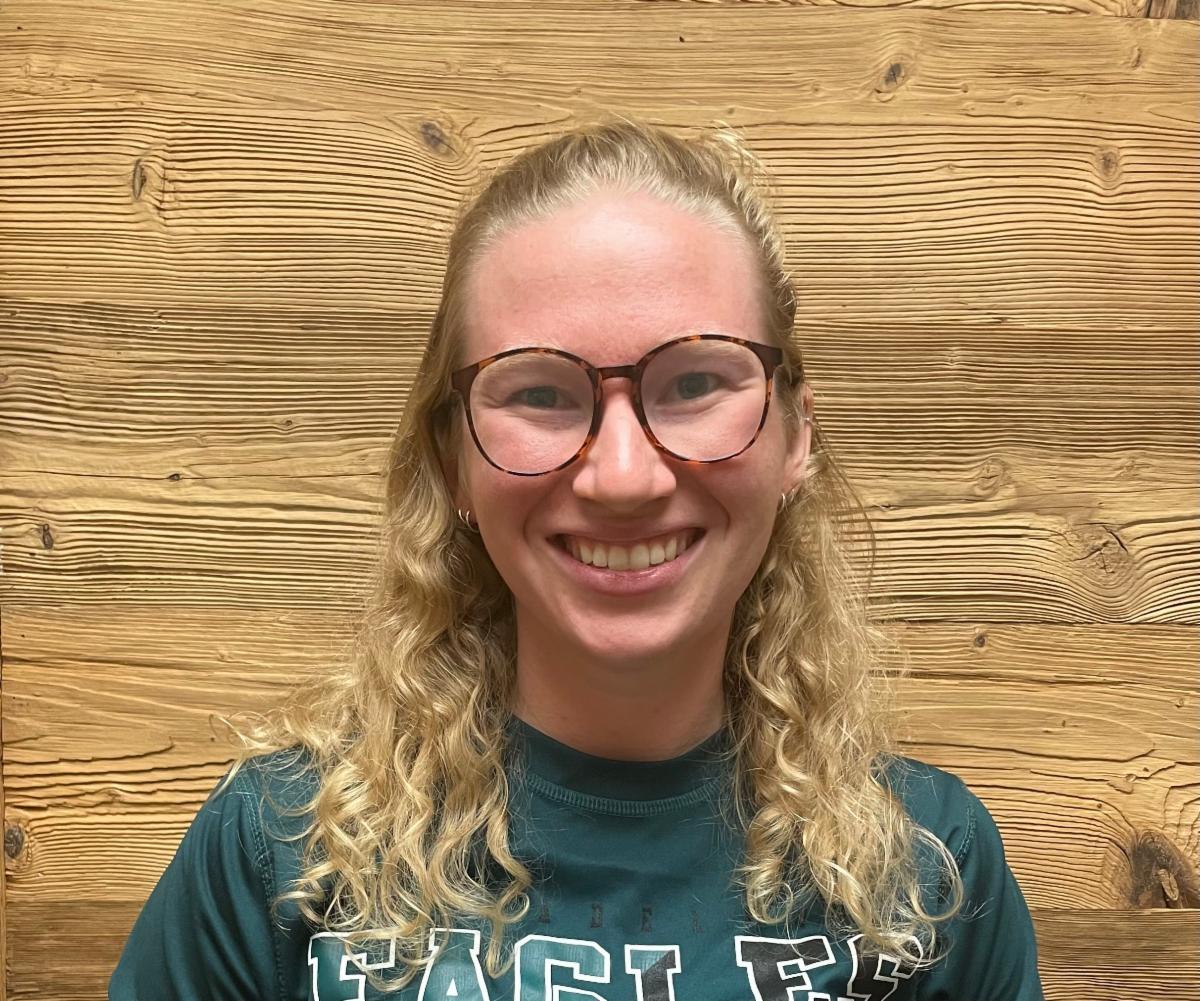
Myranda Oettel, DPT is the newest addition to the One Physical and Wellness Team. We are particularly excited to share her background with you since she has a unique skill set. Myranda specializes in treating patients with Elhers-Danlos Syndrome (EDS). EDS is a genetic disorder that affects collagen formation and function. It can effect the skin and joints but also virtually every organ system in the body. Patients with EDS are often underserved and misdiagnosed. Many of these patients can benefit from physical therapy to improve their quality of life particularly when their diagnosis is understood and when therapy is dosed appropriately.
What is EDS?
EDS is a group of 13 heritable disorders that affect the connective tissue including the skin, joints, ligaments and blood vessel walls. People with EDS often present with fragile skin and flexible joints as the most distinguishing features of the condition but the multi-system impact on the body can be far reaching.
As previously mentioned, EDS is often overlooked or misdiagnosed in the medical community. Even when EDS is recognized, providers are under-informed about the systemic impact on the individual. The effects are not only orthopedic but can also be vascular, visceral (organ), dermatologic, and even digestive. Many of these patients can experience IBS and other GI dysfunctions, serious vascular/circulatory problems, skin integrity/healing issues, as well as orthopedic dysfunction, joint instability and pain. Physical therapy can be critical to helping these patients improve movement, digestive health, and cardiovascular function. Treatment that is individualized and sensitive to patient tolerance is critical to outcomes for these patients.
Physical Signs of EDS:
- Flexible skin/hyperextensibility
- Fragile skin and tissue
- Overly flexible joints
Incidence:
Hypermobile EDS (hEDS) is the most common type of EDS making up 90% of cases with an incidence of at least 1 in 3000-5000 people. Though the genetic cause has not been identified, EDS is thought to be associated with variants in certain genes that provide instruction for collagen and protein synthesis. EDS can be inherited and each type is associated with a dominant or recessive gene.
Additional Signs of EDS can include:
- atrophic (wrinkled/flat/glossy) scarring
- arterial fragility, aneurysm, rupture
- pneumothorax (leakage of air between the chest wall and lung)
- early onset kyphoscoliosis (curvature of the spine)
- limb bowing
- craniofascial features
- heart valve insufficiency
- severe bruising
- corneal dysfunction
- hearing loss
- periodontal disease
- decreased muscle tone
Classifications of EDS (with distinguishing features):
- hypermobile--joint instability/hypermobility, pain
- classical--skin fragility with atrophic scarring, stretchy, velvety, doughy texture to skin
- vascular--organ or arterial fragility with aneurysm, dissection, rupture, pneumothorax
- periodontal--severe early onset gum disease, discoloration of shins (pretibial plaques)
- kyphoscoliotic--congenital early onset kyphosis/scoliosis, congenital low muscle tone
- spondylodysplastic--short stature, muscle weakness, limb bowing, craniofascial features
- brittle cornea syndrome--cornea dysfunction, hearing loss
- athrochalasia--congenital multiple contractures, craniofacial features
- classical-like--stretchy velvety skin, foot deformities, leg swelling
- dermatoparaxis--short limbs, severe bruising, loose, fragile skin, craniofascial features
- myopathic--congenital hypotonia and joint contractures
- cardiovascular--heart valve insufficiency
What We Do
Physical therapy can make critical differences for these patients by helping these patients:
- Strengthen the muscles around their joints
- Understand how to protect their joints, skin, and other connective tissue to avoid injury
- Provide guidance regarding the appropriate types of movement and exercise based on their condition and EDS classification
EDS Specialist Myranda Oettel, DPT
Myranda Oettel, DPT has a particular interest in treating this population as she has been diagnosed with EDS. Myranda completed both her B.S in Health Sciences and her Doctorate in Physical Therapy at Drexel University as part of their Accelerated BS/DPT Program. Her interest in Physical Therapy comes from her own experiences with Ehlers-Danlos Syndrome. She has first hand experience with the frustrations of finding medical professionals who treat EDS and has made it her mission to reduce those frustrations for her patients. Myranda is recognized on the Ehlers-Danlos Society’s Directory of EDS Clinicians and serves on the International Consortium of EDS and Related Conditions. She has completed additional training in the comprehensive treatment of EDS, Postural Orthostatic Tachycardia Syndrome (POTS), and chronic pain conditions.
We are excited to welcome Myranda to the team at One as we expand our program to comprehensively treat this population of patients. If you have questions about treatment for EDS or would like more information on resources, please email us or give us a call! We are happy to help spread the word about this underserved population!
If you would like more information about EDS, please visit:
https://www.ehlers-danlos.com/what-is-eds/
The Team at One Physical Therapy and Wellness
--
Meghan Tierney Lash, PT, MPT, OCS
One Physical Therapy and Wellness
Bryn Mawr Location
864 County Line Rd
Bryn Mawr, PA 19010
Rittenhouse Location
2015 Samson Street
Philadelphia, PA 19103
mtierney@oneptandwellness.com
(w) 610-581-0111
(f) 610-581-0112
www.oneptandwellness.com
|