Dear UN-REDD,


Following International Day of Forests (21 March) and Earth Day (22 April), our latest newsletter focuses on the financial innovations driving REDD+ implementation and sustainable forest management worldwide.


We highlight finance strategies that go beyond traditional methods, embracing innovative tools to ensure our forests not only survive but thrive. From Indonesia, where traditional social forestry practices gain strength from scaled-up private investments, to Costa Rica’s initiative for deforestation-free coffee that combines sustainable practices with tangible market benefits, these stories demonstrate tangible progress.


We also delve into cutting-edge financial tools like Sovereign Sustainability-linked bonds and debt-for-nature swaps, reimagining how we fund forest conservation on a scalable and impactful level.


Additionally, we feature a comprehensive review from the Lower Mekong region, assessing 15 years of REDD+ outcomes, alongside a look at investment priorities in ASEAN for promoting the growth of sustainable social forestry.


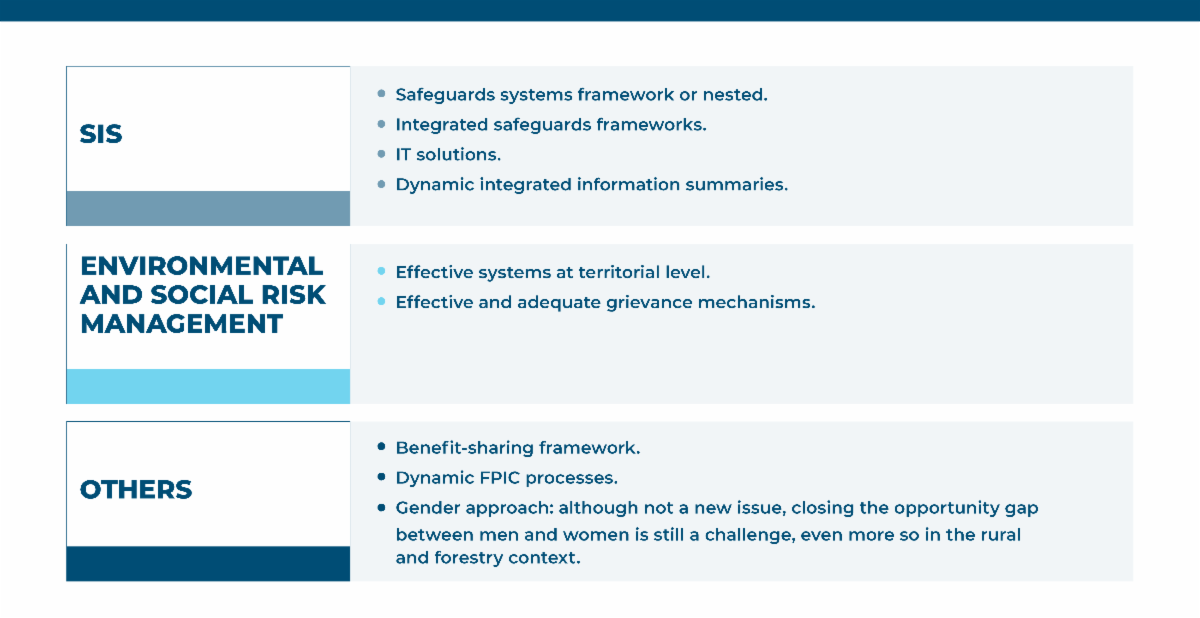
And just as the forms of financing are advancing, so must the safeguards. Also in this issue, learn about new trends in safeguards frameworks in Latin America and Caribbean. 


These financial innovations and safeguards are vital as we continue our commitment to conserving and sustainably managing the world’s forests.


Have fun reading!


IN THIS ISSUE


FEATURE

OTHER STORIES

PUBLICATIONS

VIDEOS

FOREST PARTNER


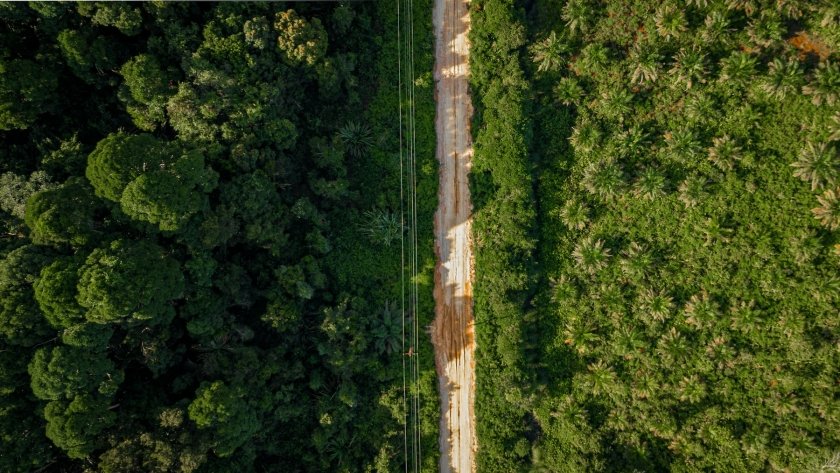
How social forestry and private investments can save Indonesia’s forests

Two decades ago, the Wawowae community in Flores, a picturesque island of mountains, forests and lakes in Indonesia, made a solemn vow. 


"We gathered on top of a hill, and made a promise not to harm the forests that sustain us," recalls Nikolaus Moka, a village elder. 


The ritual, known as “Ri’i”, forbids villagers from cutting down trees and is one of many customary practices in Indonesia that treat natural spaces as sacred. Anyone breaking the rules in Wawowae faces sanctions, and, it is believed, a curse.


In this feature story, we look at how traditional customs like Ri’i, backed by new policies on social forestry and private investments, help make Indonesia's forests a net carbon sink by 2030. This successful model could inspire sustainable forest management practices worldwide.

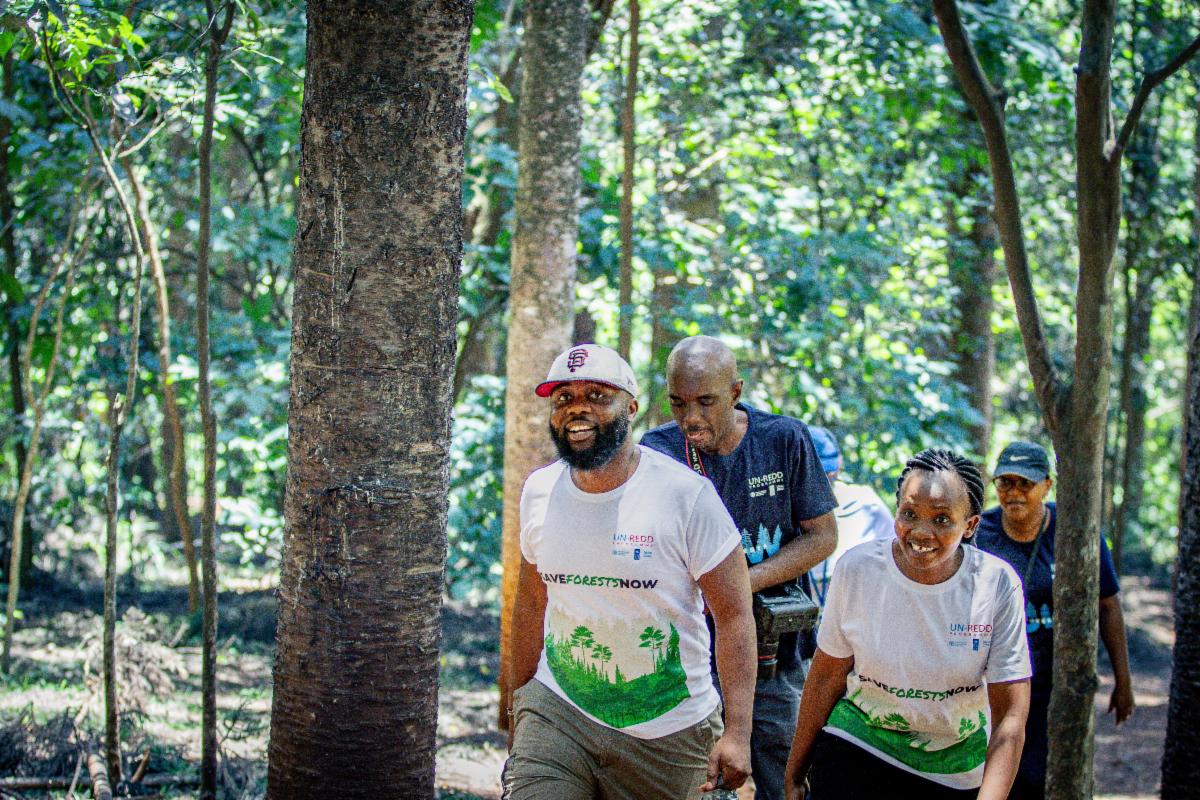
Karura guided walk organized to commemorate International Day of Forests


To commemorate the day, the UN-REDD Programme organized a guided walk in the Karura Forest in Nairobi, Kenya. Over 50 participants from the UN, Kenya Forest Service, Friends of Karura and various organizations took part, igniting a renewed commitment to maintaining forest ecosystems for future generations.


Read more


Costa Rica: achievements and scope of REDD+ Results-based payments


In 2021, the REDD+ Results-Based Payments project, implemented by the United Nations Development Programme (UNDP), joined the effort to protect Costa Rica's forests with a budget of USD 54 million provided by the Green Climate Fund.


Read more


Safeguards: towards new horizons in REDD+ environmental and social management


In the challenging context of REDD+, it is possible to observe an opportunity for putting into practice REDD+ safeguards systems that can serve not only as national reporting systems, but also as effective tools for environmental and social risk management.


Read more


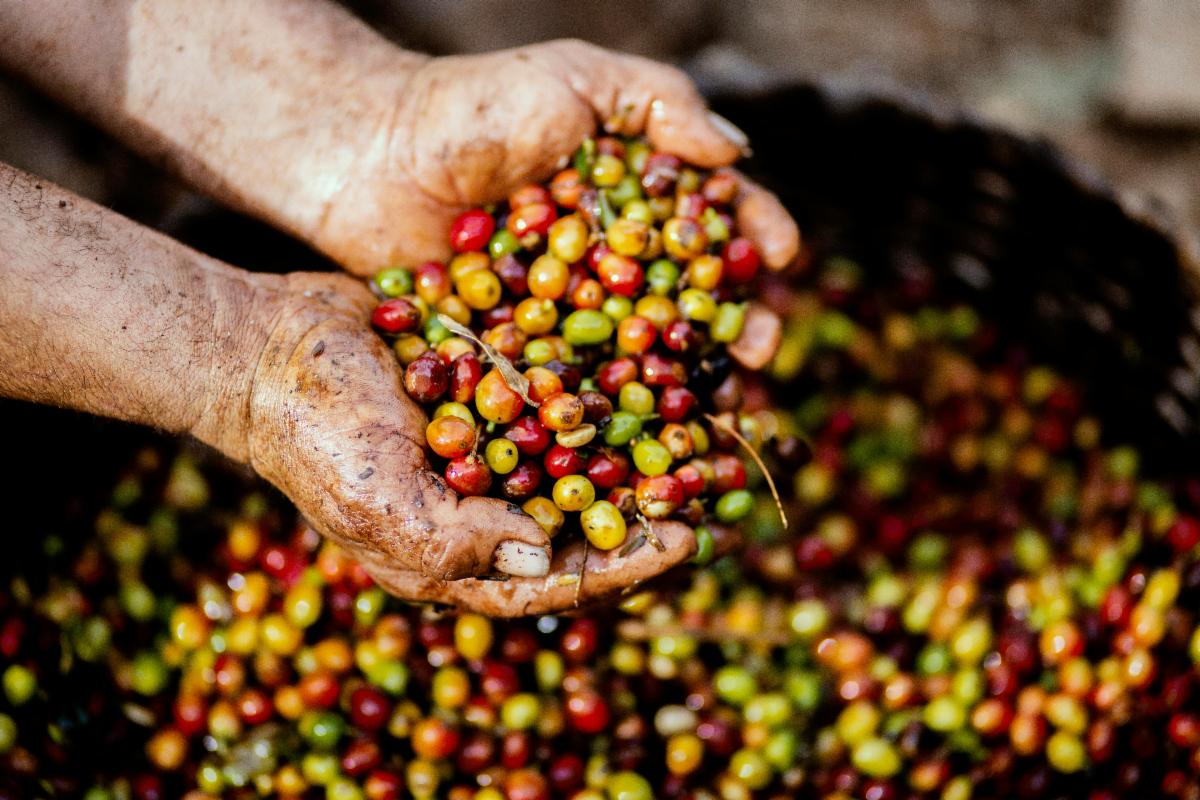
Costa Rica exports first batch of deforestation-free coffee


Costa Rica has just announced the dispatch of its first shipment of deforestation-free coffee to Trieste, Italy, marking a significant milestone in sustainable agriculture. With this initiative, the country is positioned to meet the European Union's upcoming import requirements, set to take effect in 2025.


Read more


Innovative financial mechanisms for forests conservation: Sovereign Sustainability-linked bonds & debt-for-nature conversions


Leveraging alternative and additional finance to support forest conservation is crucial to bridge the financial gap for climate and biodiversity challenges globally, as evidenced by two recent cases on sustainability-linked bonds and debt-for-nature swaps.   


Read more


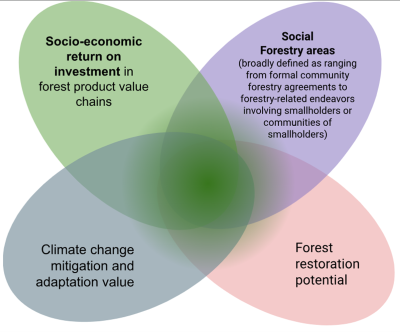
Investment priorities for social forestry: mapping sustainable growth in ASEAN


Social forestry can be critical to mitigate the impacts of climate change in Southeast Asia. The ASEAN Social Forestry Initiative utilizes innovative spatial prioritization tools like se.plan, integrated with the SEPAL platform, to identify investment-worthy areas for social forestry while overcoming data limitations through predictive modeling techniques.


Read more


15 years on: is REDD+ working? A narrative from the Lower Mekong region


In the Lower Mekong region, contrasting agricultural practices across the borders of Lao PDR and Viet Nam encapsulate the nuanced challenges and achievements of REDD+ after fifteen years of implementation.  


Read more


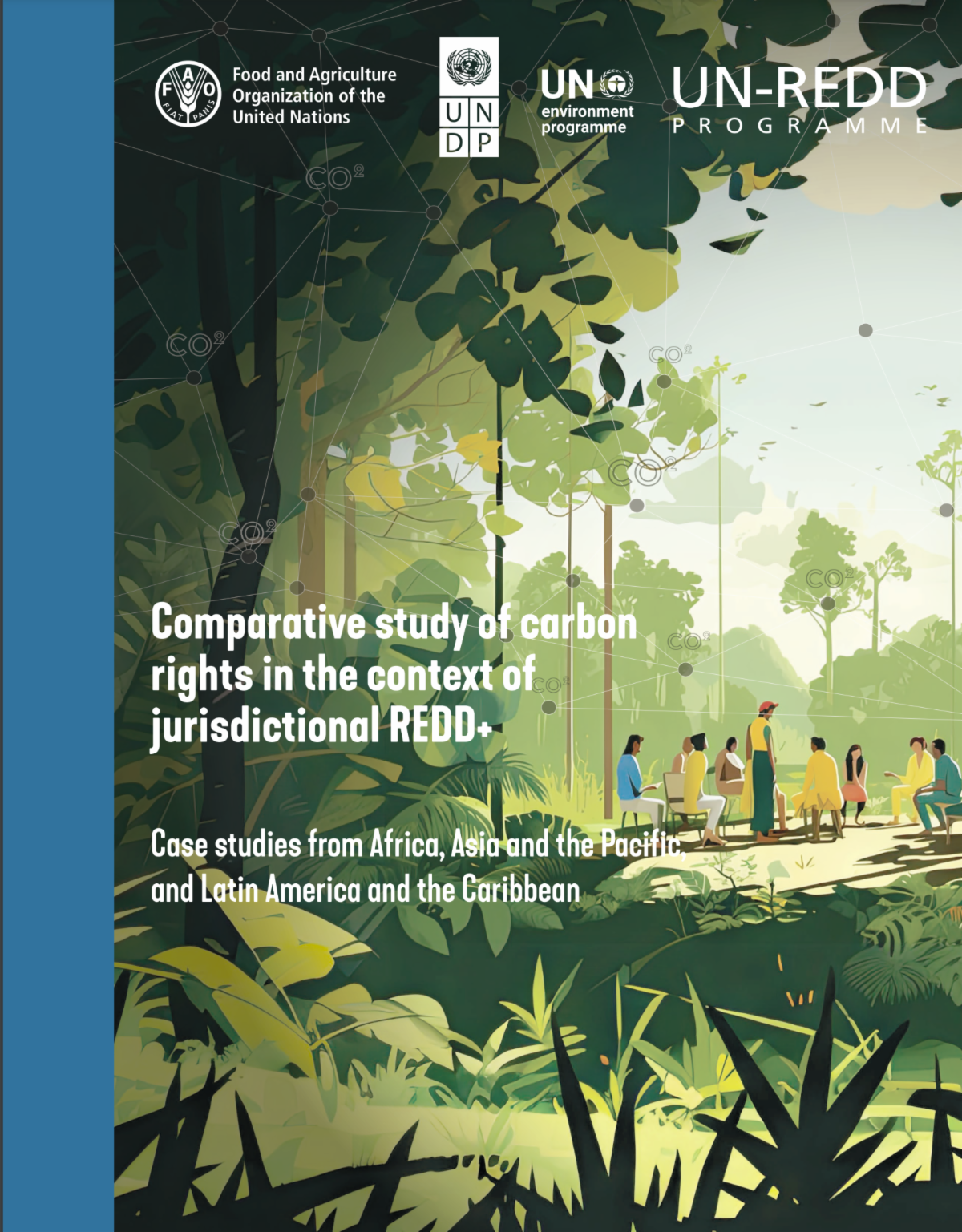
Comparative study of carbon rights in the context of jurisdictional REDD+


This report sums up the challenges of defining who holds the rights to the carbon in forests and the reductions in forests emissions achieved.


Read more


How social forestry and private investments are protecting Indonesia's forests, a #ClimateAction Story

How social forestry is protecting Indonesia's forests, a #ClimateAction Story


1.Why the forest carbon market is bouncing back

2.Is the world making good on a landmark pact to protect nature?

3. The carbon market takes an important step toward high integrity

4.Amazon’s guardians: Women pioneering forest conversation in Brazil

5.Ricardo Tsakimp: A shaman's call to preserve life and nature in the face of the climate crisis

6.Korea takes lead in sustainable forest management

LEARN


Access and share valuable

REDD+ knowledge


Facebook  Twitter  Instagram  Linkedin  Youtube  

CONNECT


Stay connected with the UN-REDD Programme

ABOUT


Learn more about the UN-REDD Programme

This resource is made possible through support from Denmark, Japan, Luxembourg, Norway, Spain, Switzerland and the European Union.

Content provided by UN-REDD Programme staff, partner countries and guests. 

All images used courtesy of license holder or through Creative Commons license.