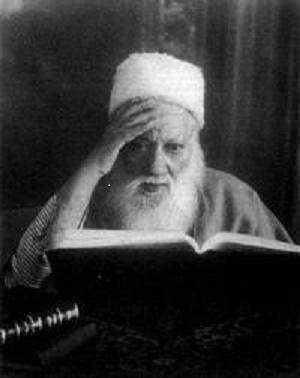
[As it turned out, my flight was delayed almost three hours, so I was still in Israel as the annual prayers at Hakham Yehudah's grave were conducted. As the people gathered on Mount Olives, I was finishing up this post at Ben Gurion airport, and I felt somehow connected and not upset about the delay]
Sources in Midrash
Rahel's Merit, the poem in which Hakham Yehudah Fetaya casts Rahel as a defense attorney for her children, is based on two Midrashic sources, which are in turn inter-connected. The first Midrash[1] has been made famous by Rashi, who included it in his commentary on Genesis[2], in order to explain the mystery of how Yaakov was tricked into marrying Leah instead of Rahel. According to that Midrash, Yaakov and Rahel suspected that Lavan will attempt a deception, and so decided on a secret password to enable Yaakov to identify his bride. At the last moment, however, when Rachel realized that her father is determined to lead her sister down the aisle, she felt sorry for her and gave her the password as so not to shame her.
The second, and less-known Midrash, is found in the introduction to Eikha Rabbah,[3] the Midrashic commentary on the Book of Lamentations, but is actually bases on a verse in Jeremiah[4]
which describes Rahel's agony after the destruction of the Temple:
ק֣וֹל בְּרָמָ֤ה נִשְׁמָע֙ נְהִי֙ בְּכִ֣י תַמְרוּרִ֔ים רָחֵ֖ל מְבַכָּ֣ה עַל־בָּנֶי֑הָ מֵאֲנָ֛ה לְהִנָּחֵ֥ם עַל־בָּנֶ֖יהָ כִּ֥י אֵינֶֽנּוּ
A voice is heard in Ramah [also: a strong voice is heard]. It is the sound of wailing and bitter tears. It is the voice of Rahel, mourning her children, refuses to be consoled for her sons who are now gone!
In the very dramatic narrative, Abraham, Yitzhak, Yaakov, and Moshe are described pleading with God on behalf of the Jewish people. Each one of the four men steps forward and asks God that as a reward for his many sacrifices and dedication to God, the Jewish People will be forgiven and redeemed, but none of them is answered. Rahel then jumps the line, apparently uninvited, and speaks to God about her own experience with her sister. She describes how despite her great love for Yaakov she was willing to let her sister Leah take her place because she did not want her to suffer disgrace, and then levels this question at God:
קפצה רחל אמנו לפני הקדוש ברוך הוא ואמרה: ...אני שאני בשר ודם עפר ואפר לא קנאתי לצרה שלי ולא הוצאתיה לבושה ולחרפה! ואתה מלך חי וקיים רחמן, מפני מה קנאת לעבודת כוכבים שאין בה ממש? והגלית בני ונהרגו בחרב ועשו אויבים בם כרצונם
I am but flesh and blood, dust and ashes, yet I was not jealous of my rival [Leah] and did not cause her shame and disgrace! You, Eternal and Merciful King, why were You jealous of idolatry which has no value? How could you send my sons go in exile, be killed by the sword, and handed over to their enemies to do with them as they wish?
Unlike God's treatment of the four men who spoke before Rahel, He this time hears her request and promises redemption, using the subsequent verses in Jeremiah[5]:
מִנְעִ֤י קוֹלֵךְ֙ מִבֶּ֔כִי וְעֵינַ֖יִךְ מִדִּמְעָ֑ה כִּי֩ יֵ֨שׁ שָׂכָ֤ר לִפְעֻלָּתֵךְ֙... וְשָׁ֖בוּ מֵאֶ֥רֶץ אוֹיֵֽב, וְיֵשׁ־תִּקְוָ֥ה לְאַחֲרִיתֵ֖ךְ... וְשָׁ֥בוּ בָנִ֖ים לִגְבוּלָֽם
Let your voice mourn no more, let your eyes shed no more tears, for your deeds are rewarded... they shall return from enemy lands... your destiny is filled with hope... as the exiled sons will come back home...
Rahel's Uniqueness
At first glance it seems that Rahel's argument follows the same pattern of the men, and that the only reason the Midrashic author makes God answer her and not the others, is that Jeremiah spoke of the dialog between Rahel and God. A more thorough and comparative reading, however, will reveal deep insights on the nature of men and women and on our understanding of Divine justice.
The four men, Abraham, Yitzhak, Moshe, and Yaakov, appear before God as if they were in court. They maintain decorum, and each one presents a similar argument: "I did this and that so I deserve a reward." Each one of them is ignored, and they interpret it as a sign that their request is turned down, and do not argue any more. Rahel, the bereaved mother, breaks the rules. Like a wounded lioness she pushes her way past the men and speaks uninvited, as if rebuking them for giving up and retreating.
The truly amazing thing is that Rahel is not asking for a reward, but rather lectures God. She basically tells Him that He should learn from her. She suggests that if she, a mortal woman, was able to overcome her selfishness in order to help her sister, even though she was entitled to be jealous of her for taking Yaakov's love, then God should follow her example and not be jealous of the "second wife" of the Israelites - the idols. The difference between Rahel and her fellow men is that they argue with God in a very technical, one might say manly, manner. They look at the process, as Simon Barron-Cohen defines it, as an input-output system: "I gave so much for God, so God should give me this reward." Once God rejects their request they keep quiet, as if understanding that the reward is asking for is too much and that they will be rewarded on a different occasion. Rahel, on the other hand, operates in a way described by Barron-Cohen as typical for women, through personal influence and education, and through networking rather than hierarchy.
The audacity of the author of the Midrash is almost unprecedented. He questions one of the fundamental prohibitions of the Torah, arguing that God should not punish His children so harshly for worshipping idols. The author speaks more as a loving mother than as a disciplinary leader, familiar to us from the stories of the judges and the prophets. This fact, coupled with the great sensitivity and understanding of how men and women think differently, leads me to wonder if it's possible that the author was a woman, or at least a man who would have a meaningful dialog with his wife.
I know for sure that My great grandfather was such a man, and now that we have analyzed the Midrash which served as a basis for his poem, we are ready to delve into his poem. We will see how he understood the pain of all mothers, and of course of his own wife Rahel, and how he took the role of defender of the Jewish people to new levels.
To be continued...
Rabbi Haim Ovadia
נין ונכד לחכם יהודה פתייה זצ"ל
[1]
בבלי, מגילה, יג:ב: אמרה ליה... אבא רמאה הוא, ולא יכלת ליה... מסר לה סימנים. כי מטא ליליא, אמרה: השתא מיכספא אחתאי, מסרתינהו ניהלה. והיינו דכתיב ויהי בבקר והנה היא לאה... מתוך סימנין שמסרה רחל ללאה לא הוה ידע עד השתא.
.