Greener Davis Conservation News - January 2024

In This Issue

10 Simple Ways to Be Green in 2024 -- Compost Your Cut Tree

Be Aware of What You Flush -- The Trouble with Irrigation Timers

Yard Material Pile Reminders -- Pick Up Pet Waste -- Ask Greener Davis

View as Webpage

10 Simple Ways to Be Green in 2024

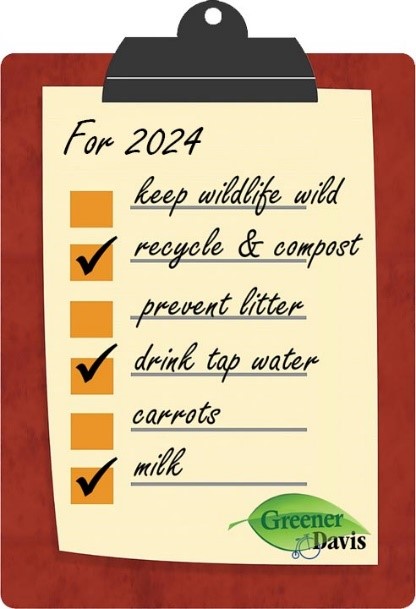
image of clipboard with ways to be green checklist
  1. Keep wildlife wild – do not feed them.
  2. Watch what you put down the drain.
  3. Recycle and compost your waste.
  4. Choose less toxic items.
  5. Use water efficiently.
  6. Drink tap water instead of bottled water.
  7. Prevent litter.
  8. Consider bypassing your water softener.
  9. Plant a tree.
  10. Follow us on Facebook or Instagram!

The Easy Way to Compost Your Cut Tree

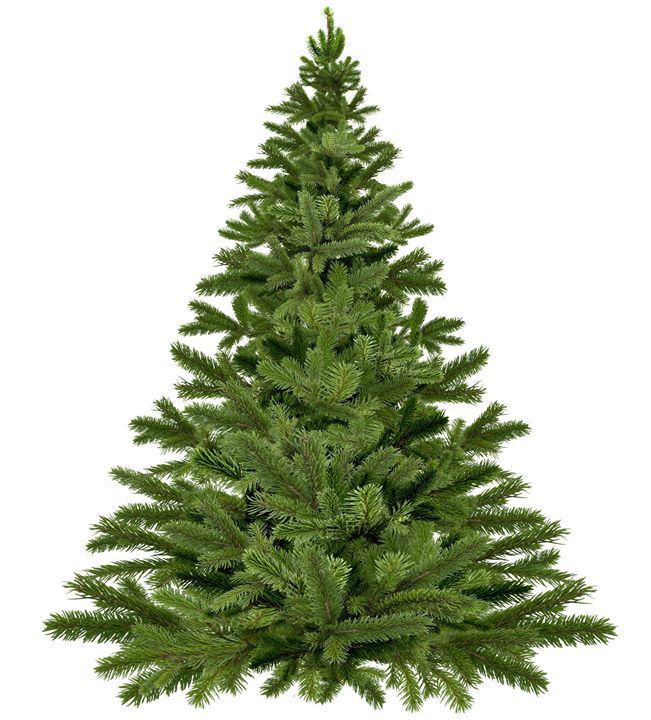
Image of a cut conifer tree

If your holiday included a cut tree, you can compost it when you follow these easy steps!


  1. Remove the lights, ornaments, tinsel and tree stand.
  2. Place the tree in your organics cart (the lid must close, so the tree may need to be cut in half), or on the street for collection with other yard materials (trees can't be larger than five feet in any direction or have a trunk more than eight inches in diameter, so make sure to cut it if it's too large).


Please note that yard material piles (and trees to be composted) may only be placed on the street seven days before a scheduled pick-up. Use this link to sign up to be notified of your neighborhood’s yard material collection day.


Unfortunately, flocked trees are not compostable and must be placed in the trash bin instead of the organics cart or on the street for collection.


More information on yard material collection.

Be Aware of What You Flush or Rinse Down the Drain

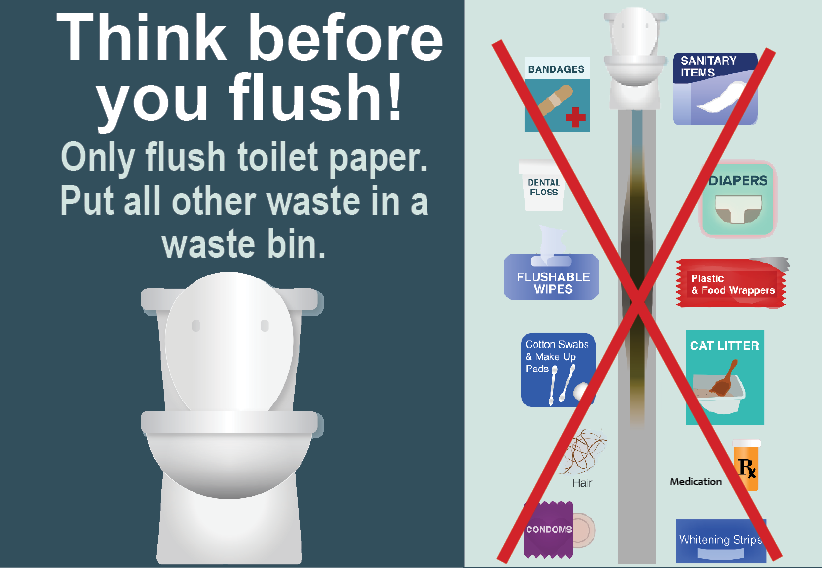
Please don't treat your toilet like a trash can! Just a small amount of household waste flushed down the toilet or poured down the drain can clog pipes and cause messy sewer backups in your home. An overflowing toilet can ruin your home in an instant.


Sink drains, even kitchen sinks with a garbage disposal, are not built to handle waste - even fruit stickers. Peel those stickers off and place the stickers in the trash before adding the fruits and vegetable peels to your organics bin.


Are you using flushable wipes? Even if they are labeled “flushable,” they are one of the leading causes of sewer backups! Place all wipes in the trash, not the toilet.


Fats, oils and grease might seem like liquids when you're done cooking with them, but when flushed down toilets or poured down drains, they can solidify. This material builds up and blocks the plumbing, which can lead to sewer backups in homes, onto streets and into local waterways (polluting our rivers!). Soak up small amounts of cool, hardened fats, oils and grease with paper towels and place in the organics bin. While it is not a hazardous waste item, you can recycle liquid oils and grease (that do not harden) for free at the hazardous waste drop-off at the Yolo County Landfill, every Friday and Saturday from 7:30 a.m. to 3:30 p.m.

More information is available on our Down the Drain flier.

The Trouble with Irrigation Timers

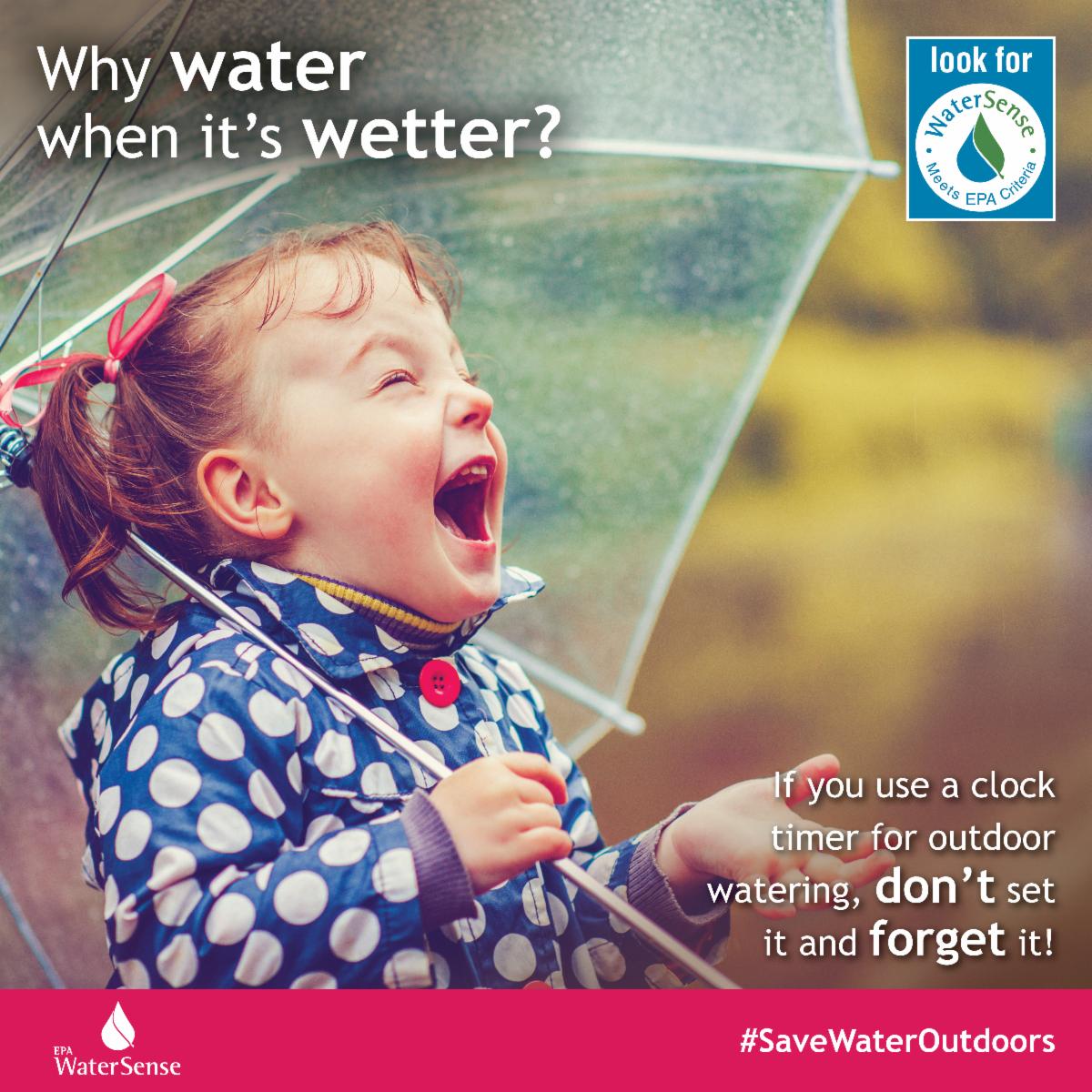
girl with pigtails in a blue raincoat with polka dots holding a clear umbrella

Did you know that irrigation (sprinkler) timers can malfunction and run when not expected? Although water may appear to be turned off at the timer, the irrigation may still be running, resulting in unexpectedly high water bills. Brief power outages (or even app updates on wi-fi-enabled timers) can reset irrigation systems to factory default programming, causing the irrigation to run on a different schedule than you had originally set.


If you haven’t turned off your irrigation system for the winter already, don’t forget to turn off the system at both the timer and at the valve(s) to be sure the system is isolated and will not allow water into it if the timer malfunctions. Check the back-up batteries in your timer so that it will not reset with a power outage. Most importantly, sign-up for AquaHawk to monitor the daily and hourly water usage on your property by visiting SaveDavisWater.org for registration instructions. Helpful information on using AquaHawk to assist in finding leaks can be found on the City’s website. 

Yard Material Pile Reminders

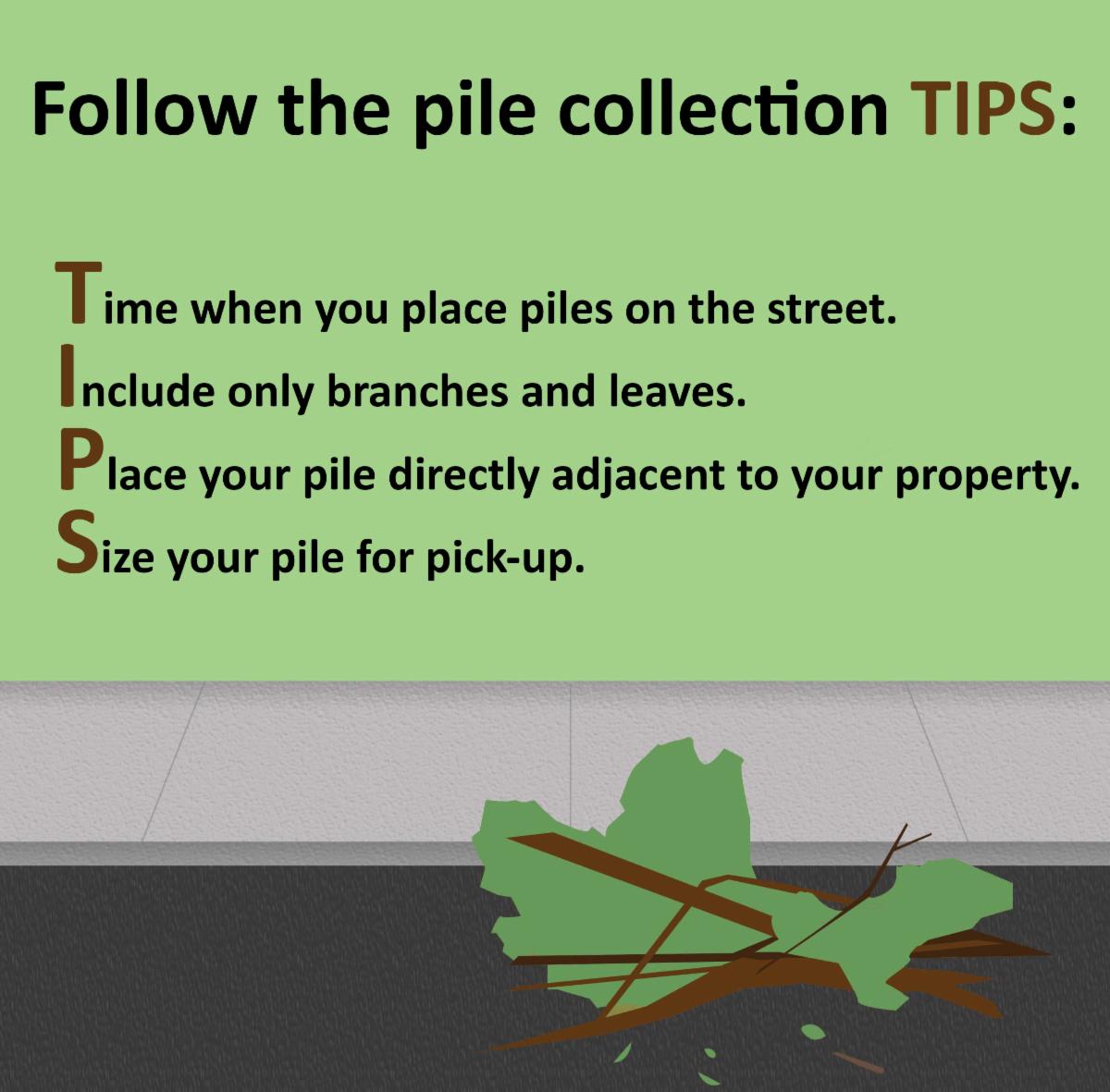
Recology Davis continues to perform yard material pile pick-up every other week. The last pick-up of the season will be the week of February 20. Make sure your pile is prepared by checking these helpful TIPS:


Time when you place your piles on the street. Make sure your pile is not sitting out on the street for more than seven days before pick-up.

Include only branches, leaves and cut holiday trees in your piles. All other yard materials must be placed in your organics cart for weekly collection.

Place your pile directly adjacent to your property and not across the street or around the corner. Piles cannot be placed in any portion of a bike lane.

Size your pile for pick-up. The claw cannot collect piles that are larger than five feet in any direction.


Please note than on-street collection of yard materials is only for leaves, holiday trees and branches that cannot fit into your organics cart. Please fill your organics cart up before using on-street piles! In order to keep our streets clean and ensure that yard material piles can get collected quickly and efficiently, small amounts of yard materials should always be placed in the cart.


You’d be amazed at how much material you can fit in your organics cart if you break it up a bit first before you toss it in. As you are pruning, chop up pieces a bit before placing them into the cart. 


More information on yard material collection.  


Why You Should Always Pick Up Pet Waste

black and white image of a women's back walking a dog on a leash through a grassy area.

Although it’s not the most pleasant task of pet ownership, it’s important to pick up after your pooch. Over time, pet waste left on the ground will biodegrade, but it does so very slowly. In the meantime, doggie-doo-doo (and cat waste as well!) creates conditions that are harmful to the environment.


Here are the top 5 reasons why you should always pick up after your pet:

  1. During rainfall, pet waste left on the ground can break apart and wash into gutters, down a stormdrain, and out to local wetlands and waterways. Pet waste contains coliform bacteria that can be harmful to wetland wildlife. Nutrients like nitrogen and phosphorus in pet waste can cause algae to grow which reduces the oxygen available in the water for fish.
  2. Pet waste may contain harmful organisms such as Giardia, Salmonella and E. coli that can be transmitted to humans and other animals by ingesting contaminated water.
  3. Pets infected by roundworms and hookworms have live parasites in their waste. These parasites can live in the soil for long periods of time and be transmitted to other animals and humans.
  4. It’s the law! Many HOAs, urban and suburban areas require you to pick up after your pet. But even if there is no restriction, cleaning up after your pet is always the right thing to do.
  5. No one likes to step in pet waste and inadvertently carry it into their home, car or businesses. Your community will appreciate the good manners of poop picker-uppers.


Scooping while on a walk or on a daily basis in your own yard only takes a few minutes, but has a large paw-sitive impact. Be sure to carry baggies with you whenever you take Fido out, and always place your pet waste in the trash—it’s not compostable (even if your bag is), so keep it out of the organics cart or yard material piles.

Ask Greener Davis

Find additional FAQs on our website. If you have a question that you feel would be of interest to the community, please email it to PWWeb@CityofDavis.org, and you may see it featured in an upcoming e-blast or social media post.


Q. I keep forgetting my reusable bags when I shop. Do you have any tips on how I can remember them? 


A. We understand the struggle, and we’ve all forgotten our bags one time or another! The key is to make bringing your bags a habit so it starts to become second nature. Here’s some helpful tips to help you remember to bring reusable shopping bags:


  • Include a bag on your shopping list as Item #1
  • Clip a bag to your shopping list.
  • Keep reusable bags in the trunk of your car and put a small note on the dashboard to remind you.
  • Keep a few compact reusable bags in your purse, jacket pocket or backpack.
  • Decorate your own bag—it’s easier to remember to bring something you like.
  • Put your bags back in your car or bike basket after emptying them.
  • Leave your bags in the driver’s side pocket of the car.
  • Hang bags on the front door knob, or on a hook near the front door.
  • Forgot your bags in the car? It’s OK. Before you go to the check-out, go back to your car and get them. It’s frustrating, but you’re much more likely to remember to bring them in the store next time!


Q. What should I do if I encounter sick, injured or abandoned wildlife?


A. Sick or injured wildlife should be approached with caution. Animals that are sick or injured are particularly defensive and likely to bite if handled. Bites from wildlife are painful and may transmit harmful diseases. Depending on the species of animal, the following contacts should be able to lend assistance:


Is it abandoned? Often times an "orphaned" animal is safe but perhaps a bit out of place. Was the animal brought to you by a pet? Is it naked and shaking? If yes, it likely needs help.  


More Ask Greener Davis questions and answers are available online.

Contact us:
530-757-5686
Facebook  Instagram  Youtube