|
We've Renamed our Newsletter!
We're excited to reintroduce our newsletter with a new name. Our refreshed newsletter will continue to bring you the latest updates, news, and insights you've come to expect, now with a fresh feel and more solutions. Enjoy!
| |
- Hoffman Nursery Inc. Announces New Green Infrastructure Collection and Perennial Line
- The Value of a Balanced Life
- Mastering Bookings & Contract Growing
- Liners in the Landscape? You bet.
- Trade Shows, Tours, and More!
- Plant Spotlight: Grass & Perennial of the Month
- As Yards and Gardens Wilt from Heat and Drought, Native Plants can Help
- How to Use Plants to Reduce Noise Pollution
- The Best Ornamental Grasses: How to Choose
- Perennials That are Great for Wildlife Gardens
- Rain Gardens as Living Stormwater Infrastructure
- Building with Nature: Integrating Green Spaces into Urban Construction
- Our Cities' Secret Gardens
- Colorful Benches Tell Story of Stormwater Management
- Rural Belts Around Cities Could Reduce Urban Temperatures
- Resurrected Plant Research Reveals How Coastal Wetlands Adapt to Environmental Change
| |
|
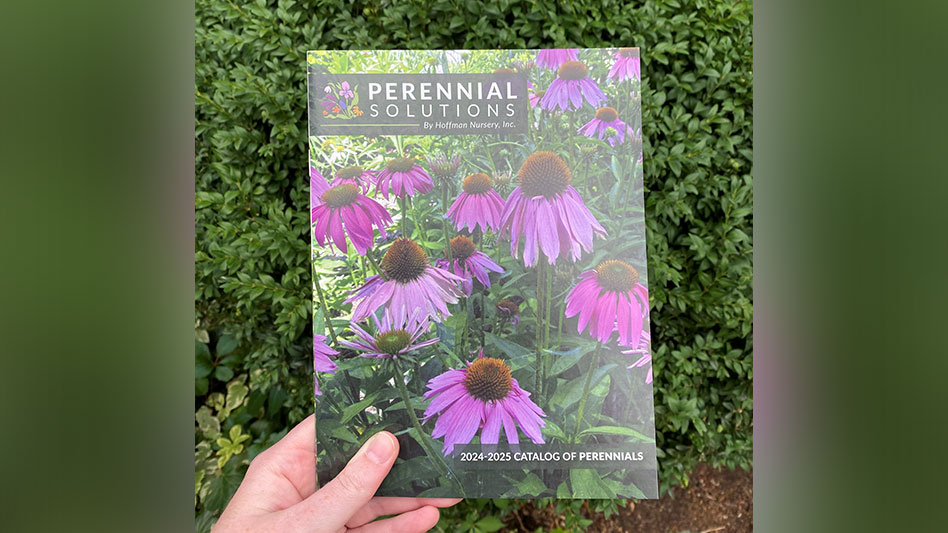
Recognizing the growing demand for native perennials, especially in green infrastructure measures, last month we introduced our new Green Infrastructure Collection. This collection includes our existing Grass Solutions line and the new Perennial Solutions line, which features 18 flowering perennials. The thoughtfully curated plant selections in the Green Infrastructure Collection are designed to improve water quality, reduce water quantity, and provide significant ecosystem services, aesthetic value, and human health and well-being benefits.
We've included articles below featuring this new collection.
| |
Hoffman Nursery Inc. Announces New Perennial Line and Green Infrastructure Collection | The collection includes Hoffman's existing Grass Solutions line and the new Perennial Solutions line, which features 18 flowering perennials. | | | |
|
The Value of a Balanced Life
Grower Talks
| This article highlights this year's GrowerTalks/Ball Horticultural Company Young Grower of the Year finalists and their strategies for balancing work and life. These three awesome individuals were recently honored at Cultivate’24. Among them, our very own Trevor Stark, was recognized for his ability to integrate his passion for horticulture with his hobbies through careful planning and use of technology. Trevor's approach to maintaining a work-life balance, including rotating weekend schedules and cross-training team members, ensures both personal well-being and professional efficiency, showcasing the value of a balanced life in the industry. | | | |
|
Mastering Bookings & Contract Growing
Grower Talks
| 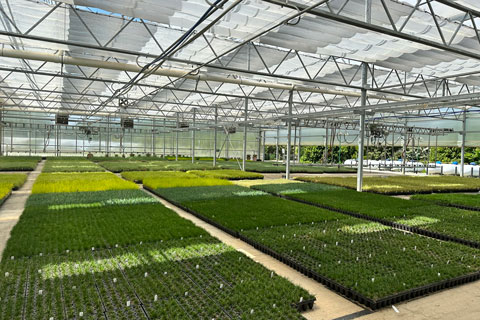 | |
The green industry has experienced unprecedented changes in recent years, with growers achieving record success while also facing unique challenges. This period of rapid evolution has placed significant pressure on sales and production teams, affecting all aspects of their roles. Many growers are turning to innovative strategies such as bookings and contract growing to navigate these complexities and enhance business operations. These models provide financial stability and production efficiency, improve customer satisfaction, and strengthen relationships.
In the article, Hoffman Nursery's Stephen Gillis highlights the initial challenges of getting started with bookings due to long lead times. He emphasizes the importance of focusing on fulfilling available orders and planning for future needs. By leveraging technology and robust inventory management systems, nurseries can streamline these processes, ensuring efficient tracking and performance analysis.
| | | |
|
Liners in the Landscape? You bet.
Hoffman Nursery's Blog
| Fall plantings are just around the corner, and we typically see increased demand from landscape contractors during this time. Many choose to plant liners, or plugs, directly in the landscape rather than using larger, finished sizes. This is a smart choice, especially for projects that require covering a lot of ground. Liners offer both horticultural and economic benefits: they store energy for future growth, allowing them to catch up to larger plants quickly, and they are more cost-effective, enabling denser planting for less expense. Additionally, we provide a great selection of grasses, sedges, and perennials, tailored growing solutions, and expert support, making us a top choice for your landscape projects. | | | |
Trade Shows, Tours, and more! | |
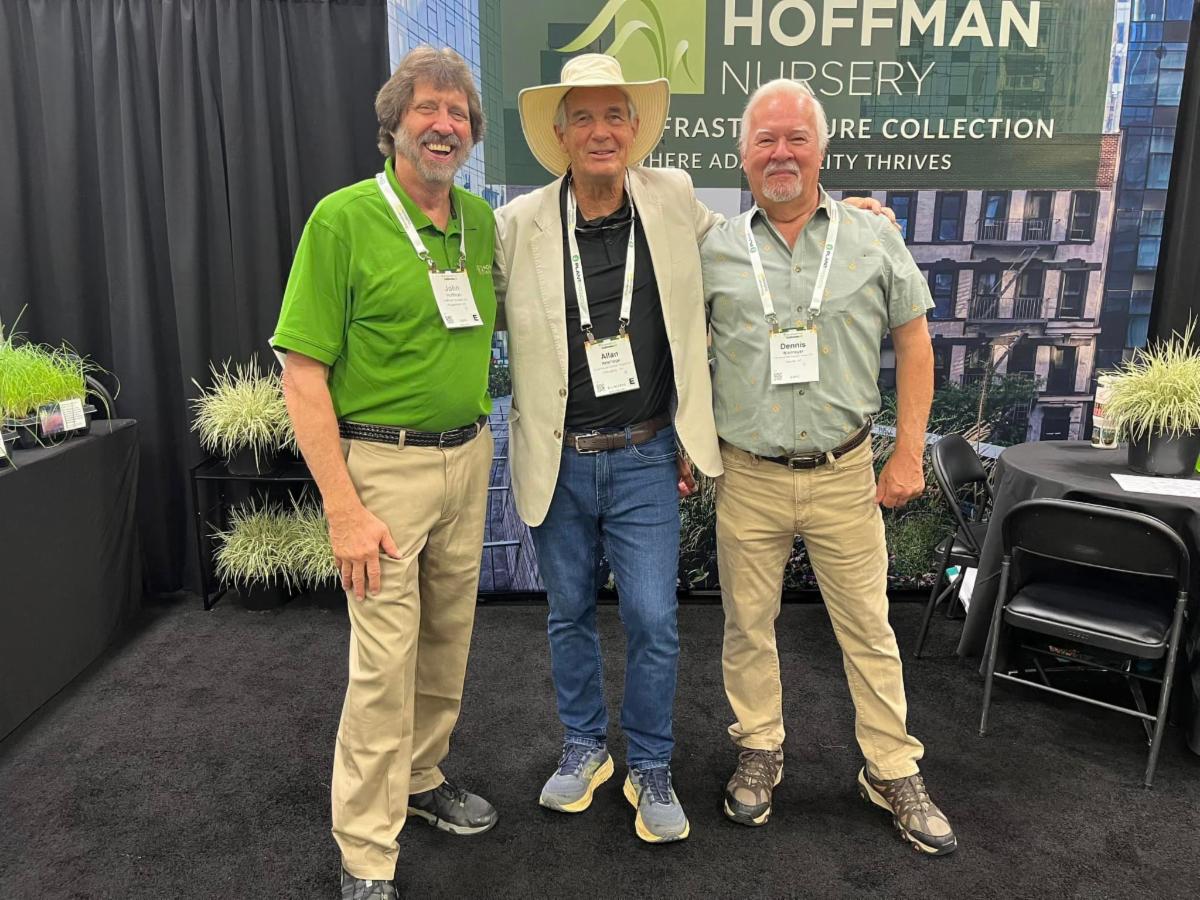
A heartfelt thank you to all the attendees who stopped by our booth and our Perennial Line and Green Infrastructure Collection launch at Cultivate'24! Your presence made this year truly special and memorable for us. It was wonderful to see familiar faces and meet new friends. | |
Nursery Tour with Raleigh's Parks Department | |
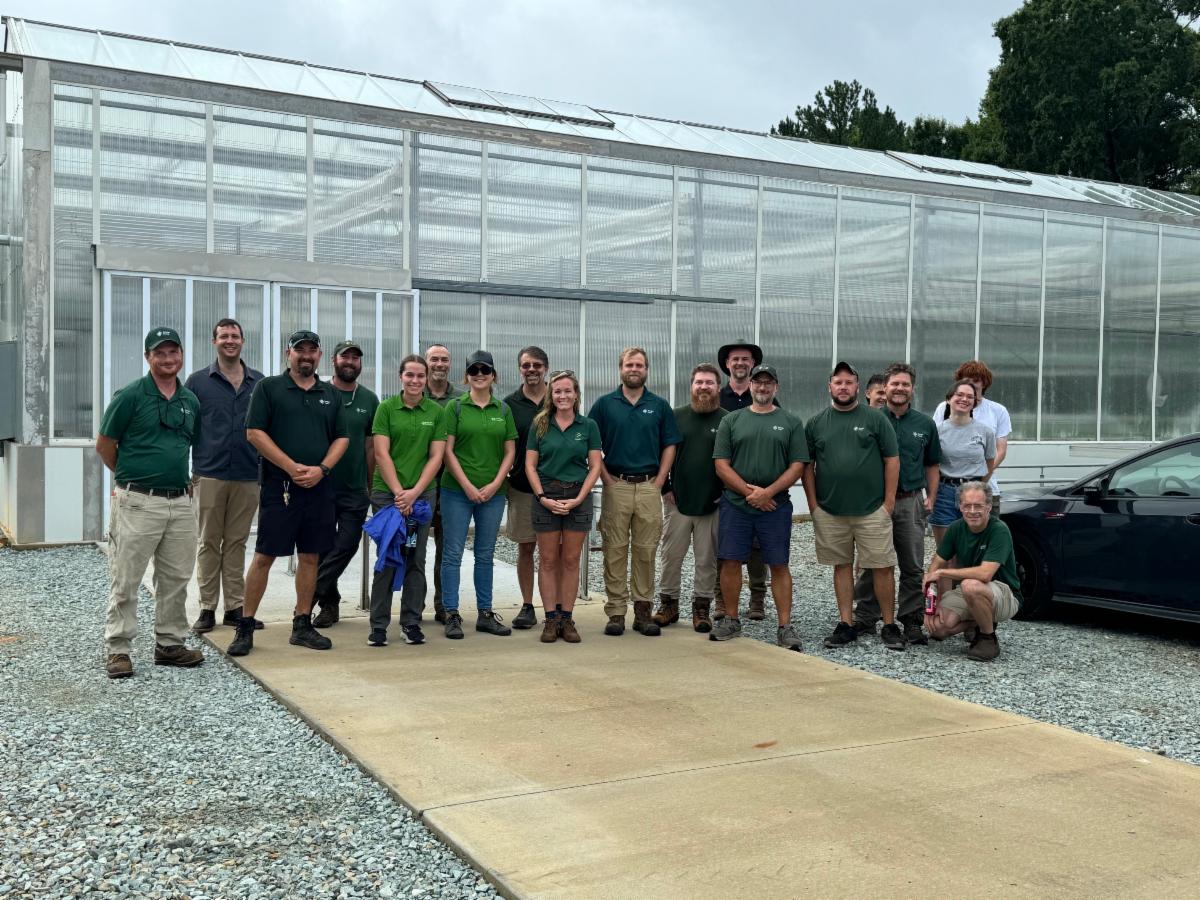
The Raleigh Parks Department recently toured our nursery, delving into our production, growing, and propagation departments. They explored the meticulous processes behind our plant cultivation and gained insights into our innovative techniques. Additionally, the tour highlighted our Green Infrastructure measures, installed last year with the expertise of landscape architect Preston Montague. This visit underscored our commitment to sustainable practices and showcased the collaborative efforts that enhance both our nursery and the broader community. | |
|
2024 National Perennial Plant Symposium
| |
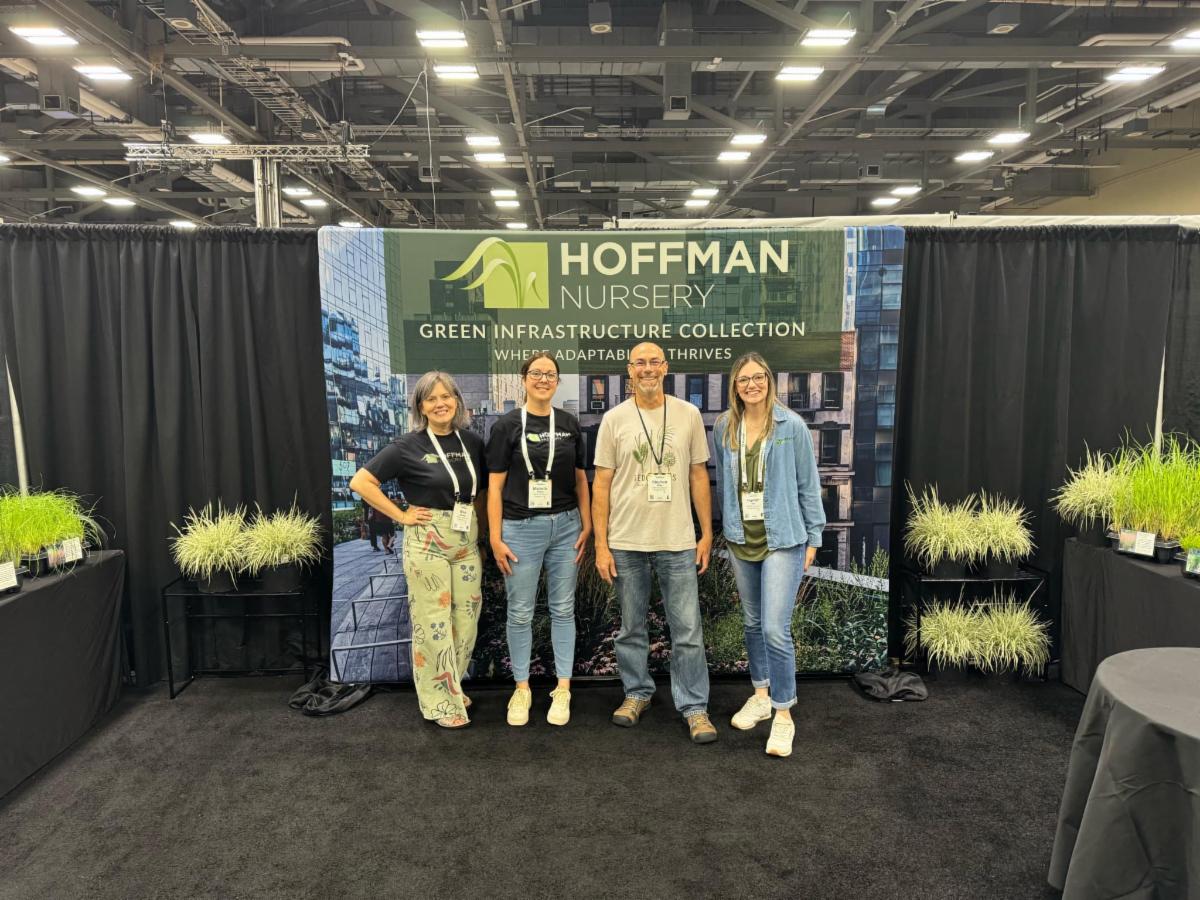
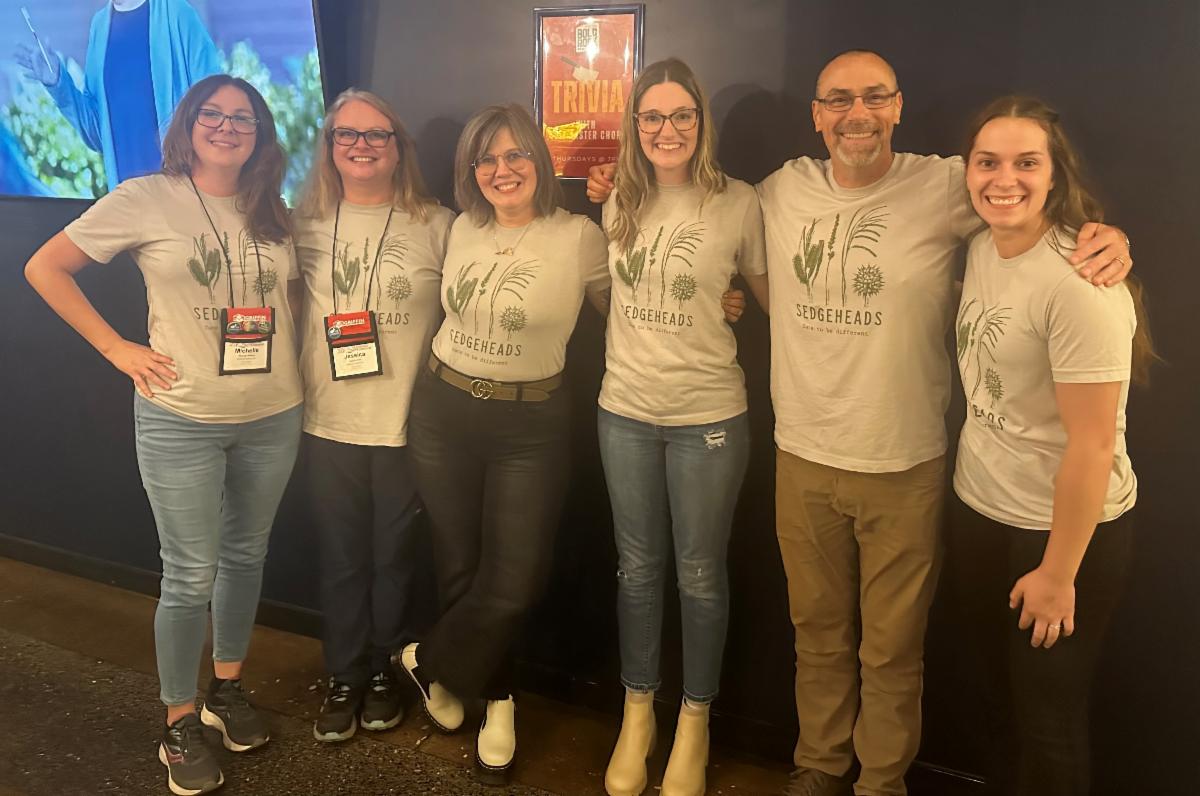
We are currently attending the Perennial Plant Symposium in Asheville, North Carolina. It's been an enjoyable week with exciting tours, insightful talks, and great company. Here's our Sales and Marketing Team at the Perennial Plant Foundation Trivia Night. | |
|
Grass of the Month
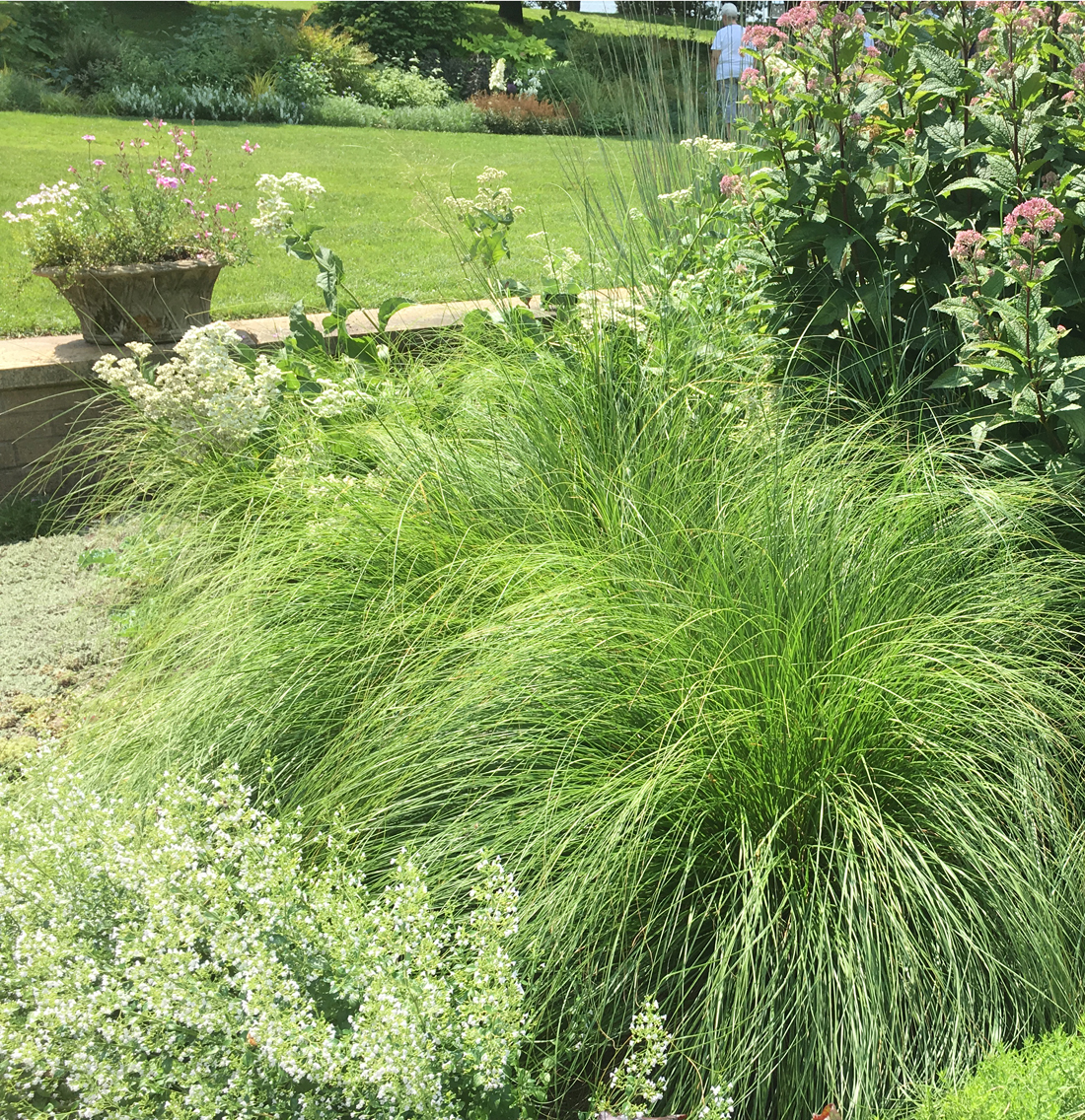
Sporobolus heterolepis
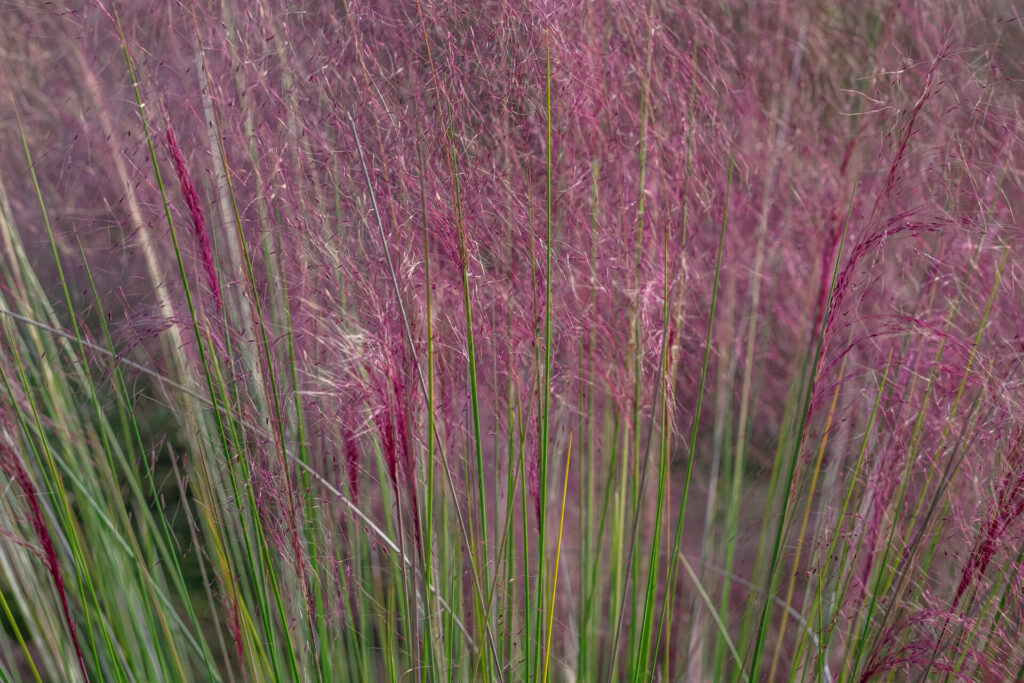
| Prairie Dropseed was one of the major components of the prairie, now a popular landscape plant. Perhaps the most ornamental of the native prairie grasses. | | | |
|
Perennial of the Month
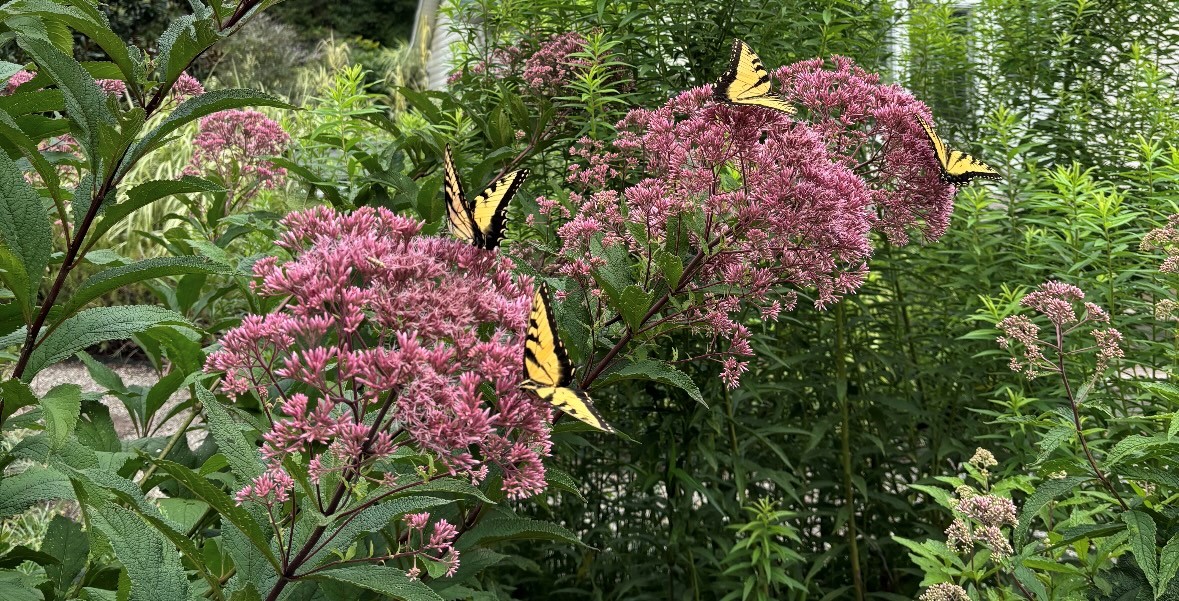
Eutrochium fistulosum
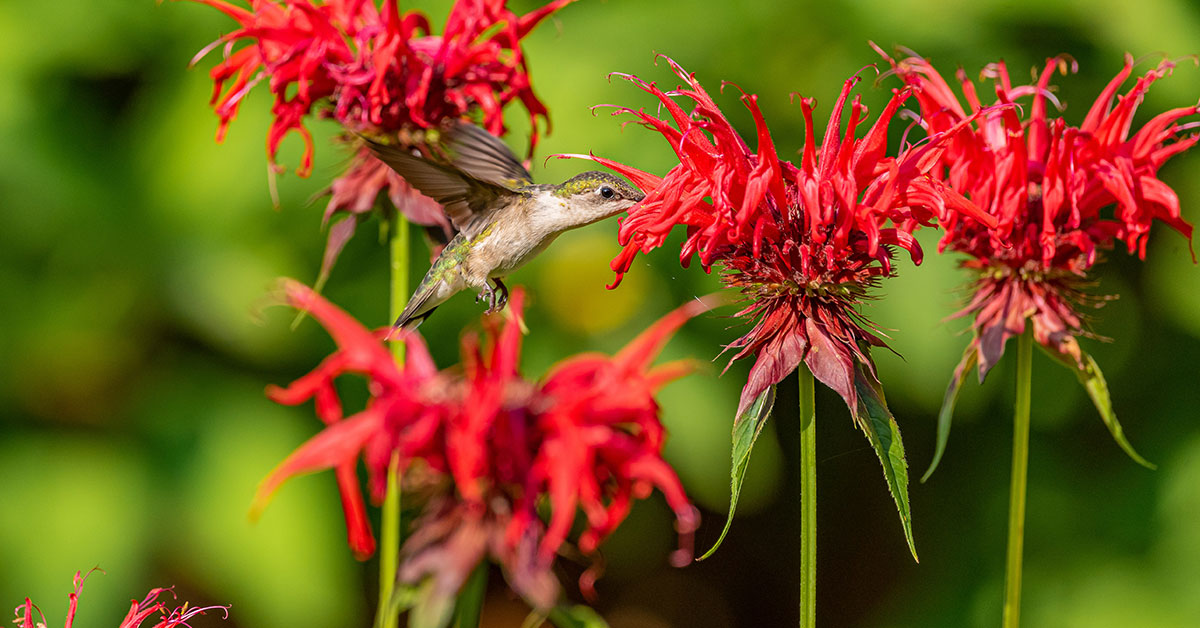
| Joe Pye Weed is a low-maintenance, showy perennial that’s a favorite among landscapers, conservationists, and gardeners. | | | |
|
As Yards and Gardens Wilt from Heat and Drought, Native Plants can Help
WUNC Public Radio
| |
After a scorching early summer, the rain is finally here, but much of North Carolina is still in drought and all this intense weather can be rough on yards and gardens. Planting native perennials may be a solution.
Chris Liloia, Habitat Gardens Curator at the North Carolina Botanical Garden, talks to WUNC's Due South about the world of native plants, grasses, and wildflowers and why they’re more eco-friendly than manicured lawns – and also more climate resilient.
| | | |
|
How to Use Plants to Reduce Noise Pollution
Homes & Garden
| This article discusses how to use plants to reduce noise pollution, transforming urban and suburban gardens into tranquil spaces. It explains the science behind soundproofing with plants and provides practical advice on creating effective living sound barriers. It profiles nine of the best plants for this purpose, including trees, shrubs, and ornamental grasses, and offers tips for selecting and planting these varieties based on soil type and garden conditions. | | | |
|
15 Native Plants To Add To Your Yard
Family Handyman
| We believe native plants are vital for ecosystems. They offer essential food and shelter for wildlife, need less water, fertilizer, and pesticides, and are easier to maintain. Native plants enhance biodiversity, support local wildlife, and contribute to a unique sense of place and pride in local landscapes. This article provides a regional guide to native plants, helping you choose the best options for your area. | | | |
|
The Best Ornamental Grasses: How to Choose
Architectural Digest
| Ornamental grasses in landscaping are prized for their aesthetic appeal and versatility. This article provides recommendations for various types of ornamental grasses, their growth habits, and ideal planting conditions, making them suitable for different styles and climates. Ornamental grasses add texture, movement, and year-round interest to outdoor spaces, and the article emphasizes their role in sustainable landscaping practices. | | | |
|
Perennials That are Great for Wildlife Gardens
The Garden Magazine
| Creating a wildlife-friendly garden supports local biodiversity and brings nature closer to home. Perennial plants are particularly beneficial as they return year after year, providing consistent resources for birds, bees, butterflies, and more. This article explores the best perennials for attracting and supporting wildlife, highlighting their roles in enhancing garden aesthetics and sustaining ecosystems. Featured plants include Echinacea, milkweed, Joe-Pye weed, asters, and black-eyed Susans, among others, each contributing to a thriving, wildlife-friendly garden. | | |
|
Green Infrastructure Solutions | |
|
Rain Gardens as Living Stormwater Infrastructure
Living Architecture Monitor
| This article explores how rain gardens can effectively manage stormwater in urban areas. By using native plants and engineered soil, rain gardens capture, infiltrate, and clean runoff, mimicking natural water cycles and reducing reliance on traditional grey infrastructure. The article details successful examples of rain gardens in Minneapolis and St. Paul, Minnesota, highlighting their ecological benefits and role in sustainable urban planning. | | | |
|
Building with Nature: Integrating Green Spaces into Urban Construction
Thursd.com
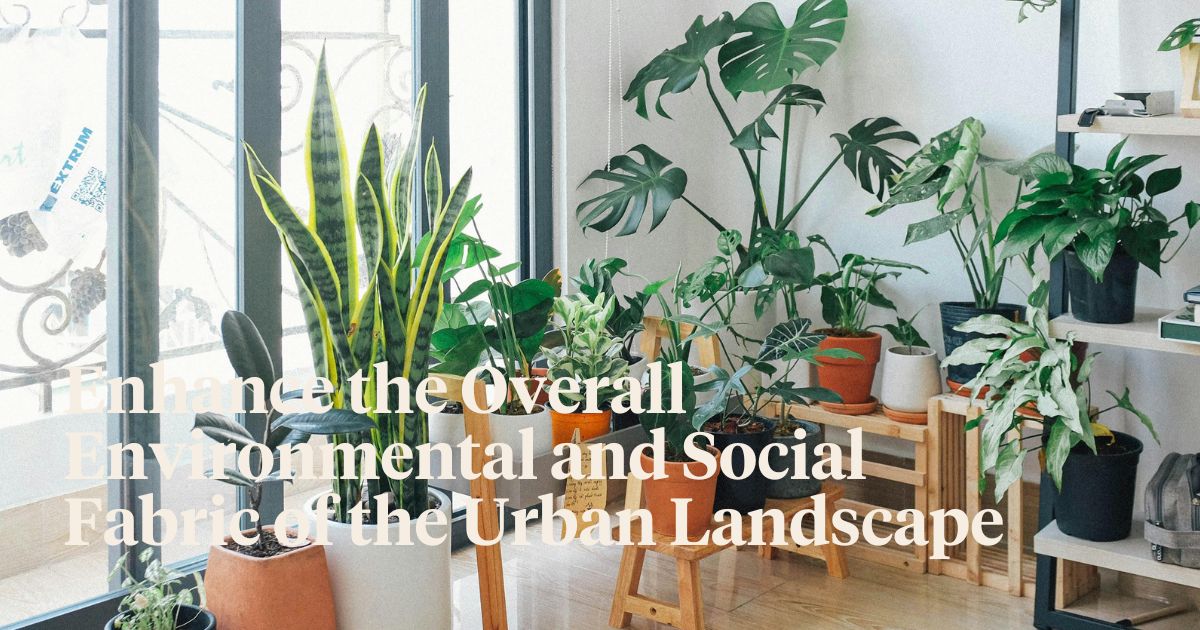
| Incorporating green spaces like parks, green roofs, and vertical gardens into urban areas is essential for providing environmental, social, psychological, and economic benefits. These spaces enhance biodiversity, improve air quality, and promote mental well-being. The article addresses the challenges of integrating green spaces, such as cost and maintenance, and highlights the role of technological innovations and supportive policies in successful implementation. | | | |
|
Our Cities' Secret Gardens
PHYS.org
| This article takes a look at informal green spaces in urban areas. It reveals that people engage with nature in neglected areas like vacant lots and railway lines as much as in formal parks. These spaces are crucial for mental and physical health, fostering biodiversity, and providing unique natural experiences in cities. The article calls for better recognition and management of these informal green spaces. | | | |
|
Colorful Benches Tell Story of Stormwater Management
Urban Milwaukee
| See how high school art interns in Wisconsin created ten colorful benches to educate the community about stormwater management. These benches, displayed at Green Tech Station, a green infrastructure site, combine art with ecological messaging. The project, led by ArtWorks for Milwaukee, highlights creative ways to manage stormwater through student artwork, emphasizing the importance of native plants, bioswales, and community resilience. | | | |
|
Rural Belts Around Cities Could Reduce Urban Temperatures
Phys.org
| The study highlighted in this article explores how rural belts surrounding urban areas can help lower city temperatures. These green zones serve as natural buffers, offering cooling effects that reduce heat in cities. It underscores the significance of preserving and integrating rural landscapes into urban planning to enhance climate resilience and improve urban living conditions. | | | |
|
Resurrected Plant Research Reveals How Coastal Wetlands Adapt to Environmental Change
Utah Public Radio
| Researchers at Utah State University revived decades-old seeds from coastal marsh plants to investigate their adaptation to environmental changes. The study revealed rapid evolution in root traits, vital for carbon storage and ecosystem function, demonstrating how these wetlands adapt to rising sea levels and other environmental shifts. This research underscores the critical role of coastal wetlands in mitigating climate change impacts. | | | |
|
Download Availability & Order Form
Prices for liners, number of liners currently in stock, and future availability are listed in PDF and Excel files. You may also use these as order forms. Need details on what the numbers mean? Learn more here.
| | | | |