Midsummer Production Milestone
Big news for Interscan this month... more below!
Hello there,

We had a great month here at Interscan. Our biggest accomplishment was fully producing and shipping the first GasD8000 from our Camas Washington office! A huge step in the right direction, with many more to follow.

This month's newsletter explores the importance of bump-testing your gas detection system and monitoring gases in confined spaces. Then, we go over hydrogen and hydrogen sulfide, what these gases are used for, and the risks involved when dealing with these toxic gases.

Enjoy these reads, and please don't hesitate to reach out if you have any questions or want to make a new connection in the industry.

Stay safe, and happy reading!

Will Bowden

Industry News & Resources
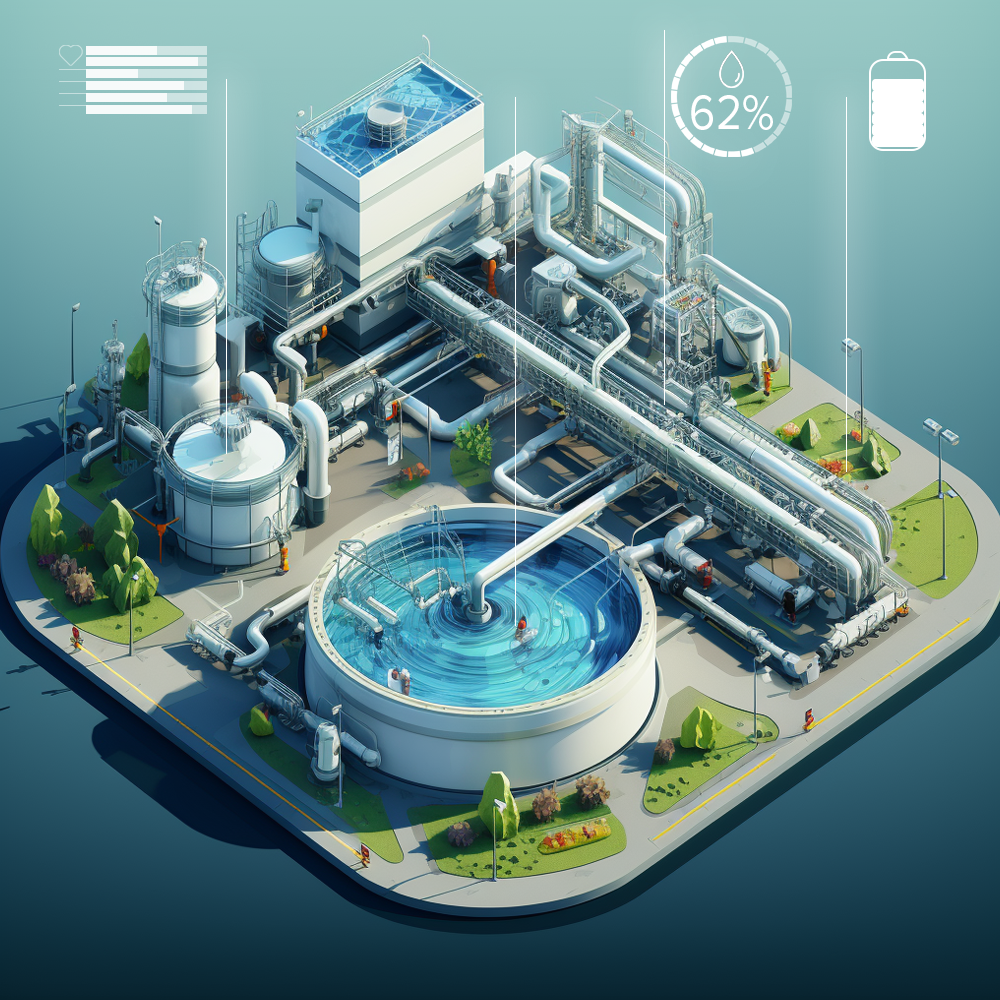
IoT in Oil and Gas: Reinventing Safety and Environmental Monitoring

The Internet of Things (IoT) is changing the Oil and Gas industry by enhancing safety, streamlining operations, and promoting environmental sustainability. This article delves into the transformative benefits and applications of IoT in the sector.
NASA Cancels Greenhouse Gas Monitoring Satellite due to Cost

NASA has cancelled its GeoCarb mission, a satellite intended to monitor greenhouse gases over the Americas, due to escalating costs and complexities. Initially projected at $166 million, costs rose to over $600 million, prompting NASA to explore alternative methods for monitoring carbon emissions.
- Cover All Your Bases -
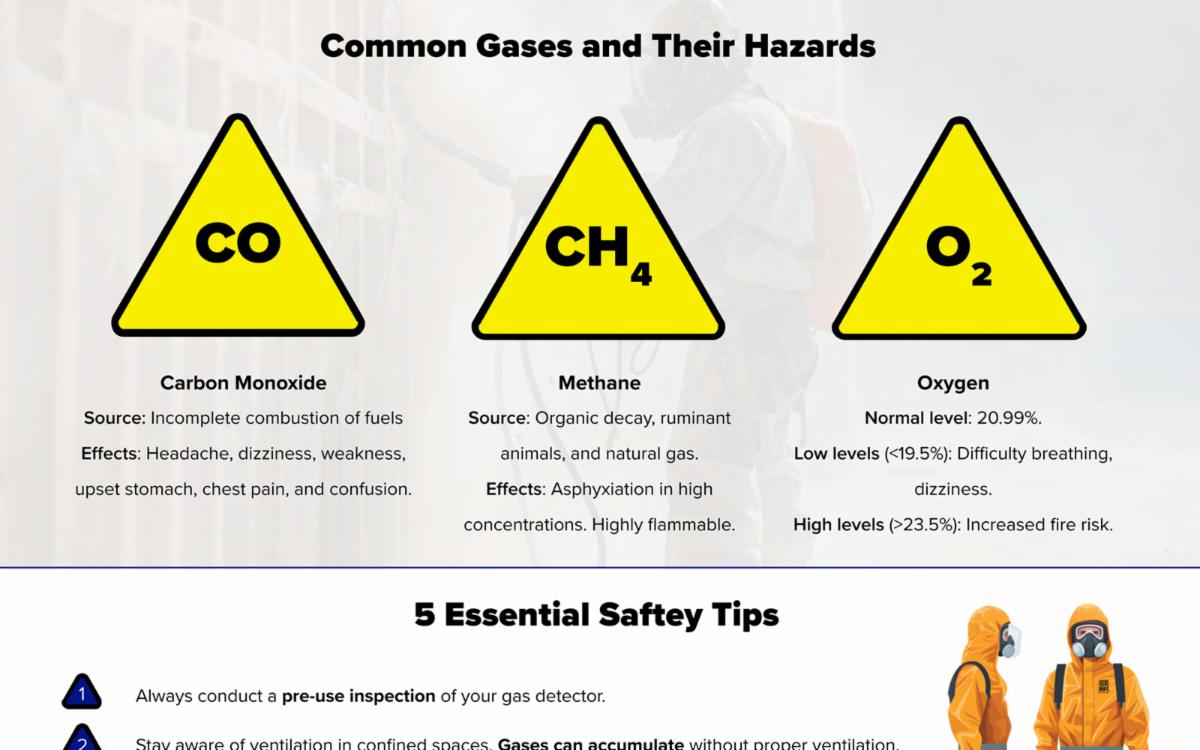
Gas Detection Safety Brief
Print and Hang
Hang up this gas detection safety brief as a reminder for best practices when dealing with toxic gases.

"Every time we inspect our safety logs, we're taking a step towards a safer environment."
Latest Articles & Resources
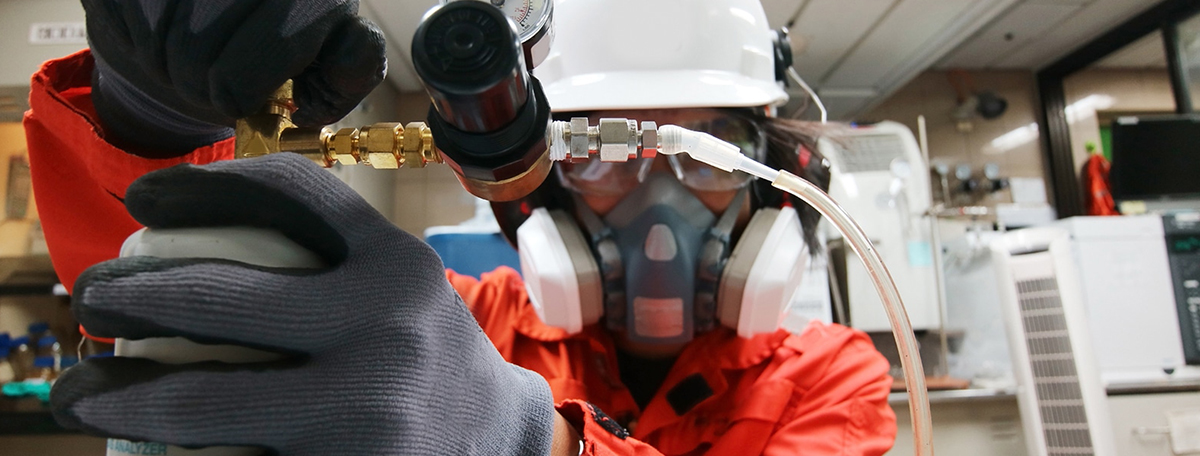
Ensuring Gas Detector Accuracy: The Importance of Bump Testing
Are Your Gas Detectors Keeping Your Facility Safe?

Imagine investing in top-notch gas detectors, only to discover they're not functioning when a gas leak occurs - a potential disaster. But there's a simple, quick test that can prevent such mishaps. Ever heard of bump testing?

It's essential, inexpensive, and takes mere seconds. But what is it, and why is it so crucial for every facility manager or safety officer to understand? Check out this article to ensure your workplace remains safe.

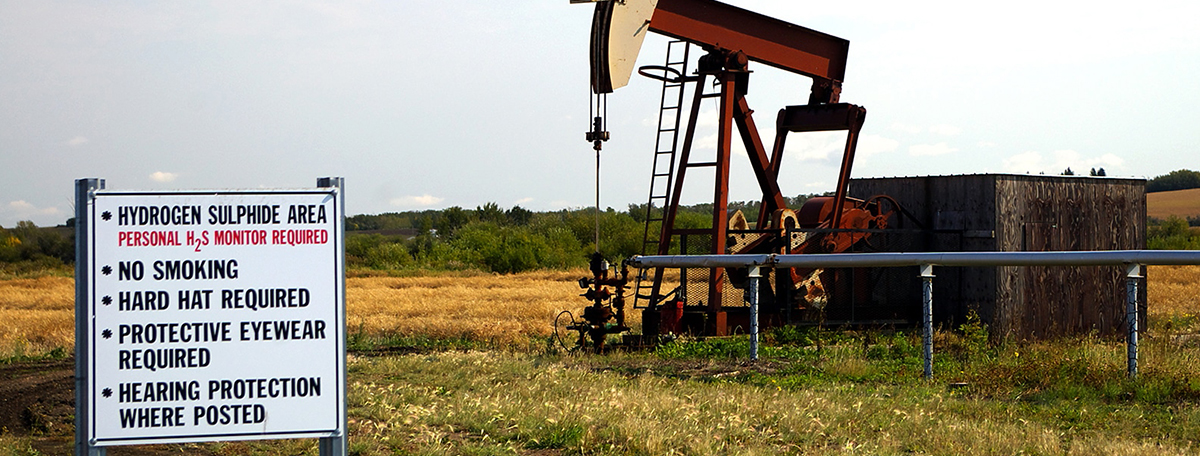
Hydrogen Sulfide Detection: A Critical Safeguard in the Oil and Gas Industry
Did You Know?

Hydrogen sulfide (H2S) levels above 100 ppm can cause immediate fatality. Between 2001 and 2017, H2S exposure resulted in 106 deaths in the US oil and gas sector alone. Ensuring worker safety means detecting this lethal gas swiftly and effectively.

Understanding where and how H2S forms is the key to protection. Our article delves deep into the oil and gas industry, highlighting potential high-risk zones for H2S exposure. Equip your team with the knowledge they need to stay safe. Read below!

Monitoring Toxic Gases in Confined Spaces: The Key to Mitigating Gas-Related Risks
Facing Hazards in Confined Spaces?

Unsafe atmospheres in confined spaces can put workers at risk of explosions, harm, or even fatalities. The key? Constant monitoring of oxygen, carbon monoxide, hydrogen sulfide, and other flammable gases.

Ensure Your Workplace Safety!
Our article provides comprehensive insights into toxic gases in confined spaces and the essential steps to effectively monitor them. Ensure your facility remains compliant and safe. Dive into our guide on mitigating gas-related risks below!

Hydrogen Leak Detection to Reduce Fuel Risks in the Oil & Gas Industry
Are you aware of hydrogen's hidden dangers in the oil & gas sector?

As the world leans towards zero-emission fuels, hydrogen's unique and often invisible challenges come to the forefront. In this pivotal transition, it's essential to stay informed and prepared.

Equip yourself with the knowledge to navigate hydrogen's potential and pitfalls. Our article covers cutting-edge detection methods to rigorous safety protocols, providing Facility Officers and Managers with indispensable insights.

Schedule a call to learn more about our instruments:
Have questions about an instrument you'd like to ask our team? Use the link below to schedule a call with an expert!

Get an overview of functionality, see how the tool can be used in your application, and answer your questions in real-time.