|
Cleaning up Your Act
Confronting Litter's Environmental Impact
| |
|
The Countryside Charity Reports
February 1, 2024
|
|
|
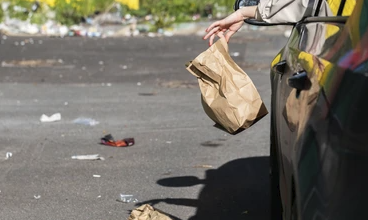
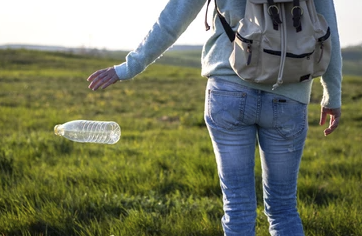
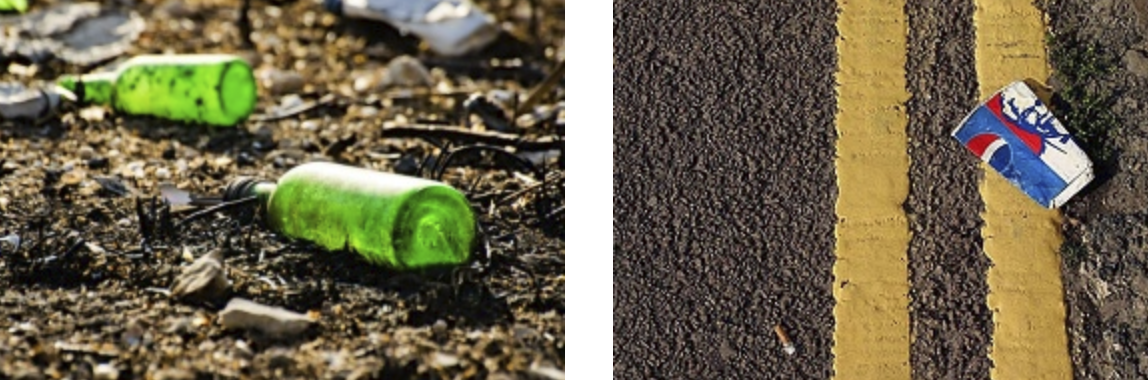
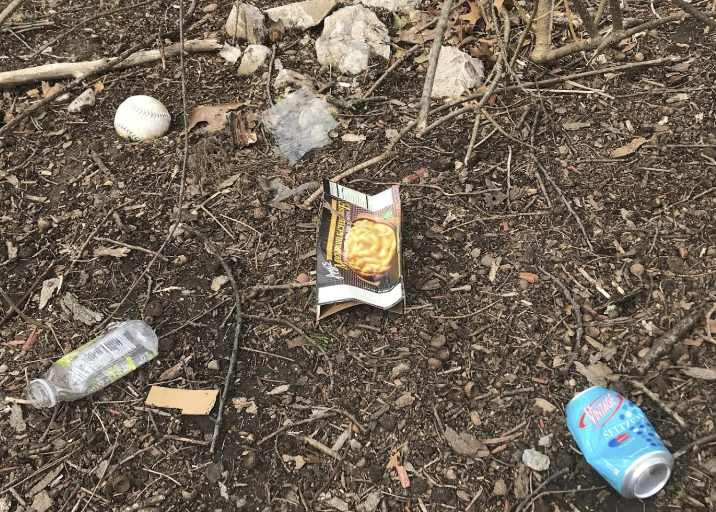
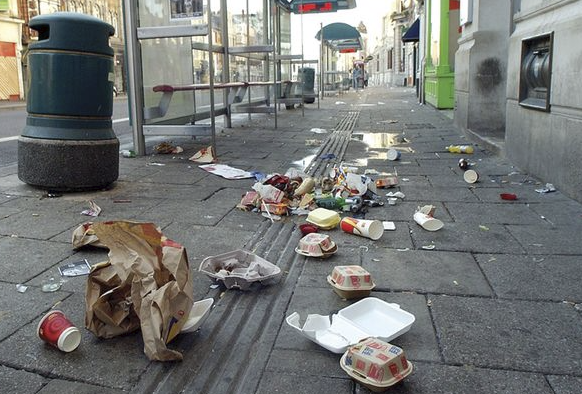
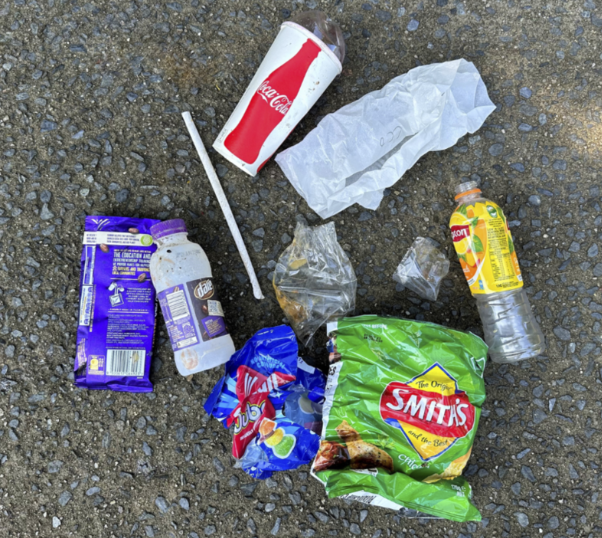
Litter is not specifically defined in law, but guidance from the Department for Environment, Food and Rural Affairs (2006) states: ‘Litter is best defined as something which is improperly discarded by members of the public in an area. It includes sweet wrappers, drinks containers, cigarette ends, gum, apple cores, fast food packaging, till receipts, small bags … ’
It goes onto say: ‘Litter is something, more often than not, synthetic, which is improperly discarded by the public whilst sitting, walking, or traveling through an area.’
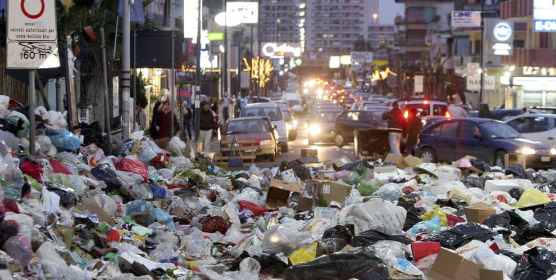
Defra additionally indicates that a single sack of rubbish or greater is considered not to be litter but comes under the category of fly-tipping. This is a more serious criminal offense.
| |
|
Blue Dot Living Reports
October 26, 2021
| Tell Me This: Why Would Anyone Litter? |  | |
The word “litterbug” was coined in 1947. The campaign against littering gained traction throughout the 1950s and 60s and on April 22, 1970, twenty million Americans took to the streets for the first Earth Day. Since then, there have been anti-litter ad campaigns that have moved us to tears — If you’re of a certain age you remember — “People start pollution and people can stop it.” And yes, we know, “Give a Hoot — Don’t Pollute.”
So why the hell do people still litter? Why are our roads and beaches scarred with discarded debris? Who are the litterers amongst us? Why do some people toss their masks, their cigarettes, their soda cans, their nips and napkins and bagged dog dung into our woods? The MV Times polled people in their daily newsletter, The Minute, to try to find out. Apparently litterers don’t answer surveys, or at least don’t answer truthfully. Almost all of the 320 respondents claimed to never litter. A small sampling revealed they littered “A few times when I couldn’t avoid it” or they littered “accidentally.”
| |
|
Psychology Today Reports
December 30, 2009
| |
What is the Psychology of Littering | |
|
What kind of mindset does it take, and what must one be thinking, to litter?
I know, it sounds trivial. Just as litter seems trivial. Wars are raging around the world and the economy's in meltdown. What do a few bottlecaps matter? But I think they do. I believe that the proliferation of discarded packaging peppering urban and suburban America -- strewn over sidewalks, streets, gutters and gardens rather than being dropped into recycling bins and trash cans -- tells us something. I just can't figure out what.
| |
|
Potomac Conservancy Reports
January 25, 2021
| |
Let’s learn why the Potomac River is trashed with plastic litter | |
|
Oftentimes, people litter simply because there isn’t a trash can nearby. Rather than uncomfortably carry trash away with them, people decide it’s easier to leave it behind, according to research done by the Allegheny Front.
An easy step toward a solution, then, is to contact local park officials to ask about installing more trash receptacles.
Furthermore, Robert Cialdini, a psychology professor at Arizona State University, says the decision to litter is based largely on environmental cues – or what people see around them.
| Why do some people LITTER? | |
|
The Connection Between
Graffiti and Littering
| |
NBC News Reports
November 8, 2008
| |
Graffiti triggers crime, littering, study shows
| |
The mere presence of graffiti doubles the number of people littering and stealing in a neighborhood, new research suggests.
The results, which are detailed in the Nov. 21 issue of the journal Science, support and expand on the so-called broken windows theory, which forms the backbone of many crime prevention programs in major cities such as New York.
The theory suggests that signs of disorder, such as broken windows, graffiti and litter, can open the door to individuals breaking other social norms and rules. In New York's "Quality of Life Campaign," adopted in the mid-1990s, city filth, including graffiti, street litter and signs of vandalism, were removed. And petty crime rates did drop.
| |
National Geographic Reports
November 20, 2008
| The spread of disorder – can graffiti promote littering and theft? | Imagine walking through a neighbourhood and seeing graffiti, litter, and shopping trolleys strewn about the place. Are these problems to be solved, or petty annoyances that can be ignored in the light of more serious offences? A new study suggests that the former is right – even the most trivial of transgressions can spread and spiral because their very presence stimulates more of the same behaviour. Through a series of stunning real-world experiments, Kees Keizer and colleagues from the University of Groningen have shown that disorder breeds more disorder. The mere presence of graffiti, for example, can double the number of people who litter and steal. | |
Rep FORD TAKES ACTION ON
LITTERING and GRAFFITI
| |
Lawndale News Reports
April 25, 2019
|
Ford Calls for Increased Penalties for
Littering and Graffiti
| |
llinois State Representative La Shawn Ford (CH-D) calls for increased penalties for littering and graffiti on Earth Day. Ford will introduce legislation in hopes to remove current penalties of imprisonment and increase fines for littering and graffiti on
state highway
| Environmental Impacts of littering | |
Potomac Conservancy Reports
January 25, 2021
| |
How Does Littering Affect the Environment?
| 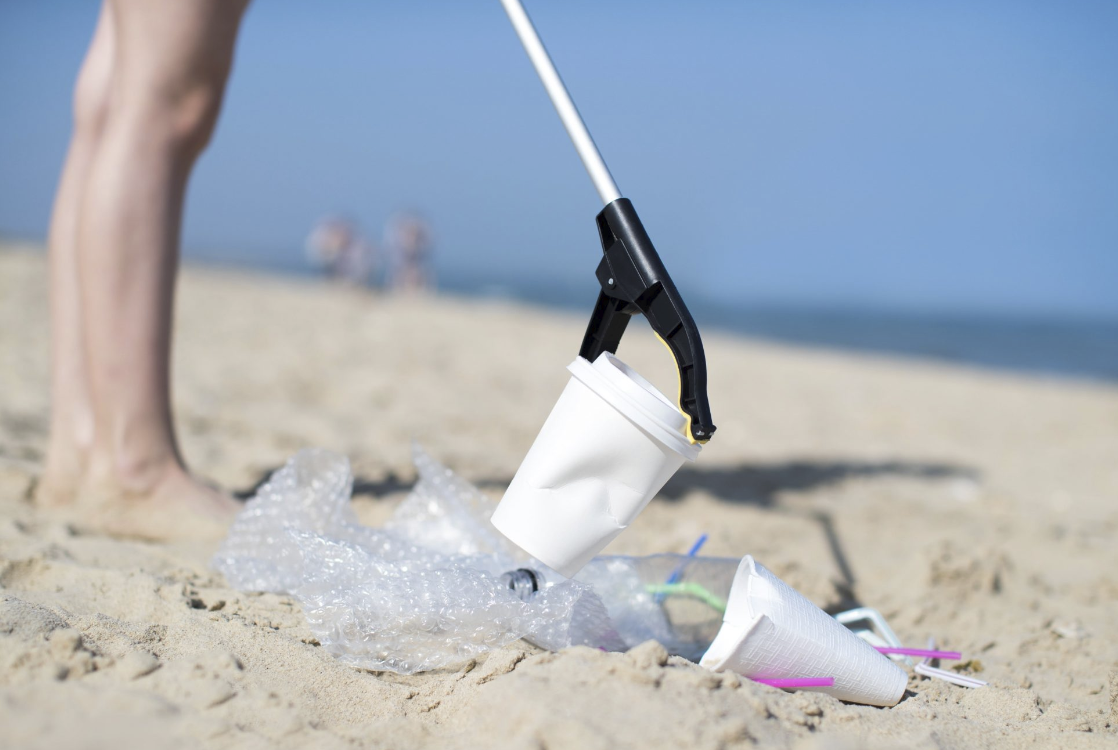 | |
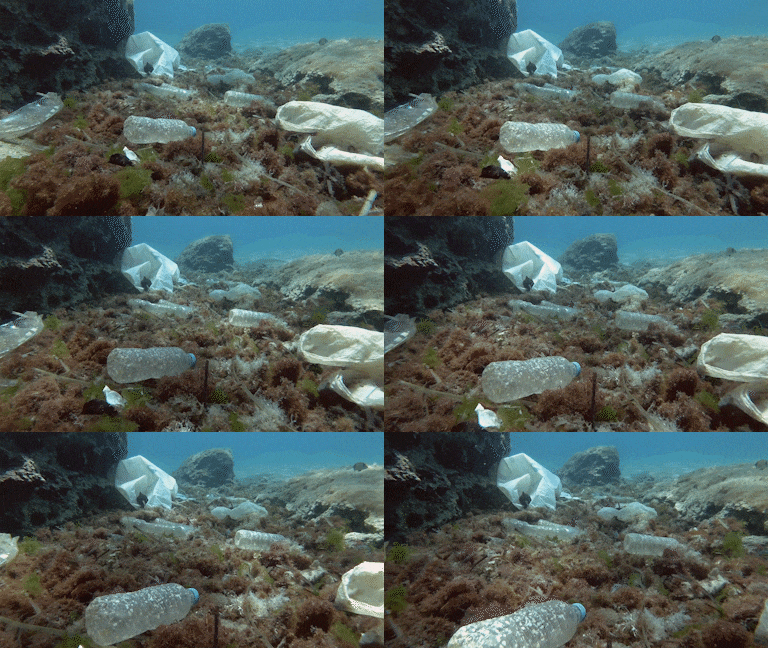
Littering — or what littering means to us today — is actually a rather modern problem. It wasn’t until roughly the 1950s that manufacturers began producing a higher volume of litter-generating products and packaging made of materials like plastic. You couldn’t toss a styrofoam cup out of your window back then because there weren’t many styrofoam cups in existence to throw away.
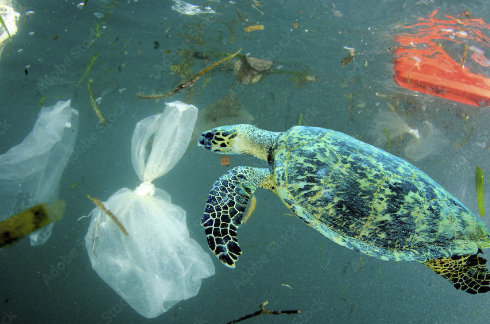
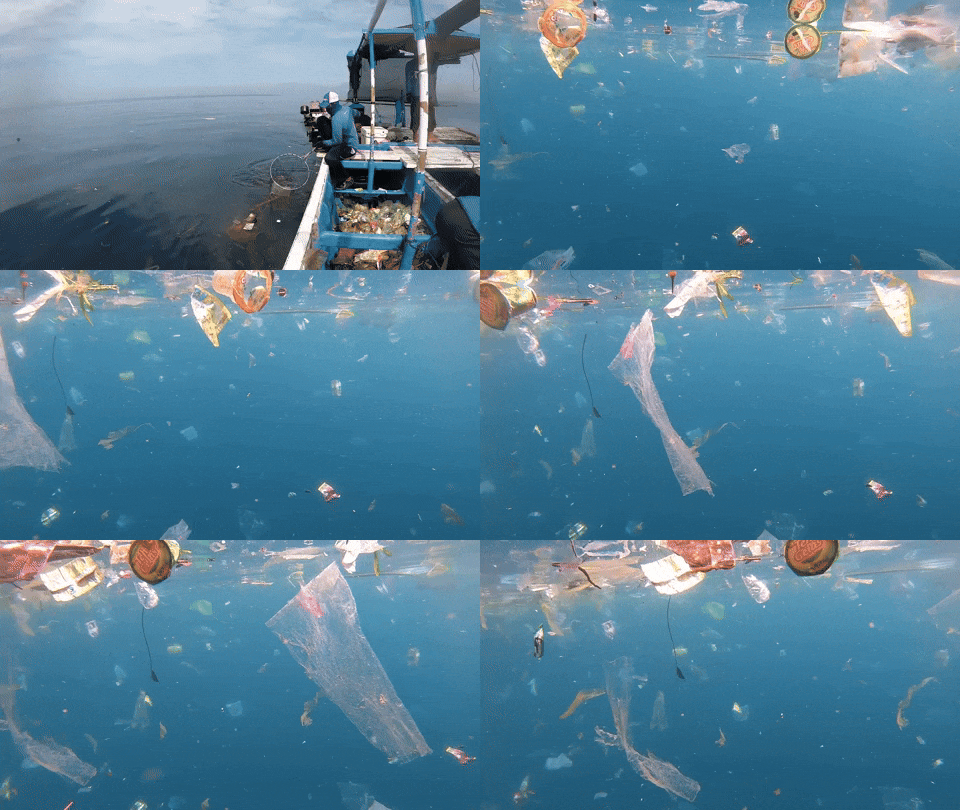
Still, the incidences of littering grew swiftly in those short few decades. Increases in littering and illegal dumping contribute to air pollution, land pollution and ocean pollution. For example, approximately 8 million tons of plastic waste finds its way into our oceans every year.
It can be difficult to fully comprehend the monumental effects throwing a cup out of a window or dropping food packaging on the ground can have. The following facts about littering aim to shed light on what littering is, why people litter, how litter affects the environment and what you can do to prevent littering and encourage others to do the same.
| |
U.S Environmental Protection Agency Reports | |
Learn About Aquatic Trash |  | |
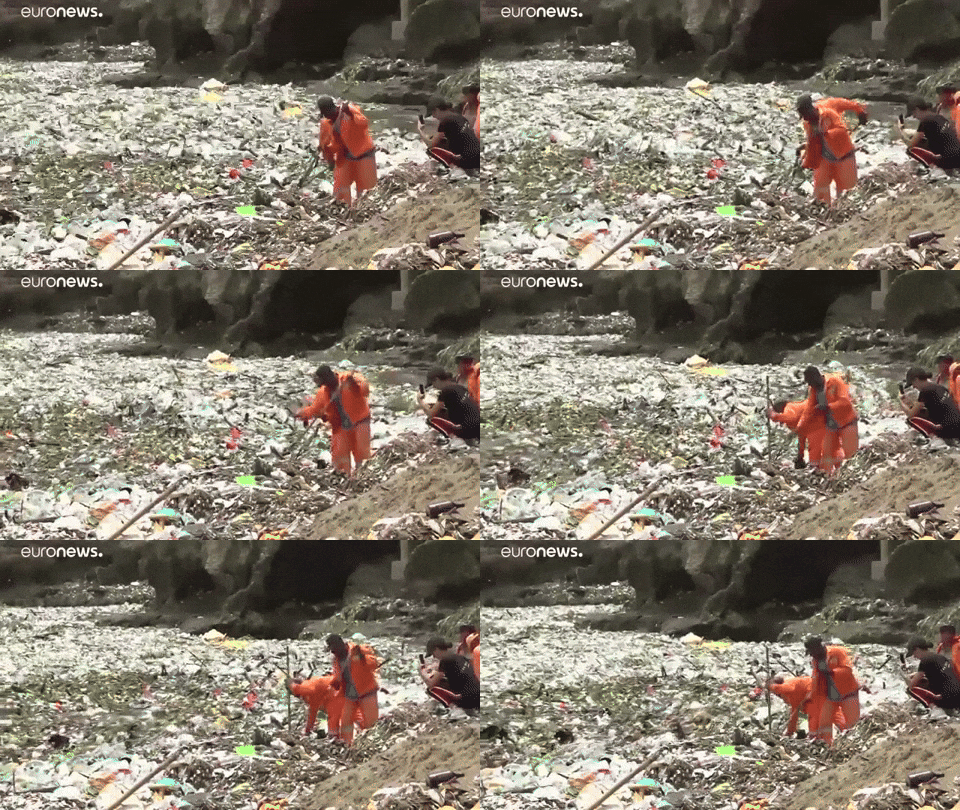
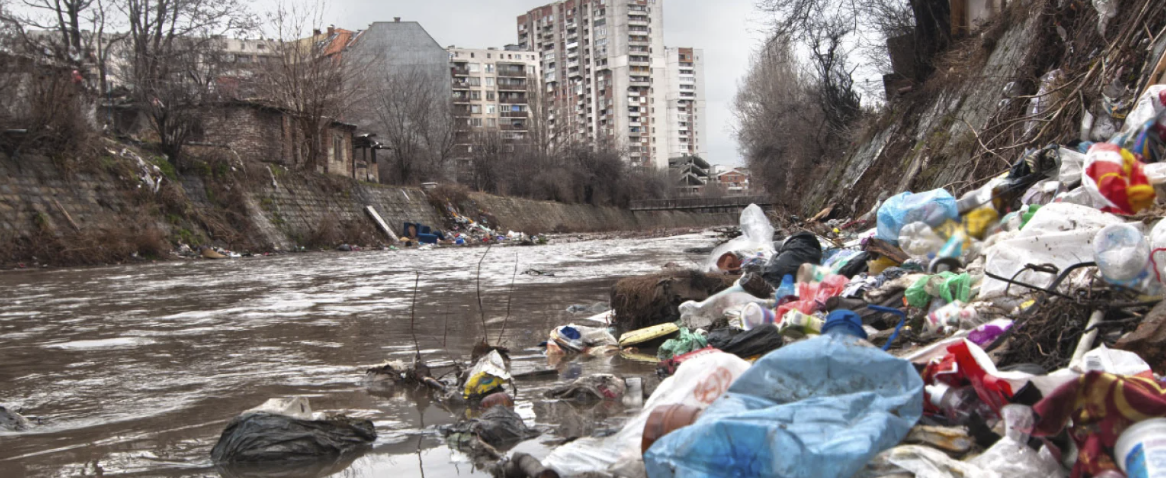
EPA’s Trash Free Waters (TFW) program refers to the garbage polluting U.S. rivers, lakes, streams, and creeks as “aquatic trash.” Most of the garbage that ends up in waterways comes from land-based activities.
Garbage can easily become aquatic trash if it is not properly disposed of or securely contained. When garbage is littered on the ground rather than placed in a recycle, compost, or trash bin, rain and wind often carries it into storm drains, streams, canals, and rivers. For example, a cigarette butt tossed on the ground might wash into a storm drain and travel through the stormwater system, which in some cases, leads directly into waterways. Cigarette butts contain plastic that will remain in the environment for many years.
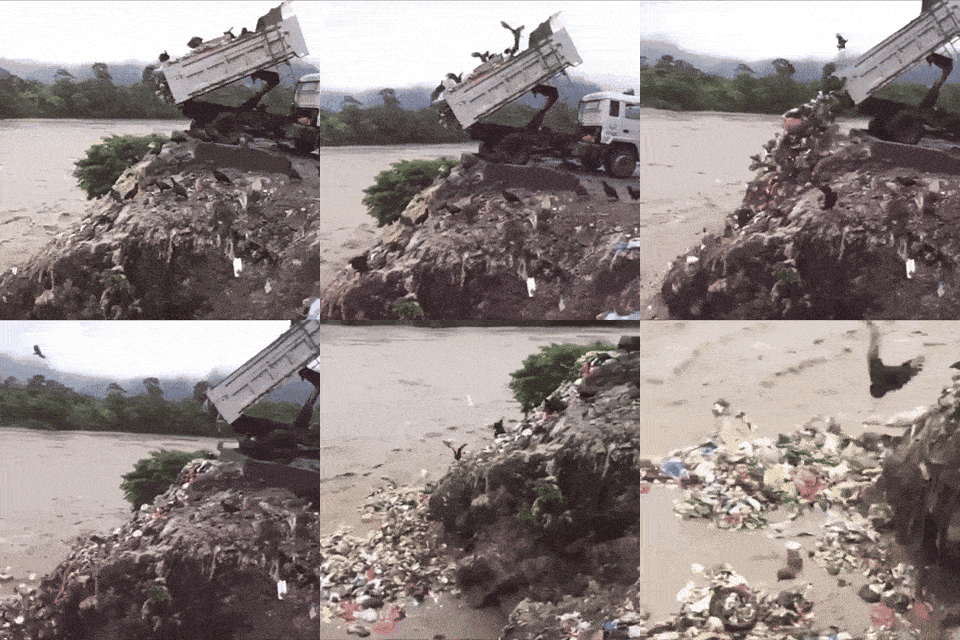
Trash also enters waterways as a result of illegal dumping in or near waterways. Illegal dumping of household waste may be more common if there is a lack of regular trash pickup services or publicly available dumpsters. Additionally, trash can blow out of overfilled trash bins or off of trash collection vehicles.
| | The Great Pacific Garbage Patch | |
Rubicon Reports
July 8, 2022
| |
The Devastating Effects of Mismanaged Trash on Wildlife
| |
|
With National Wildlife Day just around the corner, here at Rubicon® we wanted to honor this day, as well as the work of our partner, the National Wildlife Federation, by taking a look at the effects of mismanaged trash on the animals and plants with which we share our planet.
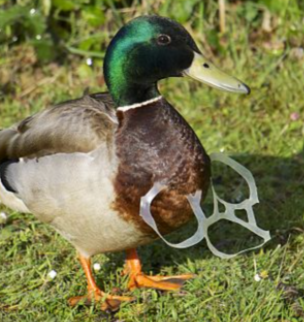
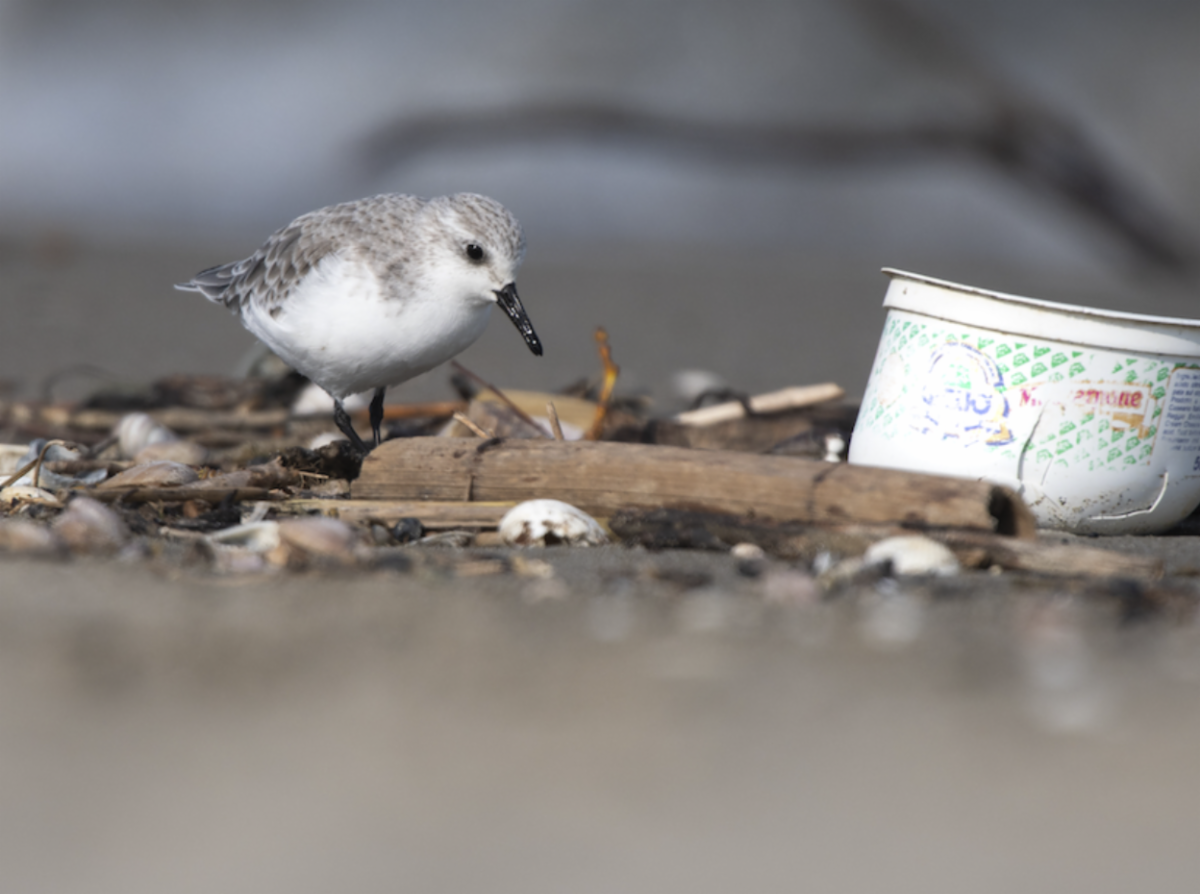
Littering and its effects pose a significant threat to wildlife here on Earth. But how exactly does litter affect nature in the environment?
| |
POWERFUL VIDEO: Why We Need to Stop Plastic Pollution in Our Oceans FOR GOOD | Oceana | |
litter and soil contamination | |
|
Texas Disposal Systems Reports
February 5, 2024
| |
Land Pollution: Causes, Effects
and Prevention
| |
|
Land pollution — or the degradation of our soil by outside contaminants — is largely the result of unsustainable agricultural practices, the improper disposal of waste (both hazardous and non-hazardous), mining (often called “mineral extraction”), illegal dumping and littering.
In the 21st century, there isn’t a single surface or space on Earth that hasn’t in some way been impacted by pollution. The consequences are far-reaching for both the environment and human health.
While the prevention of land pollution on a large scale will require changes in policy and regulation, there are steps that individuals can take in their daily lives to help prevent land pollution.
| |
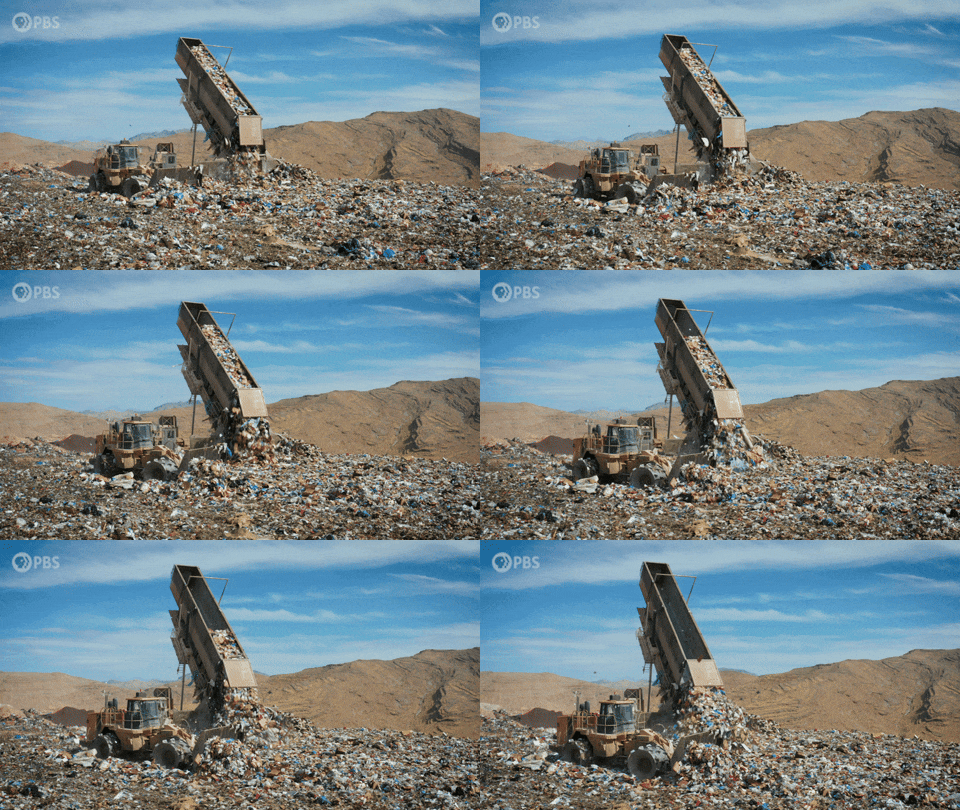
Where Does Your Trash End Up? | |
Soil Science of America Reports | |
What are soil contaminants? | |
|
As you’ve learned from other pages of our website, soil is a complex mixture of minerals, organic material, water, and various lifeforms. In its original state, soil was an uncontaminated substance covering the earth. But humans have intentionally and accidentally poured harmful products onto it in some areas. The waste can hurt the soil and possibly human, plant, and animal health. This section covers the most common soil contaminants, how they got there, and how they can pose problems for human health.
By definition, any substance in the soil that exceeds naturally-occurring levels and poses human health risks is a soil contaminant. As a quick example, arsenic naturally occurs in some soils. But if a person sprays certain pesticides on their yard, that could cause soil contamination. Lead is also very dangerous but occurs naturally in some soils. It was used in gasoline until 1989 and can still be found contaminating soils today.
| |
Soil Pollution, a hidden reality | |
Prevalence of people living near landfills | |
|
Kiro 7 News Reports
December 16, 2021
| 1 in 6 Americans live within 3 miles of toxic waste site, according to new report | |
|
Millions of Americans live near toxic waste sites across the country and may not even know it.
A new report from the U.S. Public Interest Research Group (PIRG) explores the funding to cleanup these areas known as Superfund sites.
A Superfund is a contaminated site with hazardous waste that has been flagged by the Environmental Protection Agency (EPA) to be cleaned up.
| |
The Guardian Reports
May 21, 2019
| |
Lower-income and minority communities are exposed to majority of the pollution coming from waste-burning plants, report finds
| |
The placement of incinerators appears to follow a well-established pattern of environmental injustice in the US, where communities of colour are far more likely to be housed next to sources of pollution, such as power plants, highways, landfills and other industry, than their white counterparts.
| |
Springer Nature Reports
May 21, 2019
| The Father of Environmental Justice Exposes the Geography of Inequity | |
Black people face some of the highest cancer and asthma rates in the U.S., statistics that are inarguably linked to the environment in which someone lives, works and plays. But until Robert D. Bullard began collecting data in the 1970s, no one fully understood how a person's surroundings can affect their health. And no one, not even Bullard, knew how segregated the most polluted places really were.
| Environmental Justice: Opposing a Toxic Waste Landfill | THE HEALTH IMPACTS OF LITTER | |
U.S. Environmental Protection
Agency Reports
| |
Health Effects of Residence Near Hazardous Waste Landfill Sites: A Review of Epidemiologic Literature | |
This review evaluates current epidemiologic literature on health effects in relation to residence near landfill sites. Increases in risk of adverse health effects (low birth weight, birth defects, certain types of cancers) have been reported near individual landfill sites and in some multisite studies, and although biases and confounding factors cannot be excluded as explanations for these findings, they may indicate real risks associated with residence near certain landfill sites. A general weakness in the reviewed studies is the lack of direct exposure measurement. An increased prevalence of self-reported health symptoms such as fatigue, sleepiness, and headaches among residents near waste sites has consistently been reported in more than 1 0 of the reviewed papers. It is difficult to conclude whether these symptoms are an effect of direct toxicologic action of chemicals present in waste sites, an effect of stress and fears related to the waste site, or an effect of reporting bias. Although a substantial number of studies have been conducted, risks to health from landfill sites are hard to quantify. There is insufficient exposure information and effects of low-level environmental exposure in the general population are by their nature difficult to establish. More interdisciplinary research can improve levels of knowledge on risks to human health of waste disposal in landfill sites. Research needs include epidemiologic and toxicologic studies on individual chemicals and chemical mixtures, well-designed single- and multisite landfill studies, development of biomarkers, and research on risk perception and sociologic determinants of ill health. | |
|
Oprah Daily Reports
November 30, 2022
| Litter Doesn’t Just Hurt Our Planet—It Can Impact Our Mental Health, Too | |
|
During the height of the pandemic, I left my apartment in Sunset Park, Brooklyn, nearly every morning at 6 a.m. to walk with my friend Jenny. I was so full of angst that I barely slept back then. Despite my chronic exhaustion, the ritual of greeting each day with a brisk walk through an unusually quiet city was as healing as it was haunting.
Jenny and I relished the stillness and silence, a sweet respite from our loud, kid-dominated households and the anxiety of Covid. It was our time to "just be."
Soon, however, we started noticing that the trash bins on the street corners were filled to capacity and spilling out in every direction—plastic bottles, bags, surgical masks, empty beer cans, cigarette butts—strewn across the sidewalks and down the eerily vacant streets.
| |
The link between litter and
crime rates
| |
|
Niskanen Center Reports
January 31, 2024
| How Less Trash Leads to Less Crime in Communities | |
Litter not only aesthetically tarnishes our surroundings but also profoundly impacts our mental well-being and sense of self-worth. In communities already struggling with numerous challenges, the sight of litter can contribute to feelings of neglect and perpetuate a cycle of social decline.
Moreover, areas plagued by litter are often vulnerable to environmental racism, with hazardous waste sites located disproportionately in communities of color. Studies show that these areas, burdened by both environmental and social injustices, also experience higher crime rates.
| |
|
Urban Green Lab Reports
November 30, 2022
| |
Cleaning up the built environment to
reduce crime
| |
Key Takeaways:
- In cities crime is highly concentrated and entrenched in a few small areas.
- Strategies to reduce crime that focus on community changes have strong theoretical and empirical support.
- The best place-based interventions reduce serious crimes by making areas less attractive to criminal behavior rather than relying on arrests or social services.
- Cleaning up blighted physical disorder in communities is key to effective crime prevention.
- Place-based interventions should be viewed as complements to effective and constitutional policing.
- Governments should provide matching grants and other incentives to encourage communities to make improvements that reduce crime.
| |
|
Taking Out the Trash
Addressing the Litter Problem
| |
AVOID FINES BY NOT LITTERING | |
State of Illinois Reports
March 23, 2021
| |
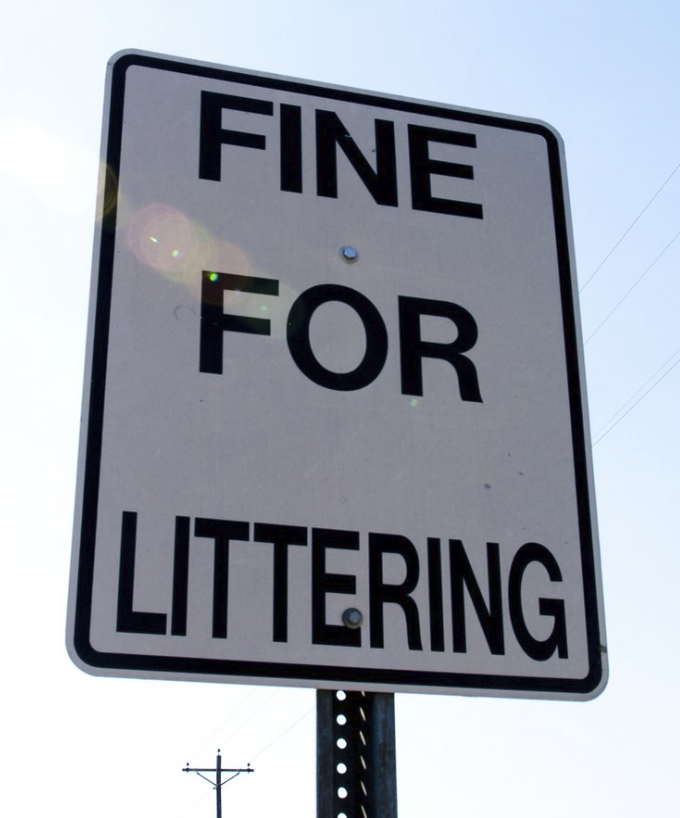
Littering is illegal, subject to a fine of up to $1,500. If convicted of littering on a highway, the violator may, in addition to other penalties, be required to maintain litter control for 30 days over a portion of that highway as well.
Litter kills plants and animals.
It's unsightly - no one likes to live where there's litter.
Littering is a problem that's easily controlled. Use a trash can instead.
Remember: Think before you throw!
| |
CLEAN UP LITTER IN YOUR Community
| |
|
Camelbak Reports
November 30, 2022
| |
Why Does Picking Up Litter Matter? | |
|
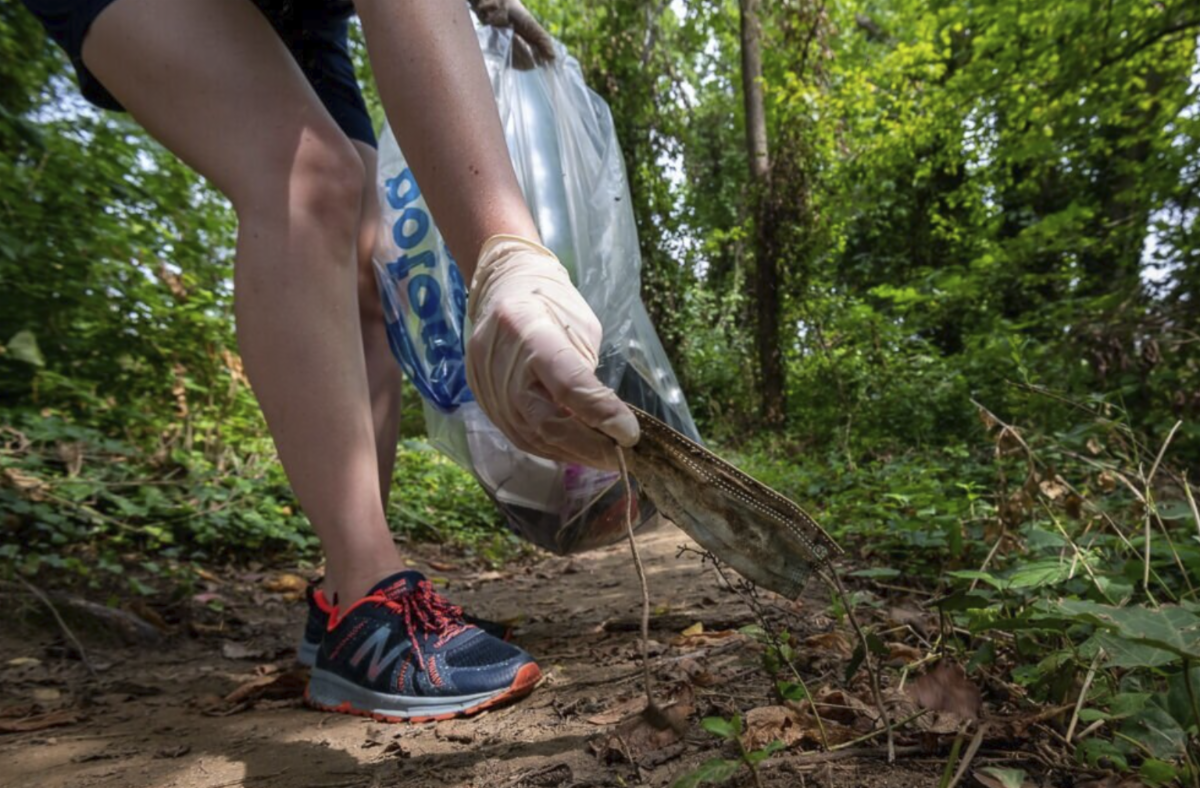
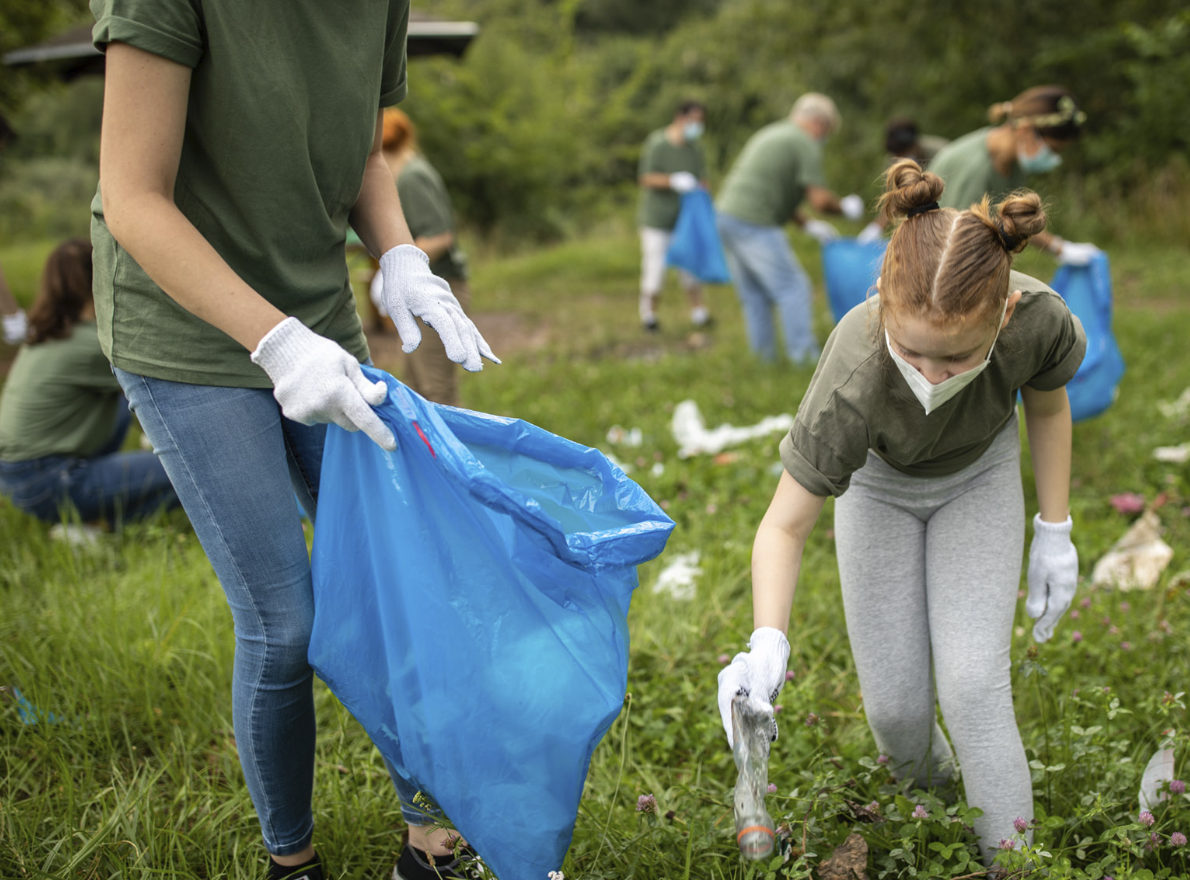
There are so many conservation efforts and ways to create a positive impact for the planet. Below are some compelling stats of why we should all pitch in to cleanup!
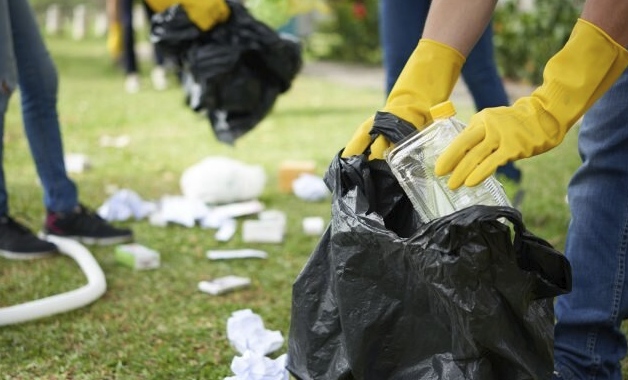
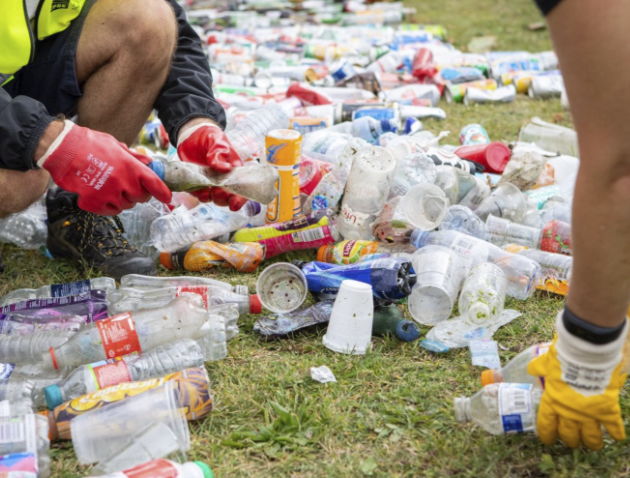
- If we spent just one hour today picking up trash, you would potentially remove thousands of pieces of trash, beautifying the area while also protecting wildlife, plant life, waterways, soil and ecosystems from toxic and dangerous chemicals and materials they shouldn’t be introduced to.
- If every person picked up just ONE piece of trash today, there would be over 300 million fewer pieces of litter
- If every person picked up 10 pieces of litter, there would be 3 Billion fewer pieces damaging our environment
- 250 million tons of trash are produced each year in the United States
- Animals from nearly 443 species are entangled in or ingest marine debris annually (imagine urban animals and wildlife near cities, illegal dump sites, campsites and trailheads)
| |
|
One Beautiful Planet Reports
November 3, 2023
| |
A Small Act with Big Rewards: 8 Benefits of Picking Up Litter
| |
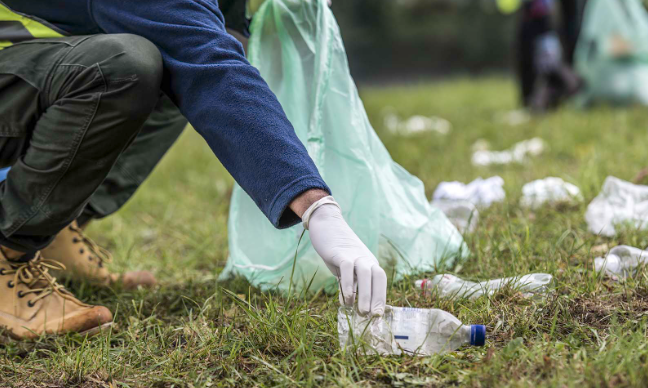
Picking up litter. A simple, oh so simple action that can have tremendous benefits.
This small act not only benefits our immediate environment, but has significant advantages for you as well. The folks at the wonderful company Waterhaul described them in great detail.
Let’s take a look at eight benefits I have found as well while driving to work the other day. I am sure there are more!
| |
Click images Below to Connect with Local Illinois Organizations Fighting Litter | | | | |