Cross Harp News #2

August 2024 Edition

Jon Gindick

Information, Instruction, Inspiration 


I am excited to present my August Cross Harp News #2. Your suggestions for instruction will stimulate me to come up with new ideas for video lessons and newsletters.


  1. Introduction to 3rd Position
  2. Masters of the Blues Harmonica book
  3. Gecko Rack with Rack-It Harp Holder and Microphone
  4. One Minute Bending Lesson
  5. The Gindick Teaching Philosophy


Jon Gindick Harmonica Man

Let's Start Playing 3rd Position Now

Free video and Instruction:

https://youtu.be/gufWr0YCBMY?si=sapawDqSPvKYqJBa


Third Position always seemed like an exotic mystery. I finally got the nerve to explore it. Today, I use it on about half of my songs, especially if the song is a minor key. It gives you a fresh new sound, usually smoother than second Position, and you often do not have to bend notes (though it doesn't hurt).


What Key Harp Do You Need For Jamming in 3rd Position?


You determine what key the music is in and choose the harp that is one step back. If the music is in the key of A minor, you play a G harp. If the music is in the key of D, play a C harp. My favorite harp for playing 3rd position is the G harp. As stated above, that would be in the key of A minor.


Learning Platform: 3rd Position


One of the advantages of 3rd Position is it’s easier than 2nd Position with a natural blues scale between holes 4 and 10. That scale is 


4d 5d 6b (6d*) 6d 7b 8d 9b 10d 10b.


A basic Up and Down Blues riff is


4d 5d 6b 6d*6d


Other than that optional easy bend at 6 draw, there are no bends.


Why Is It Called 3rd Position?


This is a bit of a rabbit hole. What’s important in my philosophy is that you start wailing first, and learn details like this later. However, I’ll say this: the ordering of 1st, 2nd, 3rd positions, 4th, 5th, on up to 12th position follows a standard musical concept called the Circle of Fifths.


Comparing 2nd to 3rd Position


Almost everybody starts playing blues harp in Cross Harp, also known as 2nd Position, so let’s understand 3rd Position by comparing it to 2nd Position. 


In 2nd Position your main root note is 2 draw. Four draw is a wailing note. It creates tension and almost always works with the music. The notes in between are Stepping Stone Notes. The first 2nd position riff I teach my beginners is:


The Up & Down Blues Riff 

(2nd position)

2d 3d 4b 4d (pause) 4d 4b 3d 2d


You can use the combinations of Up and the Down Riff to play solo or jam with your guitar player. While this is a great start, you soon realize how important the bent blue notes are, especially at 2 draw**, 3 draw*, 4 draw*, and 6 draw*. 


To help illustrate this, here’s the famous line from Willie Dixon’s blues masterpiece “Spoonful” in 2nd Position. If the music is in the key of A minor, you play a D harp. It’s not that hard, but there’s that half-step bend* on 3 draw which is very important to

2nd Position Spoonful

2d  3d*   2d 3d*   2d 3d* 2d

That spoon, that spoon, that spoonful.


Same riffs in 3rd Position.


3rd Position Up & Down Riff

4d 5d 6b 6d (pause) 6d 6b 5d 4d 


3rd Position "Spoonful"


You play that opening line by going between 4 draw and 5 draw. There are no bends, and it sounds great! Those notes that were so hard to get in Cross Harp are easy in 3rd Position. 


3rd Position "Spoonful"

4d  5d     4d 5d    4d 5d 4d

That spoon, that spoon, that spoonful


You can play the entire song in 3rd Position with no bends.

Here's a 6 minute excerpt from my 110-minute video, 3rd Position Forever, that shows you how


Free Spoonful Lesson tab and song

This video/lesson is an excerpt from my instructional masterpiece "3rd Position Forever" Grab yiur G harp and let's learn and jam:

https://youtu.be/gufWr0YCBMY?si=MbbB3fN69gbDZqRJ


Want to get into it more deeply?

3rd Position Forever!

:I just completed a 10-chapter 120-minute instructional video I named "3rd Position Forever." It is the sister to "Cross Harp Forever." These two master classes are complete courses for beginner through intermediate.

http://www.Gindick.com


.

Important Products from Brilliant Friends

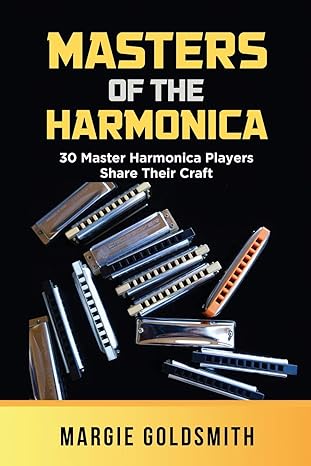
Masters of the Harmonica

Masters of the Harmonica

30 Master Harmonica Players Share their Craft

by Margie Goldsmith


A few years ago, harp player, Jam Camper and pro writer Margie Goldsmith, published a wonderful book of in depth interviews with 30 current masters of blues harmonica–including Kim Wilson, Billy Branch, Annie Raines, Magic Dick, Rick Estrin, Joe Filisko, Jason Ricci, Charlie McCoy, Charlie Musslewhite and many many more. The subjects each tell their story of how and why they started playing and also shares tips and advice on the craft of the diatonic harp.

Masters of the Harmonica is available at Amazon.com.

The Best Harp & Guitar Rack System


I have played Harp & Guitar for 55 years. It was great to be able to do that, but the harp holders were tremendously frustrating. It was hard to get them to your lips at the right angle and distance. They gave you neck aches. It was hard to tighten them. One contraption had so many knobs and bars it made you look like Darth Vader with a guitar.


Not any longer. These two amazing products from two different inventors and companies changed everything.


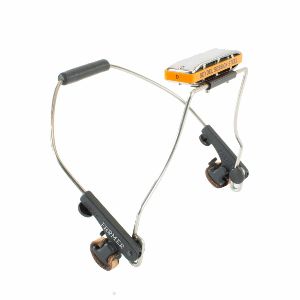
The Gecko Neck Rack


The best harmonica rack is the Gecko sold by Seydel or by the inventor, Pete Farmer. It uses a simple and effective design that attaches to the harp with a powerful magnet. This rack is easily adjustable, stays in place, and is quite comfortable on the neck. You can place the harmonica directly on the magnet and play the uncupped style.


Pete's main gig is making foot drums for guitar players. (and harp.)

You will love his website.


Get the Gecko Harp Rack from Farmer Foot Drums: https://www.footdrums.com/harp-holders/

Gecko Harp Rack

The Rack-It Harp Holder & Mic System


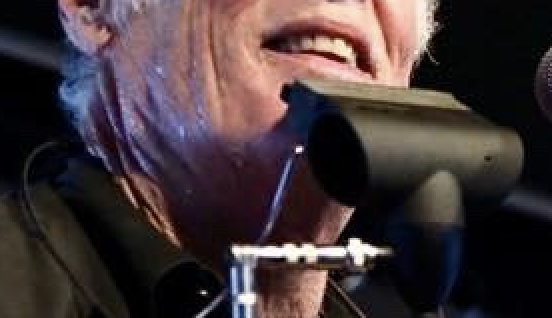
I also use Greg Huemann’s remarkable harp holder, the Rack-It. Although you can use the Rack-It with any harp holder, it works specifically with the Gecko rack. The harp slips into a slotted tube that mimics hands and attaches to the Gecko rack via the magnet. Be sure to ask for the steel bar when you order from Greg. Attached to the rack-it is Greg’s small and lightweight Bulletini microphone for a GREAT sound. Greg's main gig is inventing and customing hand-held harmonica mics, and the Rack-It is the winner: https://www.blowsmeaway.com/rackit.html


One Minute Lesson to Bend Notes or to Bend Them Better

Start doing it this way and take your bends beyond slurring into actual notes: https://youtu.be/_gg3GnZitEc?si=oyEpMNWrXV05665s


Are You Too Old to Start Music Lessons?


You tell me. I'm 76 on my way to 100. I just started in (again) with singing lessons. New ways of playing the harp and guitar. Recording myself over and over. Music lessons keep me stimulated. I gotta get better over the next 25 years!


The Gindick Teaching Philosophy

"Some musicians are born with natural talent.

Others build it hammer n' nail."

Muddy Waters


"I'm a hammer n' nail guy.."

Jon Gindick


Brainstorm:

I try to teach with...

Encouragement, Inspiration, Information, Slow-motion Examples and Jamming.


  • Appeal to the student's intuitive mind.
  • Get good at the fundamentals first. Use these fundamentals to for real-time jaming. Instead of long winded scales, emphasize short usable patterns and riffs.
  • Always provide guitar for jamming.
  • Learn by doing.
  • Find ways to make practice fun.
  • Teach theory mostly on an as-needed basis.
  • Teach with words, sounds, pictures...and your own relaxed vibe.
  • Avoid overwhelming the student.


Most importantly: help the student relax,

physically, mentally, and vibe-wise.


WOW!! Below is a YouTube video testimonial from a harp player who says ol' Gindick's instruction changed his life philosophy.

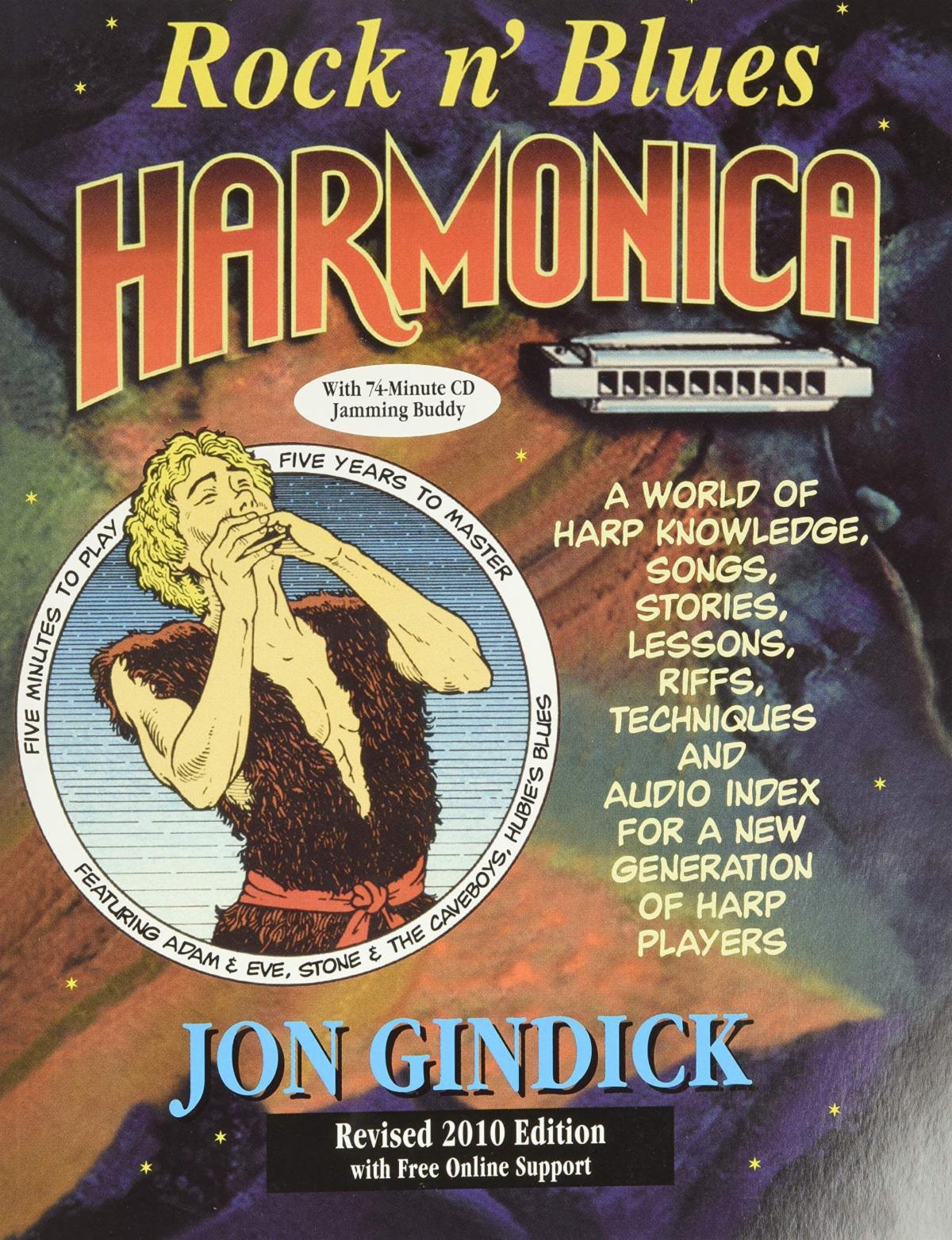
Rock-N-Blues-Harmonica.jpg

I know it sounds incredible but this video/testimonial explains how my teaching helped his harping and, more importantly, changed his life philosophy. What an honor and inspiration! Thank's Tommy Blaney!


"Jon Gindick's Harmonica Instruction Changed My Life Philosophy"

Gindick Teaching Philosophy

That's all for this newsletter, and I hope you get a lot out of it. As you are discovering, learning third position is a great gift to yourself. I hope you will pursue it and get this wonderful and easy approach into your harmonica tool kit.


Your harp buddy,


Jon Gindick

Jon Gindick Signature
Facebook  Instagram  YouTube  X