|
Monthly Freestyle
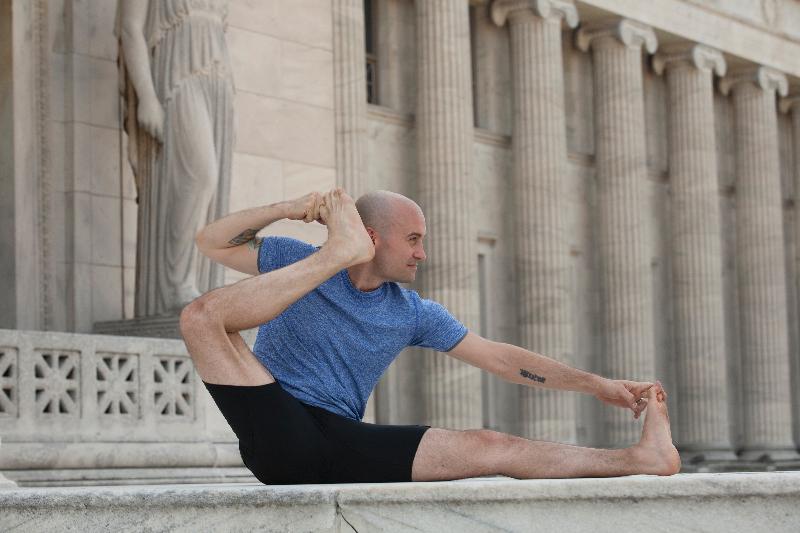
Friday, May 20
2pm to 5pm
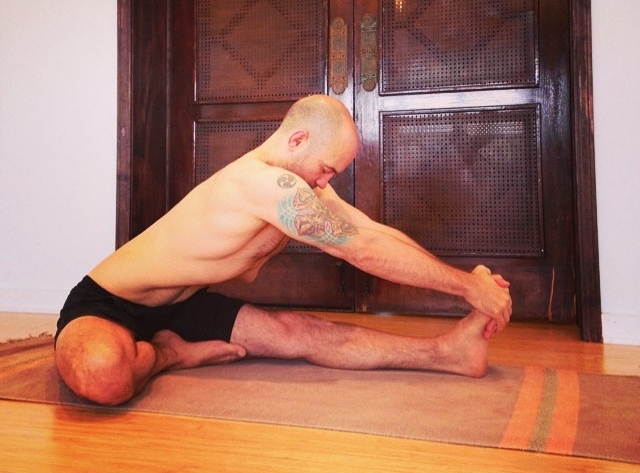
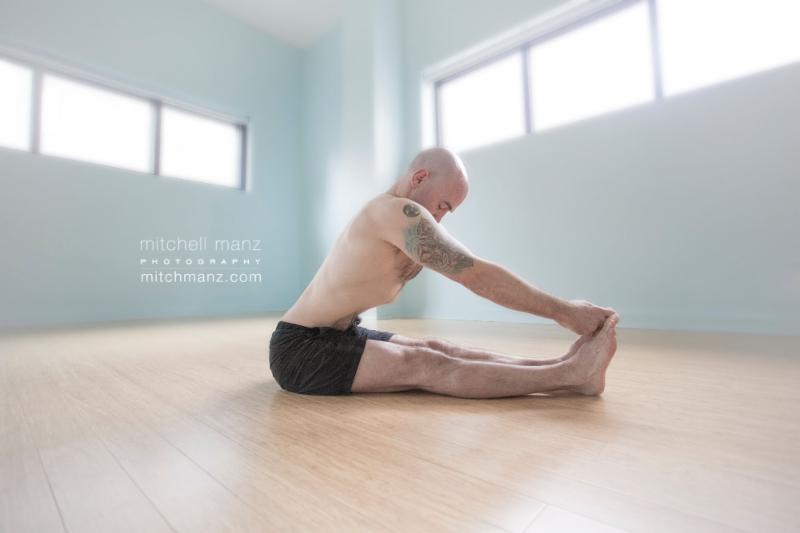
Back by popular demand, these three-hour freestyle intensives are unique in that I practice alongside the students. This allows me to hold the space and set the tone more effectively. In this class we will focus on hip openers and side stretches as well as breath work and meditation to help cultivate mental clarity.
Go to
to save your spot.
|
|
|
Kriya, Pranayama, Bandha
:
Awakening Body, Mind, and Spirit
June 13-17
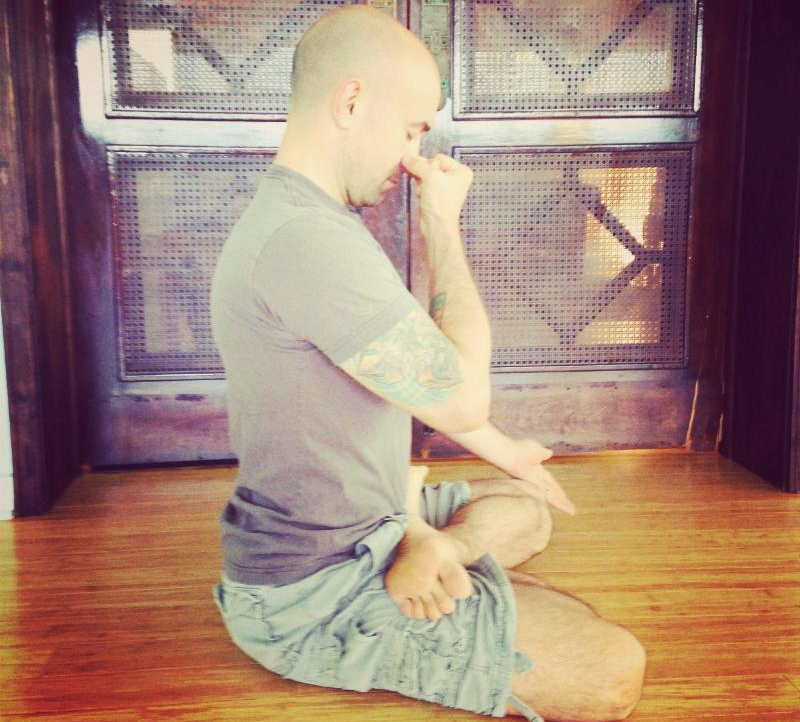
This five-day training is geared towards yoga teachers that would like to learn how to skillfully teach purification techniques, breathwork, and physical locks to help cultivate and direct the vital life force.
To learn more and save your spot, go to Pranayama |
|
Online Classes and Tutorials
A 25-Minute Practice to Calm the Nervous System
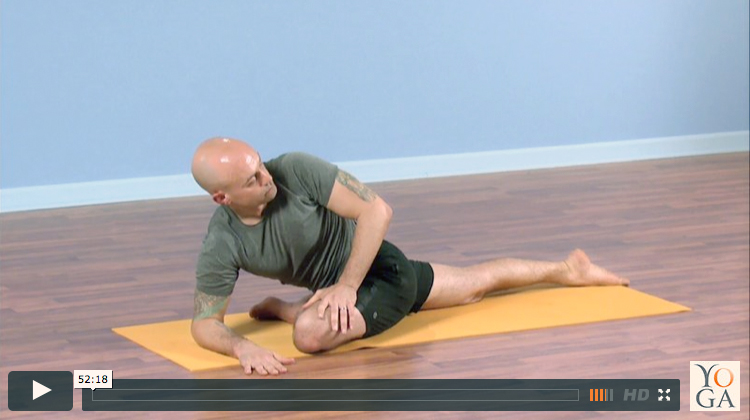
In early December I returned to the Himalayan Institute to film six new online classes and four short tutorials. One of the most popular classes is a short 25-minute practice to calm the nervous system. Go to Yoga International to check it out.
|
|
New Online Column
I'm honored to be writing a column for the online publication
Sonima. The latest topic I've been asked to expound upon is how to incorporate uddiyana bandha into your practice.
To read the article, go to Uddiyana Bandha |
|
Out of Town Workshops and Trainings
|
|
Aurora, IL
Rock Island, IL
August 26-28
YMCA
Des Moines, IA
September 9-11
Midtown Yoga
Memphis, TN
|
|
My Weekly Class Schedule
at Tejas Yoga |
|
|
Monday:
10am Open
Tuesday:
7am Open
10am Vigorous
Wednesday:
10am Open
Thursday:
10am Vigorous
3:30pm Pranayama
Saturday:
10am Vigorous
|
|
How Breath Retention (Kumbhaka) Affects the Mind
"By stopping the prana through retention, the mind becomes free from all modifications." Hatha Yoga Pradipika
|
|
Like most other yoga practitioners I spent a number of years attending beginner classes. The instructor would keep his or her cues very simple and oftentimes just focus on physical alignment of basic postures. The only mention of the breath was, "breathe smoothly through your nose" and sometimes, "don't hold your breath".
Once I started going to more advanced classes, I began hearing more intricate cues for both the alignment of postures and breathing. In some cases, the advanced instruction contradicted what I had learned years before. Holding the breath was sometimes encouraged, and I noticed that breath retention actually had some benefit in going deeper into the practice. Were my original teachers wrong? Why would someone purposely stop breathing?
The truth is, what I had learned in the beginner classes was very appropriate at that time.
When someone begins yoga, chances are good that their breath is short, choppy, and irregular. This breathing pattern can aggravate the nervous system and put them in "fight or flight" mode. Once the foundation of an even and smooth breath is established, the experienced practitioner can manipulate the breath in a number of ways to alter the nervous system and the mind to arrive at a state of mental clarity.
The ancient yogis found that with enough preparation, at certain times, and in the correct posture, stopping the flow of the breath could assist in stopping the flow of thoughts that race through the mind. When the mind stops moving, we stop identifying with our thoughts and can connect to our true Self. It was viewed as an accelerated path to the deepest states of meditation.
In theory this sounds great, but the truth is that everyone reacts to breath retention (called
kumbhaka in Sanskrit) a little differently. I know some experienced practitioners that can do very complex postures but become anxious and notice their minds racing more when they stop the breath. Just like a good teacher knows how to modify a sequence of postures to fit an individual or group, one can also be taught how to apply, and sometimes modify, advanced techniques like kumbhaka to get the mental clarity that defines yoga.
Our next five-day training for teachers (see sidebar to the left) on kriya, pranayama, and bandha addresses the topic of kumbhaka and other ways of altering the breath in great detail. If you have completed a 200-hour training and have an interest in breathwork, I would highly recommend checking it out.
I hope to see you at a class, workshop, or training in the near future.
Shanti (peace),
Jim
|
|
|
|
Tantric Vinyasa Retreat
February 11-18, 2017 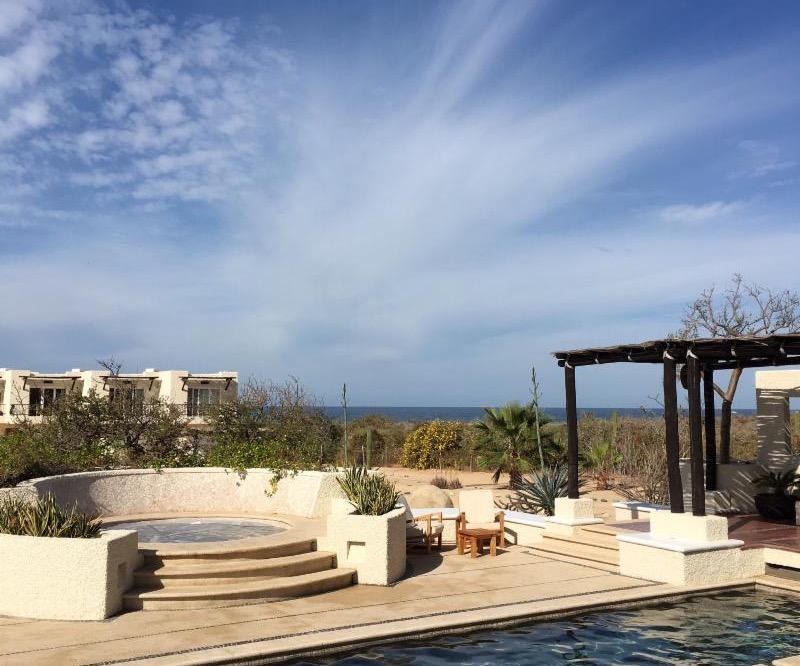
After another successful retreat to Prana del Mar last February, we've decided to return one more time in 2017. This beautiful oceanfront yoga retreat and wellness center at the southern tip of Baja, Mexico has won praise from multiple publications as being one of the top retreat centers in North America. Check out this write-up in Travel and Style.
Attending a yoga retreat is a great opportunity to escape the winter, unplug from your hectic work schedule, and deepen your practice. Every morning will begin with a vinyasa class focusing on detoxification. The afternoon session will focus on rejuvenation with a gentle asana session and extended pranayama. In between classes you'll have time for excursions such as surfing, whale watching, and horseback riding, not to mention three gourmet meals a day.
Most major cities have direct flights into San Jose del Cabo International Airport (Los Cabos) at a reasonable cost and the resort is just a short drive from the airport.
Many have described Prana del Mar as a luxury retreat center and say it is the best kept secret on the Baja peninsula. Go to the retreat page of my website for all the logistics.
If you are interested, email ashley@jimbennitt.com to save your spot. The resort only has 16 suites and some previous attendees are already putting deposits down to save their spot. It's sure to fill up!
|
Thanks for your continued support in my journey. I hope to see you soon.
Shanti,
Jim |
|
|