August 2024
From Seth Schalet, Santa Clara County FireSafe Council CEO
| | |
|
Summer isn’t even half over in California, and at the time I wrote this introduction to our August Newsletter, wildfires have already scorched more than 791,432 acres - a land mass nearly the size of Rhode Island, marking a 3,000% increase from all of 2023. The fires have destroyed 1,165 structures and claimed one life, so far in 2024 according to CAL FIRE data. Oregon, Colorado and the rest of the U.S. West hasn't been spared either.
Before I joined the Santa Clara County FireSafe Council, I wasn’t aware of Mutual Aid and how incident deployments happen. I am now and know many units and firefighters that have been deployed on multiple incidents so far in 2024. Let’s take a moment to thank the women and men-and their families - of our OES and fire service agencies for all they do for you and me. Yes, it’s their job, but that doesn’t make it any easier, relieve the stress they all go through, or that we don’t have to show our gratitude. We have months to go, and the term “fire season” to me, conjures up a bygone era in predictability of where and when wildfires are likely to occur. Under climate change and other concurring factors, in the U.S. West, and particularly California, we have a strong case for revising the phrase to “fire year.” Think of the implications of that for us, and those that serve.
No grass has grown under SCCFSC’s feet since our last newsletter (D-space pun? You decide). Since, we have announced a new strategic alliance with Ladris Technologies to market a resell their artificial intelligence life safety and evacuation preparedness platform throughout San Mateo, Santa Clara and Santa Cruz counties, and to all Fire Safe Councils statewide. The Ladris suite of EVAC-1 and FIRE-1 offers the most robust tools available for emergency managers, fire agencies and local municipalities to manage evacuation response and strategic fire mitigation, while incorporating AI-driven real-time situational awareness and risk detection capabilities. We are excited to partner with them.
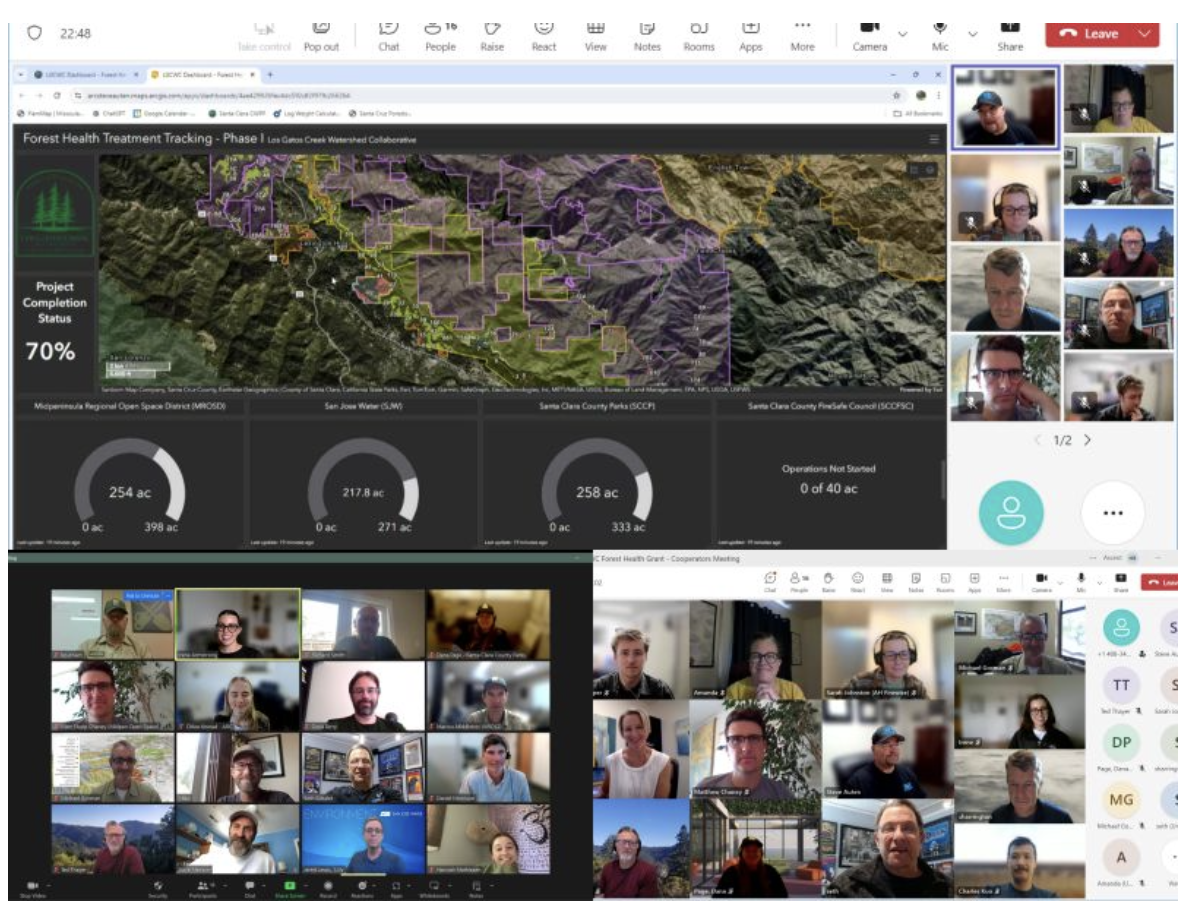
Got Polygons? What makes a collaborative effective? Treating 2,000 acres of sensitive watershed ecosystems for forest health & wildfire resiliency & you're in the Los Gatos Creek Watershed Collaborative!
| | |
|
Special thank you to all our collaborators including San Jose Water, Midpeninsula Regional Open Space District, County of Santa Clara Parks and Recreation Department, Auten Resource Consulting, Bay Area Tree Specialists, Ascent, Lupin Lodge and the Santa Clara County FireSafe Council team we have on these projects. Last, but far from least, thank you to the California Department of Forestry and Fire Protection (CAL FIRE) for the two Forest Health Grants to enable this vital work! Photos from August 1st LGCWC Forest Health Grant - Cooperators Meeting & LGCWC Ops Plans Meeting. Photos taken by Heather Blair and Irene Armstrong.
Exciting news to share with our readers. The Santa Clara County FireSafe Council has been part of a collaboration with Stanford University, Palo Alto Fire and Office of Emergency Services, the Woodside Fire Protection District, the Department of Homeland Security (DHS) Science and Technology Directorate (S&T), and N5 Sensors to bring the latest in artificial intelligence (AI) based wildfire smoke sensing technology to the local Wildland Urban Interface (WUI) around Stanford, Palo Alto and Woodside. We are proud to announce that 50 N5 Sensors will soon be installed in our partner's WUI areas. Grateful to our partners for their vision and commitment to wildfire safety throughout our region. Stay tuned for a formal announcement coming soon.
Shefali Juneja Lakhina, PhD has a podcast titled The FireTech Podcast. In her latest release, she interviews my friend, Frank Frievalt, retired Fire Chief. Frank, now Director of Cal Poly's Wildland-Urban Interface (WUI) Fire Institute. Frank previously served as Fire Chief for the Mammoth Lakes Fire Protection District, division chief of operations for the Sparks Fire Department, among other leadership roles. If you’re going to listen to just one podcast this week, make it this one- Innovating on the Frontlines: with Frank Frievalt. listen here.
In closing, I’d like to announce our upcoming Santa Clara County FireSafe Council board meeting guest speakers through year-end. As a reminder, there is no August board meeting.
Picking up on September 17th, my friend Judson Boomhower will make a return appearance to present the highlights of his recent study How Are Insurance Markets Adapting to Climate Change? Risk Selection and Regulation in the Market for Homeowners Insurance (with Meredith Fowlie, Jacob Gellman, and Andrew Plantinga). Moving to October, Assad A. Oberai, Hughes Professor and Professor of Aerospace and Mechanical Engineering, Viterbi School of Engineering, University of Southern California, will present his team’s research on enhanced wildfire spread prediction titled Generative Algorithms for Fusion of Physics-Based Wildfire Spread Models with Satellite Data for Initializing Wildfire Forecasts during our October 15th board meeting. Our partner, Ladris Technologies will demo their EVAC-1 and FIRE-1product suite and take your questions at our November 19th board meeting. Last, but not least, Amy Metz, PhD Student, School of Civil and Construction Engineering, Oregon State University and coauthor of the newly published The Influence of Housing, Parcel, and Neighborhood Characteristics on Housing Survival in the Marshall Fire will present study highlights at our December 17th board meeting, to put us all in a holiday mood!
Thanks for reading, now let’s hear from the SCCFSC team.
| | |
|
Yours truly,
Seth Schalet
CEO, Santa Clara County FireSafe Council
| | |
|
Rosie Eisner
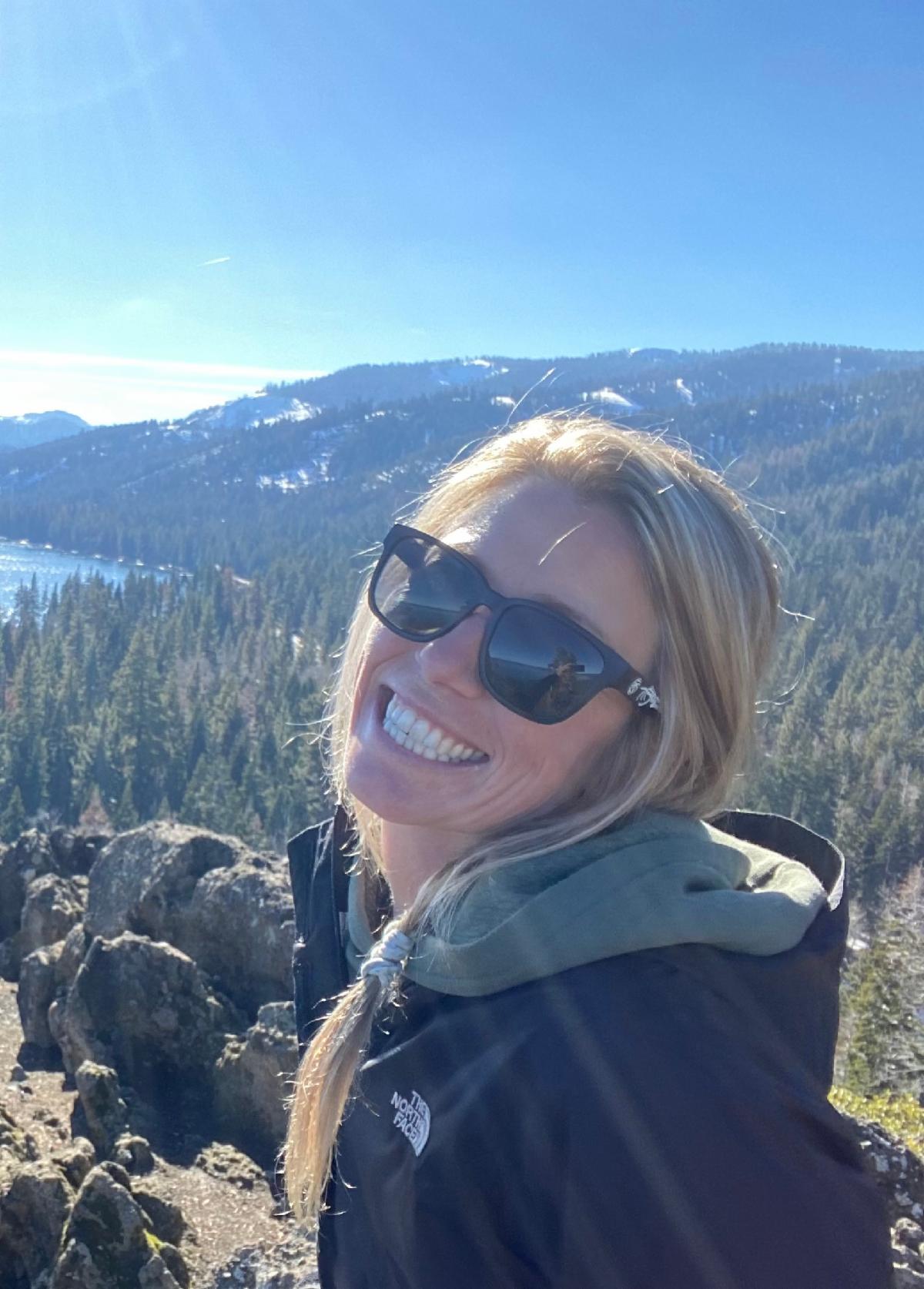
My name is Rosie Eisner and I am the newest addition to the FireSafe Council. I recently joined the team as a Project Manager, specifically tasked to work on the Community Wildfire Protection Plan. Prior to my role here, I worked at Monterey District State Parks as an Environmental Scientist with the Natural Resource Department. Being a local Santa Cruz Mountain resident, the Council's mission to "mobilize the people of Santa Clara County to protect their homes, communities and environment from wildfires," hits near and dear to my heart. I am so lucky to have this opportunity to work in the area I call home, collaborate with an amazing dynamic team, and be part of a non-profit that has positively impacted so many people in our community.
| | |
|
Balancing Fire Mitigation and Wildlife Habitat: Managing Dead Vegetation and Snags in Rural Forests
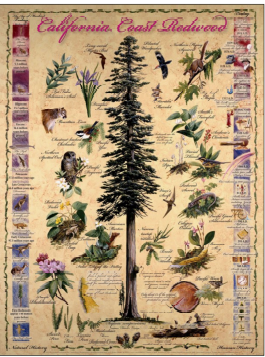
Managing fire risk and wildlife habitat in rural forests requires a careful balance between removing dead vegetation to reduce fire hazards and preserving snags for wildlife. Dead vegetation acts as fuel for wildfires, so its removal helps lower fire intensity, protects communities, and improves forest health by managing pests and diseases. Conversely, snags provide essential habitat for wildlife, support biodiversity, and contribute to ecosystem functions, necessitating a strategic approach to both fire safety and wildlife preservation.
The Santa Clara County FireSafe Council partners with environmental service companies to ensure biological surveys are conducted for our projects. Learn More
| | |
Los Gatos Creek Watershed Collaborative Forest Health Grant Update | | |
|
The Forest Health Grant has been actively engaged with Santa Clara County Parks, San Jose Water, and the Midpeninsula Regional Open Space District. In July 2024, efforts covered a total of 51.9 acres across these properties: 46.45 acres in San Jose Water's land, 2.28 acres in Santa Clara County Parks, and 3.17 acres in the Midpeninsula Regional Open Space District.
We are excited to share with you a recent highlight from our Forest Health Grant (FHG) Legislative and Media Tour. This tour has been a significant step in advancing our shared mission of promoting forest health and resilience.
In Midpeninsula Regional Open Space District latest newsletter article, “Supporting Health and Resilient Forests,” we delve into the details of the tour, showcasing the collaboration and progress achieved through our partnership. The piece provides a comprehensive look at the legislative support we’ve garnered and the impactful media coverage that underscores the importance of our work.
To read more about the tour and its outcomes, please follow this link: Supporting Health and Resilient Forests.
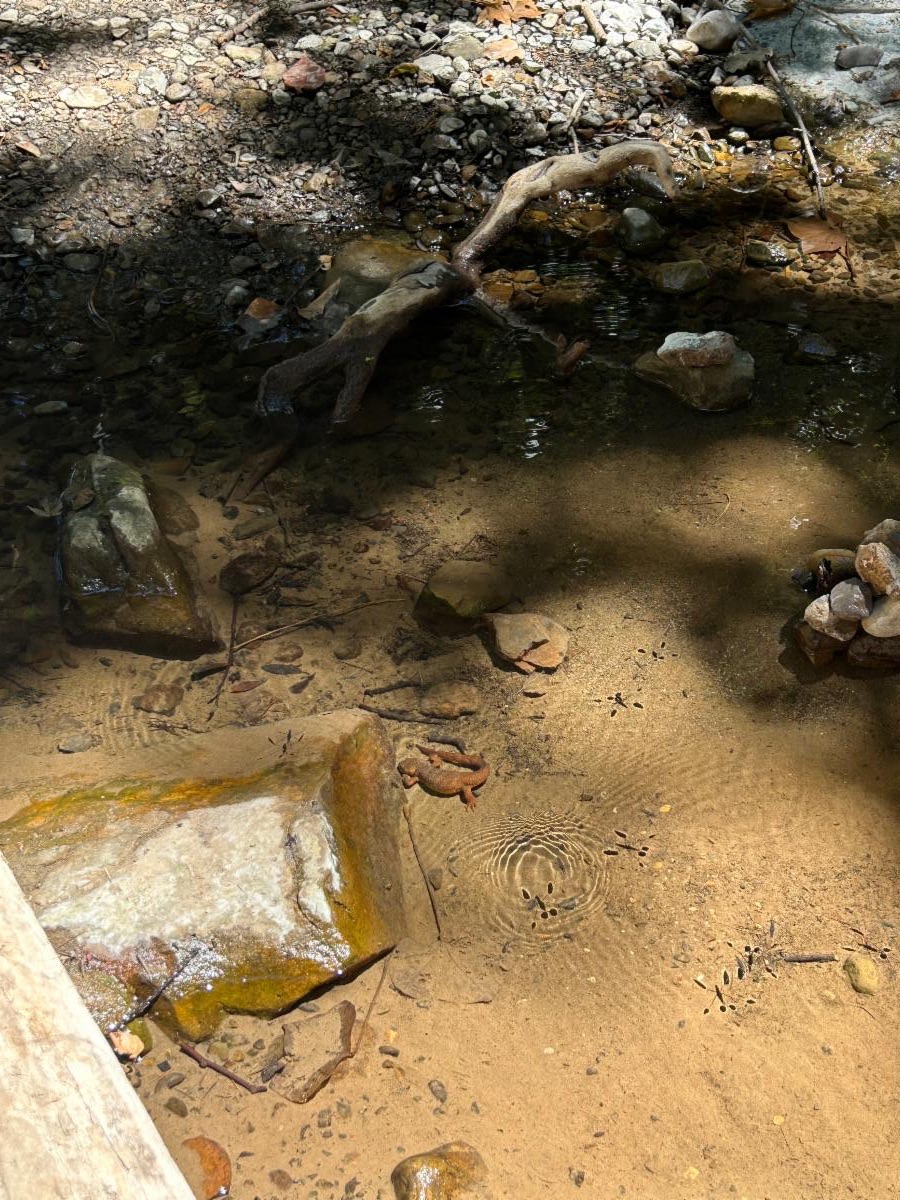
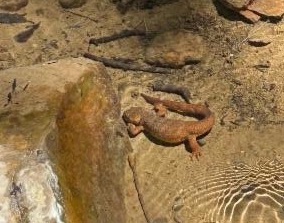
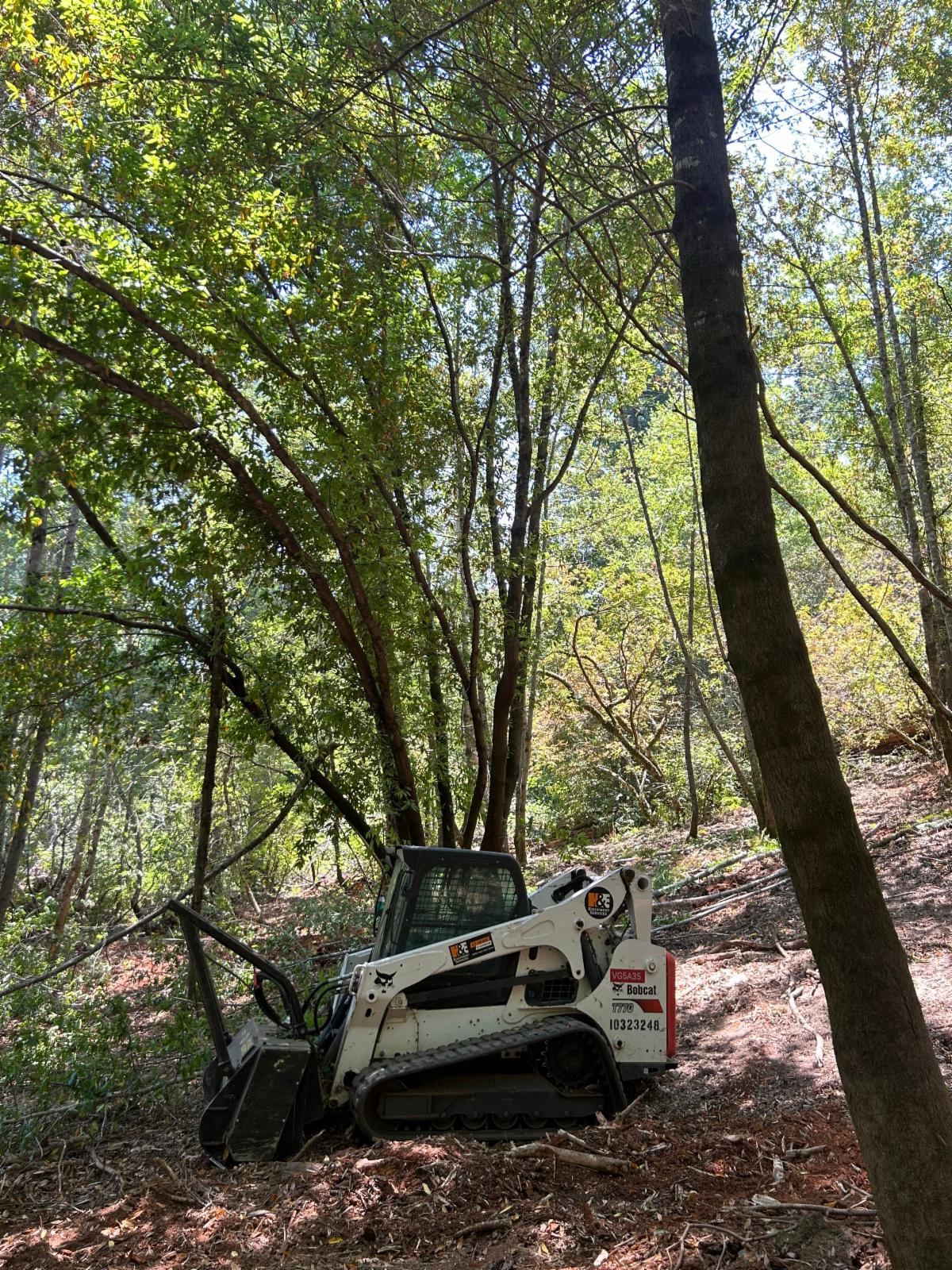
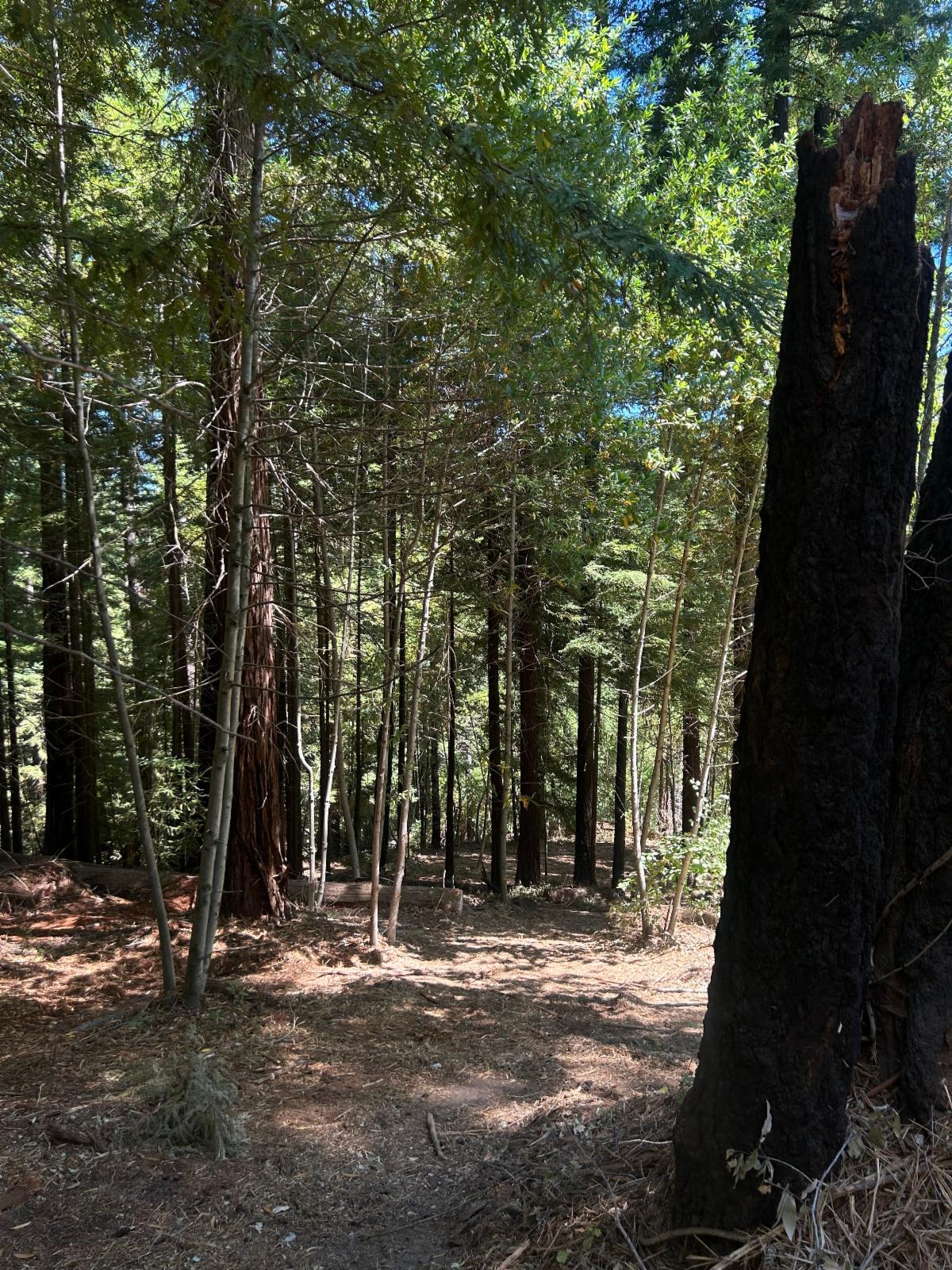
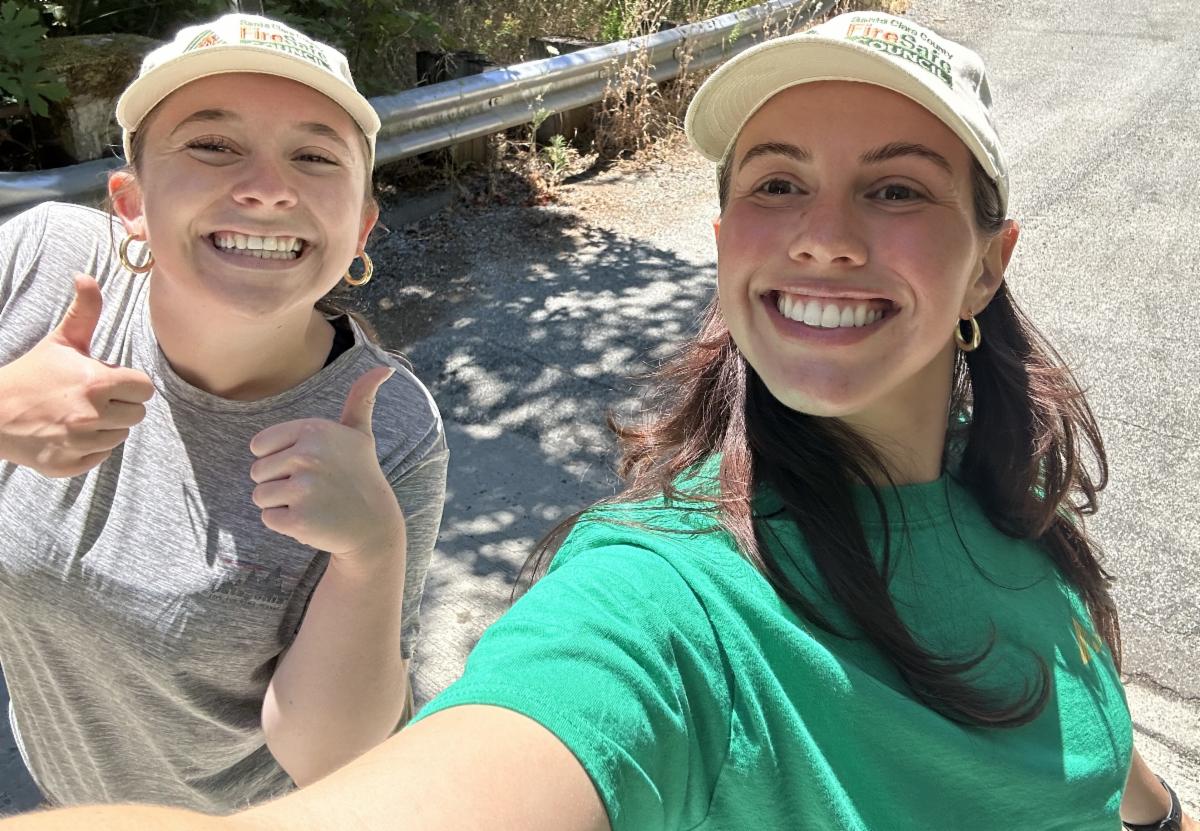
Below, you can get a glimpse of the wildlife, project areas, and equipment that the Forest Health team has been working with. You can also check out a field photo showcasing our summer intern, Hannah Mathiesen (left), and Project Manager, Irene Armstrong (right). Pictures taken by Irene Armstrong on San Jose Water Property. Learn More
| | |
|
Fall Chipping Program!
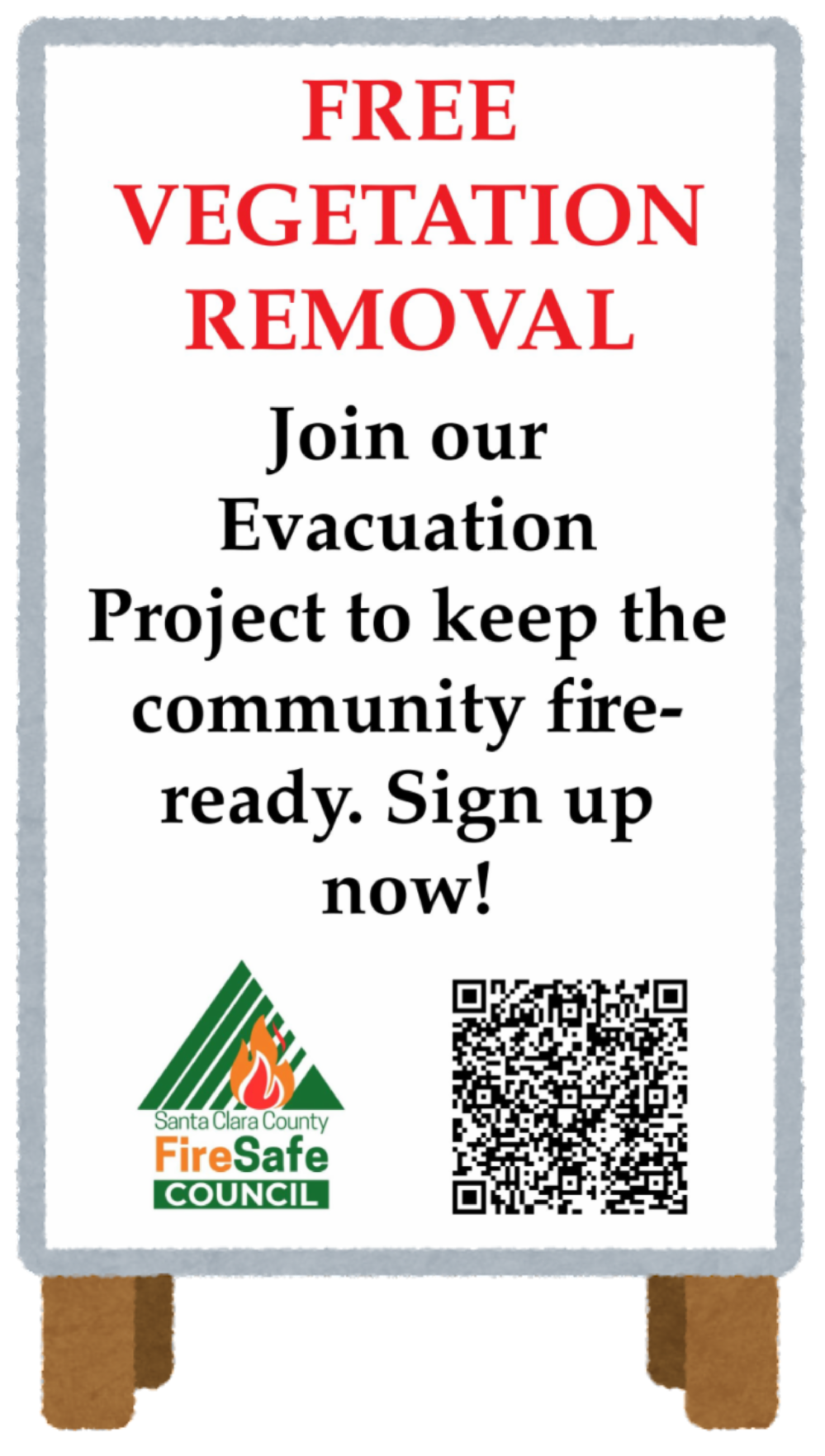
Our 2nd Annual Fall Chipping Program is being planned for Saratoga and County Fire District residents.
Registration will be opening on Monday, August 12. Availability will be limited so we will be accepting registrations on a first-come-first-served basis. There will be a waitlist available if the program reaches capacity. Learn More
| | |
Loma Chiquita Evacuation Route Project | | |
|
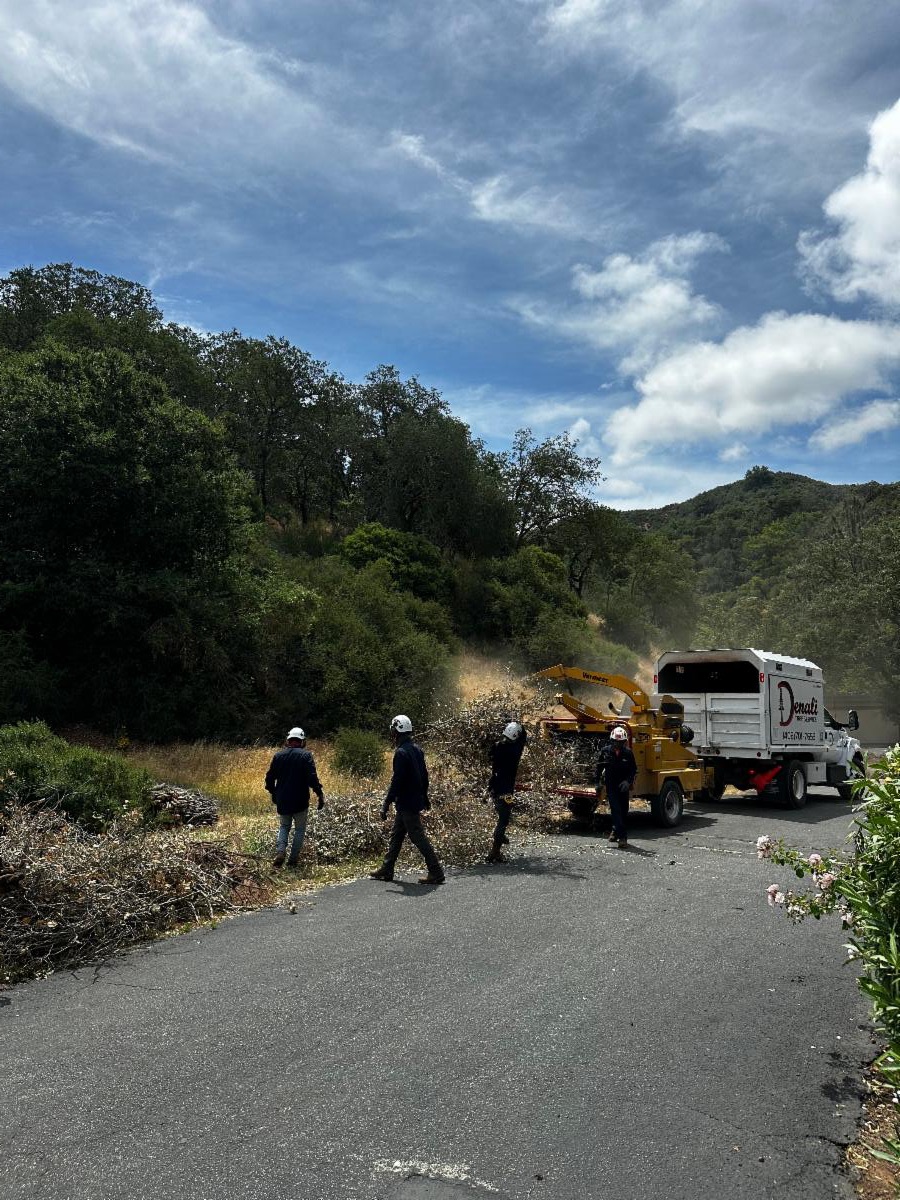
We are continuing working through the Community Outreach and Education process. We have mailed out Right of Entry (ROE) forms to property owners along the route so that we can get permission to extend the treatments beyond the right of way and all the way to the fenceline. Doing this gives the project much greater scope and depth which, in turn, makes it a more robust project. Learn More
| | |
Arastradero Road and Page Mill Road Evacuation Route Project | | |
|
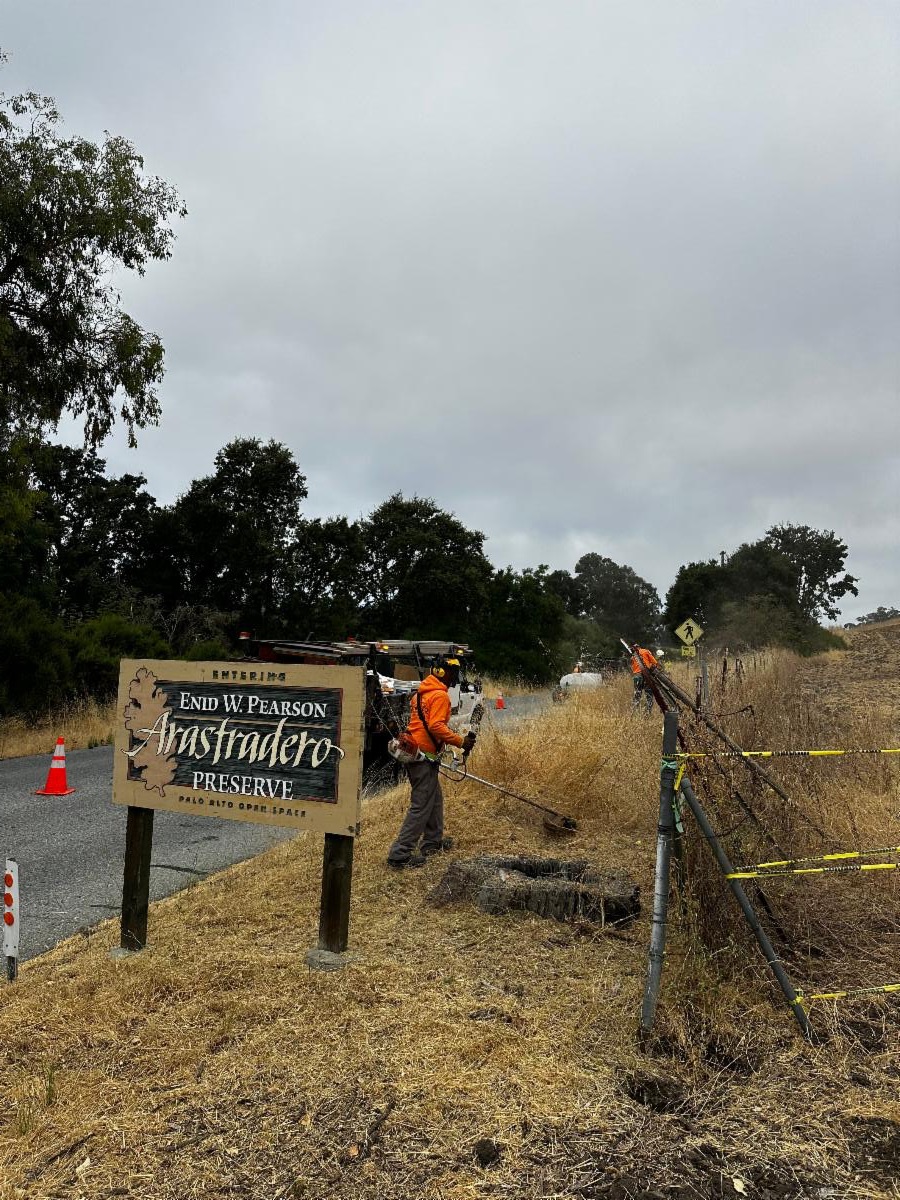
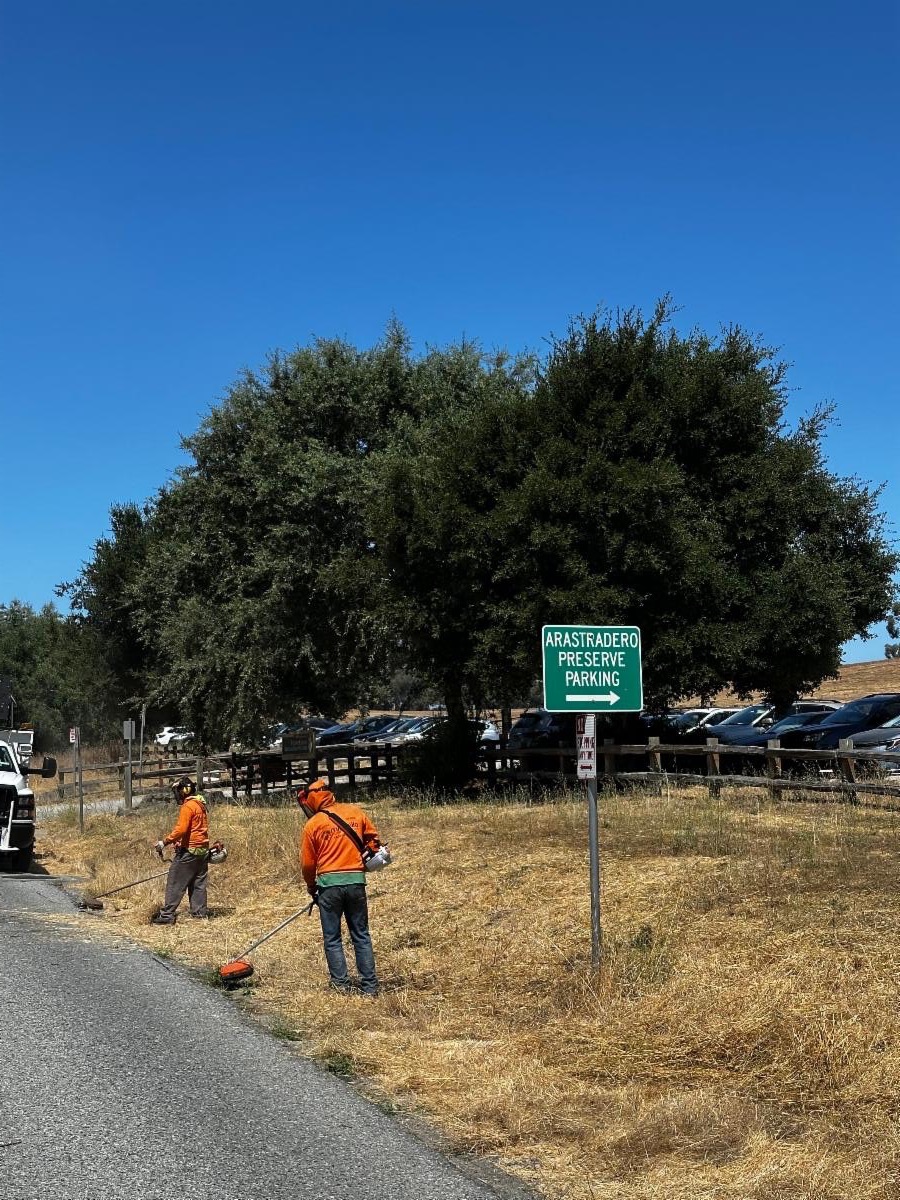
The Santa Clara County FireSafe Council and the City of Palo Alto are collaborating to complete an evacuation route clearance project on Arastradero Road and Page Mill Road. This annual project enhances fire resistance along the evacuation route by reducing vegetation in the corridor and supports safer travel in emergencies.
The Arastradero Road portion of the evacuation project kicked off this Monday, August 5th, and will continue through the rest of the month as the work crew transitions to mowing on Page Mill Road. Expect travel delays as work crews will conduct traffic control for single lane closures. Learn More
| | |
Altamont Road Evacuation Route Maintenance Project
| | |
|
Our Altamont Evacuation Route (Maintenance) Project start date is rapidly approaching. We are in the process of acquiring bids for selecting our tree service specialists and traffic control to carry out the work on the start date of September 3rd.
Virtual Community Meeting on Tuesday, August 13, 2024 at 7:00pm. Ask questions and learn more about the Altamont Road Evacuation Route Maintenance Project.
Learn More
| | |
|
Santa Clara County Fire Department is moving to new administrative headquarters located at 1315 Dell Avenue in Campbell effective Monday, August 5, 2024.
The new office building brings all administrative staff and functions, including Fire Prevention, under one roof. In addition to serving as a more convenient one-stop shop for customers, the office includes classroom and gathering space to host community education workshops and other events. For those doing ongoing business with County Fire, including plan submittals, please be sure to update your records to reflect the new address. All phone numbers will remain the same. For more information, visit www.sccfd.org.
| | |
|
Did you know that you might be able to double—or even triple—the impact of your gift?
Many employers sponsor matching gift programs, which means they will match any charitable contribution made by their employees.
| |
|
SCCFSC is a local 501(c) non-profit organization that relies on funding from local partners and residents of the wildland-urban interface areas. While federal and state grants provide a significant amount of support for ongoing projects, donations from the local community is crucial to our success.The SCCFSC appreciates every donation, large or small. When you donate to Santa Clara County FireSafe Council, you are helping us and yourself by mobilizing the people of Santa Clara County to protect their homes, communities and environment from wildfires.
| | | | |