The San Manuel Tribal Health & Wellness Concierge Program is now up and running!
Enrollment is quick and easy, involving the completion of a simple form.
|
|
|
More than cancer, heart disease is still the leading cause of death in the U.S.
American Indians are no exception to this stubborn reality. Despite recent advancements in medical care and technology, we still have a ways to go towards making the changes required for improved heart health.
This edition of the Access Healthcare Solutions newsletter is dedicated to helping you identify and keep to your wellness goals, as well as commit yourself to a heart healthy lifestyle.
A renewed focus on cardiovascular health will allow each of us to improve wellness, enhance quality of life and observe in full that timeless adage, "Wherever you go, go with all your heart."
To your health,
Access Healthcare Solutions
|
|
|
Improving The Tribe's Heart Health,
One Person At A Time
|
We've all heard the statistics - - As with the general population of the U.S., heart disease is the leading cause of death in Indian Country. This grim reality implores us to educate ourselves on how to adopt lifestyles and practices that focus on cardiovascular health. See the following guidelines of the American Heart Association - - it's never too late to begin heart healthy practices and instill habits that can make a difference now and for our children in years to come.
|
Make the Effort to Prevent Heart Disease with Life's Simple 7
|
|
|
|
So how do you protect yourself?
Protect yourself from heart disease, the nation's No. 1 killer, with Life's Simple 7® - easy-to-embrace ways to significantly lower your risk of heart disease and improve your health. How simple is it? Just take a look
|
|
Get Active
You don't have to join a gym or run in a 5K. Start small by incorporating
physical activity
into your daily routine more and more: Take the stairs instead of the elevator, park at the farthest end of the parking lot or use your lunch break to take a quick walk. When you're ready, aim for at least 2 ½ hours of moderate physical activity each week. "That's basically taking a 20-minute walk every evening," said V. Seenu Reddy, M.D., a heart and lung surgeon at University of Texas Health Science Center at San Antonio. Up for a more intense workout? You'll get heart-pumping benefits with at least 75 minutes of vigorous exercise throughout the week. Along with gaining strength and stamina, exercising regularly can lower blood pressure, keep body weight under control and increase your HDL - otherwise known as "good" cholesterol. Exercise also better regulates blood sugar by improving how the body uses insulin. You'll help prevent bone loss, sleep better and feel good.
|
|
|
|
Control Cholesterol
We all have
cholesterol
, a waxy substance in the bloodstream and in the cells of our body. But despite its reputation, cholesterol it isn't all bad. In fact, it plays an important role in keeping us healthy. But a balance must be struck to prevent too much cholesterol in the blood. There are two types:
the "good" kind (HDL) and the "bad" kind (LDL)
. High levels of bad cholesterol can clog your arteries, increasing your risk of heart attack and stroke. This is where good cholesterol comes into play: HDL cleans out that bad cholesterol from the arteries.
You can produce more of those housekeeping HDLs by exercising regularly and limiting saturated fat, and cholesterol by avoiding too many animal products such as red meats and full-fat dairy, and including
healthier fats
such as certain vegetable oils. It's also important to limit trans fats, too. For some people, diet and lifestyle changes alone aren't enough. Your doctor may prescribe
cholesterol-lowering medication
to keep your cholesterol levels in check. If you don't know your cholesterol levels, talk to your doctor about scheduling a cholesterol screening.
|
|
|
|
Eat Better
Eating the right foods can help you control your weight, blood pressure, blood sugar and cholesterol. Follow a dietary pattern that includes fruits, vegetables, whole grains, and other healthy choices. Penny Kris-Etherton, Ph.D., R.D., a nutritionist at Penn State University who herself uses Life's Simple 7 says, "It's important to choose fruits and vegetables over empty-calorie foods."
|
|
|
|
Manage Blood Pressure.
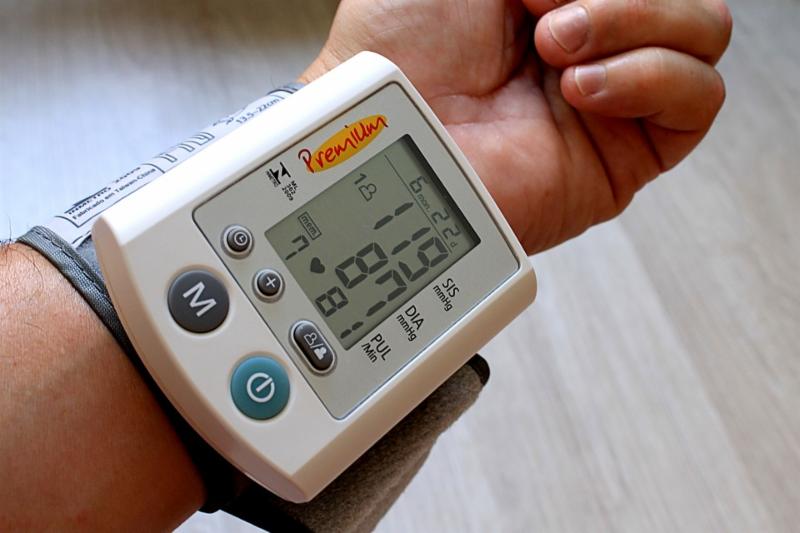
One in three Americans has
high blood pressure
- yet one out of every five doesn't even know they have it. That's because high blood pressure, "the silent killer," has no symptoms. Keeping your blood pressure in a healthy range starts with eating a heart-healthy diet. Other important factors are exercising regularly; not smoking; maintaining a healthy weight; limiting salt and alcohol; and taking
medication
prescribed by your doctor.
|
|
|
|
Lose Weight
Extra weight can do serious damage to your heart. Too much fat, especially around the belly, increases your risk for high blood pressure, high cholesterol and diabetes. So give your heart a break by dropping the extra pounds - and keeping them off. Every little bit helps. You can shed 24 pounds a year by dropping just 2 pounds a month, and losing as little as 3-5% of your body weight can decrease your heart disease risk. The trick is to increase your aerobic physical activity each week while reducing the calories you take in, to a point where you can achieve energy balance and a healthy weight.
|
|
|
|
Reduce Blood Sugar
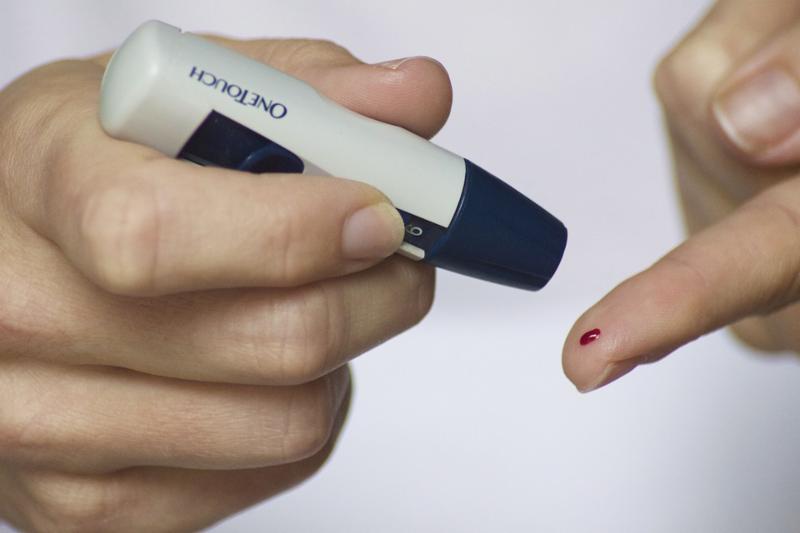
Diabetes
can quadruple your risk of heart disease or stroke, so keeping blood sugar levels under control is crucial to preventing medical problems involving the
heart
and
kidneys
. If left untreated, diabetes can also cause blindness and nerve disease, among other health complications. You can minimize the impact of diabetes on your body - and even prevent or delay the onset of diabetes - by eating right, controlling your weight, exercising and taking medication prescribed your doctor. In some cases, lifestyle changes result in less need for
medication
.
|
|
|
|
Stop Smoking
It's time to kick the habit. Going smoke-free can help prevent not only heart disease and stroke, but also cancer and chronic lung disease. The payoff is almost immediate.
Quit smoking
and you'll have the same risk level for developing heart disease as non-smokers within only a few years.
|
|
|
|
A Few Articles on Diabetes For This Month
|
A Few Articles on Diabetes For This Month
|
|
|
|
A Few Articles on Female Health For This Month
|
|
Monthly Guidance on Nutrition For The San Manuel Tribe
|
Monthly Guidance on Radiology
For The San Manuel Tribe
|
Monthly Guidance on Skin Care
For The San Manuel Tribe
|
Useful Exercise Tips When Hitting
The San Manuel Community Center Gym!
|
Monthly Guidance on Internal Medicine
For The San Manuel Tribe
|
|
Monthly Guidance on Pediatrics
For The San Manuel Tribe
|
|
Keeping The Tribe on The Cutting Edge of Wellness Technology: Health & Tech
|
|
Monthly Guidance on Oral Health
For The San Manuel Tribe
|
|
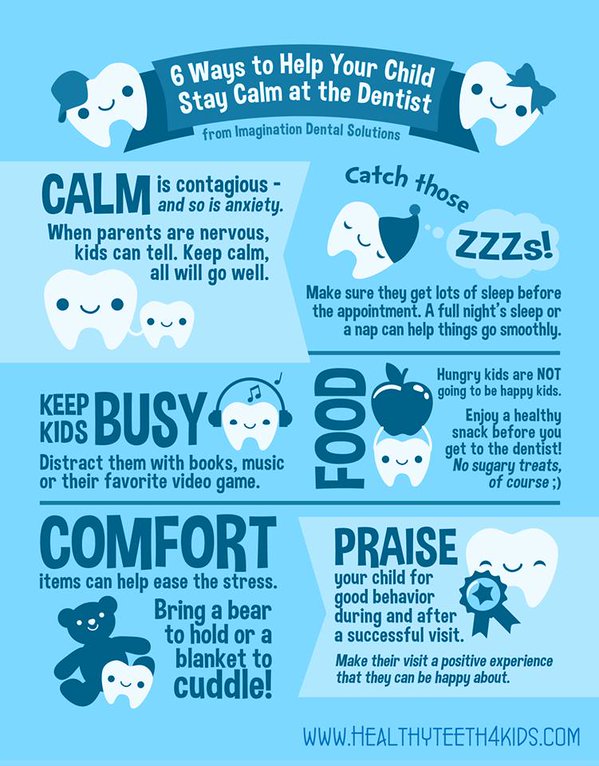
Is your child nervous about their first dental visit? Try these tips!:
|
Monthly Foot Health Guidance
For The San Manuel Tribe
|
|
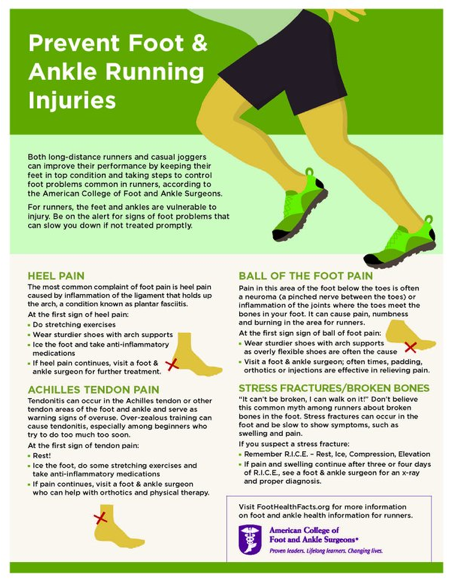
Tips on Preventing Foot
& Ankle Running Injuries:
|
|
Monthly Guidance on Aging
|
|
|
Keeping The Tribe Informed About Cancer
|
|
|
Place article copy here. Be sure to make the articles short and concise as people tend not to read much more than a couple of paragraphs. Place article copy here.
|
|
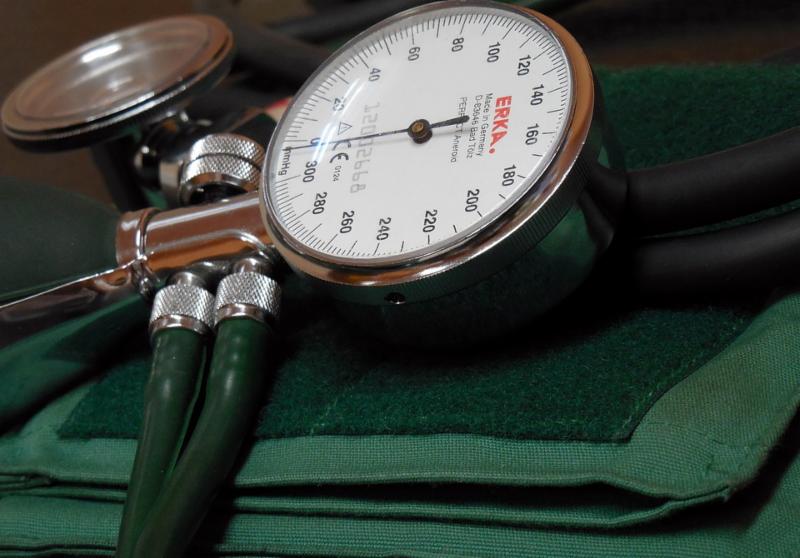
Learning About & Controlling Blood Pressure
|
|
|
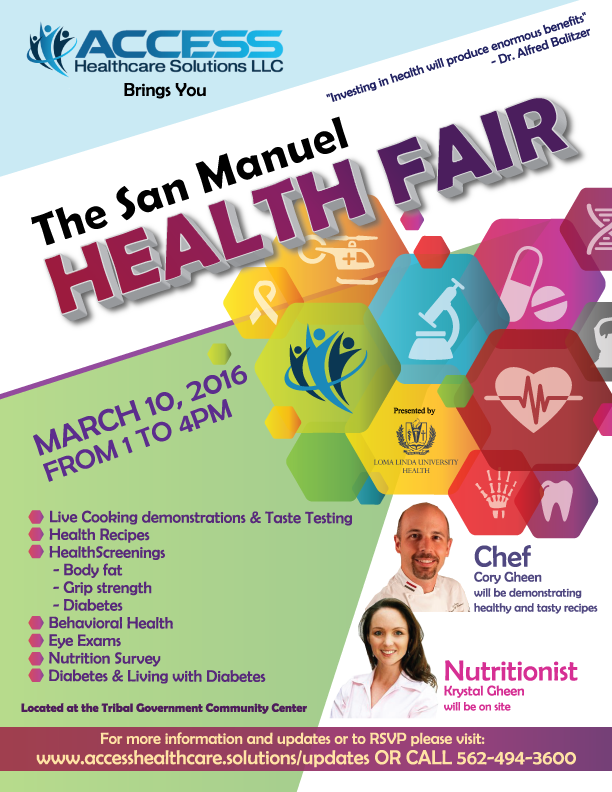
March 10, 1:00-4:00PM Tribal Health Fair
Mark your calendar!
The first San Manuel Tribal Health Fair will take place on Thursday, March 10, 2016, 1:00-4:00PM at the San Manuel Community Center. Free diabetes screenings and basic eye exams will be available, as will instruction on diabetes food plans/prep, nutrition, healthy lifestyle options, heart health, pain management and senior health care.
Please take advantage of this opportunity to learn more about these vital topics of health and wellness.
Call 562-505-5600 or e-mail info@accesshealthcare.solutions to sign up today. |
|
|
Did You Know? ...
Nuggets of Health Wisdom
For Maintaining Tribal Health
|
|
As a Rheumatologist, I often have to explain to patients what it means to have an autoimmune disease. To understand what an autoimmune disease is we must first define what an antibody is. An antibody is protein that is made in large amounts by the immune system. They are essential in recognizing and fighting infectious organisms in the body. Sometimes these antibodies make an error and mistakenly recognize normal proteins in our bodies as being foreign. When this happens an autoimmune disease can develop and as a result, your immune system attacks healthy body cells.
Autoimmune disease affects up to 50 million Americans and often affects women. However, it is important to note that autoimmune diseases are seen in multiple medical fields including gastroenterology, dermatology, endocrinology, allergy/immunology and rheumatology. Common autoimmune diseases include Systemic Lupus Erythematosus,
Diabetes Type I
,
Inflammatory Bowel Disease
such as Ulcerative Colitis, and Psoriasis.
No one is certain as to what causes an autoimmune disease although there are many theories regarding potential triggers such as environmental irritants, chemical irritants, and bacteria/virus. There also tends to be a genetic component as it is seen to run in families.
Because there are about 80 different types of autoimmune diseases, symptoms tend to vary from one to the next. However, the most common symptoms include feeling ill, fatigue, and fever. Autoimmune diseases also can affect many parts of the body including the skin, joints, gastrointestinal tract, kidneys, and muscles.
Diagnosis is made by the combination of laboratory tests, clinical history and physical exam. If you have a concern about a possible autoimmune disease, the first step is to see your primary care physician. Your physician can send you to the appropriate specialist who can then make sure you will get the best care for your particular diagnosis.
|
|
|
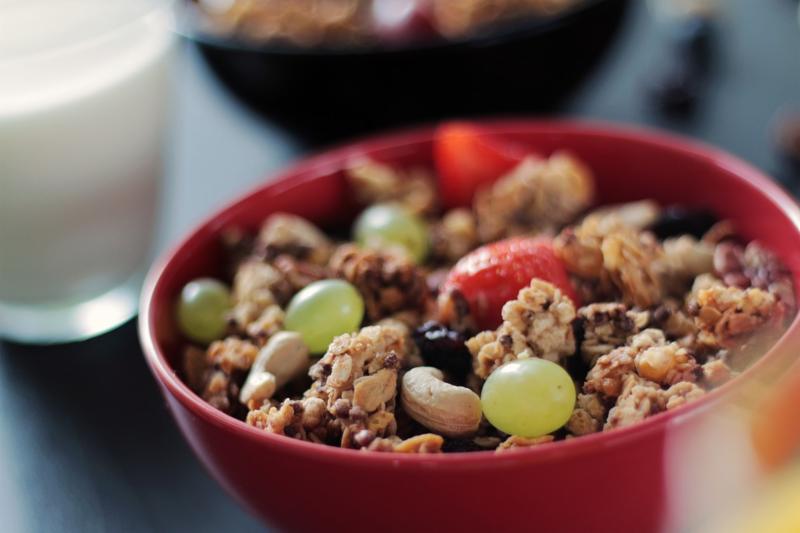
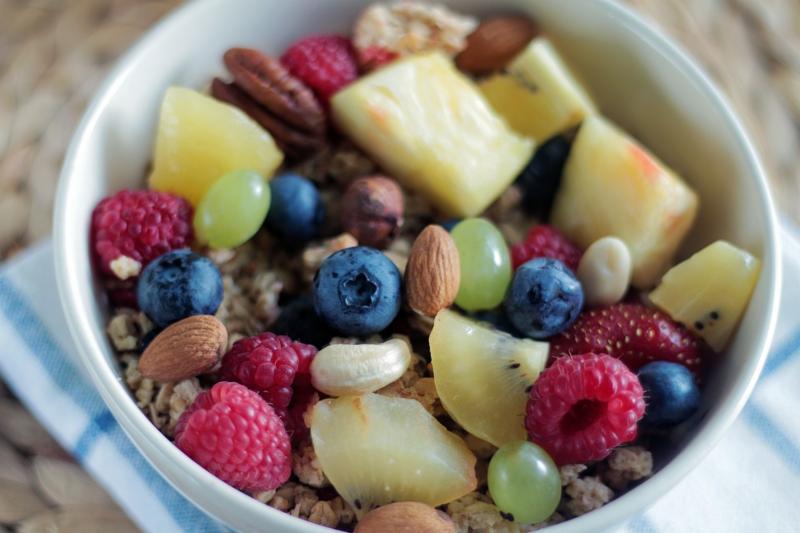
Research suggests that regularly eating a healthy breakfast may help you lose excess weight and maintain your weight loss in the following ways:
- Reduced hunger. Eating breakfast may reduce your hunger later in the day, which may make it easier to avoid overeating. When you skip breakfast, you may feel ravenous later and be tempted to reach for a quick fix - such as vending machine candy or doughnuts. In addition, the prolonged fasting that occurs when you skip breakfast can increase your body's insulin response, which in turn increases fat storage and weight gain.
- Healthy choices. Eating breakfast may get you on track to make healthy choices all day. People who eat breakfast tend to eat a healthier overall diet, one that is more nutritious and lower in fat. In contrast, people who skip breakfast are more likely to skip fruits and vegetables the rest of the day, too.
- More energy. A healthy breakfast refuels your body and replenishes the glycogen stores that supply your muscles with immediate energy. Routinely skipping breakfast is associated with decreased physical activity.
So, if you skip breakfast - whether you're trying to save time or cut calories - you may want to reconsider, especially if you're trying to eat a healthy diet and manage your weight.
|
|
|
|