|
It's February, American Heart Month: Keeping The San Manuel Tribe Heart Healthy
Heart Month is here! Attention: According to the Centers For Disease Control & Prevention (CDC), heart disease is
the leading cause of death among American Indians and Alaska Natives.
Given the high rates of heart disease in Indian Country, let's take the time to learn more about how to implement habits and diet changes that will keep the Tribe heart healthy now and for generations to come. No matter what your age, everyone can benefit from a healthy diet and adequate physical activity - - see these helpful American Heart Association guidelines for committing to a heart healthy lifestyle.
|
|
|
|
Choose a healthy eating plan.
The food you eat can decrease your risk of heart disease and stroke.
|
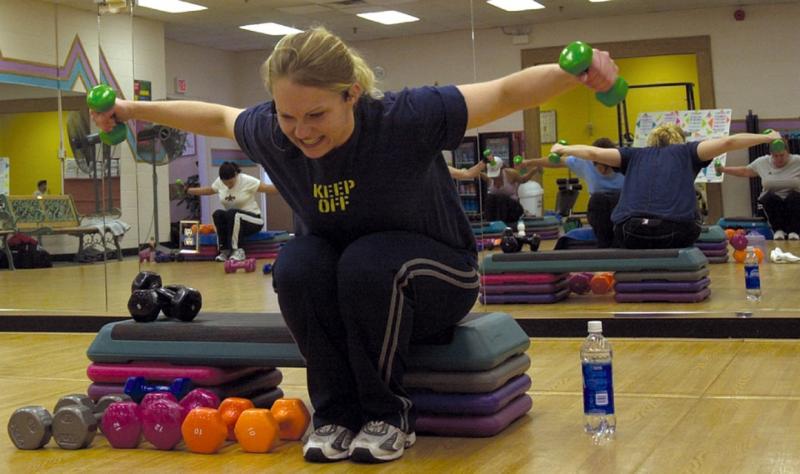
Be physically active.
You can slowly work up to at least 2½ hours (150 minutes) of moderate-intensity aerobic physical activity (e.g., brisk walking) every week or 1 hour and 15 minutes (75 minutes) of vigorous intensity aerobic physical activity (e.g., jogging, running) or a combination of both every week. Learn the
American Heart Association's Guidelines for Physical Activity in Adults
and
in Kids
.
Additionally, on 2 or more days a week you need muscle-strengthening activities that work all major muscle groups (legs, hips, back, abdomen, chest shoulders, and arms). Children should get at least 60 minutes of activity every day.
|
|
In Your 20s:
Getting smart about your heart early on puts you far ahead of the curve. The things you do - and don't - are a tell-tale sign of how long and how well you're going to live, said Richard Stein, M.D. "There's no one I know who said: 'I felt better being sedentary. I felt better eating a terrible diet,'" said Stein, a cardiologist and professor of medicine at New York University School of Medicine. "All these things actually make you feel better while they help you."
Find a doctor and have regular wellness exams.
Healthy people need doctors, too. Establishing a relationship with a physician means you can start
heart-health screenings
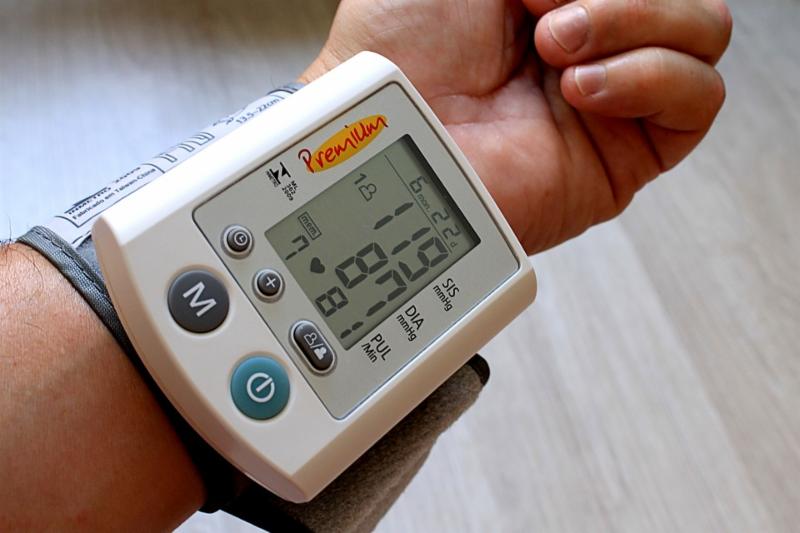
now. Talk to your doctor about your diet, lifestyle and checking your
blood pressure
,
cholesterol
,
heart rate
, blood sugar and
body mass index
. You may also need your blood sugar checked if you are pregnant, overweight or have
diabetes
. Knowing where your
numbers
stand early makes it easier to spot a possible change in the future.
Be physically active.
It's a lot easier to be active and stay active if you start at a young age. "If you're accustomed to physical activity, you'll sustain it," Dr. Stein said. Keep your workout routine interesting by mixing it up and finding new motivators.
Don't smoke and avoid secondhand smoke.
If you picked up smoking as a teen, it's time to
quit smoking
. Even exposure to secondhand smoke poses a serious health hazard. Nonsmokers are up to 30 percent more likely to develop heart disease or lung cancer from secondhand smoke exposure at home or work, according to a U.S. Surgeon General report.
|
|
In Your 30s:
Juggling family and career leaves many adults with little time to worry about their hearts. Here are some ways to balance all three.
Make heart-healthy living a family affair.
Create and sustain heart-healthy habits in your kids and you'll reap the benefits, too. Spend less time on the couch and more time on the move. Explore a nearby park on foot or bike. Shoot some hoops or walk the dog.
Plant a vegetable and fruit garden together in the yard, and invite your kids into the kitchen to help cook.
Know your
family history
.
Shake down your
family tree
to learn about heart health. Having a relative with heart disease increases your risk, and more so if the relative is a parent or sibling.
That means you need to focus on risk factors you can control by
maintaining a healthy weight
, exercising regularly, not smoking and eating right.
Also, keep your doctor informed about any heart problems you learn about in your family.
Tame your stress
.
Long-term stress causes an increase in
heart rate
and blood pressure that may damage the artery walls.
Learning
stress management techniques
not only benefits your body, but also your quality of life. Try deep breathing exercises and find time each day to do something you enjoy.
Giving back through volunteering also does wonders for knocking out stress.
|
|
In Your 40s:
If heart health hasn't been a priority, don't worry. Healthy choices you make now can strengthen your heart for the long haul. Understand why you need to make a lifestyle change and have the confidence to make it. Then, tackle them one at a time. "Each success makes you more confident to take on the next one," said Stein, an American Heart Association volunteer.
Watch your weight.
You may notice your metabolism slowing down
in your 40s. But you can avoid weight gain by following a heart-healthy diet and getting plenty of exercise. The trick is to find a workout routine you enjoy.
Have your blood sugar level checked.
In addition to blood pressure checks and other
heart-health screenings
, you should have a fasting blood glucose test by the time you're 45.
This first test serves as a baseline for future tests, which you should have every three years. Testing may be done earlier or more often if you are overweight, diabetic or at risk for becoming diabetic.
Don't brush off snoring.
Listen to your sleeping partner's complaints about your snoring.
One in five adults has at least mild sleep apnea
, a condition that causes pauses in breathing during sleep. If not properly treated, sleep apnea can contribute to high blood pressure, heart disease and stroke.
|
In Your 50s:
Unlike the emergence of wrinkles and gray hair, what you can't see as you get older is the impact aging has on your heart. So starting in the 50s, you need to take extra steps.
Not everyone experiences sudden numbness with a stroke or severe chest pain with a heart attack. And
heart attack symptoms in women
can be different than men.
Lower your risk by following your prescribed treatment plan, including medications and lifestyle and diet changes.
|
In Your 60s:
With age comes an increased risk for heart disease. Your blood pressure, cholesterol and other heart-related numbers tend to rise. Watching your numbers closely and managing any health problems that arise - along with the requisite healthy eating and exercise - can help you live longer and better.
Have an
ankle-brachial index test
.
Starting in your 60s, it's a good idea to get an ankle-brachial index test as part of a physical exam.
The test assesses the pulses in the feet to help diagnose
peripheral artery disease
(PAD), a lesser-known cardiovascular disease in which plaque builds up in the leg arteries.
Watch your weight.
Your body needs fewer calories as you get older. Excess weight causes your heart to work harder and increases the risk for heart disease, high blood pressure, diabetes and high cholesterol. Exercising regularly and eating smaller portions of nutrient-rich foods may help you maintain a healthy weight.
Heart attack symptoms in women
can be different than men. Knowing when you're having a heart attack or stroke means you're more likely to get immediate help. Quick treatment can save your life and prevent serious disability.
|
 |
|