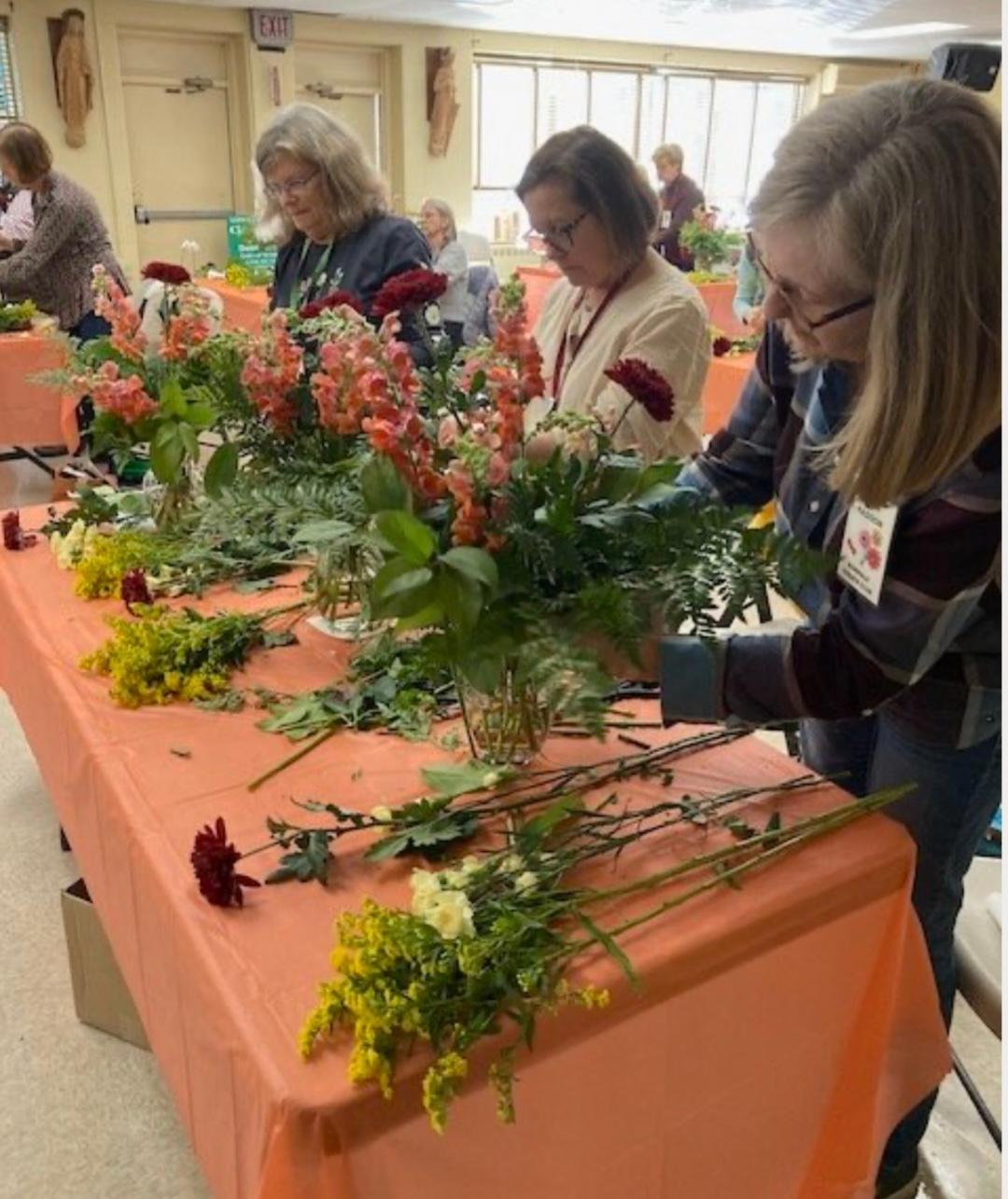
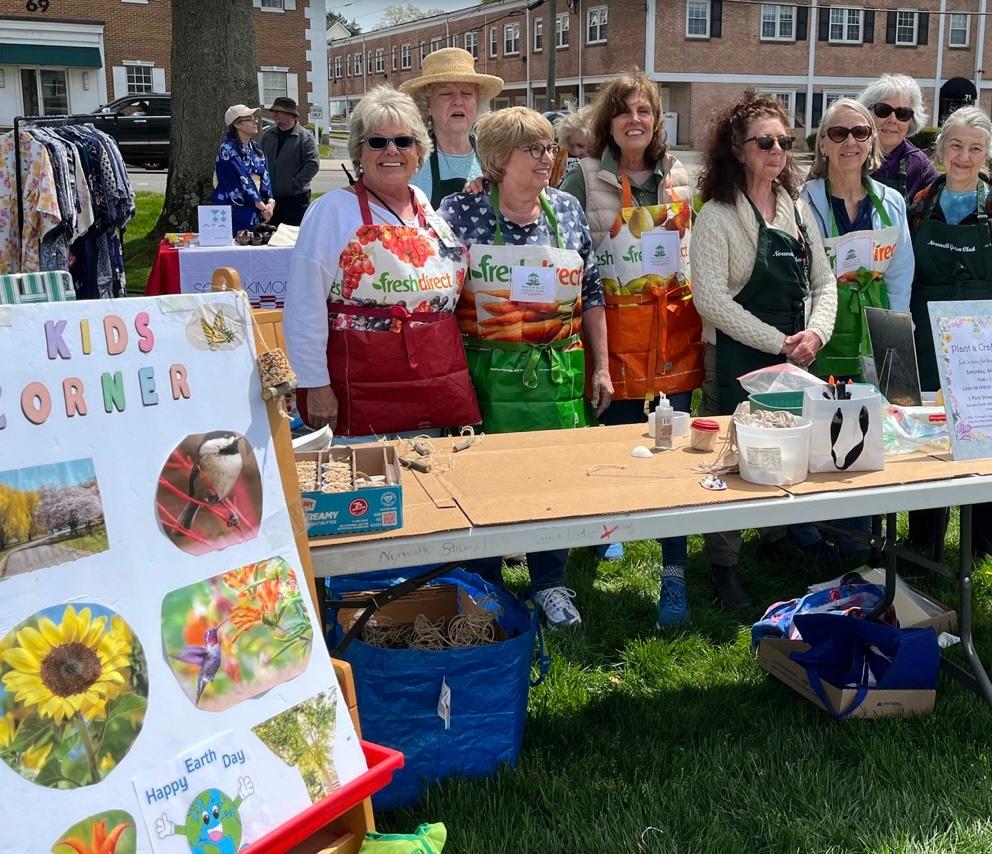
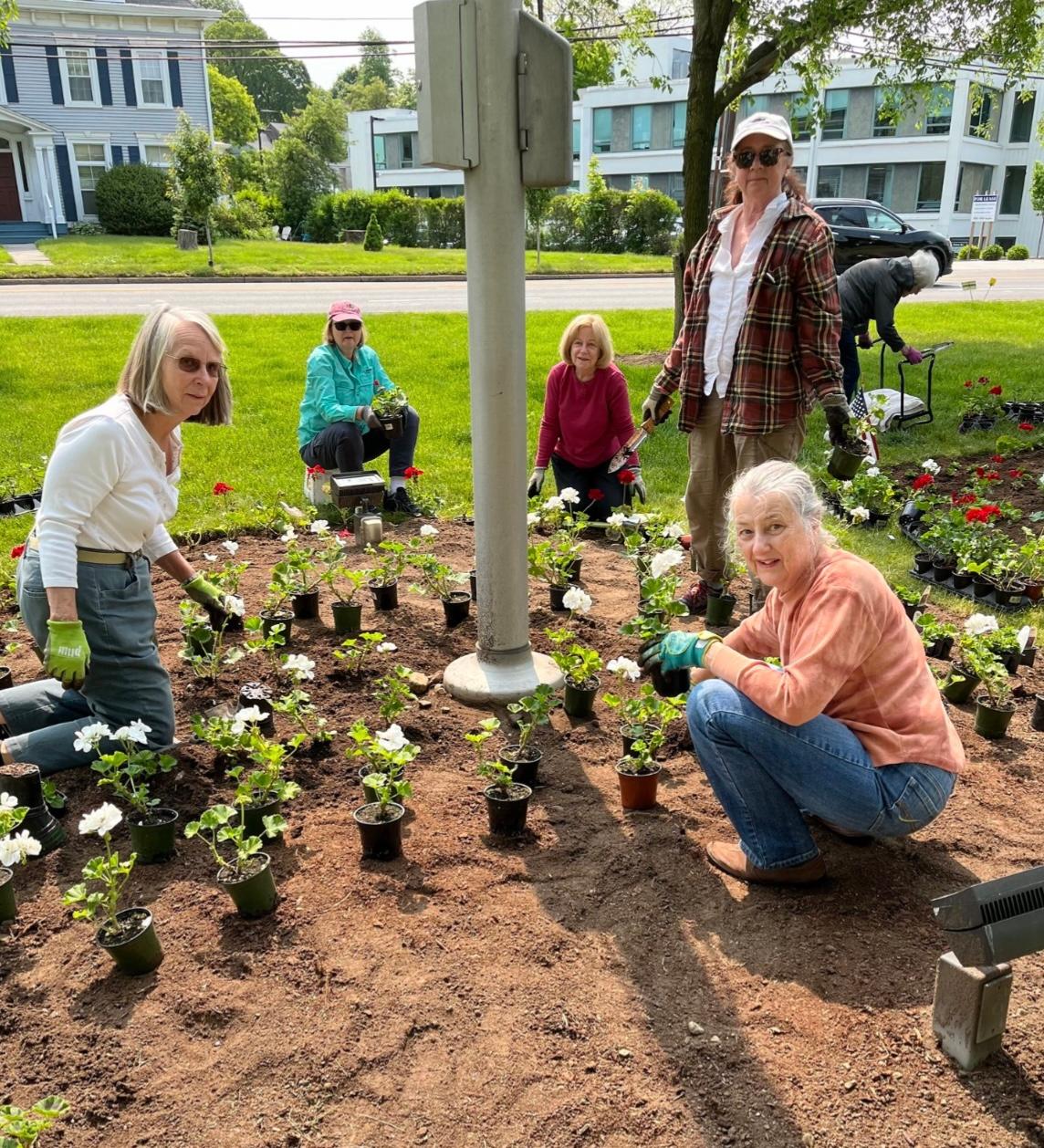
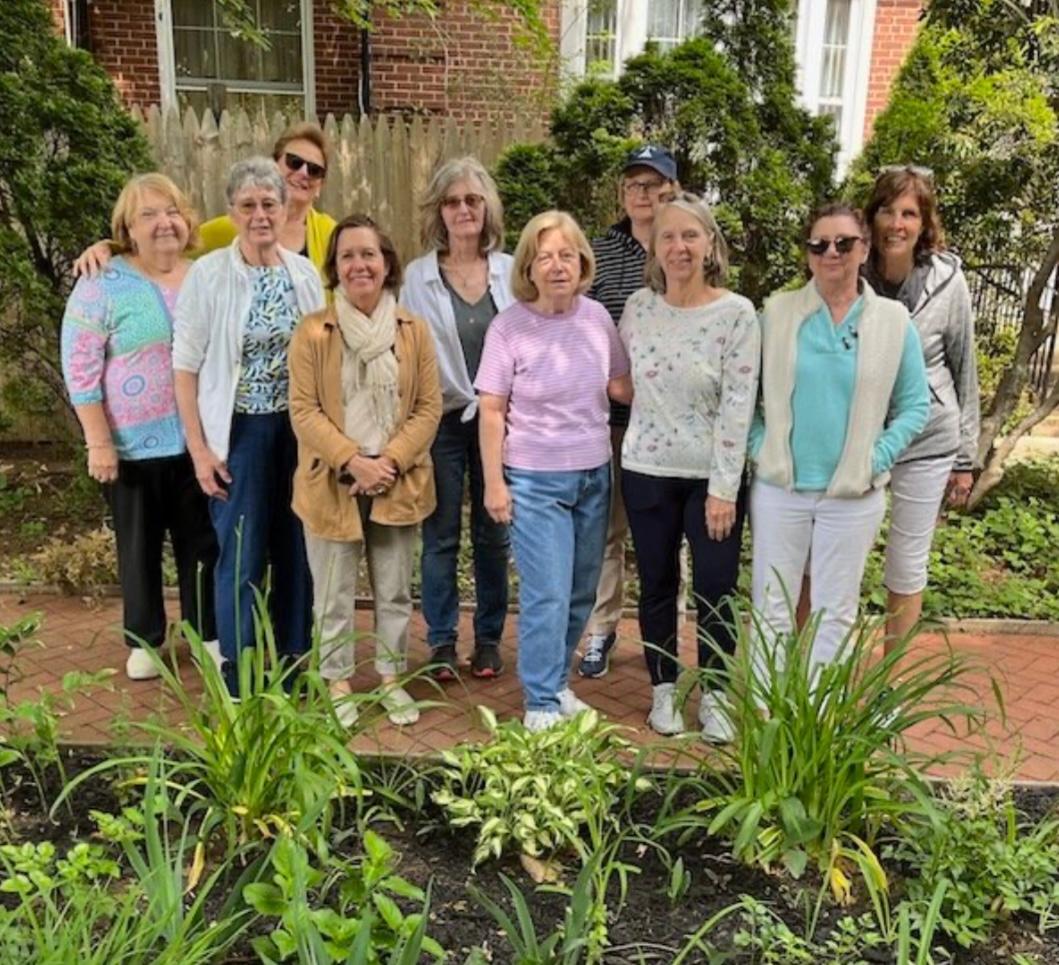
Ah! It is time to sit back and pat ourselves on the back for our successful May Markets and Plant Sales! Now for the year-end celebrations. Thank you so much for the many invitations I have received from clubs throughout Connecticut. Kelle, Nan and I look forward to the installation of new officers in a number of clubs in June. The incoming club officers have great responsibilities but also some fun as they guide their clubs.
Last spring the Wallingford Garden Club lost a dear friend. Her daughter invited us to her garden to dig for our plant sale. It was a thrill to see her oriental poppy emerge this spring! As I walk through my gardens I enjoy Marilyn’s hellebores, Caryl’s spiderwort, Annette’s Astilbe, Platycodon, oriental poppy, yellow columbine, and more! I even have an oak growing in the middle of one of my perennial gardens that reminds me of our former FGCCT president, Jane Waugh! One of the dogwood trees from my installation last year is thriving in another bed. It will be a reminder of how much I have enjoyed my presidency! I do hope many of you have plants in your gardens that remind you of special people in your lives too!
This is also a time for club members to recommit their energies to promote cooperation, collaboration, and kindness in support their club’s mission and members. The Garden Club of Brookfield has this printed in their yearbook and asks the club members to recite it at their Annual Meeting. This is just one of the many things shared at our Regional Roundtable events. I share this with their permission:
|
|
|
|
The Garden Club of Brookfield Member Pledge
Today I willingly renew my commitment to The Garden Club of Brookfield.
I will abide by its Constitution and By Laws.
I will attend the required number of meetings, submit artistic and horticultural exhibits for judging and learning, and act as hostess and judge when assigned.
I will set aside time to garden – attending and working at regularly scheduled civic gardening days throughout the year.
I will help the club by actively leading or serving on committees and projects where my skills and efforts are needed.
I promise all this to support the Club’s mission in working toward the beautification of Brookfield and educating our membership and the community on good gardening practices and the conservation of our environment.
I am a gardener.
This is my club.
I am proud to belong.
|
|
|
|
|
|
As I am most proud to be a member of both my clubs, I will do my best to abide by this pledge!
Yours in gardening and friendship,
|
|
|
|
Hello Gardeners!
Our President’s Project is going strong and I am happy to let you know that your club can participate by donating in the amount of $68 to the National Garden Club “Penny Pines” project.
I would like to thank everyone who has notified me about their contributions to the Penny Pines Project. The following clubs have sent in their donations to NGC.
- Black Rock Garden Club
- Danbury Garden Club
- Suburban Garden Club of Cheshire
- Wallingford Garden Club
- Wilton Garden Club
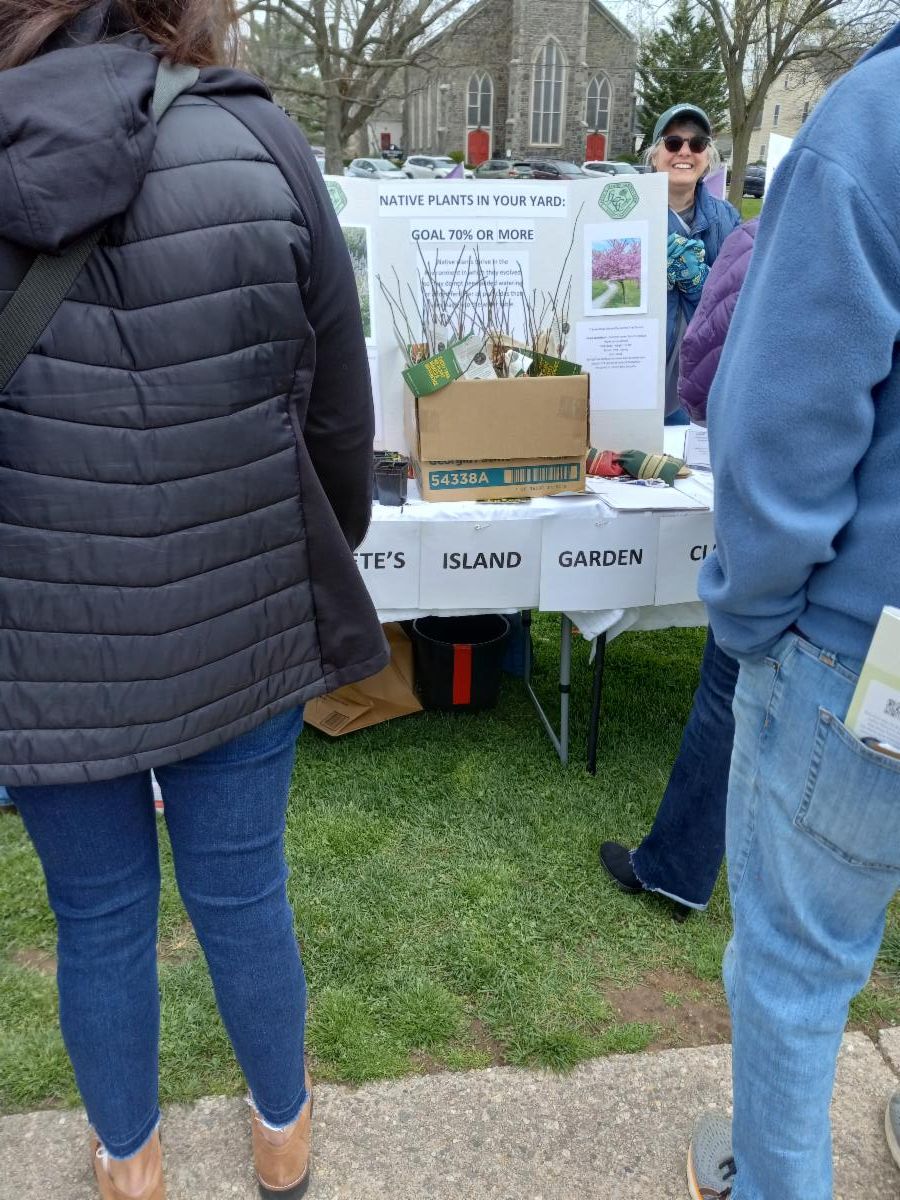
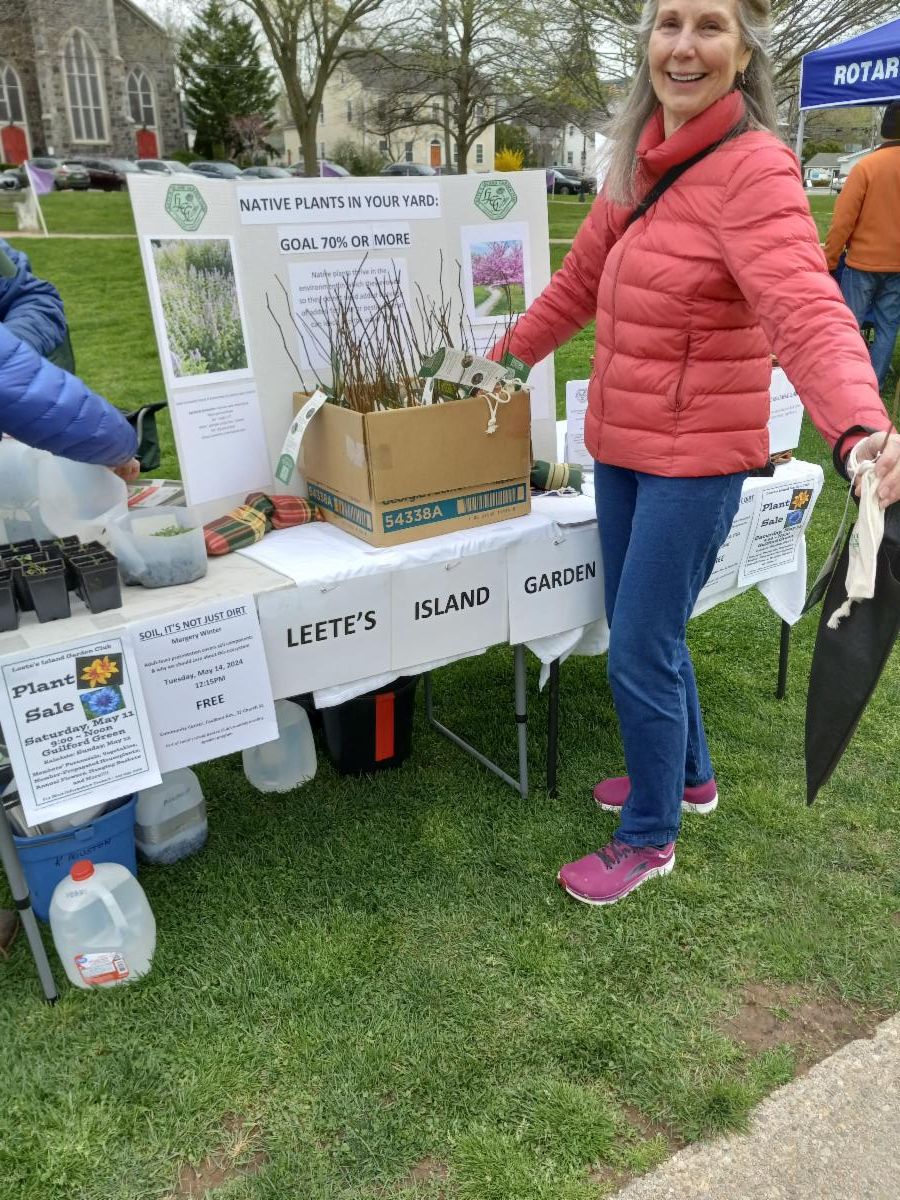
I would like to commend the Leete’s Island Garden Club for their participation in the Guilford Earth Day Celebration. In recognition of our President’s project and as part of their educational exhibit they gave away 100 native Redbud tree seedlings as well as 50 native perennial Agastache seedlings. Well done!
The Garden Club of Old Greenwich planted 5 native Dogwood trees to celebrate their club’s 100th anniversary.
Congratulations!
— Carmelina Villani, FGCCT President's Project Chair
|
|
|
|
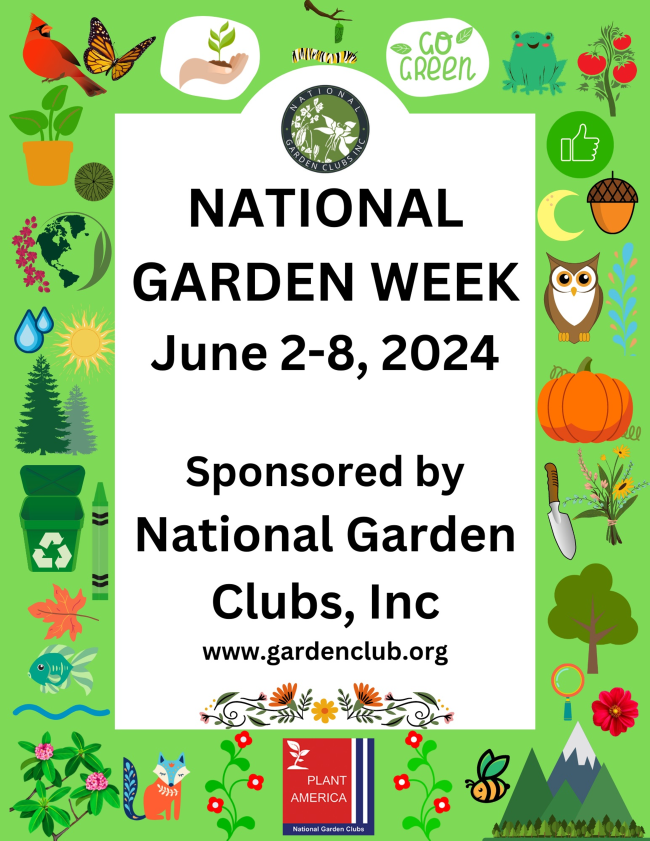
National Garden Week is June 2-8!
Calling all Federated Garden Clubs in Connecticut! Join the fun during National Garden Week, celebrating the value and love of gardening in your community!
Garden clubs across the United States will be joining you in hosting events and raising awareness of the difference that gardens and gardening can make to the lives of everyone throughout the country, and particularly, in our beautiful state of Connecticut.
Take photos of your events and send them to us. How can you celebrate National Garden Week?
- Create a lovely floral arrangement and give it to public facility.
- Teach your neighbors how to sow seeds and have a seed giveaway.
- Have a garden tour of your members’ gardens.
- Talk about how gardening is good for your health and well-being.
- Contribute to a local vegetable community garden.
- Set up a booth in your community and answer common gardening questions.
- Put up posters at your local library about saving pollinators & planting natives.
- Plan an activity with a school classroom, youth group, or scouts.
- Plan to beautify a new or existing garden in your town.
- Hand out awards to local businesses or neighbors who have beautiful gardens or potted plants.
-
Download National Garden Week posters (one can be customized with your club's name) from NGC and "plant" the posters next to your projects. “Publicity is a key factor in promoting National Garden Week.” Consider sharing your activities with your local media and social media as well.
— Linda Kaplan, FGCCT Public Relations Chair
|
|
|
|
Regional Roundtables are happening — Register soon!
Have you ever wanted to speak to your counterparts in nearby Clubs? The Federation is holding five Regional Roundtable Events in 2024. Club Boards of Directors and Committee Chairs are invited to exchange information and ideas on topics including: Membership, Fundraising, Finances & Insurance, Programs & Events, Social Media & Promotion, FGCCT Resources and more.
Our current 2024 schedule is:
-
March 7, 9:30 am – 12:30 pm: Waterford Town Hall, 15 Rope Ferry Road, Waterford, CT
>> Was a tremendous success! Thank you to all who attended.
-
April 3, 9:30 am – 12:30 pm: Saint Luke Church, 49 Turkey Hill Road, Westport, CT
>> Another successful event and very well attended!
-
June 17, 9:30 am – 12:30 pm: Webb Deane Museum, 211 Main Street, Wethersfield, CT
-
September 25, 9:30 am – 12:30 pm: Simsbury Farms Apple Barn, West Simsbury, CT
- Other dates/locations to be announced.
Comments from attendees:
“This was great! Really liked connecting with other local Clubs.”
“Thank you! So many good ideas! I learned a lot!”
“ I didn’t know there were so many resources from The Federation.”
“Sharing membership challenges was helpful.”
There is no charge, however, space is limited, so please register soon on the FGCCT website: www.ctgardenclubs.org.
|
|
|
|
Environmental School 2024 — Course 3, Series 4
Please join us and begin your journey to be a Consultant. Course 3 , Series 4 “ The Living Earth, Air and Related issues” will be offered virtually this September 19-20, 2024.
Course 3 focuses on air quality, in the comfort of your own home with our tech support. Registration is open and now available on the FGCCT website, as is as the brochure with time schedule.
Why is the Environmental School important ?
Were you cringing watching the Amazon wildfires? Would you like to learn ways to initiate school programs ? As you have seen photographs showing the differences in air quality, do you want to learn more about the Ecology of air quality? What makes up your household carbon footprint? Rainforests provide a great deal of oxygen for our consumption, but what is occurring worldwide that is changing those regions? Is there a group in your area that is working toward a healthier world with them? Chat with fellow garden club members from Connecticut and the country as you delve into the Course 3 10 modules and its objectives on the NGC website under Environmental School. Environmental School is open to the members of the public as well as garden club members. All 4 courses may be taken in any order.
|
|
|
|
Tips for Minimizing Check Fraud
What precautions can our club take? Do other clubs write checks?
Although checks written are less common, the incidence of check fraud is continually increasing. Don't let your club become a victim of check fraud. If your club is not using the recommended on-line banking for check payments beware. If you are writing a "manual check" beware.
Check thieves are getting more and more creative. We have outlined a few precautions to take when writing checks. Today's thieves can overcome these measures but it may make it a bit more difficult.
- Sign checks only with indelible black ink pens.
- Write "for deposit only" on the back of the check.
- Monitor your club's online banking account.
- Always shred your club's sensitive documentation before discarding it.
- Avoid Mailboxes by using a PO Box or hand your checks to a postmaster.
- Lock up your blank checks.
- Never write checks payable to "CASH".
- Avoid writing "manual" checks.
- Reconcile your accounts in a timely fashion.
If you still are writing checks it may be time to move your club forward. Your bank will be able to discuss the e-Check services available to you.
|
|
|
|
Soliciting Donations From Your Community
Who Must Register? Who is Exempt?
The CT Department of Consumer Protection has a registration and reporting requirement for organizations which solicit donations in the state. However, nonprofits can apply for an exemption from the reporting and fee payment requirements.
Exemption is NOT automatic — the exemption must be applied for and the application can be done online - here's a link:
Exemption must be claimed by filing Form CPC-54, Claim of Exemption From Registration. There is no filing fee. Exemptions need be claimed only once and do not have to be renewed, although the Department may from time to time require an organization to verify its continued eligibility for exemption.
There are some requirements for the exemption — the organization must "Normally" receive less than $50,000 in donations annually, and must not pay someone "primarily" to solicit donations.
If the celebration your club is asking for help with is a single event (or could be considered that way) then it would count as one event day.
Sales / Use tax should be paid for any items sold at events above five in a calendar year.
—MaryAnn Lynn, Assistant Treasurer
|
|
|
|
Signs of Spring - Connecticut Flower Show February 2025
What's your sign? This year's flower show explores the many different ways we mark time as we go through the years. There are events and celebrations that become a framework for our year; we look forward to holidays, birthdays, the first day of baseball season and the last day of school. There are cyclical changes in nature; we may look for crocus breaking ground in the spring, the sun rising in the morning, ripe cherries in the summer or the first frost in November.
The 2025 Connecticut Flower Show's 'outline of the draft schedule' will be available soon on the website!
|
|
|
|
FGCCT Scholarship Committee
Just a short time remains for college scholars to apply for The Federation's annual scholarship. All the information on how to apply by July 1 is located on the FGCCT website under Education. This is one way to ease students' financial burden as they work toward a career in gardening, the environment, conservation and more.
Please get the word out!
— Carole Fromer, FGCCT Scholarship Committee Chair
|
|
|
|
|
|
More 2024 Tours
(all are now wait list only)
June 23-July 7, 2024 ~ Scotland with Yorkshire Extension (wait list)
July 21-23, 2024 ~ Cape Ann (wait list)
August 10-17 ~ Glacier National Park (wait list)
October 24-November 3, 2024 ~ Sicily
(wait list)
Keep checking the website for details, including dates and pricing, for these new tours being planned for 2025.
Chelsea Flower Show (sold out)
Pacific Northwest (including the San Juan Islands)
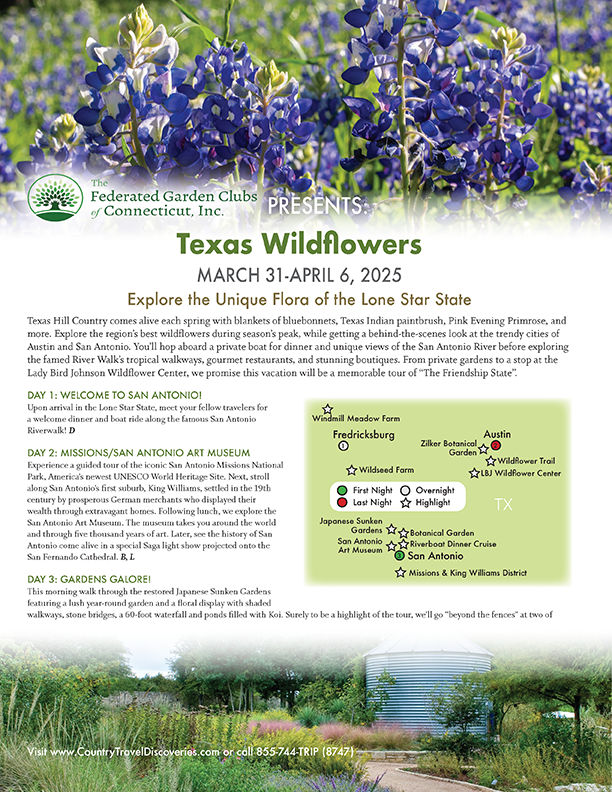
Texas Wildflowers
New Hampshire: Foraging and Fun
Greece: Land and Sea
|
|
|
|
The 95th FGCCT Annual Meeting
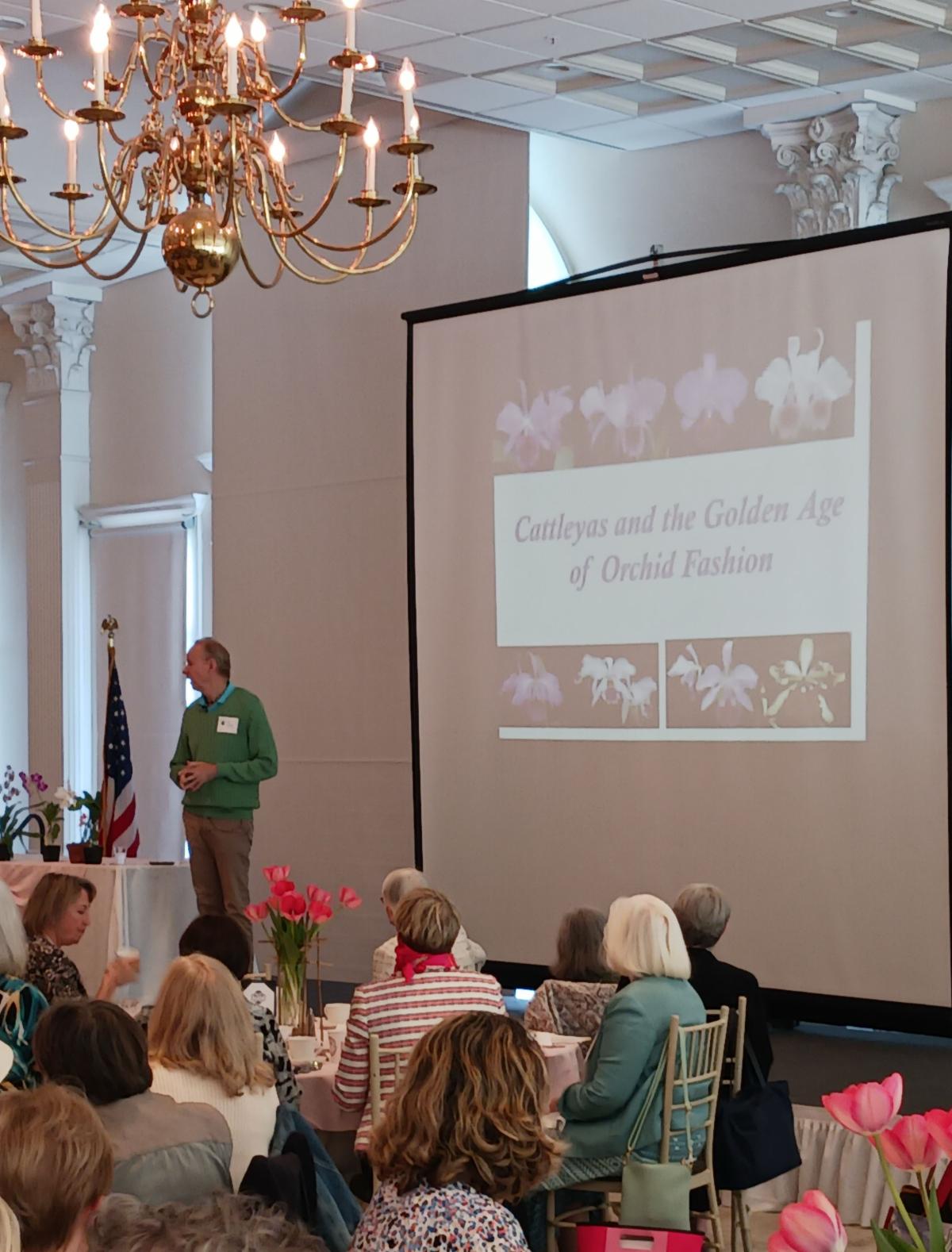
The Annual Meeting was held on Wednesday, April 17, 2024 at the Aqua Turf Club in Plantsville, CT. Guests arrived early so they could socialize, purchase tickets for the huge drawing after lunch, and shop at the wonderful vendors’ tables.
The meeting opened with FGCCT President Karin Pyskaty reviewing her report for the year and thanking clubs for their support of her President’s Theme: "Care for Our Air - Plant a Tree."
Guest speaker Art Chadwick, owner of Chadwick Orchids in Richmond, Virginia, gave a wonderful presentation filled with humorous anecdotes, photographs of his family’s home-grown orchids, including their renowned American First Ladies selections, as well as an informative tutorial on growing various types of orchids. Guests were able to purchase his orchids and his book, The Classic Cattleyas, “widely considered to be the definitive book on large-flowered Cattleya orchids.”
Following the luncheon, the drawing was held for the beautiful table centerpieces created by several garden clubs, as well as the donations from all the vendors. It was a lovely spring day and everyone had a wonderful time.
—Linda Kaplan, FGCCT Public Relations Chair
|
|
|
|
Legislative Update: NIPS
A recent editorial by Larry Cafero (who is the liquor lobbyist in Connecticut) stated that the “NIPS FUND” is an undeniable success for Connecticut. He says everyone is happy about it. Well, I AM NOT and neither should you be. The towns are making lots of money from the 5-cent return revenue to their town and I don’t see any town wanting to ban the sale of NIPS in their town and give up all that money twice a year. Have you seen a difference anywhere? NIPS are still littering everywhere. Does anyone know where the money goes in your town? Time to find out. We need to tell the Environmental Committee and other legislators that we must have either a complete ban or a machine that will accept the little nip bottles. Why can’t they take all that money and create a machine? They take the small water bottles. We need to keep the pressure on and make sure they know what we want. This bill just keeps getting swept under the rug. Let’s bombard the General Assembly while they are not in session so they will know what we want when they return.
— Gerri Giordano, FGCCT Legislative/Government Action Chair
|
|
|
|
Softening the Sting: Wasps
By Renee Marsh, FGCCT Horticulture Chair
|
|
|
|
There are many things I fear in life; other drivers on the Merritt Parkway and for that matter, most members of the human species. Insects, not so much. Unlike humans, they do things for a reason and are very predictable. Keeping honey bees taught me that knowledge and a healthy respect eliminates misunderstandings. For example, don’t dress like a bear, don’t breathe on them and don’t wear shorts (bees like to climb upward). This sense of goodwill extends to all bees and their kin, the wasps, which also belong to the order Hymenoptera, but with some key differences.
First, wasps are predominantly carnivorous, feeding on other insects, spiders, and in some cases, carrion (like your ham sandwich). These little predators help keep insect populations in check, encouraging a diverse ecosystem in the garden. Some species also play a role in pollination as they visit flowers in search of nectar, though they are not as efficient as bees.
|
|
|
|
Like bees, there are both solitary and social species. Social wasps live in colonies with a queen and workers. They will defend their nests vigorously if they feel threatened. Solitary wasps, on the other hand, live and hunt alone. They don't have a colony to defend, so they are generally much less aggressive than social wasps. However, solitary wasps will sting if they feel threatened or if they are provoked. And a final thing to keep in mind is that, unlike honey bees, most wasp species can sting repeatedly without dying, as their stingers are not barbed and can be withdrawn easily. Other than that, to know them is to love them.
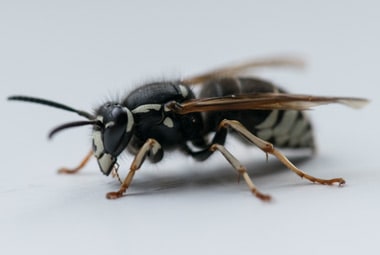
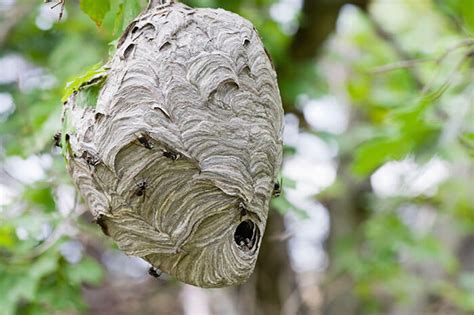
There are hundreds of species in Connecticut so I will just touch on the major groups. Let’s start with the social wasps. If you learn to identify any wasp, the bald-faced hornet is the one to know. Disturbing a bald-faced hornet’s nest is a really bad idea. They will hunt you down and kill you. Just kidding but seriously, I learned from my bees that you need to stay calm and steady. Arm waving and swatting on your part will only agitate them more and lead to unnecessary stings. Luckily, bald-faced hornets usually have their nests up in trees and away from us (though I have seen nests in shrubs and other places so be watchful).
|
|
|
|
|
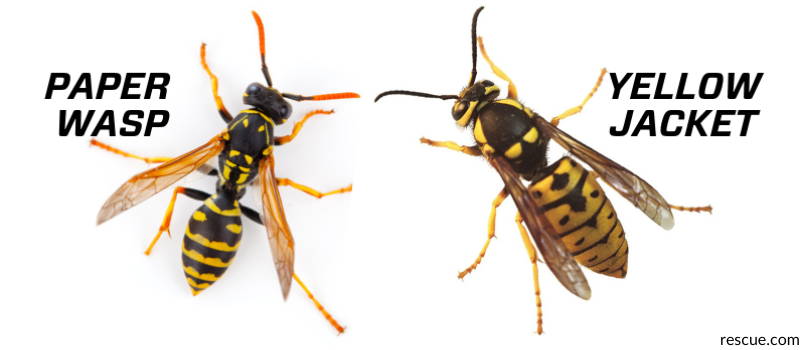
Of course then there is everyone’s favorite, the yellow jackets. There are actually four species found in Connecticut: Common, German, Eastern and Aerial. They like to build nests underground, which are delightful to find with the lawn mower, but they also have a predilection for aboveground cavities. Aerial yellowjackets build nests in trees very similar to the bald-faced hornets. Both bald-faced hornets and yellow jackets forage for nectar and soft-bodied insects, but yellow jackets can be more opportunistic, especially toward your late summer picnic when the nectar resources are waning.
By comparison, the European paper wasps are the least aggressive of the bunch but unfortunately, they look a lot like yellow jackets which doesn’t win them friends. They build papery nests from chewed wood fibers and you will find them hanging from eaves, branches, or other sheltered locations. None of the social wasps reuse their nests; only the queens survive after the first fall frosts. So, let them do their thing if you can, they will be gone soon enough.
|
|
|
|
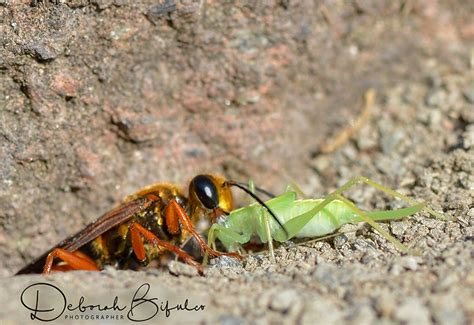
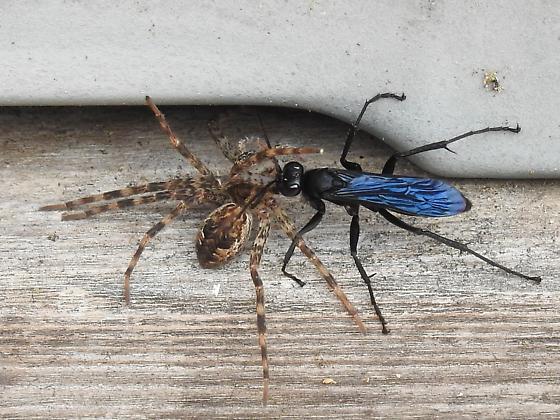
The more amiable members of the wasp clan are the solitary wasps: the daubers, diggers, and parasitoids. The female mud dauber constructs a mud nest in sheltered locations as well. Some nests are long tubes; others are more rounded. She fills each tube with prey she captures and paralyzes (often spiders) and lays an egg inside. The immature wasp hatches from the egg, feeds on the prey and later emerges as an adult. The female digger wasp is very similar. She digs a burrow in soil, then hunts down insects like caterpillars, grasshoppers, and beetles, which she paralyzes and stuffs into the burrow. When the burrow is full, she lays an egg, covers it up and starts digging a new burrow. Often you will see several wasps digging in one area but they are just attracted to the same favorable spot and aren’t really social.
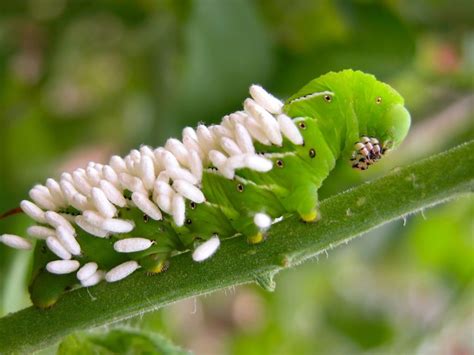
Parasitic wasps are a diverse group that lay their eggs inside or on the bodies of other insects or arthropods, which serve as hosts for their developing larvae. (Yep, just like “Aliens”.) There are thousands of species, each with its own host preferences and behaviors.
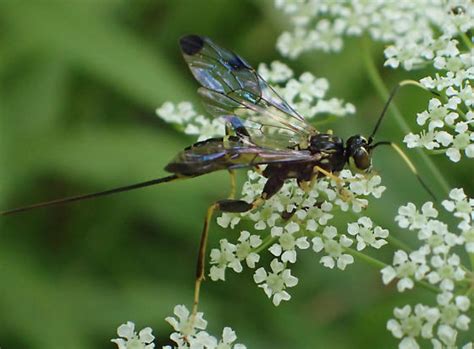
Some common species in Connecticut are braconid wasps and ichneumon wasps. Most of us don’t know anything about them because most are no larger than a gnat. What they lack in size they make up in sheer numbers and efficiency, and as a group they may be the single most important biological control in the garden. Their targets include insects like caterpillars, beetles, flies, and even aphids. The adults live on nectar and pollen and you might catch a glimpse of them on flowers. And since they don’t parasitize people, you can be good friends with them. (Those long ovipositors are for laying eggs, not stinging).
So, despite their reputation as aggressive pests, wasps aren’t all bad.
Understanding and respecting their boundaries can foster a harmonious coexistence.
At right, pictured top to bottom:
Digger wasp, blue mud wasp, tomato hornworm
parasitized by braconid wasps, ichneumon wasp.
|
|
|
|
|
Naturalized but Not Native
By Holly Kocet, Garden Club of Newtown & Chair, FGCCT Conservation Committee
|
|
|
|
Recently I was asked the ongoing question: “When does an introduced plant become native?” Often people do equate a plant's ability to naturalize in a particular region with it “becoming native.” After all, many introduced plants have been in this country for many years and are well established. But have they been here long enough to develop complex and essential relationships with our pollinators, birds and other wildlife?
Professor Doug Tallamy believes “Native” is not a label earned by a plant after a given period of time. Instead, the term describes its function: “A plant should be considered a native when it acts like a native — that is, when it has achieved the same ecological productivity that it had in its evolutionary homeland.”
Naturalized yes, but not native if a plant hasn’t formed a symbiotic relationship with native wildlife. Time duration is only relevant to point out that this evolutionary process occurred over hundreds of thousands of years.
The accepted requirement for a native plant is that it occurred naturally in a particular region, ecosystem, or habitat without human introduction. This could be called into question when you consider that indigenous peoples did travel and trade items with neighboring tribes. How else would one explain that corn found its way to the Northeast from southern Mexico prior to European arrival?
All plants are native somewhere so one must be careful to designate a plant's origin. Is it native to North America or just the Northeast? Some species planted here have been introduced from the South and do quite well but I do not believe they are considered native to the Northeast. Some of our New England plants are grown in Midwest nurseries, but many experts believe it's best to plant natives grown in our region. North America has designated ecoregions that define where plants live and thrive. A warming climate is already modifying these areas. However, locally sourced plants are still considered best for our soils and climate.
|
|
|
|
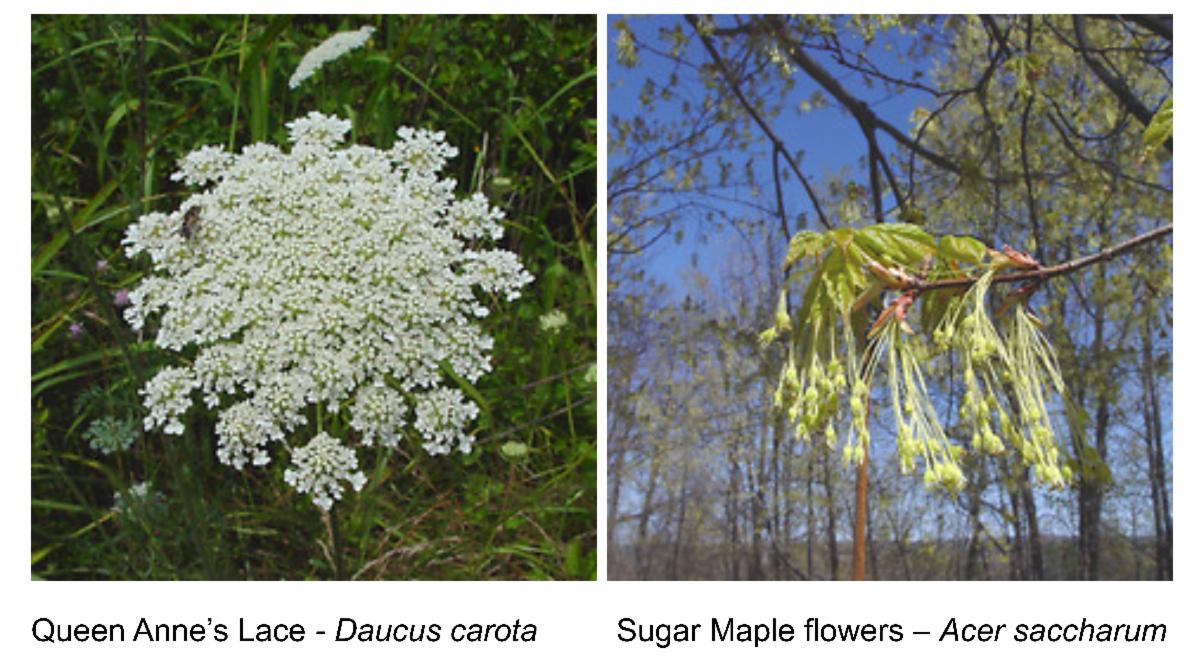
It is also generally accepted that a plant is native if it was in our region prior to the arrival of European colonization. We know of many plants that indigenous peoples used for food, remedies and other useful items, and that they shared their knowledge with European colonists. For example, maple trees helped sustain indigenous peoples for thousands of years prior to European arrival. During hard winters when food was scarce, they would chew inner strips of maple bark as a source of energy. Eventually, they refined their sugaring technique, collecting and boiling down the sap. Upon arrival, European settlers learned maple sugaring from these native peoples.
So, the origin of our native maples is without question but what of other plants, trees and shrubs? It turns out that specimens, seeds and drawings of the new world plants were taken back to Europe by early explorers for many years and they were well documented in botanical studies.
It's not so much the question of what is native as to what is not native. The science of paleobotany is the study and comparison of modern plants with fossil records to determine which plants are native to an area. There is also plenty of documentation for dozens and dozens of plants brought here from Europe and other parts of the world. Queen Anne’s Lace is an example of a plant that has naturalized in New England and across the country. Also known as wild carrot, it was introduced to America from Europe as a medicinal herb in the 1600s.
|
|
|
|
People have the ability to move plants over great distances very quickly. Otherwise, plants would migrate more slowly, limited by wind or animals that carry their seeds and by geographic barriers such as mountain ranges and large bodies of water. Quick movement of plants is best illustrated by the sheer number of invasive plants introduced from Europe and Asia that are plaguing our landscapes, parks and wild places — barberry, burning bush, mugwort, oriental bittersweet, knotweed, and the rest. Without the natural controls that keep them in check in their own country of origin, they are wiping out our native flora. These are introduced plants that have been here for some time and so they have naturalized. Will they every be considered native to New England? Let’s check back in a thousand years or so. |
|
|
|
SPOTLIGHT on our FGCCT Affiliates! |
|
|
|
|
|
|
We extend a warm welcome to The Federation’s newest affiliate, Hartford Blooms.
Hartford Blooms was founded in 2004 and is a 501c3, with tours and events held throughout the year that include many private gardens, estates, and historic properties not usually accessible to the public. The guided tours are led by professionals with a wealth of knowledge about Hartford who enliven the sights with entertaining details. For over 20 years, Hartford Blooms has been led by Mike McGarry, a tireless hands-on advocate of Hartford’s beautification.
Hartford Blooms supports the efforts of organizations such as KNOX, the Asylum Hill Neighborhood Association (AHNA), Northside Institutions Neighborhood Alliance (NINA), and the West End Civic Association (WECA) and encourages residents throughout Hartford to improve their properties through gardening. Additionally Mike has offered FGCCT Clubs individual tours at other times through appointment, requesting only a small donation and that groups either rent a bus or carpool to minimize the number of cars needed.
Registrations for the June 1-9 Hartford Blooms 10th Anniversary Garden Tours highlighting Hartford’s beautiful gardens, fascinating history, and splendid architecture, are now open. The tours have evolved over the past decade and will feature new discoveries and old favorites.
|
|
|
|
"Club Corner" is a place for clubs to showcase recently completed club achievements and activities. Has your club done something unique (or uniquely successful?) that you'd like to share? Visit "Club Corner" on the FGCCT website for more news from clubs! (Note that this area is not for upcoming events—you can post those on the FGCCT Club Calendar.)
Send photos, along with a writeup (200 words or less) and photo captions, to CFNewsManager@ctgardenclubs.org to be considered for inclusion. Please ensure you have appropriate permissions for all photos. We reserve the right to edit copy and select photos for inclusion.
|
|
|
|
Featured Club: Norwalk Garden Club |
|
|
|
The Norwalk Garden Club was founded in 1924 on the shared love of gardening, a respect for the natural environment, and a desire to promote civic beautification. The club continues its dedication to these goals through education, beautification, and philanthropic programs, as well as conservation and preservation efforts in collaboration with other organizations.
The club maintains civics gardens throughout the town. Each year in May, members plant red and white geraniums around the monument, flag pole, and gazebo just in time for Memorial Day events. The club members deadhead flowers and weed flower beds throughout the season. Other projects include:
Senior Center Patio Garden: Garden club members have adopted the Senior Center patio garden, adding compost and a variety of shade plants. Last spring, they invited others to a special event to view the beautiful results.
East Norwalk Historical Cemetery: The East Norwalk Historical Cemetery was established c.1655 and is Norwalk’s oldest cemetery. Many of the first settlers are buried there. For many years, garden club members have filled decorative urns with a bright display of annual flowers.
|
|
|
|
Holiday Wreaths for Public Buildings: Every December, members gather to assemble fresh greenery to make live wreaths for various public buildings throughout Norwalk. This activity continues a long-standing tradition of beautification for the community during the holidays.
The Norwalk Garden Club begins celebrating its centennial year with a cocktail party on June 7 with family, friends, and supporters. The club's history since 1924 is being gathered into a commemorative book with photos and descriptions of activities over the last one hundred years. In June, the display cases at the Norwalk Public Library (main branch) will contain an exhibit of historical items and memorabilia related to the garden club. The year's culminating event will be a luncheon at Shore Haven Golf Club.
The club meets the second Wednesday of the month at 12:00. Meetings, unless otherwise specified, are held at: St. Jerome Church 23 Half Mile Road Norwalk and guests are welcome!
|
|
|
|
Pomperaug Valley Garden Club Dedicates New Blue Star Memorial Marker |
|
|
|
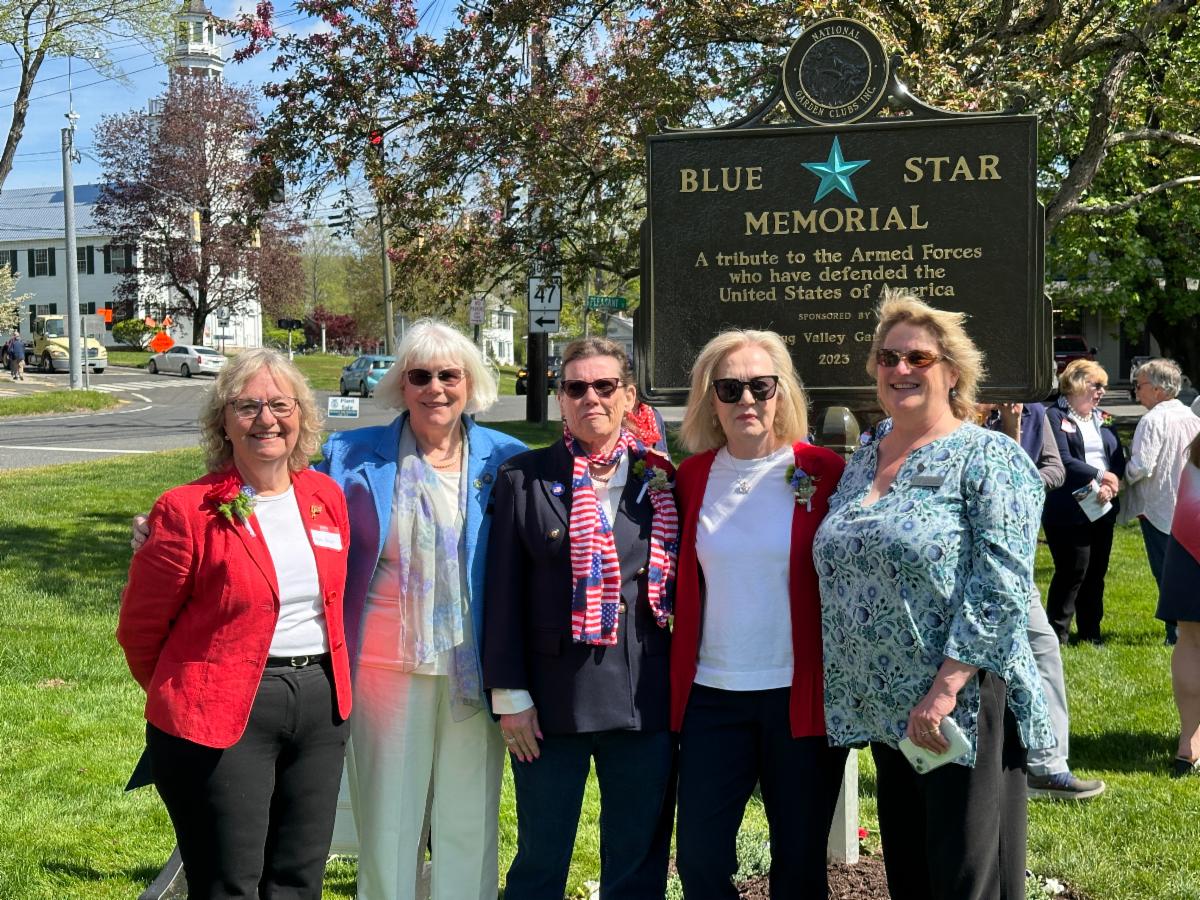
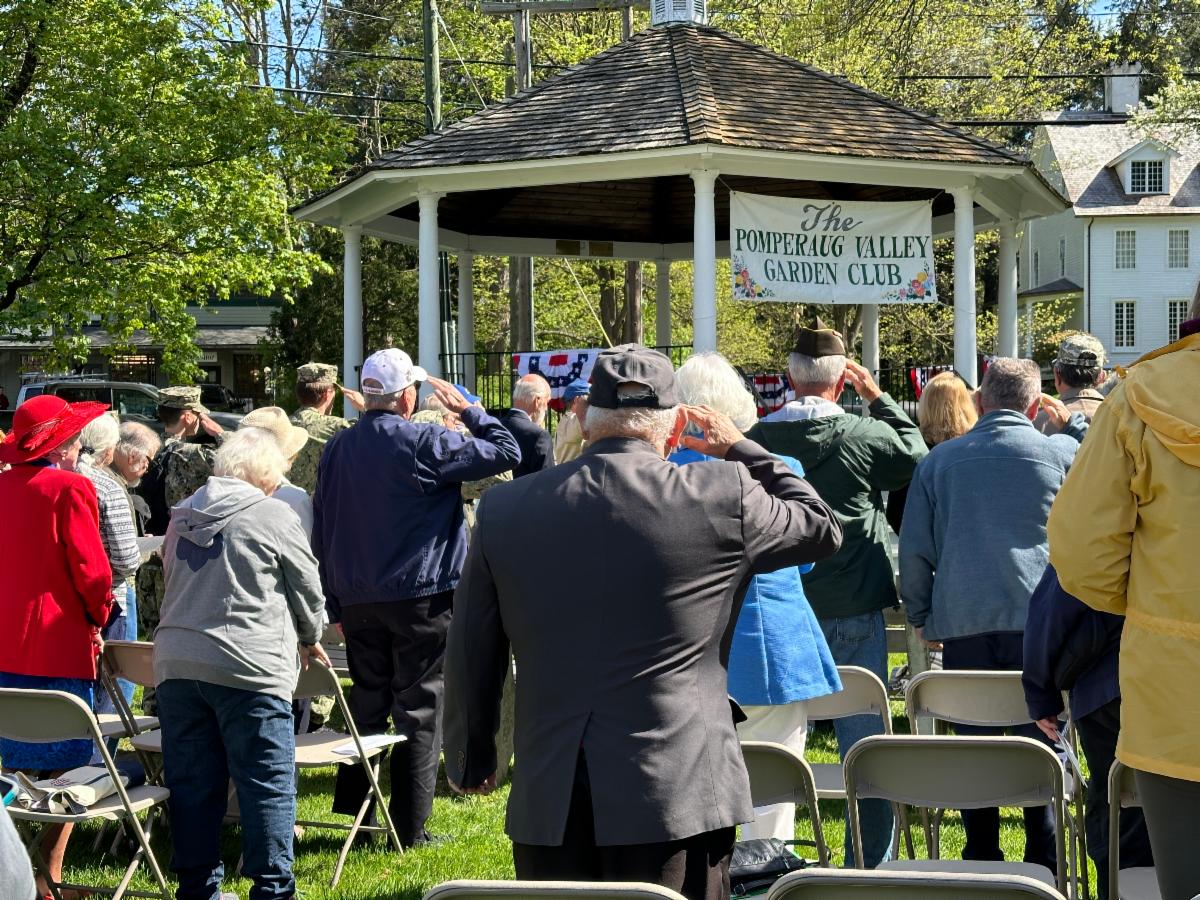
Under clear blue skies, a crowd of more than 100 gathered on May 4 on Woodbury’s North Green for the unveiling and dedication of the newest Connecticut Blue Star Memorial Marker, sponsored by the Pomperaug Valley Garden Club. After Club President Eileen Flynn-Ricci and Blue Star Memorial Committee Chair Nancy Bailey welcomed guests, members of American Legion Post #155 and Scout Troops 54 and 480 performed the Presentation of Colors and Pledge of Allegiance. Club member Mimi Abeles then led guests in the National Anthem.
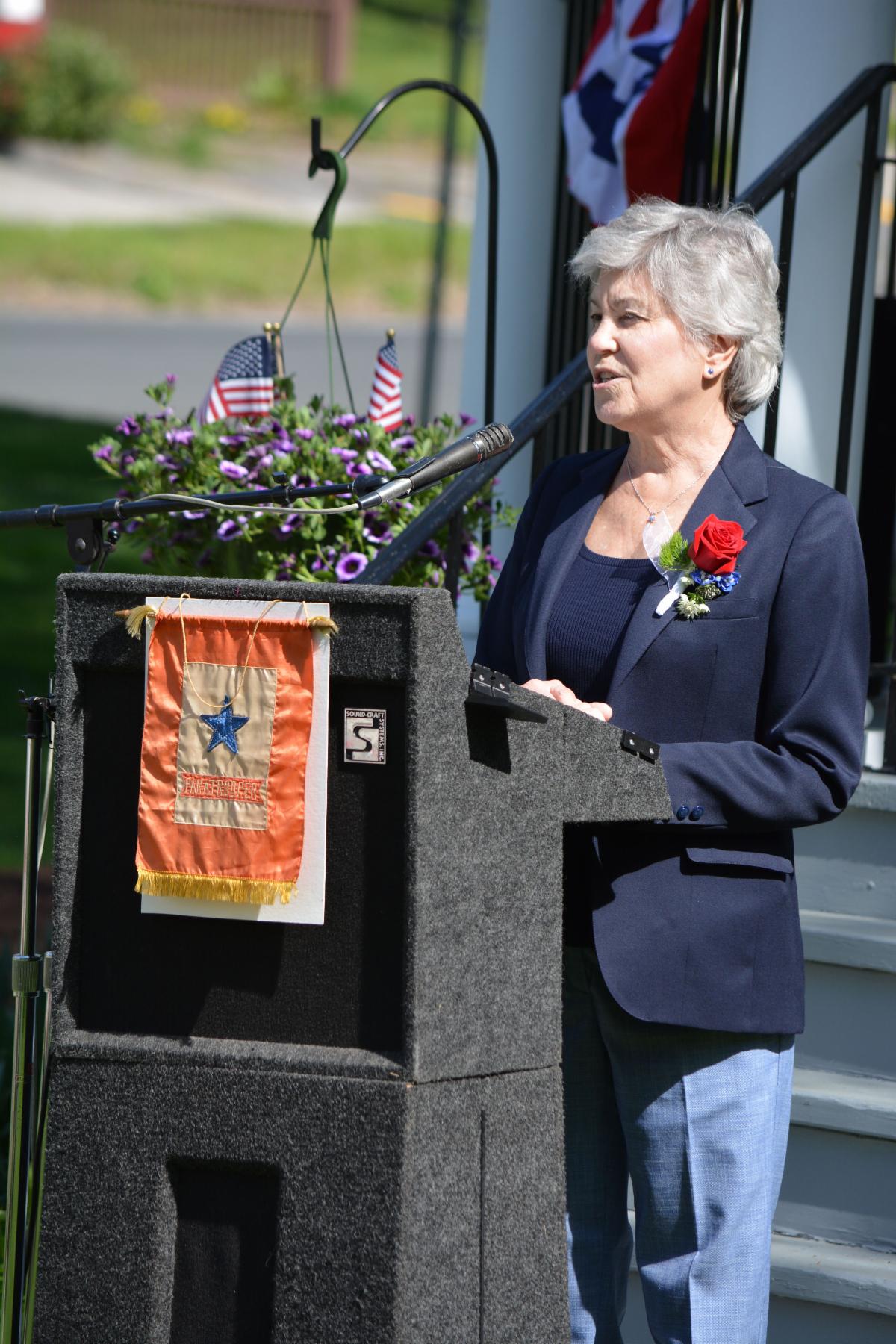
After Blue Star Committee Chair Nancy Bailey gave a brief history of the Blue Star Highway Program, Blue Star Committee member Sue Satterlee shared her family’s personal Blue Star history, including the original, treasured Blue Star window flag. After comments by American Legion Vice Commander Michael Gransky, the new Marker was officially unveiled. A small garden featuring Blue Star Junipers and planted in memory of long-time Garden Club member Ofelia TeeKing surrounds the new marker. Following the unveiling, Woodbury First Selectman Barbara Perkinson formally accepted the Blue Star Memorial Marker from the Garden Club on behalf of the Town of Woodbury and read a Proclamation declaring May 4, 2024, “Woodbury Blue Star Salute Day.”
|
|
|
|
L to R: PVGC Blue Star Chair Nancy Bailey, FGCCT President Karin Pyskaty, PVGC President Eileen Flynn-Ricci, PVGC Vice President Katherine Smith, and FGCCT Blue Star Chair Krista Fiorini. |
|
A solemn salute during the Presentation of Colors and the National Anthem. |
|
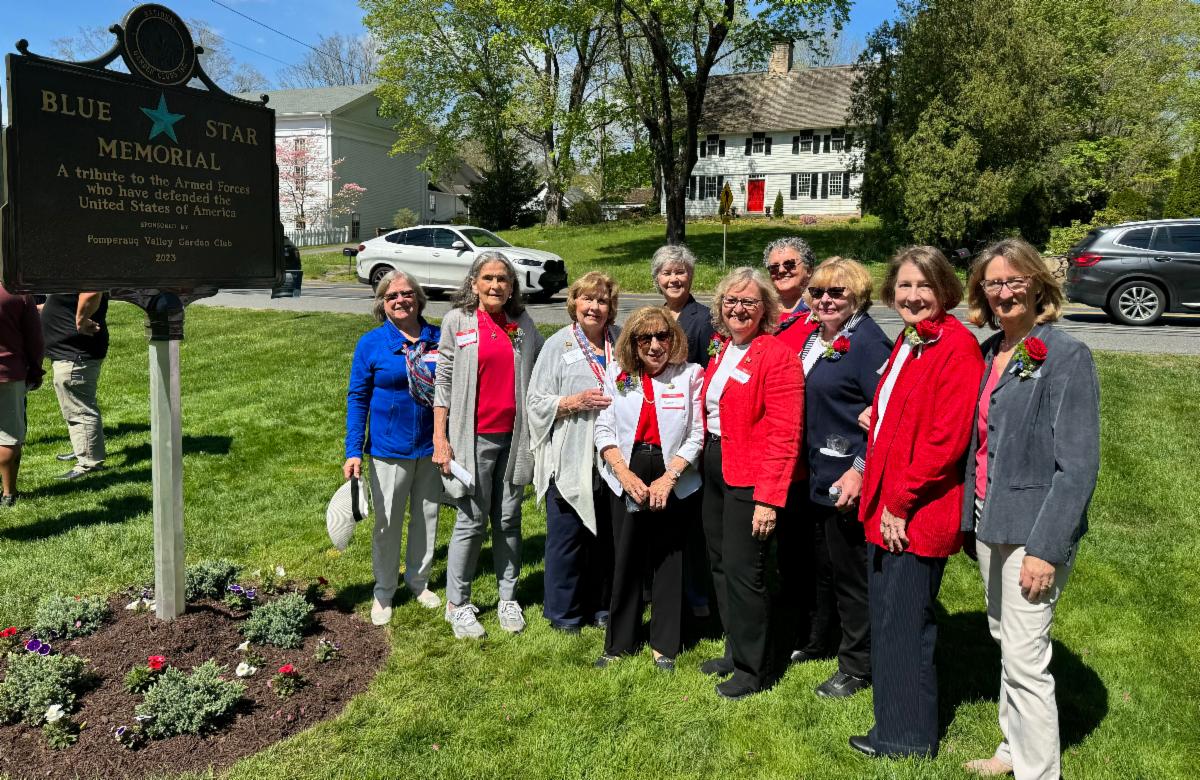
L to R: PVGC Blue Star Committee Kathy Prior, Bonnie Gardella, Michèle Paquet Finn, Rosemary Paul, Sue Satterlee, Nancy Bailey, Maria Angelopoulos, Mary Krivicky, Marty Sherman and Nan Taylor. [Missing is Katherine Smith] |
|
|
|
In Westport, Celebrating 100 Years!
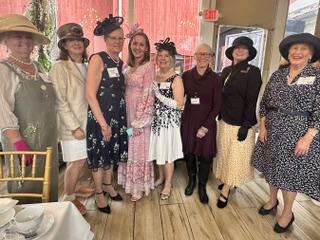
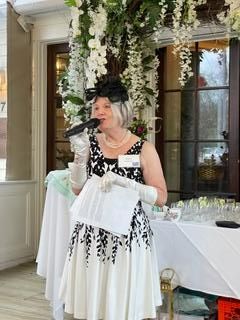
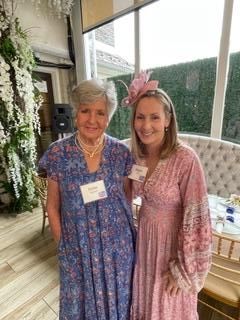
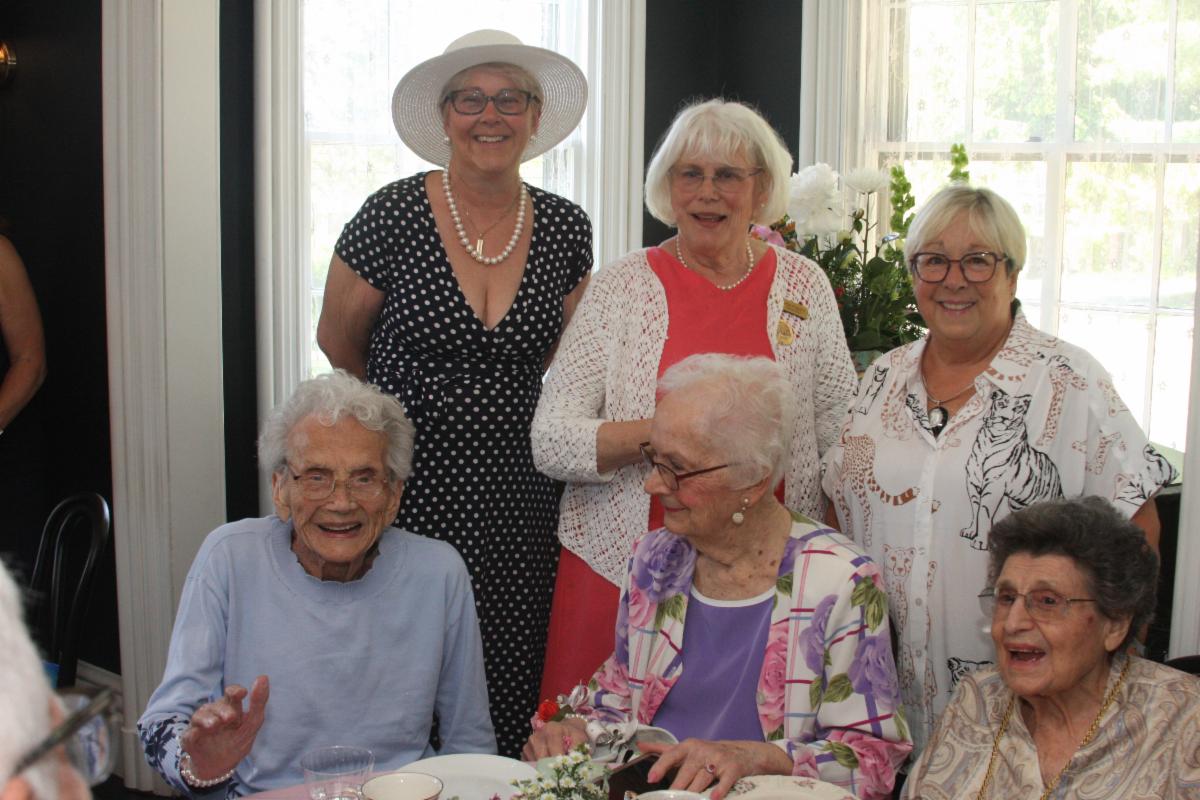
The Westport Garden Club celebrated its 100th Anniversary with a special tea held at Gabriele’s of Westport on April 11 — the exact date of their founding in 1924. Past Presidents of the club (pictured at left) each shared a decade from the club’s history, compiled by Archivist and Past President Louise Demakis, with many of the speakers adopting an outfit to suit the decade they were highlighting.
FGCCT President Karin Pyskaty joined the group to share a special certificate of recognition from National Garden Clubs, Inc.
|
|
|
|
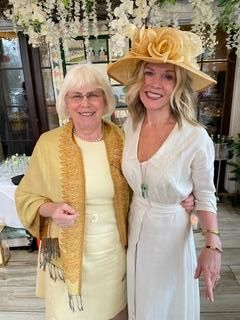
FGCCT President Karin Pyskaty with Kara McKenna Wong |
|
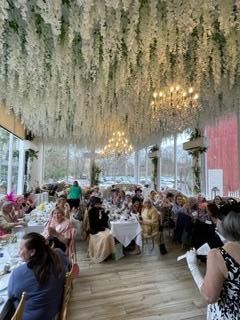
The Setting for the 100th Anniversary Tea |
|
Tea Party Chair and past President, Joni Andrews |
|
Current President Megan Lott and Lifetime Member Dottie Fincher |
|
|
|
|
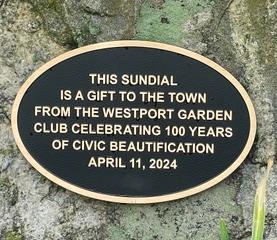
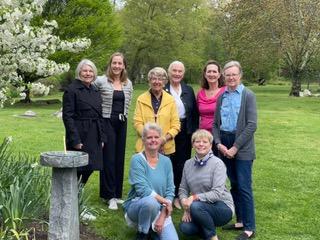
Just before the Club’s Annual Plant Sale on May 11, a Sundial was dedicated at Grace K. Salmon Park in Westport to commemorate the club's Centennial. Among the seven town parks that club members maintain, Grace K. Salmon Park is especially meaningful. Remediation of the one-time landfill began in 1970 and following the removal of debris and garbage littering the site, native trees, were planted and it became a town park in 1977, winning both State and National Awards. A recent renovation included plantings to enhance the park as a part of Westport’s Pollinator Pathway.
[At right, Current President Megan Lott is joined by Past Presidents of the Club]
|
|
|
|
|
Marking 100 Years for The Morris Cove Garden Club, too! |
|
|
|
On Wednesday, May 22, 2024, The Morris Cove Garden Club celebrated its 100th anniversary with a tea at The Estate, formerly known as the Townshend Mansion. The Estate is a beloved and historic site in the Morris Cove section of New Haven. We were honored to have Federated Garden Club President Karin Pyskaty in attendance, along with our most venerable members: Margaret Ottenbriet, Tina Doyle, and Josephine Farricelli, who is 104 years young!
We have had numerous flower shows over the years with one being held at the Townshend Mansion. Doris Townshend, known as Deb to those around her, was a long standing member of our club! In her honor, Jenn Haddon sang a song that Deb Townshend composed. Margaret Ottenbriet recounted memories of the garden club's humble beginnings. Names of members who have passed were read followed by a moment of silence in their honor. Anne Brandt shared stories that members submitted of their favorite memories of their time in the club. One of the most memorable was the installation of the Blue Star Memorial at Fort Nathan Hale.
|
|
|
|
|
In honor of our 100 years, club members planted 100 daffodil bulbs throughout the Morris Cove area. One of the most special planting locations was at the Pardee Seawall, overlooking Long Island Sound. We invite everyone to take a walk along this beautiful area as the days warm up and enjoy the views we are so thankful to have! More information regarding the Morris Cove Garden Club can be found on our group Facebook page or over on our Instagram page.
|
|
|
|
Leete's Island Celebrates Earth Day
In recognition of FGCCT President Karin Pyskaty's President's project, Care for Our Air, Plant a Tree, one part of Leete's Island Garden Club's educational exhibit at the first Guilford Earth Day Celebration was that we gave away all 100 native Redbud tree seedlings donated by Bartlett Tree Service. The Earth Day Celebration was held Sunday, April 21, from 1-4 PM on the Guilford Green in Guilford.
Redbud tree information was posted under our theme of 'Natives in Your Yard: Goal 70% or More' focusing on planting native plants because if planted in the right location, native plants reduce/eliminate need to water and reduce/eliminate need for fertilizer and pesticides.
|
|
|
|
|
|
|
In addition, we potted onsite and gave away all 50 native perennial Agastache flower seedlings. Seeds were donated by Friends of Hammonasset from their Meigs Points Nature Center gardens and raised by LIGC members using the winter seed sowing milk jug method.
We also gave away hundreds of vegetable seed packets donated by the UConn Master Gardener/Ocean State Job Lot Free Seed Program to encourage starting/enlarging your vegetable garden to lessen the carbon footprint of transporting vegetables to market.
|
|
|
|
The Clinton Arbor Garden Club Gets a New Name and a New Look! |
|
|
|
|
|
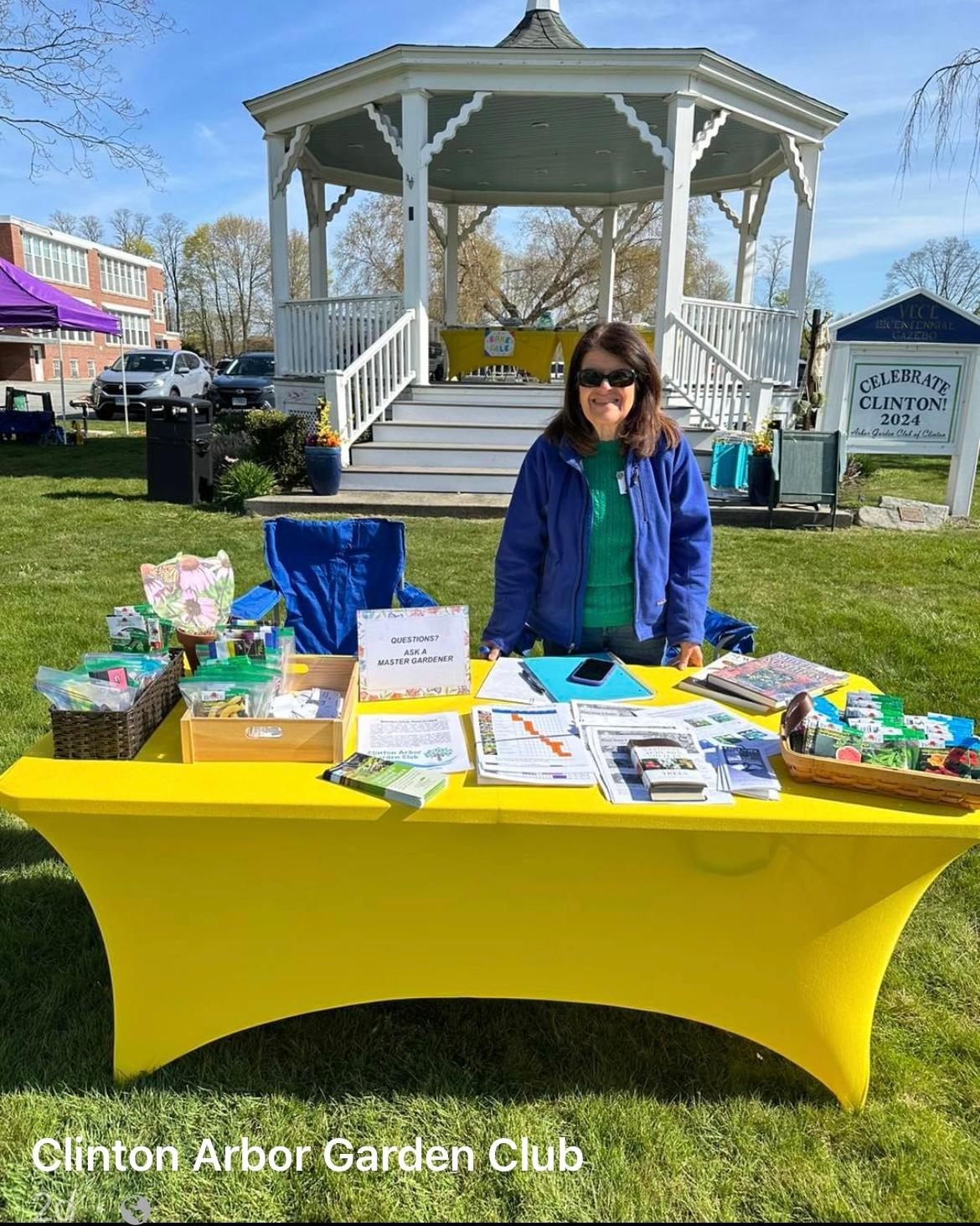
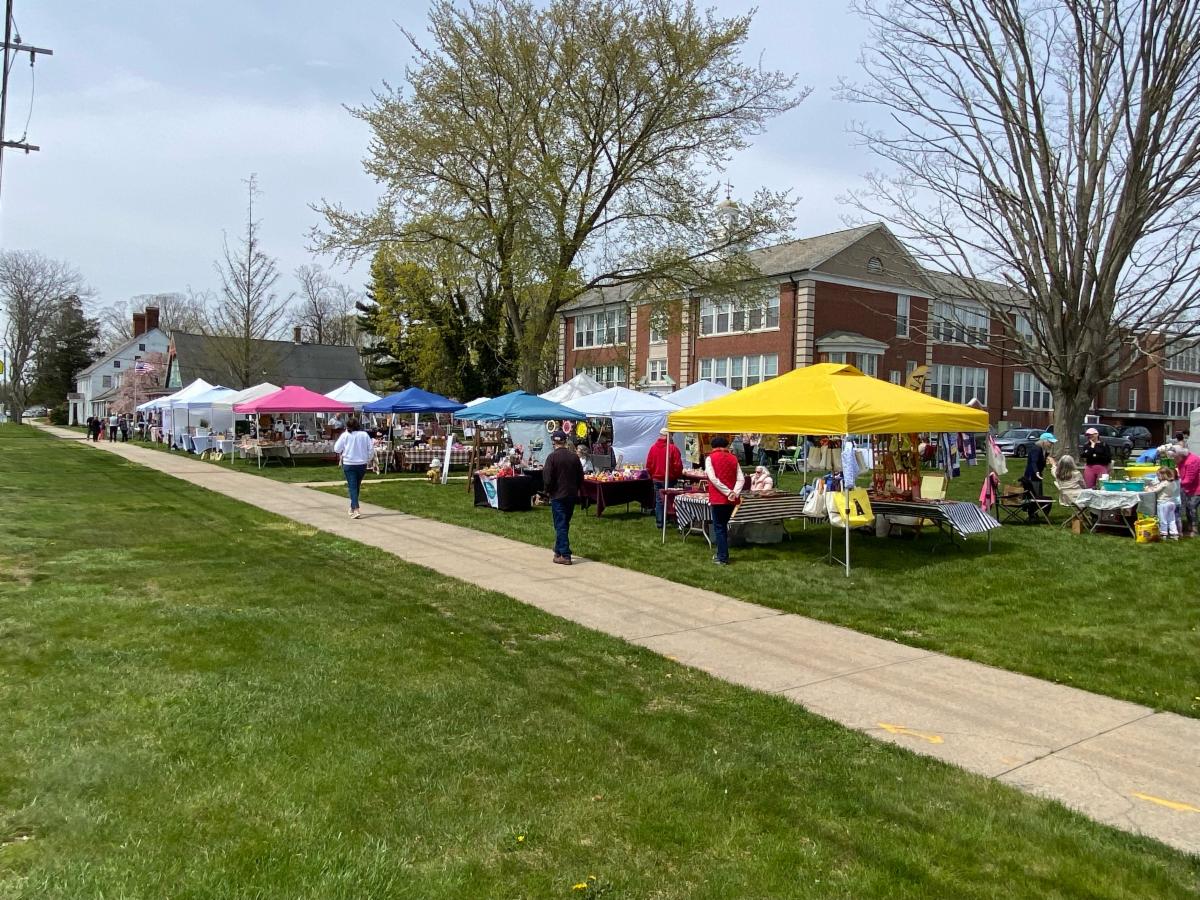
The Clinton Arbor Garden Club held its Spring Market fundraiser on April 27. Thirty-three vendors from across the state and MA complemented the club’s offerings, which included: sale of baked goods, plants, and members’ artisan crafts; a free flower arranging
demo; a spring wreath workshop; and children’s activity table. It was a beautiful day with a steady stream of visitors on Clinton’s main thoroughfare.
|
|
|
|
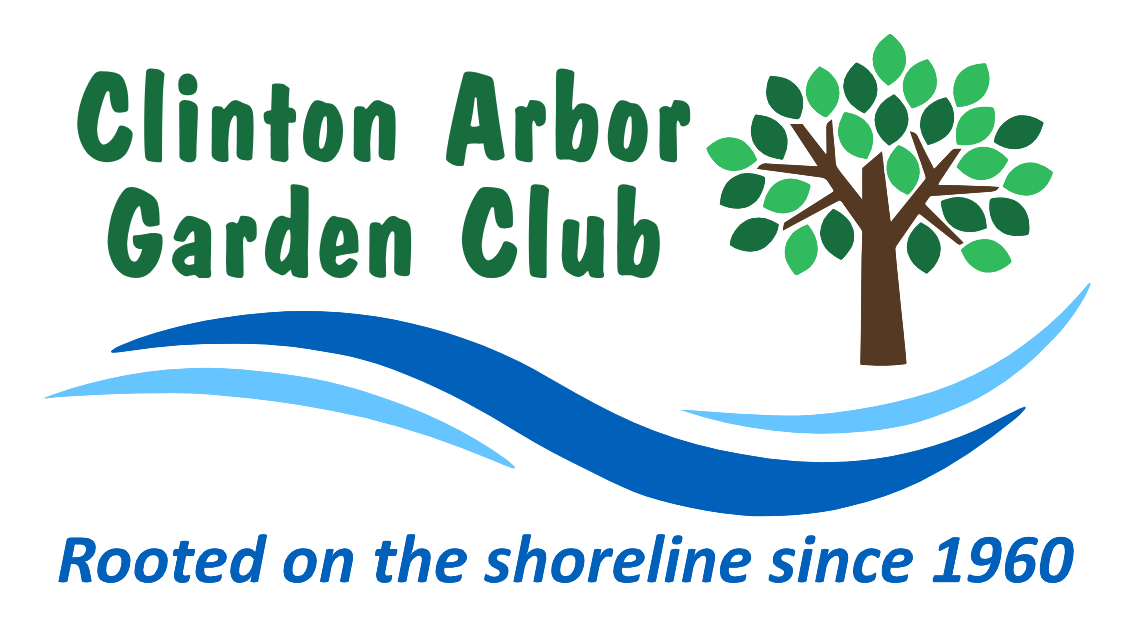
And a New Look…! To be found more easily online, the Arbor Garden Club of Clinton changed its name to Clinton Arbor Garden Club. With this change, we have updated our logo as well. Most logos, including our former one, are wreathed in a circle or boxed in a square. We wanted our new one to represent the free and easy “living outside the lines” shoreline lifestyle we embrace. Look for our new logo on media pages, correspondence, and club merchandise.
|
|
|
|
The Garden Club of New Haven Supports Local Library of Things
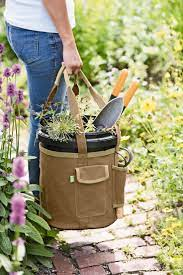
The Library of Things is a collection of non-traditional materials including gadgets, tools, games, kits, electronics, and more — all available to check out for free with a library card. In celebration of its centennial, the Garden Club of New Haven (GCNH) is in the process of donating a set of garden tools to each of the nearby libraries in New Haven, Hamden and North Haven. Gardeners needing tools for a one-time project or those who want to try something before they buy will soon have access to a set of gardening tools donated by GCNH. GCNH is hoping to plant a seed of inspiration to fellow garden clubs to reach out and support its own local Library of Things.
|
|
|
|
Celebrating 100 Years!
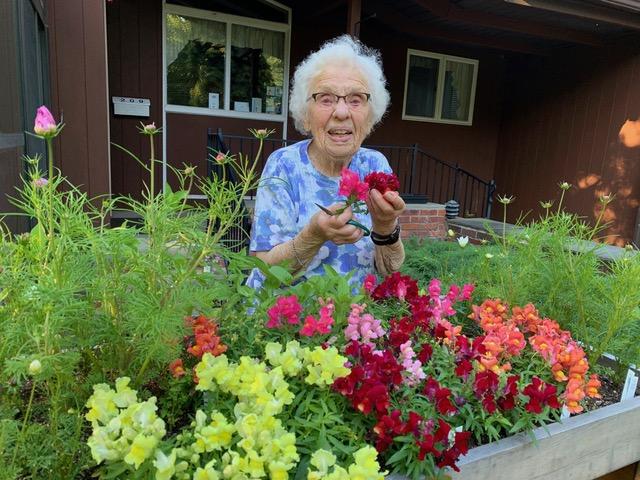
Pictured with flowers indicative of a hot July, Mary Gavin of Evergreen Country Gardeners of Glastonbury will celebrate her 100th birthday on July 29, 2024. Mary’s extensive horticultural knowledge, gathered as she earned degrees in Botany and Landscape Design from UCONN, has been freely shared within her club and community. Her commitment to serve also extends into her becoming a Master Gardener.
|
|
|
|
|
Evergreen Country Gardeners recently celebrated Mary’s spirit and commitment to our garden club with an Honorary Membership for rendering outstanding service to the club for the past fifty-two years. |
|
|
|
Donations to FGCCT's Scholarship Fund; Healing, Therapy and Senior Gardening Fund; and World Gardening Fund |
|
|
|
We thank the following Garden Clubs for their recent donations to the FGCCT Scholarship Fund.* For almost 40 years, the Federation has awarded scholarships to college and university students who major in Agronomy, Botany, City Planning, Conservation, Environmental Studies, Floriculture, Forestry, Horticulture, Land Management, Landscape Design, Plant Pathology, or allied subjects. We welcome donations of any size. Our appeal is ongoing to give all of our clubs the opportunity to make a contribution in the amount of their choosing.
|
|
|
|
Scholarship Fund Donations since the last issue of CFNews |
|
|
|
Middletown Garden Club
Guilford Garden Club
Wilton Garden Club
|
|
|
|
|
Healing, Therapy and Senior Gardening Fund Donations since the last issue of CFNews |
|
|
|
Branford Garden Club
Guilford Garden Club
|
|
|
|
|
World Gardening Fund Donations since the last issue of CFNews |
|
|
|
Branford Garden Club
Guilford Garden Club
|
|
|
|
|
Please send all Scholarship Fund donation checks to the appropriate chair (see below). Make checks out to "FGCCT" with the appropriate Fund listed on the memo line.
*Please note that due to the deadline for articles and information for the CFNews, some donations may not be received and deposited in time to be included in the bi-monthly donation acknowledgement, but will be included in the next issue of our newsletter.
PLEASE MAIL CHECKS TO:
|
|
|
|
For World Gardening & Garden Therapy:
The Federated Garden Clubs of CT, Inc.
Attention: Rosemary Bonaguide
PO Box 902
Wallingford, CT 06492
|
|
For FGCCT Scholarship Fund:
The Federated Garden Clubs of CT, Inc.
Attention: Carole Fromer
PO Box 902
Wallingford, CT 06492
|
|
|
|
Follow us on Facebook and Instagram!
FGCCT is on Facebook and Instagram and we love to post your news and photos! Please send upcoming events, club activities, civic projects, milestones, and hort tips. Include photos and a brief writeup of the news your club would like to share. The best format is text in an email with jpg photos attached. Take active photos showing members at work or showcasing beautiful gardens, flowers, and plants (please name the flower if it is a hort only photo). Let’s follow each other! Send submissions to social@ctgardenclubs.org
|
|
|
|
Just a reminder …
Please send all correspondence to the new FGCCT office:
The Federated Garden Clubs of CT, Inc.
P.O. Box 902
Wallingford, CT 06492
Did you recently elect new officers? Email their names and contact information to us at office@ctgardenclubs.org so they will receive Federation correspondence. If you need assistance, please contact FGCCT Office Administrator Joan Lenart at office@ctgardenclubs.org or by phone at 203-488-5528 on Mondays and Wednesdays, from 10 am to 2 pm.
|
|
|
|
Deadline to submit articles/photos, ads and calendar events for the June/July 2024 issue of the CFNews is July 10, 2024. Please submit to:
|
|
|
|
ARTICLES/PHOTOS
Martha (Marty) Sherman
ADVERTISING
|
|
|
|
|
Reminder from NGC: The National Gardener is ONLINE (and free!)
The official publication of the National Garden Clubs, The National Gardener, appears quarterly, and features articles of interest to environmentalists, gardeners, landscapers, floral designers, educators and photographers. Subscribe here.
|
|
|
|
|
|
|
State, Regional &
National Events
|
|
|
|
|
|
|
|