The Center for Advanced Research Training & Innovation (CARTI) newsletter lists upcoming events, resources, services and grant deadlines for UMB research faculty and fellows. | |
|
Special Announcement:
-
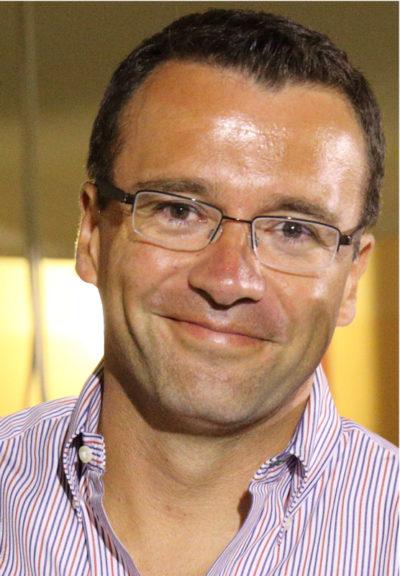
Joseph Cheer, PhD appointed as Basic Science Research Training Track Leader for CARTI!
Upcoming CARTI Seminars:
-
How to Incorporate a Conceptual Model into your Research Strategy (Feb 13 @ 9am; Zoom)
-
Tips for Writing Case Reports, Commentaries and Review Articles (Feb 15 @ 9am; Zoom)
-
Recruiting on Online Platforms (Feb 21 @ 9am; Zoom)
-
Overview of NIH Career Development (K) Awards (Feb 22 @ 9am; HSRF3)
-
The Basics of Writing a Research Grant (Feb 27 @ 10am; HSRF3)
-
Negotiation Skills (Feb 28 @ 9am; Zoom)
-
Diversifying your Funding Portfolio (Mar 5 @ 1pm; Zoom)
-
Ethical Considerations in Determining Authorship (Mar 7 @ 9am; Zoom)
-
NIH Administrative Supplements to Support Your Research (Mar 12 @ 9am; Zoom)
-
Strategies for Engaging Community-Based Collaborations in Research (Mar 13 @ 1pm; Zoom)
-
Developing Your Research Question, Hypothesis, and Specific Aims (Mar 14 @ 9am; Hybrid)
-
NIH Basics: Understanding Grant Mechanisms, Funding Announcements, and using NIH RePORTER (Apr 25 @ 9am; Hybrid)
To register for CARTI's events, click HERE.
Additional Events/Opportunities:
-
Center for Data and Bioinformation Services: Love Data Week (Starts Feb 12)
-
NIMHD: Health Disparities Research Institute (Applications due by Mar 11)
-
UMSON Research Seminar Series: Community-Based Participatory Research in Action (Feb 15 @ 12pm; Zoom)
-
Society of Clinical Research Associates: Impact of US Tax Code on Trial Enrollment, Retention, and (lack of) Diversity (Feb 21 @ 12pm; Zoom)
-
UMB Graduate School: Applications are now being accepted for:
- Master of Science in Epidemiology and Clinical Research – Clinical Research Track
- Certificate Program in Clinical Research
Research Funding Opportunities:
- Brain & Behavior Research Foundation
- Organization for Autism Research
-
Bristol Myers Squibb Foundation (CDA In Advancing Health Equity)
- American Cancer Society
-
Whitehall Foundation (Basic Research in Neurobiology)
-
NIH (Research Supplements to Promote Diversity in Health-Related Research)
| |
|
New Basic Science Research Training Track Leader Announced!
The Center for Advanced Research Training and Innovation (CARTI) is pleased to announce that Joseph Cheer, PhD has been appointed as the Basic Science Research Training Track Leader.
In this role, he will work closely with the Associate Director for CARTI Training Tracks, Shannon Takala-Harrison, PhD. Together they will develop and run CARTI’s newest training track and to provide training to UM School of Medicine faculty pursuing an independent research career in the basic sciences.
Dr. Cheer is a neurobiologist with over 15 years of experience in leading federally-funded research examining neural circuits involved in motivated behavior. He is committed to fostering inclusion and diversity within academic research and has received multiple awards in recognition of his outstanding mentoring. He has mentored over 14 postdoctoral fellows, many of whom acquired independent research positions. Lastly, he supports multiple training programs including the graduate program in neuroscience and the medical scientist training program. His extensive research experience and commitment to mentoring the next generation of researchers will be instrumental in developing and launching this exciting new training effort.
| |
CARTI's Upcoming Seminars | |
Research Skills Seminar Series | |
Overview of NIH Career Development (K) Awards
Thursday, February 22
9:00 – 11:00am
HSRF3 Building, Room 1010, 670 W. Baltimore St (1st floor)
This seminar is intended for new/junior faculty who are considering applying for an NIH career development (K) award and will help determine if it is an appropriate mechanism for their research and further training. This seminar is intended as an introduction to NIH K awards (K01, K08, K23) and will not cover how to write an NIH K award (a small interactive course on writing a K award will be available in the spring and fall of 2024). The following subjects will be covered:
- Purpose and components of a K award
- Eligibility and competitiveness for a K award
- Preliminary steps, including developing a fundable research question, identifying your mentor(s) and communicating with your Program Officer
- Review Criteria for a K Award
- How to identify non-NIH career development award opportunities
Virtual option is available by request. Email smendoza@som.umaryland.edu for Zoom link.
Speakers: Marey Shriver, PhD, Executive Director for Faculty Development, Center for Advanced Research Training & Innovation (CARTI), UMSOM and Stacie Mendoza, Program Director, Center for Advanced Research Training & Innovation (CARTI), UMSOM
| |
Scientific Writing Seminar Series | |
Tips for Writing Case Reports,
Commentaries and Review Articles
Thursday, February 15
9:00 – 10:00am
Zoom
This session will help clinicians/clinician educators learn how to initiate and develop peer reviewed publications that don’t involve “traditional” peer-reviewed research. Participants will also learn strategies to get the most out of being promoted with these types of publications (e.g. Do the literature search for a grand rounds talk and then publish a review; involve a trainee in a case report and get points for mentoring and a publication).
Speaker: Rose Marie Viscardi, MD, Professor Emeritus, Department of Pediatrics, UMSOM
| |
Ethical Considerations in Determining Authorship
Thursday, March 7
9:00 – 10:00am
Zoom
Being published in a peer-reviewed journal is a crucial aspect of a researcher’s career and a common metric by which productivity is gauged. Thus, as a form of ‘currency’, disputes and conflicts of interest involving authorship frequently occur, requiring careful consideration of the scientific community standards by which individuals should be identified as an author. This session will discuss modern trends in authorship and ethical considerations when determining authorship.
Speaker: Adam Puche, PhD, Professor and Vice Chair, Department Anatomy & Neurobiology, UMSOM
| |
Managing Your Research Program Seminar Series | |
Negotiation Skills
Wednesday, February 28
9:00 – 10:00am
Zoom
The ability to negotiate successfully is essential to managing a research program; however, early stage faculty often lack training in negotiations skills. In addition, scientists –especially at the early stages of their careers –feel uncomfortable with the process of negotiating, and are uncertain how to do this effectively. During this session, participants will receive tips for negotiating for protected time, resources, etc. as an early stage faculty member.
Speaker: E. Albert Reece, MD, PhD, MBA, Dean Emeritus and Former University Executive VP, Endowed Professor and Director, Center for Advanced Research Training and Innovation (CARTI); Senior Scientist, Center for Birth Defects Research, UMSOM
| |
|
Diversifying Your Funding Portfolio
Tuesday, March 5
1:00 – 2:00pm
Zoom
A challenging and crucial aspect of leading a research lab or program is the need to fund your research/program. Given the current competitive funding rates, this responsibility can be even more challenging. During this session, participants will hear from two academic research scientists who have learned how to finance their programs by applying for funding from diverse sources, including the NIH, foundations and corporate funding. This session will begin by helping faculty understand how to develop a budget for their research lab or program, and will then address how to diversify your sources of funding. This session will include tips for dealing successfully with some of the current challenges in funding.
Speakers: Satoru Otsuru, MD, PhD, Associate Professor, Department of Orthopaedics, UMSOM and Mark Travassos, MD, MSc, Associate Professor, Department of Pediatrics, UMSOM
| |
Career Skills "Short" Seminar Series
| |
|
How to Incorporate a Conceptual Model into your Research Strategy
Tuesday, February 13
9:00 – 9:30am
Zoom
Conceptual models can serve multiple purposes within the research strategy of a grant. During this 30-minute session, we will discuss how to use or adapt a conceptual model to provide a basis in theory, relate key concepts, and structure an analysis. We will also address specific use cases of conceptual models in implementation science.
Speaker: Jonathan Baghdadi, MD, PhD, Assistant Professor, Department of Epidemiology & Public Health, UMSOM
| |
|
Recruiting on Online Platforms
Wednesday, February 21
9:00 – 9:30am
Zoom
This session will discuss various ways to use online platforms to recruit for your studies. It will cover the use of social media, reaching out to influencers and other ways to reach your population of interest.
Speaker: Rachel Blankstein Breman PhD, MPH, RN, Assistant Professor, Partnerships, Professional Education, and Practice, UMSON
| |
|
Strategies for Engaging Community-Based Collaborations in Research
Tuesday, March 13
1:00 – 1:30pm
Zoom
Collaboration is key to implementing community engagement research. This session will cover strategies to increase community receptivity and acceptance when conducting a community-based research project. In addition, we will cover how to retool the research design and protocols to include culturally appropriate messaging that meets the needs of the population of interest.
Speaker: Doris Titus-Glover, PhD, MSN, Assistant Professor, Universities at Shady Grove, UMSON
| |
Introduction to Grant Writing Seminar Series | |
The Basics of Writing a Research Grant
Tuesday, February 27
10:00 - 11:00am
HSRF3 Building, Room 1010, 670 W. Baltimore St (1st floor)
This session will provide a broad overview of writing a research grant. Topics will include early considerations before writing a grant application, including various funding mechanisms. The session will introduce the major components of a grant application, and best practices for writing each section.
Virtual option is available by request. Email Stacie Mendoza for Zoom link.
Speaker: Mary-Claire Roghmann, MD, MS, Professor, Department of Epidemiology & Public Health; Associate Dean for Physician-Scientist Training, UMSOM
| |
|
Developing Your Research Question, Hypothesis,
and Specific Aims
Thursday March 14
9:00 - 10:00am
Hybrid Session: Zoom & In-person
(HSRF3 Building, Room 1010, 670 W. Baltimore St (1st floor)
Explaining the fundamental idea of your research project on paper is essential for writing grants. The purpose of this seminar is to help faculty in composing and clearly describing their underlying research question, hypothesis, and specific aims. This session will include tips for developing your research question and how to progress to defining your hypothesis and specific aims.
Speaker: Marey Shriver, PhD, Executive Director for Faculty Development, Center for Advanced Research Training & Innovation (CARTI), UMSOM
| |
|
NIH Basics: Understanding Grant Mechanisms, Funding Announcements, and using NIH RePORTER
Thursday, April 25
9:00 - 10:00am
Hybrid Session: Zoom & In-person
(HSRF3 Building, Room 1010, 670 W. Baltimore St (1st floor)
Understanding the NIH organizational structure, how to identify the right funding mechanism and announcement, and the grants review process is an essential first step before applying for NIH funding. This session will provide an overview of the NIH grants process, as well as, helpful resources for early stage faculty not familiar with NIH funding. This session will cover topics including: an overview of the different NIH funding mechanisms; identifying Funding Opportunity Announcements (FOAs); using NIH RePORTER; and the NIH system of Peer Review.
Speaker: Marey Shriver, PhD, Executive Director for Faculty Development, Center for Advanced Research Training & Innovation (CARTI), UMSOM
| |
|
NIH Administrative Supplements to Support Your Research
Tuesday, March 12
9:00 – 10:00am
Zoom
Administrative supplements offered by the NIH are non-competing awards that provide additional funding to cover additional costs that are within the scope of a currently funded NIH grant. This session will discuss the requirements for submitting requests for administrative supplements, including equipment and diversity supplements, and how these supplements can support your research.
Speaker: Alexander Drohat, PhD, Professor, Department of Biochemistry and Molecular Biology, UMSOM
| |
Scholarly Writing Accountability Group (SWAG) Program | |
Virtual Program to Help Faculty Increase Their Scholarly Writing Productivity | |
|
The Center for Advanced Research Training & Innovation (CARTI) provides a virtual peer accountability/support program designed to increase writing productivity among UMB early stage faculty called Scholarly Writing Accountability Group (SWAG). A description of our virtual SWAG program follows, including details on how to participate.
What is a VIRTUAL SWAG?
A virtual SWAG is an active peer-led writing group for UMB junior faculty that meets for 1-hour, once a week over a 10-week period using Microsoft Teams/Zoom. Groups follow a structured agenda including 15 minutes of updates and goal-setting followed by 30 minutes of individual writing and then 15 minutes of reporting and wrap-up. Each group is limited to 4-8 members who must commit to attending at least 8 out of the 10 weekly sessions. In a SWAG, there is no peer review of writing; SWAGs focus on the process of writing, not the content. The purpose of SWAG is to help junior faculty get in the habit of 1) writing in short blocks of time daily or almost every day and 2) identifying and prioritizing feasible writing goals.
| |
|
Writing accountability groups are being used at multiple major medical schools. The data which have been reported on the results of this program are very favorable, reflecting marked increases in the quantity and quality of writing by junior faculty participants.
What are the Benefits of Joining a SWAG?
Faculty who join SWAG will:
- Develop new writing habits to achieve writing goals
- Improved time management skills
- Gain a greater sense of control over the writing process
- Build a small community of support/social network
Registration
New SWAGs at UMB are being formed on a rolling basis. If you’re interested in participating, please submit the following REQUEST FORM.
Questions? Email Stacie Mendoza
| |
CARTI'S Seminar Slides & Recordings | | |
|
|
Join CARTI's Microsoft Teams Page!
This page serves as a hub for CARTI's seminar recordings and slides for the seminar series listed below:
- Managing Your Research Program
- Scientific Writing
-
Research Skills (grant writing, presentations, etc)
- Funding Seminar Series
- Introduction to Grant Writing
-
Career Skills Short Seminar Series (30 minute lectures)
- Communicating Research Findings with a Broad Audience
-
UM Ventures: Intellectual Property Protection, Commercialization, & Industry Partnerships
To gain access, email Stacie Mendoza.
| | |
CARTI'S Individual Consultations | |
|
Research Grant Application/Summary Statement Consultations
Christy Chang, PhD, Senior Program Leader, is available to meet with faculty to discuss writing their first R01 NIH application. Dr. Chang offers consultations regarding readiness and eligibility for R01 level funding, specific aims, and other elements of an R01 application. In addition, she is available to discuss strategies for addressing summary statements and revising research grant applications for resubmission. Email: cchang@som.umaryland.edu
| |
|
Career Development (K) Grant Application/Summary Statement Consultations
Marey Shriver, PhD, Executive Director for Faculty Development, is available to meet with junior faculty to discuss early project conception to the development of a complete NIH career development (K) application. Dr. Shriver offers consultations regarding developing a clear research question and testable hypothesis. In addition, she provides consultations regarding eligibility for K grant applications, planning for an upcoming grant proposal, and assembling a K application – including creating a training plan. Lastly, she is available to discuss strategies for addressing summary statements and revising research grant applications for resubmission. Email: mshriver@som.umaryland.edu
| |
|
Identifying Sources of Funding Consultations
Stacie Mendoza, Program Director, assists junior faculty and postdocs with identifying sources of funding for their research. To schedule a funding consultation, complete the Funding Search Request Form online. Email: smendoza@som.umaryland.edu
| |
CARTI'S Funded Grant Library | |
|
The Center for Advanced Research Training & Innovation (CARTI) now has a funded grants library available to faculty who are preparing an NIH grant application. These samples were shared by UMSOM faculty who have funded NIH grant applications including, but not limited to the following mechanisms:
- Loan Repayment Program (LRP) Awards
- Career Development Awards (K): K01, K08, K23, K24
- NIH Research (R) Grants
- Diversity Supplements
To gain access, contact Marey Shriver, PhD or Stacie Mendoza.
| |
Center for Data and Bioinformation Services (CDABS)
Health Sciences and Human Services Library (HSHSL)
| |
|
Love Data Week 2024 Starts Monday, Feb 12!
Love Data Week (Feb. 12 - 16) is an international celebration of all things data!
Each year, the Center for Data and Bioinformation Services (CDABS) at the Health Sciences and Human Services Library (HSHSL) looks forward to engaging our community on issues like data management, sharing, wrangling, and visualization, as well as open and reproducible science.
This year’s theme is “My Kind of Data,” which is meant “to explore the personal aspect of data, focusing on equity, inclusion, and creating a kinder world through data.”
Scheduled events include an in-person workshop Writing Data Management Plans with DMPTool, followed by open office hours where you can get personalized help on data management plans from HSHSL librarians. They will also be hosting a virtual panel discussion Telling Baltimore Stories Through Data to introduce the UMB community to diverse datasets about Baltimore.
For more information and to register, please visit our Love Data Week page.
Questions? Please reach out to Data Services Librarians, Amy Yarnell and Irma Fraticelli at data@hshsl.umaryland.edu
| |
National Institute on Minority Health and Health Disparities (NIMHD) | |
NIMHD Health Disparities Research Institute
August 5 – 9, 2024
Location: NIH Campus, Bethesda, MD
In-person only
Applications for the 2024 Health Disparities Research Institute (HDRI) will be accepted from February 5 – March 11, 2024. HDRI will take place on August 5 – 9, 2024 and is a unique weeklong program that supports the research career development of promising early-career minority health and health disparities research scientists.
| |
University of Maryland School of Nursing
Research Seminar Series
| |
|
Community-Based Participatory Research in Action: Lessons Learned from an Academic-Community Collaboration
Thursday, February 15
12:00 - 1:00pm
Zoom
Please join the UMSON February research seminar, featuring Dr. Doris Titus-Glover's work where she used a community-based participatory research approach to carry out a successful protocol. Dr. Titus-Glover will be sharing lessons learned from this community- academic collaboration. This seminar is open to interested parties.
Speaker: Doris Titus-Glover, PhD, RN, Assistant Professor, UMSON
| |
The Society of Clinical Research Associates (SOCRA)
Baltimore Chapter
| |
|
The Society of Clinical Research Associates (SOCRA) is a non-profit, charitable and educational membership organization committed to providing education, certification, and networking opportunities to all persons involved in clinical research activities.
The Baltimore Chapter's monthly meetings are open to the public and all are welcome to attend. Below is the topic for the next meeting:
Impact of US Tax Code on Trial Enrollment, Retention, and (lack of) Diversity
Wednesday, February 21
12:00 - 1:00pm
Zoom
Please join the Baltimore SOCRA Chapter for their February Meeting, where they will be hosting Sam Whitaker from Mural Health, Inc. Sam will be discussing the impact of participant payments, the taxation of payments, and the resulting impact on trial operations and diversity. Sam will also review the predatory fees associated with prepaid debit cards and how you can eliminate financial related barriers for participants.
Speaker: Samuel Whitaker, Co-Founder and CEO of Mural Health
| |
UMB Graduate School
Clinical Research Training
| |
|
Applications are being accepted by the UMB Graduate School for the following:
· Master of Science in Epidemiology and Clinical Research – Clinical Research Track
· Certificate Program in Clinical Research
Both are designed specifically to meet the needs of clinicians and scientists who want further education and training to develop a successful career as a clinical and translational investigator. Graduates will gain the ability to identify important clinical research questions, develop research protocols, generate pilot data, conduct clinical research, analyze and write the results in a publishable form and develop and submit grant proposals. Former students include faculty members (particularly those on or applying for career development awards), fellows, residents and medical and dental students.
Please see the details and application deadline for each below:
| |
MASTER OF SCIENCE IN EPIDEMIOLOGY AND CLINICAL RESEARCH – CLINICAL RESEARCH TRACK
- 30 credits
- Eligible for tuition remission
- Designed for clinicians and clinicians-in-training wanting to develop a successful clinical research career
Early Admission Deadline: March 1, 2024
Final Application Deadline: May 15, 2024
For more information, visit the WEBSITE
In particular, read the "Frequently asked questions" for each.
| |
|
CERTIFICATE PROGRAM IN CLINICAL RESEARCH
- 12 credits
- Eligible for tuition remission
- For clinicians and scientists who do not have time to do a full MS but need to gain skills not covered in their health profession or graduate education
Early Admission Deadline: March 1, 2024
Final Application Deadline: May 15, 2024
For more information, visit the WEBSITE
In particular, read the "Frequently asked questions" for each.
| For an individual consultation on whether this training is appropriate for you, please contact Jennifer Albrecht, PhD at jalbrecht@som.umaryland.edu |
|
Research Funding Opportunities | |
|
BRAIN & BEHAVIOR RESEARCH FOUNDATION
Young Investigator Grant
The goal of the Young Investigator Grant program is to help researchers launch careers in neuroscience and psychiatry and gather pilot data to apply for larger federal and university grants. The program is intended to facilitate innovative research opportunities and supports basic, as well as translational and/or clinical investigators. All research must be relevant to our understanding, treatment and prevention of serious psychiatric disorders such as: schizophrenia; bipolar; mood and anxiety disorders or early onset brain and behavior disorders.
APPLICATION DEADLINE: March 12, 2024
Visit the WEBSITE for more information.
ORGANIZATION FOR AUTISM RESEARCH
Applied Research Grant
The Organization for Autism Research seeks to fund studies that expand the body of knowledge related to autism intervention and treatment, produce practical and clearly objective results, have the potential to positively affect public policy, and provide outcomes that offer to enhance quality of life for persons with autism and their families. Special emphasis has been placed on research in the following areas: community-engaged research; physical health and mental health; improving access to and effectiveness of existing systems and services; intersectionality, equity and diversity; and mid-life and older adults.
LOI DEADLINE: March 18, 2024
APPLICATION DEADLINE: July 15, 2024
Visit the WEBSITE for more information
BRISTOL MYERS SQUIBB FOUNDATION
The Robert A. Winn Diversity in Clinical Trials: Career Development Award (Winn CDA)
The CDA is a two-year program designed to support the career development of early-stage investigator physicians preparing them to become independent clinical trial investigators engaged in advancing health equity through their research and mentoring.
APPLICATION DEADLINE: May 13, 2024
Visit the WEBSITE for more information
| |  |
|
AMERICAN CANCER SOCIETY
DEADLINE: April 1 & October 15, 2024
Visit the WEBSITE for more information.
WHITEHALL FOUNDATION
Research Grant
The Whitehall Foundation funds grants in basic research in neurobiology, defined as follows: Invertebrate and vertebrate (excluding clinical) neurobiology, specifically investigations of neural mechanisms involved in sensory, motor, and other complex functions of the whole organism as these relate to behavior. The overall goal should be to better understand behavioral output or brain mechanisms of behavior.
LOI DEADLINE: April 15, 2024
APPLICATION DEADLINE: September 1, 2024
Visit the WEBSITE for more information.
NATIONAL INSTITUTES OF HEALTH (NIH)
Research Supplements to Promote Diversity in Health-Related Research
These opportunities are a great way to boost your funding and allow you to supplement funding for diversity trainees, administrative supplements to enhance your research projects, and obtain equipment for your laboratories. The applications are easy to submit with funding released typically within 3 months due to these not undergoing peer-review.
Here is a comprehensive listing of diversity/administrative supplements being offered by each NIH institute. Locate the NIH Institute in which your parent award resides to find the proper information and links to supplement opportunities.
Please contact Sarah Laye or Danielle Stegman for more information or if interested in pursuing these opportunities.
| |
|
Seeking Foundation Funding for your Research?
The SOM’s Office of Development, Corporate and Foundation Relations, provides services and resources to assist UMSOM faculty with identifying private foundation funding for research, programs, educational initiative, and community outreach at the local, regional, and national level. Visit their website for more information and to schedule an appointment.
| |
|
Center for Advanced Research Training & Innovation (CARTI)
University of Maryland School of Medicine
685 West Baltimore Street, MSTF Building, Room 319
Baltimore, Maryland 21201-1559
Phone: (410) 706-5434
Visit our Website!
| | | | |