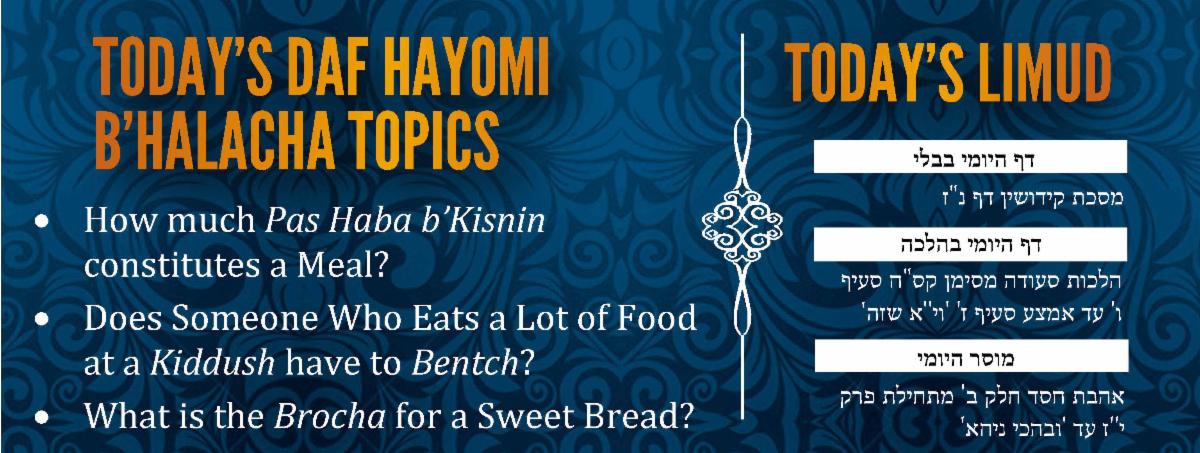
How much pas haba b’kisnin constitutes a meal?

If a person eats a large quantity of pas haba b’kisnin, he is obligated to wash his hands, recite Hamotzi and bentch. The Achronim disagree on the definition of a large amount. Some say that it is a standard amount, equivalent to either three or four eggs. Others say that there is no exact amount; instead, it is relative to the quantity that the people in the region eat for their morning or evening meal. Although the primary halacha follows the second opinion, it is best to be stringent and avoid eating four eggs’ worth of pas haba b’kisnin. Some Achronim hold that it is only necessary to be stringent when the food contains four eggs’ worth of flour (not including the other ingredients). Others say that one should be stringent under all circumstances.


סי קסח ס"ו ס"ק כד ביאורים ומוסיפים דרשו 15 16


Does someone who eats a lot of food at a Kiddush have to bentch?


When figuring out whether one is required to wash and bentch on pas haba b’kisnin, some poskim hold that it is necessary to consider the setting in which it is eaten. If the atmosphere is clearly one in which snacking (and not a full meal) is taking place, Hamotzi and Birkas Hamazon would not be recited. For example, if a person intends to eat a lot of pas haba b’kisnin at a Kiddush in shul, he would not say Hamotzi since it is clearly a snacking venue. If a person only planned to eat a small quantity of pas haba b’kisnin but then changed his mind mid-meal and decided to eat enough in total to qualify as a meal, he does not have to wash his hands or say Hamotzi. He does have to bentch at the end of the meal, though.  If at some point during a snack one decides to eat an additional amount that is equivalent to a meal on its own, he must wash and say Hamotzi before doing so.


ס"ק כה כו ביאורים ומוספים דרשו 16


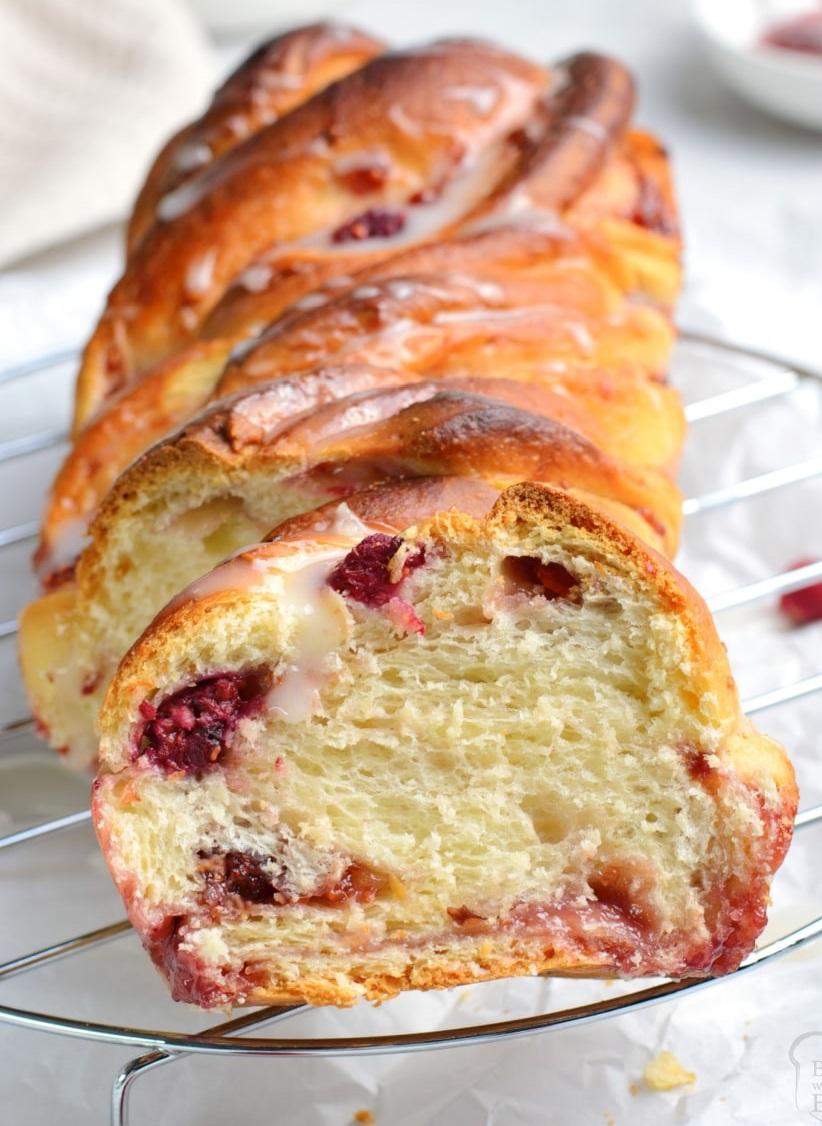
What is the brocha for a sweet bread?


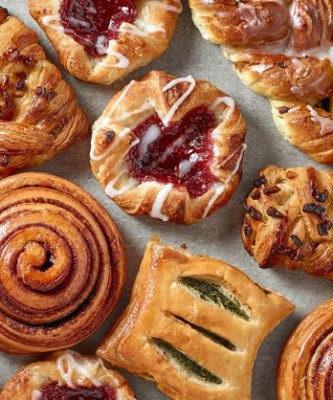
Shulchan Aruch lists three types of products which fall into the category of pas haba b’kisnin. One of them is a dough made from flour and water that contains a filling like fruit, nuts or spices. Even if the filling is later removed, the brocha remains Mezonos. Similarly, if one only eats the dough on the perimeter which does not have filling in it, the brocha is still Mezonos. The second pas haba b’kisnin product is a dough to which fruit juice or spices are added at the time of kneading. The extra ingredients must be discernible in the taste of the final product. According to Shulchan Aruch, this dough is pas haba b’kisnin even if it contains only a small amount of these ingredients. Rema rules that these ingredients must be in the majority to overwhelm the taste of the flour and water.


ס"ז ס"ק כז-לב


  • In earlier times, a host would recite the brochos on behalf of those who were assembled for the meal. If the host was careful to eat only pas Yisroel but the guests preferred pas Akum, the host was permitted to be lenient and recite the brocha over the pas Akum out of respect for his guests.


  • Pas haba b’kisnin is a product generally eaten as a snack (and not a meal) which is made from one of the five grains. Although it has the same primary ingredients as bread, its brocha is Mezonos and its brocha achrona is Al Hamichya.


  • Can a sweet challah be used for lechem mishneh?


  • What is the appropriate brocha for matzah?


  • Is it possible to be koveya seudah on a blintz?
PLEASE NOTE:  The information in this email is for learning purposes only. Please review the Mishna Berura and Biurim U'Musafim before making a halachic decision. Hebrew words are occasionally transliterated to enable a smoother reading of the text. Common Ashkenazi pronunciation is generally used in these cases.
Daf Hayomi B'Halacha Shiur
Rav Asher Eisenberger
Rabbi Asher Eisenberger
Synopsis of Today's Halachos
Rabbi Yerachmiel Garfield
Synopsis of Today's Halachos
This Week's Limud