Diversity, Equity & Inclusion | |
|
Reader’s Advisory and DEI
Melanie Miller, Alfred Box of Books Library (she/her)
Readers advisory (RA) is an essential service of libraries. Readers advisory is the process by which librarians suggest books or materials to readers either directly or indirectly. Direct RA includes suggesting books when a patron asks, guiding patrons to another author they might like, suggesting a similar series, offering suggestions when they ask that difficult question, “What should I read next?” Indirect RA includes our displays, book lists we create, and things like “Staff Recommendations.” RA is so essential to library services, we probably don’t really notice when it’s happening.
As an essential service, how can we incorporate diversity, equity, and inclusion in our readers' advisory services? And why is that important?
Inclusion in RA is “intentionally and authentically promoting and suggesting titles by authors who are traditionally excluded and/or underrepresented in publishing to readers.” Publishing is still 76% white, meaning publishing staff, book marketers, and agents remain predominantly white. What this means is the books we hear about in major review sources or see promoted through media sources are driven by white folks. In order to promote or suggest books by those underrepresented in publishing, librarians need to do some work.
First and most importantly, readers advisory begins with collection development. How does your collection development policy reflect DEI? What resources and tools are you using to diversify your collection? Do the books on your shelf reflect diverse perspectives? By having a collection development policy that supports DEI, you will have materials on your shelf you can recommend to patrons.
Remember, book selection is a privilege, and perhaps more importantly, a responsibility. We can directly influence what people have access to. We know that books are mirrors, windows and sliding glass doors. But if readers only find mirrors, they aren’t getting an accurate picture of the world.
Additionally, librarians should be reading diversely. By diversifying your own reading, you can more confidently recommend diverse titles. This doesn’t just mean books. It includes book reviews. Not every book review I read will end up being purchased for my library. But I can still offer that up as a suggestion if it meets a patron’s request. Reviews can come from non-traditional resources. Instagram is a great tool for book reviews! There are lists such as: 12 Queer Bookstagram Accounts to Follow for Fabulous LGBTQ+ Recs, 15 Amazing Indigenous Bookstagram Accounts to Follow, or 10 Black Bookstagrammers You Need to Follow. If you don’t use Instagram, many of these creators have content on other platforms. Other sources of non-traditional book reviews include: The Brown Bookshelf, The Conscious Kid, Reading While White, Rich in Color, and We Need Diverse Books.
Lastly, conduct a diversity audit. It’s important to ask yourself what you’re giving voice to in your selections. And more importantly, who are you silencing? If you find that only 1% of your collection is diverse, aim to do better. Re-evaluate your collection development policy. Seek to increase it to 3% in the next year, and keep building.
What does this look like in action? Here are a few ways you can work to incorporate diversity and inclusion into your daily readers advisory work:
- You’re creating a book display for teens for summer. Consider the books you’re selecting. Are all the books written by white authors? Are white authors writing about the experiences of people of color? Do books about Black or Indigenous experiences only reflect trauma? Do characters from the LGBTQ+ community have happy, full lives? Select books that may not have circulated in the last year or two, that patrons might have forgotten about. Remember, your display is suggesting books for readers. They are easy to see, quick to grab, and encourage checkout.
- A parent asks for picture books similar to one they just returned by a popular author. What are your go-to suggestions? What do the characters look like? Who are the author and illustrator? How can you diversify your suggestions? Do you easily recommend authors such as Jacqueline Woodson, Matt de la Peña, Grace Lin, Kwame Alexander, Nikki Grimes, Julie Flett, Hena Khan, Traci Sorell, Junot Diaz, or Joanna Ho?
- You’re selecting books for storytime. How can you include diversity? Do the pictures show children of different races and ethnicities visiting the zoo? Do their families look different? Who is the author and the illustrator? Selecting books for storytime sends a message: These books are good books! What message is your storytime sending?
- You’re looking for books you might add to the collection, and you know you have to stick to a budget. What books make up your cart or list before you place your order? How did you select these books? Who have you given a voice to?
Good readers advisory service begins with you. When diversity, equity, inclusion, accessibility, and social justice are core values reflected in your library, you will be able to serve your patrons by providing them with more than just mirrors to reflect their own lives and experiences. You will be providing windows and sliding glass doors to invite them to explore, learn and grow.
| |
|
New Releases in Children’s Books
Kelly Povero, Watkins Glen Public Library (she/her)
Credit: Summaries adapted from Amazon and Goodreads
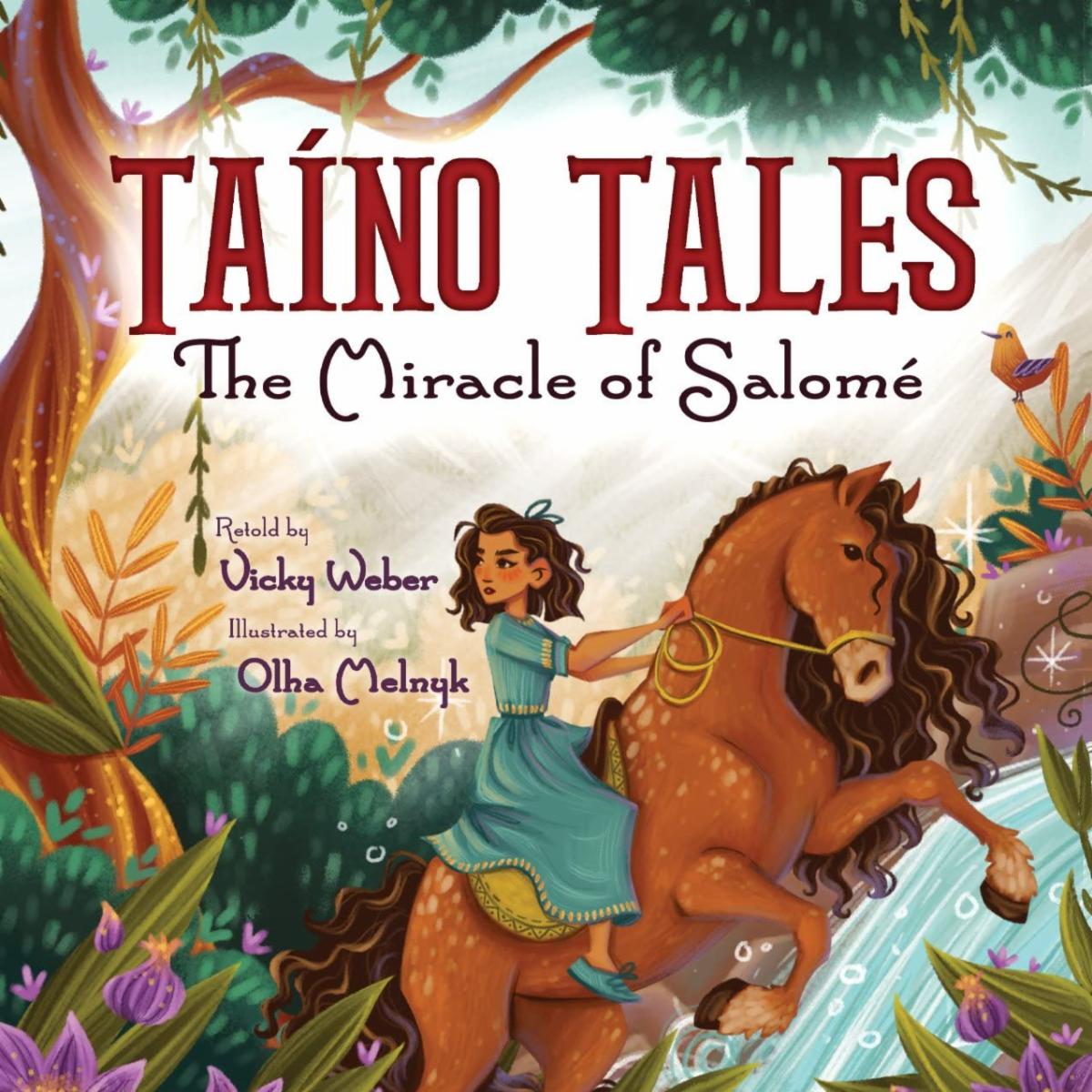
Taíno Tales: The Miracle of Salomé by Vicky Weber (June 6), Picture Book
Salomé finds herself in trouble and accepts the help of a kind stranger. Her people are wary of this new friendship and forbid her from seeing the stranger again. This stranger is a Taíno warrior, part of an indigenous group of the Arawak people in the Caribbean and parts of Florida. This book is a retelling of a Taíno legend about how our choices define us.
| | | |
|
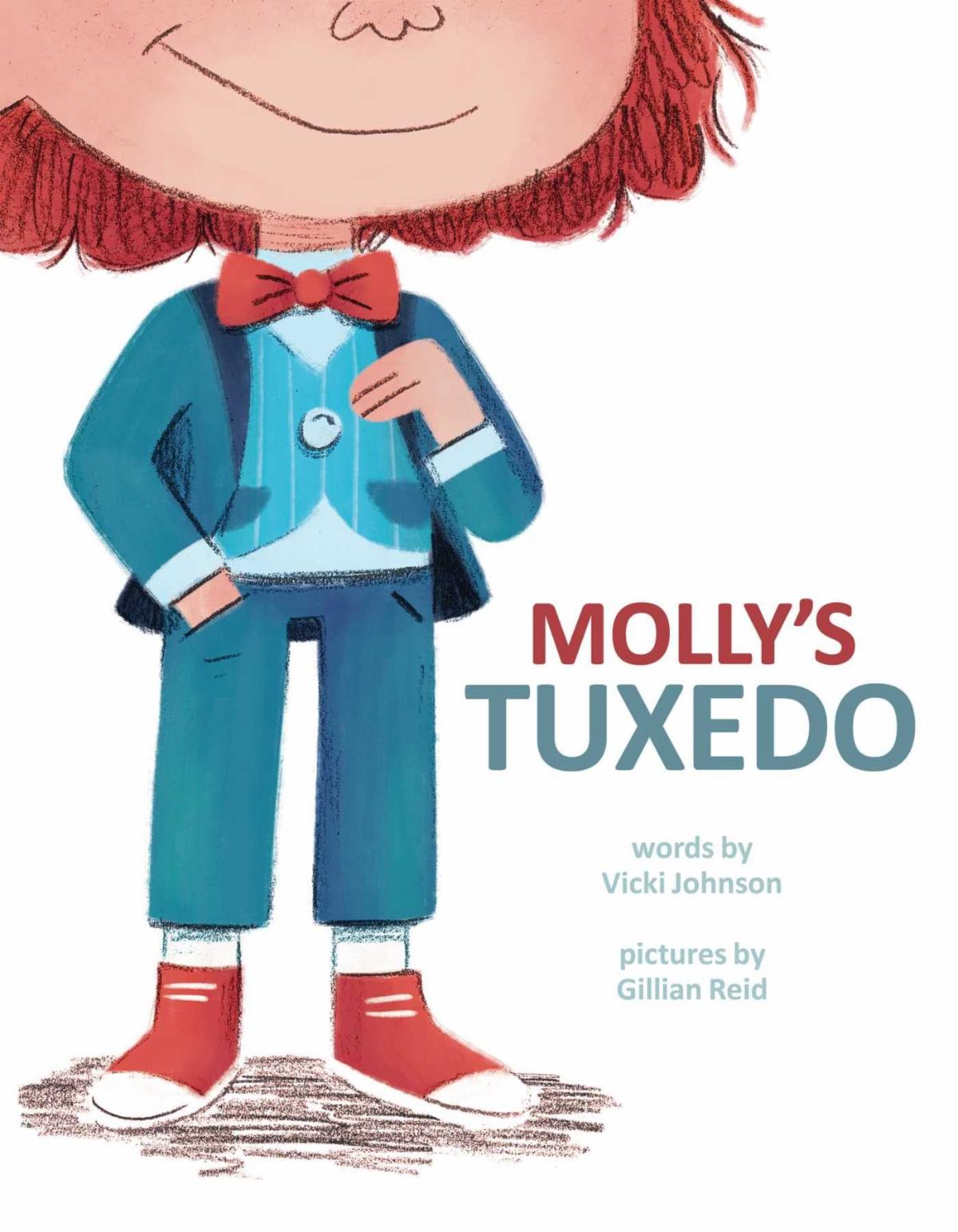
Molly’s Tuxedo by Vicki Johnson (June 27), Picture Book
With school picture day right around the corner, Molly wants the perfect portrait to hang on the wall. Her mother has chosen a dress for her to wear, but Molly isn’t fond of dresses. She would much rather wear her brother’s old tuxedo! This book features a gender nonconforming character and is published in partnership with the Gay & Lesbian Alliance Against Defamation (GLAAD).
| |
|
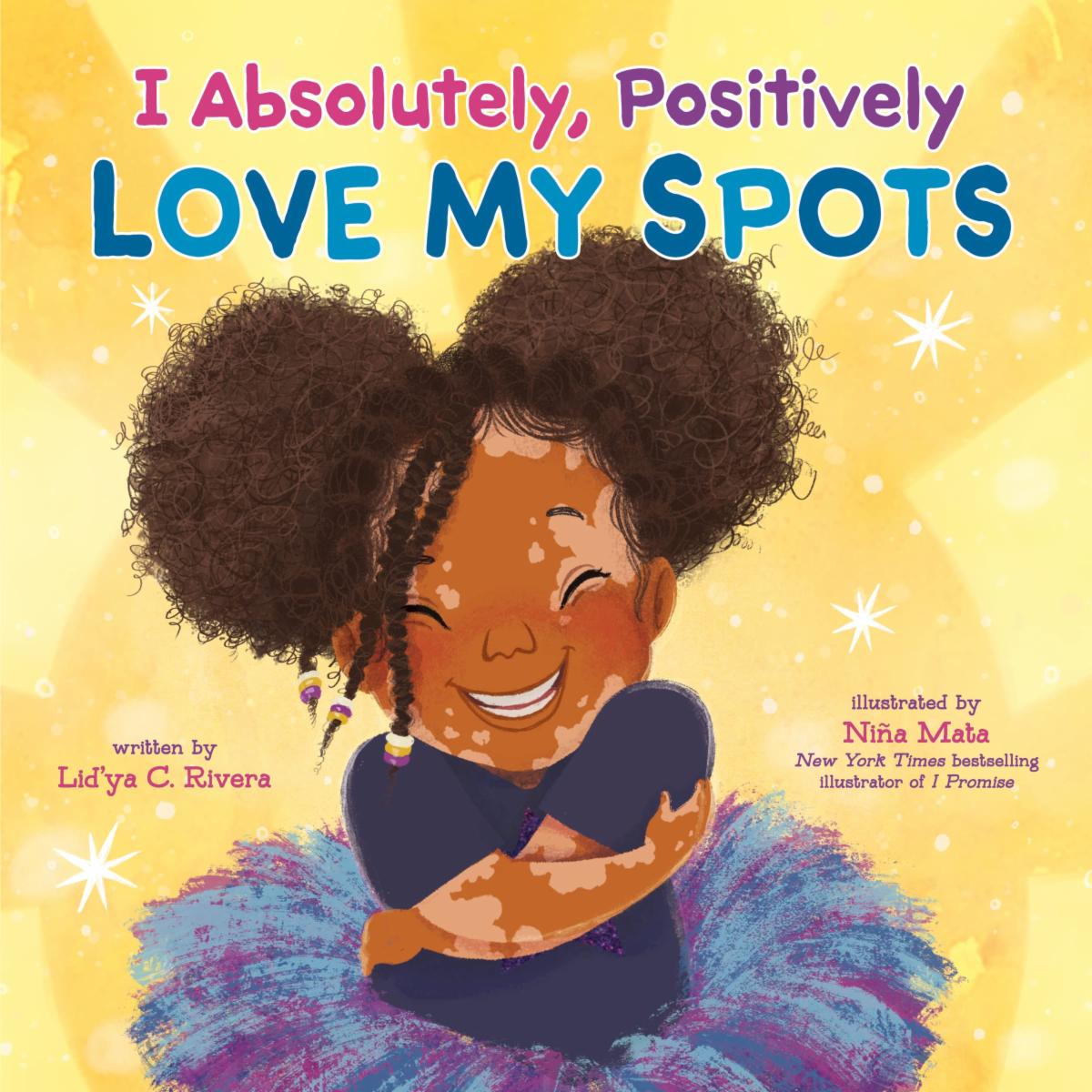
I Absolutely, Positively Love My Spots by Lid’ya C. Rivera
(June 6), Picture Book
This book is a reminder that there is beauty in everything. This book is a celebration of self-esteem, perseverance, and loving yourself. It includes a personal letter from the author and facts about vitiligo, a disease that causes loss of skin color in patches across the body. This is the first book from Lid’ya C. Rivera and features New York Times bestselling illustrator Nina Mata.
| |
|
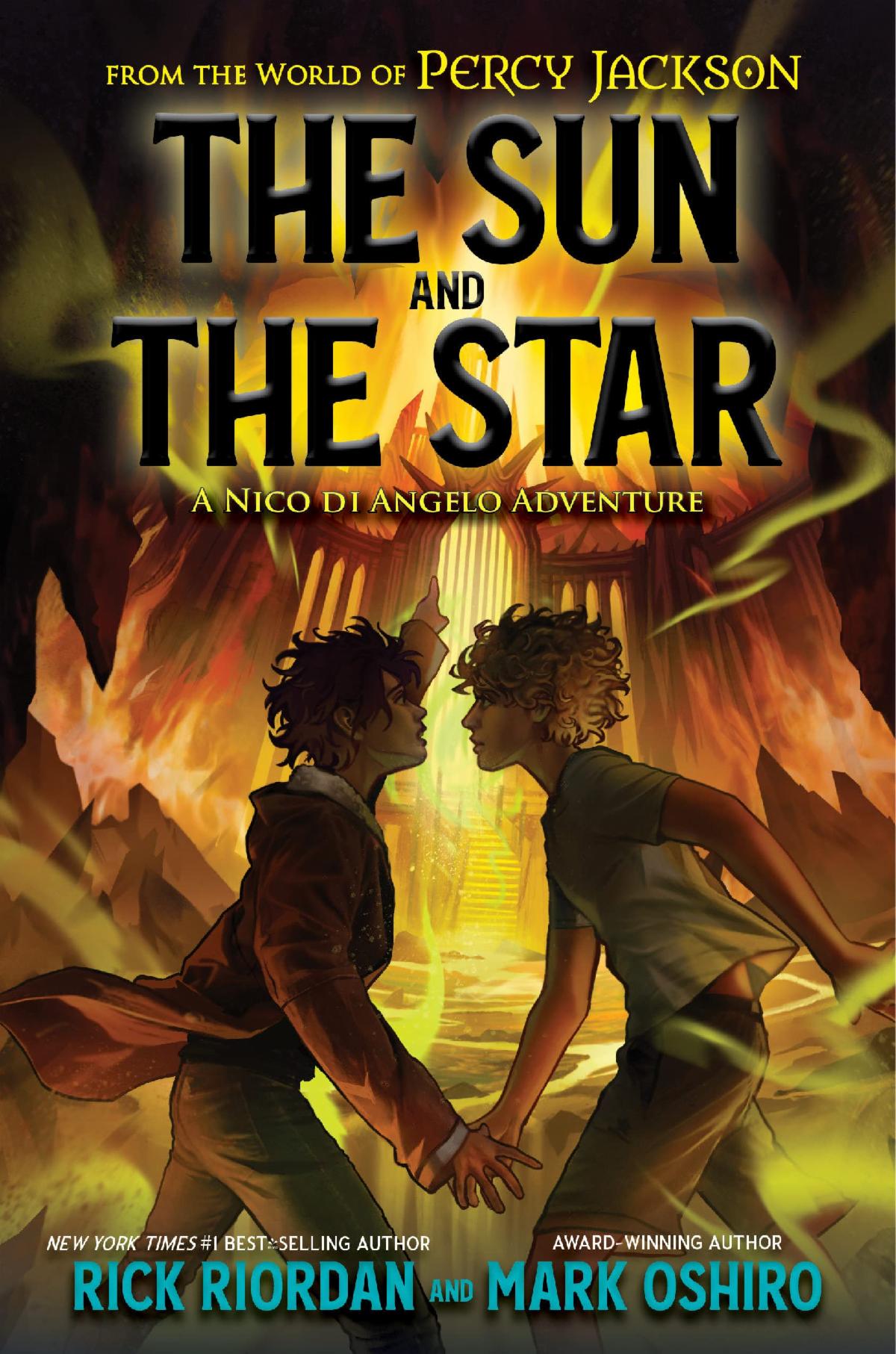
The Sun and the Star (The Nico Di Angelo Adventures) by Rick Riordan and Mark Oshiro
(May 2), Juvenile Fiction
From the world of Percy Jackson comes a new spinoff series featuring familiar demigods Nico di Angelo and Will Solace. Together they must endure the terrors of Tartarus to rescue an old friend. Nico will face demons both internal and external as his relationship with Will is tested to the core.
| |
|
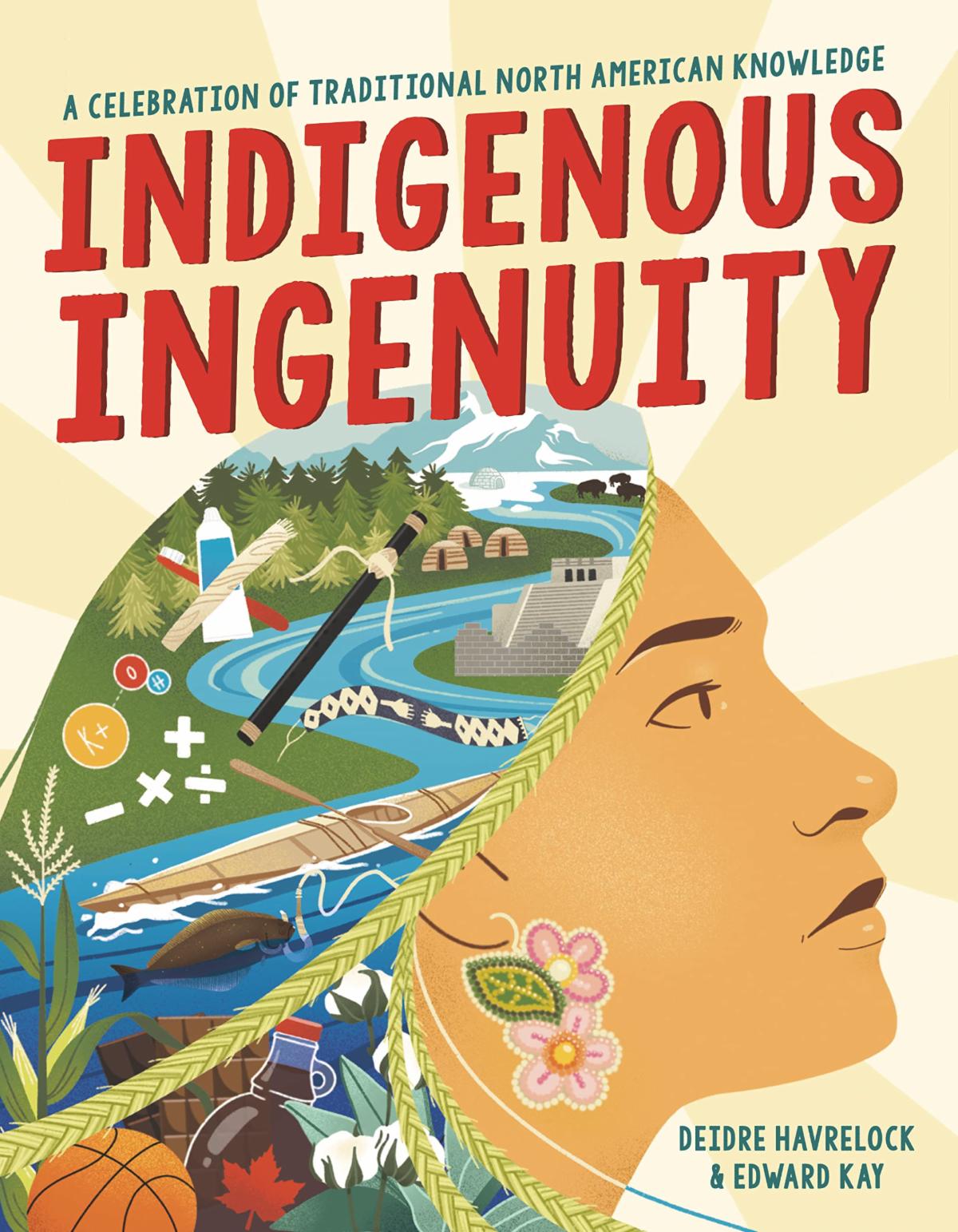
Indigenous Ingenuity: A Celebration of Traditional North American Knowledge by Deidre Havrelock and Edward Kay
(May 9), Juvenile Non-Fiction
Celebrate the creations of North American Indigenous thinkers! Ranging from corn to chocolate to boats that float. The invention of life-saving disinfectants, forest fire management, and so many other practices that have been widely adopted around the world. Topics covered range from engineering to hunting technologies to agriculture.
| |
|
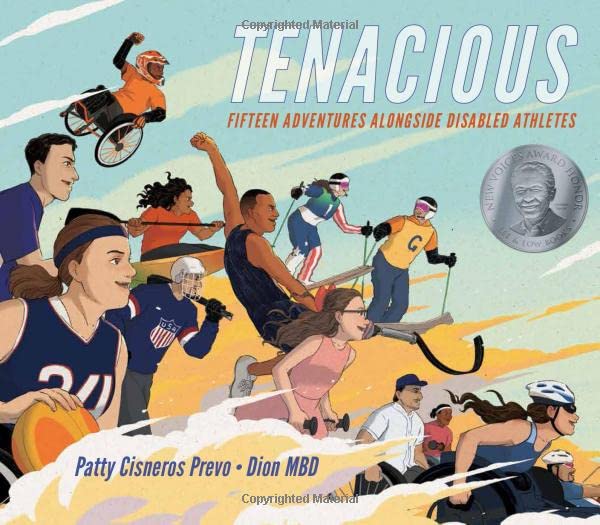
Tenacious: Fifteen Adventures Alongside Disabled Athletes by Patty Cisneros Prevo
(June 27), Juvenile Non-Fiction
Meet fifteen athletes who use adaptive equipment to meet their dreams. A downhill skier with blindness, a surfer that shreds waves while sitting down, a man who competes in wheelchair motocross, and many more! These competitors have won medals and set world records. This book is a reminder that you can do anything with a little perseverance.
| |
|
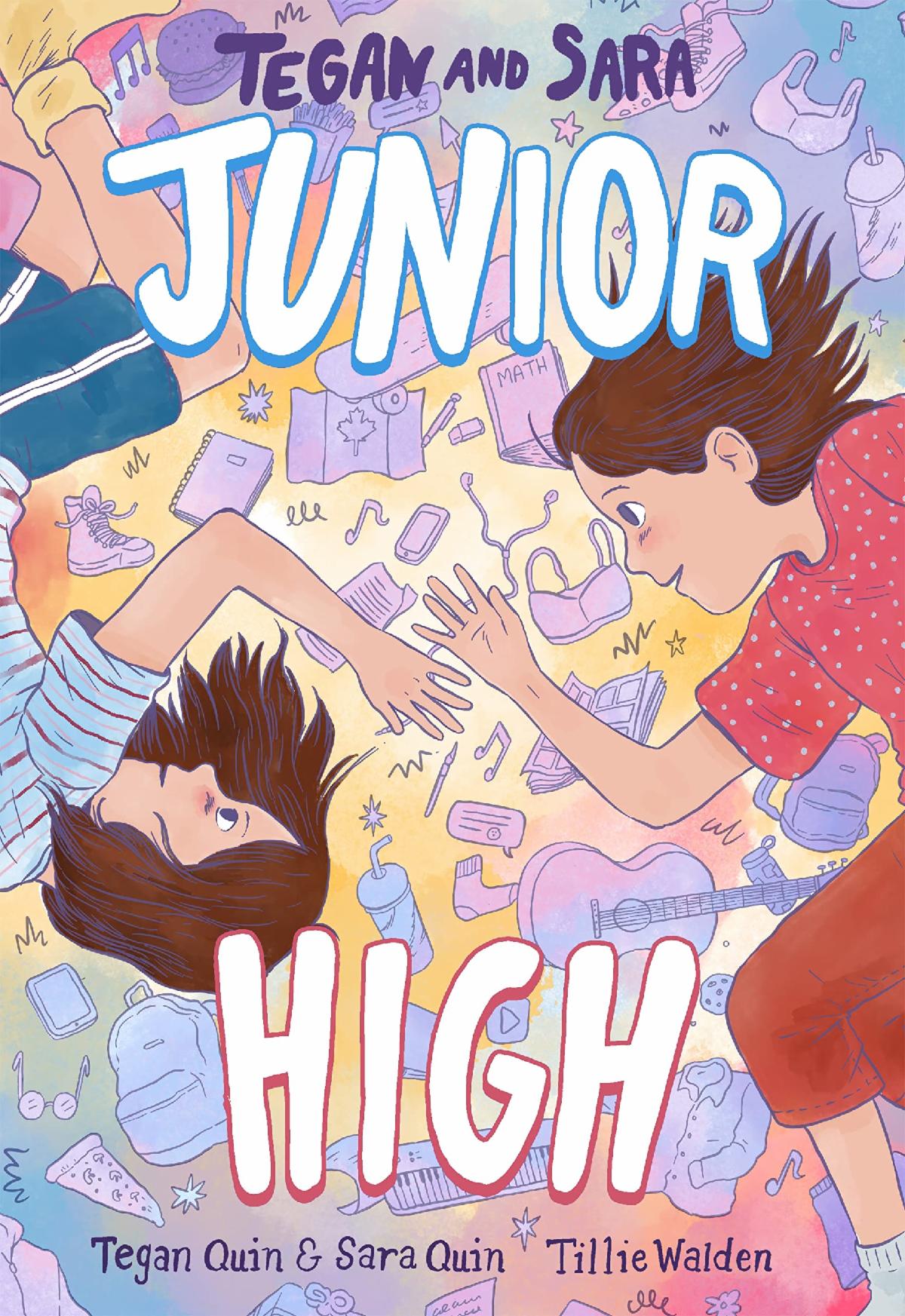
Tegan and Sara: Junior High (Book 1) by Tegan Quin and Sara Quin (May 30), Graphic Novel
From indie-pop twin sister duo Tegan and Sara comes a contemporary middle grade graphic that explores growing up, coming out, and finding yourself through music and sisterhood.
| |
|
DEI Book Club
Library directors, staff, volunteers, and trustees are invited to participate in the DEI Book Club.
Here is the schedule for upcoming meeting dates:
-
August 30: The City We Became by N.K. Jemison
-
October 25: Milk (DVD)
| |
|
|
Let’s Talk About Activism Fatigue
Alex Andrasik, Penn Yan Public Library (he/him)
Whether you’re part of an activist movement, trying to keep well-informed on current events, or doing your part to do the right thing in your social circles, you’ve probably experienced activism fatigue at some point in recent years. Activism fatigue is “a type of burnout that occurs when one is working towards a goal that involves emotional, mental, and physical exhaustion, all of which can become a chronic condition over time” (Chen et al.). Justice work often starts with a “honeymoon phase” where we put our all into our projects, but that soon wears out, to be replaced with feelings of stress and even apathy. It takes deeply-invested people to do the hard work of making change, but it’s precisely that level of investment that makes burnout so common. It also creates cascading feelings of hopelessness, which tend to prevent sufferers from seeking help (Gorski).
Sometimes, activism burnout leads to “a complete social justice divorce” (Tillery), when the pressures of involvement become too much to bear and once-eager justice seekers simply bow out and never return. We’ve seen this especially among white and other privileged populations in the wake of major justice inflection points, like the murder of George Floyd: the will to make change starts off strong, then tapers off. People who don’t have the privilege to set down the identities that put them at the center of social justice debates are left holding the line, again, feeling justifiably used and abandoned. Our own DEI committee was formed under similar circumstances, and since then, its members have dealt with feelings of fatigue in a variety of ways.
Of course, activists from marginalized groups experience burnout too - arguably even more so, as they face both everyday and extraordinary forms of common American oppression on top of their social justice efforts (and at times, because of them). An activist named Keshia Crosby-Williams told NPR in 2020, "A lot of my anxiety comes from that, from all this effort, from so many people coming together, so many protests, so many conversations happening around the dinner table, [what] if at the end of all of this, nothing changes, nothing gets better” (Silva). Others interviewed for the same article cited the added pressures of being asked to educate white “allies” and the fear of being seen as a sellout for trying to take a break as contributing to feelings of burnout among BIPOC activists (ibid.)
We all need to take a break sometimes, from everything and anything causing us stress or wearing us out in life - whether that’s work, family, social obligations, or activism. No one should be made to feel like a failure or a traitor for tapping out - and pushing ourselves past our limits may just be a way of making ourselves martyrs, another way of centering ourselves rather than the cause. However, another way of thinking about activism fatigue is to frame it as compassion fatigue - and most of us would prefer not to think we possess limited amounts of compassion. Thinking about it that way might help us to resist falling into a “social justice divorce” and to get back out there when we’re feeling re-energized.
How do we get re-energized, though? Self care is key, and can include personal strategies like identifying your unique perception of burnout so you can treat it before it becomes overwhelming, building a ‘coping bank’ of activities that stoke your joy, and, yes, taking that break from the action (Khan).
Activism researcher Paul Gorski also emphasizes a “shift from just self care to community care to not only treat the symptoms of burnout but also to address the unique circumstances surrounding activism fatigue” (Tillery). Activism fatigue will continue to be a part of social justice action as long as leaders and movements themselves valorize martyrdom and fail to make space to talk about burnout.
Social change takes years - even decades - to accomplish. For every big event that shifts the culture in meaningful ways, there are hundreds of dedicated people putting countless hours toward small acts - sharing information, hosting presentations, amplifying voices - that slowly shift the tide. We need to ensure that those people, and the communities they create, are nurtured and cared for. How can you provide care to the networks of activists working in the communities your libraries serve? If you consider yourself an activist, how are you caring for yourself and the community of activists you’re striving beside?
---
Chen, Cher Weixia, et al. “Burnout in Social Justice and Human Rights Activists: Symptoms, Causes and Implications.” Journal of Human Rights Practice. https://tinyurl.com/2wycxb2k
Gorski, Paul C. “Racial battle fatigue and activist burnout in racial justice activists of color at predominately white colleges and universities.” Race Ethnicity and Education. https://tinyurl.com/2s4eevs
Khan, Aliya. “Activist Burnout Is Real – And You Probably Need to Read These 4 Ways to Manage It.” Everyday Feminism. https://tinyurl.com/5n8eb4fe
Silva, Christianna. “Black Activist Burnout: 'You Can't Do This Work If You're Running On Empty.'” NPR. https://tinyurl.com/465a2cb3
Tillery, Mikayla. “Activism fatigue is killing social justice. Is it selfish or inevitable?” The Stanford Daily. https://tinyurl.com/49tvsrf4
| |
Pride Displays Around the Southern Tier Library System | |
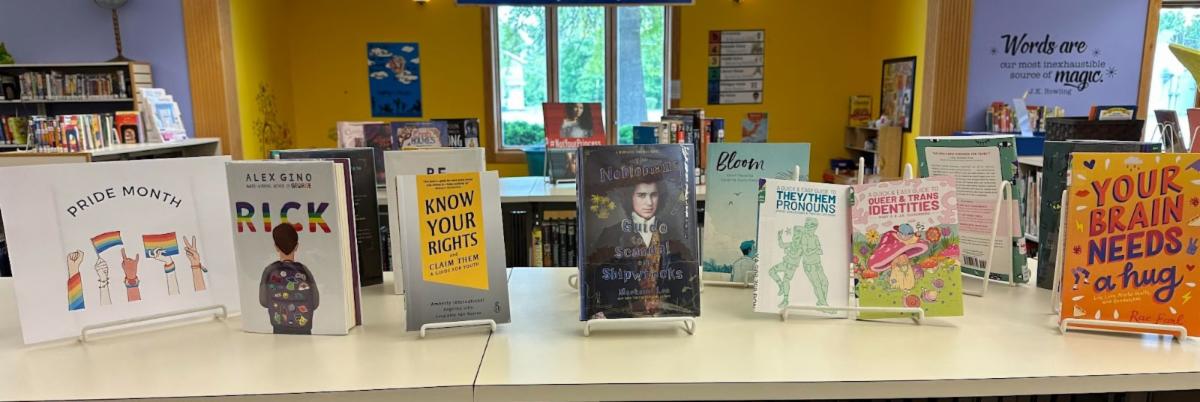
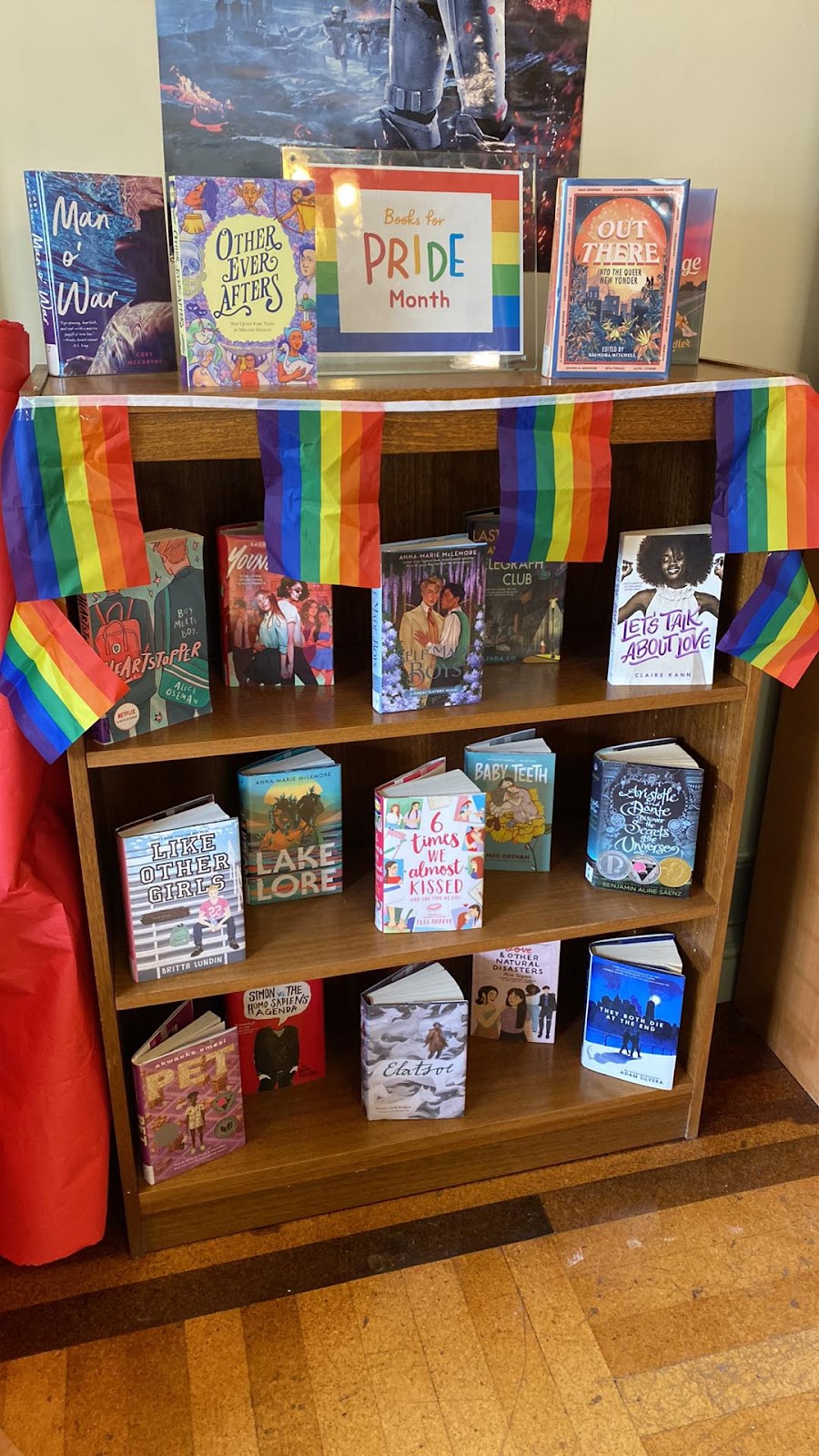
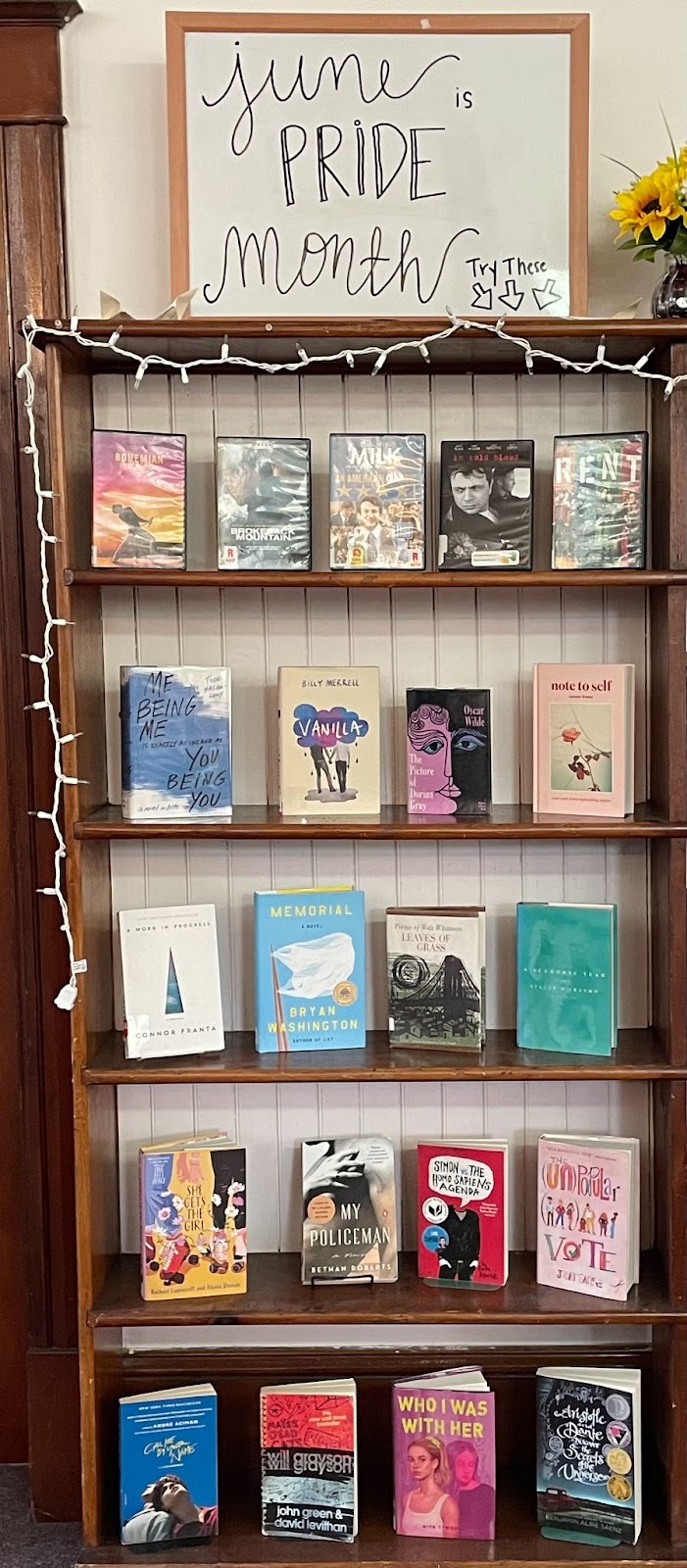
Dormann Library (Bath), Photo Courtesy of LeighAnn Rumsey | |
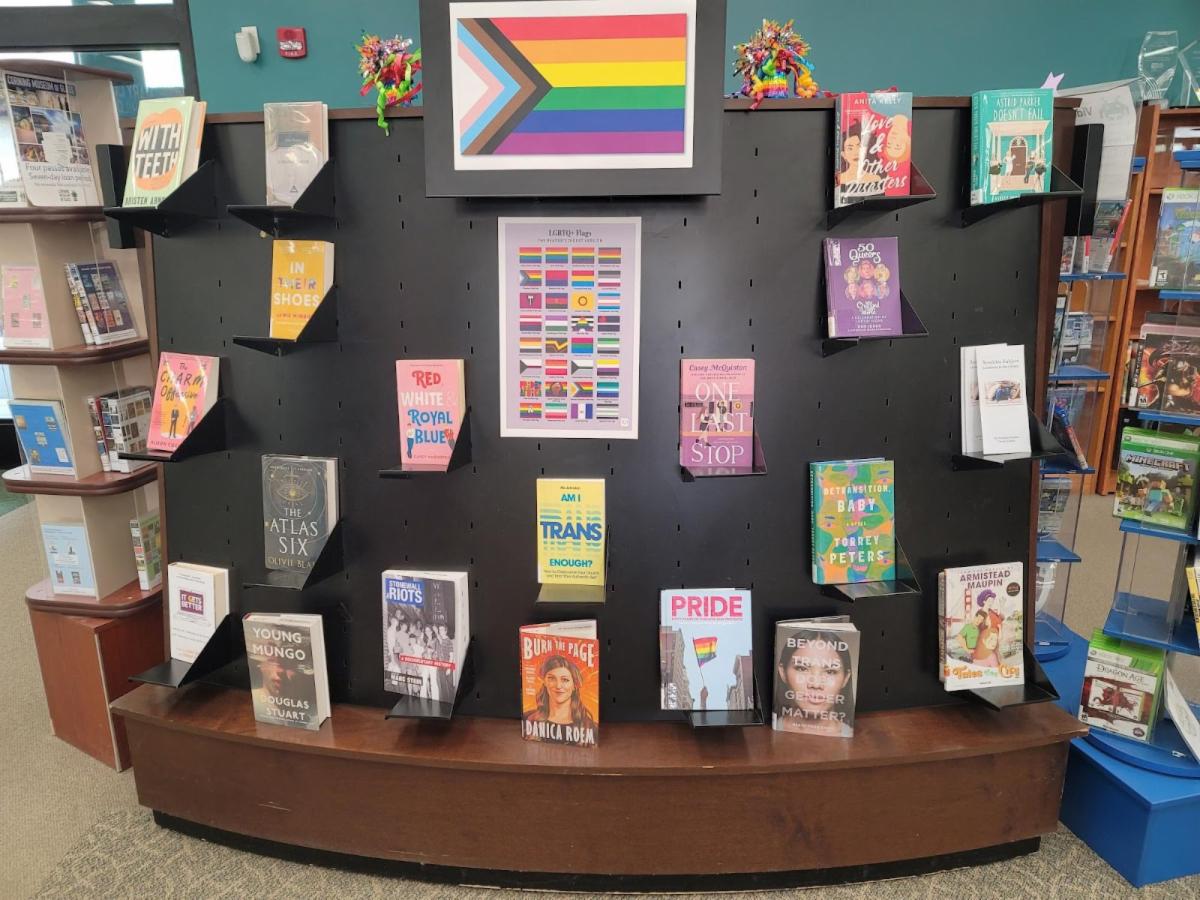
Southeast Steuben County Library (Corning), Photo Courtesy of Pauline Emery | |
|
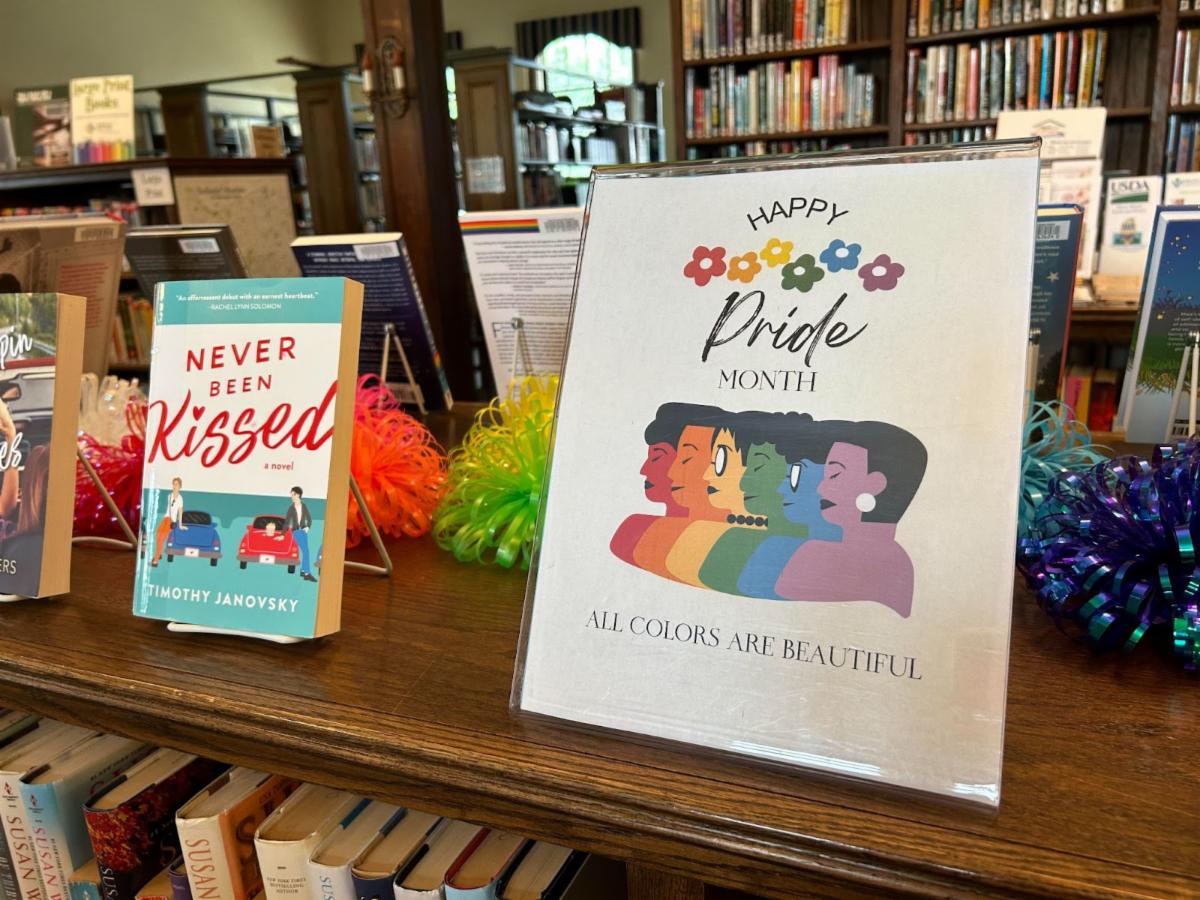
Cuba Circulating Library, Photo Courtesy of Tina Dalton
| |
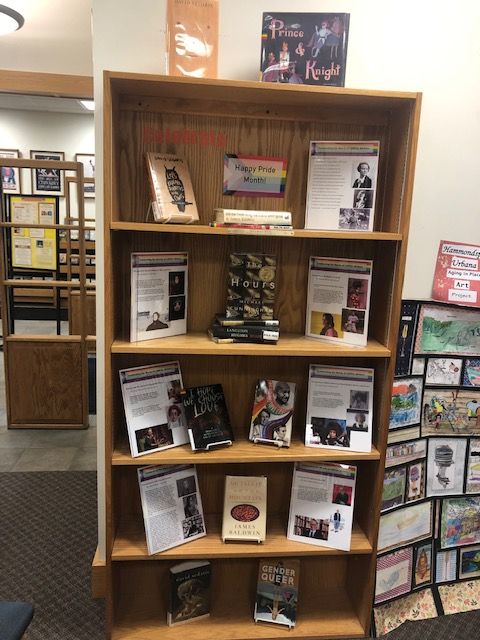
David A. Howe Library (Wellsville), Photo Courtesy of Nic Gunning | |
|
|
Almond 20th Century Club Library, Photo Courtesy of Bec Cronk
| |
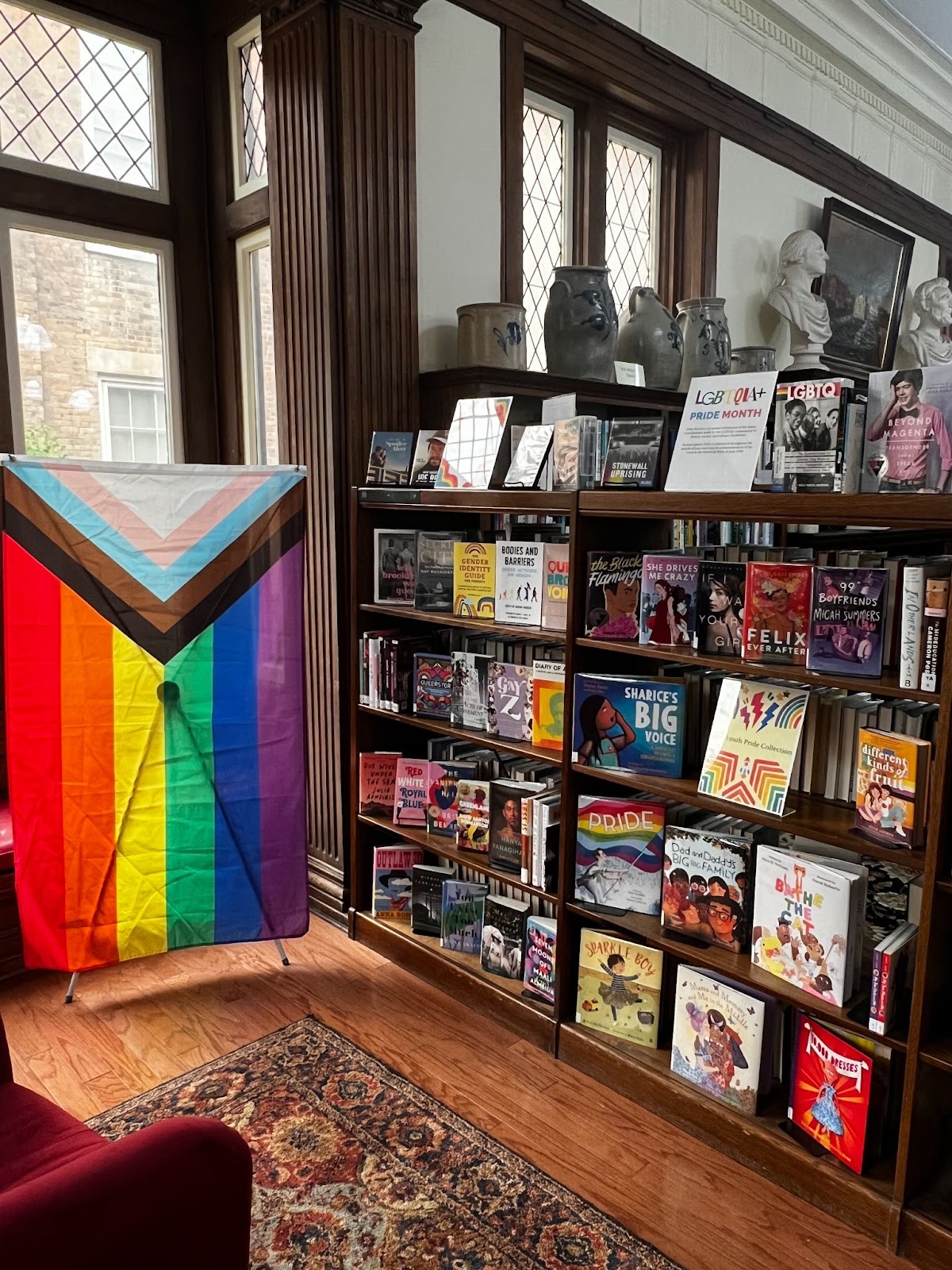
Fred and Harriet Taylor Memorial Library (Hammondsport), Photo Courtesy of Sally Jacoby-Murphy | |
|
|
Montour Falls Library, Photo Courtesy Emily Smith
| |
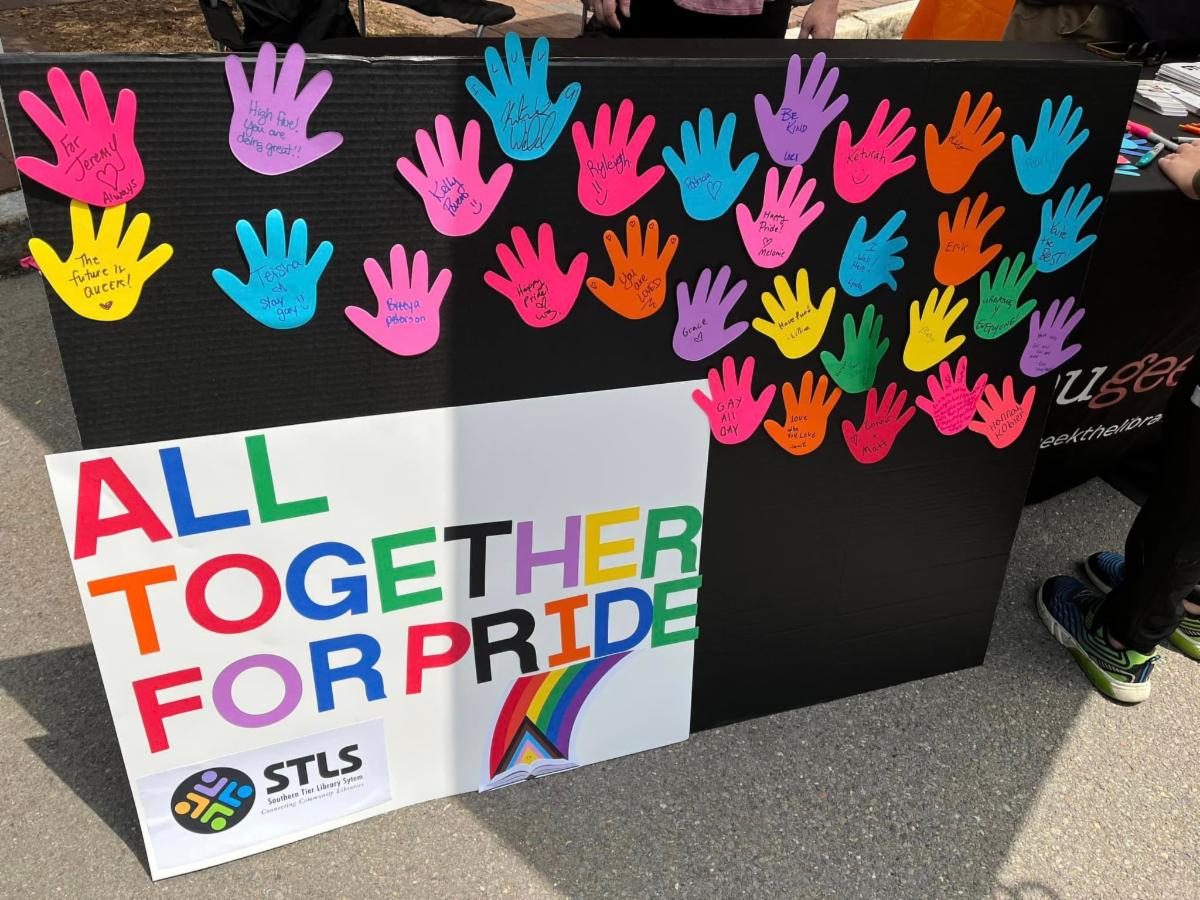
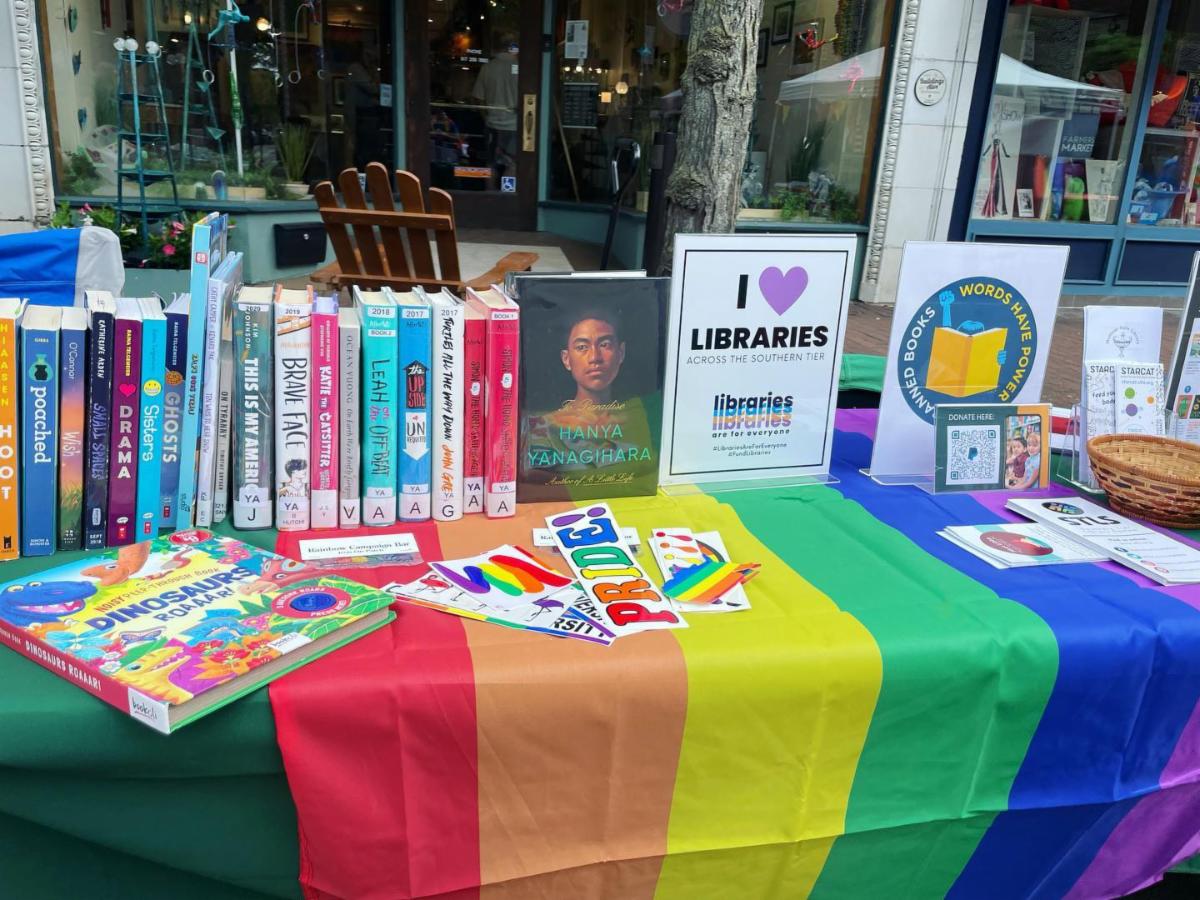
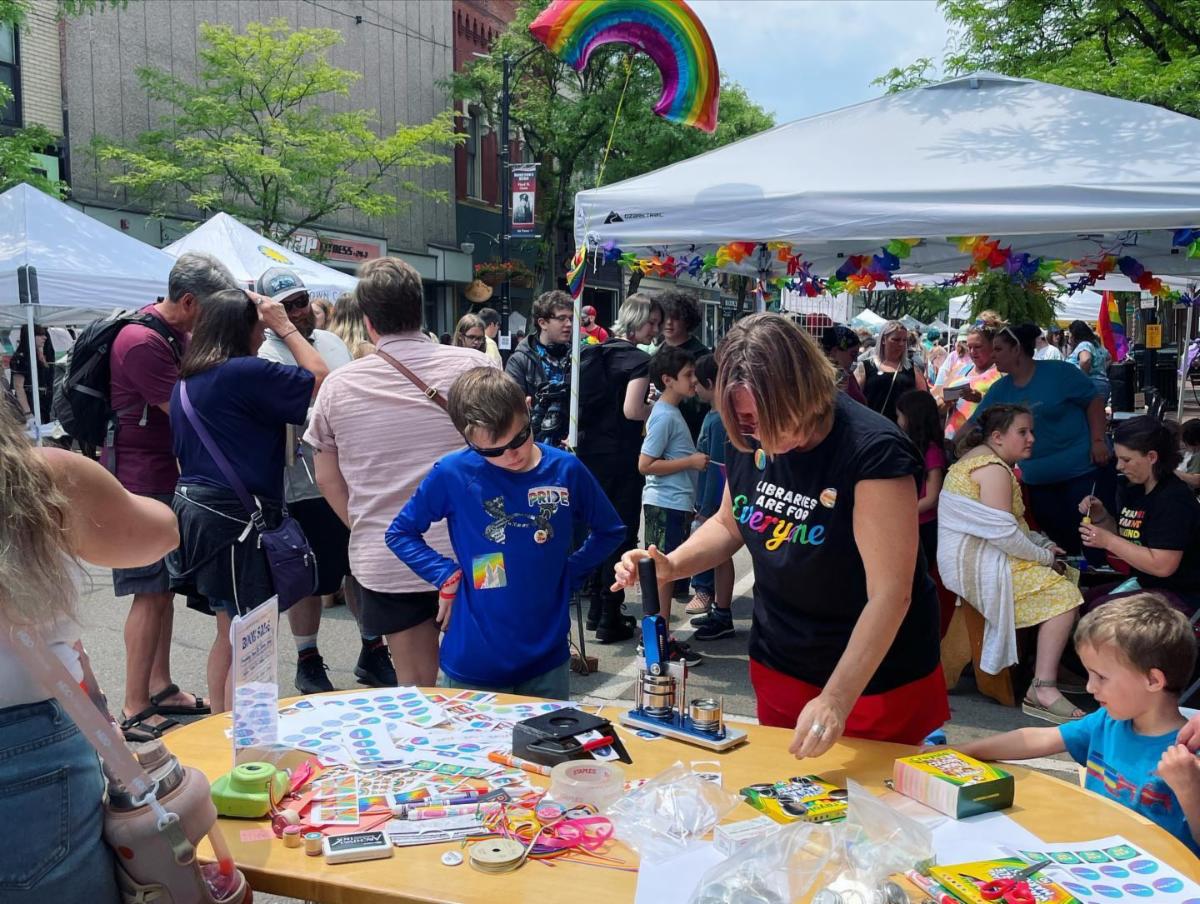
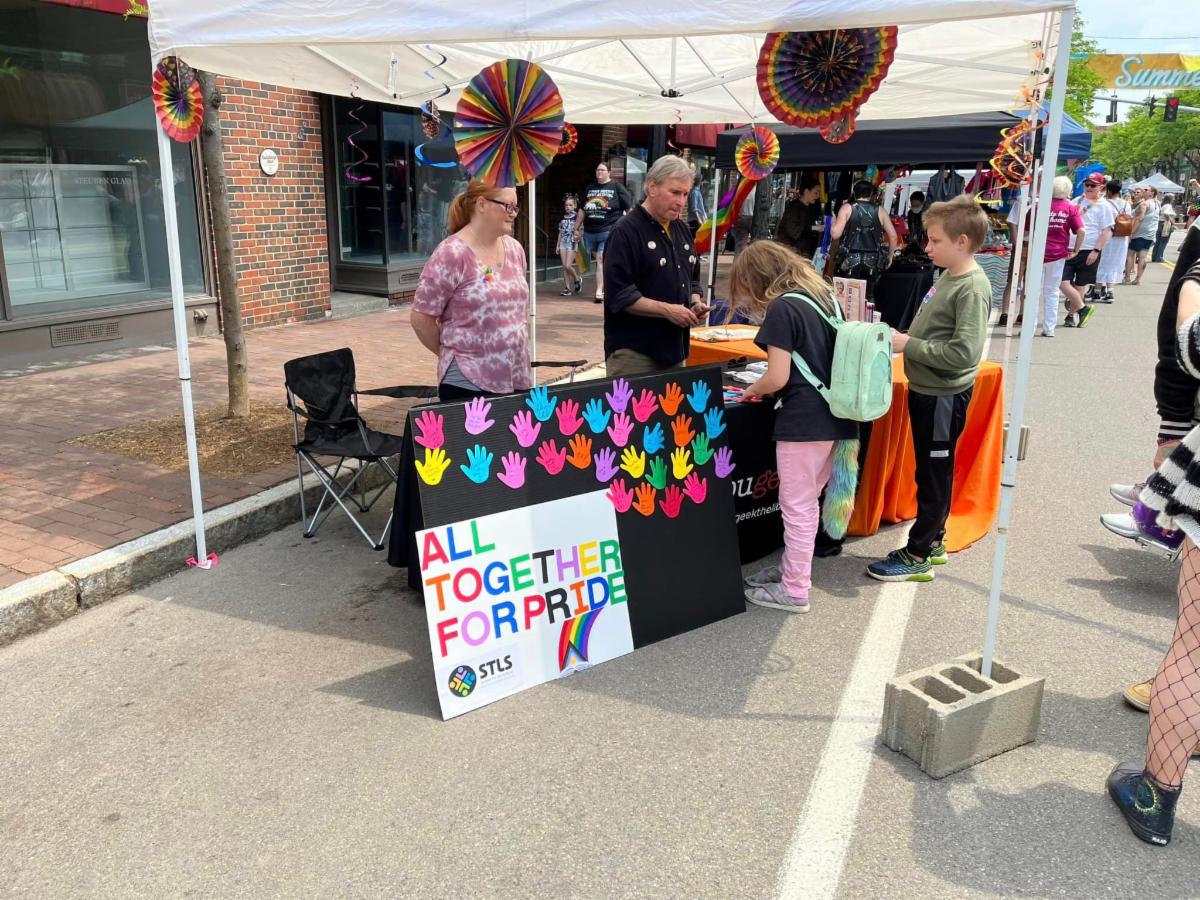
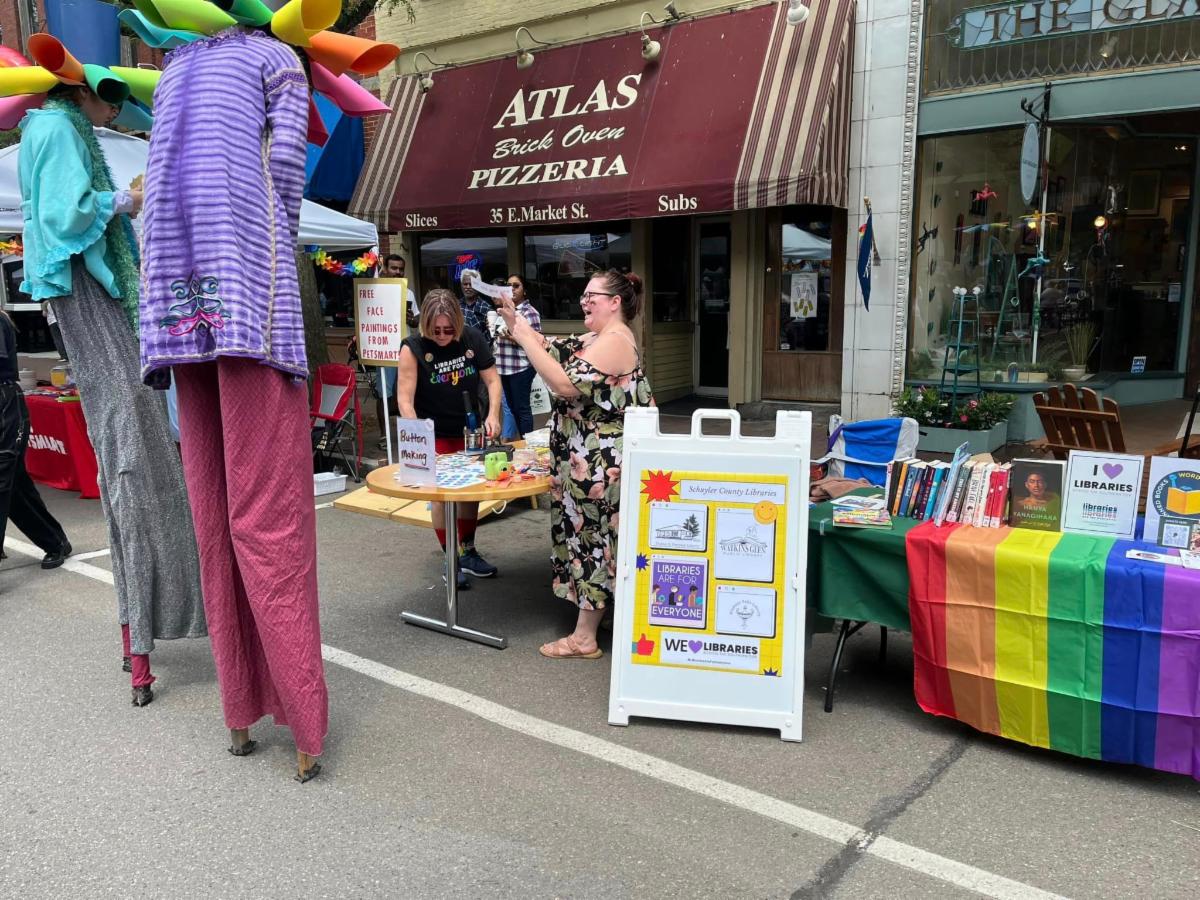
Schuyler County libraries: Dutton S. Peterson Memorial Library (Odessa), Montour Falls Library, and Watkins Glen Public Library hosted a booth at SoFLX Pride on Saturday, June 10th, in Corning, NY. The Southeast Steuben County Library and Southern Tier Library System also hosted a booth at the event. | |
|
More Resources Brought To You by the DEI Committee
If you’re looking for social media content, the DEI Committee has created a series of Read-A-Likes to promote reading diversely. Share these on your social media or print them out for a display or shelf-talker.
The Southern Tier Library System has also created a DEI LibGuide. This guide is full of information on various topics related to diversity, equity, inclusion, and accessibility.
| | | | | |