|
INTRODUCING SPANISH AND FRENCH IN GRADES K-3
Studying a language that they did not first learn as young children is an important part of every student's education at Crossroads. It's wonderful to listen to Spanish and French phrases coming from classrooms and to watch students start to decipher Latin. But even more than achieving verbal or written fluency, learning a language helps us reflect on just how words and ideas are put together to reflect values of a particular culture. This process of communication helps us understand the construction and nature of our native language.
But language, of course, comes in many forms. Codes, for example, communicate with computers by providing instruction for activities we want machines to perform, or it can help provide access to vast quantities of information. And of course, the study of music offers another exposure to a powerful method of communication.
Learning all these kinds of languages have their unique challenges and benefits, and neuroscientists are now pointing out correlations between learning more than one language and learning as a whole. If you have the chance to learn multiple languages as a young student, you may stimulate learning in many realms, no matter if you eventually choose to become a doctor, engineer, or artist.
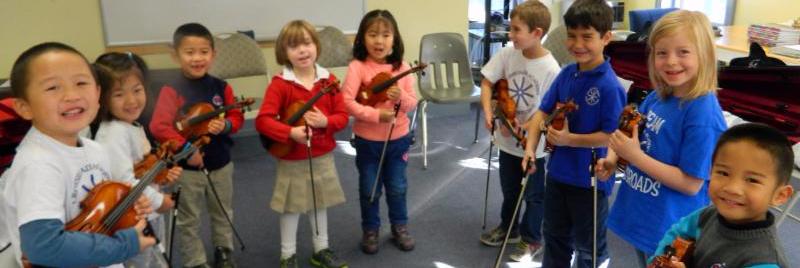
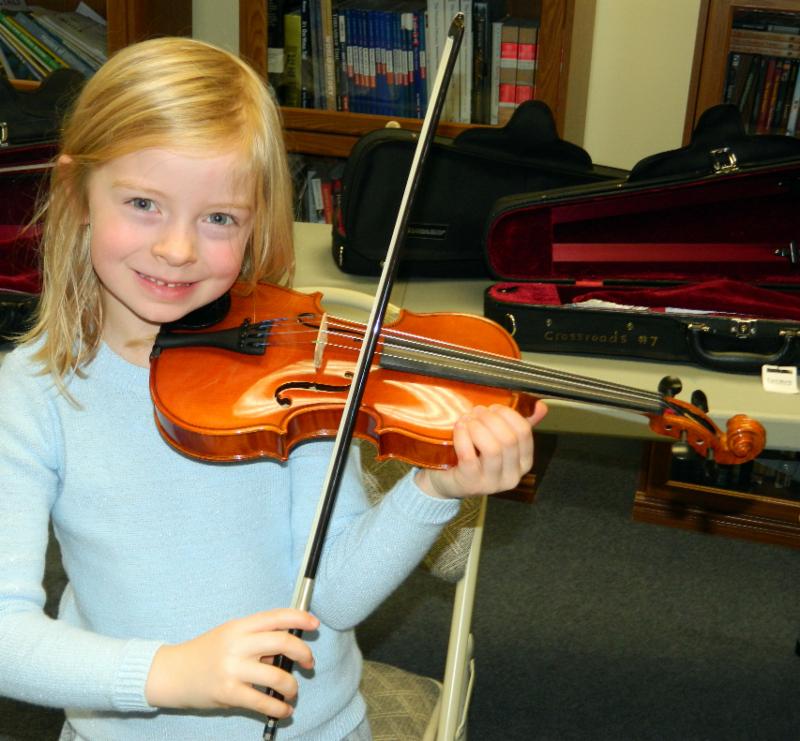
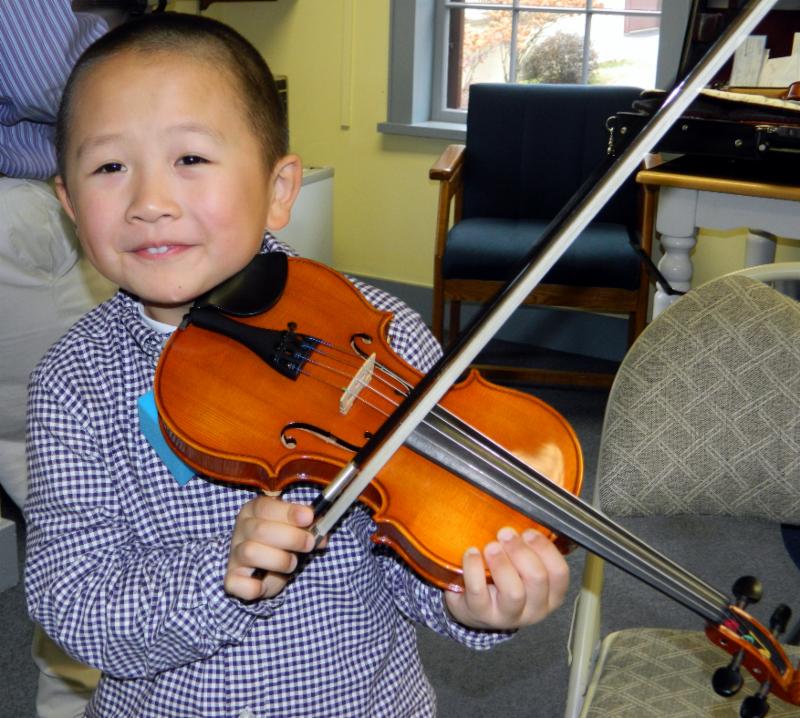
These broad effects of language learning are just some of the reasons I'm delighted to support the Lower School teachers in their request to expose our youngest students to a variety of languages. Yes, we've emphasized reading and writing skills in English since the day Crossroads first opened its doors. But this year, with the help of generous Crossroads parents, I'm pleased to have initiated a strings program that teaches our kindergarten, first, and second grade students the violin. Earlier this month, teachers participated in a professional development workshop to introduce coding throughout our curriculum, beginning in kindergarten. And again, with the support of a generous Lower School family, we will be introducing Spanish and French in grades K-3 beginning the second week of February. After this language exposure, students will make a more informed decision about concentrating on one of those two foreign languages in grades 4-8.
How will an increased exposure to multiple languages change the way our current students learn and see the world? What sort of impact will it have on their high school, college, or future careers? It may take three, five, ten, or even twenty years to know. But even without answers to these important questions, we can already say that research supports this broad and deep exposure to all these important ways of thinking about, learning, and mastering a wide variety of languages.
-Yours truly, Brad
|